
Route 66 carried travelers from Chicago to Los Angeles from 1926, and it was removed from the U.S. Highway System in 1985. As bypasses opened, especially with Interstate 40 in the Southwest, roadside businesses lost passing drivers who once paid for payroll and repairs.
A few corridors were preserved through local grants and state heritage programs, yet many properties stayed in limbo because of title issues, cleanup costs, and low demand. Buildings designed for constant traffic often fail fast when maintenance stops.
The eight stops below sit on documented Route 66 alignments and are fading through long-term vacancy, structural loss, or minimal remaining services. They still show what the Mother Road economy looked like when it worked.
1. Two Guns, Arizona
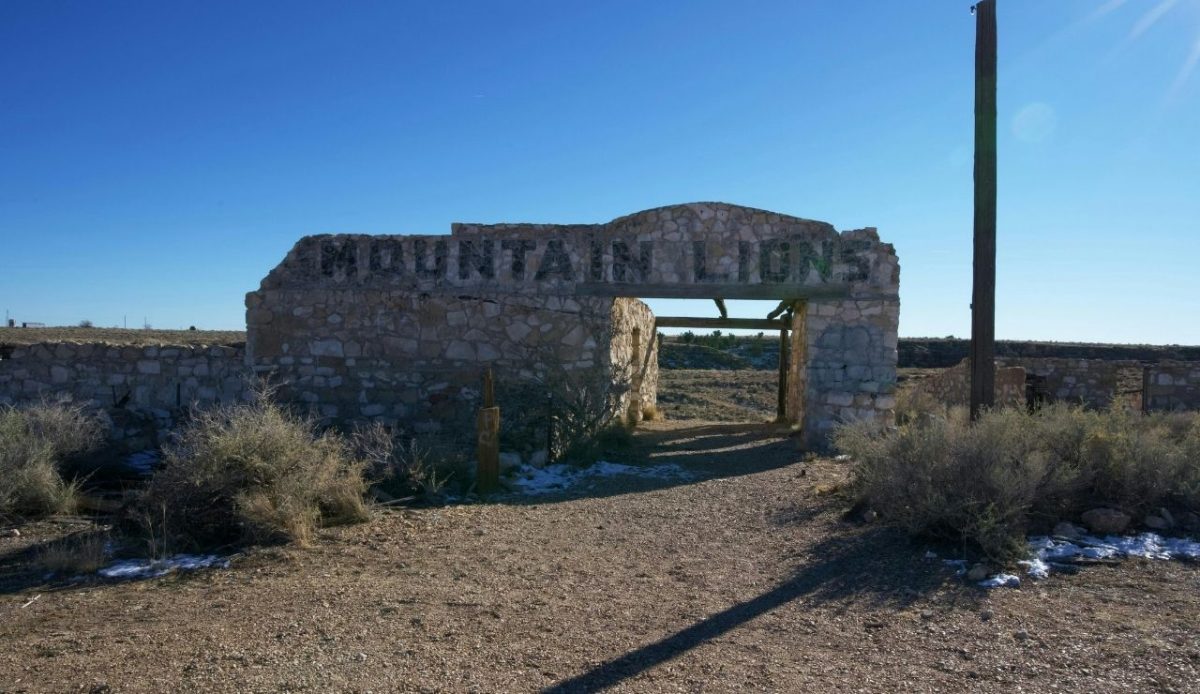
Two Guns sat near Canyon Diablo east of Flagstaff and became a Route 66 curiosity in the 1920s and 1930s. A trading post, campground, and small tourist complex sold fuel and souvenirs to drivers crossing northern Arizona.
When Interstate 40 replaced much of the old road, cash flow collapsed, and the property changed hands repeatedly. Plans for reopening were proposed, but cleanup, liability, and financing kept progress limited.
What remains is a mix of stone walls, concrete pads, and damaged signage that has been left exposed to weather and vandalism. The stop is still visited, yet it functions more as a ruin than a business, which fits the fading pattern.
2. Glenrio, Texas And New Mexico
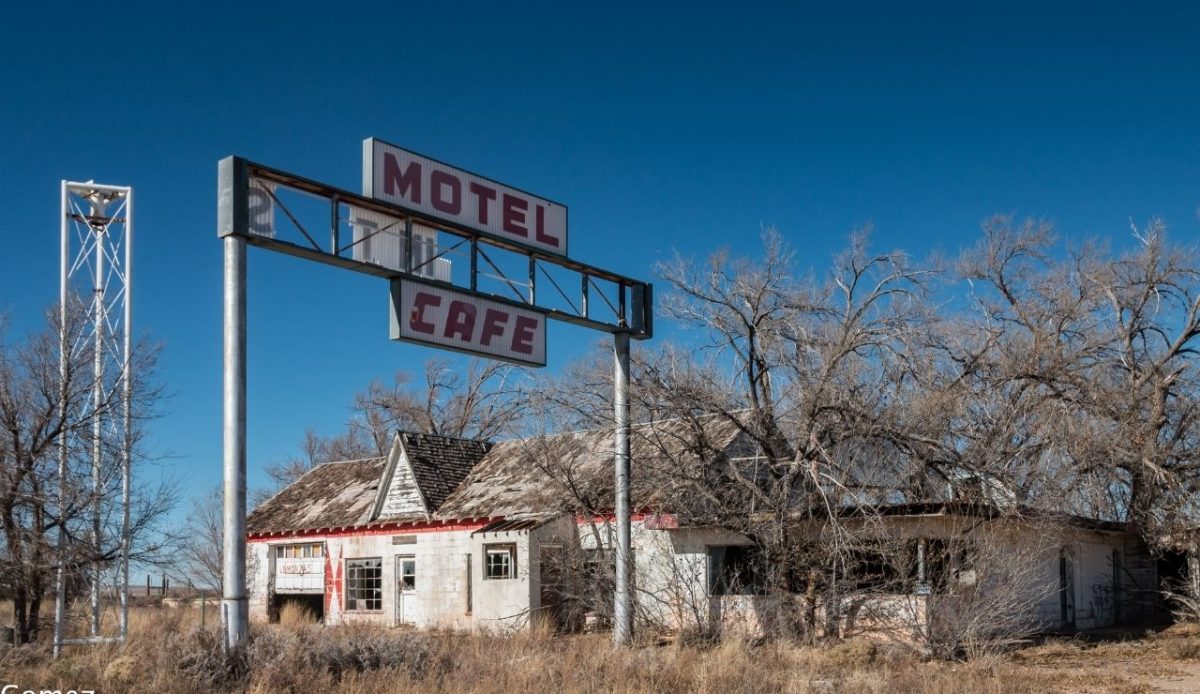
Glenrio grew on the Texas-New Mexico line as a practical Route 66 service point with motor courts, cafes, and stations. Its location made it a last chance stop for fuel or a meal before long stretches of open plains.
Interstate 40 opened nearby in the early 1970s and removed the steady stream of customers that kept the strip alive. Without traffic, most businesses shut down, and residents moved away, leaving a near-total commercial vacancy.
Many buildings still stand, but roofs have failed, and interiors are exposed, even though the area is recognized for its historic value. The town’s identity now depends on photography and heritage visits rather than operating services, showing a clear decline.
3. Texola, Oklahoma
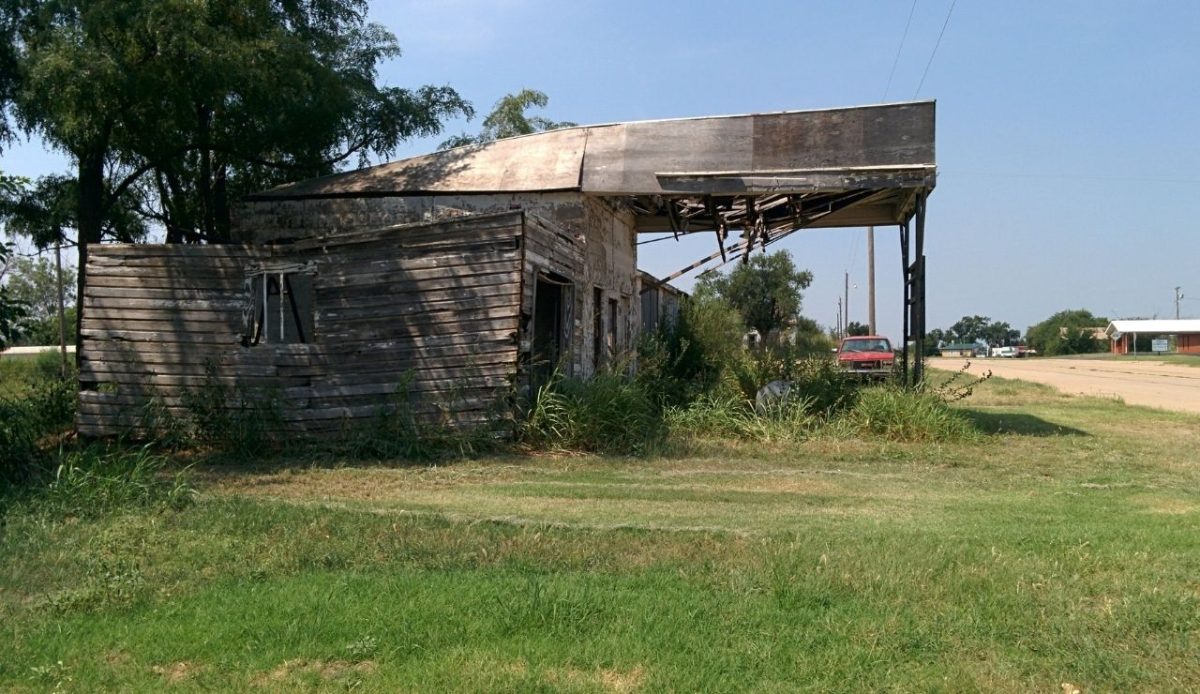
Texola sits on the Oklahoma-Texas border and was tied to early Route 66 alignments that served farms and highway travelers. Small stores, a post office, and auto-related services once handled the daily needs of motorists and locals.
As regional traffic shifted to faster corridors, demand dropped, and local businesses lost the scale needed to stay open. A very small population base meant closures could not be replaced by new operators.
Several historic buildings remain along the old route, yet many are boarded, structurally weak, or used only for storage. With limited investment and few year-round customers, the town reads as a fading stop rather than a functioning Route 66 hub.
4. Cuervo, New Mexico
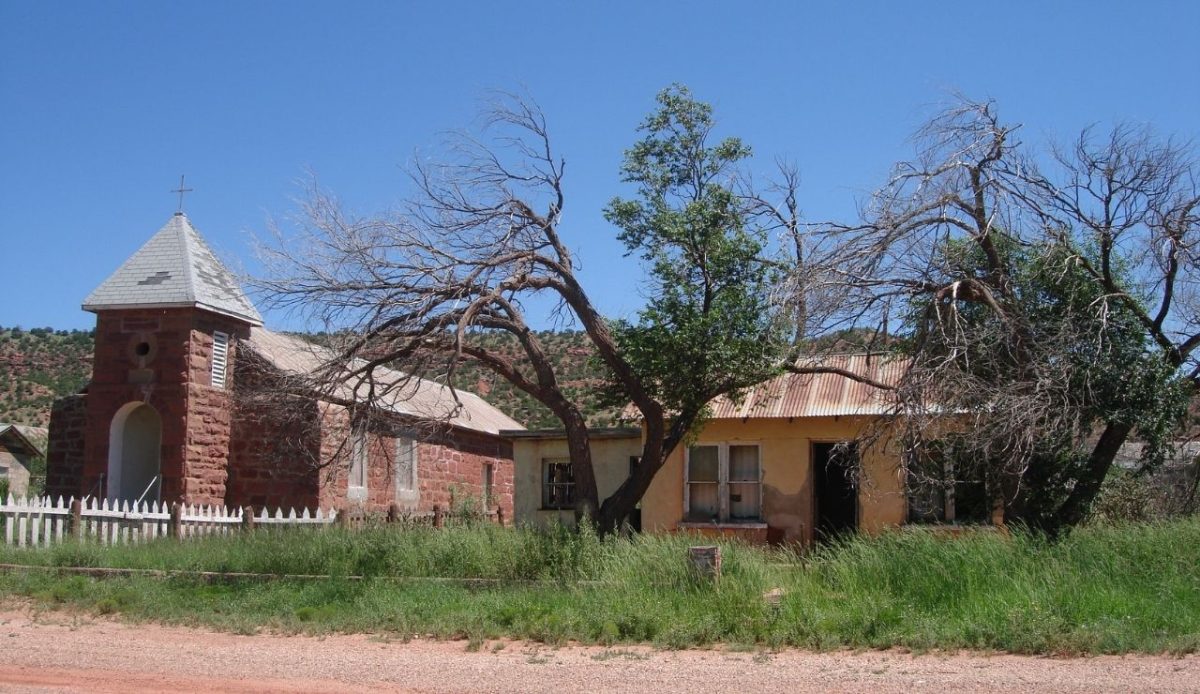
Cuervo began as a railroad siding in eastern New Mexico and later leaned on Route 66 traffic for motels and repair work. During mid century travel peaks, the highway supported a small but steady service economy.
Interstate 40 reduced direct access to the older business strip, and the remaining trade was not enough to support upkeep. As properties became vacant, routine maintenance stopped, and deterioration accelerated.
Many structures now show broken windows, roof sag, and exposed adobe and timber, with only scattered residents nearby. The place is still identifiable on the Mother Road map, but it operates more as a ghost settlement, matching the fading label.
5. Twin Arrows, Arizona
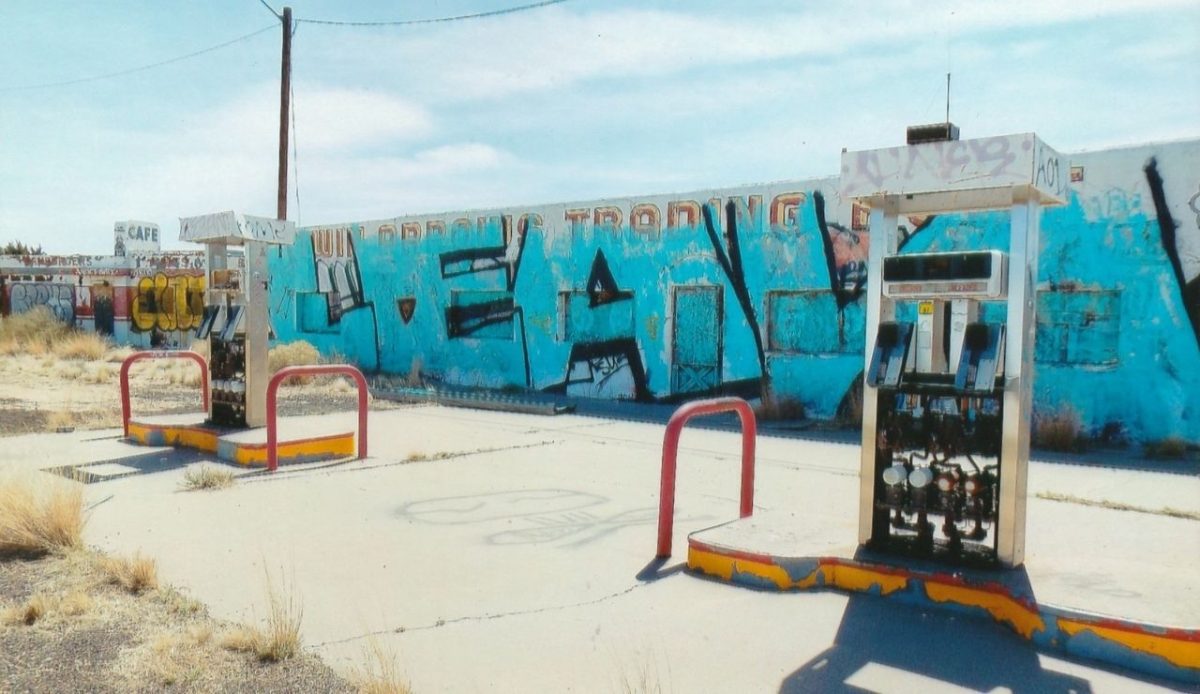
Twin Arrows became a well-known Route 66 landmark east of Flagstaff, marked by two giant arrow sculptures beside a trading post. The site sold fuel, meals, and souvenirs and benefited from postwar car culture and family road trips.
After Interstate 40 drew traffic away, sales dropped, and the operation closed, leaving buildings unused for long periods. Changing ownership did not translate into sustained reopening, and upkeep was deferred.
The arrow structures still signal the location, but nearby facilities show broken glass, surface damage, and growing structural risk. It remains a photo stop, yet the commercial function is largely gone, which aligns closely with a place fading from the route’s living economy.
6. Gold Road, Arizona
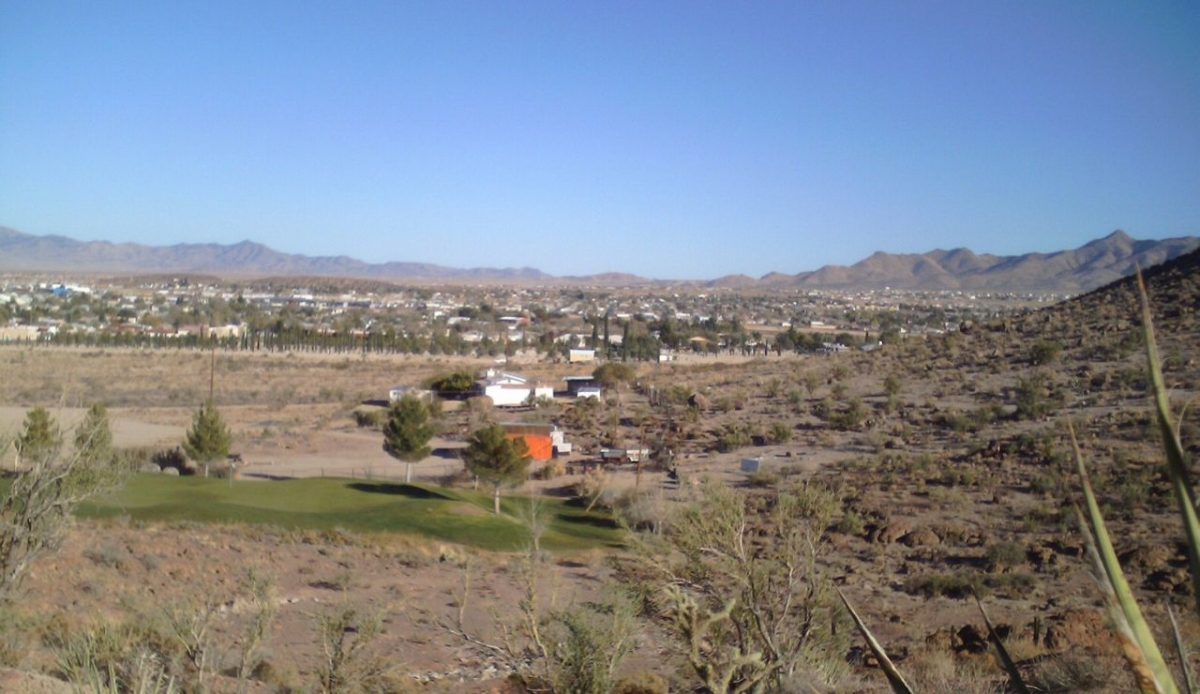
Gold Road, near Oatman in western Arizona, began as a mining camp and later sat on the Route 66 climb over Sitgreaves Pass. Its presence on a steep, scenic stretch made it part of the travel story even after mining declined.
As mineral production waned and highway patterns changed, the settlement lost both its industry and much of its pass-through trade. Remote terrain and a small population limited the chance for new businesses to replace those that closed.
Ruins and sparse structures remain, but many are fragile and are affected by weather, theft, and long gaps without repair. Visitors can still find the site by following the old alignment, yet its day-to-day role has nearly vanished, matching the title’s claim.
