
Speaking English can open a lot of doors in Europe, but not everywhere. While major cities and tourist hubs are usually easy to navigate, some rural or traditional regions still rely almost entirely on local languages. Knowing where English is common, and where you’ll need gestures and translation apps, makes travel smoother and more enjoyable. Here are five European regions where communication can be a challenge, followed by five where English speakers will feel surprisingly at home.
1. Rural France
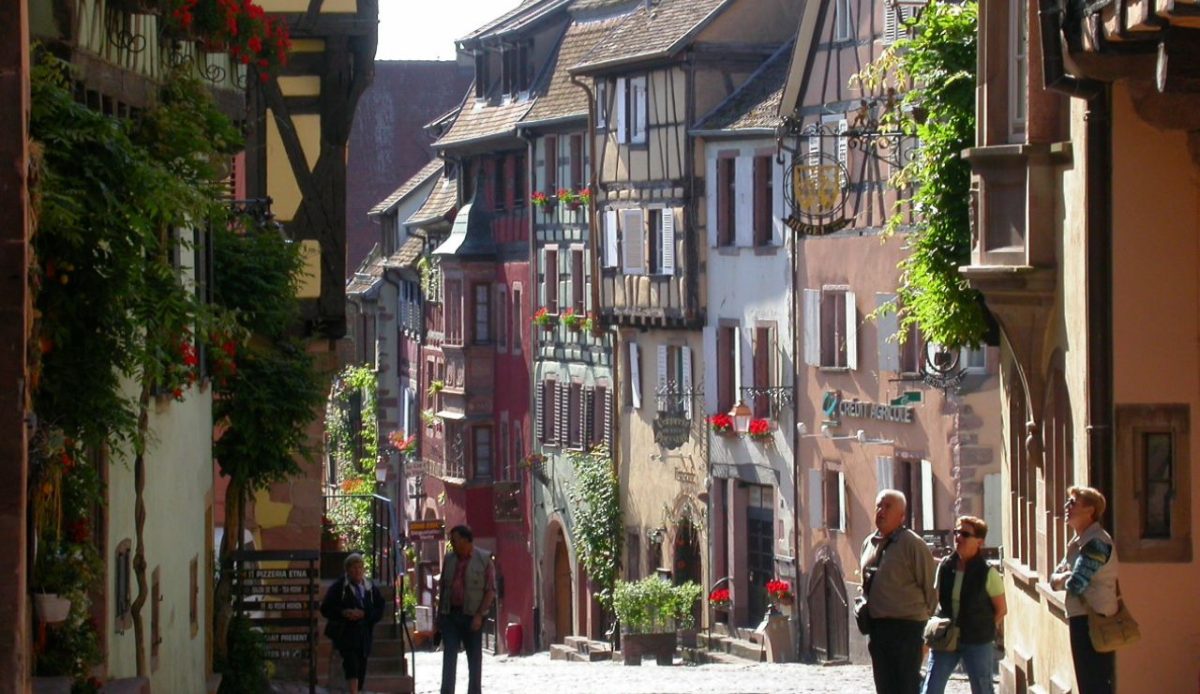
Outside Paris and major tourist destinations, rural France can be challenging for English speakers. Locals generally prefer French, and shops, markets, and restaurants rarely offer English menus or translations. Even younger people may hesitate to speak English unless you try French first. With a few basic phrases and patience, interactions become easier, and often more rewarding. The language barrier may be real, but it often leads to charming, authentic experiences.
2. Southern Italy
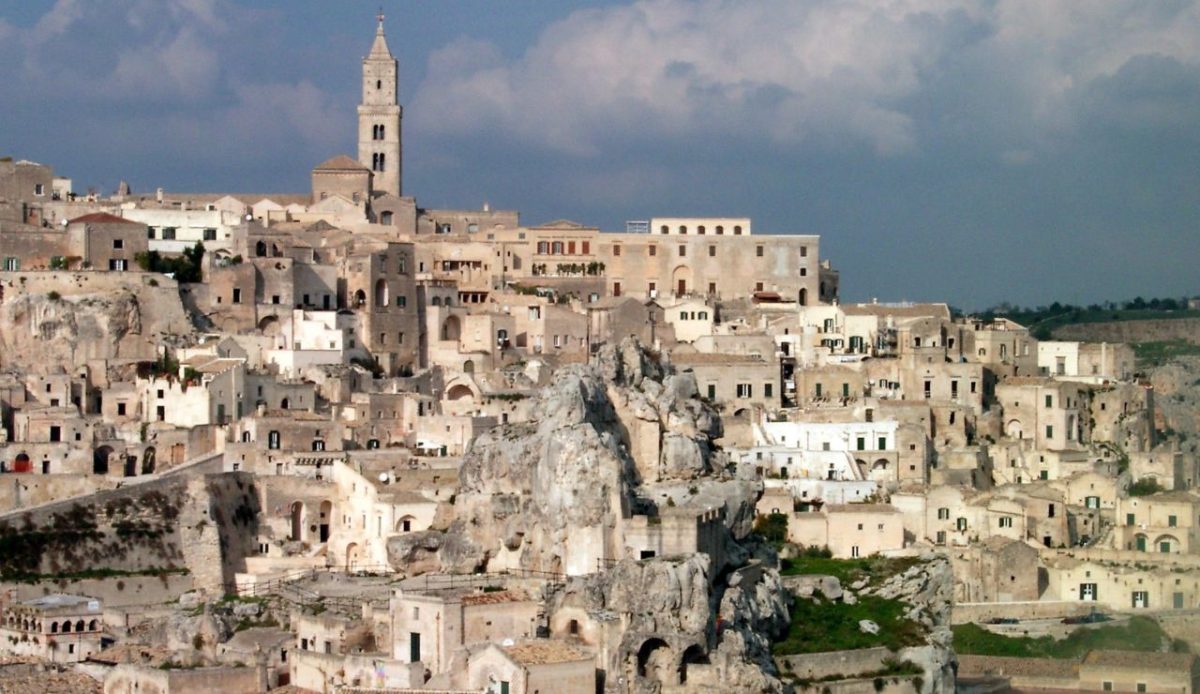
The farther south you travel in Italy, the harder it becomes to rely on English. In small towns across Calabria, Basilicata, and Sicily, most daily interactions happen entirely in Italian or regional dialects. Menus, bus schedules, and conversations require effort and improvisation. But locals are welcoming, expressive, and quick to help using gestures, smiles, and plenty of hospitality. Learning a few Italian basics makes the experience far smoother, and more memorable.
3. Rural Spain
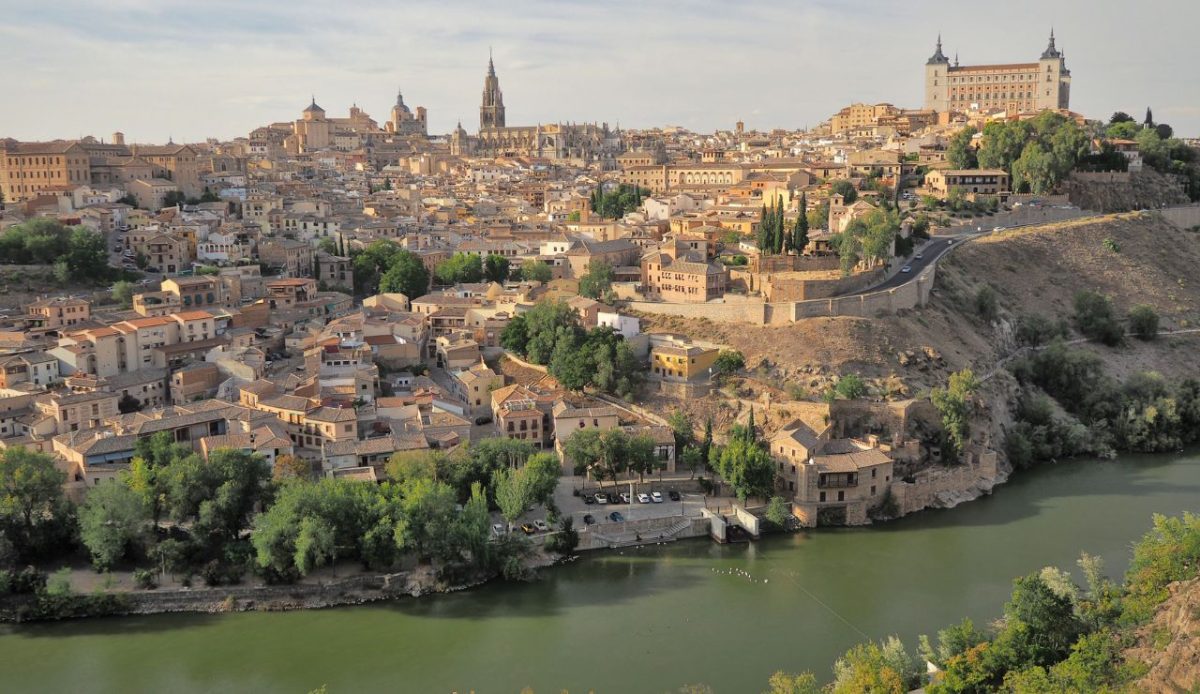
Spain’s major cities are easy for English speakers, but rural regions tell a different story. In areas like Extremadura, Castilla-La Mancha, or Galicia, English is rarely used outside schools or tourism. Locals mainly speak Spanish or regional languages, and signage often lacks translations. Even so, people are friendly and helpful, and communication becomes part of the adventure. A mix of hand gestures, translation apps, and good humor goes a long way.
4. Hungary Beyond Budapest
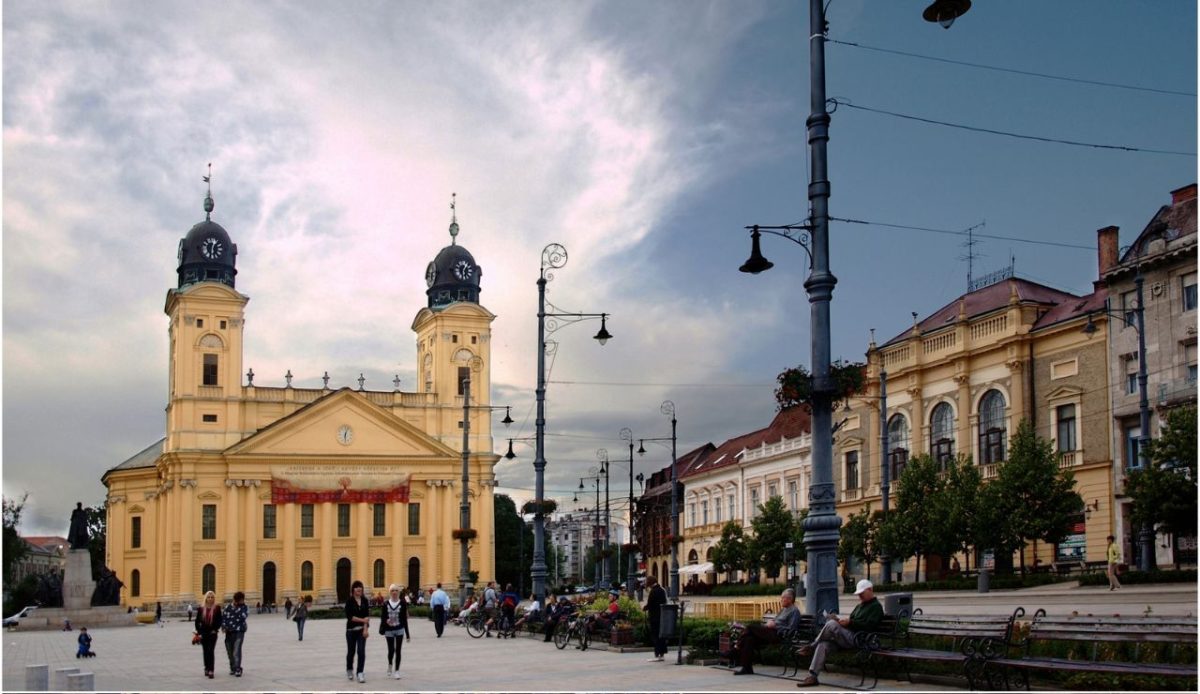
Budapest feels modern and multilingual, but once you head into Hungary’s smaller towns, the language barrier becomes very real. English isn’t commonly spoken outside tourist zones, and signs, bus routes, and menus rarely include translations. Hungarian is also uniquely difficult for visitors since it doesn’t resemble most European languages. Even so, locals are generally friendly and willing to help however they can. Younger people often want to practice English, and a translation app or phrasebook makes travel much smoother.
5. Eastern Poland
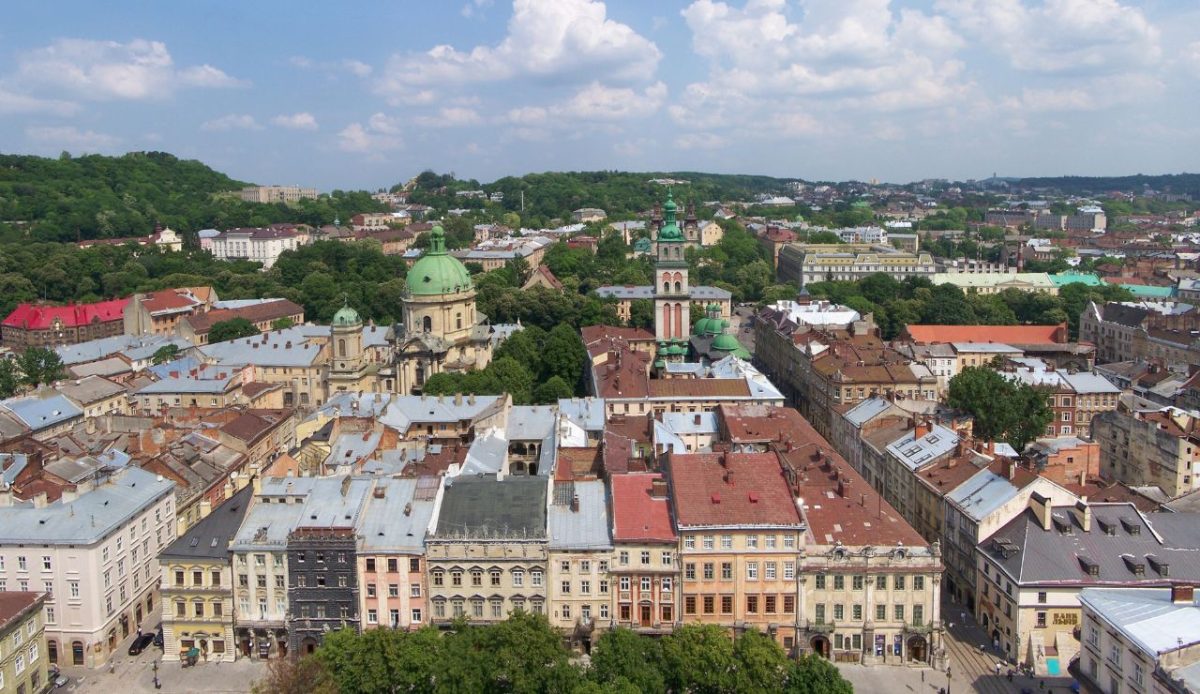
Major cities in Poland are easy for English speakers, but travel into rural or eastern regions and communication quickly becomes more challenging. English drops off sharply among older generations, and many restaurants, markets, and transportation hubs use Polish only. Even basic tasks like ordering food or buying train tickets may require gestures and patience. Still, Poles are welcoming and appreciate any attempt to speak their language. Learning a few simple phrases can transform interactions and build instant respect.
Where English Gets Surprisingly Easy
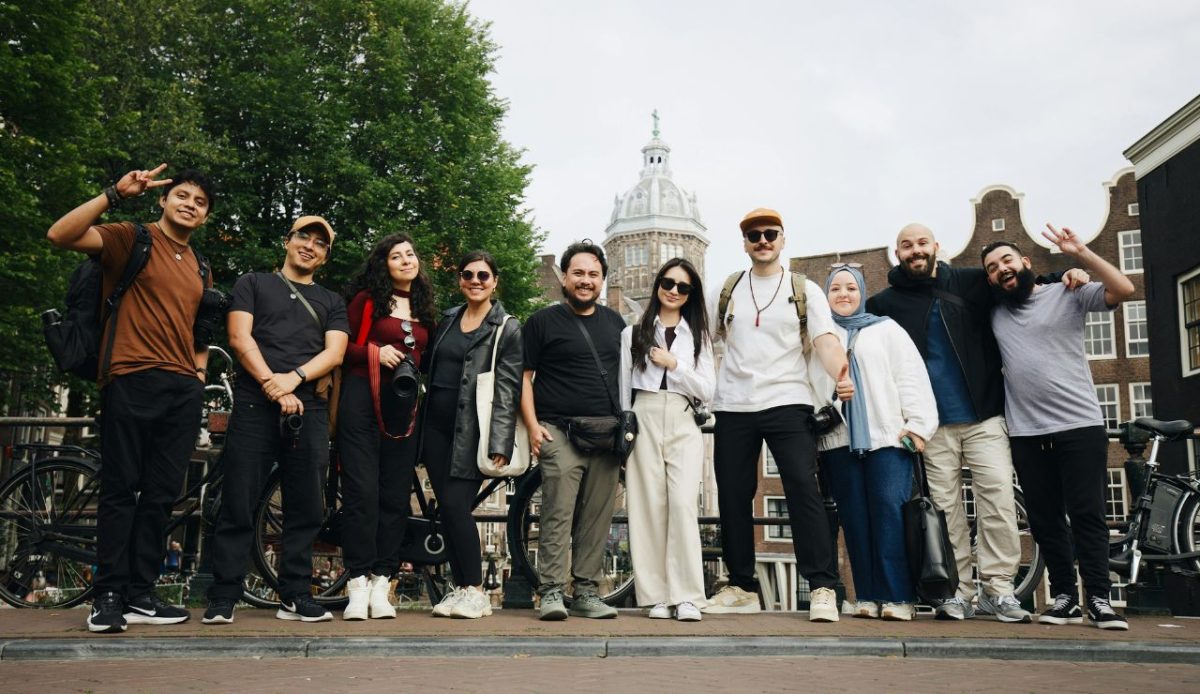
Even if you’ve struggled in some regions, large parts of Europe are incredibly comfortable for English speakers. Strong bilingual education, tourism industries, and cultural openness make communication surprisingly effortless. In some places, it’s easier to travel using English than the local language. Below are five regions where you can confidently order food, ask for directions, and connect with people without worrying about fluency, even outside big cities.
1. The Netherlands
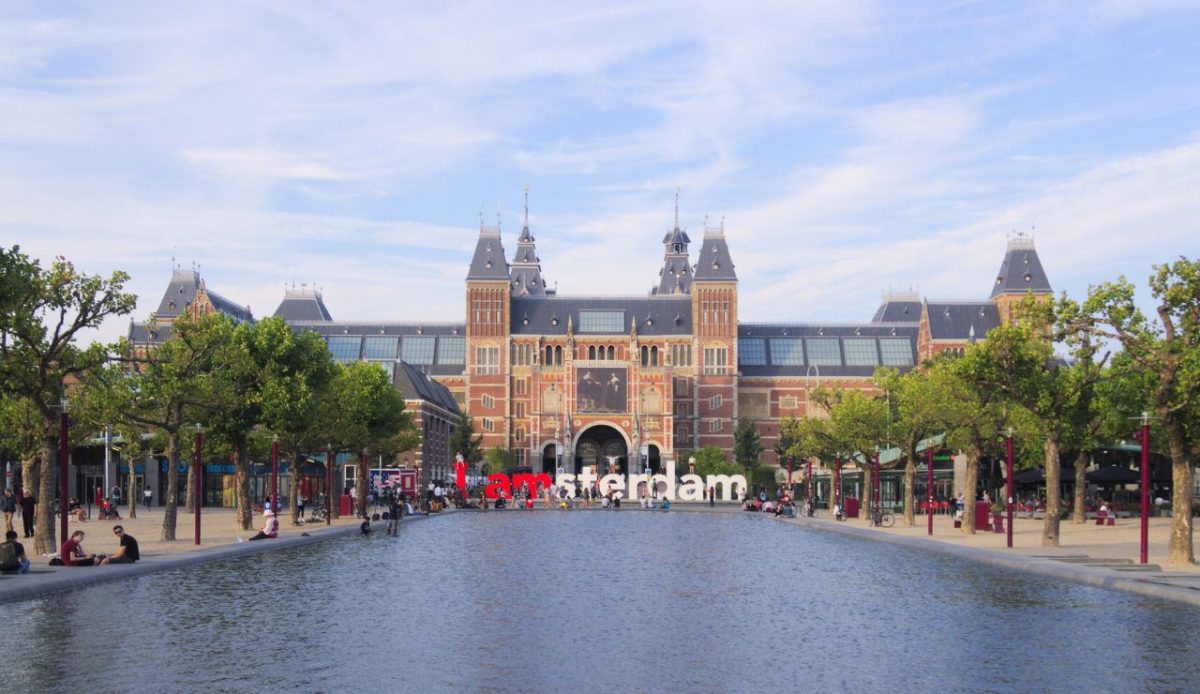
The Netherlands is arguably the easiest non-English-speaking country in Europe for travelers. Nearly everyone speaks English confidently, from bartenders to bus drivers to people in tiny villages. Signs, menus, and transit information often include English automatically, and locals switch languages effortlessly without hesitation or judgment. You can navigate everyday tasks seamlessly, have real conversations, and travel stress-free even without knowing a single Dutch word. It’s one of the most comfortable destinations for English speakers anywhere in the world.
2. Scandinavia
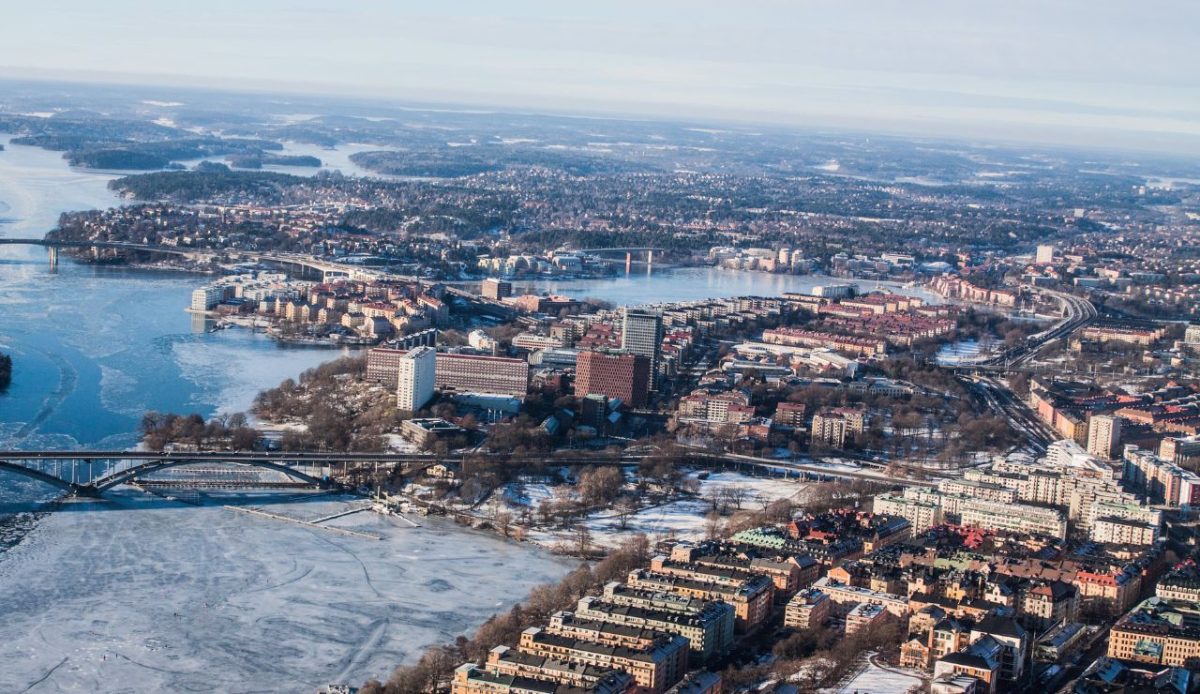
Sweden, Denmark, and Norway consistently rank among the top English-speaking countries in the world. Kids learn it from a young age, and adults use it confidently in everyday life. Even in rural areas, you’ll find fluent English speakers who switch languages easily. Transportation, museums, and restaurants often include English automatically. It’s one of the few regions where English feels almost like a second native language, making travel incredibly smooth.
3. Portugal
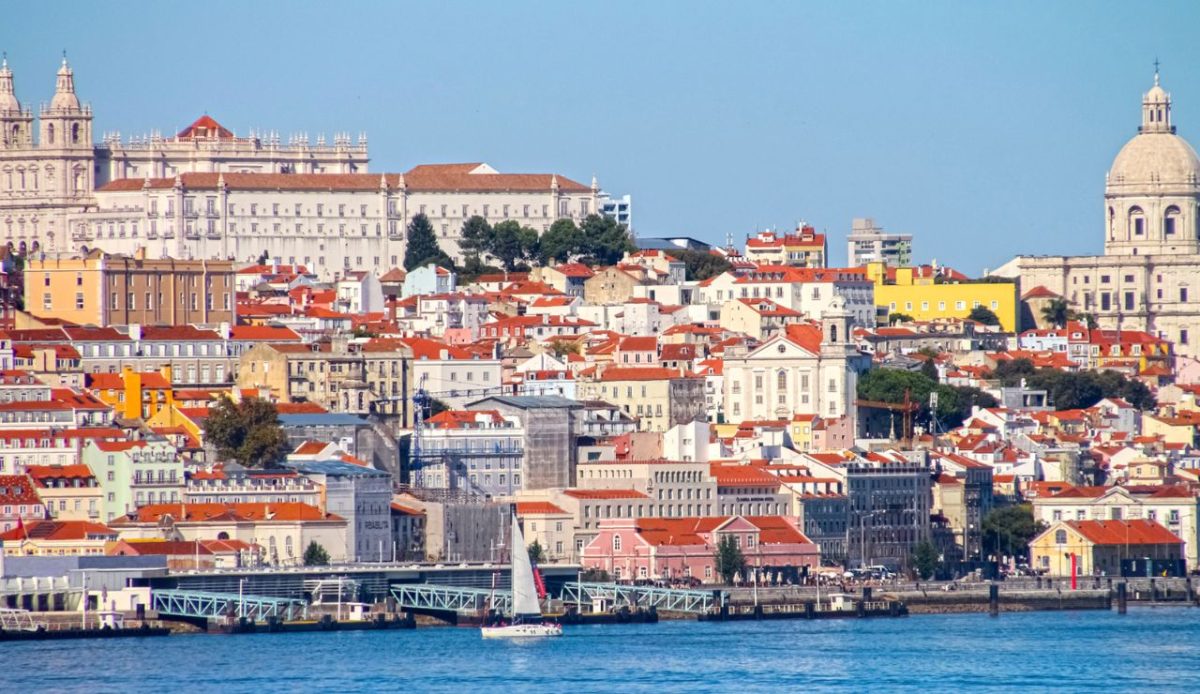
Portugal continuously surprises travelers with how smoothly they can get by using English, especially in Lisbon, Porto, the Algarve, and other coastal hubs. Many locals, particularly those working in tourism or younger generations, speak the language fluently. English menus, museum guides, and transportation apps are easy to find. Even in smaller inland towns, people are typically patient and helpful. A polite “obrigado” shows respect, and from there, most conversations flow easily in English, creating a relaxed travel experience.
4. Slovenia
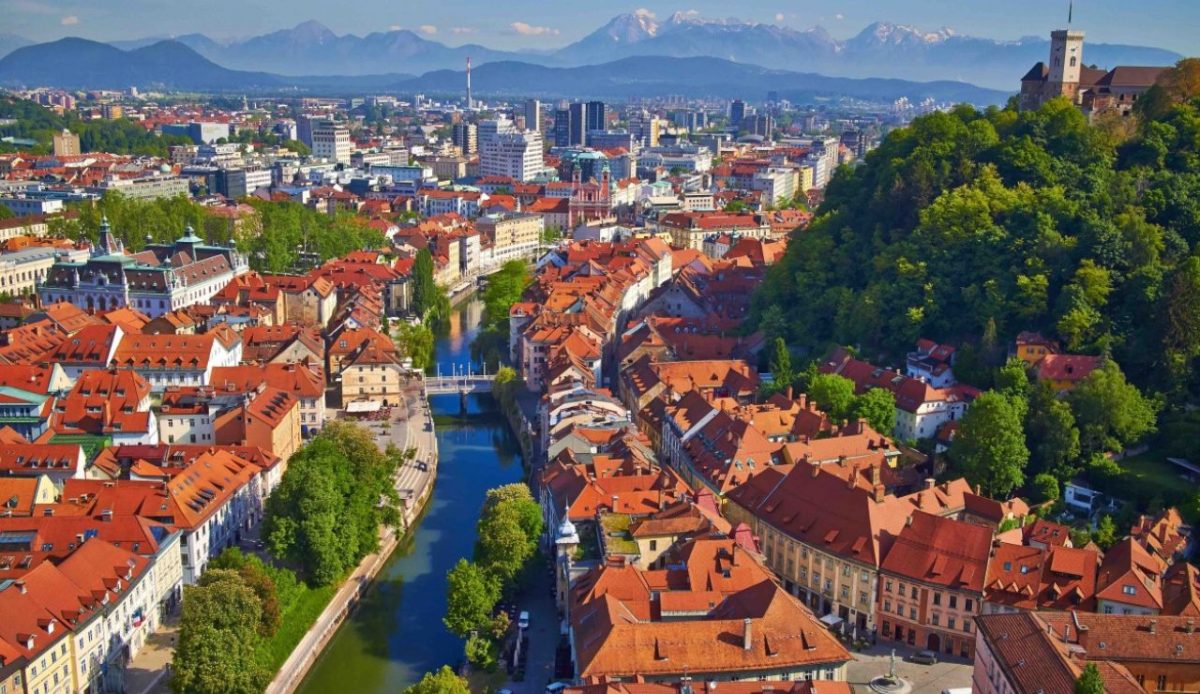
Slovenia is small but impressively easy for English speakers. Younger generations speak the language confidently, and tourist destinations like Ljubljana and Lake Bled feel effortless to navigate. Signs, museum information, and public services often include English, and locals are happy to help. Its combination of incredible scenery, medieval charm, and stress-free communication makes Slovenia one of Europe’s most underrated and enjoyable destinations for English-speaking travelers.
5. Malta
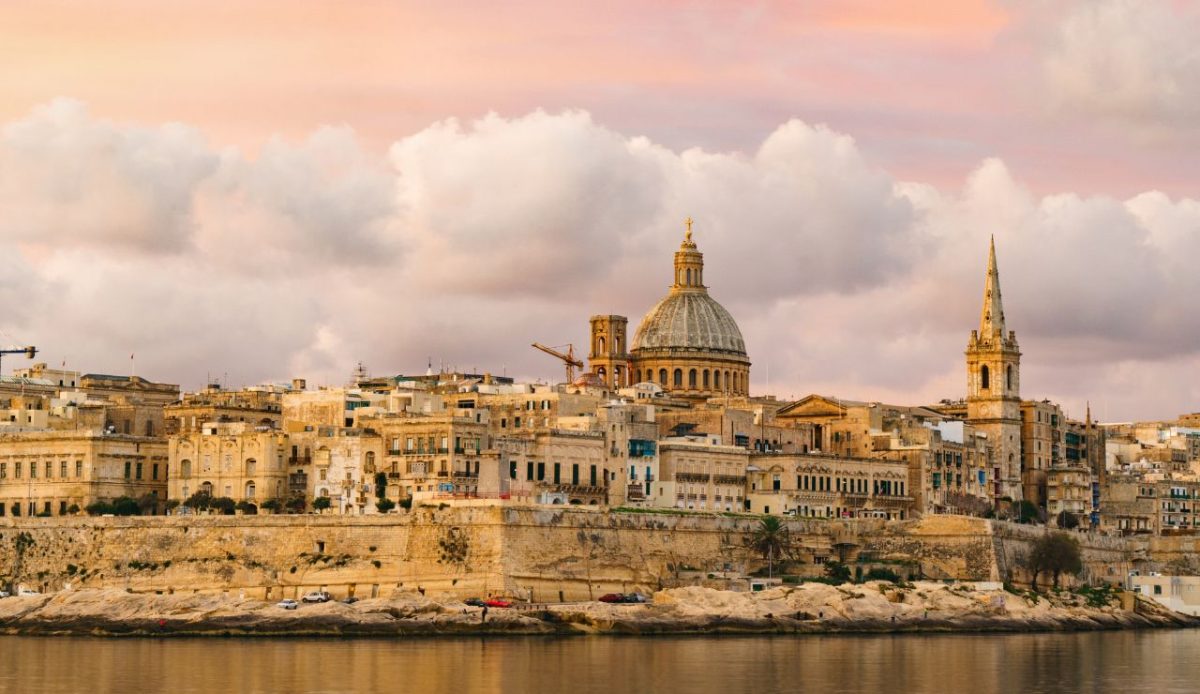
Malta is by far one of the easiest places in Europe for English speakers, because English is an official language. Street names, government offices, menus, and everyday conversations all use English naturally. Locals switch between Maltese and English seamlessly, and travelers rarely face communication challenges. With Mediterranean landscapes and effortless language comfort, Malta feels like the perfect blend of European culture and English-speaking ease.
