
Fourth of July events vary widely across the country, but certain cities handle large crowds, safety planning, and viewer access in a way that consistently delivers strong results. These cities offer clear sightlines, reliable schedules, and easy ways for visitors to move in and out of busy areas. Many of them combine waterfront spaces, stadium setups, or broad parks that help keep movement steady even at peak times. Travelers and locals often return to these destinations because the viewing areas remain manageable, transit support stays predictable, and the overall experience works well for families, groups, and first-time visitors.
1. New York City, New York
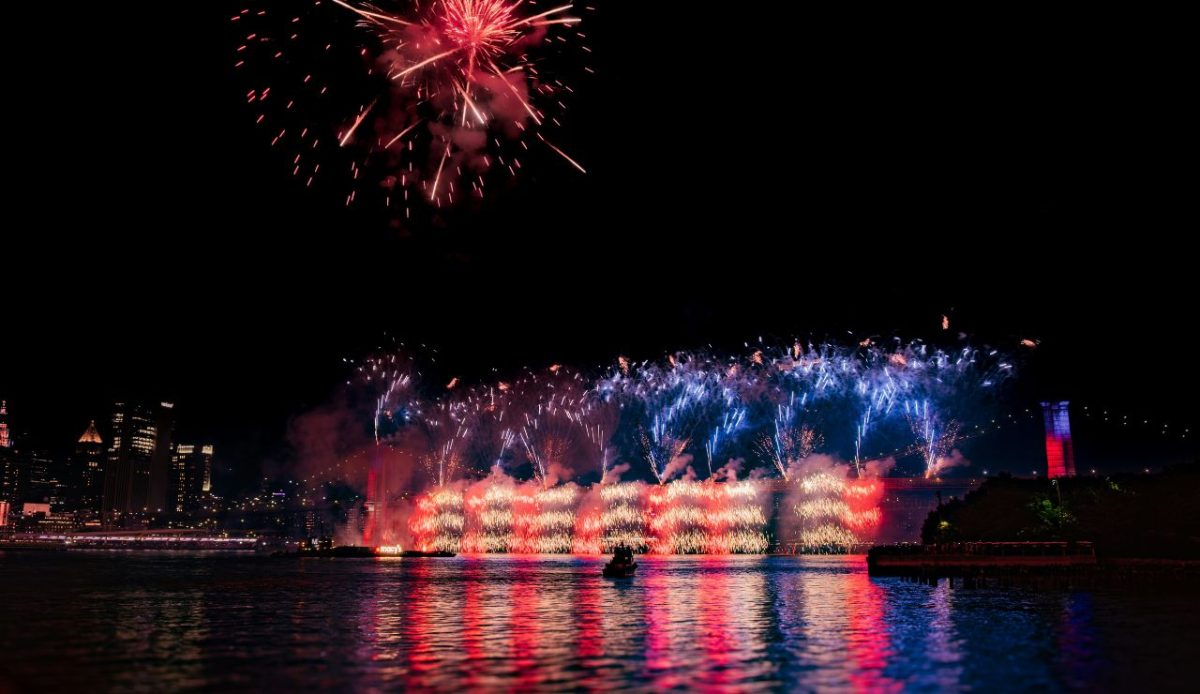
New York City’s Fourth of July event draws large crowds along the East River, where the Macy’s fireworks launch from multiple barges. This setup gives people across Manhattan, Long Island City, and Brooklyn steady views without gathering in one tight zone. Streets near the river close early, so public transit becomes the easiest choice. Security teams guide visitors through marked entry and exit points to keep movement steady. Many families arrive before sunset to secure comfortable spots and avoid late congestion. The show follows a consistent schedule, helping viewers plan their travel and avoid rushed decisions once the fireworks end.
2. Washington, D.C.
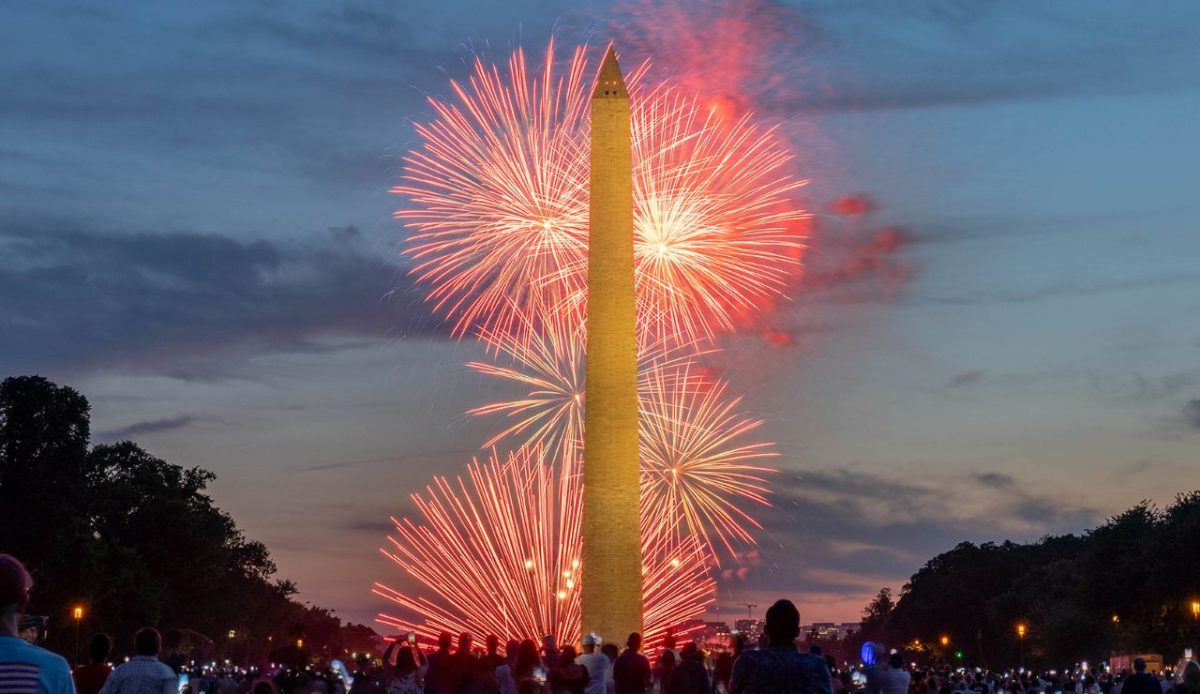
Washington, D.C. hosts a well-organized Fourth of July celebration centered on the National Mall. Fireworks rise behind major landmarks, giving visitors spacious areas to watch without packing into narrow sections. Metro stations near the Mall offer the most practical access because road closures begin early. Security staff guide crowds toward open zones and share updates on movement around the area. Daytime events encourage people to arrive early, spreading attendance across several hours. After the show, multiple exit routes help reduce bottlenecks and allow families and groups to leave at a steady pace.
3. Boston, Massachusetts
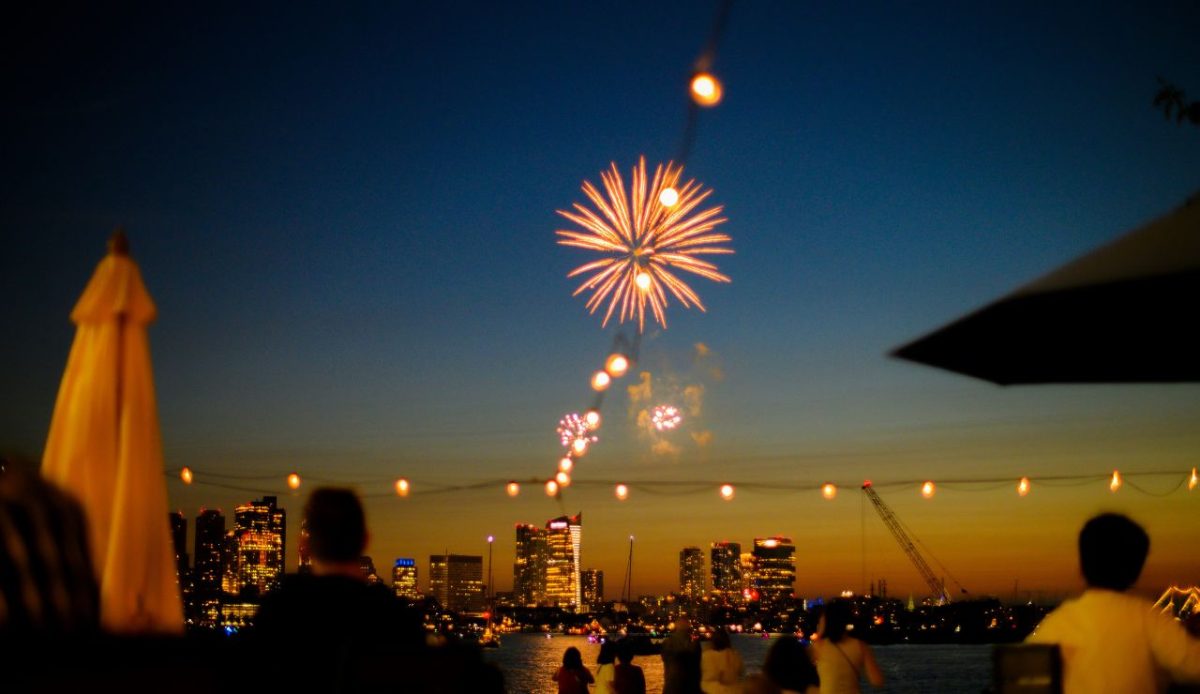
Boston’s July Fourth event brings visitors to the Charles River Esplanade for the Boston Pops Fireworks Spectacular. The riverfront layout includes wide viewing areas that volunteers help manage, keeping walkways open and safe. Many people bring blankets or small chairs following simple guidelines that prevent clutter. Public transit offers reliable access since parking near the Esplanade remains limited. Organizers watch weather conditions closely and issue updates if wind affects timing. The schedule stays predictable, allowing visitors to plan food breaks, seating, and meeting points with ease. The overall setup supports a calm and organized experience.
4. Philadelphia, Pennsylvania
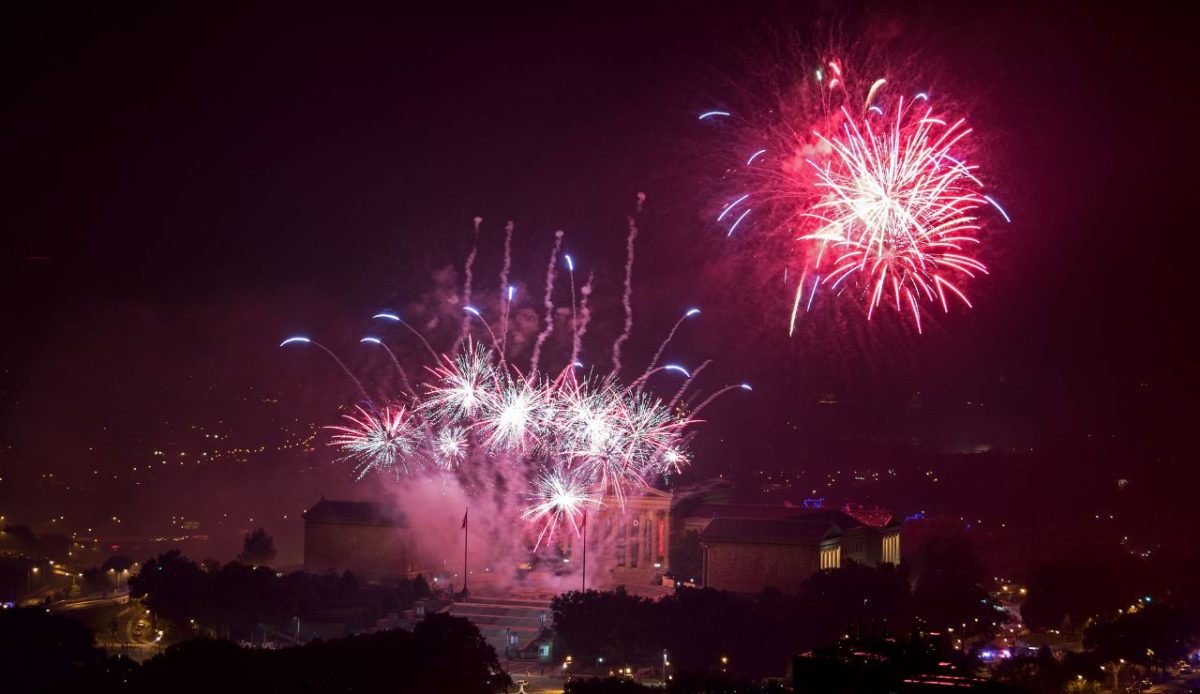
Philadelphia’s Fourth of July celebration features concerts and activities before the fireworks along the Benjamin Franklin Parkway. The broad layout gives visitors plenty of space, reducing pressure in busy spots. People often arrive early to enjoy daytime events and secure viewing areas. The city shares clear details about transit changes, street closures, and safe zones, helping visitors avoid confusion. Officers and volunteers guide movement around key pathways, maintaining steady flow. Because the festival spans several days, travelers often plan their visit around multiple activities, with the fireworks serving as the main highlight.
5. Chicago, Illinois
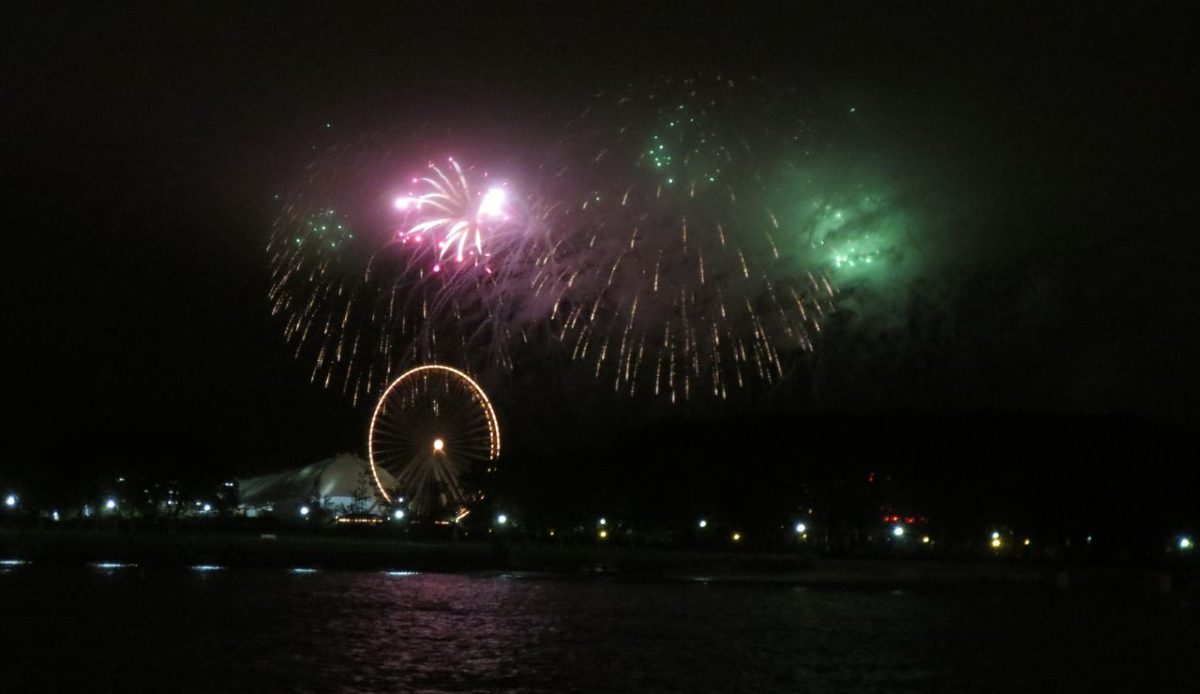
Chicago’s fireworks at Navy Pier attract large crowds looking for lakefront views. The pier offers several vantage points, and staff help manage lines and entry spots. Some visitors choose nearby parks or lakefront trails for more space and a quieter atmosphere. Public transit remains the simplest option because parking fills quickly near the water. The city monitors lake winds and updates the schedule if needed to ensure a safe launch. Restaurants and nearby attractions give families places to wait comfortably. Clear instructions and predictable timing help visitors enjoy the event without unnecessary delays.
6. Los Angeles, California
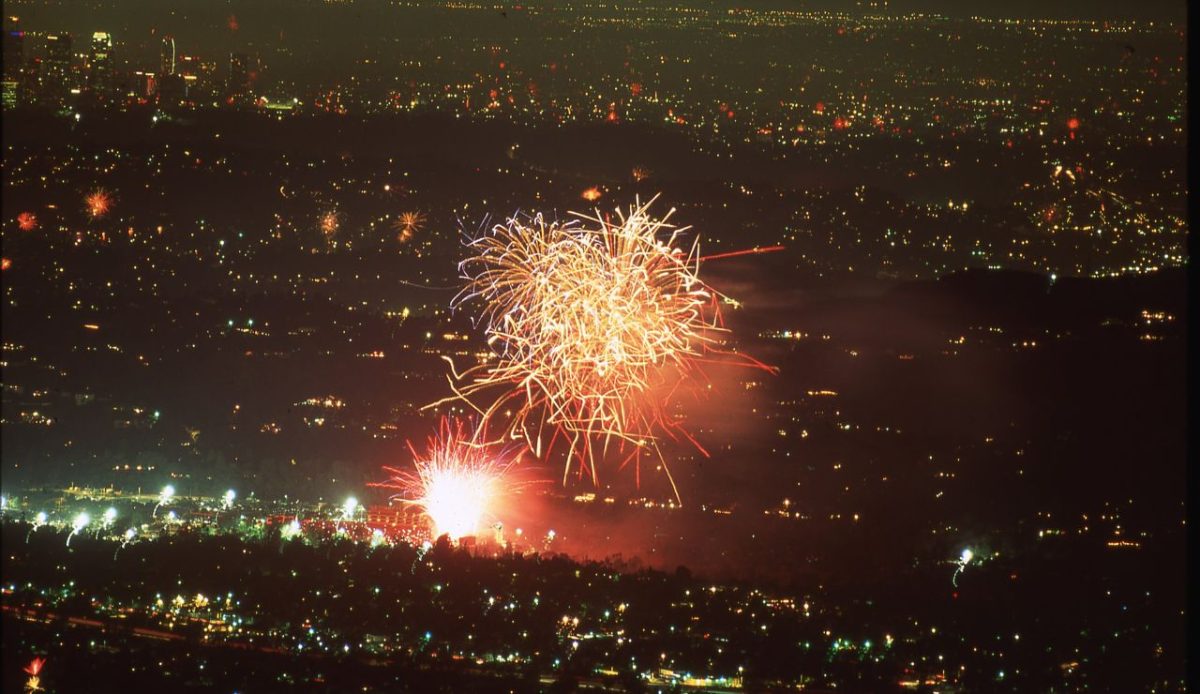
Los Angeles offers several Fourth of July events across the region, giving visitors multiple viewing choices. The Rose Bowl, Marina del Rey, and Grand Park each provide organized spaces where families can gather without facing extreme crowding. The Rose Bowl uses a large stadium layout, while Marina del Rey offers wide waterfront angles. Downtown visitors often choose Grand Park for easier transit access. Because holiday traffic slows movement, many people arrive early and stay near their chosen location. Transit services operate on adjusted schedules to support the increased turnout. Clear signage and steady communication help people move safely through busy areas.
7. San Diego, California
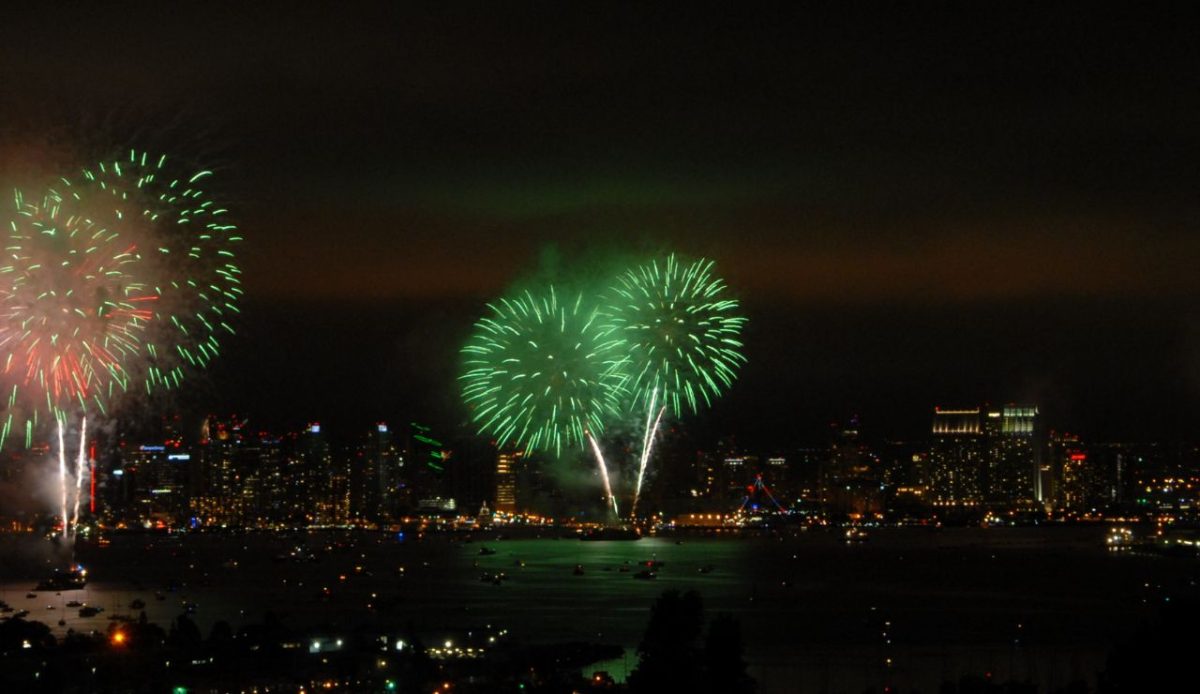
San Diego’s Big Bay Boom remains one of the largest West Coast fireworks events. Multiple barges launch fireworks across San Diego Bay, giving viewers open sightlines from Harbor Island, Shelter Island, Coronado, and the Embarcadero. This wide layout spreads crowds naturally and makes it easier to find space. Organizers coordinate with local agencies to manage water and land traffic, keeping both areas safe. Many people bring chairs or light snacks and stay near the water through the afternoon. Public transit offers direct access to downtown, helping visitors avoid long lines on main roads after the show. The steady schedule supports smooth planning.
8. Miami, Florida
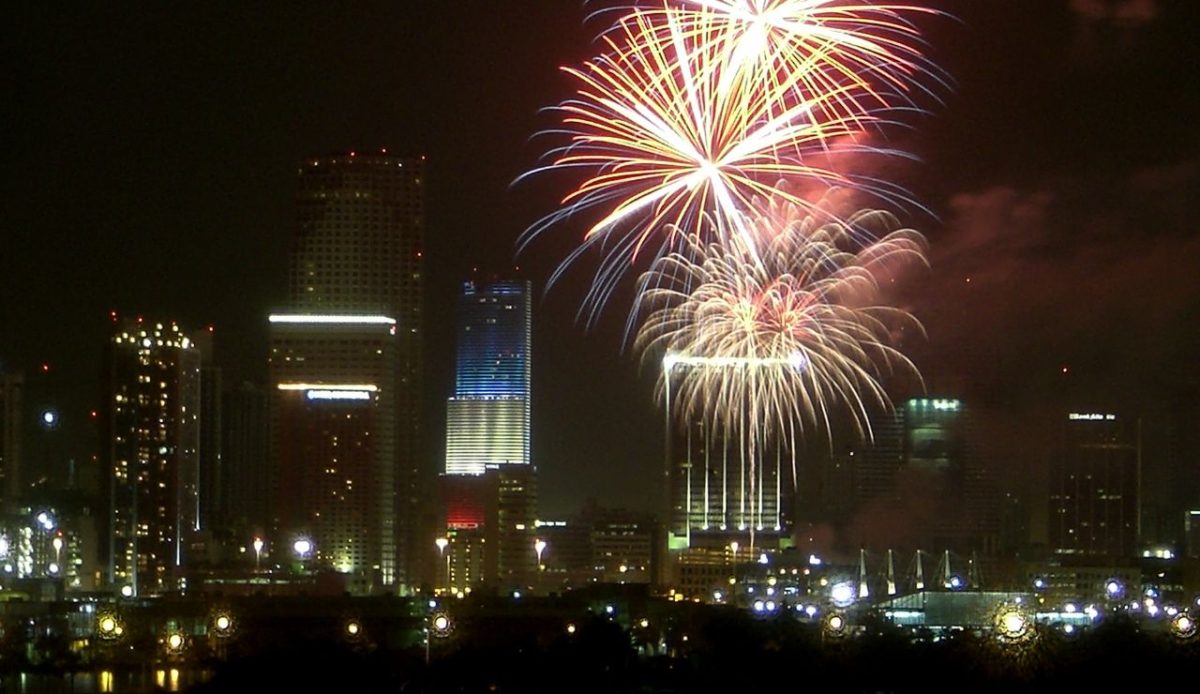
Miami hosts several Fourth of July displays, with Bayfront Park drawing the biggest turnout. Its central location keeps visitors close to transit and food options, while Miami Beach offers a shoreline view that appeals to those who prefer open coastal areas. Because weather can shift quickly in July, officials monitor heat, wind, and storms and share updates through city channels. Parking stays limited near major viewing zones, so many people use Metrorail, Metromover, or rideshare services. Arriving early helps families find shaded areas and avoid moving through crowds later in the evening. Clear instructions guide visitors before and after the event.
9. Las Vegas, Nevada
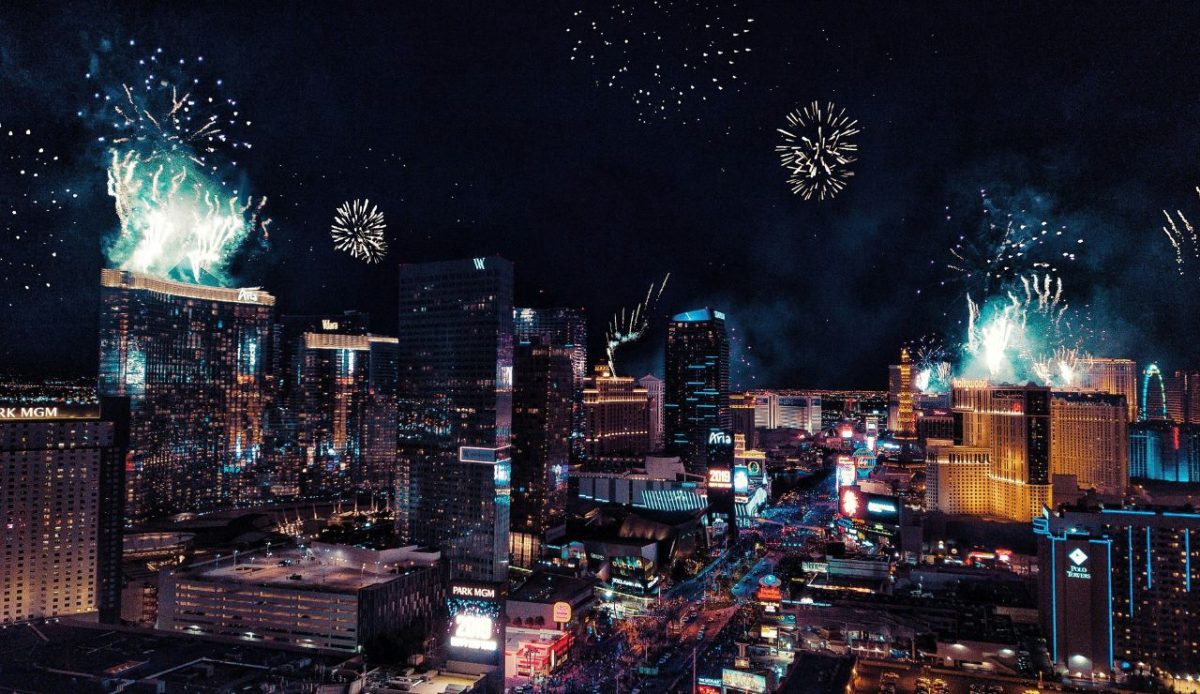
Las Vegas celebrates the Fourth of July with multiple fireworks shows across major resorts. Displays along the Strip rise high enough for people to watch from sidewalks, bridges, and hotel balconies. Off-Strip hotels add their own shows, which spreads visitors across different areas and reduces pressure on the busiest sections. Local officials prepare for heavy foot traffic by expanding pedestrian routes and adjusting road closures. Because the July heat remains intense, many guests stay indoors until close to showtime. Transit options such as the Monorail and regional buses operate on adjusted schedules to support late-night movement. The coordinated timing helps maintain an orderly flow.
10. New Orleans, Louisiana
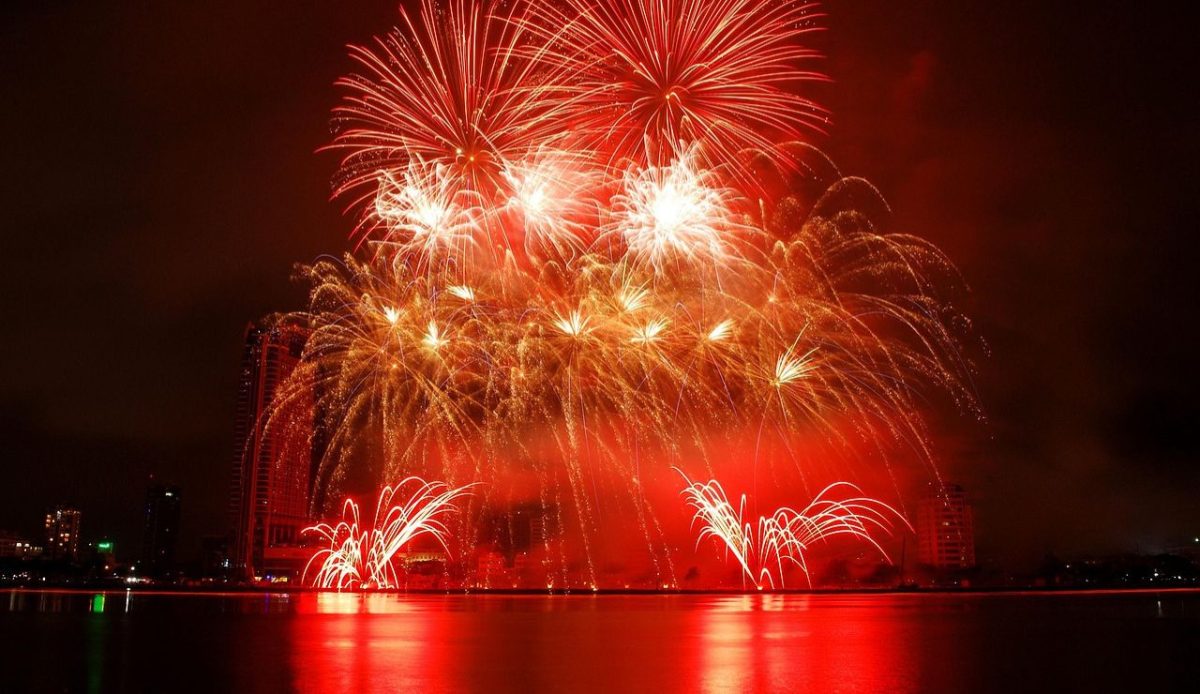
New Orleans hosts its annual Go 4th on the River event along the Mississippi River, drawing visitors to Woldenberg Park and nearby riverfront paths. Fireworks launch from two barges, giving viewers clear angles without forcing everyone into a single space. Many people spend the afternoon exploring nearby restaurants and attractions before settling in for the show. The city shares updates on weather and crowd movement, which helps visitors plan their timing. Security teams and volunteers manage entry points and guide people away from narrow walkways. Transit and rideshare options remain active through the evening, supporting a steady exit after the event ends.
11. Portland, Oregon
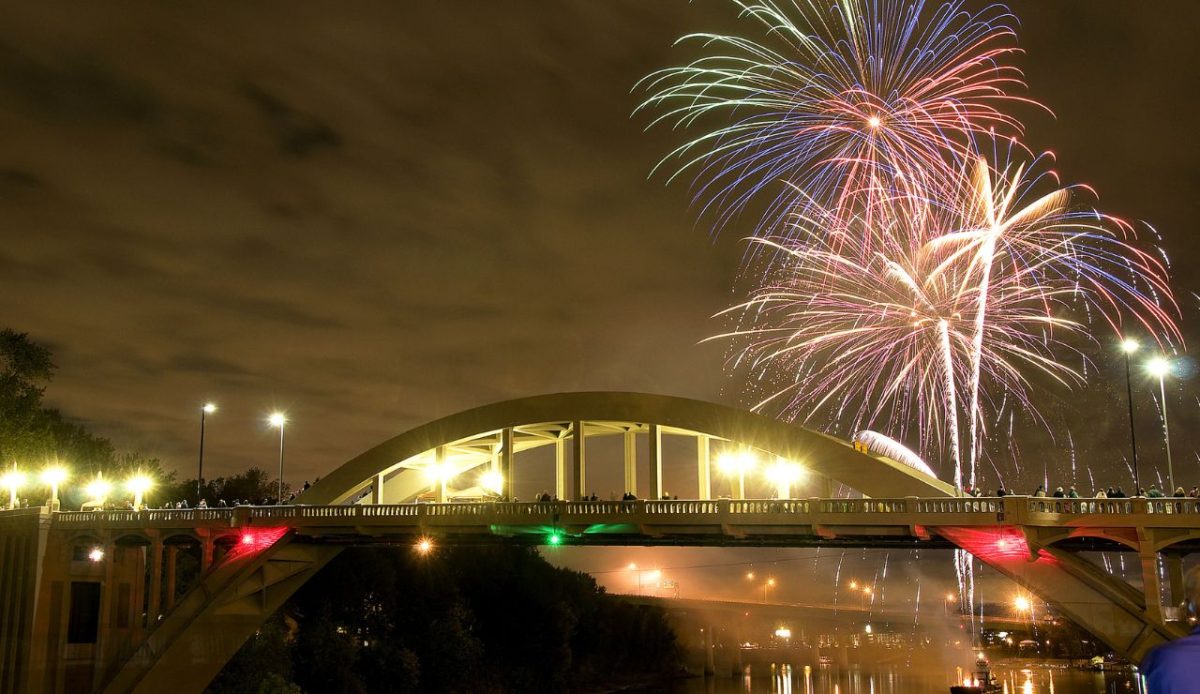
Portland’s Fourth of July celebration takes place along the Willamette River, where parks and walkways give visitors open spaces and steady views of the show. Many people gather at Tom McCall Waterfront Park because it provides simple access and wide viewing angles. Transit agencies adjust schedules to help visitors reach the area without dealing with limited parking. Volunteers guide people toward safer paths and answer questions about timing or locations. Food vendors remain active through the afternoon, making it easy for families to stay in one spot. Since evenings can cool quickly, visitors often bring extra layers while waiting for the show to begin.
12. Saint Louis, Missouri
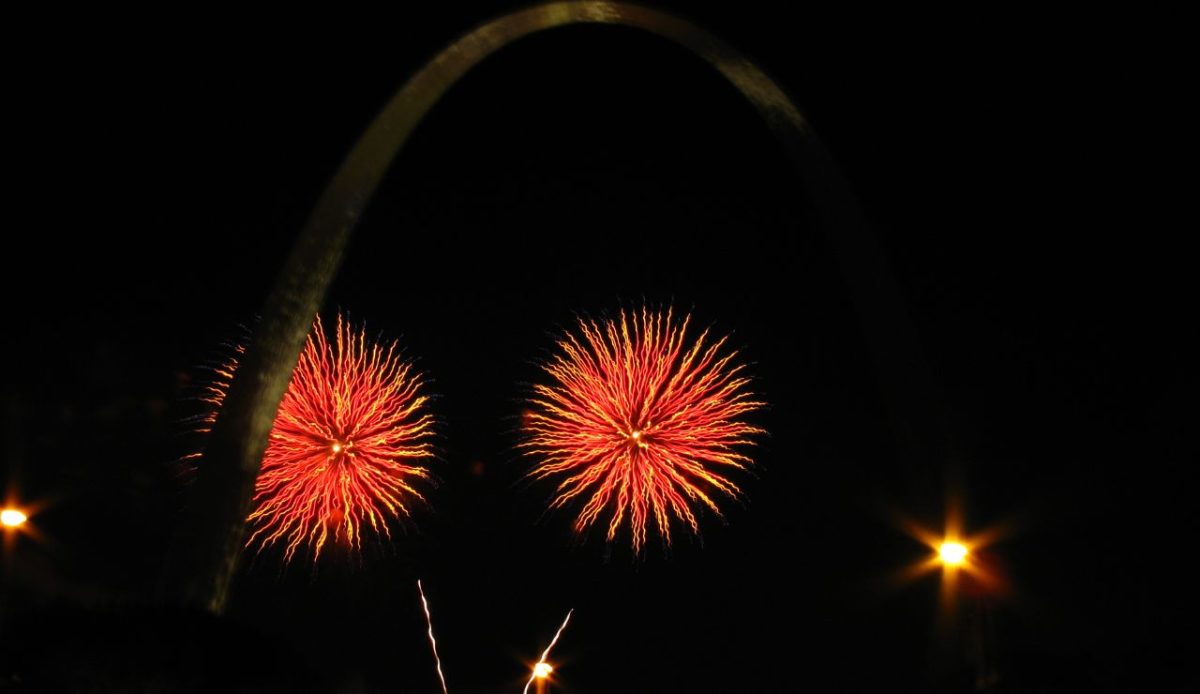
Saint Louis celebrates the holiday with fireworks near the Gateway Arch, offering broad grassy areas where visitors can settle in without feeling crowded. Fair Saint Louis often includes concerts and daytime activities, which encourage people to arrive early and spread out across the riverfront. Parking fills quickly, so many attendees use MetroLink stations close to the Arch grounds. Security teams help manage entry lines and keep walkways clear as crowds move between activities. Food stands and rest areas remain available, supporting long visits. Weather along the river can shift, so organizers monitor wind conditions to keep the launch process safe and steady.
13. South Lake Tahoe, California
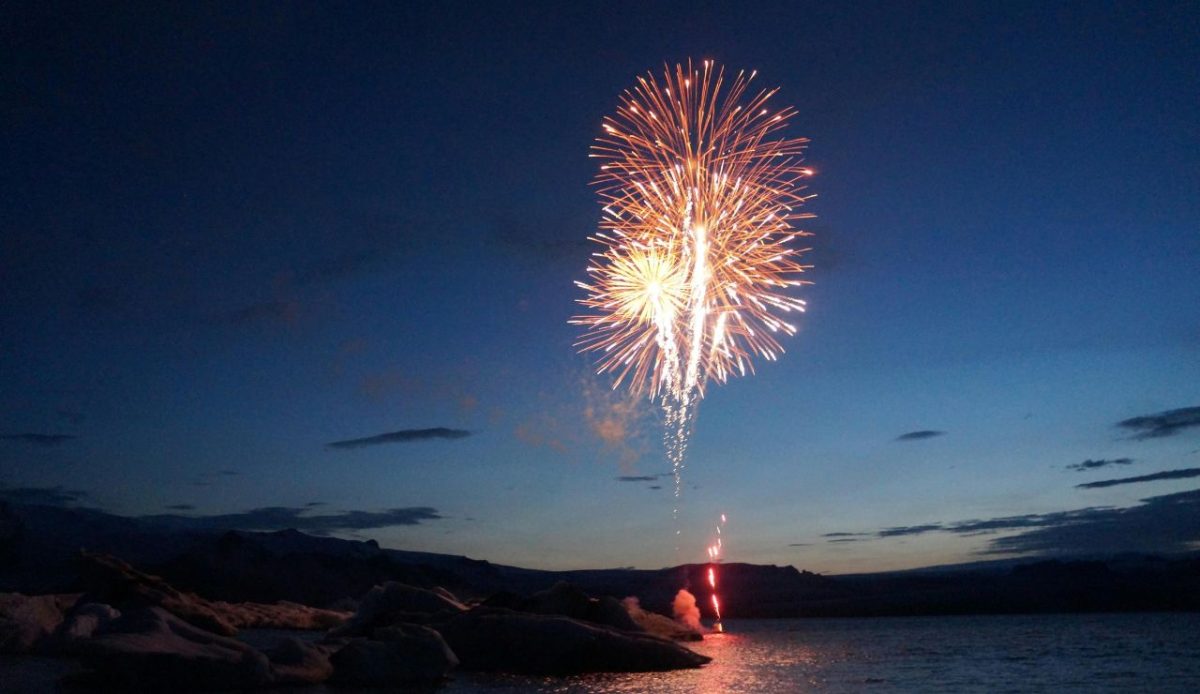
South Lake Tahoe’s Lights on the Lake fireworks draw visitors who want open views over the water and nearby mountains. Beaches such as Nevada Beach and El Dorado Beach remain popular because they offer clear sightlines and easy access. Traffic increases during the holiday period, so shuttles and bike paths help reduce congestion. Local agencies work closely with safety crews to guide both drivers and boaters. People often arrive early to enjoy the cooler afternoon temperatures and secure a viewing spot. Clear communication from city officials helps visitors understand where to park, where to walk, and when to expect the start of the show.
14. Bristol, Rhode Island
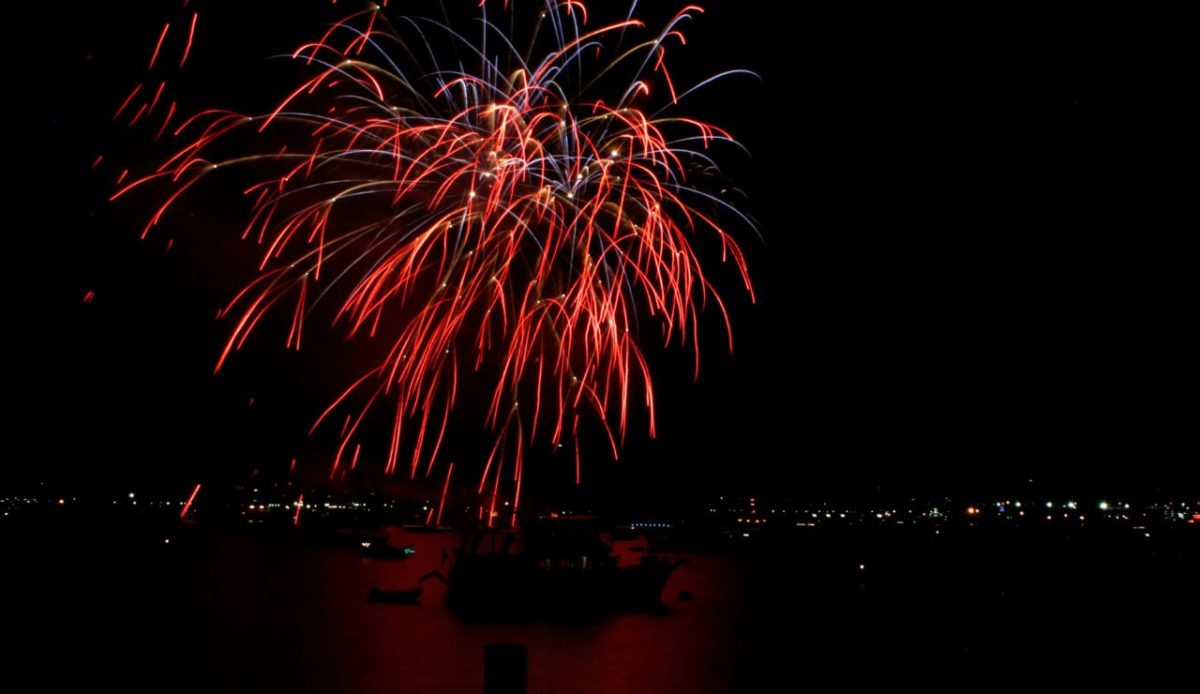
Bristol hosts the country’s oldest Independence Day celebration, and its fireworks event follows a well-organized schedule that attracts families from across the region. The harbor area provides several viewing points, and the town spreads activities over multiple days to reduce crowding. Parking around the waterfront remains limited, so many visitors use community shuttles or choose to walk from nearby streets. Local officers guide movement through narrow sections and keep visitors updated on timing or weather changes. The event’s clear layout and predictable routine make it comfortable for families who want a steady and relaxed viewing experience without heavy congestion.
15. Addison, Texas
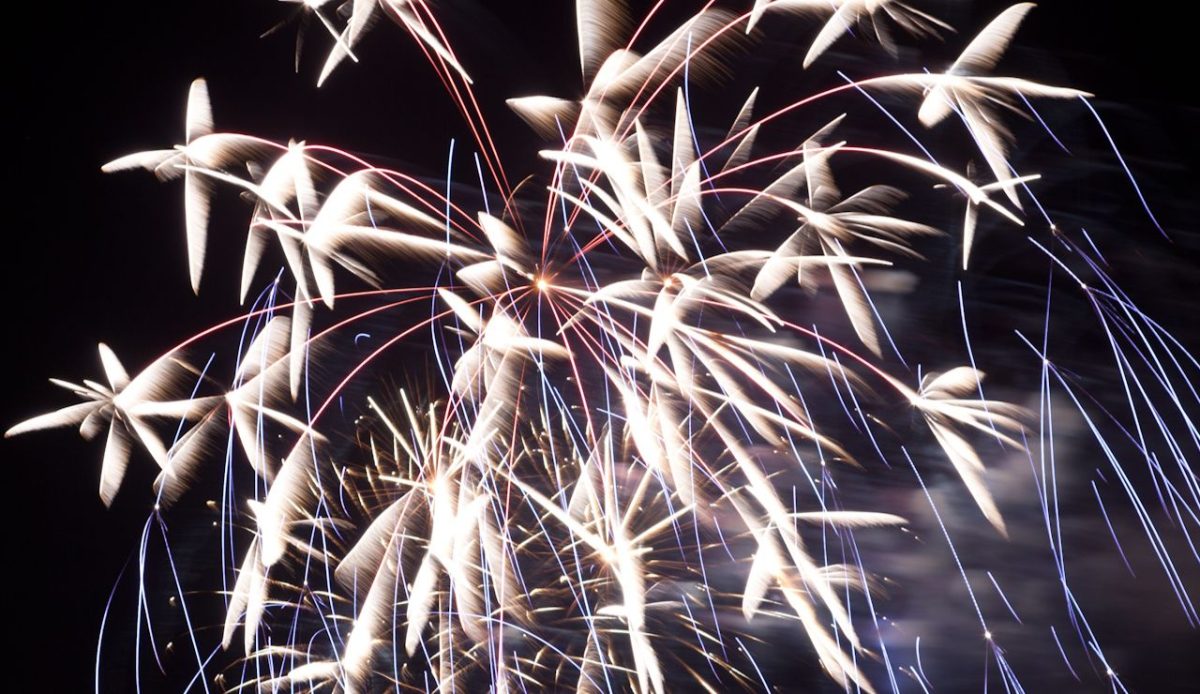
Addison’s Kaboom Town offers one of the most coordinated mid-sized fireworks shows in the country. The event centers on Addison Circle Park, where people gather hours before the fireworks to watch an air show and settle into designated viewing zones. Streets surrounding the park close early to maintain safe pedestrian movement. The city provides shuttles from remote parking areas, helping visitors avoid traffic near the center. Restaurants and open spaces give families places to wait comfortably. Announcements throughout the evening share updates on timing and crowd movement, allowing visitors to exit smoothly once the show ends.
