
The American Civil War shaped the nation in ways still felt today. Its battlefields tell stories of courage, loss, and turning points that changed history. Visiting these sites connects travelers with the past and offers a clearer picture of the conflict. From the first shots at Fort Sumter to Lee’s surrender at Appomattox, each battlefield highlights a moment that mattered. Spread across the United States, these places remain essential stops for anyone who wants to understand how the war unfolded and why it left such a deep mark on American history.
1. Fort Sumter, South Carolina
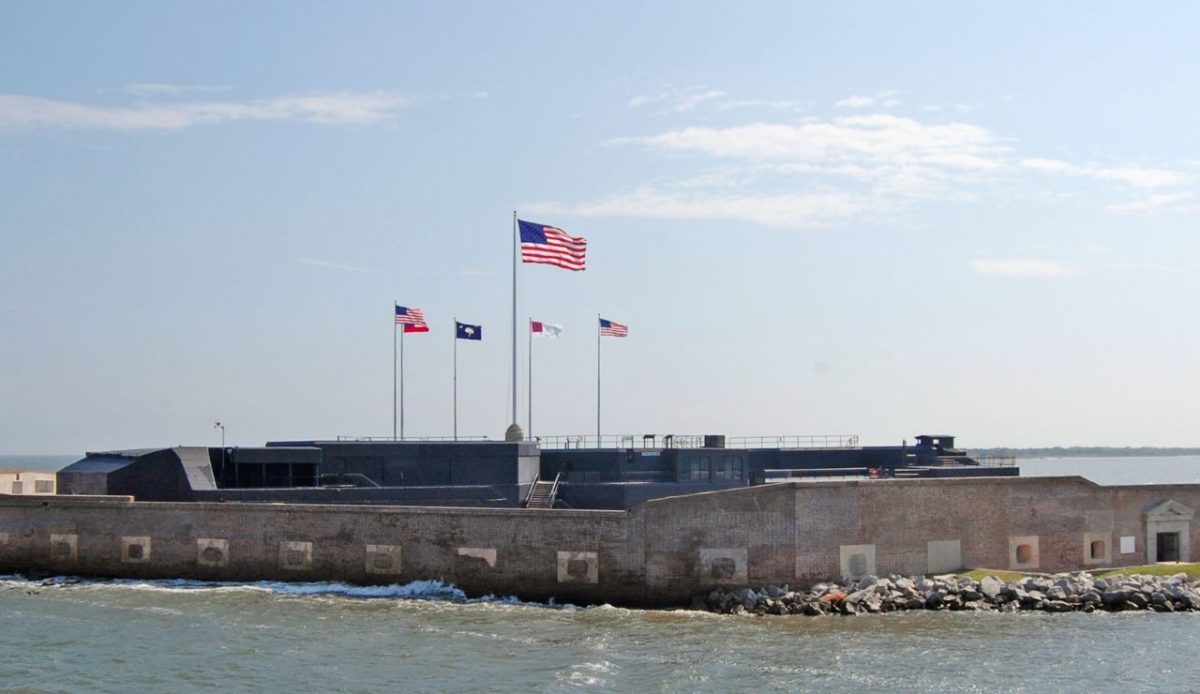
On April 12, 1861, Confederate artillery opened fire on the Union-held Fort Sumter in Charleston Harbor. Major Robert Anderson and his 80 men endured a 34-hour bombardment before surrendering. No battle deaths occurred, yet the impact was immense. The Confederacy’s bold strike marked the official start of the Civil War. The attack united the North, spurred enlistments, and showed both sides that the conflict would be fought with determination. The fall of Fort Sumter set the tone for four long years of war across the divided nation.
2. First Battle of Bull Run, Virginia
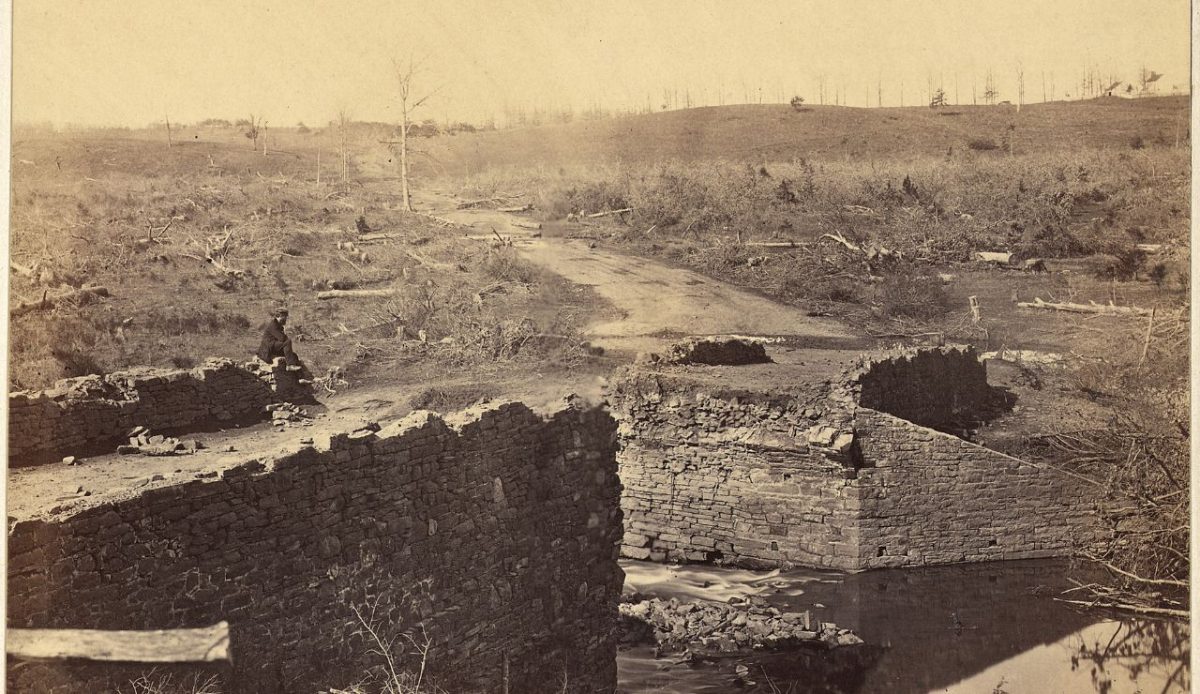
Fought on July 21, 1861, this was the first major land battle of the war. Union troops under General Irvin McDowell clashed with Confederates led by Generals Johnston and Beauregard. The battle ended in chaos for the Union as soldiers retreated in panic. The stand by Thomas “Stonewall” Jackson’s brigade secured a Confederate victory and gave him his famous nickname. Civilians who came to watch expecting a quick win fled with the troops. The sobering defeat crushed hopes of a short conflict and revealed the war’s harsh reality.
3. Battle of Pea Ridge, Arkansas
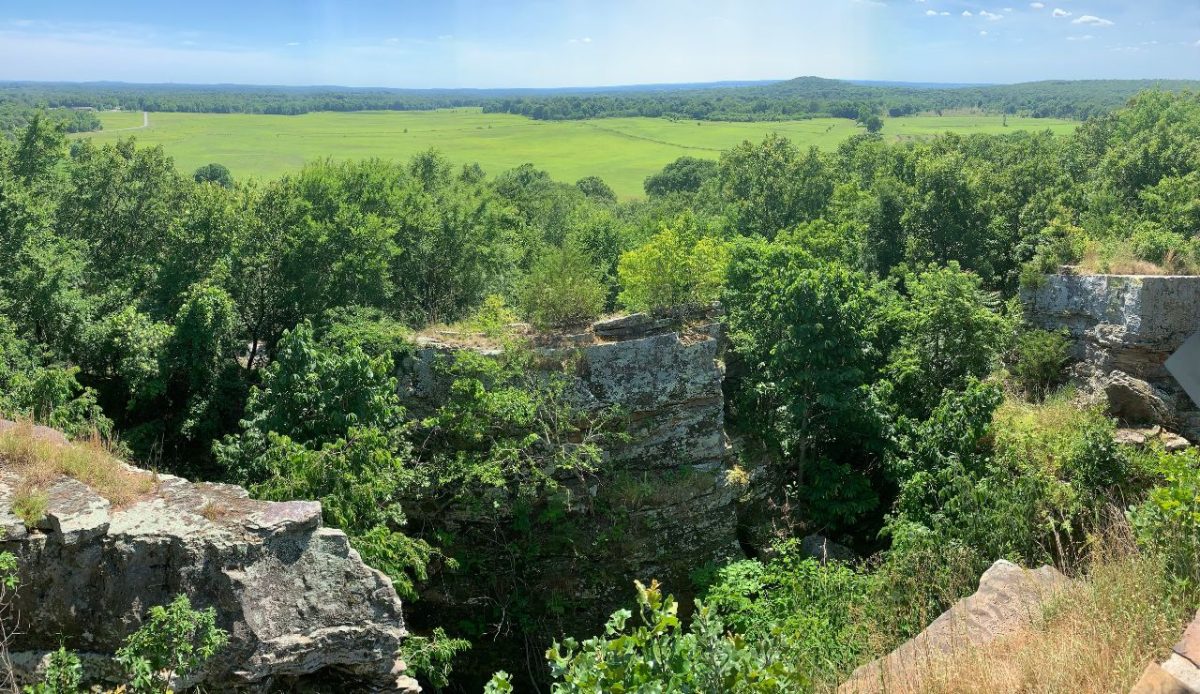
In March 1862, Union forces under General Samuel R. Curtis fought Confederates led by General Earl Van Dorn in northwest Arkansas. Also called the Battle of Elkhorn Tavern, Pea Ridge was one of the largest clashes west of the Mississippi. Outnumbered Union troops won a decisive two-day victory, securing Missouri firmly for the North. This success cut off Confederate hopes in the region and opened Arkansas to Union advances. Pea Ridge proved the war was not limited to the East and showed the importance of the western campaigns in shaping the outcome.
4. Battle of Shiloh, Tennessee
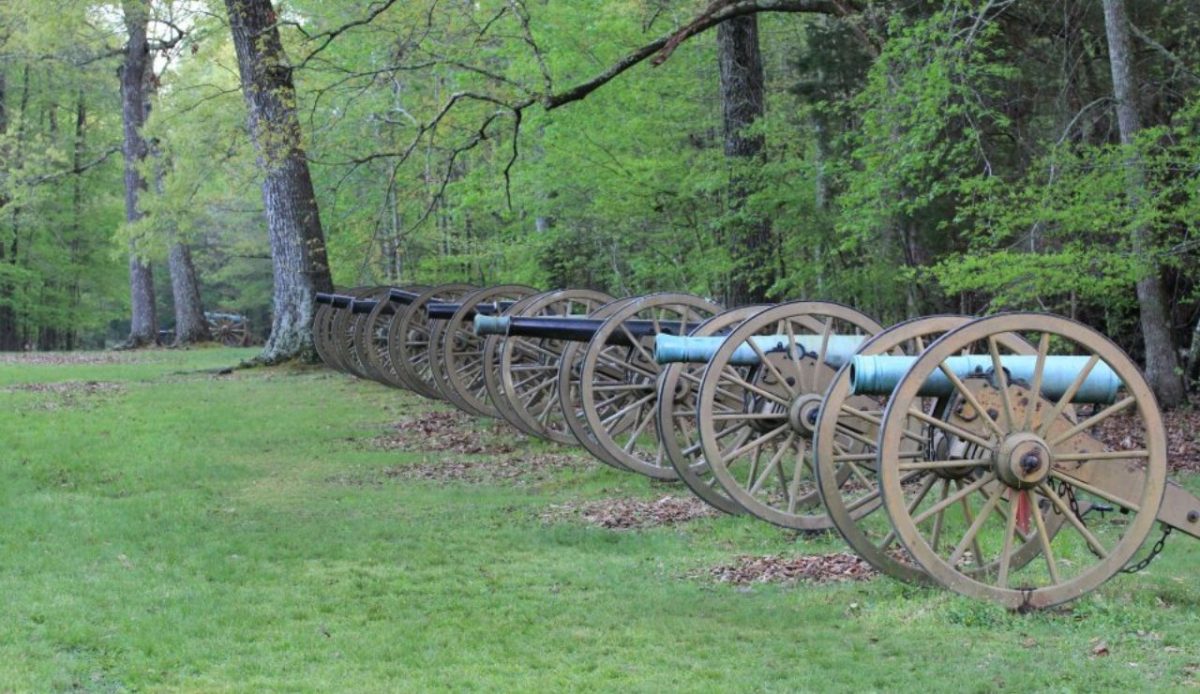
In April 1862, Union General Ulysses S. Grant’s army was surprised by Confederate forces near Shiloh Church. The two-day struggle became the bloodiest battle to that point, with more than 23,000 soldiers killed or wounded. Confederate General Albert S. Johnston was killed, a major loss for the South. Reinforcements helped the Union secure victory, keeping Tennessee under Northern control and opening the way to the Mississippi Valley. Shiloh shocked the nation with its staggering losses and made clear that the war would be longer and more brutal than most had expected.
5. Battle of Harpers Ferry, West Virginia
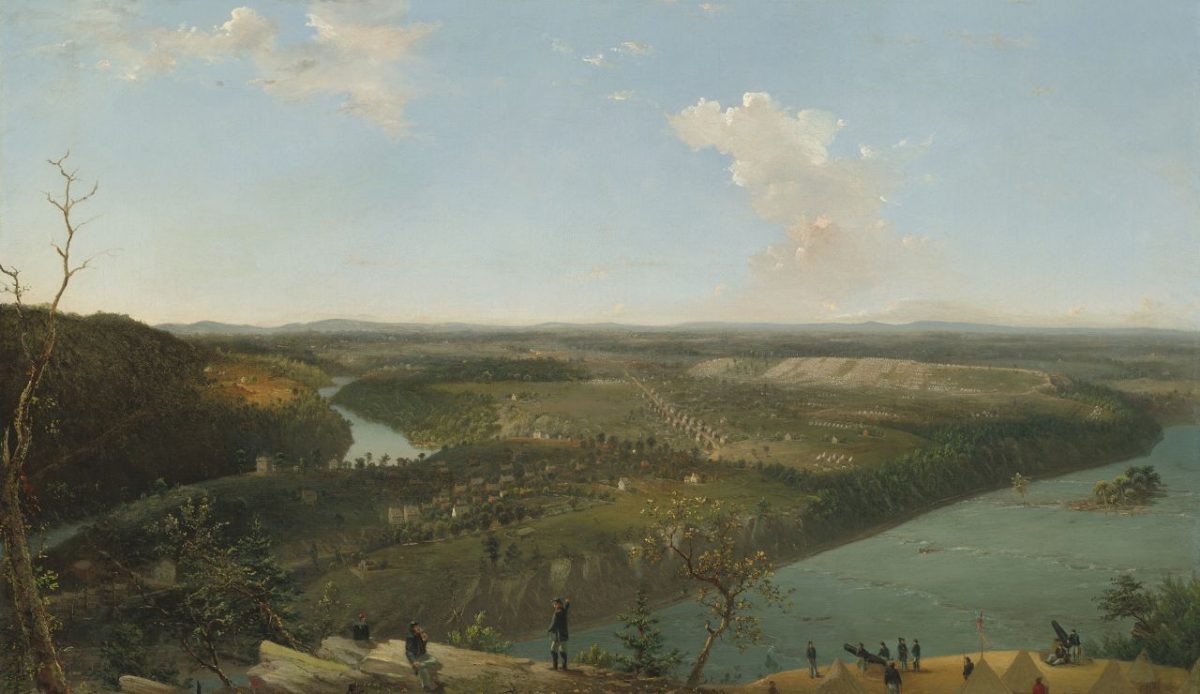
In September 1862, Confederate General Thomas “Stonewall” Jackson captured the Union garrison at Harpers Ferry during Lee’s Maryland Campaign. The town, located where the Potomac and Shenandoah Rivers meet, was surrounded by high ground that gave the Confederates an advantage. Over 12,000 Union troops surrendered, marking the largest capitulation of the war. Along with the soldiers, Jackson captured 73 cannon and thousands of rifles. The victory came just days before the Battle of Antietam, giving Lee’s army valuable supplies at a critical moment in the campaign.
6. Battle of Antietam, Maryland
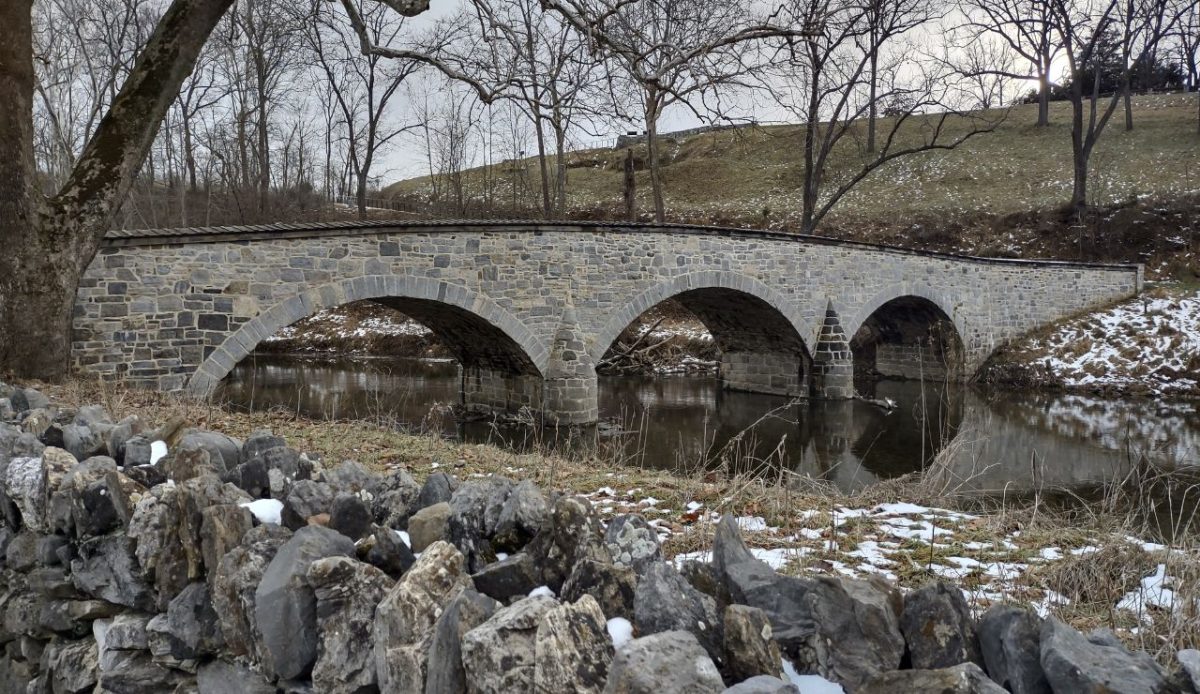
On September 17, 1862, Union General George McClellan faced Confederate General Robert E. Lee near Sharpsburg. The battle became the bloodiest single day in American history, with more than 22,000 casualties. Although tactically inconclusive, Lee’s invasion of the North was halted, forcing him back to Virginia. The Union claimed a strategic victory, giving President Abraham Lincoln the confidence to announce the Emancipation Proclamation. This transformed the war into a fight against slavery as well as for the Union, changing how both sides and foreign powers viewed the conflict.
7. Battle of Perryville, Kentucky
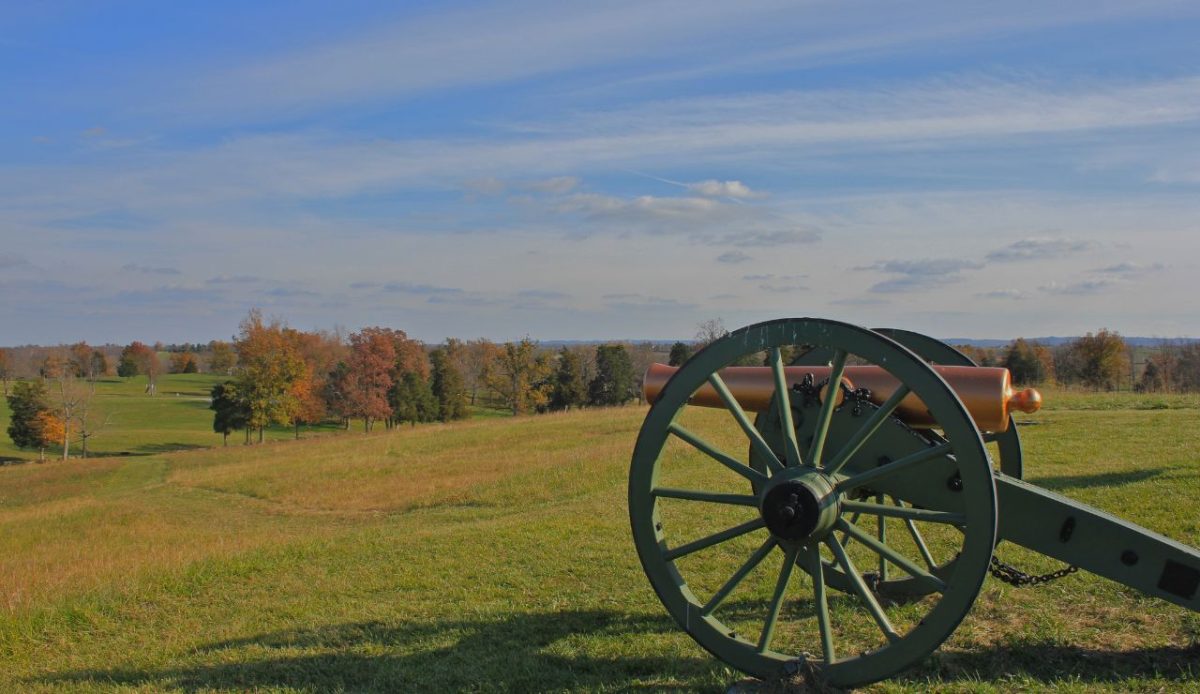
Fought on October 8, 1862, Perryville was the largest Civil War battle in Kentucky. Union forces under General Don Carlos Buell clashed with Confederate troops commanded by General Braxton Bragg in the rolling farmland. After brutal fighting, Bragg withdrew, leaving the Union in control. The outcome was decisive for Kentucky, ensuring the state stayed loyal to the Union for the rest of the war. The Confederate failure to hold Kentucky denied them access to vital resources and manpower, making Perryville one of the key battles in the Western Theater.
8. Siege of Vicksburg, Mississippi
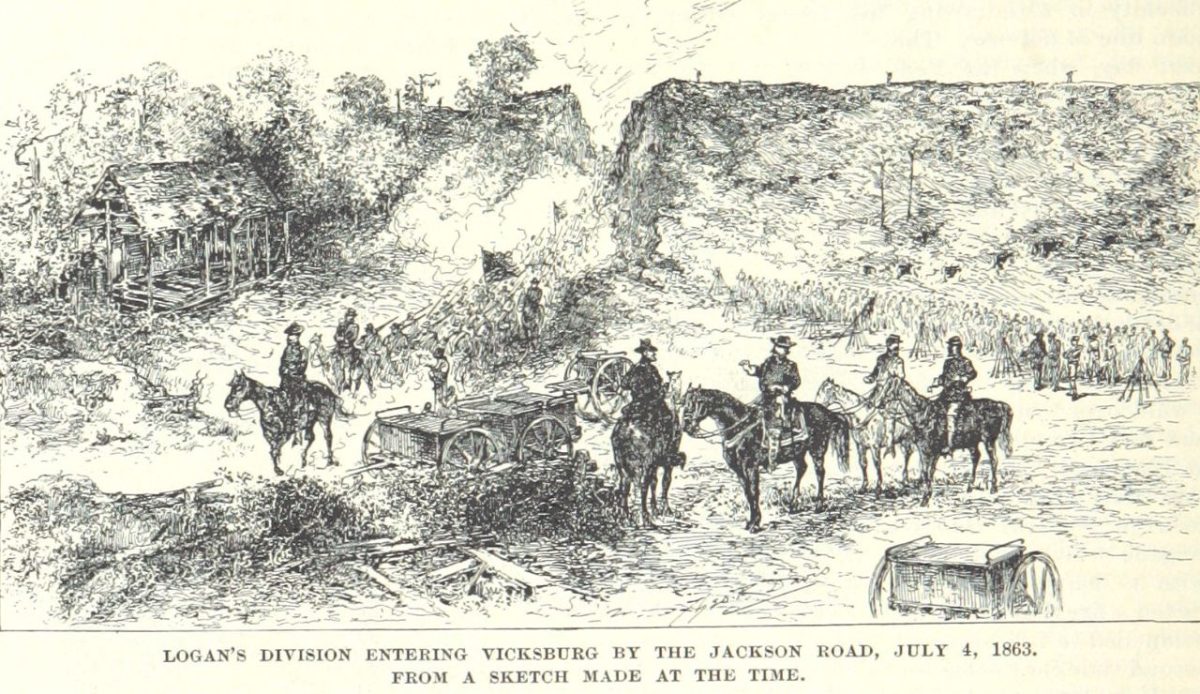
From May 18 to July 4, 1863, Union General Ulysses S. Grant surrounded and bombarded Vicksburg, a Confederate stronghold on the Mississippi River. After weeks of siege, Confederate General John C. Pemberton surrendered the city. The Union victory gave them control of the entire river, splitting the Confederacy in half and cutting off vital supply lines. Combined with the triumph at Gettysburg the previous day, Vicksburg’s fall was a crushing blow to Southern hopes. Grant’s success also boosted his reputation and set him on the path to commanding all Union forces.
9. Battles of Chattanooga, Tennessee
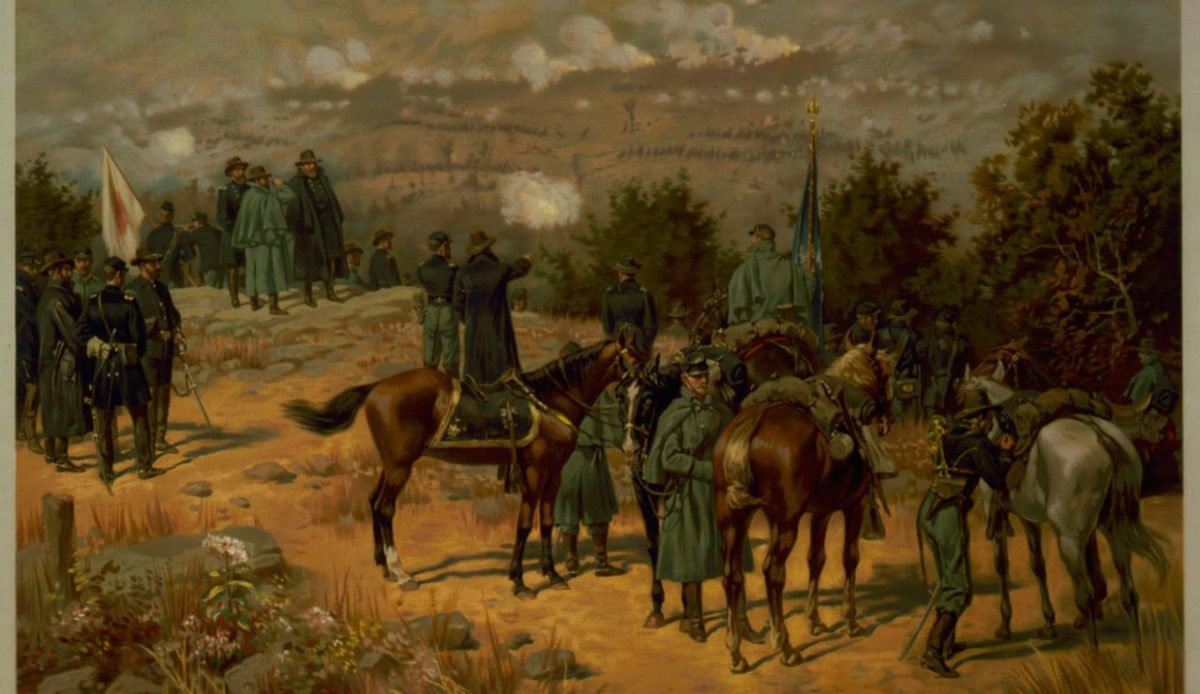
In November 1863, Union forces led by Ulysses S. Grant lifted the Confederate siege of Chattanooga. Fights at Lookout Mountain and Missionary Ridge saw Union troops drive Braxton Bragg’s army south into Georgia. The victory reversed the Union defeat at Chickamauga and secured Chattanooga as a vital supply hub. It also opened the way for Sherman’s Atlanta Campaign, pushing deeper into the Confederate heartland. Chattanooga’s triumph proved that Union armies could smash through strong defensive positions, giving the North a strategic foothold in the Deep South.
10. Battle of Kennesaw Mountain, Georgia
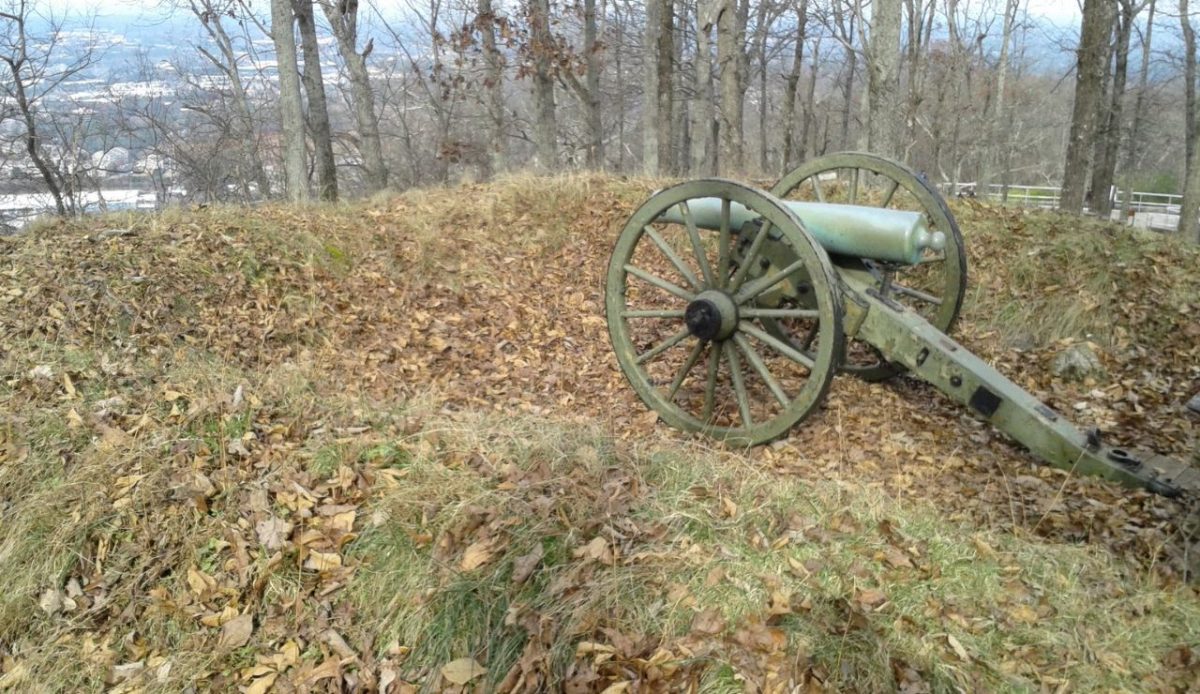
On June 27, 1864, during the Atlanta Campaign, Union General William T. Sherman ordered a direct assault against entrenched Confederate forces led by General Joseph E. Johnston at Kennesaw Mountain. The Confederates inflicted heavy losses, handing Sherman a rare defeat. Despite this setback, Sherman continued maneuvering around Johnston’s army, keeping the pressure on Confederate defenses. The battle showed the dangers of frontal assaults but did not halt Sherman’s march. Weeks later, Union forces captured Atlanta, dealing a devastating blow to Southern morale and helping secure Lincoln’s reelection that fall.
11. Siege of Petersburg, Virginia
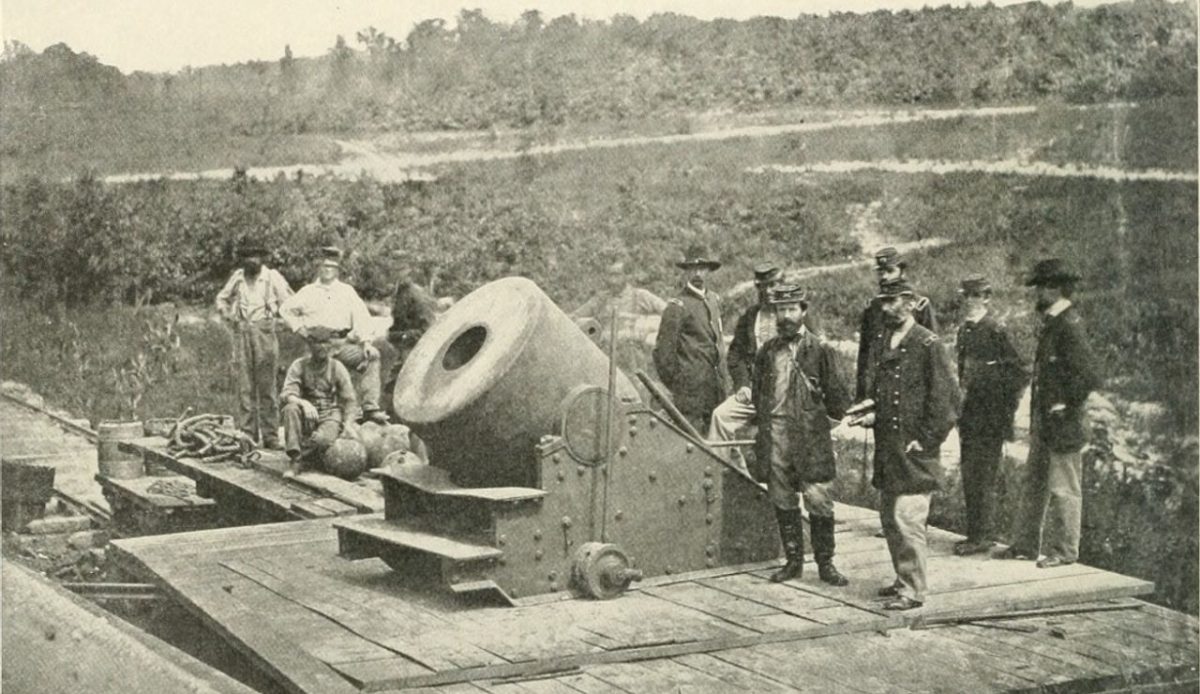
Beginning in June 1864, Union forces under General Ulysses S. Grant laid siege to Petersburg, a key supply hub for Richmond. For nine months, both armies dug trenches in a grueling campaign that foreshadowed modern warfare. The Union’s steady pressure eventually broke Confederate lines in April 1865, forcing Lee to abandon both Petersburg and Richmond. With supply routes cut, the Confederacy’s days were numbered. The fall of Petersburg marked the collapse of Lee’s defenses and directly led to his surrender at Appomattox, signaling the war’s final chapter.
12. Appomattox Court House, Virginia
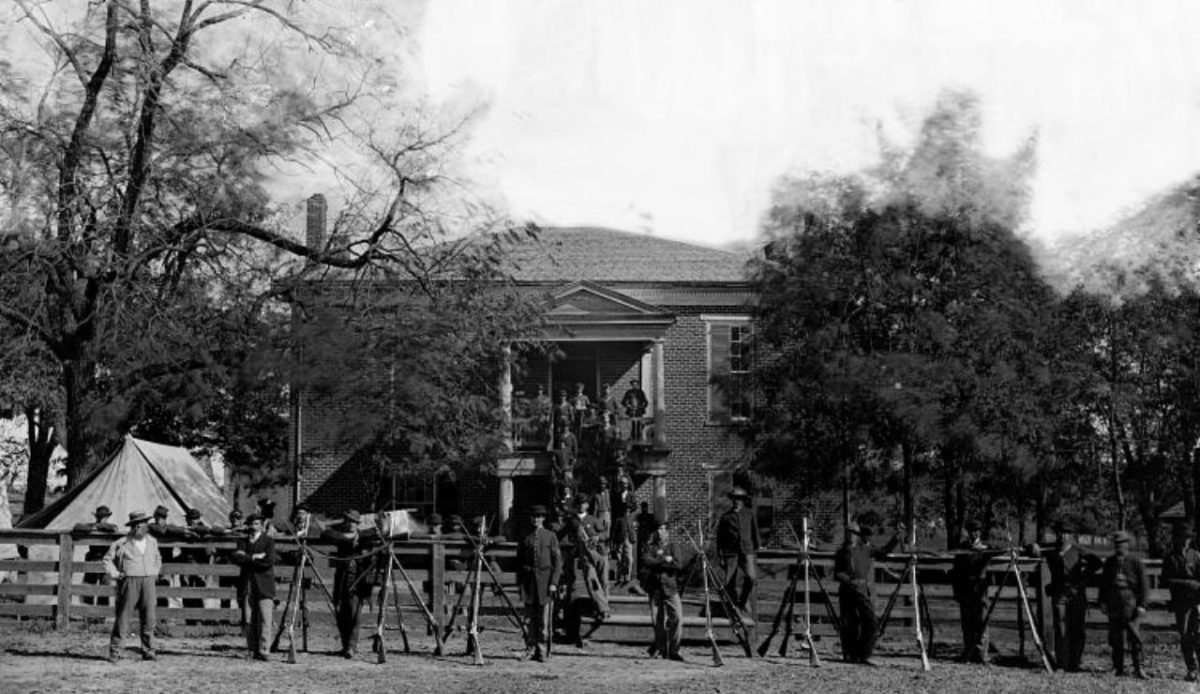
On April 9, 1865, Confederate General Robert E. Lee surrendered his Army of Northern Virginia to Union General Ulysses S. Grant at the McLean House in Appomattox. Surrounded and out of supplies, Lee chose to end the fight. Grant offered generous terms, allowing Confederate soldiers to return home with their horses. The surrender signaled the effective end of the Civil War, even though some Confederate forces held out briefly elsewhere. Appomattox became a symbol of reconciliation, closing one of the darkest chapters in American history and beginning the long process of reunion.
