
Across the United States, bridges stand as more than simple roadways; they are testaments to engineering brilliance, courage, and creativity. Built across rivers, canyons, and bays, they connect communities while carrying the weight of history. From stone arches to steel spans, these structures solved difficult challenges with innovation and bold design. This journey highlights 14 of the nation’s most remarkable bridges, exploring their construction, importance, and lasting impact. Whether visited on a road trip or admired from home, each bridge reflects American ingenuity.
1. Brooklyn Bridge, New York
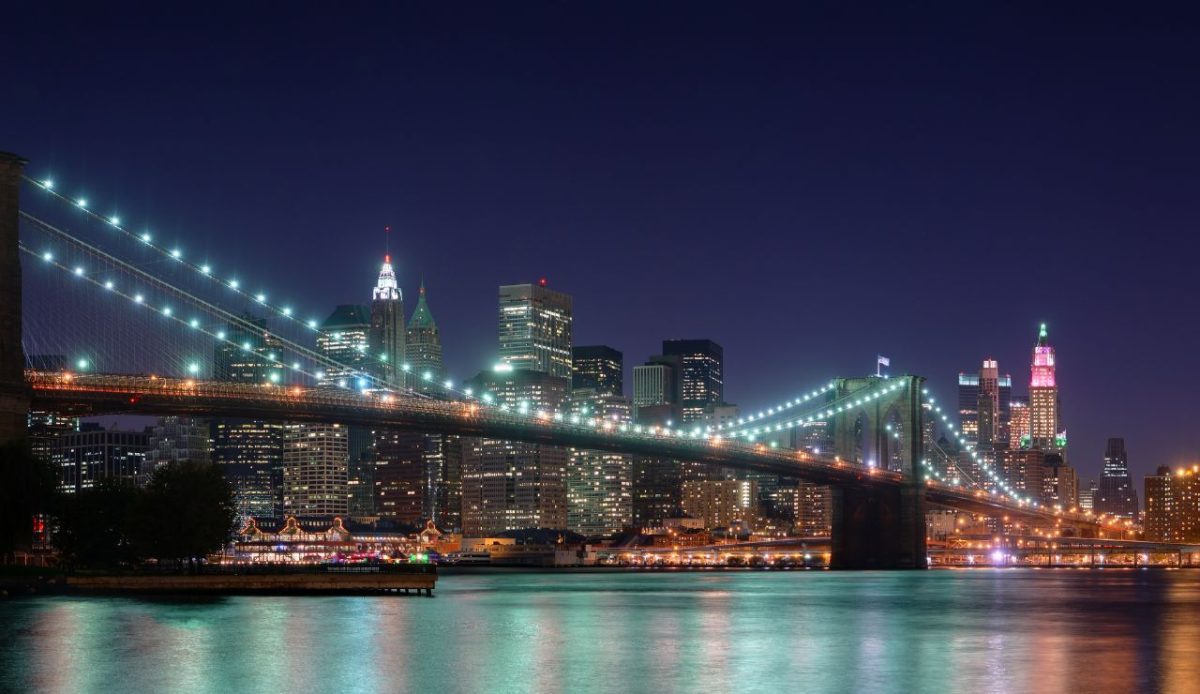
Opened in 1883, the Brooklyn Bridge was the first suspension bridge to use steel cables, forever changing engineering. Stretching 1.1 miles, it links Manhattan and Brooklyn through striking Gothic-style towers. Designer John A. Roebling died before construction began, leaving his son Washington in charge until illness forced him to step back. His wife, Emily Warren Roebling, studied engineering and became a central figure in daily operations. Workers endured dangerous conditions, yet the bridge rose as a symbol of resilience. Today, it serves as a National Historic Landmark and an icon of unity.
2. Golden Gate Bridge, California
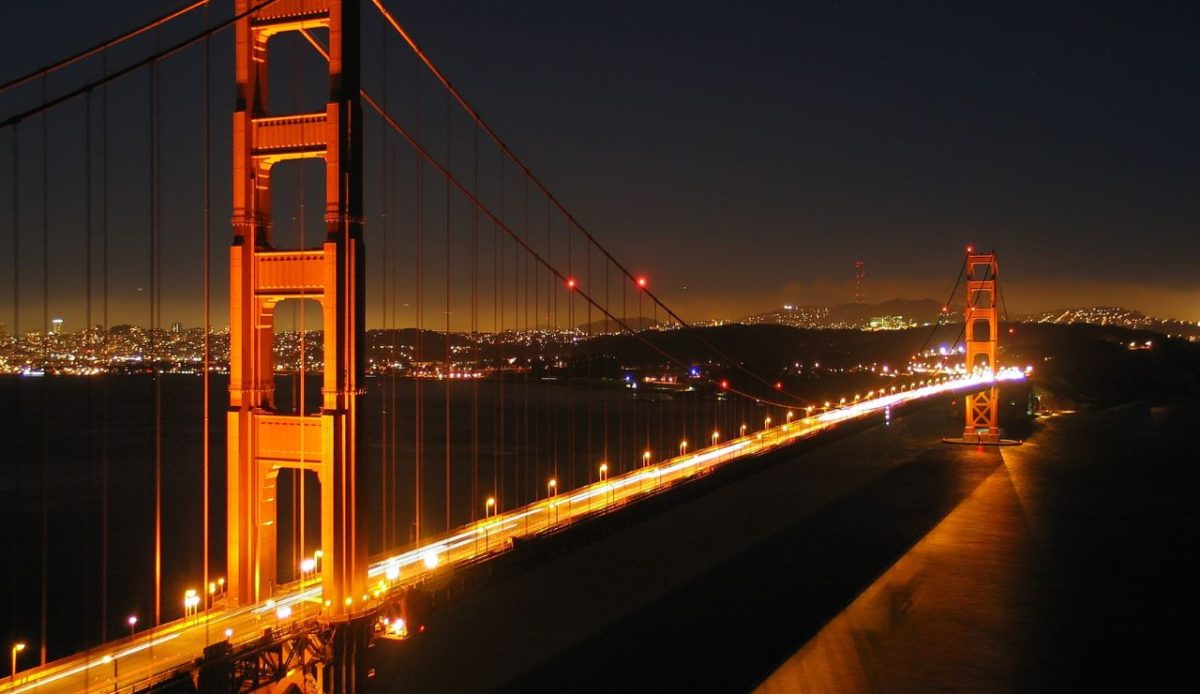
Completed in 1937, the Golden Gate Bridge once held the title of the longest suspension span in the world. Its vivid orange towers, soaring 746 feet high, pierce the fog above San Francisco Bay. Thousands of steel wires form cables strong enough to carry relentless daily traffic. Construction was perilous, with workers enduring high winds and icy tides. A safety net saved 19 lives, though 11 were still lost. Built during the Great Depression, the bridge became a powerful symbol of progress. Today, it endures as one of America’s most photographed landmarks and a modern wonder.
3. Sunshine Skyway Bridge, Florida
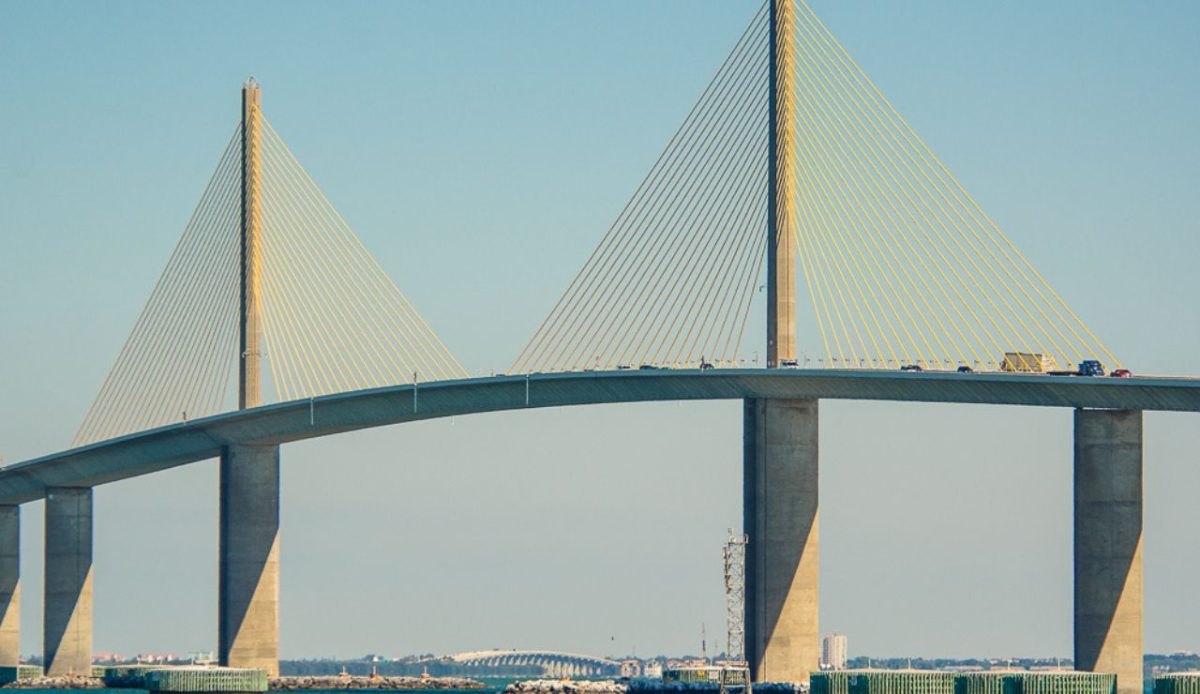
The Sunshine Skyway Bridge opened in 1987, replacing an older span destroyed by a freighter collision that killed 35 people. Its bold cable-stayed design features a 430-foot pylon with golden cables rising dramatically above Tampa Bay. At 4.2 miles long, it offers breathtaking views and accommodates pedestrians and cyclists on dedicated paths. Strong concrete dolphins protect piers from potential ship strikes, while modern upgrades improve hurricane resilience. A memorial at the south shore honors lives lost in 1980. Today, the bridge stands as both an engineering achievement and a moving symbol of resilience, safety, and remembrance.
4. New River Gorge Bridge, West Virginia
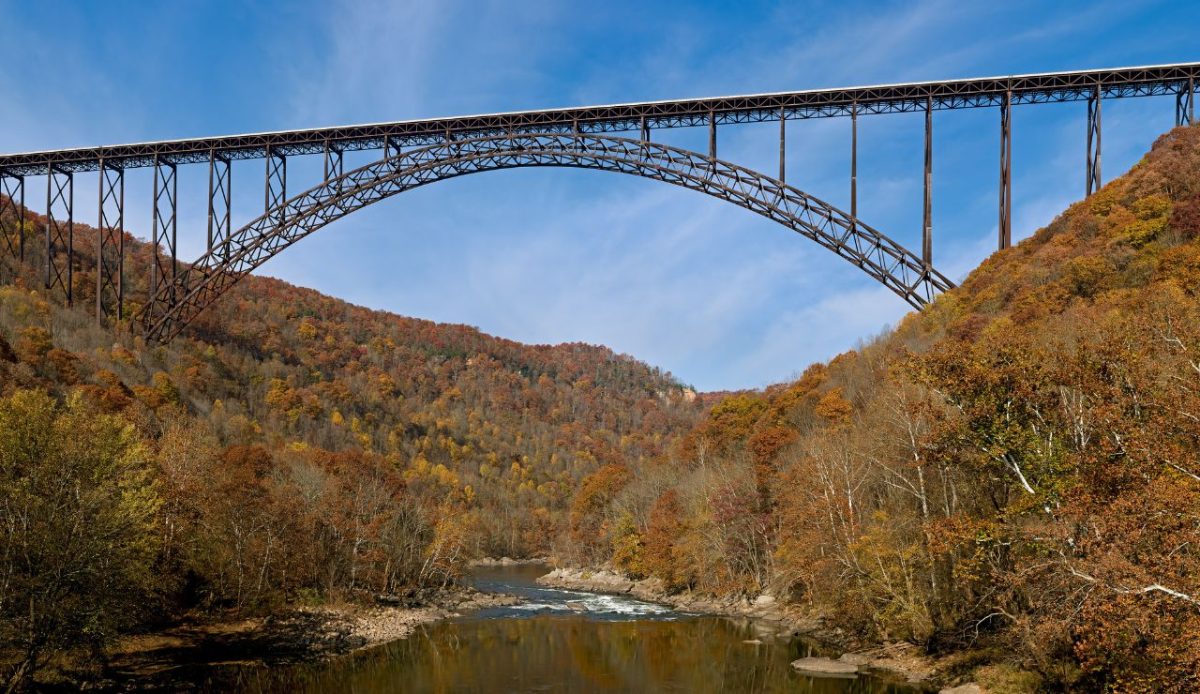
Soaring 876 feet above the New River, this steel arch bridge ranks among the tallest in the nation. Completed in 1977, its 3,030-foot span dramatically shortened travel through once-remote Appalachian terrain. Construction required helicopters to deliver materials across steep valleys where trucks could not pass. The arch was built from both sides until meeting perfectly in the middle, showcasing precision engineering. Painted silver-gray to resist rust, the bridge remains carefully maintained through frequent inspections. Each October, Bridge Day draws thrill-seekers who walk, rappel, and parachute from its deck. It continues as a celebrated Civil Engineering Landmark and regional treasure.
5. Verrazzano-Narrows Bridge, New York
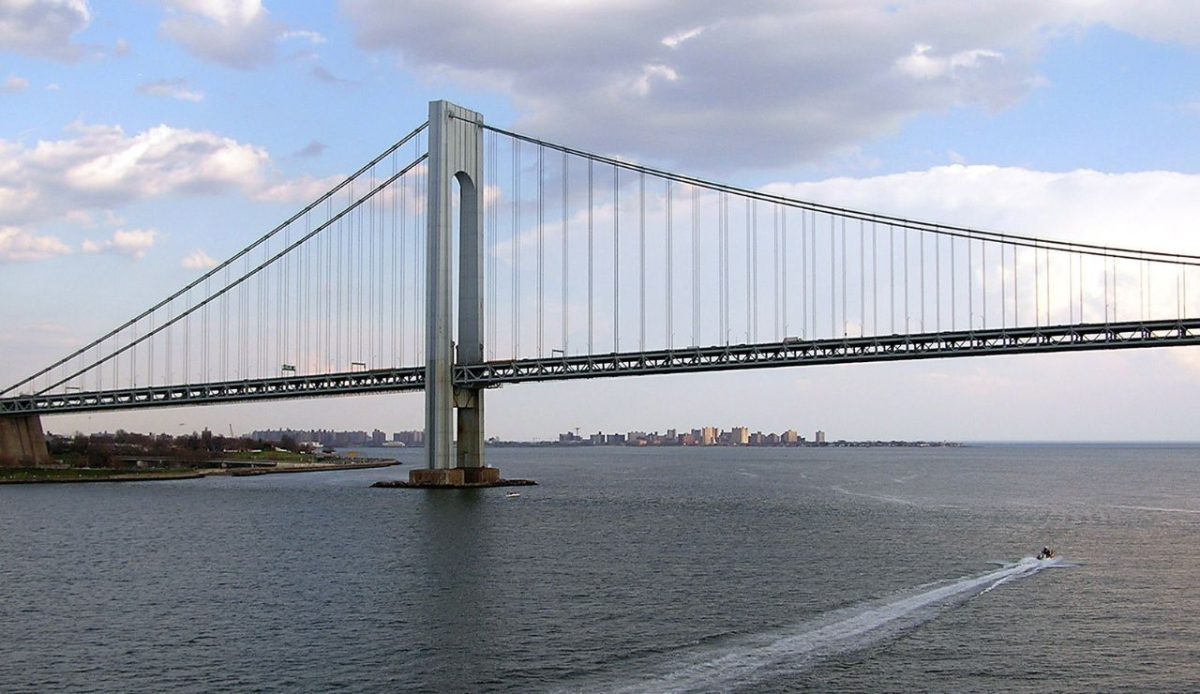
When it opened in 1964, the Verrazzano-Narrows Bridge was the longest suspension bridge on Earth. Its twin towers rise 693 feet, holding two levels of traffic between Brooklyn and Staten Island. Named for explorer Giovanni da Verrazzano, it was misspelled with one “r” missing. Engineers considered Earth’s curve, spacing the tower tops two inches farther apart than their bases. Over 190,000 vehicles cross daily, making it essential for commuters and freight. It also marks the starting line of the famous New York City Marathon. Strengthened and modernized through upgrades, it remains a proud emblem of scale, progress, and ambition.
6. Navajo Bridge, Arizona
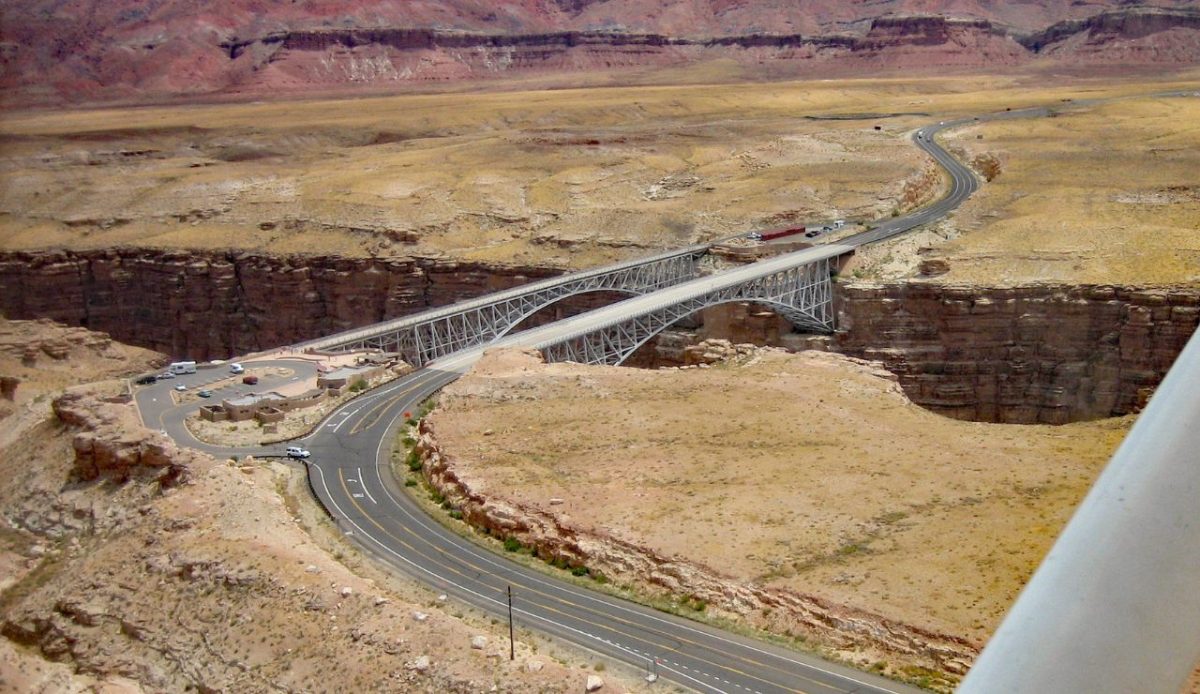
High above Marble Canyon, the Navajo Bridge opened in 1929, carrying travelers 470 feet above the Colorado River. At the time, it was one of the highest bridges in the world, linking remote desert regions otherwise divided by treacherous terrain. In 1995, a second span was built nearby to handle heavier traffic, leaving the original bridge for pedestrians. Visitors crossing today enjoy breathtaking canyon views while reading displays about Navajo culture, local history, and wildlife. The site helps protect endangered California condors, which soar through the canyon undisturbed by cars. Both spans stand within Glen Canyon Recreation Area, uniting beauty with purpose.
7. Smithfield Street Bridge, Pennsylvania
Opened in 1883, Pittsburgh’s Smithfield Street Bridge remains one of the oldest operating steel bridges in the nation. Designed by Gustav Lindenthal, it features a lenticular truss shaped like a lens for added strength. The bridge crosses the Monongahela River and has supported streetcars, trolleys, and now buses, trains, and pedestrians for more than 140 years. Its original cast iron piers remain in place, shielded from river debris by protective barriers. Extensive renovations during the 1980s preserved its historic details while reinforcing safety. Today, ornate metalwork and distinctive stone features make it a city landmark admired by residents and visitors alike.
8. Cornish-Windsor Covered Bridge, Vermont
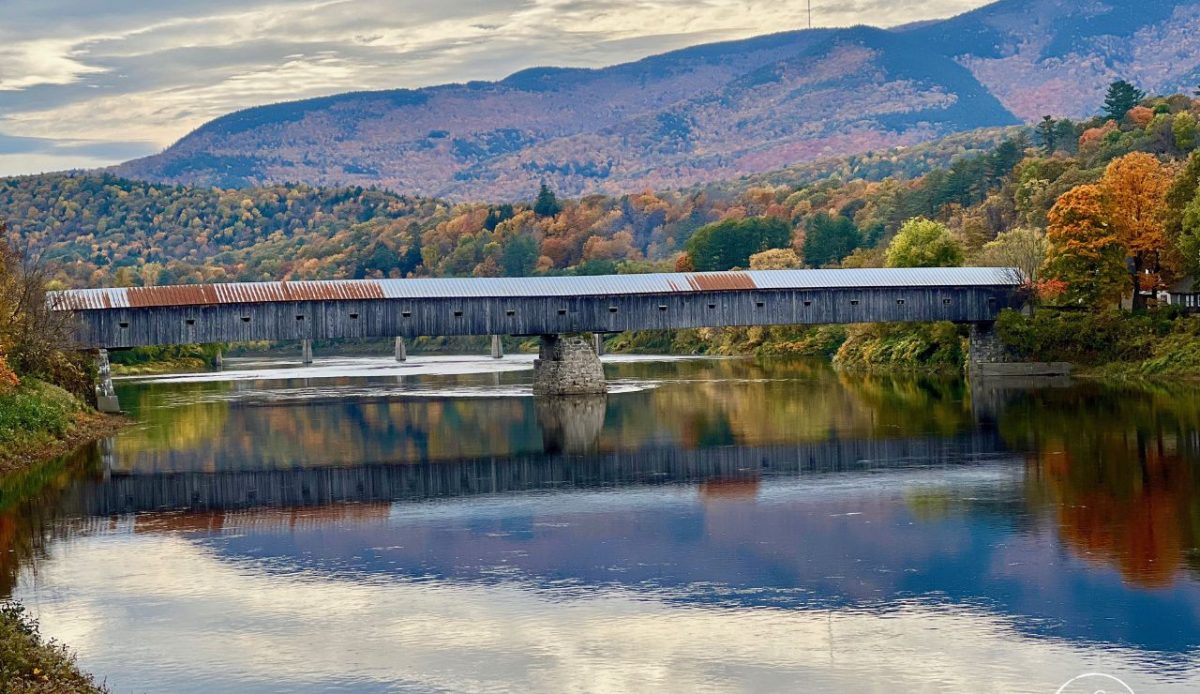
The Cornish-Windsor Bridge stretches 460 feet across the Connecticut River, making it the longest covered bridge in the United States. Built in 1866, it once held the world record for wooden span length. Its roof and side walls protect the heavy timber trusses, extending the bridge’s lifespan against snow and rain. A modified Paddleford truss, reinforced with iron rods, supports passing vehicles. Still open to traffic today, it is jointly maintained by Vermont and New Hampshire. Scenic parks nearby provide walking trails and picnic spots, especially beautiful during autumn foliage. The bridge remains a beloved example of craftsmanship and community pride.
9. Astoria-Megler Bridge, Oregon
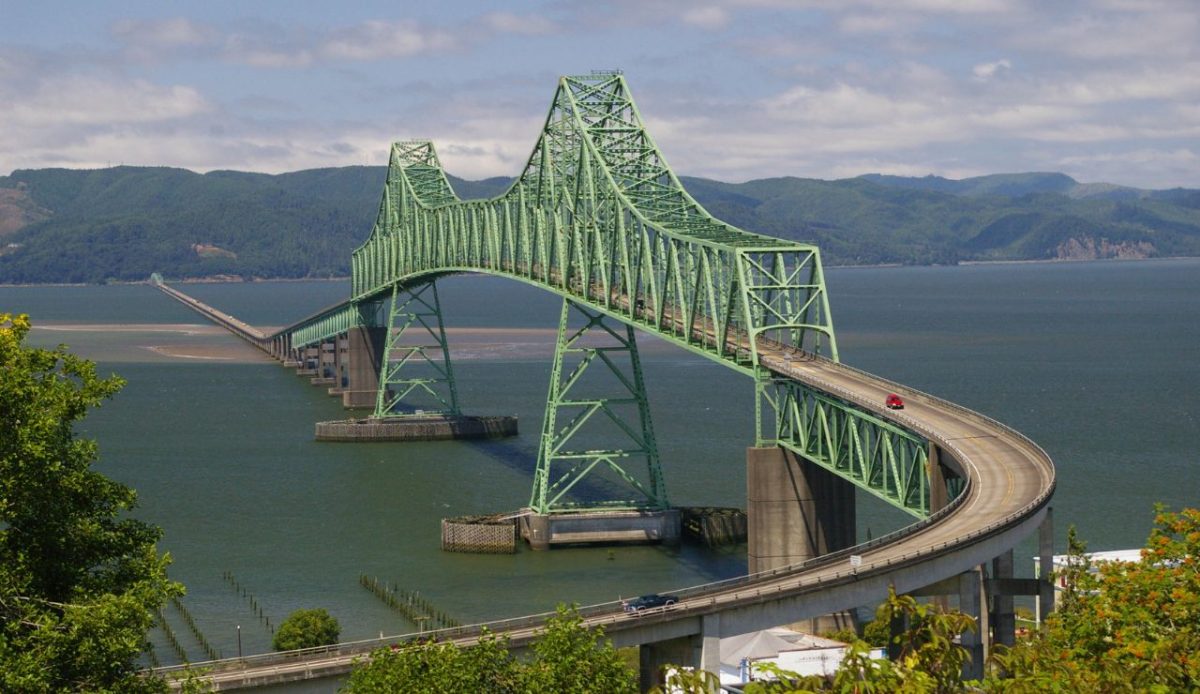
Crossing 4.1 miles of the Columbia River, the Astoria-Megler Bridge opened in 1966 as the final link of U.S. Route 101. Its truss structure withstands coastal storms, with foundations anchored by drilled piles sunk deep into unstable river mud. The span rises 175 feet to allow tall ships to pass beneath. Frequent fog makes the crossing dramatic, with bright lights marking lanes for safety. Stretching between Astoria, Oregon, and Megler, Washington, it carries travelers through tidal flats and marshland. Inspections twice yearly ensure durability. Today, it supports coastal trade, fishing, and tourism, while offering drivers unforgettable oceanfront scenery.
10. Lake Pontchartrain Causeway, Louisiana
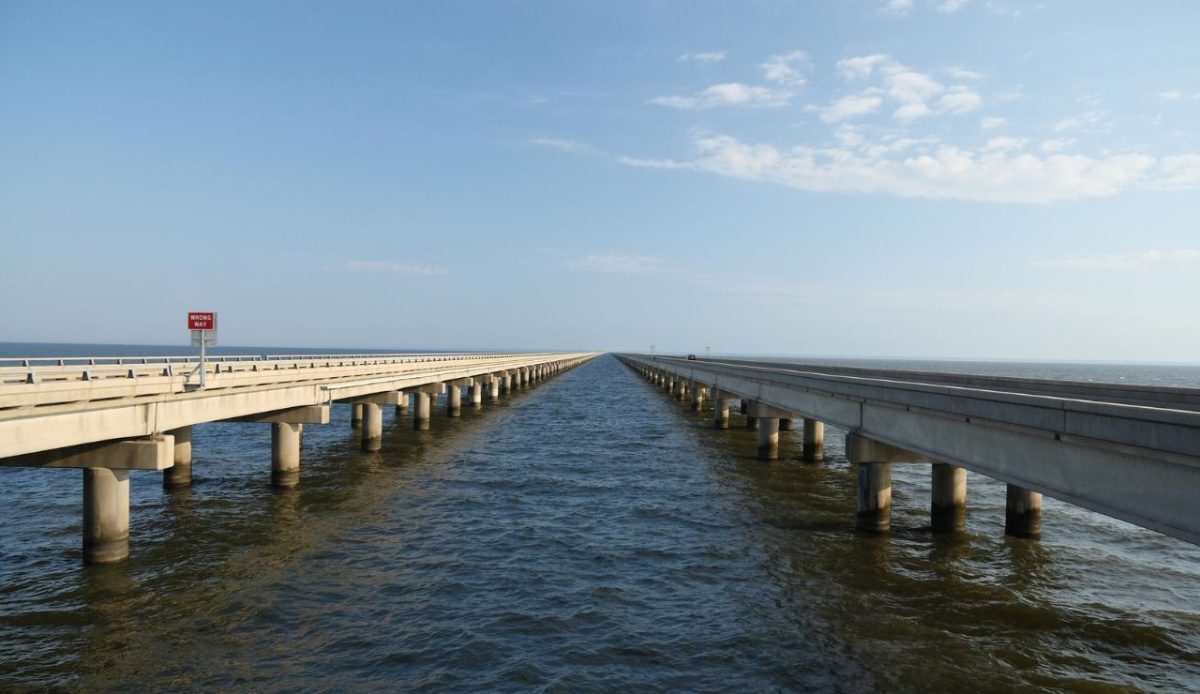
Stretching 23.87 miles, the Lake Pontchartrain Causeway is the world’s longest continuous bridge over water. Completed between 1956 and 1969, it connects New Orleans with communities north of the lake. Supported by more than 9,000 concrete pilings, it appears endless as drivers often see no land in sight. A rest area at the midpoint allows travelers to pause, take photographs, and regain balance. During Hurricane Katrina, it became an essential evacuation route. Constant inspections and maintenance protect it from corrosion and storm damage. For residents, it remains a daily commute, while for travelers, it offers an unforgettable driving experience.
11. Fremont Bridge, Oregon
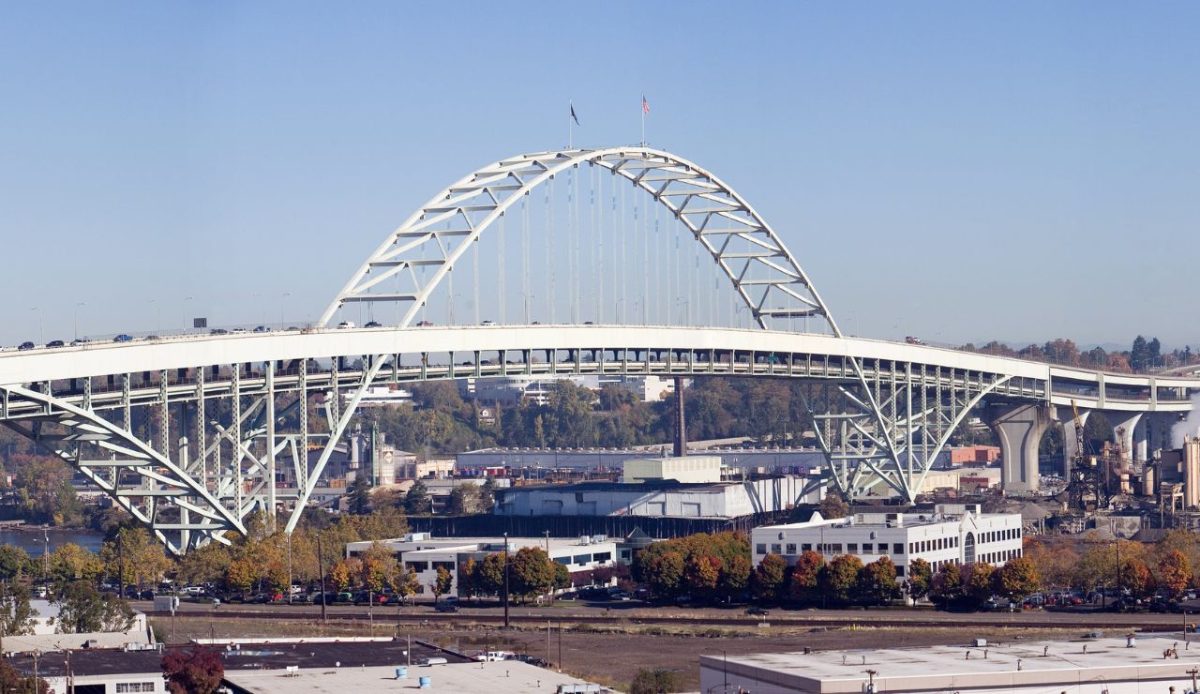
The Fremont Bridge in Portland, Oregon, is the city’s tallest and longest bridge, stretching 1,255 feet across the Willamette River. Completed in 1973, it features a soaring steel arch that provides ships with 189 feet of clearance below. Designed to ease traffic congestion, it carries six lanes of cars along with bike and pedestrian paths. A digital counter records thousands of cyclists daily, reflecting Portland’s green focus. At night, colorful LED lights shine from its towers, while ongoing inspections and maintenance ensure the bridge remains both strong and visually striking.
12. Poughkeepsie Railroad Bridge, New York
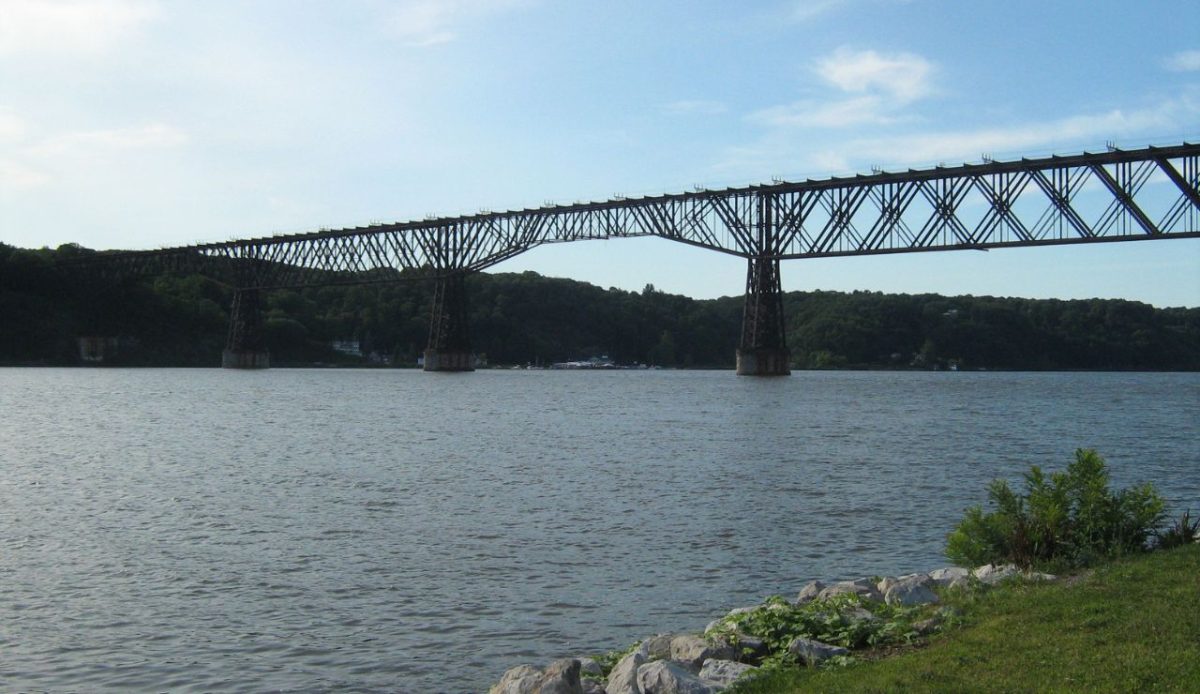
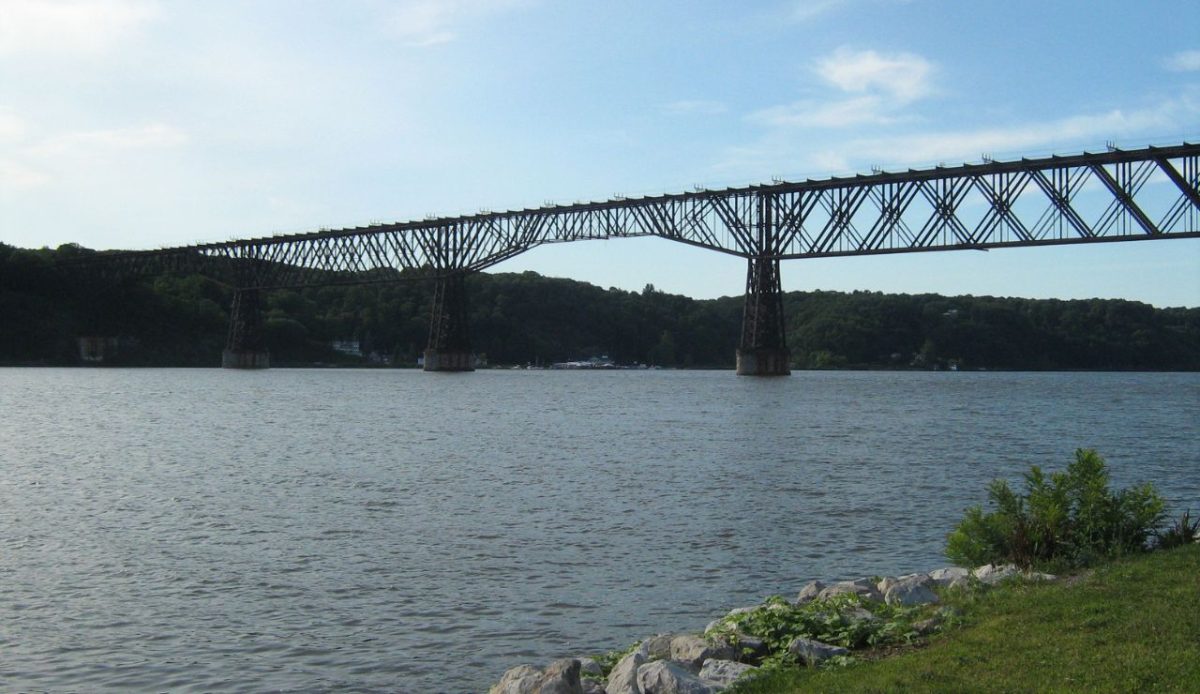
Built in 1888, the Poughkeepsie Railroad Bridge originally carried freight trains across the Hudson River. After a devastating fire in 1974, it sat abandoned for decades until community efforts transformed it. Reopened in 2009 as the Walkway Over the Hudson, it became the world’s longest pedestrian bridge at 1.28 miles. Visitors enjoy sweeping river views from restored trusses and piers, now lined with seating, plants, and lighting. Events, art shows, and fitness programs draw crowds, proving how forgotten infrastructure can become a vibrant public park celebrating both history and renewal.
13. High Line, New York
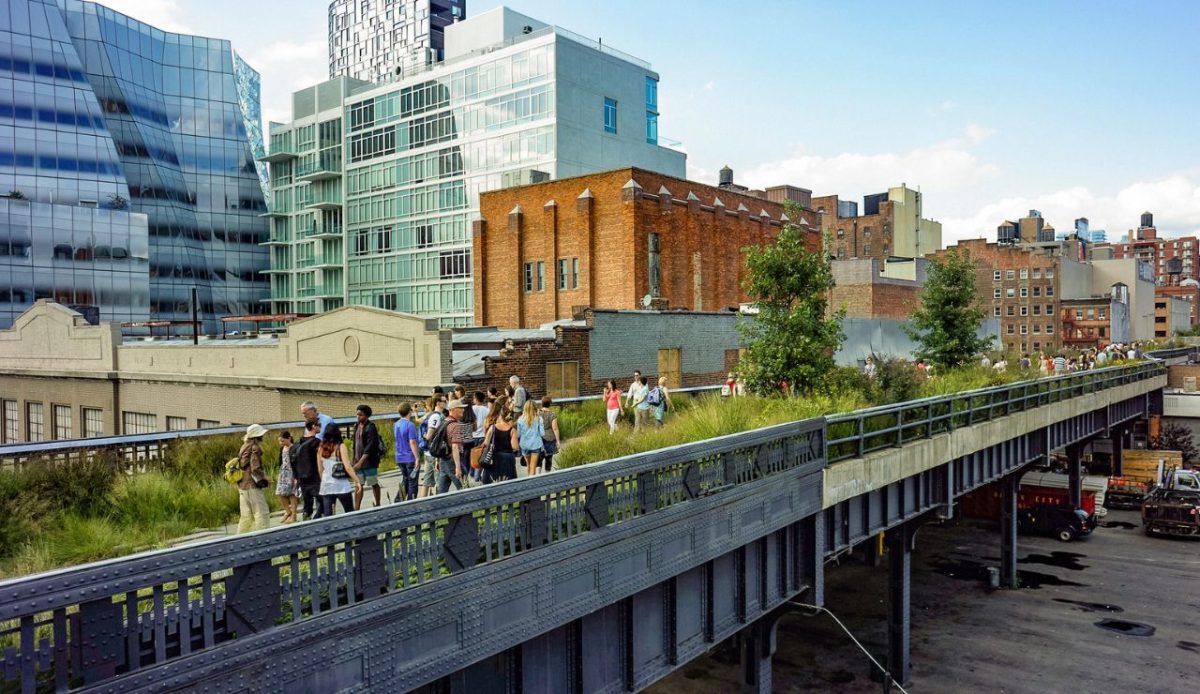
Once a 1930s freight line, Manhattan’s High Line carried goods to warehouses without disrupting traffic below. Abandoned in 1980, the elevated tracks faced demolition until locals envisioned a park. Reopened in 2009, it now stretches 1.45 miles through gardens, pathways, and art installations. Original rails remain embedded among wildflowers and trees, blending history with nature. The park connects Gansevoort Street with 34th Street, creating a lively urban escape. With benches, shaded gathering spaces, and cultural events, the High Line inspires similar projects worldwide, proving disused infrastructure can become thriving green spaces that bring communities together.
14. Commodore Barry Bridge, Pennsylvania
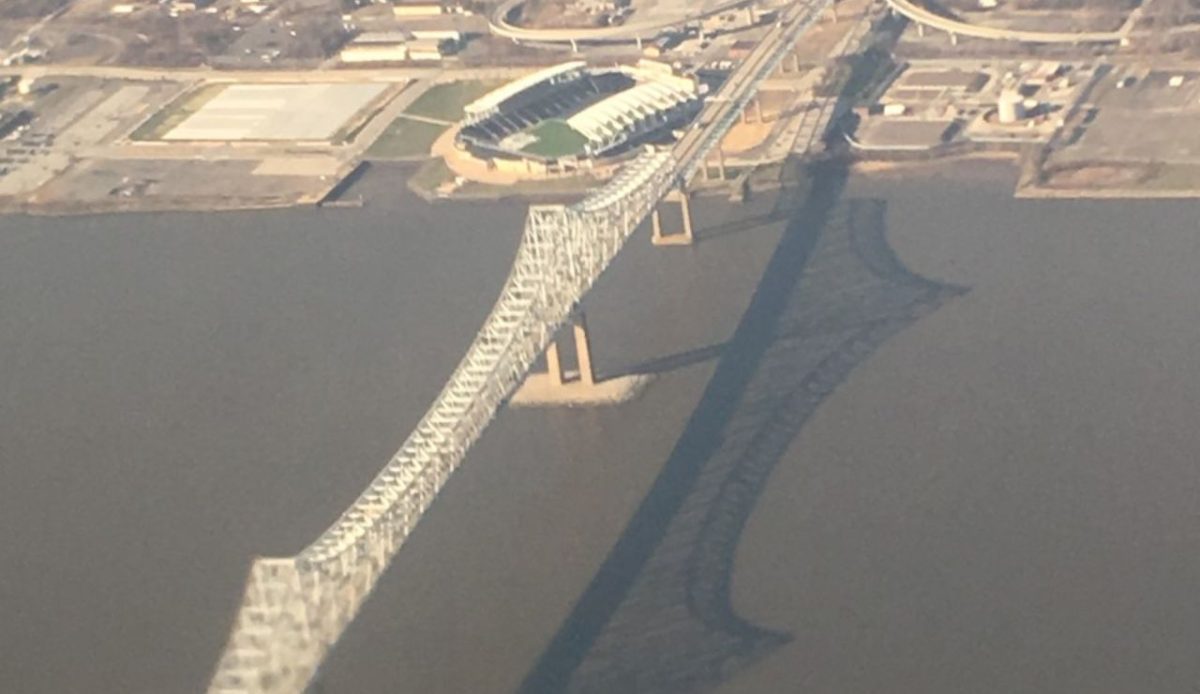
Spanning the Delaware River since 1974, the Commodore Barry Bridge connects Chester, Pennsylvania, with Bridgeport, Delaware. Named for a Revolutionary War naval officer, the 1,391-foot cantilever span carries U.S. Route 322. Supported by strong steel trusses, it withstands heavy daily traffic exceeding 40,000 vehicles. Routine inspections monitor for fatigue, rust, and joint stress, keeping the bridge reliable. Drivers traveling across witness cargo ships, marshes, and open water, linking industrial and rural communities. For local towns, it ensures steady access to schools, farms, and workplaces. Its enduring presence anchors both sides of the river with dependable strength.
