
Traveling through Europe is a dream for many Americans, but cultural differences often catch visitors off guard. What feels normal in the U.S. may seem out of place abroad. From tipping too much to dressing too casually, even small habits can create awkward moments. Avoiding these mistakes helps travelers blend in, connect with locals, and enjoy a more authentic European adventure. Here are fourteen common missteps and how to easily avoid them for a smoother journey overseas.
1. Speaking Only English

Many American tourists expect everyone in Europe to speak English, especially in major cities. While English is widely understood, not all locals are fluent, particularly in smaller towns. Learning a few basic phrases, such as “hello,” “please,” and “thank you,” can make a significant difference. Europeans appreciate visitors who show effort and respect for their language. It’s a small gesture that breaks barriers, earns goodwill, and makes travel interactions more enjoyable.
2. Tipping Too Much
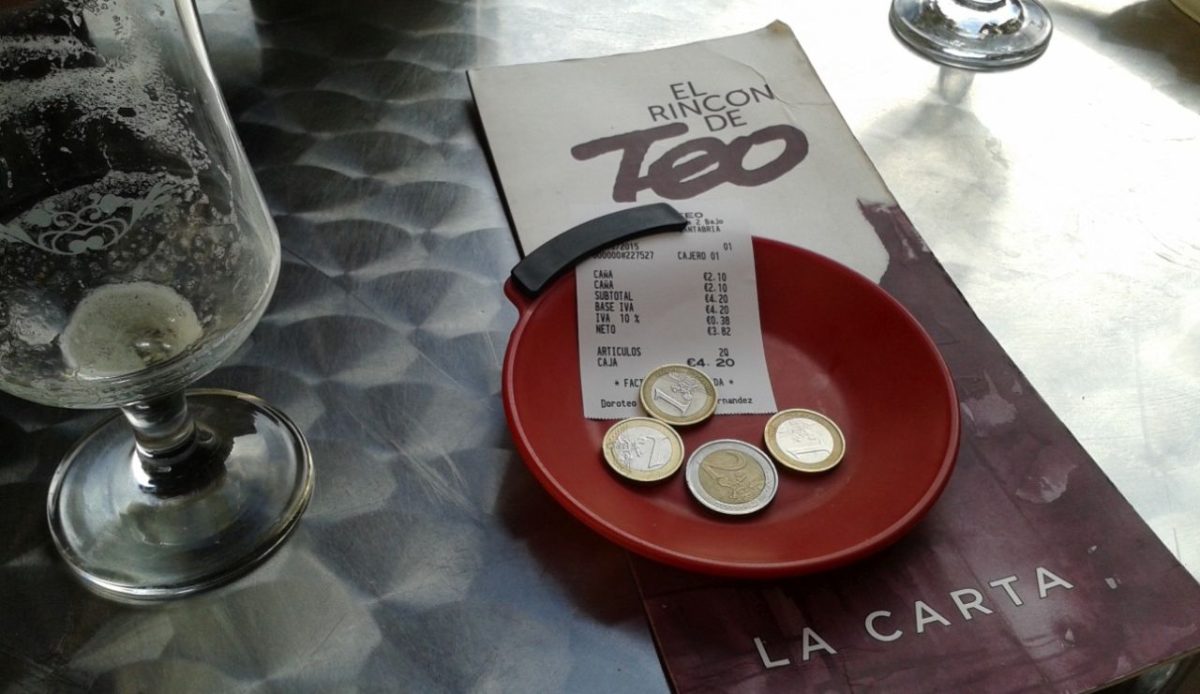
In Europe, tipping customs differ significantly from those in the U.S., where gratuities of 15–20% are common. Most European restaurants already include a service charge, so adding more can seem unnecessary or excessive. Usually, rounding up the bill or leaving a small amount is enough. Over-tipping may even confuse staff. Knowing the local practice shows cultural awareness and helps travelers spend wisely while still expressing genuine appreciation for good service.
3. Expecting Ice in Drinks

Many Americans are surprised when their drinks arrive without ice. In Europe, beverages are often served lightly chilled or at room temperature, reflecting centuries-old dining traditions. Asking for extra ice can seem unusual, especially in small cafés. Embracing this local custom enhances the experience and helps tourists enjoy a more authentic meal. After all, tasting wine, juice, or soda the European way can reveal new flavors and cultural authenticity.
4. Dressing Too Casually

Comfort matters when traveling, but overly casual clothes can make Americans stand out abroad. Europeans tend to favor polished, well-fitted styles, even for everyday outings. Baggy shorts, athletic wear, and flip-flops are best left for the beach. Choosing neat, simple outfits shows respect for local culture and can even lead to friendlier service in shops or restaurants. Dressing appropriately helps travelers blend in and feel more confident exploring Europe’s stylish streets.
5. Ignoring Quiet Hours

Late-night noise might seem harmless, but many European neighborhoods enforce quiet hours between evening and early morning. Loud voices, laughter, or music can disturb residents and earn complaints. Americans used to bustling 24-hour cities often forget this cultural difference. Respecting quiet hours, especially in hotels and apartments, demonstrates courtesy and awareness. It’s a simple way to maintain harmony with locals while ensuring everyone enjoys peaceful rest after a long day of travel.
6. Expecting Free Public Restrooms
Public restrooms are rarely free in Europe, and this often surprises American travelers. Most facilities charge a small fee, usually a few coins, to maintain cleanliness and safety. It’s best to carry spare change when exploring cities. These pay-to-use restrooms are typically well-kept and worth the cost. Planning avoids awkward situations when nature calls unexpectedly, helping tourists navigate Europe’s cities more comfortably and confidently.
7. Overpacking

American tourists often overpack for European trips, unaware that trains, hotels, and cobblestone streets aren’t built for bulky luggage. Narrow staircases, compact elevators, and small cars make giant suitcases a hassle. Packing light with mix-and-match outfits and essential toiletries saves time and stress. Minimal luggage also allows easier movement between destinations. Traveling with less makes the journey smoother, more flexible, and far more enjoyable from start to finish.
8. Skipping Public Transportation
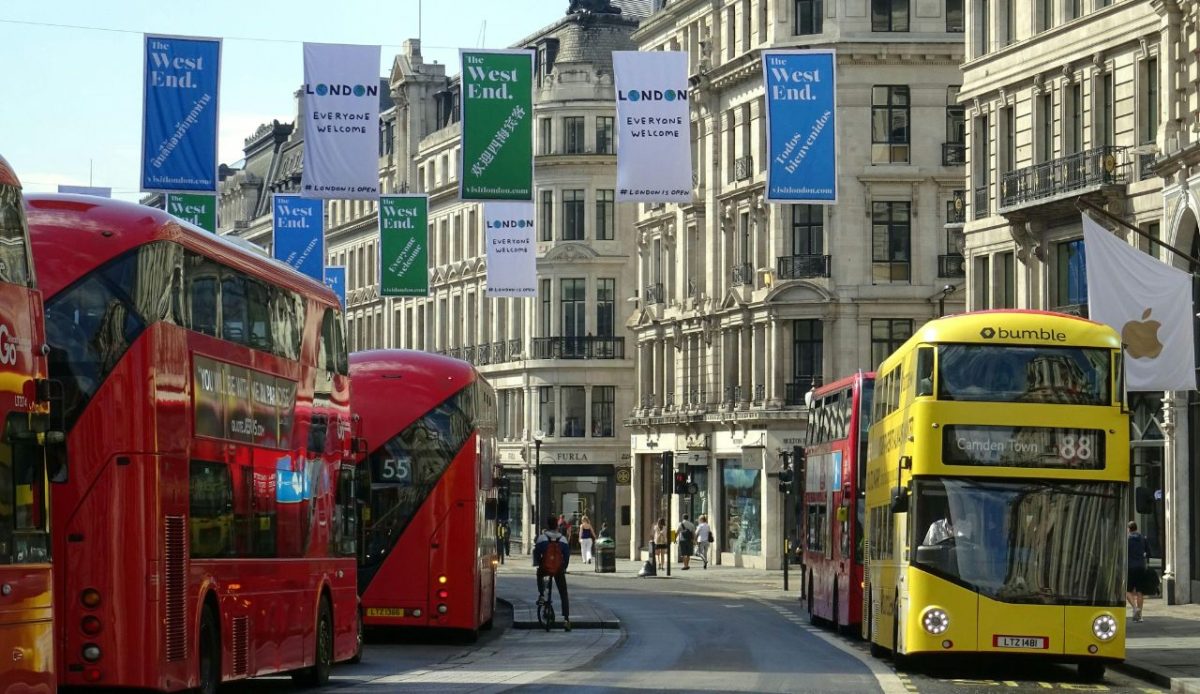
Europe’s public transport systems are among the best in the world, yet many visitors rely on taxis or rideshares out of habit. Subways, trams, and buses are reliable, affordable, and often faster than cars. Learning to navigate them offers a glimpse into local life and culture. Using public transport saves money, reduces your carbon footprint, and turns everyday commutes into mini adventures filled with people-watching and authentic city experiences.
9. Expecting Large Portions

European restaurants typically serve smaller portions than what many Americans are used to, focusing on balance and quality rather than size. Meals are designed to be savored slowly, not rushed, allowing diners to enjoy multiple courses without overeating. This reflects Europe’s cultural approach to food, appreciating flavor, freshness, and conversation over quantity. Embracing these smaller portions turns every meal into a rich, satisfying experience rather than a heavy one.
10. Forgetting to Validate Tickets
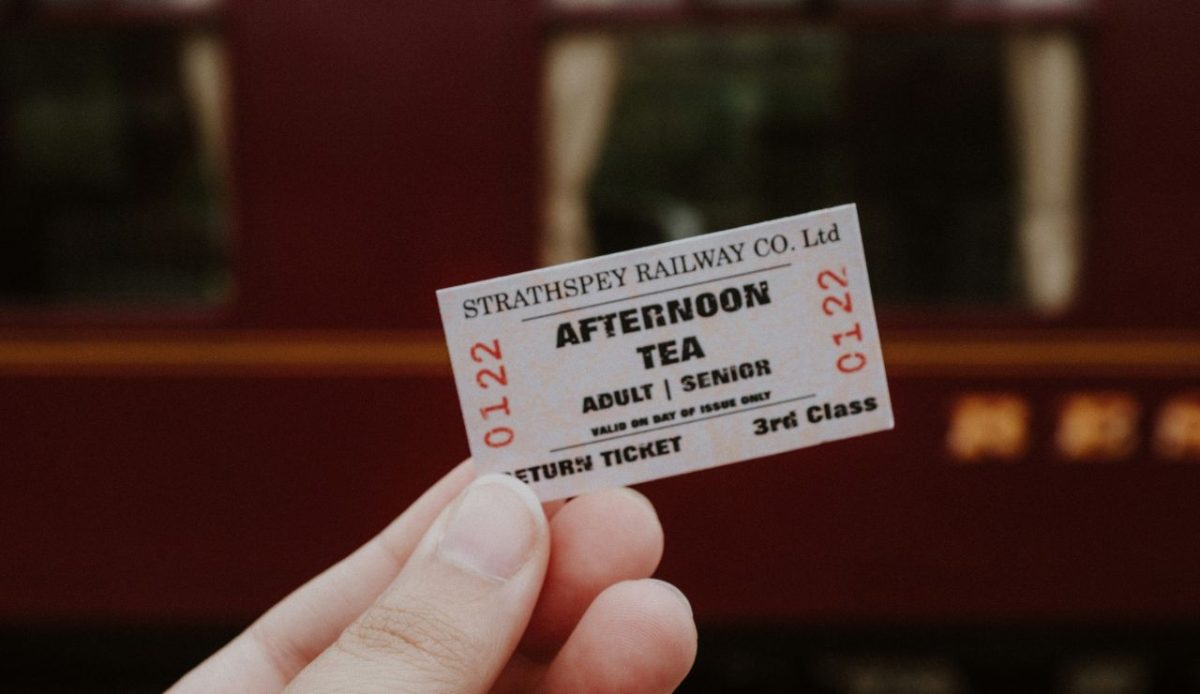
In much of Europe, purchasing a bus, train, or tram ticket isn’t the final step; it must be validated before travel. Failing to stamp or scan it in designated machines can result in on-the-spot fines, even with proof of purchase. Validation marks the start of your journey and prevents fare evasion. The machines are usually near station entrances or vehicle doors. Remembering this small but crucial detail saves both money and unnecessary embarrassment abroad.
11. Touching Produce at Markets

European market culture values presentation and hygiene, so picking up fruits or vegetables without permission is frowned upon. In many regions, customers point to what they want, and the vendor selects it for them. Touching produce unnecessarily can offend sellers. Observing how locals shop before acting shows courtesy and awareness. This simple habit not only avoids awkwardness but also makes travelers feel more connected to authentic European traditions.
12. Assuming Air Conditioning Everywhere

Air conditioning is not as widespread in Europe as in the U.S., particularly in older or historic buildings. Summers can be warm, and tourists expecting chilled rooms may be disappointed. Many Europeans rely on open windows or fans instead. Booking accommodations that list A/C or packing a portable fan helps. Understanding this cultural difference promotes patience and appreciation for Europe’s architecture, sustainability practices, and different approach to comfort.
13. Over-Scheduling Itineraries
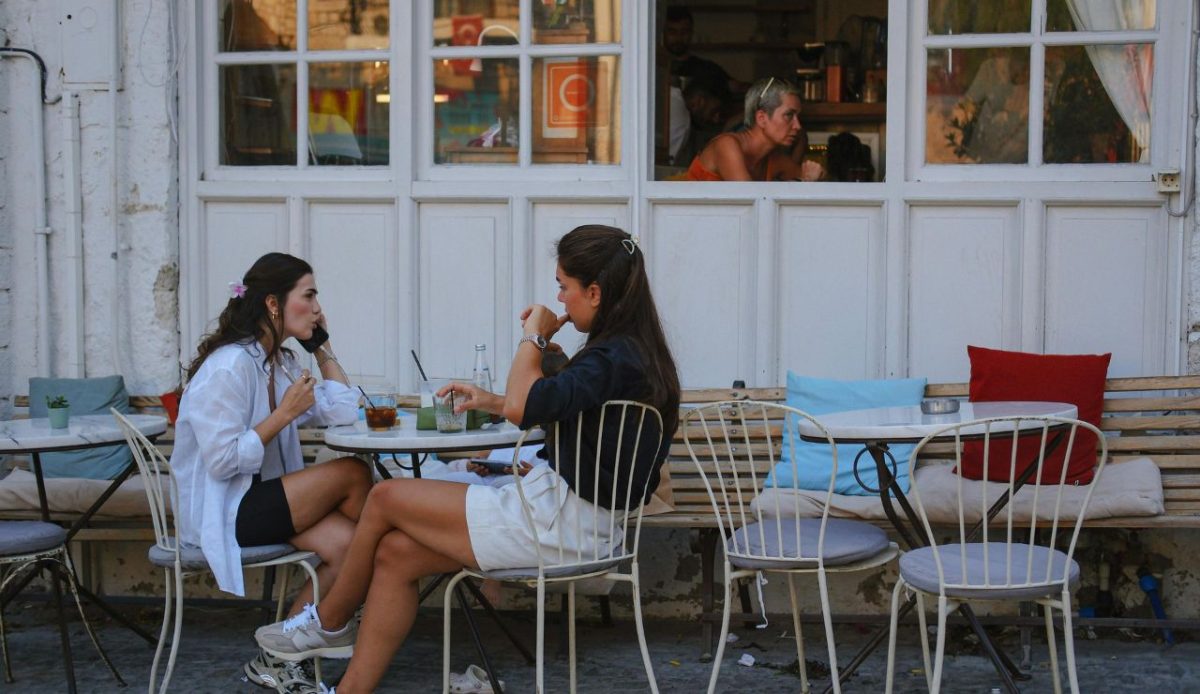
Trying to see every landmark in one trip often leads to exhaustion and frustration. American tourists sometimes cram too much into their schedules, leaving no time to relax. Europe rewards slow exploration, sipping coffee, strolling cobblestone streets, and watching daily life unfold. Allowing downtime encourages genuine discovery and reduces stress. Traveling at a measured pace turns rushed sightseeing into meaningful, memory-filled experiences across beautiful European cities.
14. Ignoring Local Etiquette

Each European country has its own customs, from greeting with cheek kisses to removing shoes indoors. Ignoring these traditions can seem disrespectful. Observing how locals behave, waiting your turn, and following polite gestures all matter. Simple courtesies, like greeting shopkeepers or speaking softly in churches, make a lasting impression. Respecting these cultural nuances helps travelers connect on a deeper level and transforms tourists into welcomed guests.
