
Not every great downtown depends on tall buildings or crowded skylines. Across the United States, smaller towns have created active centers built for walking, conversation, and community. These places show that charm comes from scale, character, and thoughtful design rather than vertical expansion. Streets stay close to the water, mountains, or village greens, while architecture connects daily life with history. From coastal harbors to mountain valleys, each of these downtowns shows how planning for people, not skyscrapers, creates spaces that stay lively, useful, and genuinely welcoming.
1. Bar Harbor, Maine
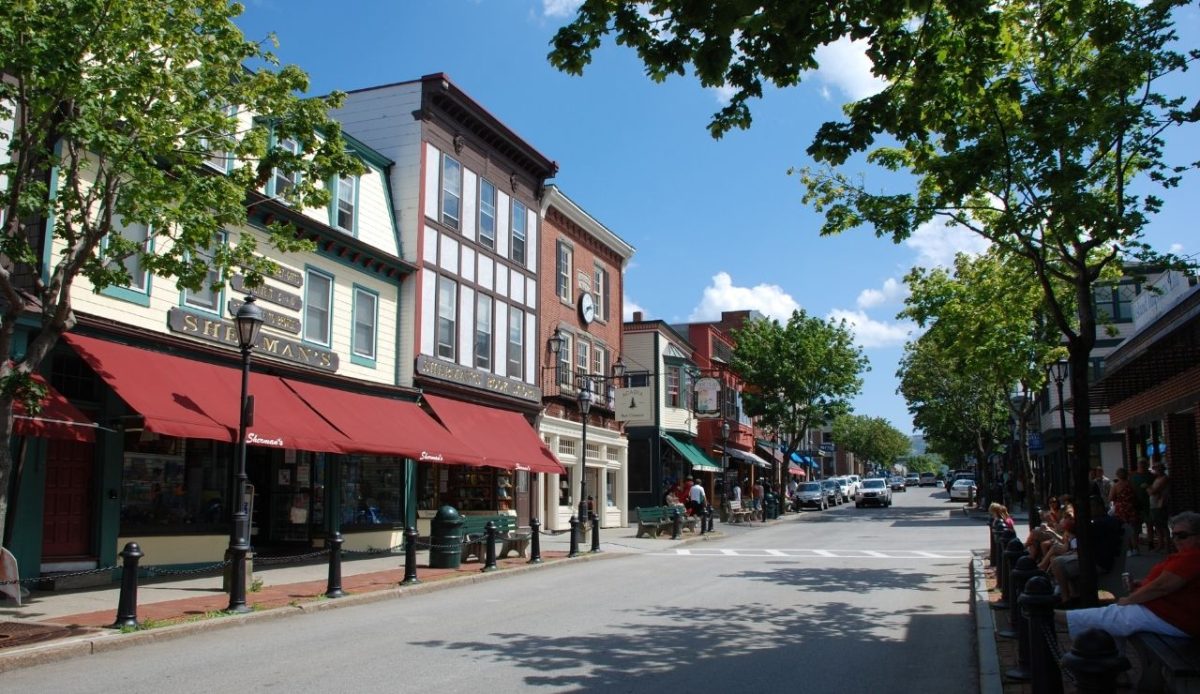
Visitors come to Bar Harbor for the harbor views and stay for its walkable rhythm. Downtown connects the waterfront to narrow streets filled with cafés, galleries, and seafood markets that still serve locals as much as tourists. Victorian facades line the sidewalks, while small inns preserve the town’s scale. A few minutes of walking lead to the shore or to trails at nearby Acadia National Park. Community events and seasonal festivals fill the calendar without crowding the streets. Bar Harbor remains proof that a small coastal grid can support both culture and calm living.
2. Portsmouth, New Hampshire
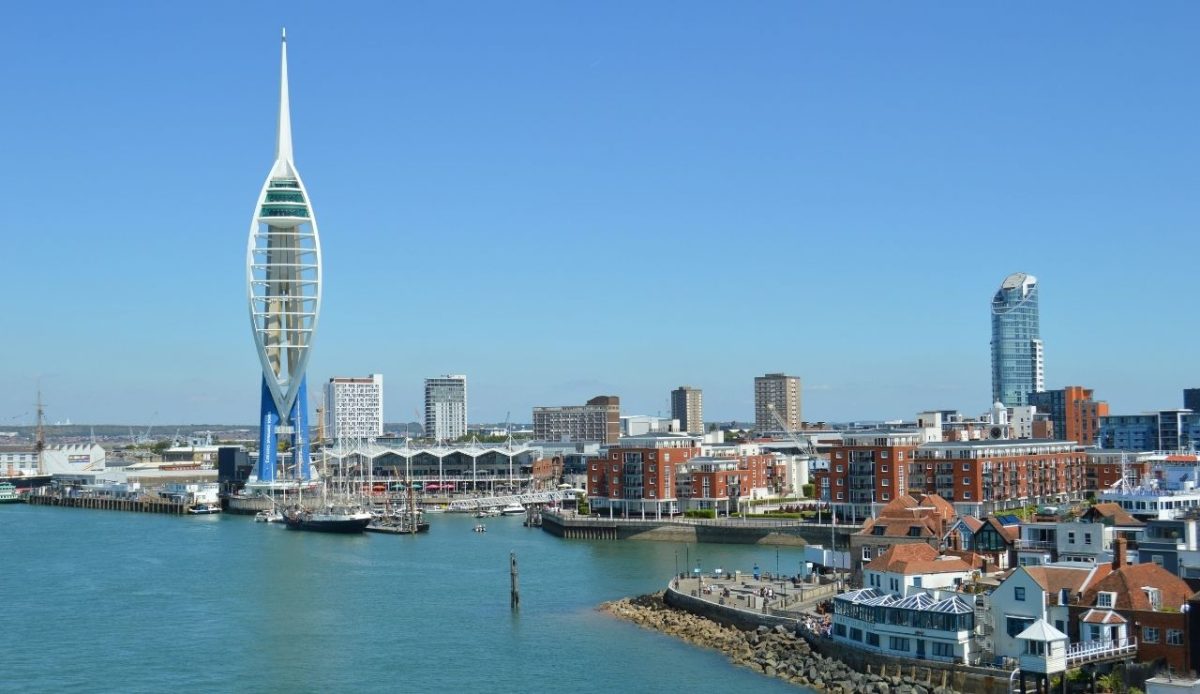
Portsmouth’s brick-paved streets and historic port buildings give the city its structure and personality. Market Square anchors the center, linking bakeries, theaters, and local breweries through pedestrian paths that encourage movement on foot. Architecture from the 1700s remains intact, housing galleries and small businesses that keep activity steady year-round. The downtown extends naturally to Prescott Park and the riverfront without heavy traffic or visual clutter. Every block feels lived in, showing how cities once shaped by trade can continue to grow through preservation and local use.
3. Nantucket Town, Massachusetts
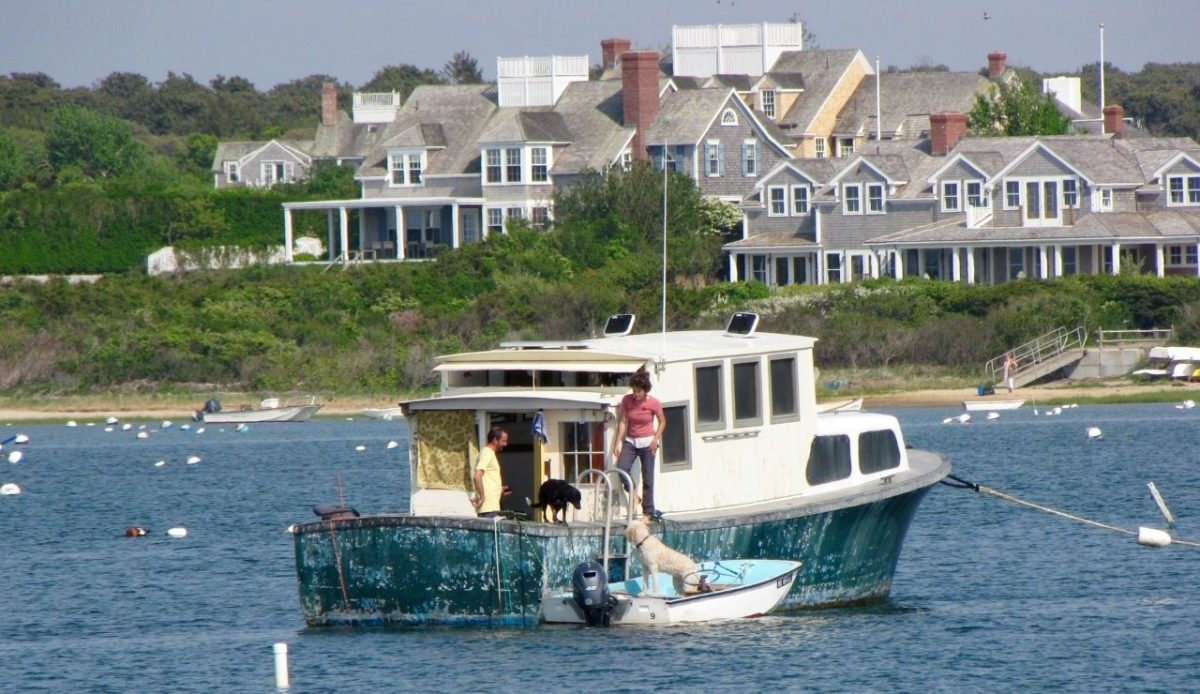
Cobblestone streets and weathered shingle buildings make Nantucket’s downtown instantly recognizable. The area’s tight layout encourages walking, connecting bookshops, cafés, and harborfront stores without the need for cars. Strict zoning rules protect the 19th-century aesthetic, keeping height and materials consistent. Independent businesses dominate the core, maintaining a community-based economy even in high tourist seasons. Local markets and small museums keep the island’s maritime history visible in everyday life. Nantucket shows that preservation, when treated as routine, can keep a town both relevant and genuine.
4. Woodstock, Vermont
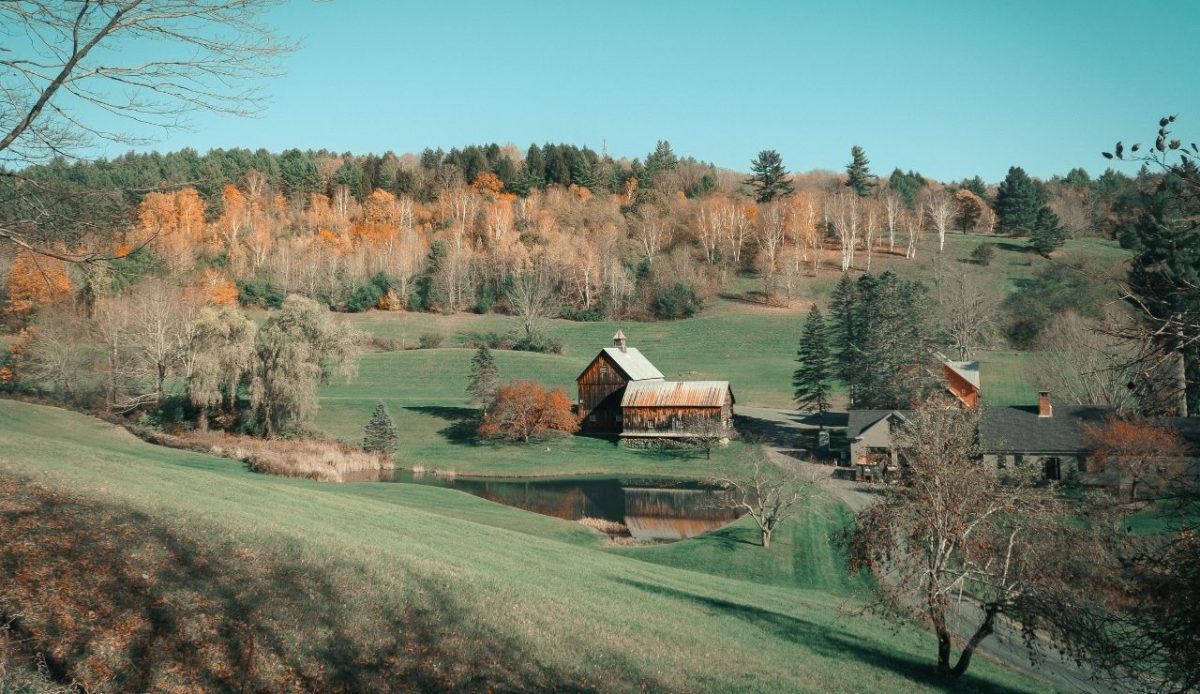
Woodstock maintains a small-town structure that continues to function naturally. It’s downtown centers on a village green surrounded by stores, cafés, and farm-to-table restaurants that serve both locals and visitors. Covered bridges and historic inns mark the edges of a district built for walking, not speed. The scale of the streets supports conversation, while farmers’ markets and community fairs sustain year-round participation. Business owners and residents share the same compact space, creating stability without relying on growth. Woodstock demonstrates that steady planning can keep charm practical.
5. Galena, Illinois
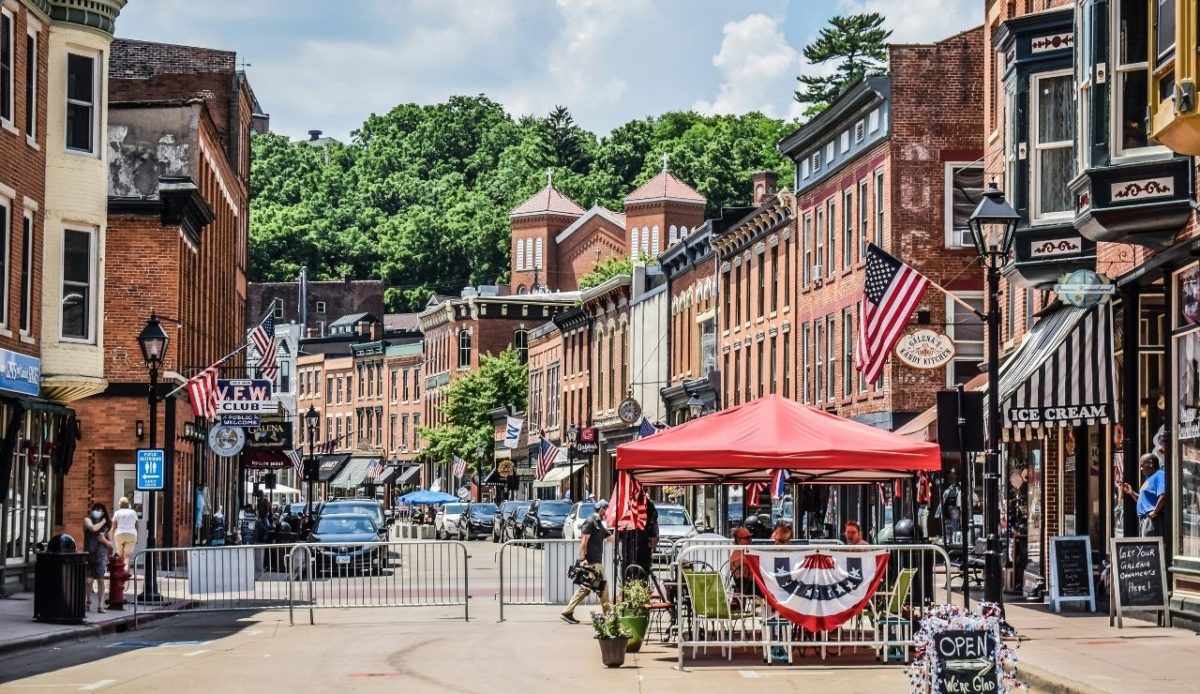
Galena’s downtown curves along its riverbank, giving every storefront both visibility and purpose. Brick buildings from the 1800s hold shops, cafés, and antique dealers, all connected by short, walkable blocks. Events and open-air concerts keep the area active beyond daylight hours. Building preservation has remained strict, maintaining consistency across façades and rooflines. The town’s economic base relies on small enterprises, ensuring variety without overcrowding. Galena proves that small cities can balance heritage and productivity through measured restoration and scale.
6. St. Augustine, Florida
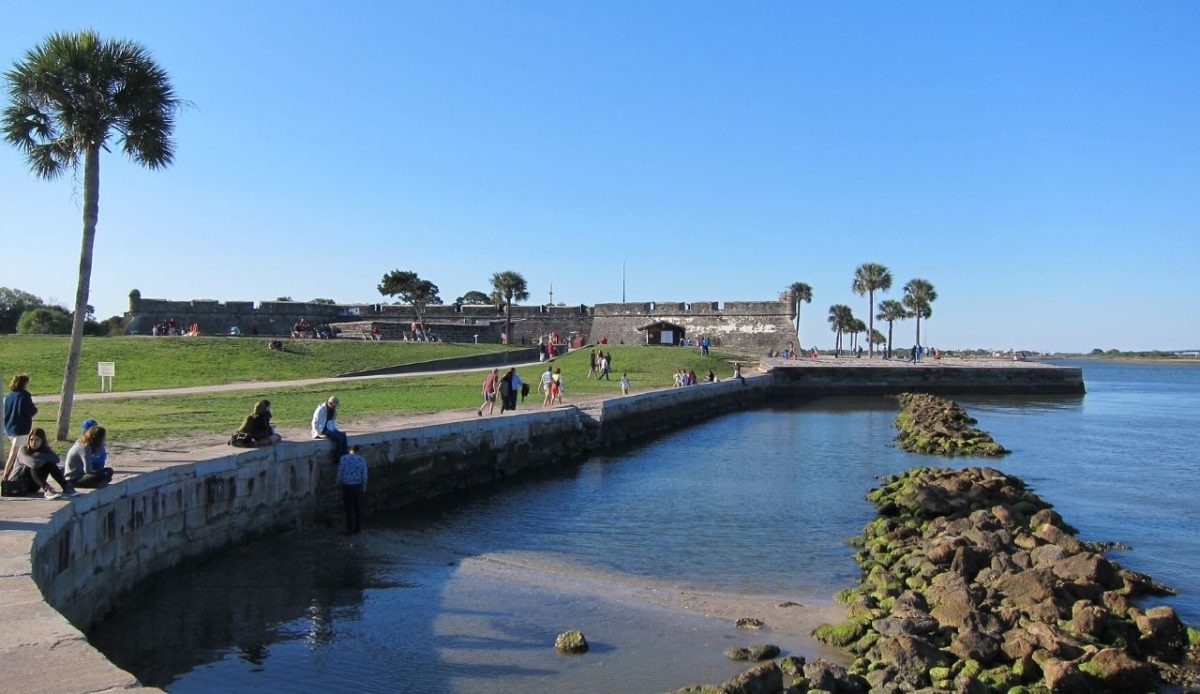
Downtown St. Augustine links nearly five centuries of history in a layout designed for pedestrians. Narrow streets lined with Spanish Colonial buildings lead to courtyards, art shops, and local cafés that fill the area with quiet movement. The main plaza connects directly to Castillo de San Marcos and the harbor, creating a continuous public space. Preservation rules prevent high-rise construction, ensuring sunlight and airflow through the old corridors. The combination of age, scale, and accessibility turns the nation’s oldest city into one of its most functional downtowns.
7. Fredericksburg, Texas
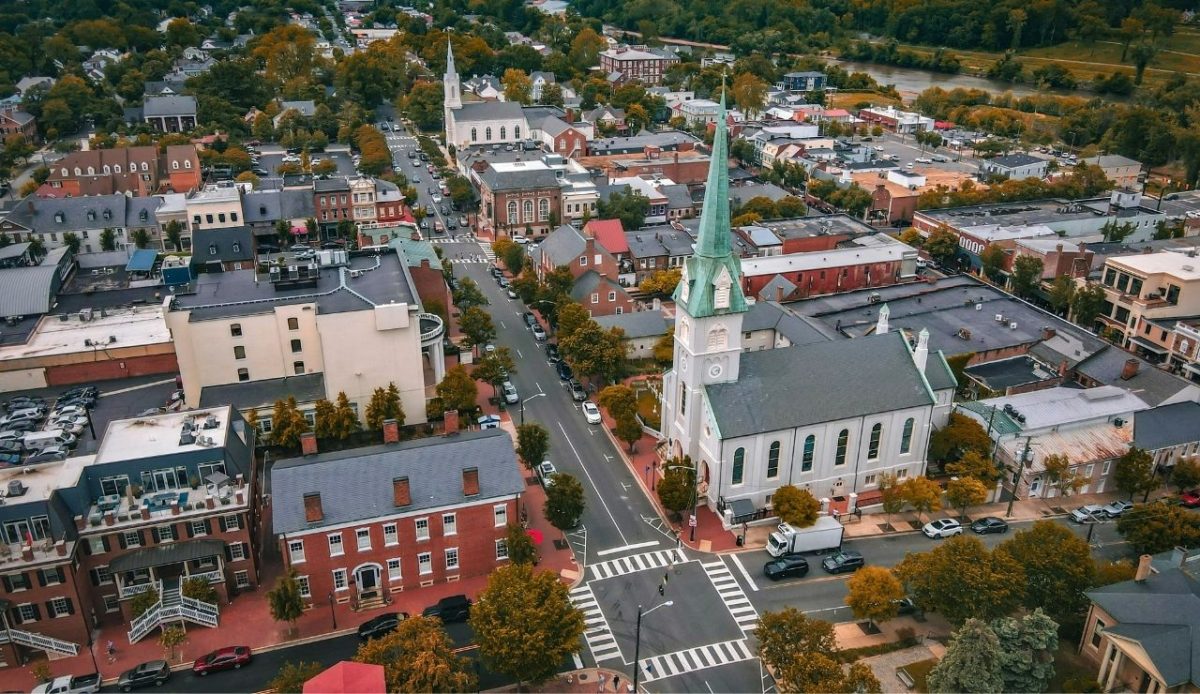
Fredericksburg’s limestone buildings and clear street layout make downtown navigation easy. The main corridor hosts local wineries, bakeries, and galleries arranged for foot traffic. Each business faces the street directly, keeping visibility strong and circulation simple. Height restrictions preserve views of the surrounding plains, while public benches and shaded sidewalks invite rest. Seasonal markets and parades use existing streets rather than adding new infrastructure. The result is a walkable core that stays busy yet controlled, supported by a steady rhythm of local participation.
8. Cape May, New Jersey

Cape May’s downtown operates at walking speed, with Victorian storefronts leading directly to the beach. The Washington Street Mall, closed to traffic, serves as the social core lined with candy shops, bookstores, and small restaurants. Houses and inns display restored 19th-century details, giving every block a sense of continuity. The city’s building rules maintain low heights and architectural harmony, ensuring no structure dominates another. Cape May’s approach keeps tourism balanced with local life, proving that pedestrian comfort can define a town’s identity.
9. Carmel-by-the-Sea, California
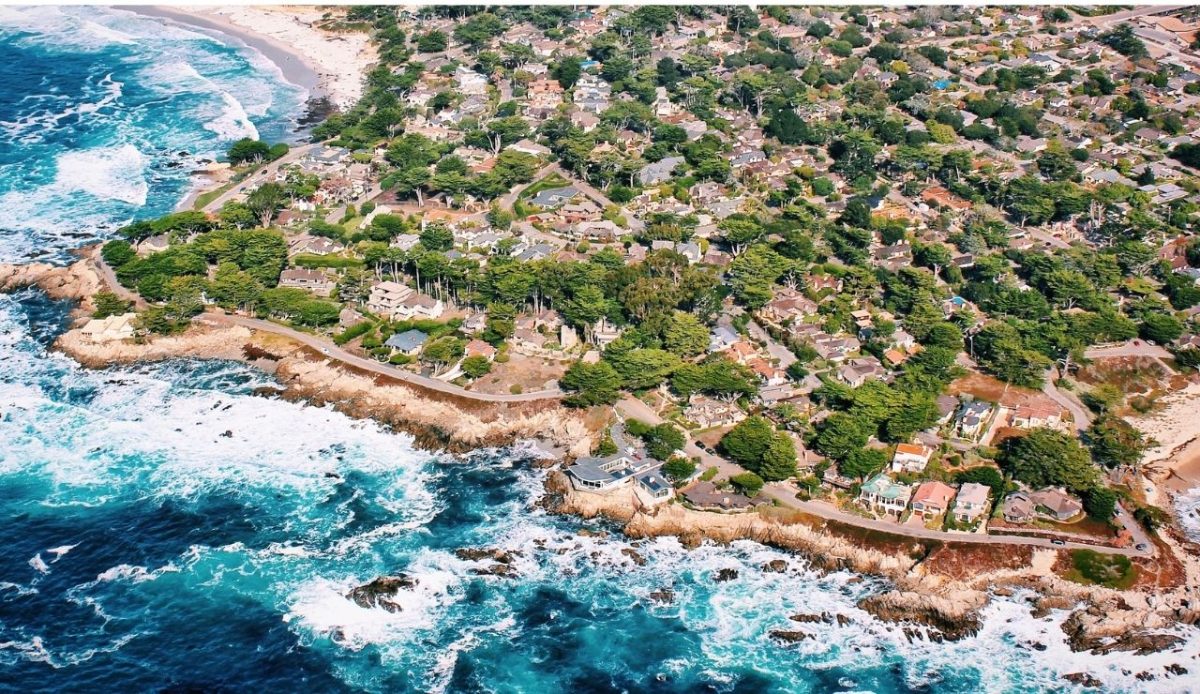
Downtown Carmel reflects precision in design rather than scale. Its tree-shaded lanes hold wine rooms, galleries, and cafés that sit within easy reach of the ocean. The absence of street addresses and visible signage encourages exploration by sight and familiarity, reinforcing intimacy over formality. Chain stores remain limited by law, leaving space for independent artisans. Low-rise buildings and narrow courtyards guide movement naturally, while tiled roofs and gardens preserve visual rhythm. Carmel demonstrates how restriction, applied wisely, can protect long-term character.
10. Solvang, California
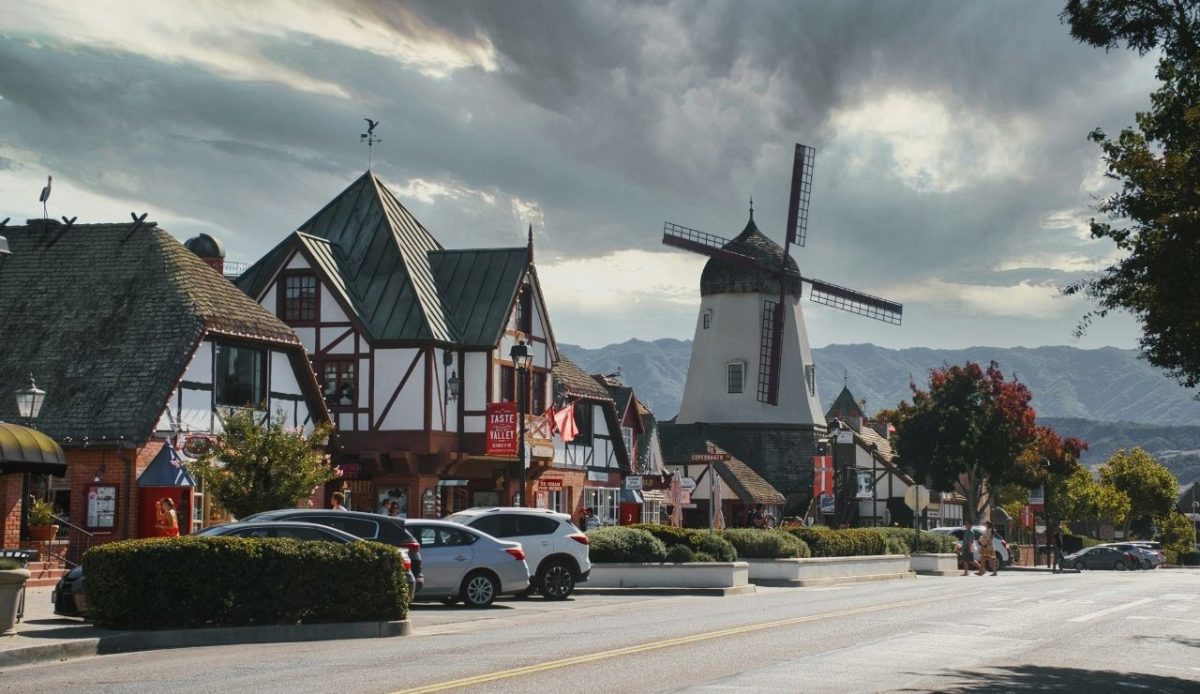
Solvang organizes its Danish identity into a downtown that remains approachable and coherent. Half-timbered storefronts, tile roofs, and pocket courtyards fill a few short blocks, encouraging movement on foot. Restaurants, museums, and bakeries operate within buildings designed for proportion, not excess. Local ordinances restrict high-rises and preserve pedestrian access. The downtown transitions naturally to nearby vineyards and neighborhoods, keeping tourism connected to daily life. Solvang’s charm comes from structure. It is an example of how clear rules can protect a town’s strongest qualities.
11. Leavenworth, Washington
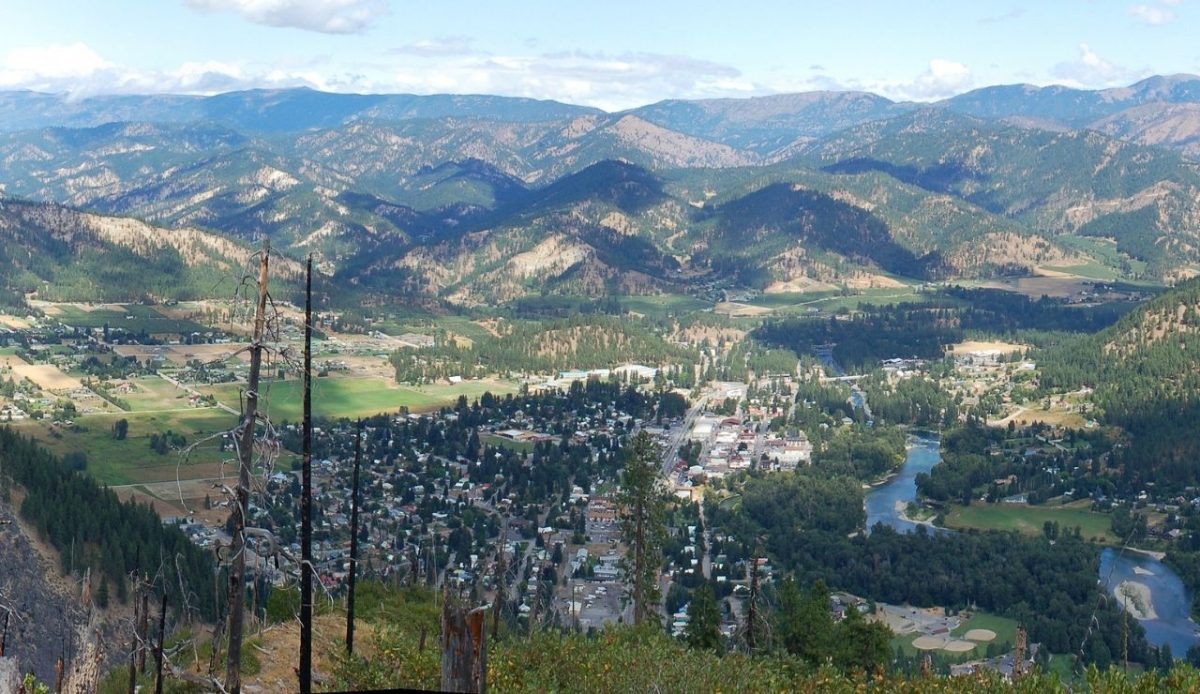
Leavenworth’s alpine style defines its entire downtown, but design discipline keeps it practical. Bavarian facades line a short pedestrian corridor filled with shops, bakeries, and cafés that cater to both locals and visitors. Wide sidewalks and compact intersections make movement efficient, while events like Oktoberfest keep the district vibrant. The surrounding peaks frame every street but never overwhelm it. Consistent scale and careful ornamentation give Leavenworth cohesion that larger cities rarely maintain. It succeeds by setting clear boundaries and following them faithfully.
12. Park City, Utah
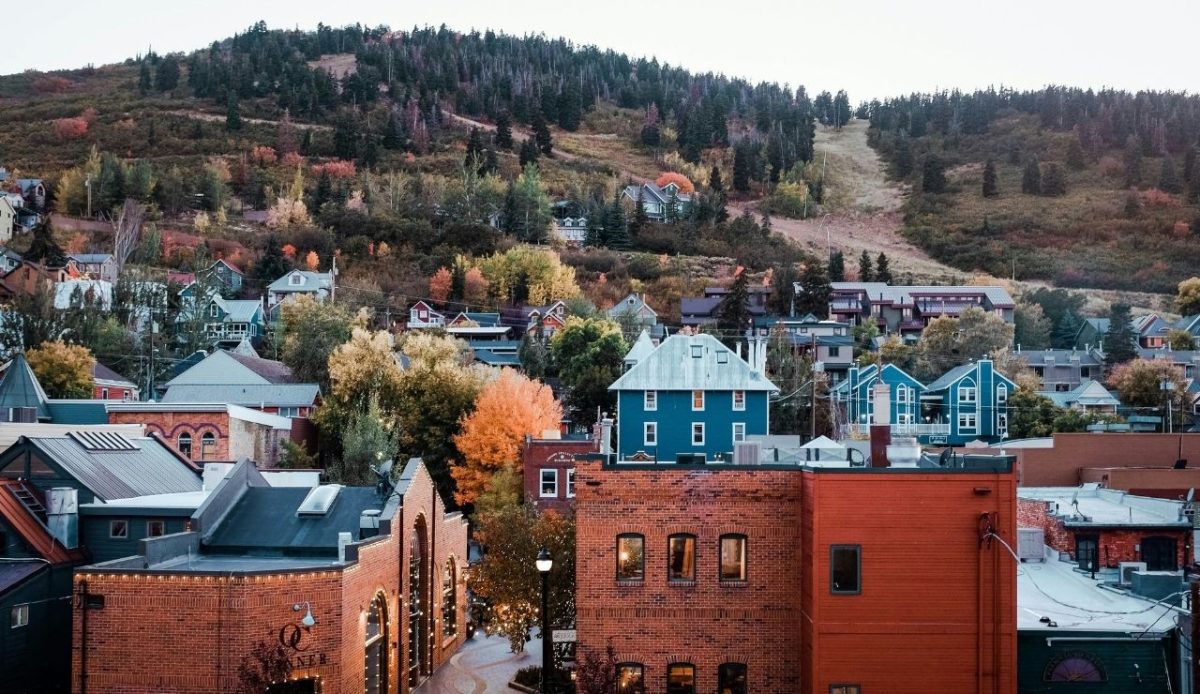
Main Street in Park City keeps the town close-knit even as tourism expands. Historic brick buildings host galleries, cafés, and outfitters that remain accessible without large-scale infrastructure. A short walk links the slopes, museums, and restaurants, reducing the need for vehicles. Local ordinances prevent oversize construction, keeping mountain views visible across the district. Seasonal events like the Sundance Film Festival use the same streets that residents frequent, ensuring shared use. Park City illustrates how tourism and local life can occupy the same small footprint successfully.
13. Hood River, Oregon

Downtown Hood River stretches from the hillside to the Columbia River in a clear, organized line. Local cafés, outdoor shops, and galleries form the core of an area built for both residents and travelers. Cyclists, windsurfers, and families move easily through its walkable streets. Modest building heights protect sightlines toward Mount Hood, and zoning supports small ownership rather than chain expansion. The result is a business district grounded in geography rather than trend. Hood River maintains vitality through steady participation, not rapid development.
14. Santa Fe, New Mexico
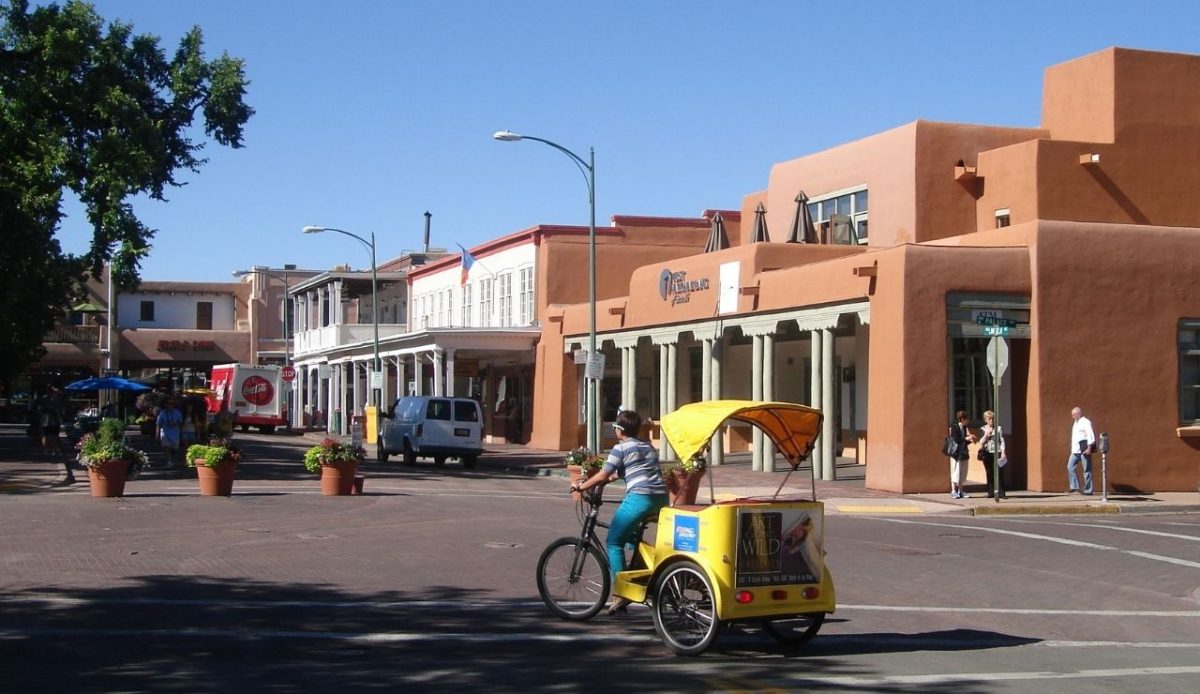
Santa Fe keeps its downtown consistent through material, color, and proportion. Adobe buildings around the central plaza form a continuous street wall of art galleries, jewelry shops, and markets that serve residents as much as visitors. The area’s walkability comes from narrow lanes and shaded walkways rather than broad streets. Local regulations prevent tall construction, preserving views of the surrounding hills. Cultural festivals and public art reinforce daily activity. Santa Fe stands as one of the clearest examples of how design continuity sustains both beauty and use.
