
The Adriatic coast holds many places that rarely appear in mainstream travel plans, yet they remain highly valued by residents who prefer steadier environments. These towns offer accessible beaches, reliable food scenes, walkable centers, and routines shaped by local life instead of large tour groups. Many of them attract returning visitors who want clear water, manageable crowds, and authentic regional character. The following destinations stretch across Slovenia, Croatia, Montenegro, Italy, and Albania, giving travelers options that feel familiar to locals and less pressured than major Adriatic hubs.
1. Izola, Slovenia
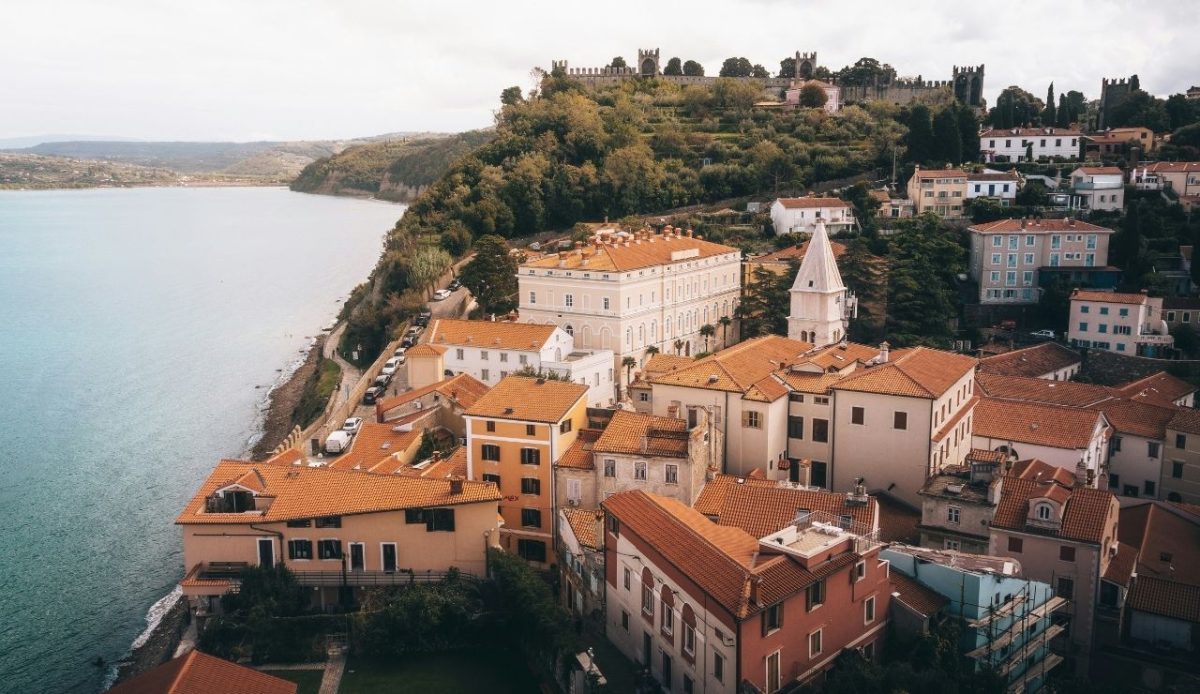
Izola receives fewer visitors than nearby coastal towns because most travelers go straight to Piran or Koper. Locals appreciate its compact layout, reliable seafood places, and calm waterfront that functions more like a neighborhood shoreline than a tourist strip. The harbor keeps regular activity with small boats and fishermen preparing for the day. Visitors who arrive here usually want simple beach access, short coastal walks, and a slower pace. The older quarter has narrow lanes and residential clusters that show daily life without the noise of heavy tourism. Izola offers steady Adriatic views and predictable rhythms that many travelers overlook.
2. Nin, Croatia
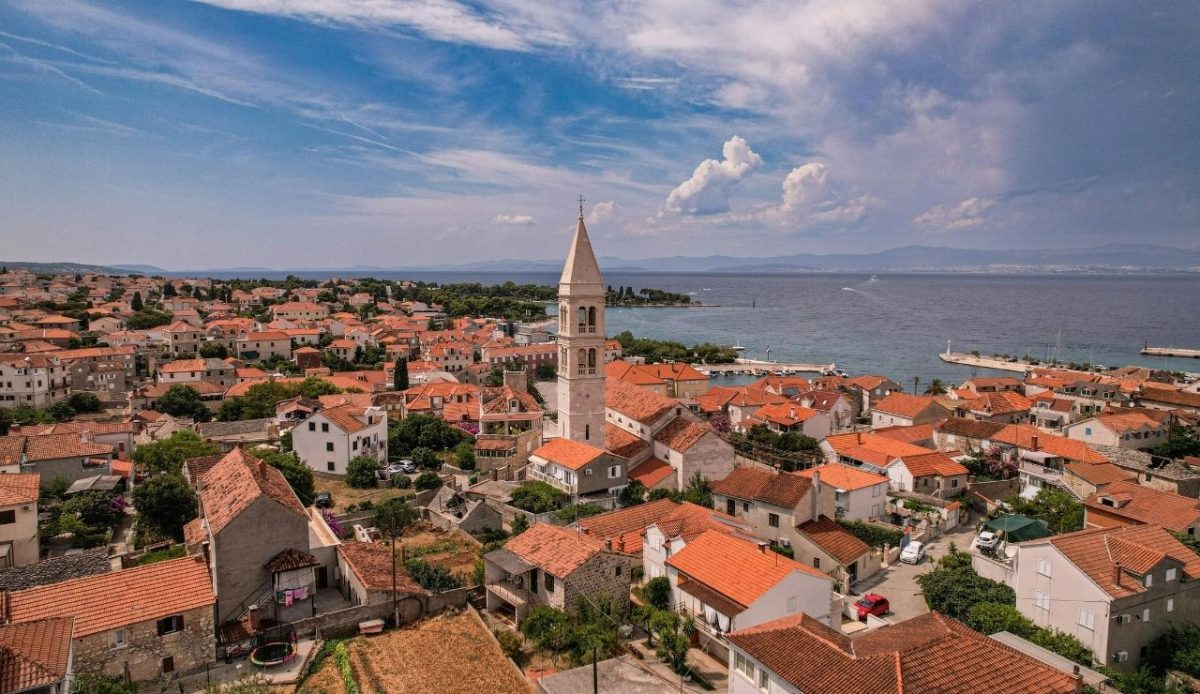
Nin draws modest visitor numbers even though it maintains strong historical roots and a lagoon that appeals to families who prefer shallow, calm water. Locals value the steady pace, especially compared to nearby Zadar, which receives far heavier traffic. The town center has small bakeries, market stalls, and stone pathways that reflect its long past. The surrounding salt fields remain a point of regional importance, and guided visits stay manageable without large groups. Beaches nearby attract residents during early mornings and evenings. Nin provides a consistent environment for travelers who want coastal access without crowds or busy nightlife.
3. Komiža, Croatia (Vis Island)
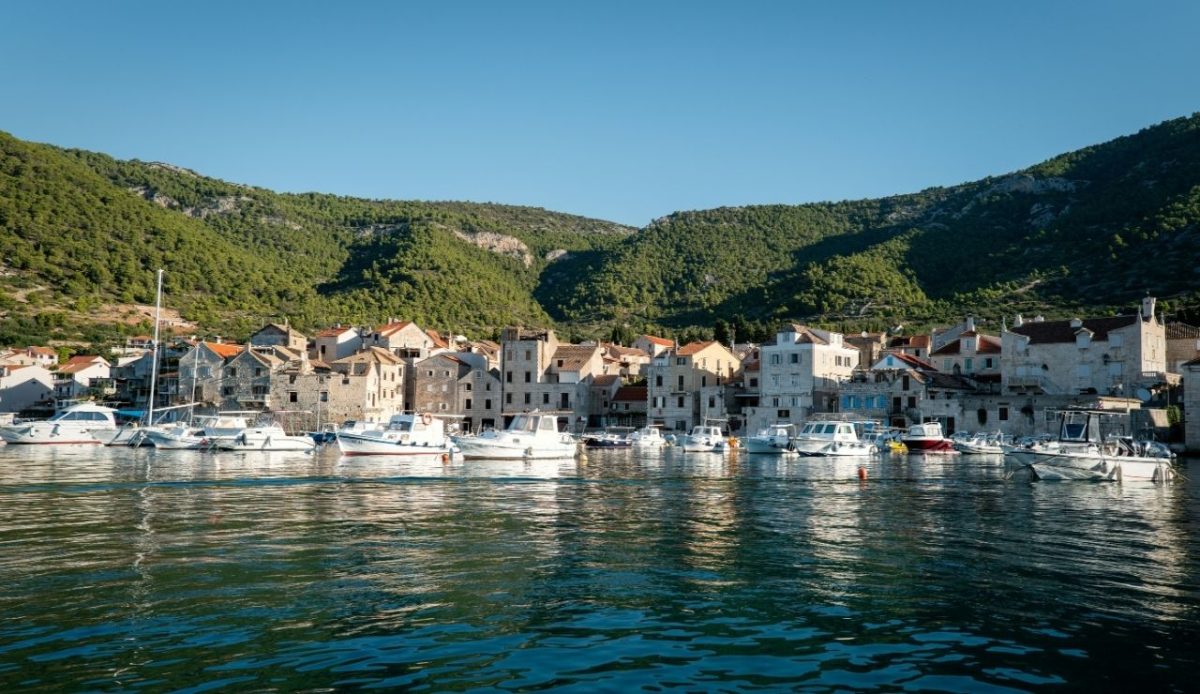
Komiža remains one of the quieter destinations in Croatia because reaching Vis Island requires an additional ferry ride. Locals favor the town due to its fishing background, which still influences daily routines along the waterfront. Small boats, family cafés, and stone buildings shape most of the harbor’s activity. Travelers who choose Komiža often look for clear water, simple beaches, and coastal paths suitable for short hikes. The absence of large resorts keeps visitor levels comfortable during peak season. Residents appreciate that tourism here centers on the sea, local food, and outdoor time rather than nightlife or commercial attractions.
4. Lastovo Town, Croatia (Lastovo Island)
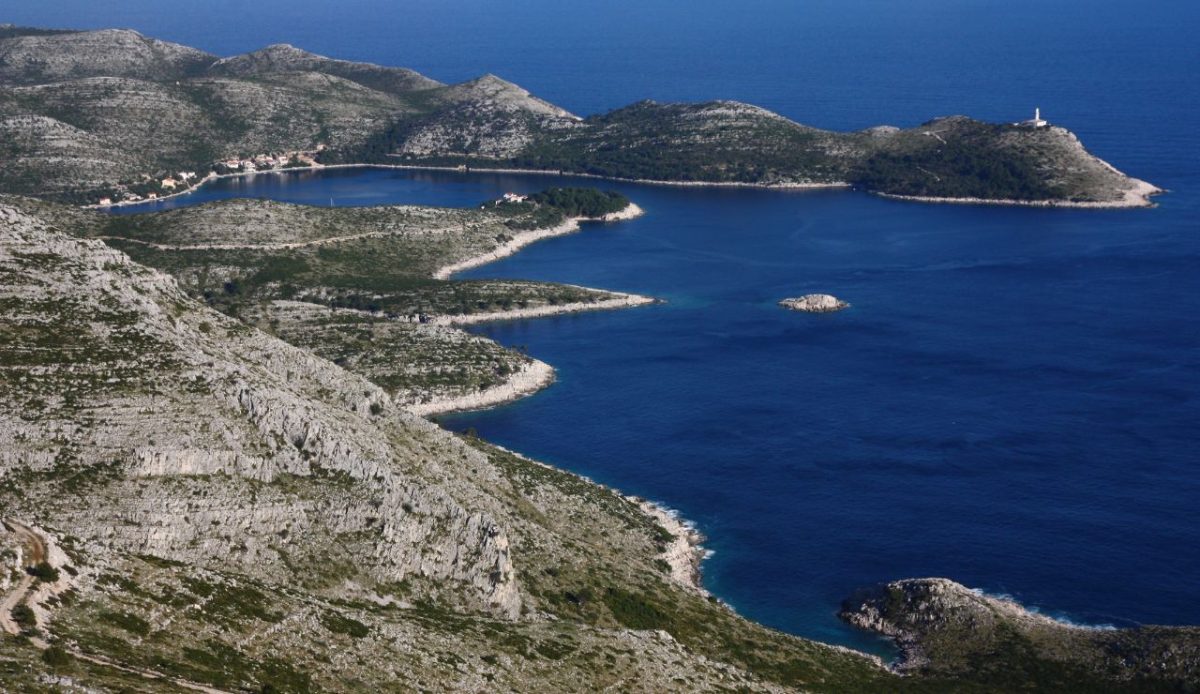
Lastovo Town draws a moderate visitor flow because of its remote position and fewer ferry connections. Locals value its steady pace, which remains consistent even during summer. The hillside layout offers clear views across stone homes and the bay. Visitors usually come for swimming spots, nature trails, and family-run restaurants that prepare regional dishes without large crowds. The island’s protected status limits expansion, which helps maintain its long-standing character. Many residents engage in agriculture, fishing, and small hospitality services. Travelers who reach Lastovo often look for a dependable Adriatic setting rather than high-traffic destinations along the mainland.
5. Šipanska Luka, Croatia (Šipan Island)
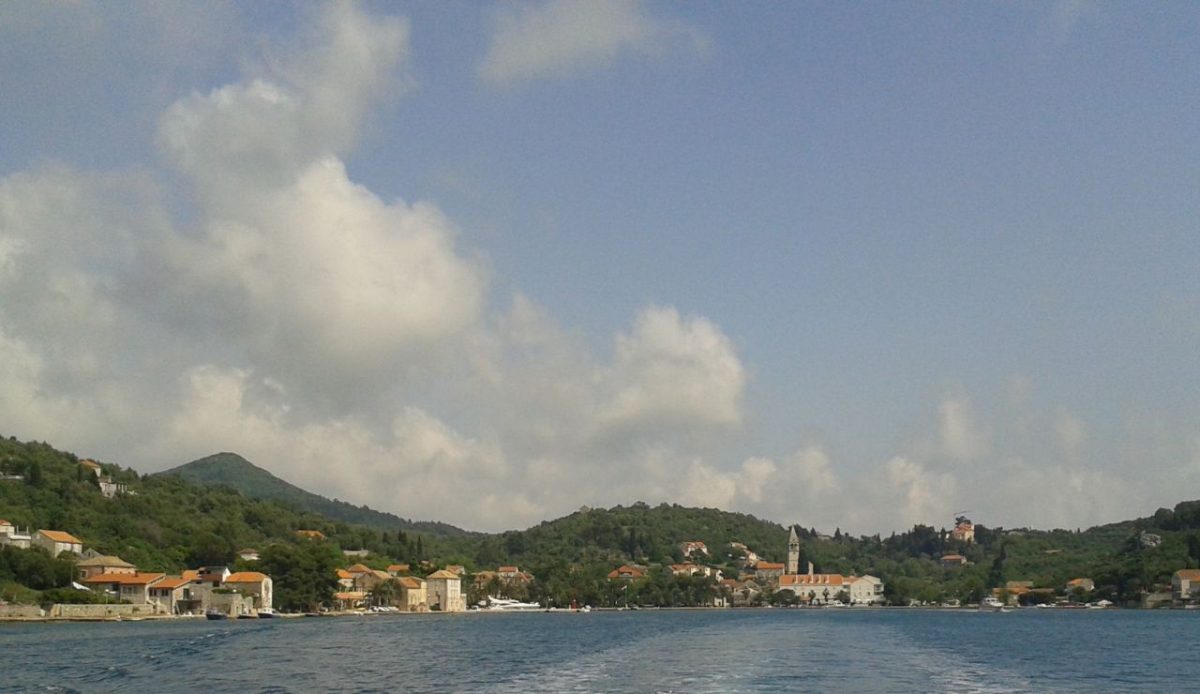
Šipanska Luka attracts residents and returning visitors because it maintains a wide bay, walkable roads, and a relaxed marine atmosphere. Most travelers skip it since nearby Dubrovnik draws the bulk of attention. Fishing boats arrive early each morning, and the waterfront moves at a steady pace throughout the day. Locals use bikes and small vehicles, which keeps noise low. Visitors find small beaches, shaded areas, and restaurants that operate according to the island’s natural flow. The absence of large tour groups helps preserve an easygoing setting. Many travelers choose Šipanska Luka to experience a quiet Adriatic village without heavy foot traffic.
6. Cavtat, Croatia
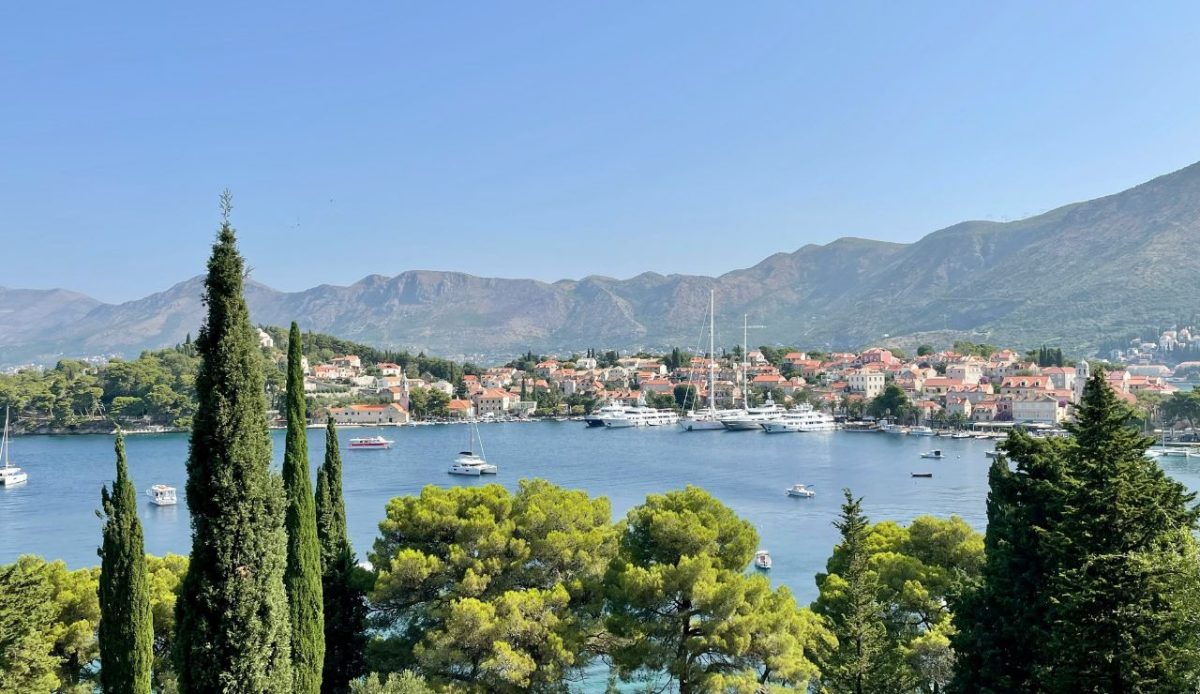
Cavtat receives steady local support because it offers calmer waterfront areas compared to Dubrovnik, which is only a short drive away. Residents appreciate its manageable marina, small beaches, and walkways lined with cafés that serve regional dishes. The town’s layout allows visitors to move easily between the harbor, the old quarter, and shaded swimming spots. Travelers who come to Cavtat often want a base near Dubrovnik without dealing with heavy crowds. Boat services operate regularly, yet the town maintains its own rhythm with art galleries, local markets, and spaces used by residents year-round. This gives Cavtat a practical appeal for those looking for a quieter coastal stay.
7. Perast, Montenegro
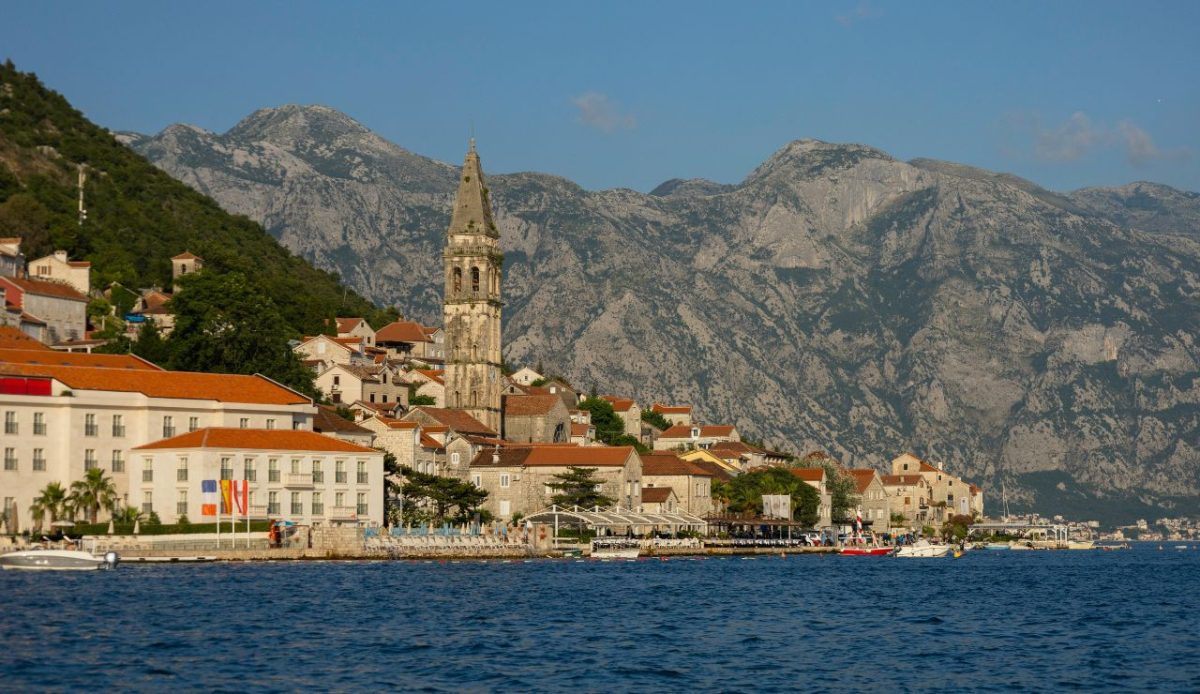
Perast maintains a measured pace because it limits vehicle traffic and relies heavily on footpaths along the bay. Locals view the town as one of the more relaxed places in the Bay of Kotor, especially compared to Kotor’s busy old town. The waterfront features stone homes, churches, and small piers that provide direct access to the water. Visitors often come to reach the islets of Our Lady of the Rocks and Saint George, yet the town itself remains calm once tour boats depart. Residents value the consistent atmosphere that continues outside peak hours, making Perast a dependable stop for travelers seeking low-key Adriatic scenery.
8. Herceg Novi, Montenegro
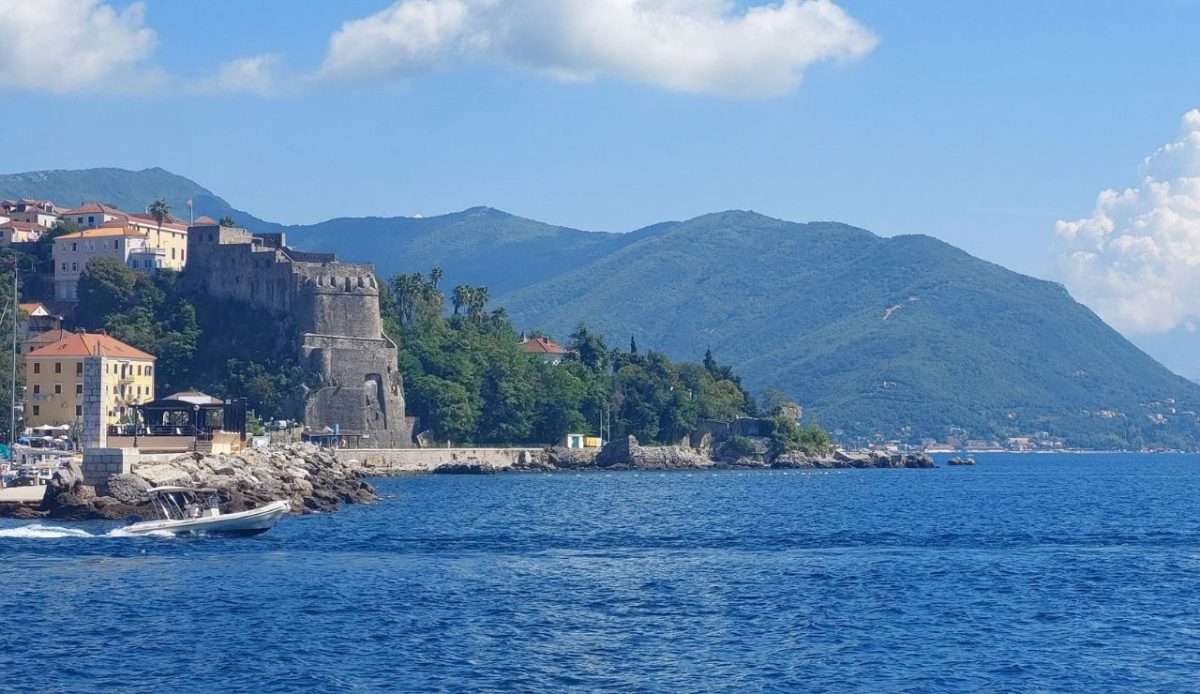
Herceg Novi attracts a strong local community due to its long promenade, shaded swimming points, and residential neighborhoods that rise up the hillside. Travelers often bypass it for Kotor or Budva, leaving the town with a balanced flow of visitors. The coastal path links beaches, cafés, and small harbors, giving easy movement along the shoreline. Stairs weave through the center, connecting markets, historic buildings, and lookout spots. Residents appreciate that Herceg Novi offers a wide range of services without overwhelming crowds. Visitors who stop here find practical beach access, consistent restaurant options, and a slower atmosphere compared to Montenegro’s major resorts.
9. Vasto, Italy (Abruzzo)
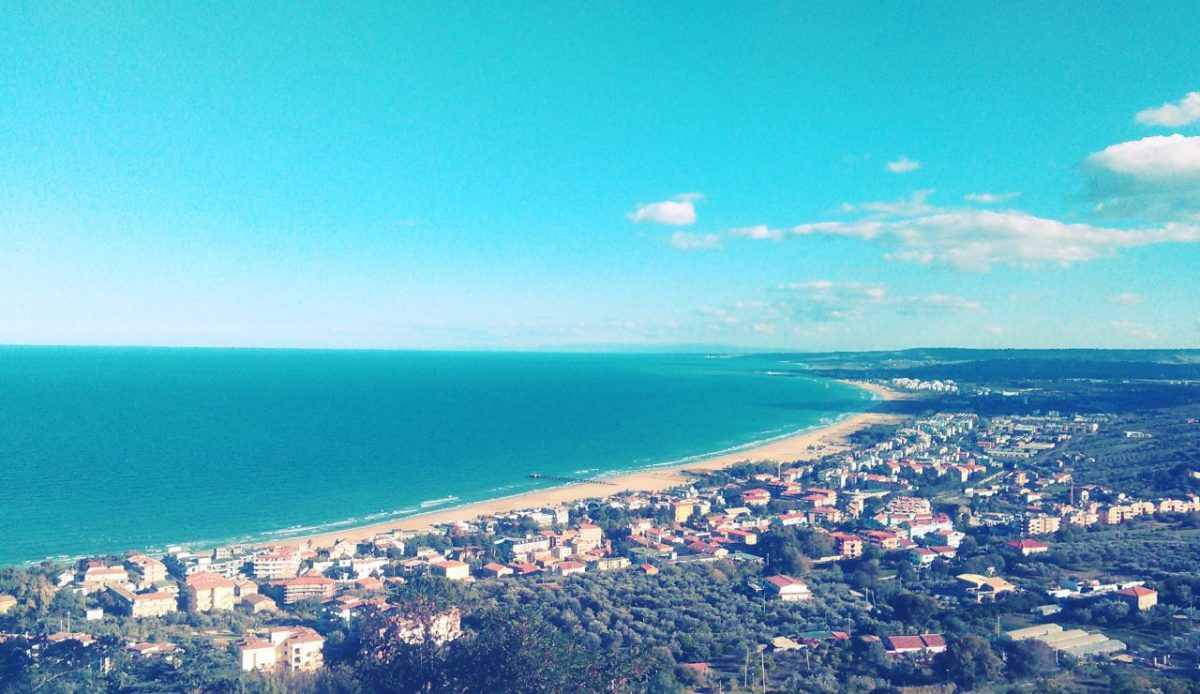
Vasto receives steady appreciation from locals because it combines a historic hilltop district with a long stretch of sandy coastline known as Vasto Marina. Many international travelers overlook it, focusing instead on larger Italian coastal destinations. The old town features narrow lanes, markets, and viewpoints that give wide coastal panoramas. Down by the water, families use the beach early in the day, and small restaurants serve regional food without heavy crowds. Public paths connect the upper town with the marina, making it easy to move between beach time and sightseeing. This consistency attracts residents and visitors who want a simple Adriatic stop.
10. Termoli, Italy (Molise)
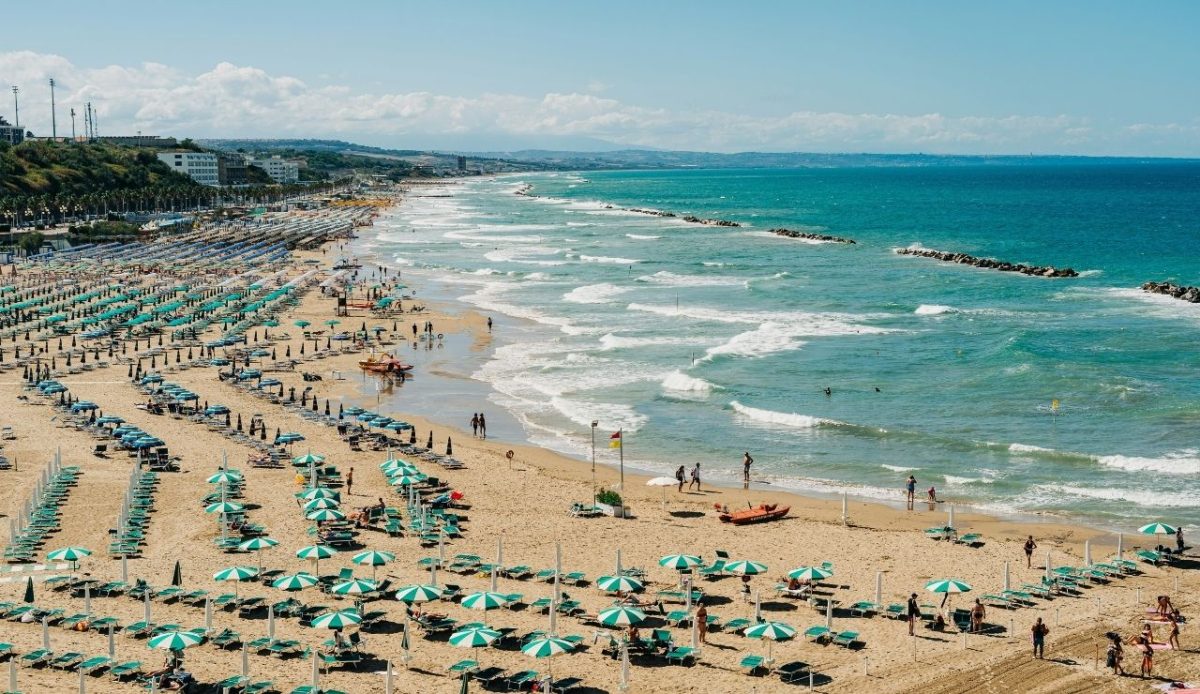
Termoli stays favored by locals because it offers a reliable fishing harbor, a compact historic center, and sandy beaches that remain manageable throughout the summer. Many international travelers skip the Molise region entirely, which keeps Termoli’s visitor flow moderate. The old town includes stone walls, a lighthouse, and small streets that lead directly to the sea. Ferries to the Tremiti Islands operate from the port, giving travelers day-trip options. Restaurants serve regional seafood, and the waterfront maintains predictable activity with fishing boats arriving and departing. Termoli gives travelers a functional Adriatic base without the intensity found in major resort areas.
11. Giovinazzo, Italy (Puglia)
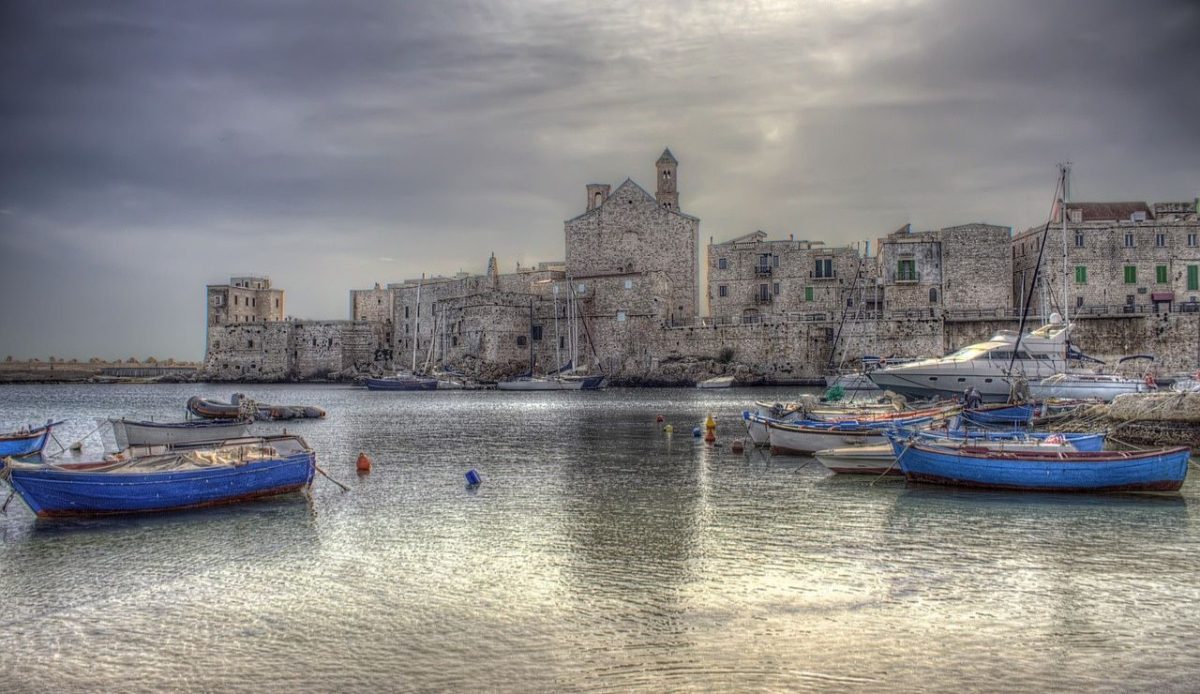
Giovinazzo attracts residents with its walkable old quarter, small harbor, and reliable food scene built around local seafood. Many travelers pass through Puglia without noticing it, focusing more on Bari or Polignano a Mare. The waterfront has stone piers, swimming spots, and cafés that operate steadily through the year. The historic core features narrow lanes, open plazas, and churches that connect directly to daily life rather than large visitor groups. Residents value its practical scale, which makes errands and social gatherings easy. Travelers who stop here often look for authentic coastal routines, clear water, and a quieter base near major transportation routes.
12. Himarë, Albania
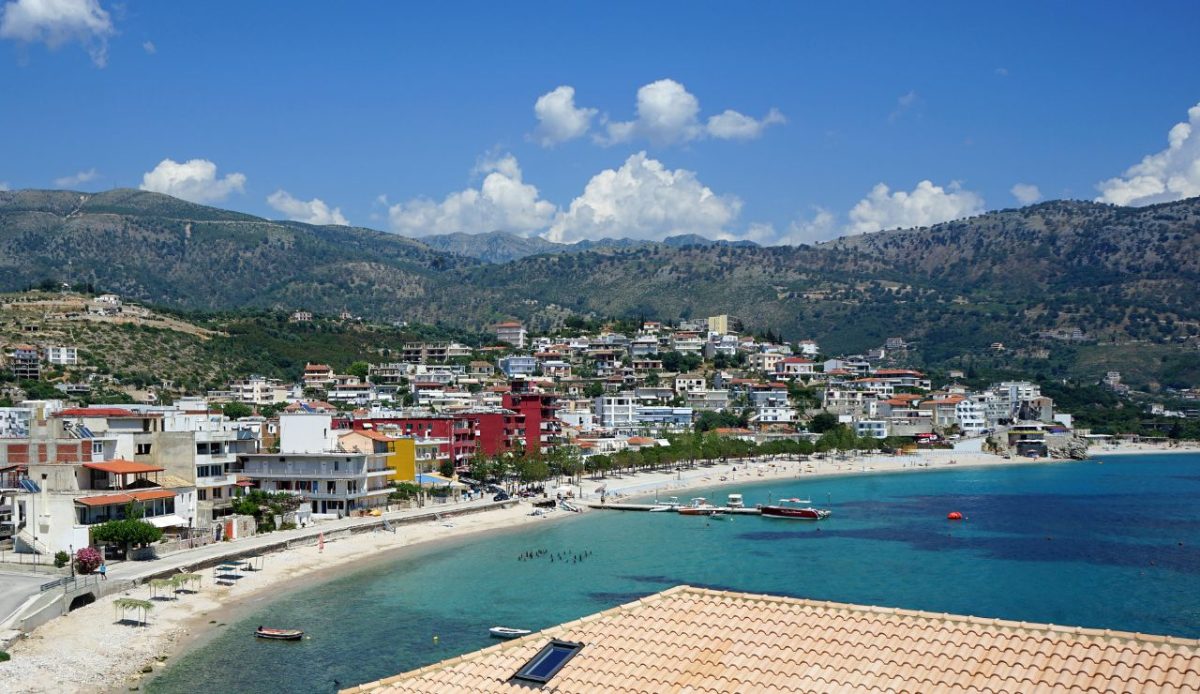
Himarë gains strong local support due to its reliable beaches and clear water along a stretch of the Albanian Riviera that avoids the pressure of mass tourism found in larger resort towns. The main promenade offers year-round convenience with cafés, markets, and small hotels facing the shoreline. Hills above town lead to older neighborhoods where stone homes and narrow paths reflect long-standing community ties. Visitors reach Himarë for accessible beaches, shorter coastal hikes, and a manageable town layout that avoids heavy congestion. Locals appreciate that development remains controlled, allowing the area to keep a balanced pace even during high season.
13. Orikum, Albania
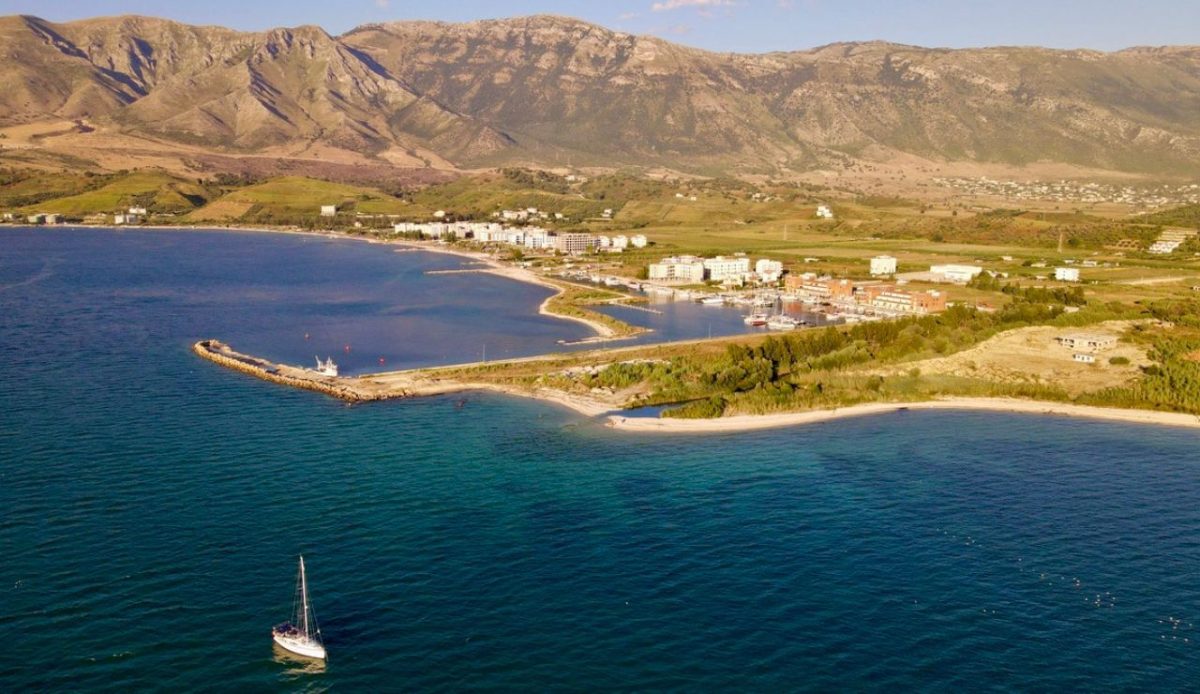
Orikum remains a preferred stop for locals because it provides easy access to the bay, nearby beaches, and the entrance to Llogara Pass. Many travelers pass it on their way to more publicized towns like Vlora or Dhërmi, leaving Orikum with a more stable flow of visitors. The waterfront includes marinas, swimming areas, and restaurants that focus on regional dishes. Residential areas extend inland, giving the town a grounded feel that differs from resort-heavy sections of the coast. Travelers who choose Orikum often want a direct connection to beaches, mountain routes, and nature spots without large crowds or dense commercial activity.
