
Border crossings can feel routine, but safety conditions in northern Mexico can shift fast. U.S. travel guidance flags crime and kidnapping risks in several border states, and local officials sometimes issue time-specific alerts. Use current advisories, not old memories.
These towns stay on many American itineraries for family visits, medical care, shopping, or quick weekend trips. That steady flow can create a false sense of security, especially when violence is concentrated in specific corridors.
This list highlights 13 border cities where travelers should weigh risks carefully, stick to well-traveled routes, and plan daylight logistics. Always check official updates before you go and have a return plan that avoids unnecessary stops.
1. Tijuana

Tijuana is the busiest border city for many U.S. visitors, which makes its risk profile easy to underestimate. The U.S. travel advisory for Baja California notes criminal groups competing in border areas and reports high homicide numbers in non-tourist zones.
Most violence is described as targeted, but disputes can spill into public places, including restaurants and shopping areas. That matters because day trips often mix errands with nightlife, and routines can put travelers in the wrong place at the wrong time.
If you go, keep plans tight: stick to main highways, avoid remote neighborhoods, and limit late-night movement. Treat sudden road closures, sirens, or crowds as a cue to leave rather than to “wait it out.”
2. Mexicali

Mexicali sits across from Calexico and draws Americans for dentistry, pharmacies, and quick shopping. Baja California carries a “reconsider travel” advisory, and the State Department specifically warns travelers to remain on main highways and avoid remote locations.
The Mexicali Valley area has additional restrictions for U.S. government employees, a signal that conditions can be more volatile outside the city core. Rural routes can be quieter, but they can also be harder to navigate if something changes.
Plan your route before crossing, keep stops limited, and aim for daylight driving. If you’re traveling beyond the immediate border zone, confirm requirements and consider whether postponing the trip is the smarter call.
3. Tecate
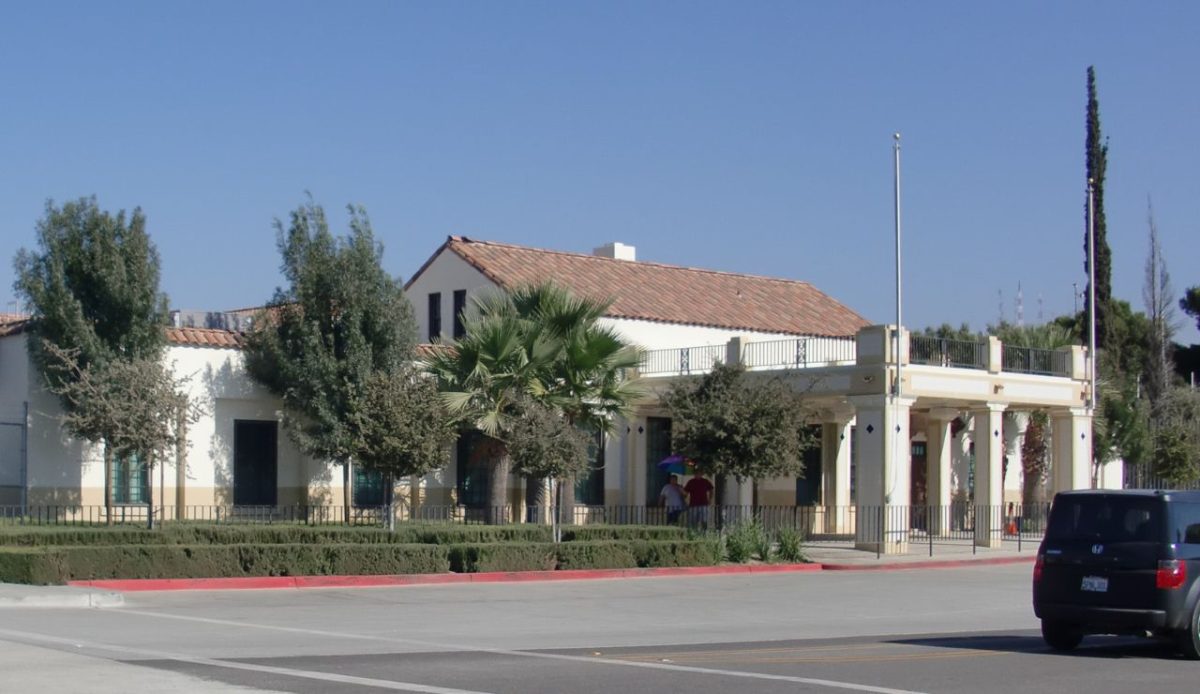
Tecate is smaller and calmer-seeming than nearby border hubs, which is part of the draw. It is still in Baja California, a state under a U.S. “reconsider travel” advisory tied to crime, kidnapping, and criminal group activity in border areas.
Because Tecate trips often involve backroads, wineries, and countryside drives, the “avoid remote locations” guidance matters. Quiet roads can turn into long delays if there’s an incident, and alternate routes are limited once you’re outside town.
Cross during the day, keep your itinerary inside well-trafficked areas, and avoid unplanned detours. If you notice increased police or military checkpoints, use main routes and shorten the visit rather than expanding it.
4. Nogales
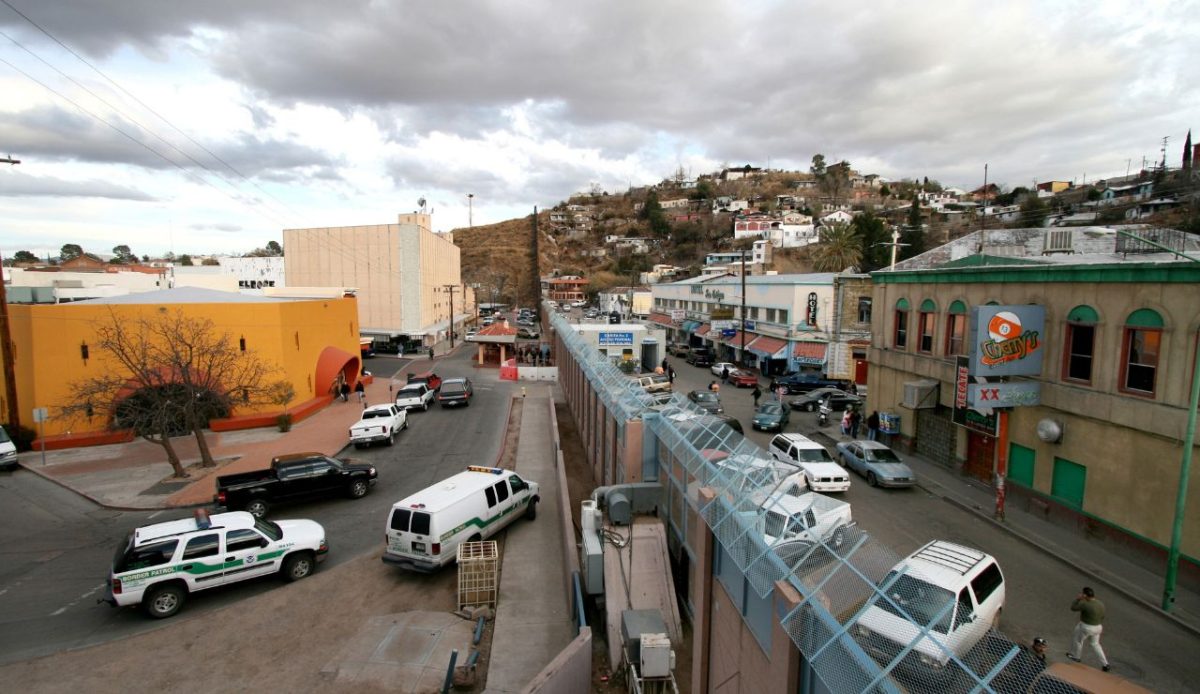
Nogales is split by the border, and many U.S. visitors cross for shopping and medical appointments. Sonora is listed as “reconsider travel” in U.S. guidance due to crime and kidnapping, with notes that U.S. citizens have been victims.
Authorities also set specific movement rules for U.S. government employees in certain Sonora cities, including limits on transportation options and an emphasis on staying alert. Even if you are not bound by those rules, they show how fast risk can change.
Keep your visit close to the port of entry, avoid nighttime travel, and skip ride-share or informal taxis if you cannot verify the operator. If your plans require driving farther south, reassess whether this is the right day to go.
5. Agua Prieta
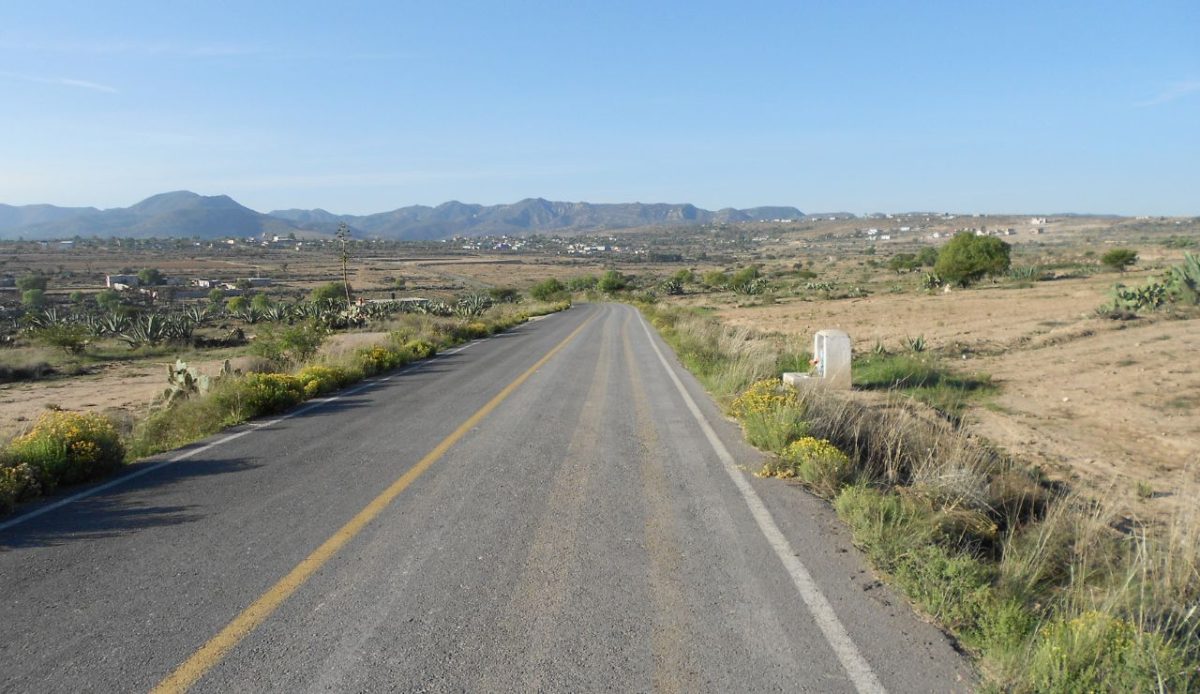
Agua Prieta faces Douglas, Arizona, and is often used for short errands or family visits. Sonora is under a U.S. “reconsider travel” advisory due to crime and kidnapping, and the guidance notes that U.S. citizens have been victims and that incidents may occur anywhere in the state.
For Agua Prieta specifically, U.S. government employees are allowed to travel only directly from the port of entry and may not go beyond the city limits, with daylight-only movement and no overnight stays. Those constraints are a useful risk signal for all travelers.
Keep plans simple: cross, do the one or two tasks you came for, and return on the most direct route. Avoid side trips, avoid late hours, and leave if the streets feel unusually empty or tense.
6. San Luis Río Colorado

San Luis Río Colorado sits across from Yuma, Arizona, and attracts Americans for quick services and visits. While it can feel low-key compared with larger cities, it is still in Sonora, which the U.S. lists as “reconsider travel” because of crime and kidnapping.
Risk is not uniform across the region, but the advisory’s emphasis on staying alert and the record of kidnappings should shape how you plan even a short crossing. The biggest problems for travelers tend to be unpredictability and limited options if conditions shift.
Travel in daylight, stay on main roads, and keep fuel and documentation sorted before you cross. If you plan to continue deeper into Sonora, reconsider the timing and route rather than relying on improvised stops.
7. Ciudad Juárez
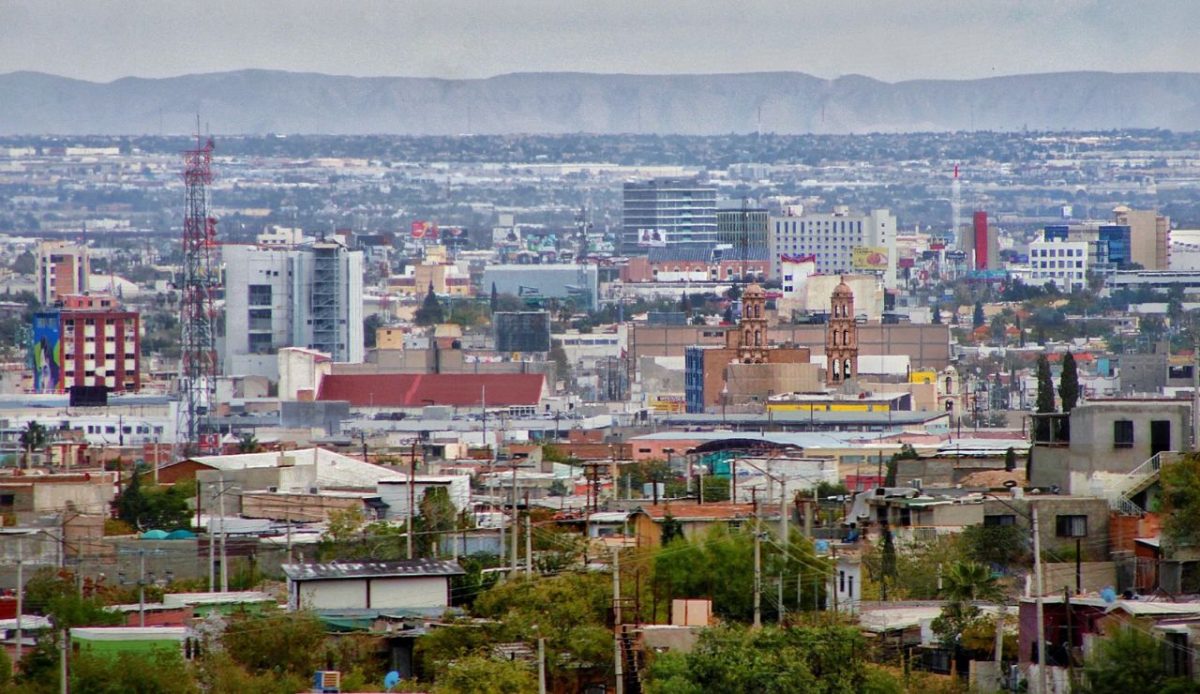
Ciudad Juárez is a major gateway opposite El Paso, and it remains a common stop for work, family, and medical travel. The U.S. advisory for Chihuahua says to reconsider travel due to crime and kidnapping, and notes that bystanders can be hurt in public spaces.
Travel patterns matter here. Many visitors move between the port of entry, malls, clinics, and restaurants, which are shared spaces where violence can occasionally spill over during territorial disputes.
Limit movement to essential areas, avoid nighttime driving, and use direct routes. If you see roadblocks, sudden traffic diversions, or large groups gathering, change plans quickly and prioritize returning to the border.
8. Ojinaga

Ojinaga sits across from Presidio, Texas, and is often approached as a quieter alternative to larger border hubs. It is still part of Chihuahua, which the U.S. lists as “reconsider travel” due to crime and kidnapping.
The advisory notes that shootings tied to territorial conflict have occurred in public places and that kidnappings have affected U.S. citizens. Even when a town feels calm, nearby corridors can change quickly.
Cross in daylight, keep your time in town limited, and avoid unfamiliar neighborhoods. If your plans involve driving beyond the immediate area, treat that as a separate trip and reconsider based on current guidance that day.
9. Puerto Palomas
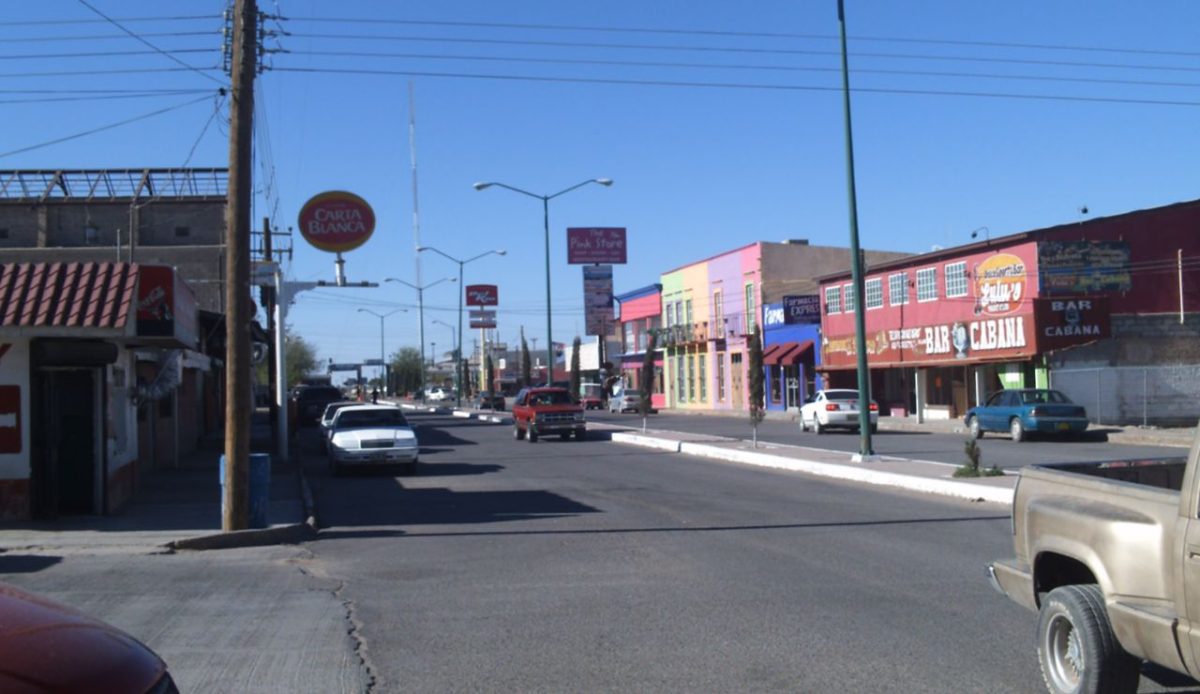
Puerto Palomas is a small Chihuahua town across from Columbus, New Mexico, known for quick dental or pharmacy visits. Chihuahua is under a U.S. “reconsider travel” advisory due to crime and kidnapping, and it warns that violence connected to criminal groups can spill into public areas.
Because Palomas is compact, travelers sometimes relax basic precautions and linger longer than planned. That can increase exposure if conditions change on the access roads or if activity shifts toward the border crossings.
Keep your itinerary tight, travel during daylight, and avoid unplanned side trips. If the town feels unusually quiet, shops close early, or you notice heavy security activity, shorten the visit and return directly to the port of entry.
10. Piedras Negras
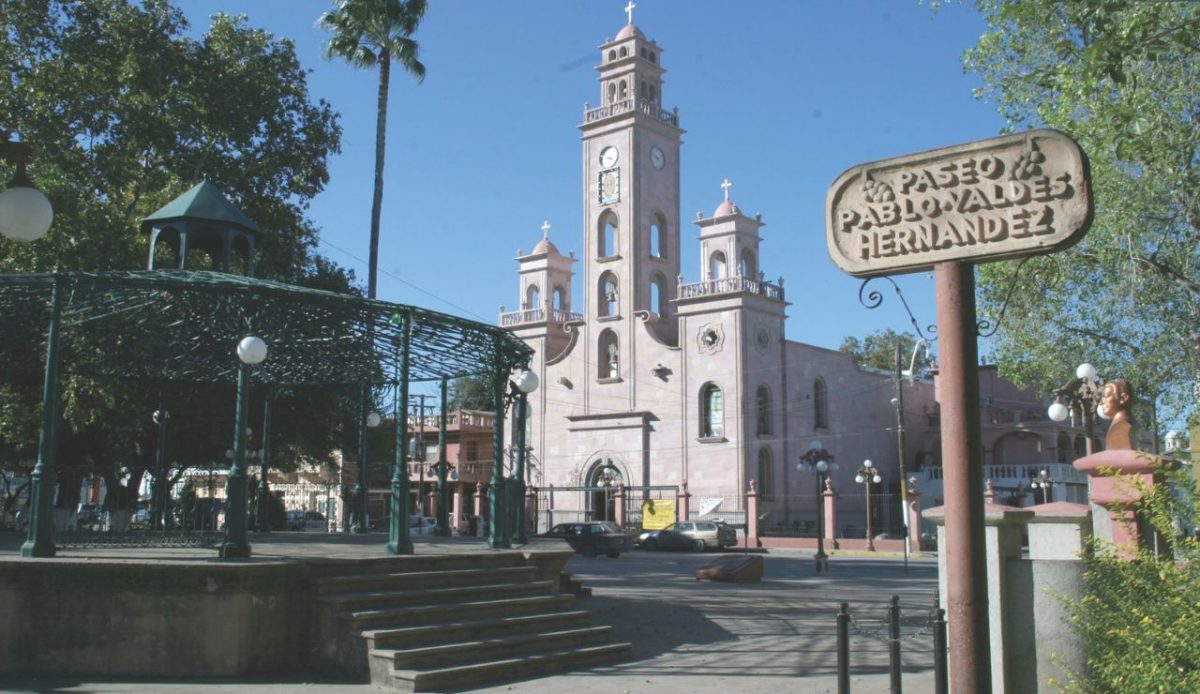
Piedras Negras faces Eagle Pass, Texas, and is a regular crossing point for shopping, family visits, and business. Coahuila is listed by the U.S. as “reconsider travel” due to crime, with notes that some northern areas have added restrictions for U.S. government employees.
Even when the downtown feels stable, risk can rise on highways and in outlying zones, where response times and situational awareness are harder for visitors. Predictable routines can also make travelers easier to track.
Keep movements direct between the port of entry and your destination, avoid late hours, and minimize cash handling. If your plans require driving away from the main corridor, reassess the necessity and timing before you commit.
11. Ciudad Acuña
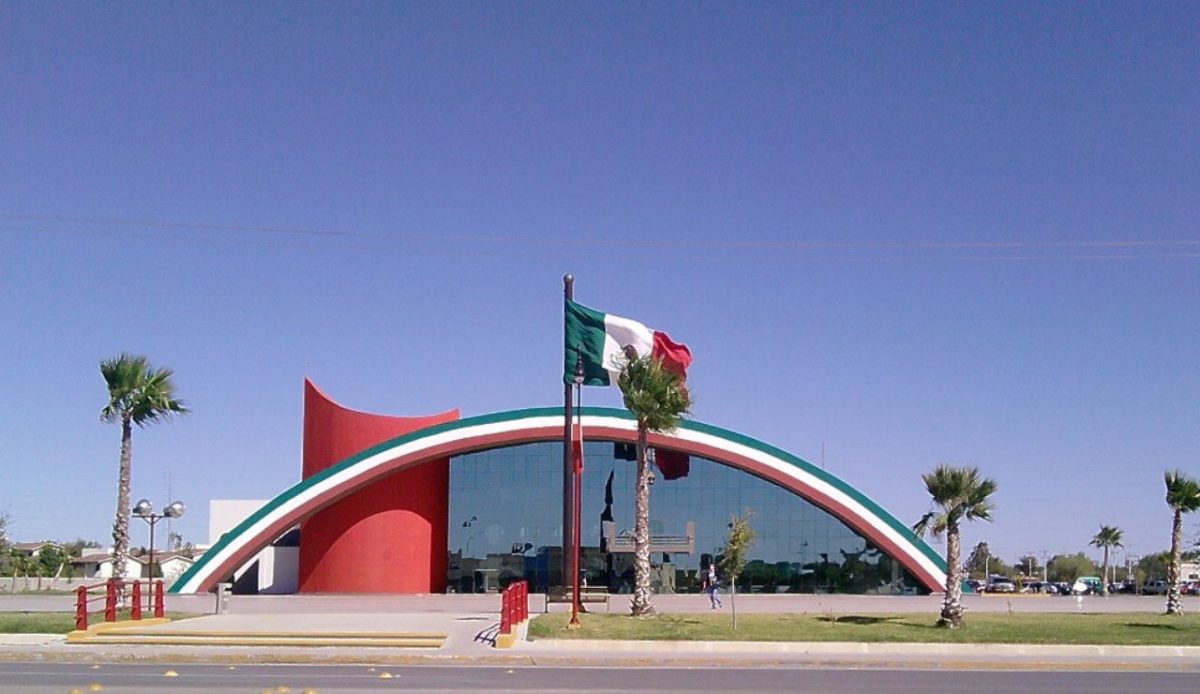
Ciudad Acuña sits across from Del Rio, Texas, and is often used for quick errands and family visits. Coahuila is under a U.S. “reconsider travel” advisory due to crime, and the guidance includes specific routing expectations for U.S. government employees traveling to Acuña via the Del Rio port of entry.
The practical takeaway is that planning matters. Travelers who improvise stops, especially outside the central area, can end up on unfamiliar roads with limited services and less predictable security conditions.
Cross during daylight when possible, keep your route simple, and avoid unnecessary detours. If you need to travel beyond the city, confirm the latest guidance and consider delaying until conditions are clearer.
12. Nuevo Laredo
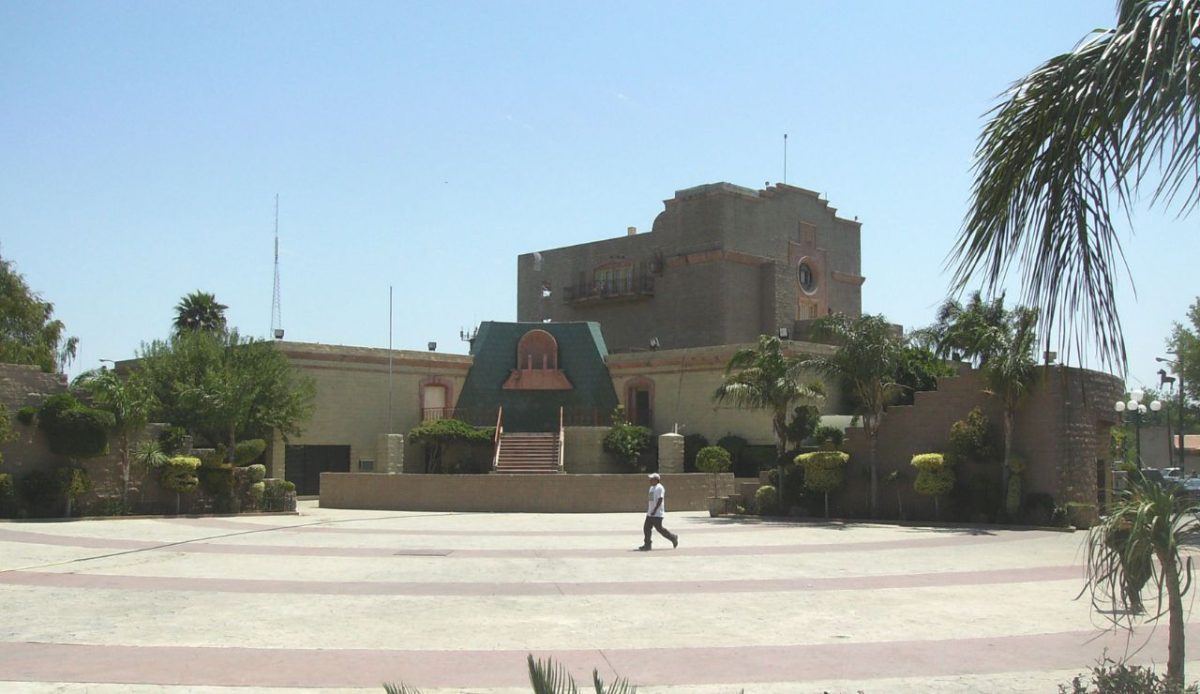
Nuevo Laredo is a major commercial crossing, but it sits in Tamaulipas, a state the U.S. lists as “do not travel” due to crime and kidnapping. The advisory says organized crime activity is common along the northern border and notes heavily armed groups often patrol from Reynosa to Nuevo Laredo.
That raises risk beyond any single neighborhood. Routine drives can be disrupted by gun battles, roadblocks, or targeted attacks, and visitors may have limited ability to judge what is normal vs. what is escalating.
If you must travel, keep it strictly essential, avoid land travel between cities, and prioritize daylight routes. Have contacts on both sides of the border and be ready to turn around if the situation looks unstable.
13. Reynosa
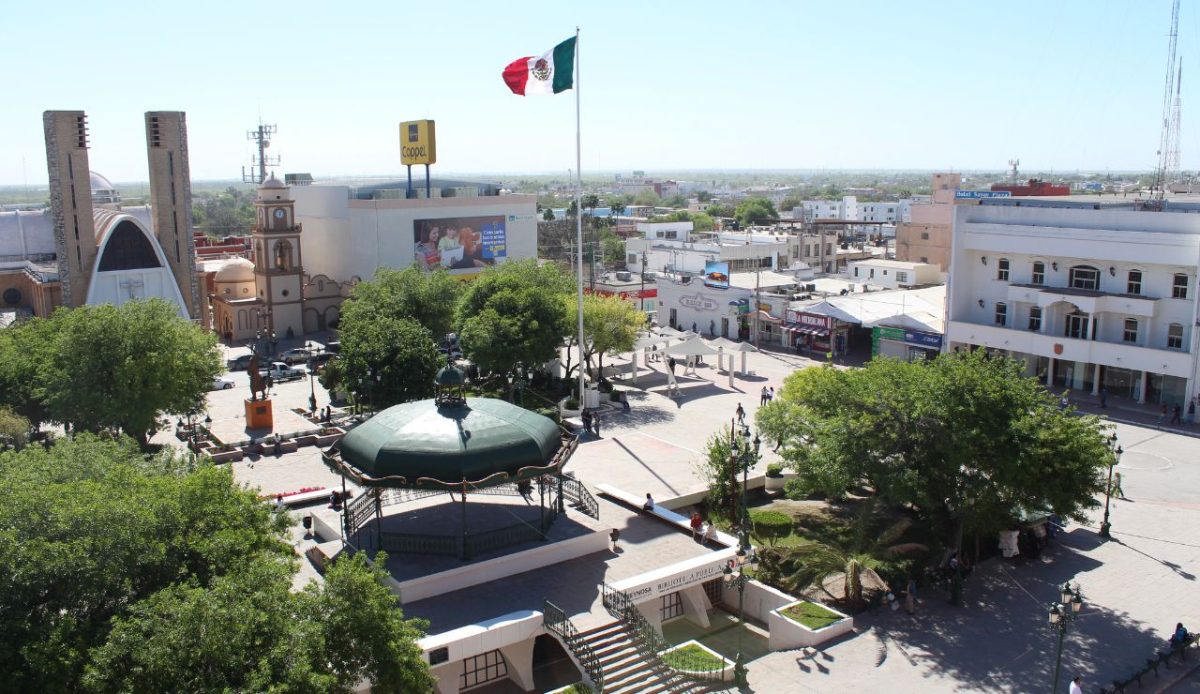
Reynosa sits across from McAllen and Hidalgo, Texas, and remains a common crossing for shopping, family visits, and medical care. It is in Tamaulipas, which the U.S. lists as “do not travel” due to crime and kidnapping, with warnings about organized crime activity along the northern border.
The advisory describes risks including carjacking and kidnapping, and notes that criminal groups have targeted vehicles and buses. For travelers, the highest-risk moments are often on roads between destinations and during unplanned stops.
Limit movement, avoid unnecessary driving, and keep travel to daylight hours. If you notice blocked roads, unusual traffic patterns, or heavy security activity, shorten the visit and return via the most direct route.
