
Northern Spain runs on Atlantic weather, compact historic centers, and cities that still function for residents year-round. Promenades, ports, and markets share space with museums and old quarters, so a visit feels grounded instead of staged. Travel times stay short, but street layouts and local meal habits reward walking and planning. These twelve stops cover the Bay of Biscay coast and a few inland anchors, each offering a clear reason to visit and an easy way to move around. Pack a light rain layer and start early for quieter streets. Trains connect key cities, and day trips work well from major hubs.
1. San Sebastián
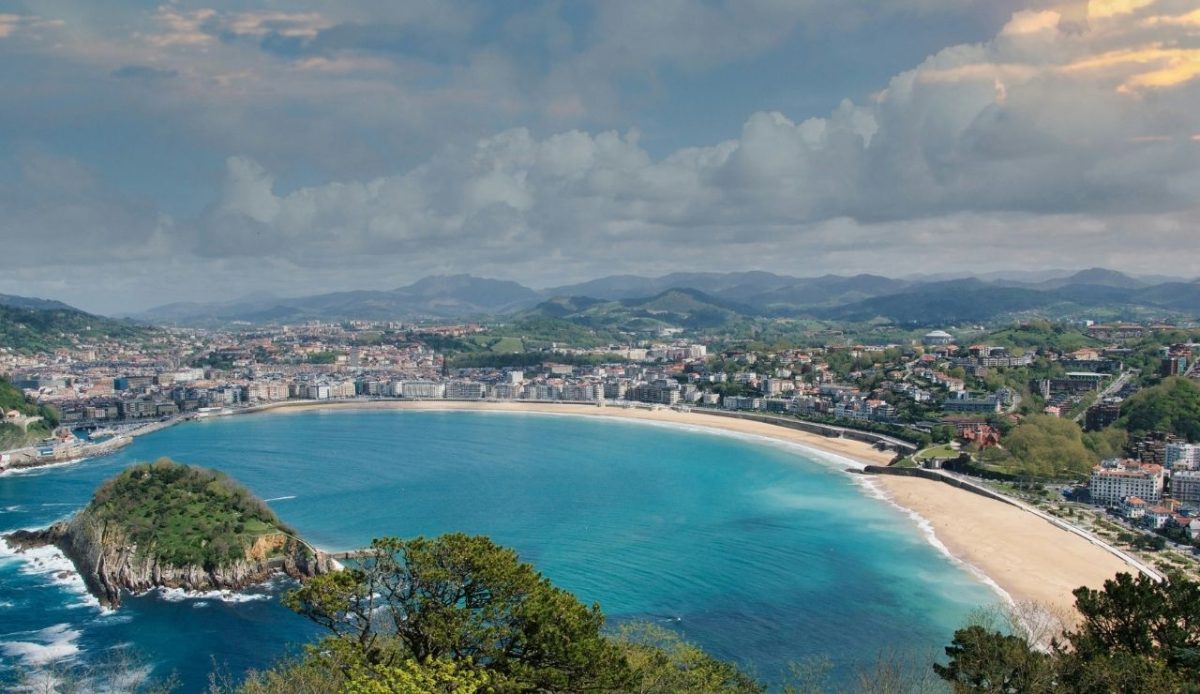
San Sebastián pairs an easy-to-walk center with a long bayfront promenade. La Concha Beach and the railings along the water make a simple route for sunrise walks, quick swims, or evening strolls. The Old Town concentrates pintxo bars in a tight grid, so sampling feels natural without committing to a long meal. Ride the funicular to Monte Igueldo for a broad view of the coast, then drop back into town on foot or by bus. City buses run frequently, and most hotels place you within a short walk of beaches, shops, and transit. For a low-effort side trip, take a local bus to the fishing town of Getaria for grilled seafood and a harbor walk.
2. Bilbao
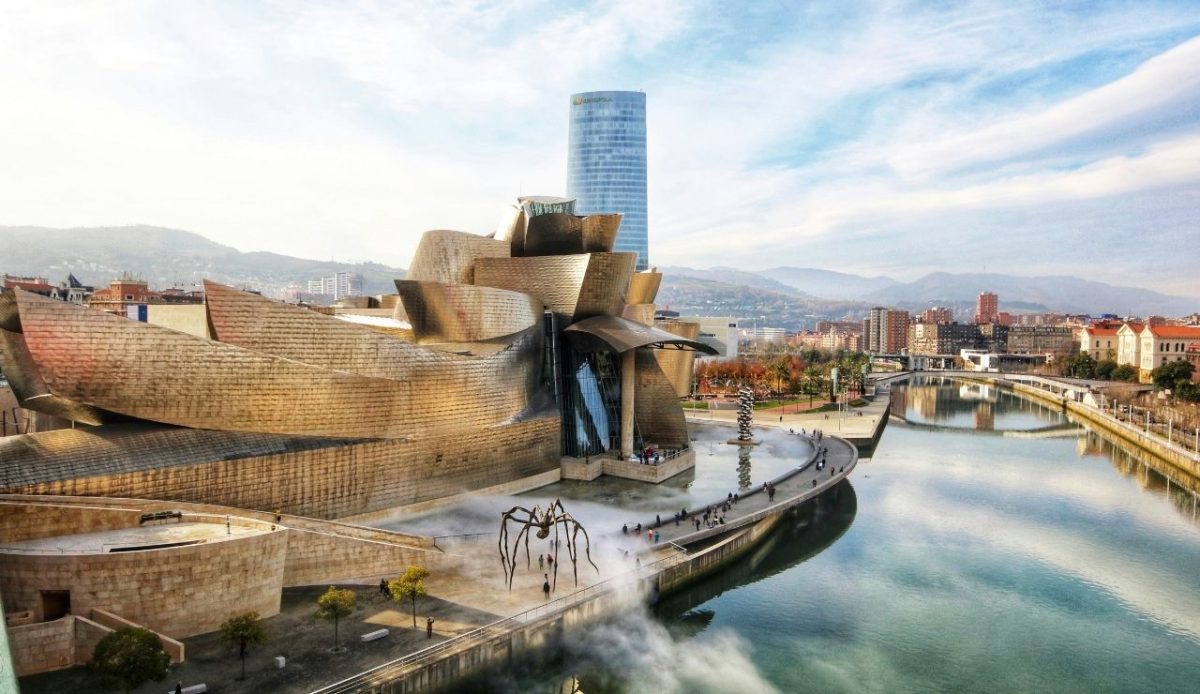
Bilbao centers on the Nervión River, with riverside paths that link major sights without long climbs. The Guggenheim Museum anchors the modern waterfront, while Casco Viejo offers narrow lanes, small shops, and snack bars that keep daily life visible. Use the metro and trams to move between neighborhoods quickly, then slow down in the covered Mercado de la Ribera for produce and lunch counters. A short ride to Artxanda provides a city overlook and an easy walk back down. Footbridges make river crossings simple, so you can plan a loop that hits museums, plazas, and dinner spots. For seaside air, take the metro to Getxo for an estuary walk.
3. Santander
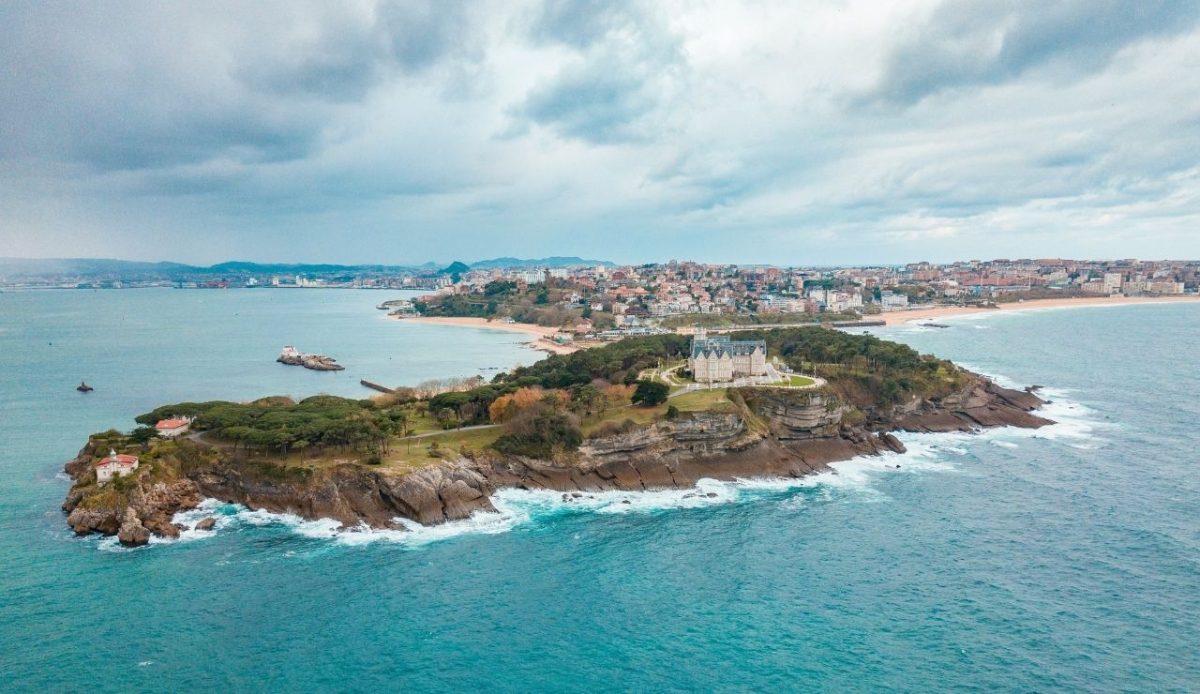
Santander stretches across a peninsula, so the sea stays close from many neighborhoods. El Sardinero’s beaches connect to parks and viewpoints, making a full day possible on foot with stops for coffee and museums. The bayfront offers long promenades, and ferries provide a practical way to cross the water without driving. Downtown keeps a local feel with shops and civic buildings, not just visitor services. Take a bus to Magdalena Peninsula for coastal paths and wide views across the bay, then return for seafood near the port. The Centro Botín adds modern art and a public terrace that works well between beach hours and dinner.
4. Oviedo
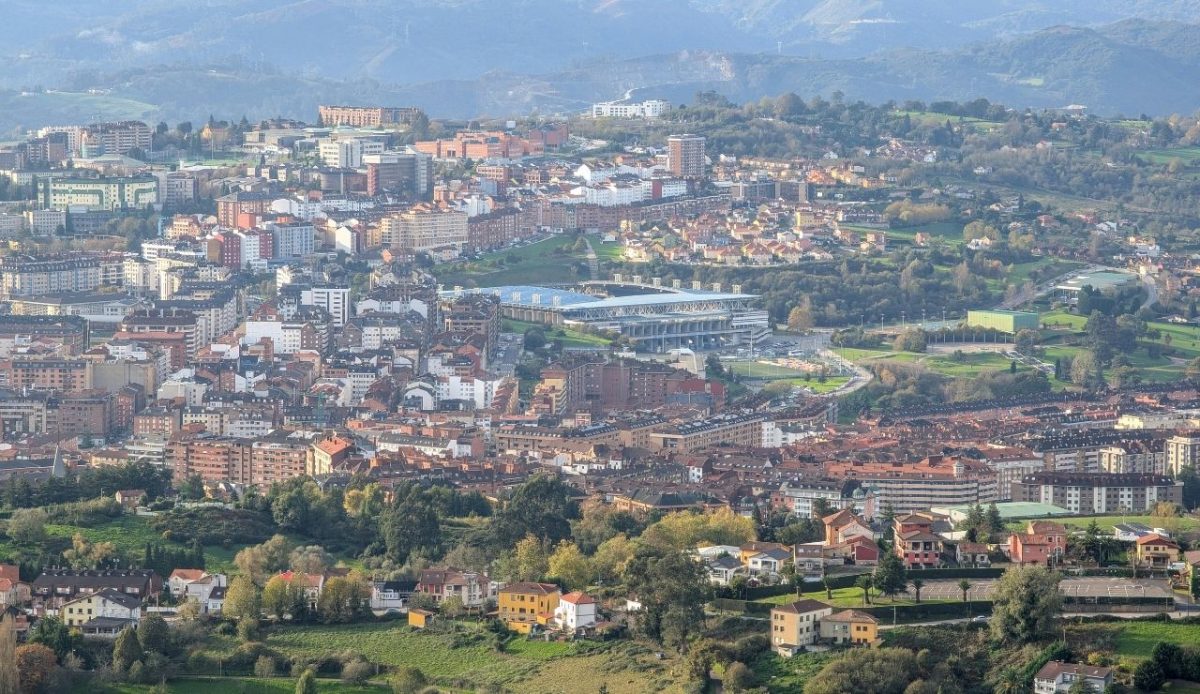
Oviedo functions as a compact capital for Asturias, with a historic center built for walking. Plazas, stone lanes, and churches cluster close together, so sightseeing stays efficient without transport. Try a sidrería for Asturian cider service, then continue through the old quarter to small museums and cafés. For early medieval history, visit the hilltop churches of Santa María del Naranco and San Miguel de Lillo, reachable by taxi or local bus. Oviedo also makes a solid base for day trips to the coast or the Picos de Europa by organized tour or rental car. Campo de San Francisco park offers a quiet break, and trains connect to Gijón quickly.
5. Gijón
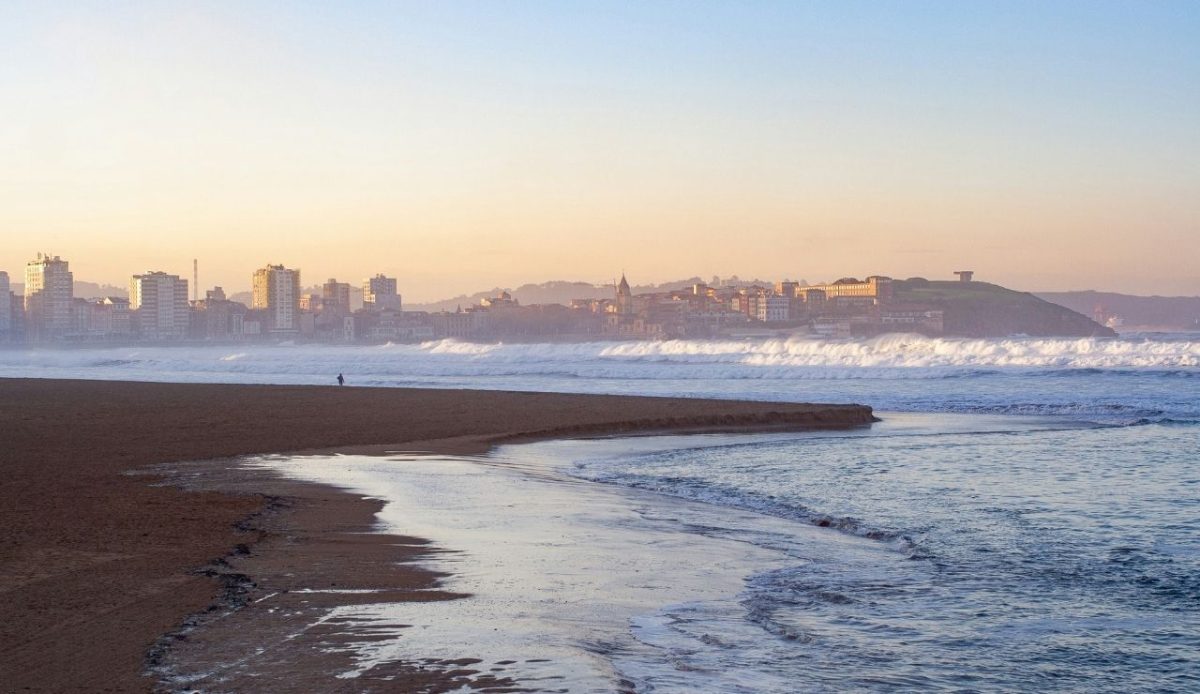
Gijón is a working coastal city where the port, neighborhoods, and beach life overlap. Walk the promenade along San Lorenzo Beach, then cut into the center for markets, small museums, and everyday shopping streets. Cimavilla, the old quarter above the harbor, offers short climbs and open views with benches for breaks. The Elogio del Horizonte monument and nearby paths work well for a sunset loop. Rail and bus links make it easy to pair Gijón with Oviedo or smaller coastal towns without a car, and the vibe stays local even in summer. For families, the aquarium and the marina area add stops, and cider bars stay busy beyond peak season.
6. Ribadesella
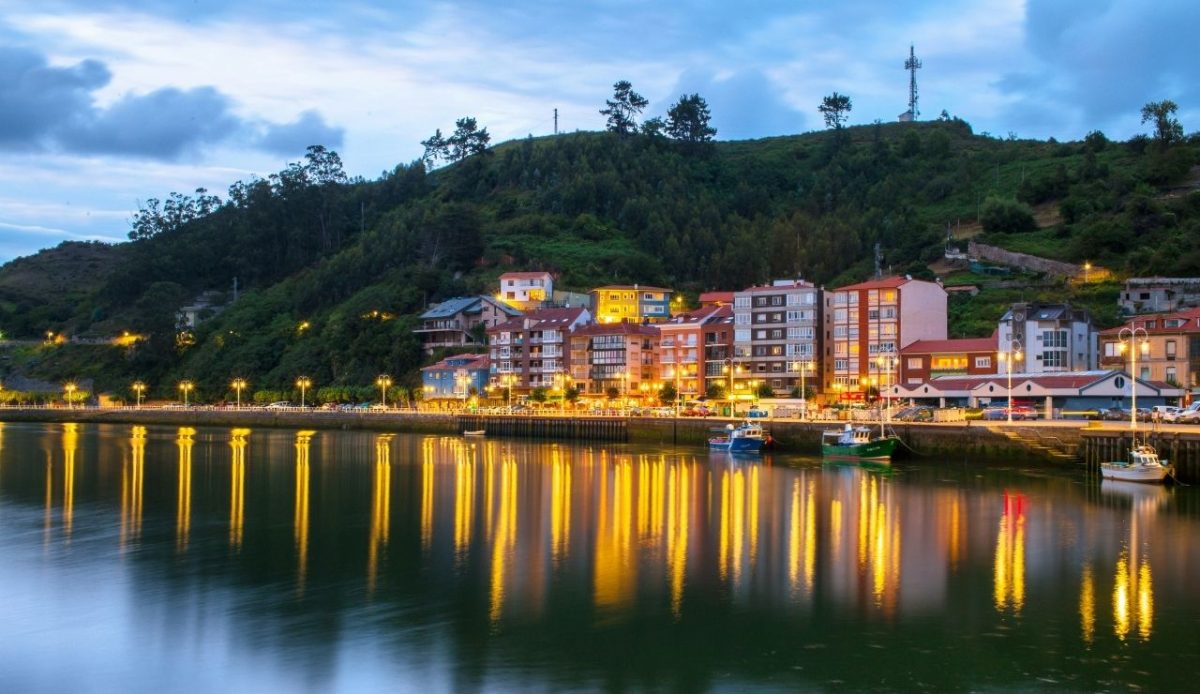
Ribadesella lies where the Sella River meets the Cantabrian Sea, giving you both a riverfront walk and a broad beach. The old town and the sand at Playa de Santa Marina are connected by easy routes, so you can move between cafés, viewpoints, and the shore without steep climbs. Many visitors come for the nearby cave art at Tito Bustillo, which adds a strong cultural stop to a coastal day. The town also works as a base for short drives to cliffs, small coves, and inland valleys. If you visit in summer, plan parking early and keep an eye on tides when walking near rock edges. Seafood spots line the river, and boat rentals run on calm mornings.
7. Santillana del Mar
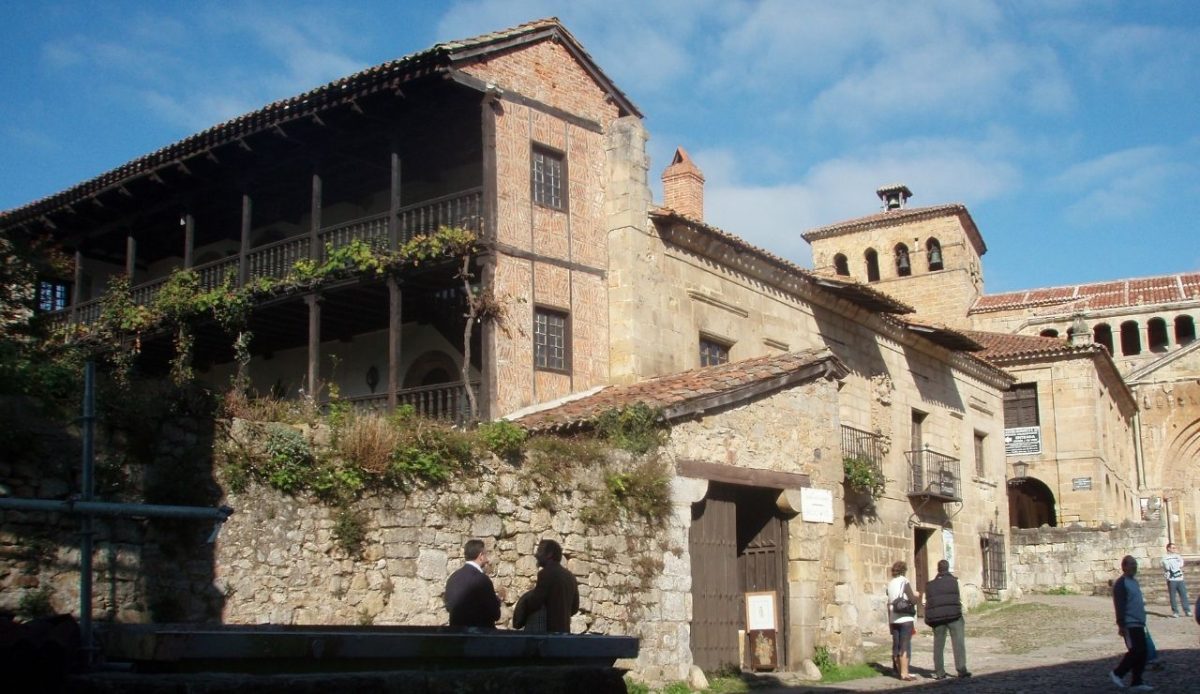
Santillana del Mar preserves a medieval street plan with stone houses, small squares, and a largely car-free center. Because the town is compact, a visit works well as a half-day stop on a regional road trip. The Collegiate Church of Santa Juliana anchors the historic core, and local museums add context without requiring long walks. Nearby, the Altamira Museum and replica cave explain Paleolithic art and the history of the original site. Arrive early or late in the day to avoid bus groups, then continue to nearby beaches or rural viewpoints in Cantabria. Cafés and craft shops stay open many months, so it still feels active outside of summer.
8. Comillas
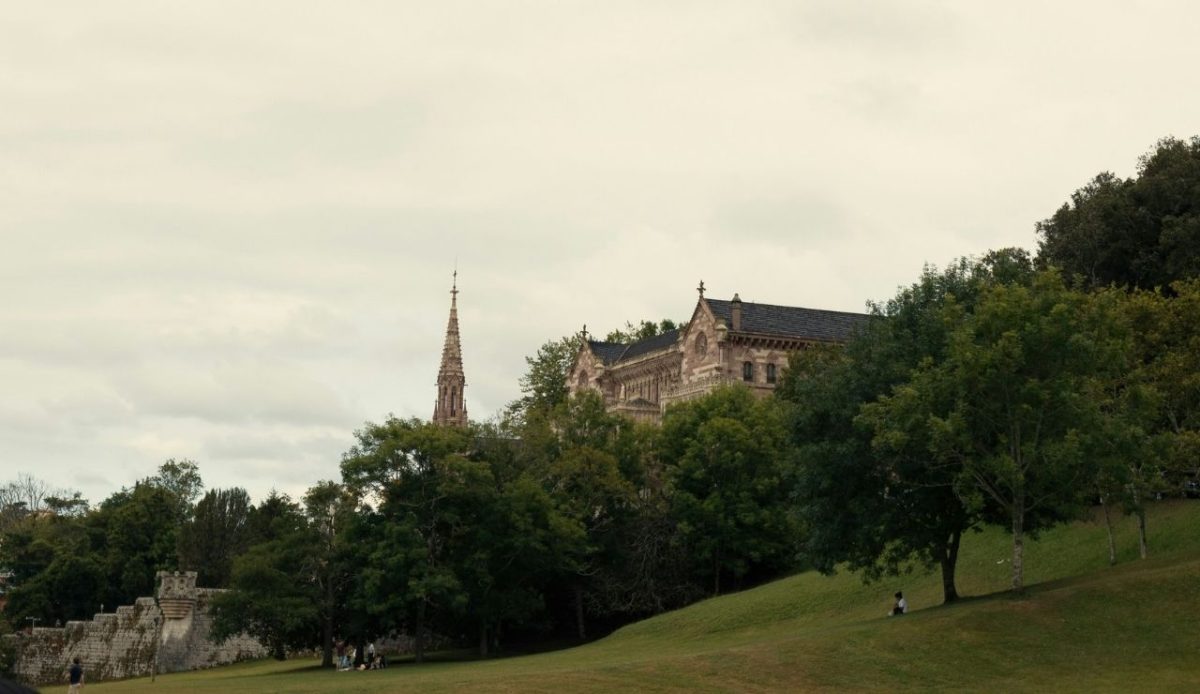
Comillas combines a walkable center with standout architecture and quick access to the sea. El Capricho, an early Gaudí design, provides an easy visit that does not require a full day. From there, follow streets uphill toward the university buildings and historic homes, then return to the waterfront for a beach walk. The town’s size makes it simple to cover key sights on foot, and cafés cluster near the center for breaks. If you have extra time, Palacio de Sobrellano and the cemetery viewpoint add another short loop. Local buses connect to towns, but many travelers pair Comillas with a coastal drive through small coves and cliff lookouts.
9. Llanes
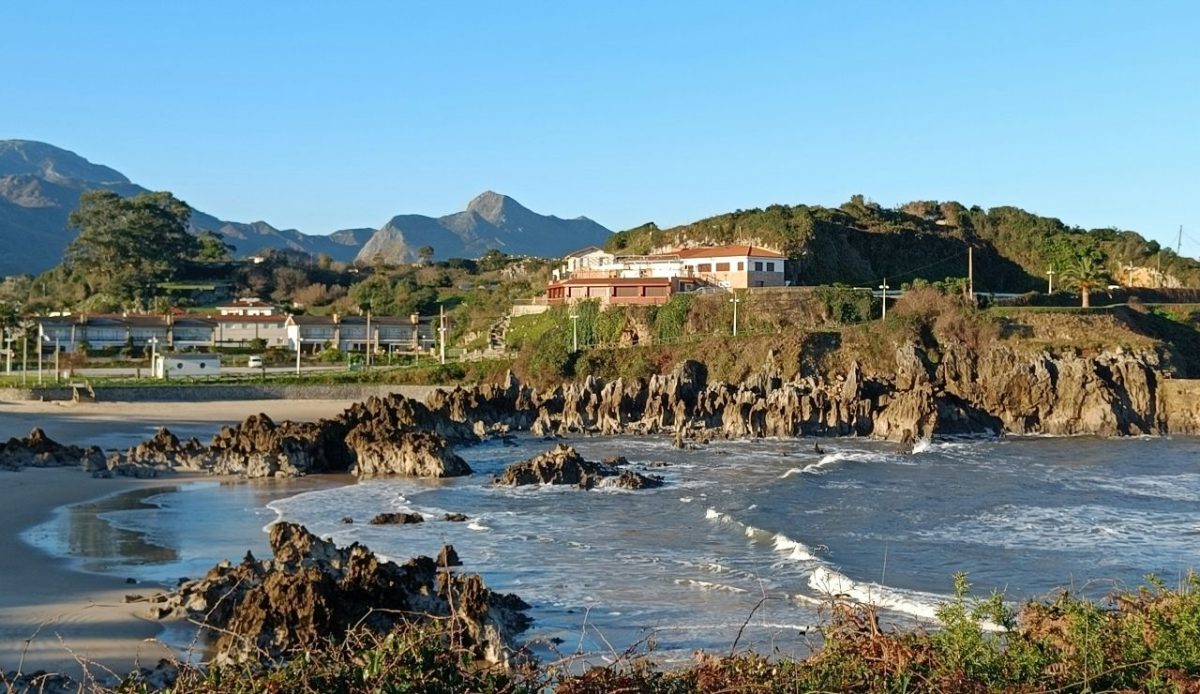
Llanes keeps a fishing-town feel while offering several beaches within a short radius. The harbor area connects to a waterfront walk lined with colorful breakwater blocks and small boats. In the old town, stone streets and remnants of medieval walls guide an easy loop past churches, plazas, and everyday shops. Because tides change access, check timing before walking to small coves or rock shelves. Llanes also works as a launch point for day trips into the Picos de Europa, so you can pair beaches with mountain valleys from one base. The local train line serves nearby stops, and the evening paseo along the seafront works well after a day trip.
10. Santiago de Compostela
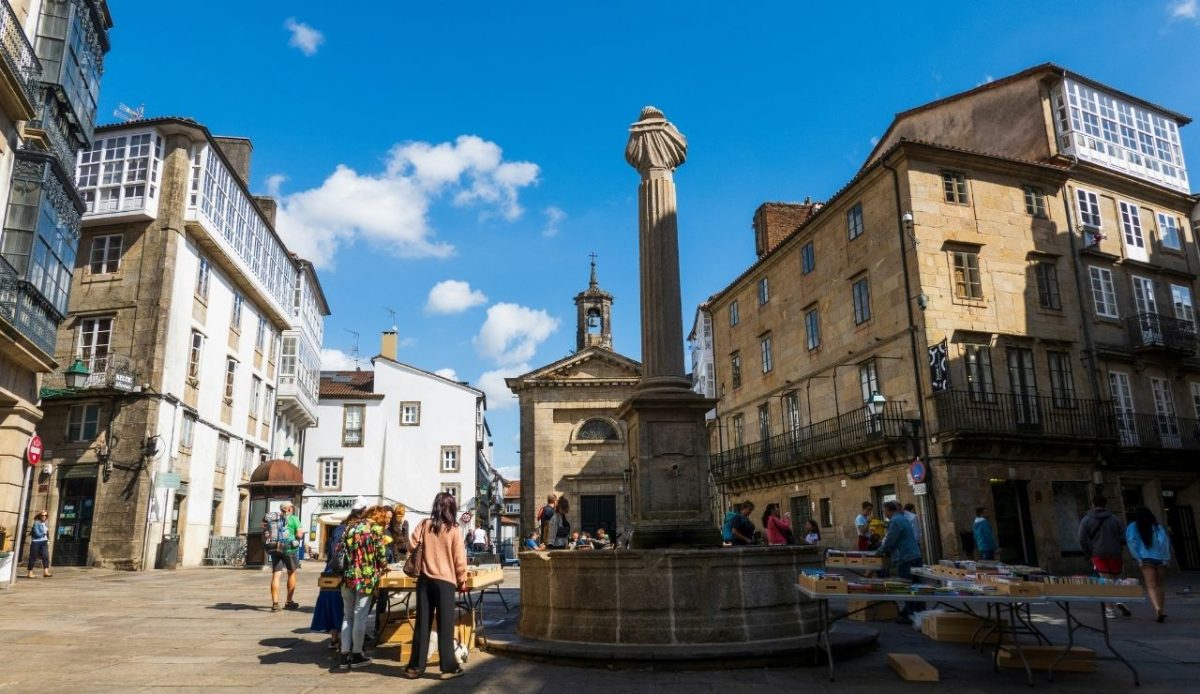
Santiago de Compostela functions as a pilgrimage finish line and a living university city. The cathedral and surrounding plazas anchor the old town, where pedestrian lanes guide you past stone arcades, cafés, and small boutiques. Pilgrims create steady movement through the center, but the city still runs on local routines, classes, and offices. Visit early for quieter streets, then tour the market for Galician produce and prepared foods. Trains and buses make it easy to add a day trip to the coast, including A Coruña or smaller rías towns, without changing hotels. Museums and roof walks offer a clear look at the city’s layout and stonework.
11. A Coruña
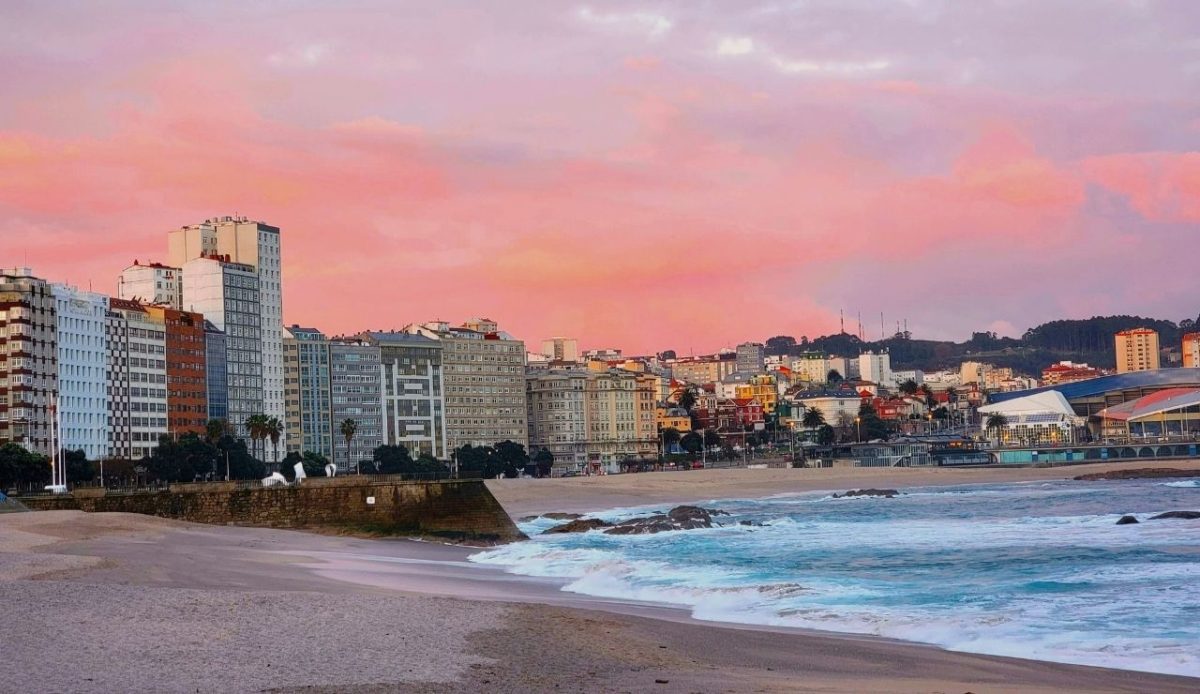
A Coruña is a port city with long waterfront walks that stay busy in all seasons. Follow the paseo along the ocean to reach the Tower of Hercules, a Roman lighthouse still operating today. Urban beaches like Riazor sit close to residential streets, so you can go from sand to cafés in minutes. The old quarter adds narrow lanes and small squares, while the marina area provides easy evening walks. Public buses cover the city well, and the compact core allows simple sightseeing on foot even if the weather shifts. For views, head to Monte de San Pedro by elevator and return along the coast. Harbor restaurants serve Galician octopus and clams.
12. León
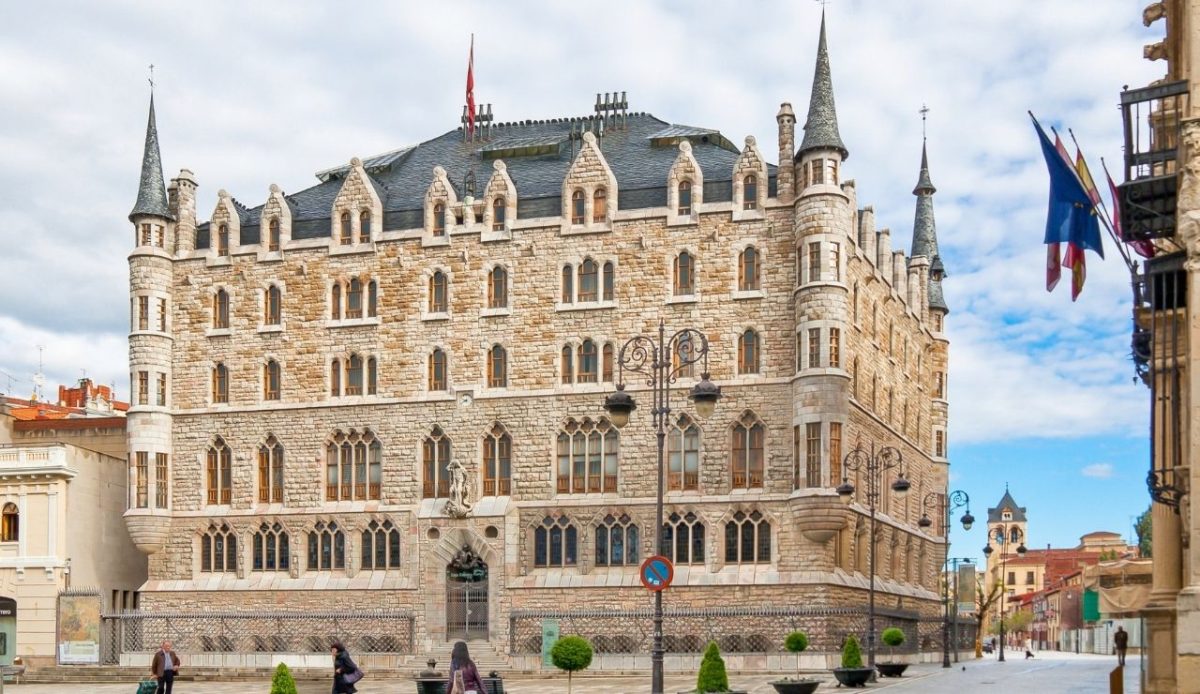
León offers an inland counterpoint to the coast, with major sights packed into a walkable old town. The Gothic cathedral is known for its stained glass that fills the interior with colored light on clear days. Nearby, the Royal Collegiate of San Isidoro adds Romanesque art and a museum stop that fits into the same route. In the Barrio Húmedo, tapas culture works through short walks between bars, so dinner becomes a moving plan rather than a single booking. High-speed trains connect León to Madrid and the north, making it a convenient add-on before or after coastal cities. Casa Botines adds Gaudí-linked architecture and a museum visit.
