
Travelers don’t usually plan for a ticket from a park ranger or city officer, but many U.S. destinations enforce very specific rules that aren’t obvious at the entrance. Some are about safety, like staying on boardwalks or avoiding closed areas, while others protect wildlife, historic sites, or fragile landscapes.
The surprise comes when visitors assume common sense is enough, then learn a permit, reservation, or “no-go” zone applies to that one famous spot they came to see. Enforcement can mean warnings, citations, or fines that sting more than the souvenir bill.
Here are 12 destinations where tourists regularly get cited for lesser-known rules, plus what to watch for so your trip doesn’t end with paperwork.
1. Yellowstone National Park
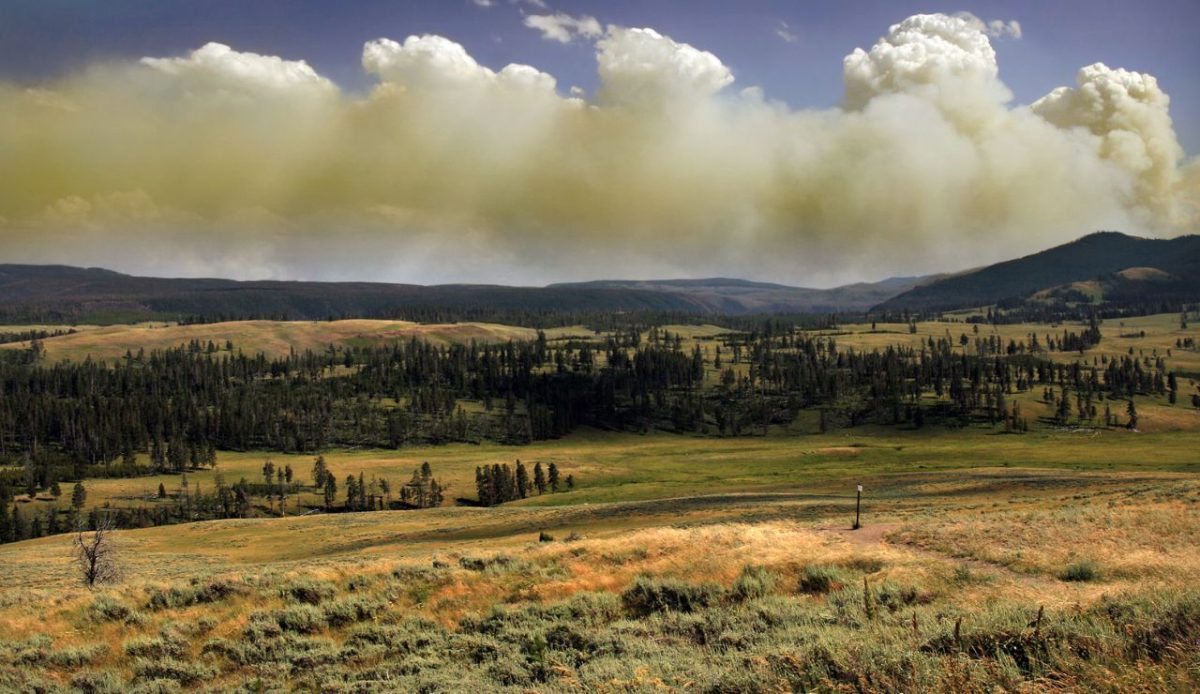
Yellowstone’s thermal basins look like open ground, but the safe path is the boardwalk. Step off to grab a dropped hat or get a “better photo,” and rangers can treat it as thermal trespass.
The rule exists because crust can collapse into scalding water and because the colorful bacterial mats are easily damaged. Even a few footsteps can leave scars that last for years.
Tourists have been fined, ordered to pay court fees, and even banned after off-boardwalk incidents. Treat boardwalk edges like a cliff line, keep kids close, secure loose gear, and assume the safe distance is the one the signs spell out, no exceptions. If you drop something, let it go and tell a ranger.
2. Zion National Park
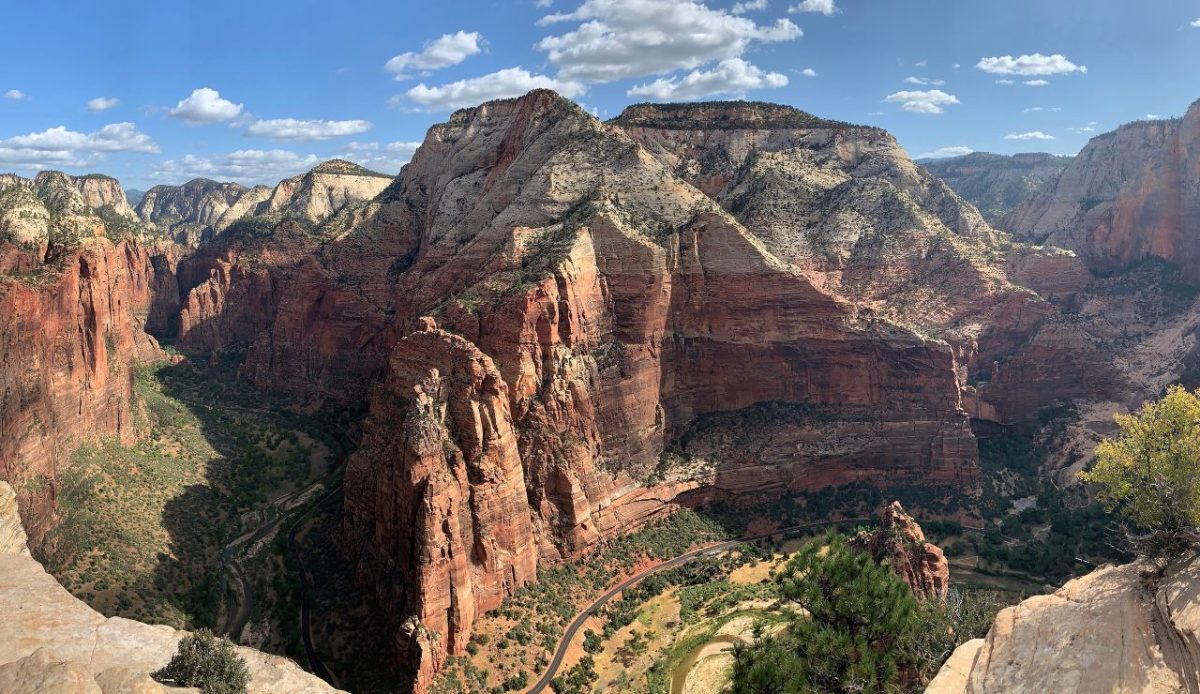
Zion’s Angels Landing doesn’t just require nerve, it requires a permit. Many visitors hike up the West Rim Trail, reach Scout Lookout, and assume the final ridge is fair game.
Angels Landing permits are required around the clock, and rangers do check, and penalties can be steep, up to $5,000 and/or six months in jail in federal court. Hiking any portion of the Angels Landing route without the permit can be treated as a violation, even if you only go “a little way” past the sign.
To avoid a surprise citation, enter the lottery before your trip, screenshot your permit, and pick a backup hike if you don’t win. Scout Lookout stays open without a permit and still delivers the classic canyon view.
3. Yosemite National Park
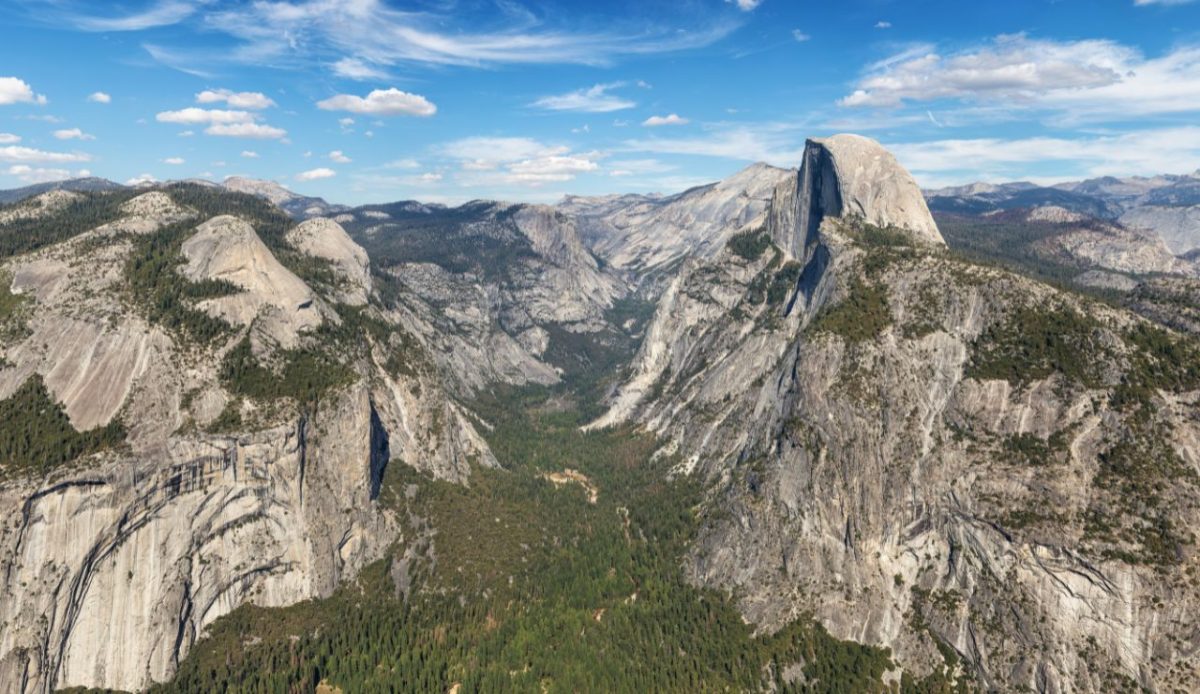
In Yosemite, the rule that surprises people isn’t about hiking; it’s about snacks. Leaving food, scented toiletries, or coolers in a car overnight can earn you a citation because bears break into vehicles for smells.
The park requires proper food storage in bear lockers, approved containers, or inside hard-sided vehicles with windows fully closed, depending on area rules. A “quick stop” at a viewpoint with a backpack on the seat can still be a problem if it draws wildlife.
Rangers enforce food-storage violations to protect both visitors and bears that become food-conditioned and may be euthanized. Plan ahead by using lockers, keeping zero scented items in the cabin, and treating your car like a pantry that’s always being inspected.
4. Grand Canyon National Park
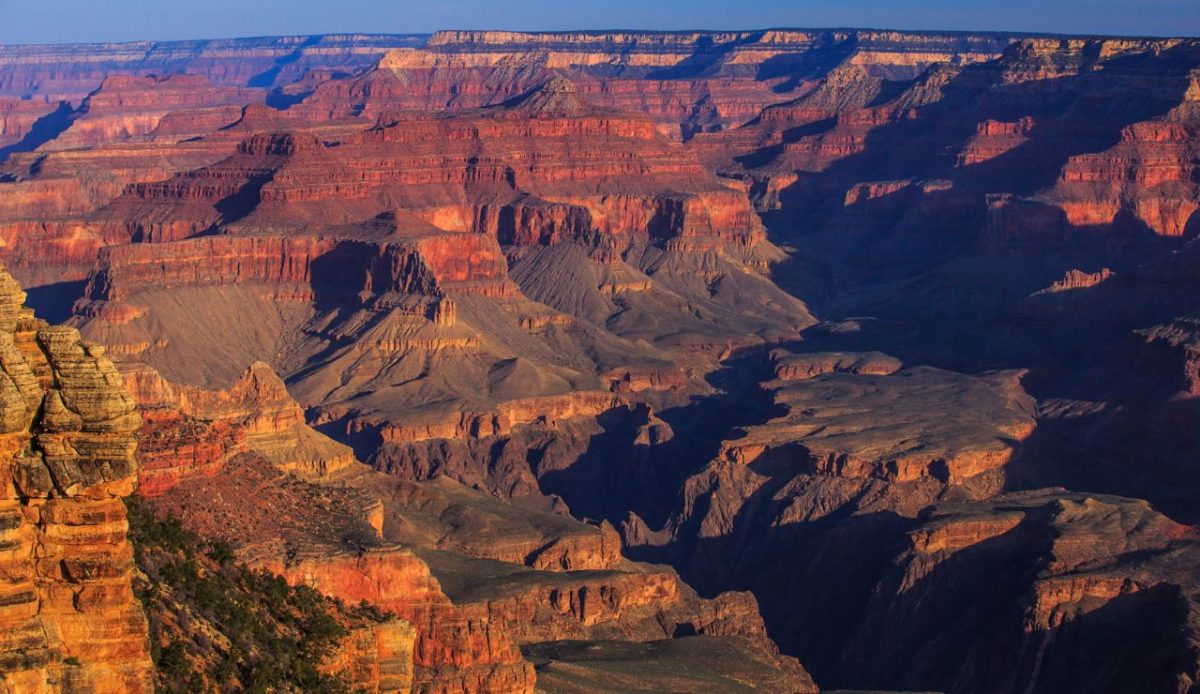
At Grand Canyon, one common “I didn’t know” fine comes from drones. The park prohibits launching, landing, or operating uncrewed aircraft, even if you plan a quick sunrise clip from an empty overlook.
The rule protects wildlife, visitor experience, and safety in crowded viewpoints and along rescue corridors. Rangers may confiscate equipment and issue citations, and the federal penalty for violating the NPS drone prohibition can reach $5,000 and/or six months in jail.
If you want aerial footage, look for permitted commercial operators outside park boundaries instead of taking chances at the rim. Also watch for temporary closures near construction or rescues, stepping into closed zones can trigger separate fines.
5. Rocky Mountain National Park
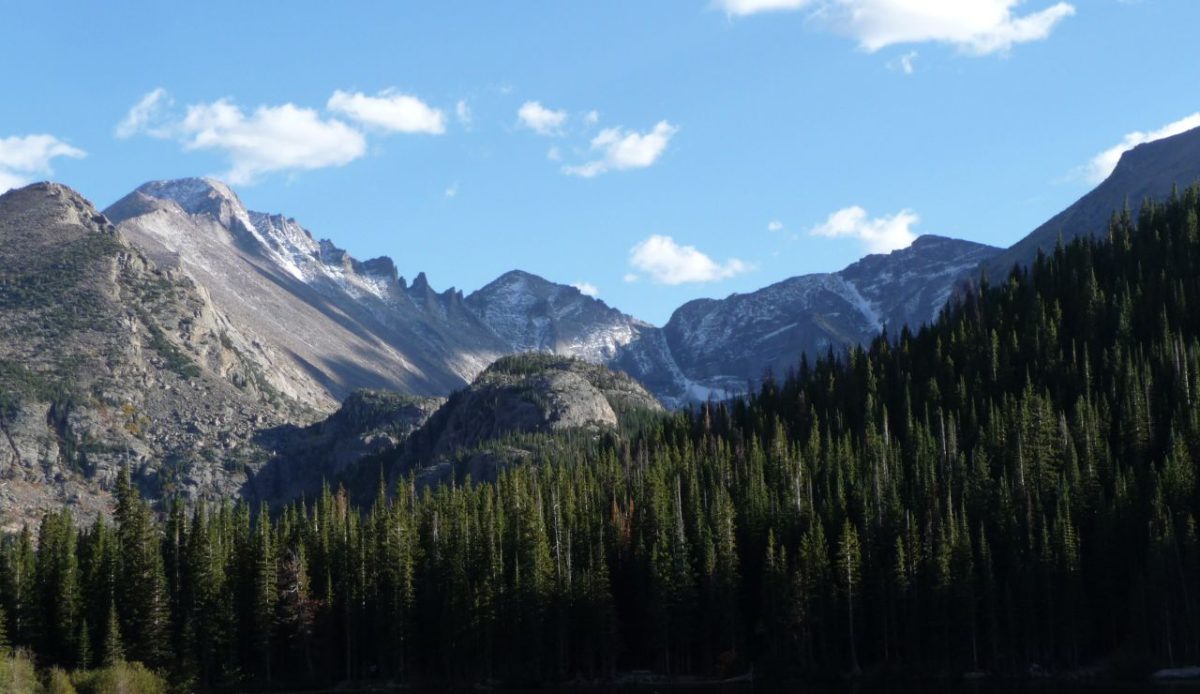
Rocky Mountain National Park surprises drivers with how strict roadside rules can be on busy days. Pulling off Trail Ridge Road where there’s no designated space, blocking traffic for photos, or parking on tundra can bring a ticket.
Those meadows and shoulders aren’t “extra parking.” They’re fragile alpine habitat, and vehicles can damage plants that take decades to recover. Stopping in travel lanes also delays emergency access and creates chain-reaction backups on narrow roads.
To avoid fines, use signed pullouts only, keep all tires on pavement or marked gravel, and accept that some wildlife sightings are drive-by moments. If lots are full, pivot to a shuttle area or a less crowded trailhead rather than improvising a shoulder stop.
6. Acadia National Park
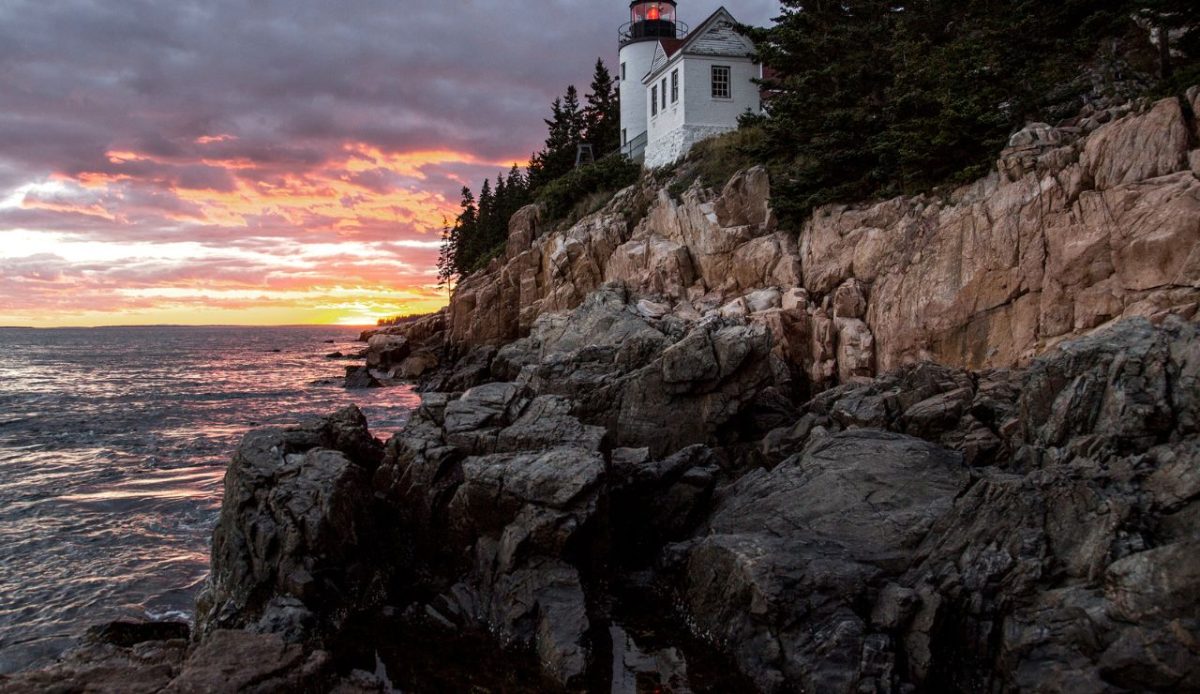
Acadia catches visitors off guard with rules tied to Cadillac Mountain access. In reservation season, driving the Summit Road without the required time-slot reservation can mean being turned away, and trying to sneak in past controls can lead to enforcement.
The policy exists because the road and summit area can’t handle unlimited cars without gridlock and safety issues. Even with a park pass, the separate vehicle reservation is what manages the peak sunrise-and-daytime rush.
To avoid an expensive mistake, confirm whether reservations apply on your dates, keep your QR code ready, and arrive within your time window. If you miss out, hike or bike up instead, or focus on Ocean Path and Jordan Pond for scenery without the reservation hassle.
7. Great Smoky Mountains National Park
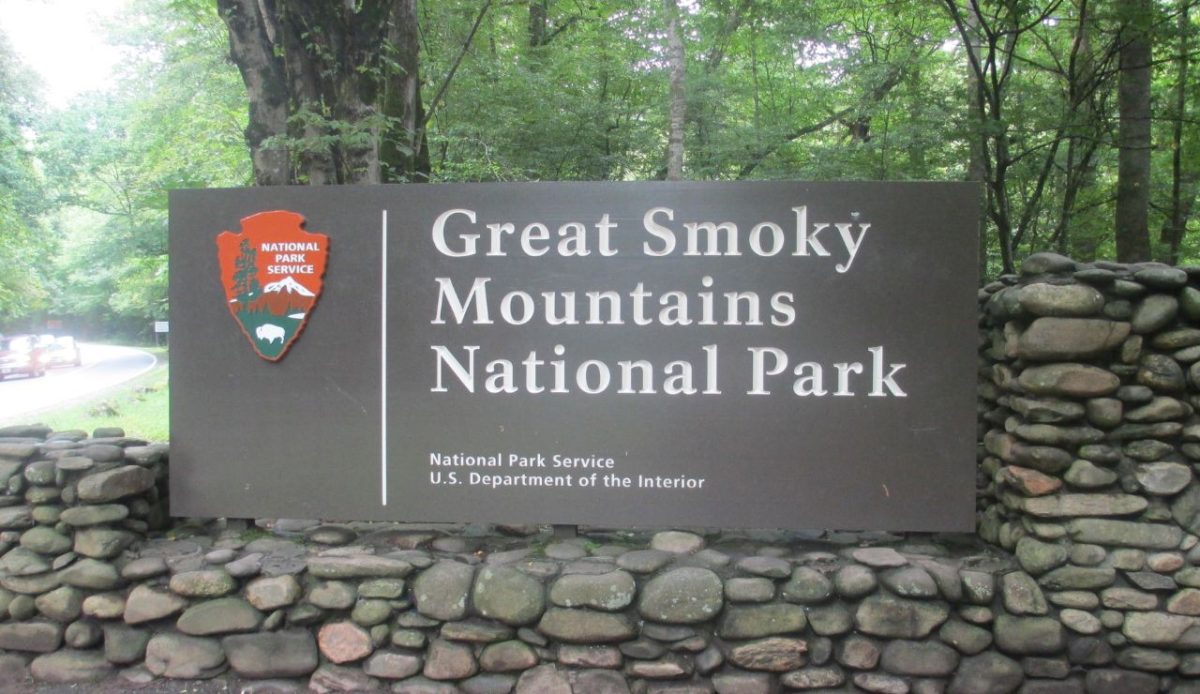
Great Smoky Mountains National Park is free to enter, so many tourists assume parking is free too. Since 2023, vehicles parked for longer than 15 minutes anywhere in the park generally need a paid parking tag displayed in the vehicle.
It’s easy to miss because it isn’t an “entrance fee,” and digital proof on your phone doesn’t count if you don’t print and display the tag. Rangers and staff can issue warnings, citations, or tow vehicles at the owner’s expense for noncompliance.
If you plan to hike, picnic, or linger at a viewpoint, buy the correct daily, weekly, or annual tag ahead of time and keep it visible on the dash. If you’re only driving through or stopping briefly under 15 minutes, the tag requirement usually doesn’t apply.
8. Hawai‘i Volcanoes National Park
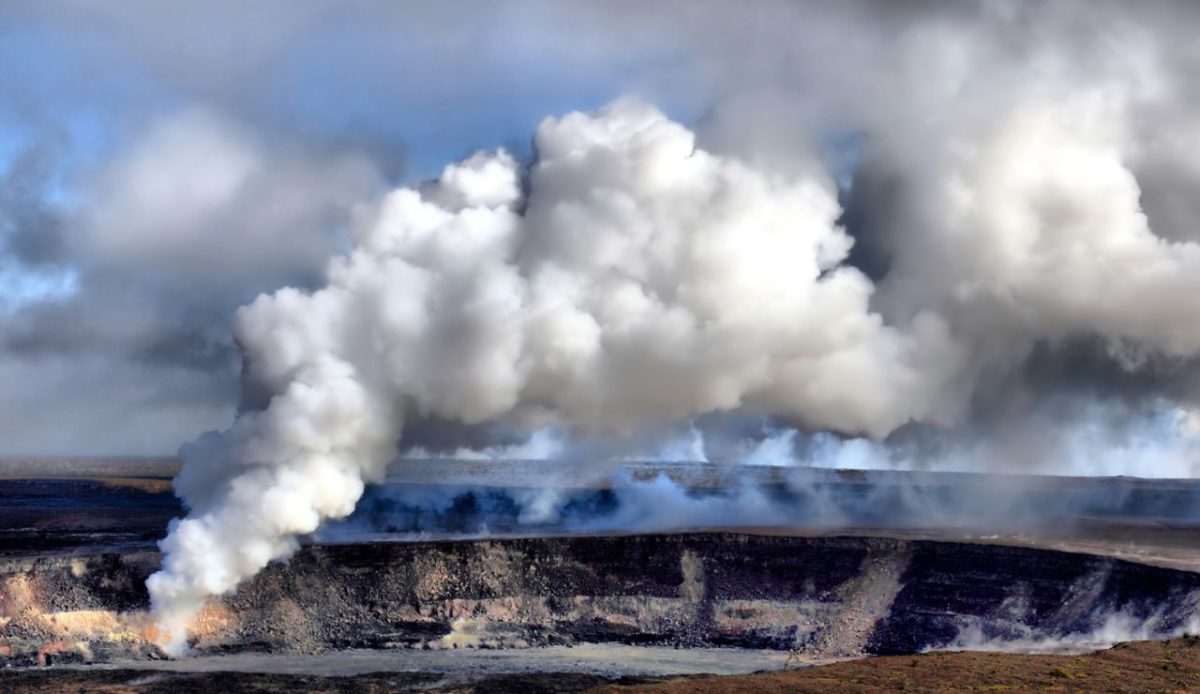
Hawai‘i Volcanoes National Park looks open and wild, but closures are strict and enforced. Visitors sometimes hop a rope for a closer lava view or walk onto unstable ground near vents, assuming it’s a harmless shortcut.
Those closures exist for real hazards: toxic gases, thin crust over hot rock, sudden steam releases, and unstable cliff edges. Crossing a closure line can lead to a citation under federal regulations, even if you return quickly and “nothing happened.”
Before you follow a crowd, check posted closure maps and temporary signs at trailheads and viewpoints. Stay on marked routes, keep distance from fenced areas, and don’t treat social media footprints as permission, volcanic terrain punishes mistakes fast.
9. Everglades National Park
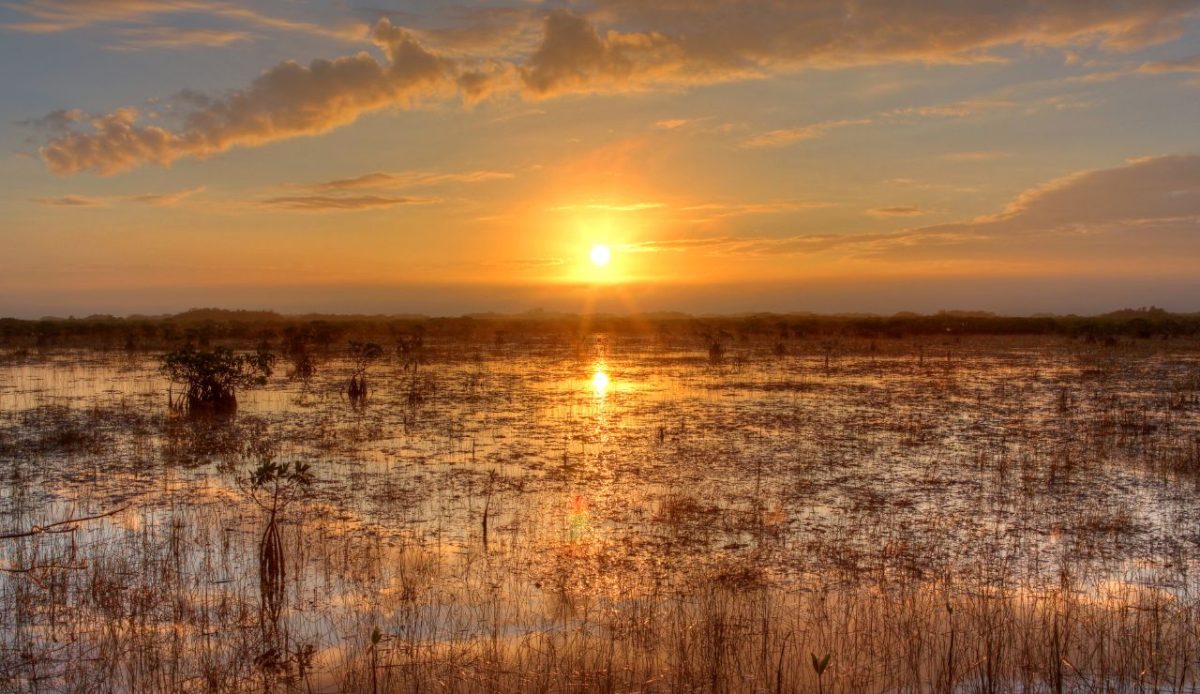
In Everglades National Park, the “cute photo” can become an expensive mistake. Feeding wildlife, getting too close for selfies, or trying to lure an alligator into view can trigger citations for harassment or feeding.
The rules exist because animals that associate people with food become aggressive, and that usually ends badly for the animal. Even tossing scraps to birds at a picnic area can count as feeding, and it also attracts nuisance wildlife around parking lots.
Keep food secured, never bait wildlife for a better shot, and use zoom instead of distance. If a ranger tells you to back up, do it immediately; arguing on the boardwalk won’t help. In the Everglades, respecting wildlife space is both safety policy and an enforceable law.
10. Glacier National Park
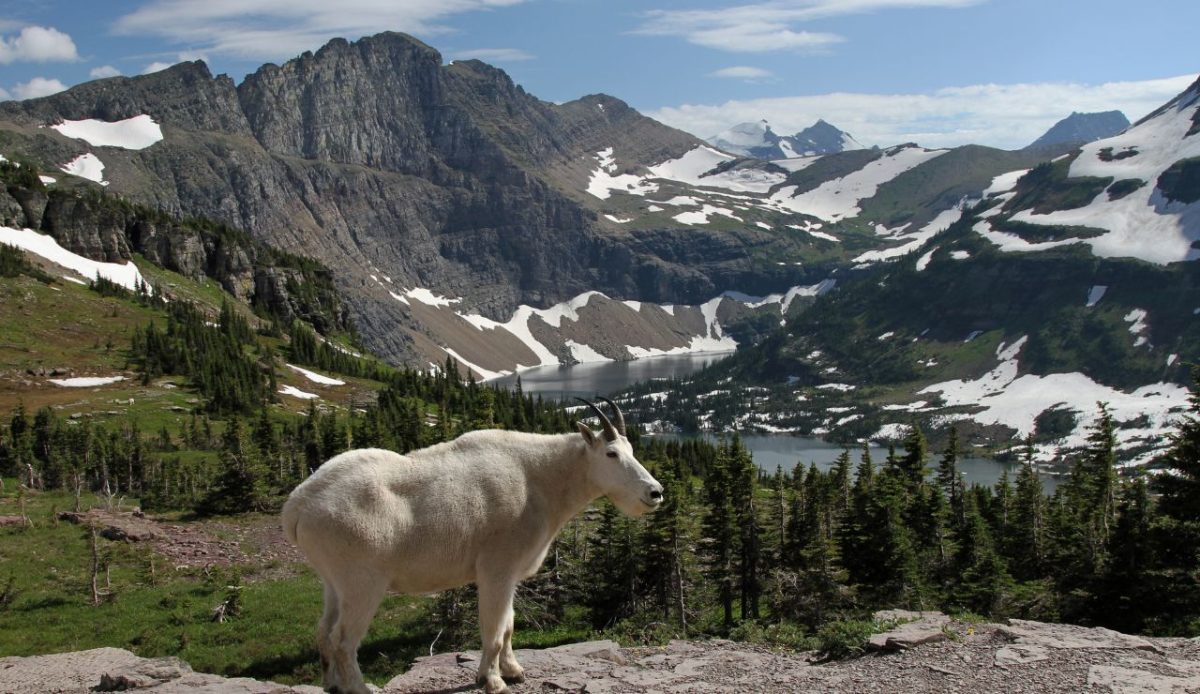
Glacier National Park’s biggest “I didn’t know” issue often starts at the road. In peak season, key corridors can require a vehicle reservation, and arriving without the right access can derail the day.
Visitors sometimes try to bypass controls by entering from another direction or parking outside and walking in, only to find checkpoints and restricted lots still apply. Rangers enforce closures and traffic controls when congestion becomes unsafe.
Before you drive, confirm whether your route needs a reservation on your date and time, then save proof and arrive within the window. If you miss out, start very early or pivot to less crowded areas. Glacier is stunning, but it rarely rewards improvising at the gate.
11. Arches National Park
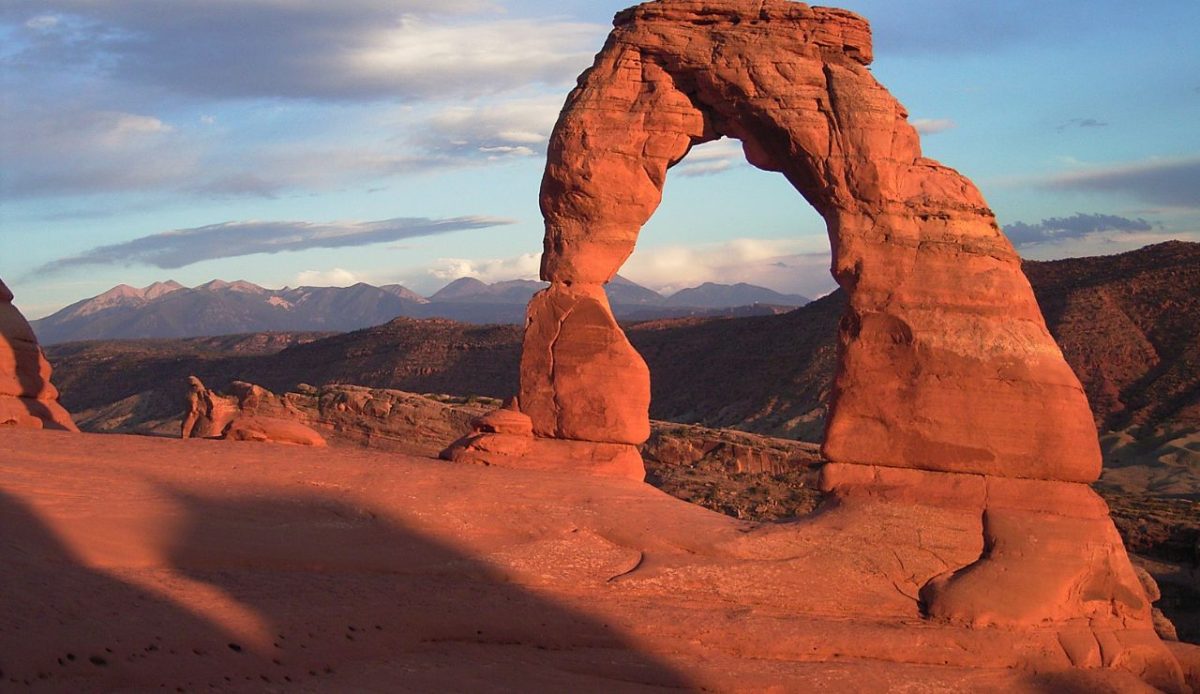
Arches National Park looks like endless open slickrock, which tempts people to wander anywhere for a unique angle. One rule tourists often miss is that “off-trail” can still be illegal or damaging, especially around biological soil crust.
That dark, bumpy crust between rocks is living ground that prevents erosion and helps desert plants survive. One footprint can break it, and recovery can take decades. Rangers can issue citations for resource damage or for entering closed restoration areas.
Stay on marked trails and rock surfaces, and don’t cut switchbacks. If you’re unsure, follow cairns and signs instead of social media routes. The desert looks empty, but it’s protected, and every step can count.
12. Joshua Tree National Park
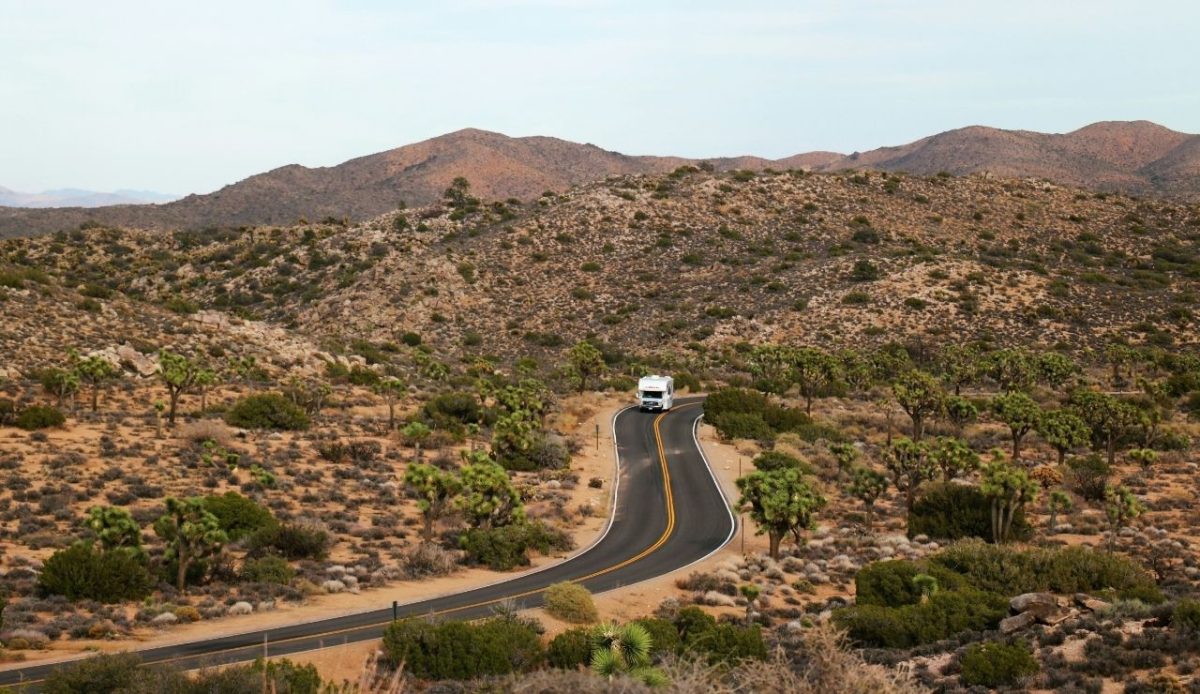
Joshua Tree’s wide-open desert makes it feel like you can pull over and camp anywhere, but dispersed camping inside the park isn’t allowed. Sleeping in a vehicle in a day-use lot or setting up off-road can lead to a citation.
Fire rules also catch visitors. Collecting wood, using illegal fire pits, or lighting a flame during restrictions can trigger enforcement because the park is extremely fire-prone. What feels like a harmless setup can become a safety violation.
To avoid fines, stay in designated campgrounds or use legal BLM areas outside the park for dispersed camping. Check current fire restrictions before you pack fuel, and don’t assume a quiet roadside spot is permitted just because others did it last night.
