
Cycling remains one of the most immersive ways to see the world. Each turn of the wheel brings new sights, sounds, and local encounters that travelers often miss by car or train. From mountain passes to coastal lanes, bike routes across the globe provide a mix of challenge and relaxation. Many are mapped by international networks or national park systems, ensuring proper signage and safety for long-distance riders. Whether exploring Europe’s river valleys or Australia’s forests, these scenic tours deliver unforgettable views and a sense of freedom only a bike can offer.
1. Great Divide Mountain Bike Route, North America
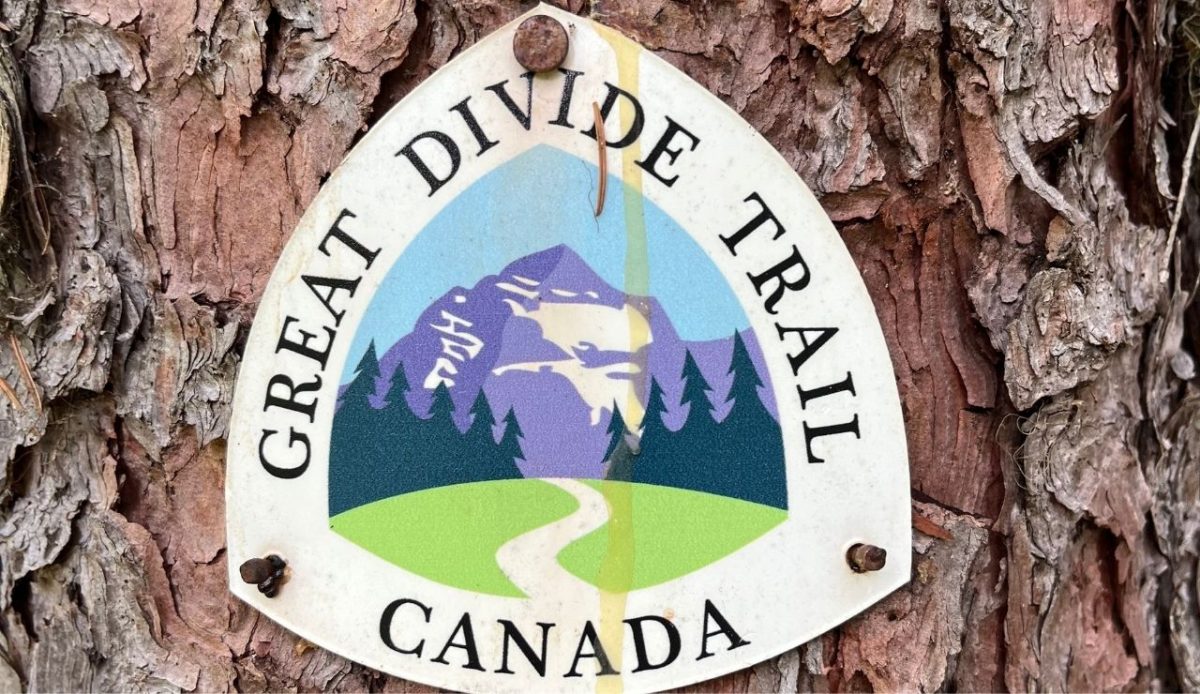
This legendary route stretches over 3,000 miles from Banff, Canada, to Antelope Wells, New Mexico. It follows the Continental Divide, leading cyclists across rugged terrain, alpine meadows, and remote ranch country. Riders climb thousands of feet in elevation and camp under vast western skies. Small hostels and trail towns offer supplies between sections. The Adventure Cycling Association maintains the maps and guidelines, making it a benchmark for serious bikepackers. Completing even part of the route demands stamina, but every mile rewards riders with unmatched wilderness views.
2. EuroVelo 6, France to the Black Sea
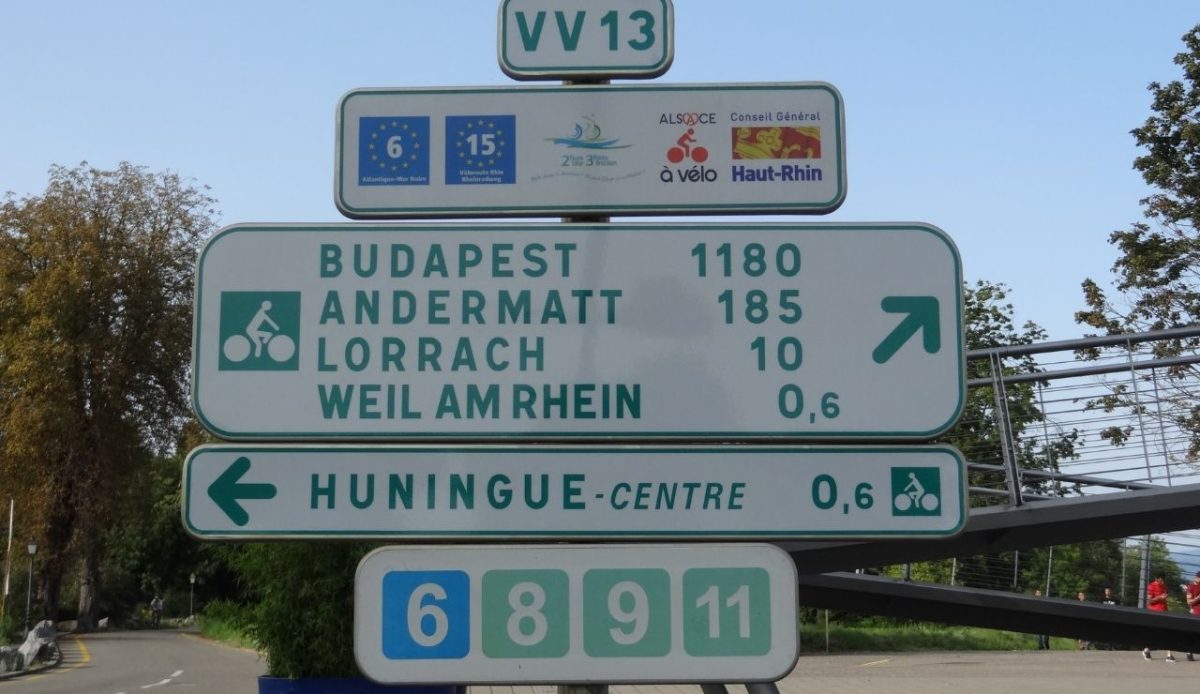
EuroVelo 6 links the Atlantic Ocean to the Black Sea, tracing Europe’s great rivers through France, Germany, Austria, and beyond. The route spans roughly 2,700 miles of smooth paths and rural backroads. Cyclists pedal past vineyards, castles, and medieval villages while enjoying consistent wayfinding signs and dedicated bike lanes. Most riders favor the Danube section between Austria and Hungary for its balance of culture and calm scenery. Local inns and ferry connections make the trip comfortable. It stands as Europe’s most popular long-distance cycling route for good reason.
3. Shimanami Kaidō, Japan
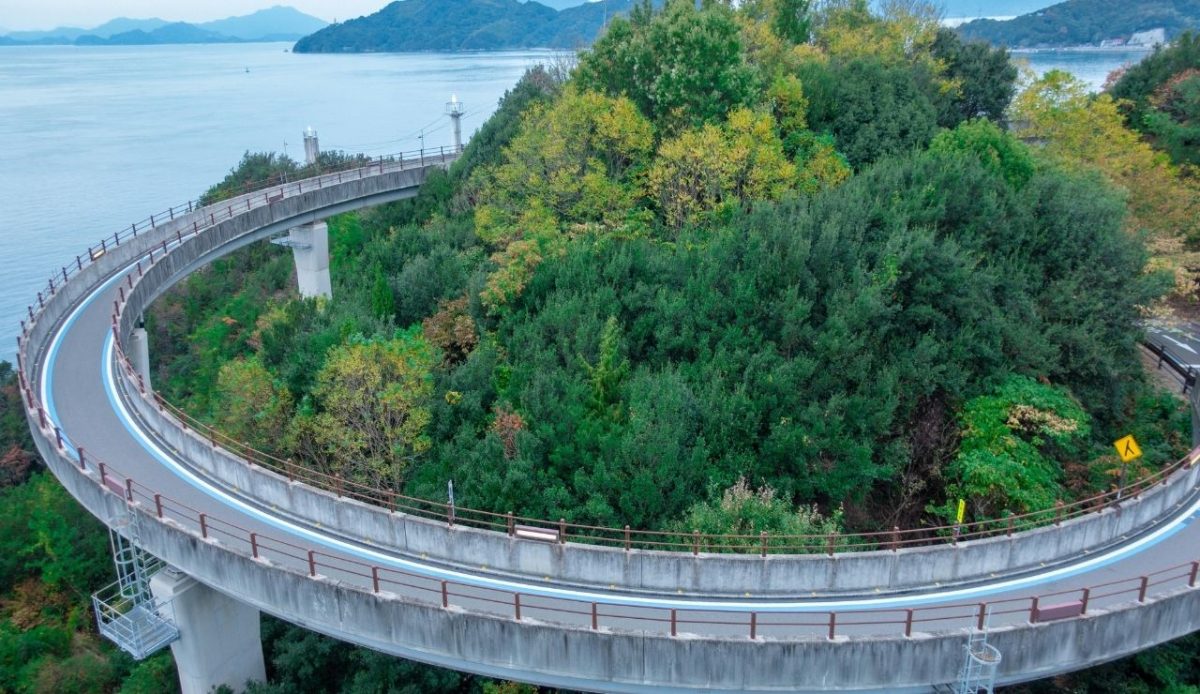
The Shimanami Kaidō links six islands across Japan’s Seto Inland Sea through a 70-kilometer route of bridges and scenic lanes. Each bridge features a separate bike lane with sweeping sea views and gentle grades. Cyclists rent bikes in Onomichi or Imabari and can return them at several checkpoints. Along the way, they stop at small cafés, temples, and local art spots. The route’s clear signs and rental system make it ideal for independent travelers. Smooth roads, polite drivers, and ocean breezes turn this into Japan’s most photogenic cycling journey.
4. Great Allegheny Passage, USA
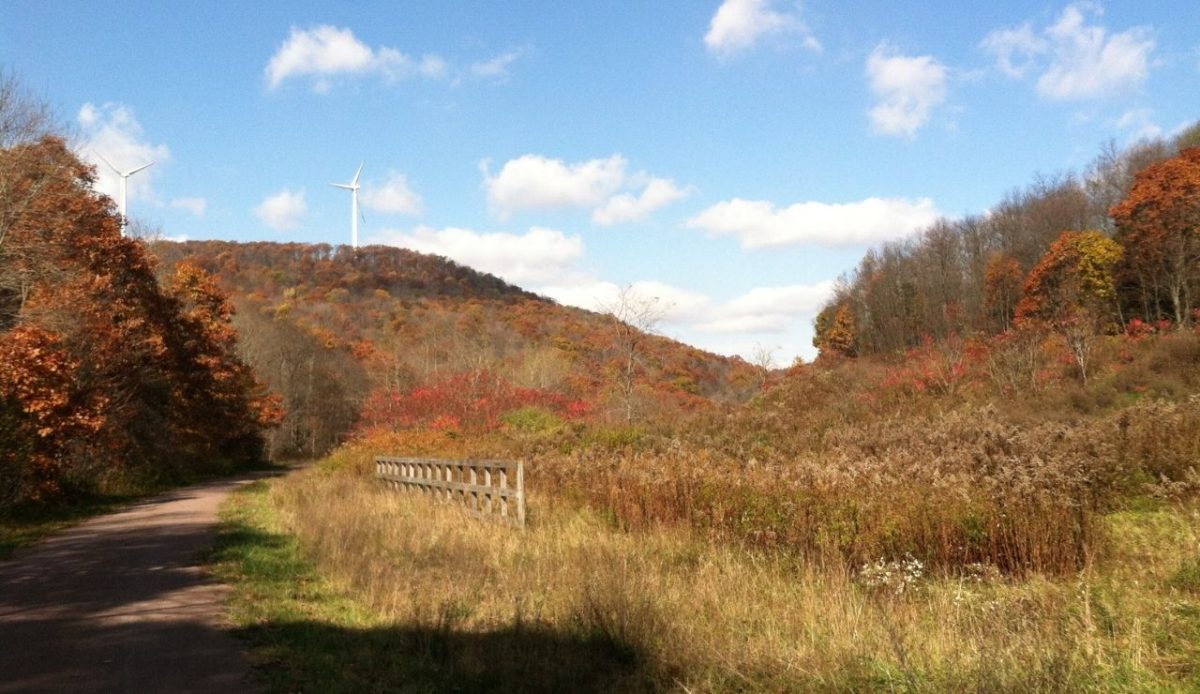
The Great Allegheny Passage runs 150 miles between Cumberland, Maryland, and Pittsburgh, Pennsylvania. Built on a former rail corridor, it delivers a comfortable, car-free ride through river gorges, tunnels, and forested valleys. The trail connects seamlessly with the C&O Canal Towpath, creating a full route to Washington, D.C. Campgrounds, inns, and small cafés line the path, offering rest spots every few miles. It’s maintained by a volunteer network that keeps the surface smooth and safe. Riders praise it for combining accessibility with classic Appalachian scenery and friendly local communities.
5. Otago Central Rail Trail, New Zealand
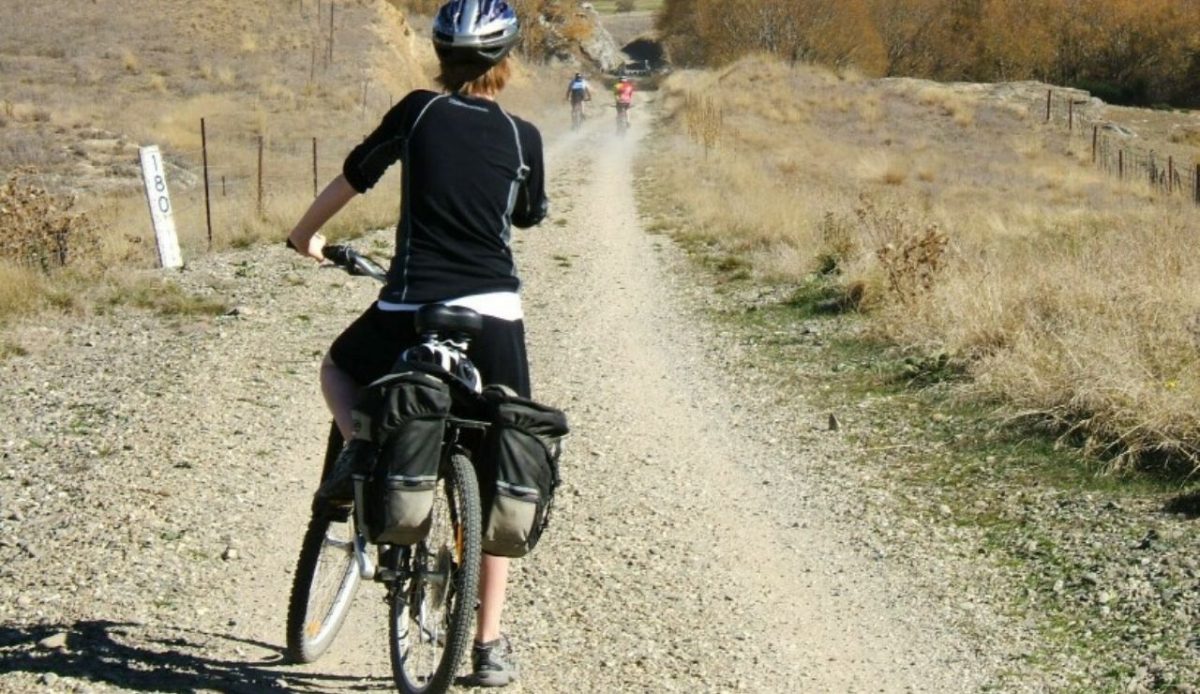
New Zealand’s Otago Central Rail Trail covers 152 kilometers of smooth gravel, tracing an old railway line through gold-mining country. Cyclists ride past tunnels, bridges, and stone viaducts built in the 19th century. The gentle gradient keeps it accessible to all fitness levels, while nearby cafés and lodges add local flavor. Rural towns like Clyde and Middlemarch provide comfortable overnight stays. The trail forms part of New Zealand’s official Great Rides network, bringing tourism to remote communities. Every section combines history, scenery, and warm southern hospitality.
6. Rallarvegen, Norway
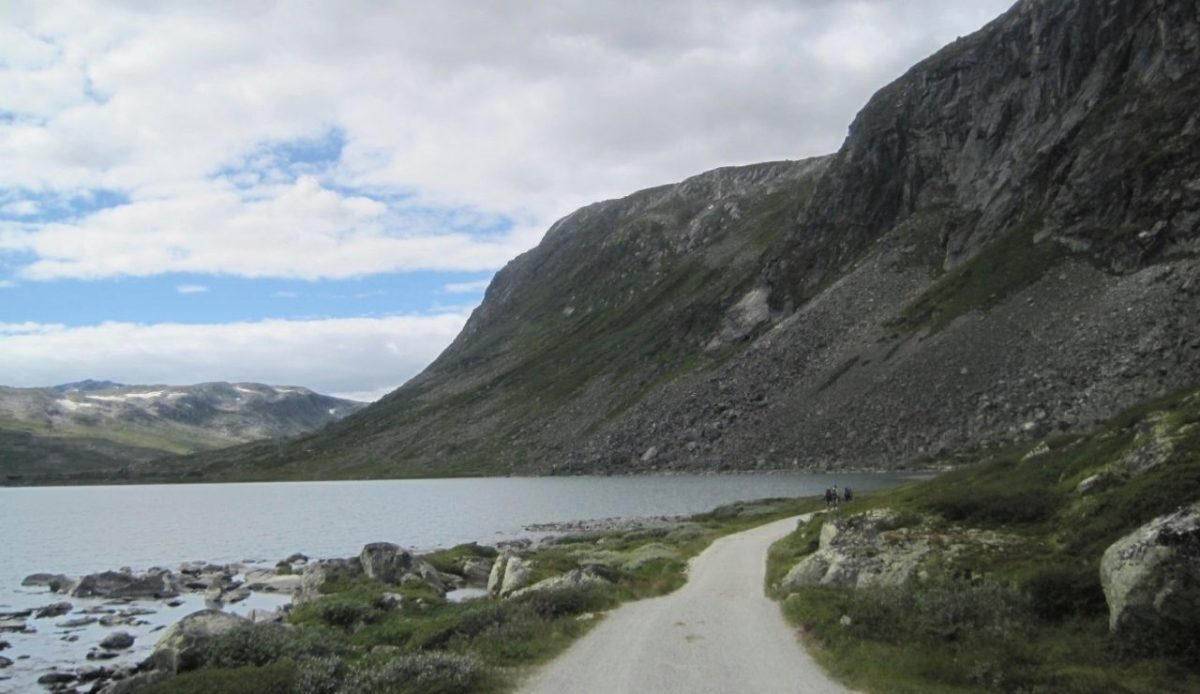
Rallarvegen follows the historic construction road beside the Bergen Railway for 82 kilometers from Haugastøl to Flåm. Cyclists cross high mountain plateaus, waterfalls, and lakes before descending into fjord country. The path remains Norway’s most popular summer bike route, maintained each year by the Norwegian National Rail Administration. Most riders start in July when the snow clears from higher sections. Rentals and lodges line the route, making it easy to complete in one or two days. Each turn offers postcard views of glaciers and alpine valleys that define western Norway.
7. Alps 2 Ocean Cycle Trail, New Zealand
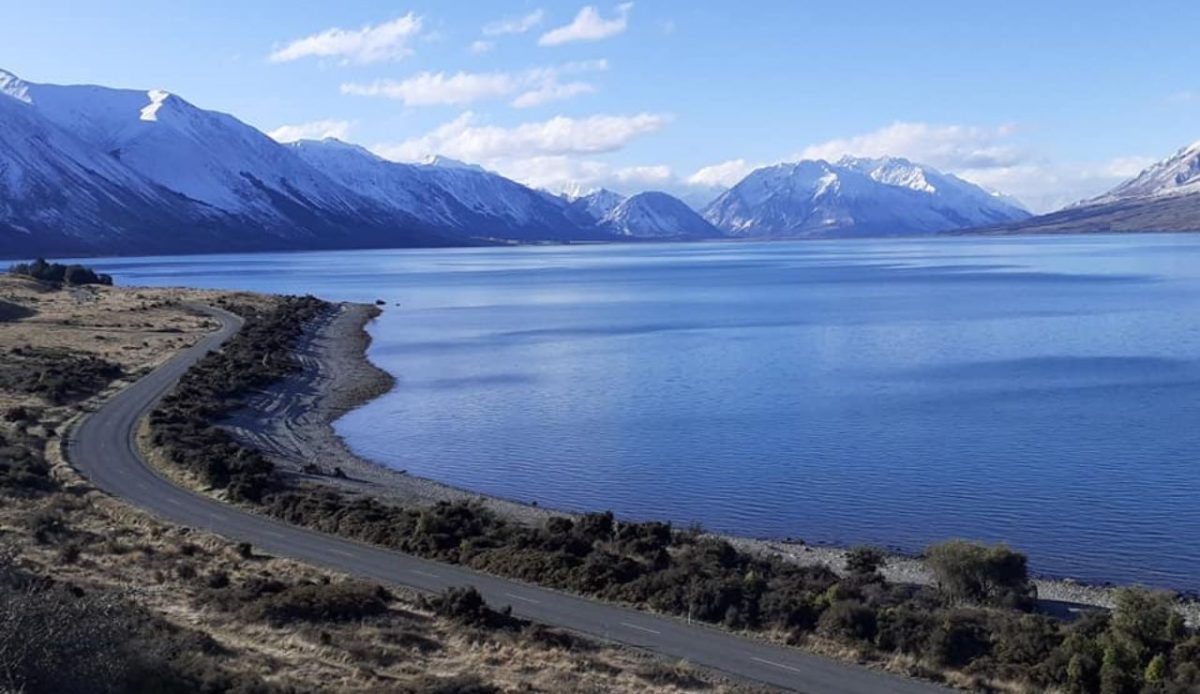
The Alps 2 Ocean Trail begins near Aoraki Mount Cook and runs over 300 kilometers to the coastal town of Ōamaru. It is the longest of New Zealand’s Great Rides and links glaciers, turquoise lakes, and wide plains. Cyclists experience a gradual descent from the Southern Alps to the Pacific Ocean, passing hydro dams, farms, and limestone cliffs. The trail is divided into nine segments, each supported by shuttles and local cafés. Riders often spot kea parrots near mountain passes. Clear signage and smooth gravel keep the focus on scenery, not difficulty.
8. Icefields Parkway, Alberta, Canada
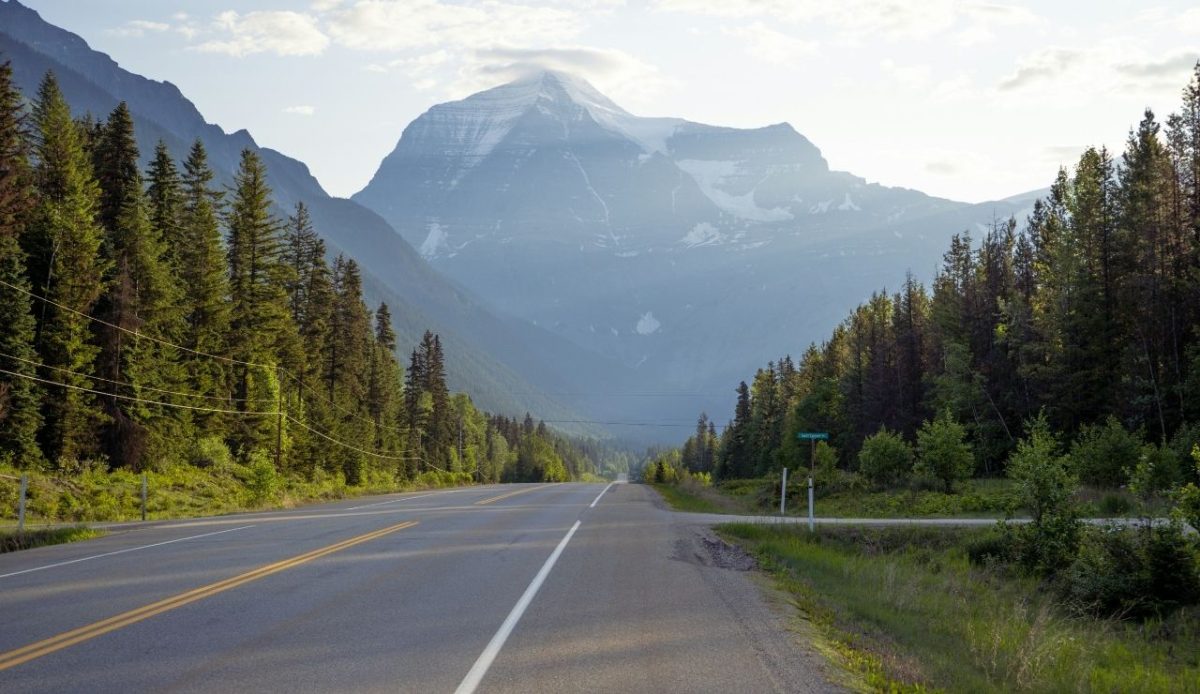
The Icefields Parkway spans 232 kilometers between Lake Louise and Jasper through Canada’s most dramatic alpine landscapes. Cyclists ride alongside glaciers, turquoise rivers, and peaks that tower above the highway. Parks Canada provides detailed cycling guides and designated pullouts for rest stops. Summer remains the best season, offering mild weather and long daylight hours. Although steep climbs challenge even fit riders, the views of the Columbia Icefield and Bow Summit make the effort worthwhile. Campgrounds and hostels allow multi-day rides through the heart of the Rockies.
9. Pacific Coast Route, Canada to Mexico
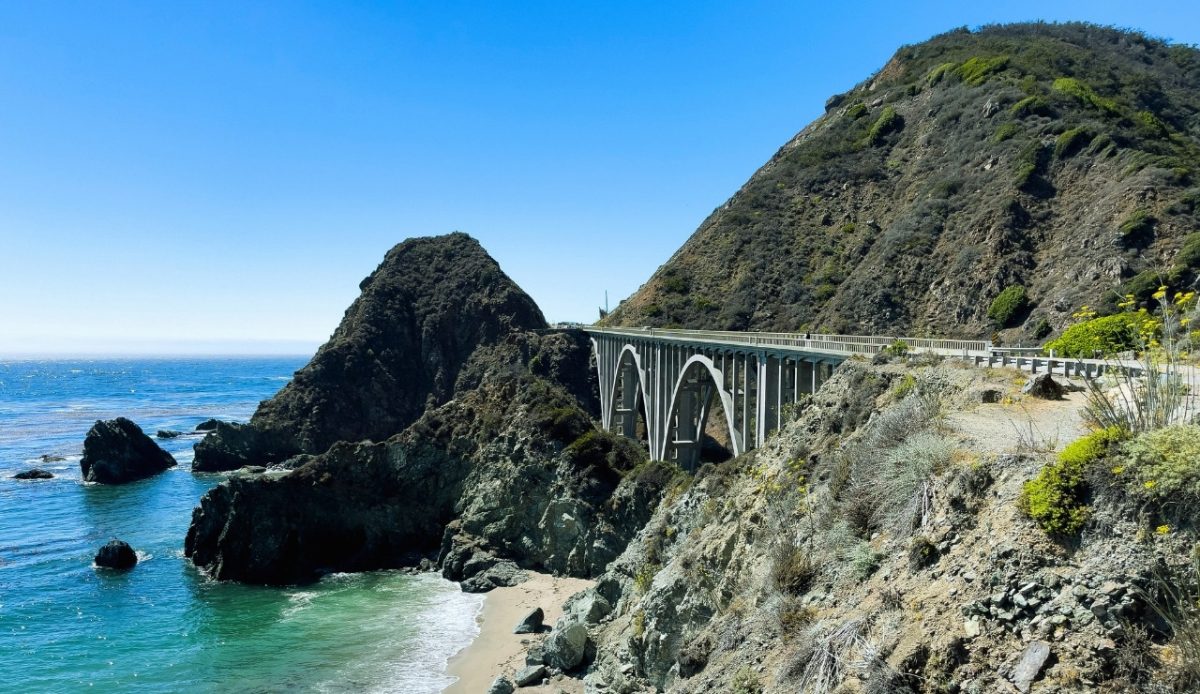
The Pacific Coast Route follows 1,850 miles from Vancouver, British Columbia, to San Diego, California, with optional extensions to Mexico. The path showcases rugged coastlines, redwood forests, and charming seaside towns. Adventure Cycling Association maps guide riders through safe shoulders and scenic detours. Most cyclists travel southbound for favorable winds and ocean views on their right. Campgrounds, hostels, and motels are spaced conveniently for daily stages. The route remains a rite of passage for touring cyclists, combining natural beauty, cultural stops, and continuous ocean scenery.
10. Carretera Austral, Chile
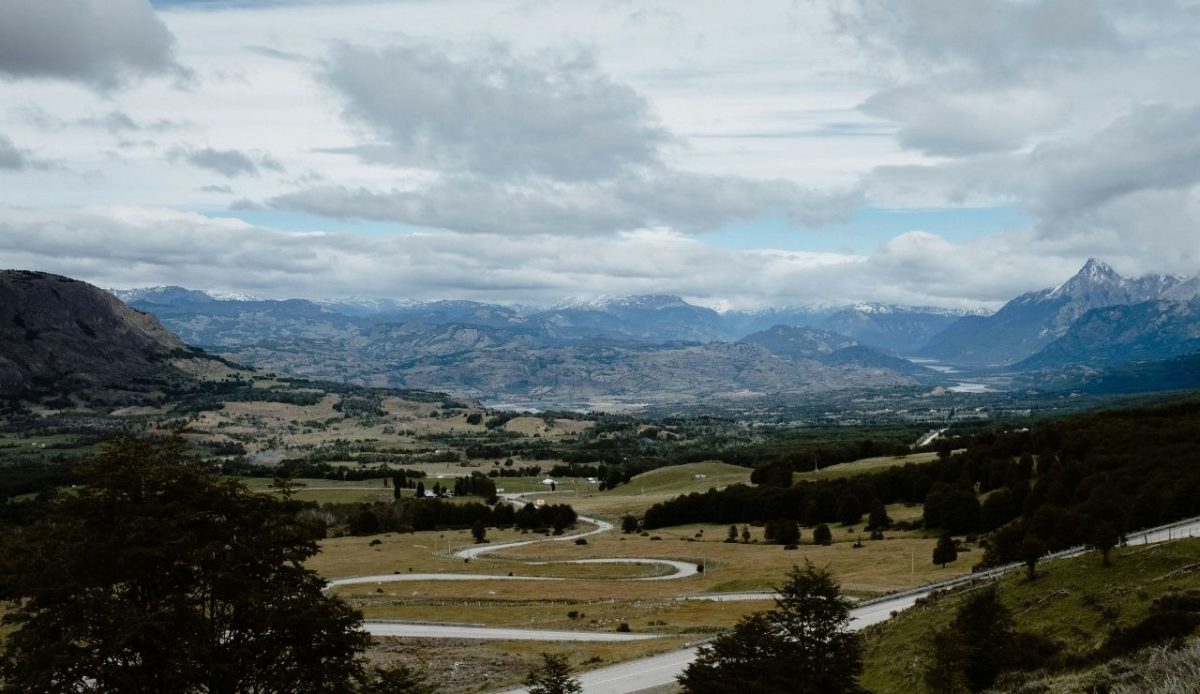
Chile’s Carretera Austral extends more than 1,200 kilometers through Patagonia’s most untouched landscapes. Cyclists follow gravel roads framed by glaciers, fjords, and dense forests. The journey runs from Puerto Montt to Villa O’Higgins and attracts adventure riders from around the world. Small ferry crossings and occasional rough stretches add variety to the ride. Local guesthouses and small stores supply basic needs, but preparation is essential. The Chilean tourism board promotes it as one of South America’s great wilderness routes, offering solitude, beauty, and true endurance travel.
11. Loire à Vélo, France
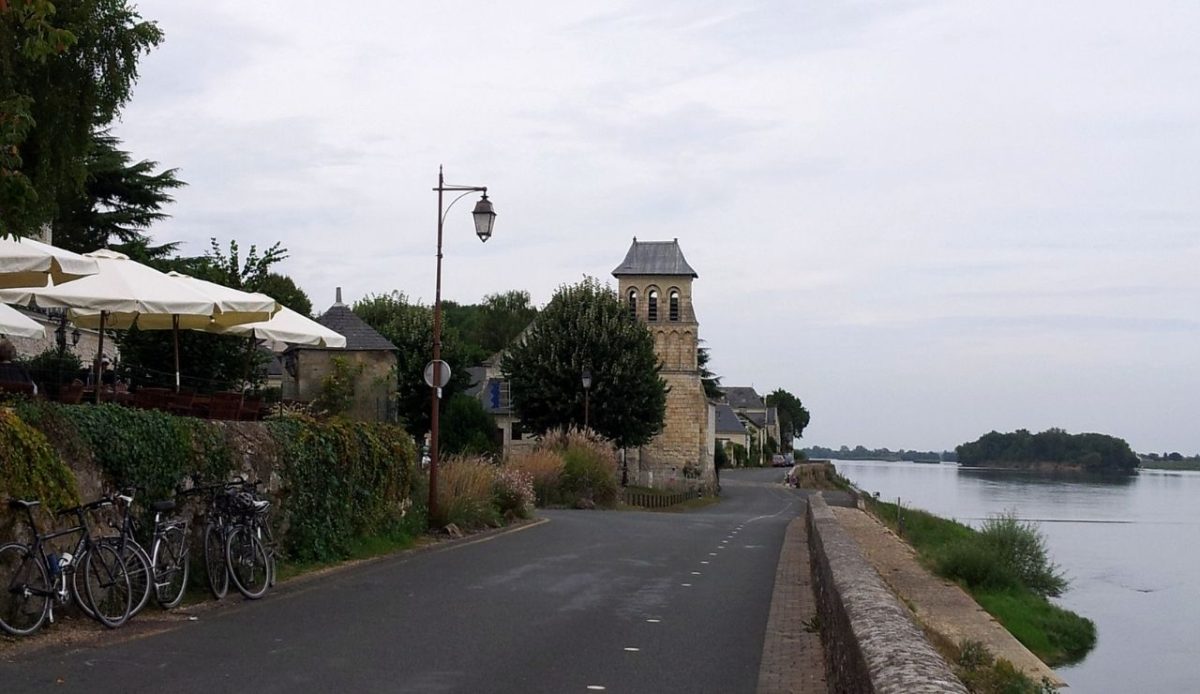
Loire à Vélo stretches nearly 900 kilometers through the Loire Valley, following the river from Nevers to the Atlantic. Cyclists pass fairytale castles, vineyards, and flowered villages while traveling on mostly flat paths. It connects to the broader EuroVelo 6 network, making it part of one of Europe’s best-organized bike systems. The route is well signposted and serviced by bike-friendly lodgings, trains, and repair stations. Families and casual riders appreciate its accessibility, while seasoned cyclists enjoy its historical charm. Spring and early autumn provide ideal weather and lighter crowds.
12. Rhine Cycle Route, Switzerland to the Netherlands
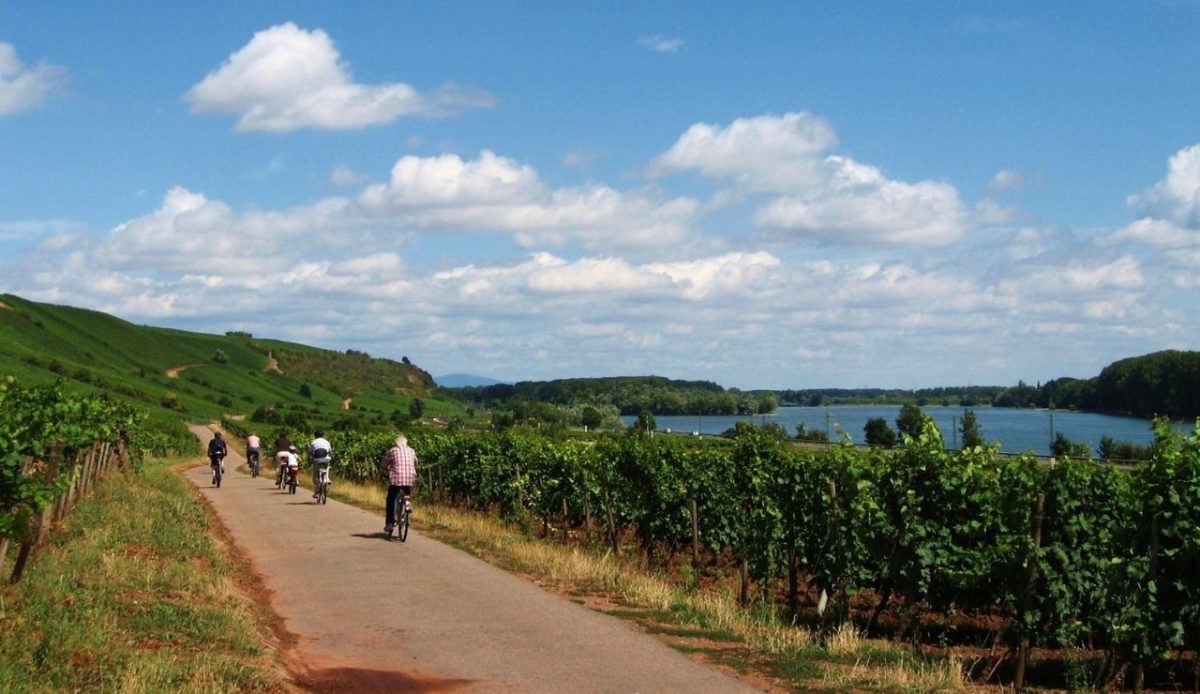
The Rhine Cycle Route, known as EuroVelo 15, traces the river’s full course from the Swiss Alps to the North Sea. Cyclists experience six countries and diverse landscapes ranging from mountain valleys to Dutch delta wetlands. Towns like Basel, Strasbourg, and Cologne offer easy accommodations, while river ferries connect both sides of the trail. Smooth paved paths make the route suitable for touring bikes and e-bikes alike. Riders often highlight the blend of natural and urban scenery as its main appeal. Official signage ensures navigation is easy throughout the entire journey.
