
Asia holds some of the planet’s most remarkable waterfalls, each reflecting the region’s unique geography and culture. From volcanic ridges and rainforest cliffs to high mountain valleys, these natural wonders draw visitors for their beauty and the local traditions that surround them. Some lie deep in protected parks, while others are easily reached from major cities. Together, they show how rivers have shaped landscapes and communities across the continent. Here are the 12 waterfalls across Asia that deserve a place on any traveler’s bucket list.
1. Bản Giốc–Detian Falls, Vietnam/China
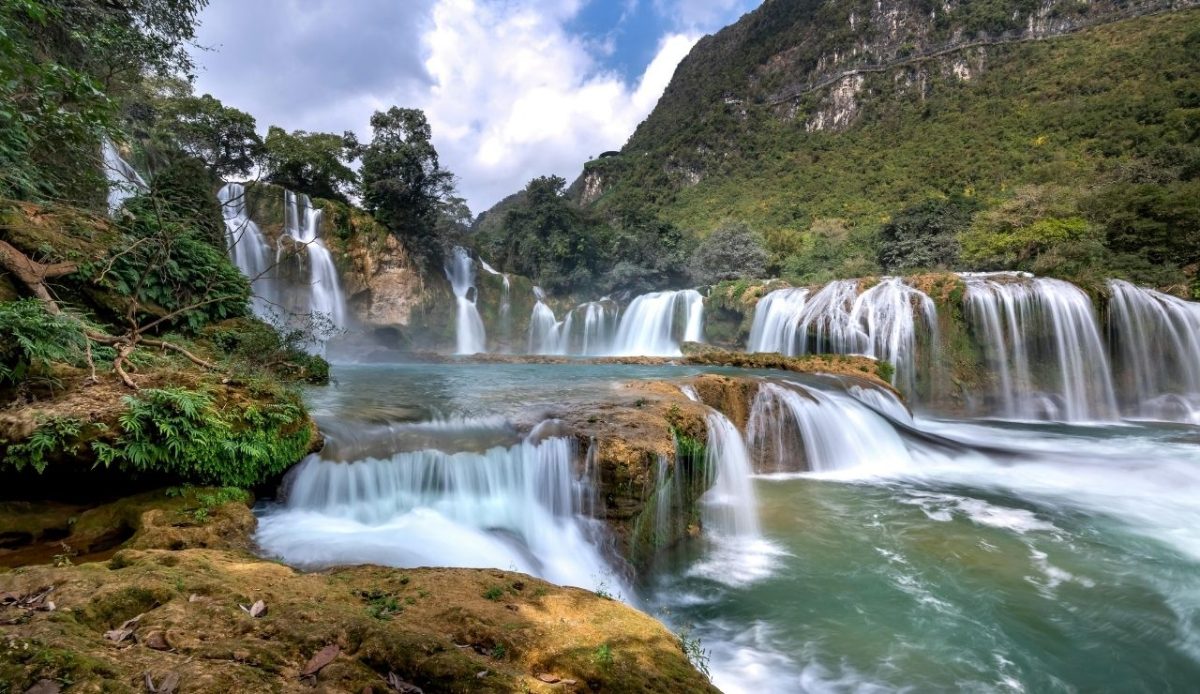
Straddling the border between Vietnam’s Cao Bằng Province and China’s Guangxi region, Bản Giốc–Detian ranks among the largest transnational waterfalls in the world. Its multiple tiers stretch nearly 650 feet across and tumble into jade pools framed by karst peaks. Local boats glide near the base, where the spray cools the air and amplifies the roar. During the rainy season, the flow grows stronger and fills the valley with mist. The area forms part of a UNESCO-recognized geopark, which protects rare geology and supports local livelihoods through careful, community-led tourism.
2. Kuang Si Falls, Laos
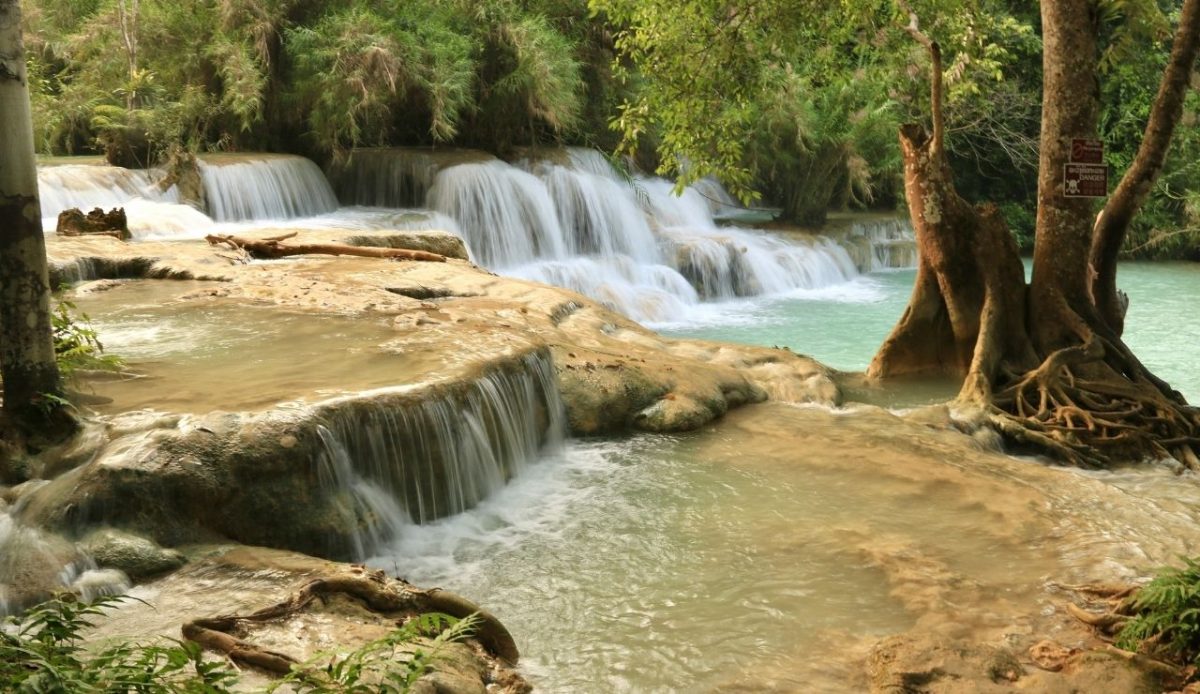
Located 18 miles south of Luang Prabang, Kuang Si features a series of turquoise cascades that pass through dense forest into shallow natural pools. Visitors can swim, follow short trails, and photograph the distinct levels that rise above one another. The site also supports the Tat Kuang Si Bear Rescue Center, which shelters endangered Asiatic black bears nearby. Early morning offers calm water and fewer crowds, while late afternoon brings softer light for photos. Its clear pools, forest setting, and easy access make Kuang Si one of Laos’s most admired natural landmarks.
3. Tumpak Sewu, Indonesia
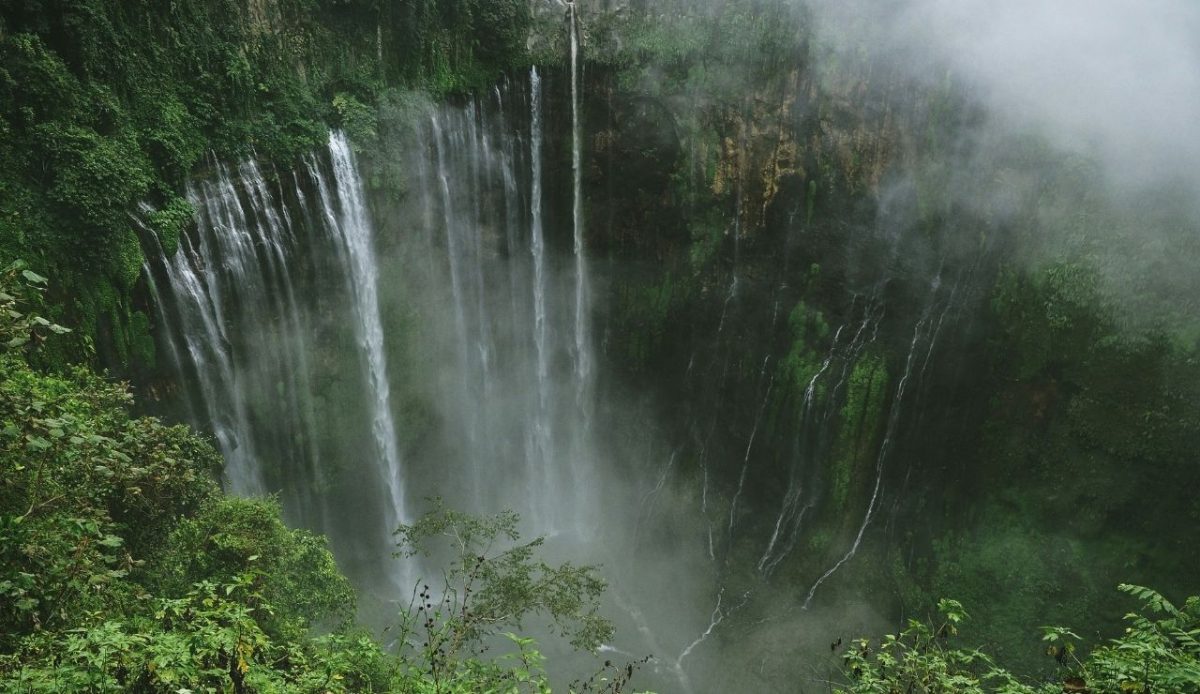
Tumpak Sewu, meaning “A Thousand Waterfalls,” lies between Lumajang and Malang in East Java. Water spills from nearly every section of a semicircular cliff, forming a curtain over 390 feet tall. The backdrop of Mount Semeru, Indonesia’s highest volcano, adds to the spectacle. Travelers descend narrow steps and bamboo ladders to reach the canyon floor, where mist fills the air and sound reverberates through the rock walls. The remote approach keeps it relatively quiet, and those who arrive at sunrise gain striking views as light sweeps across the green ravine.
4. Sekumpul Waterfall, Indonesia
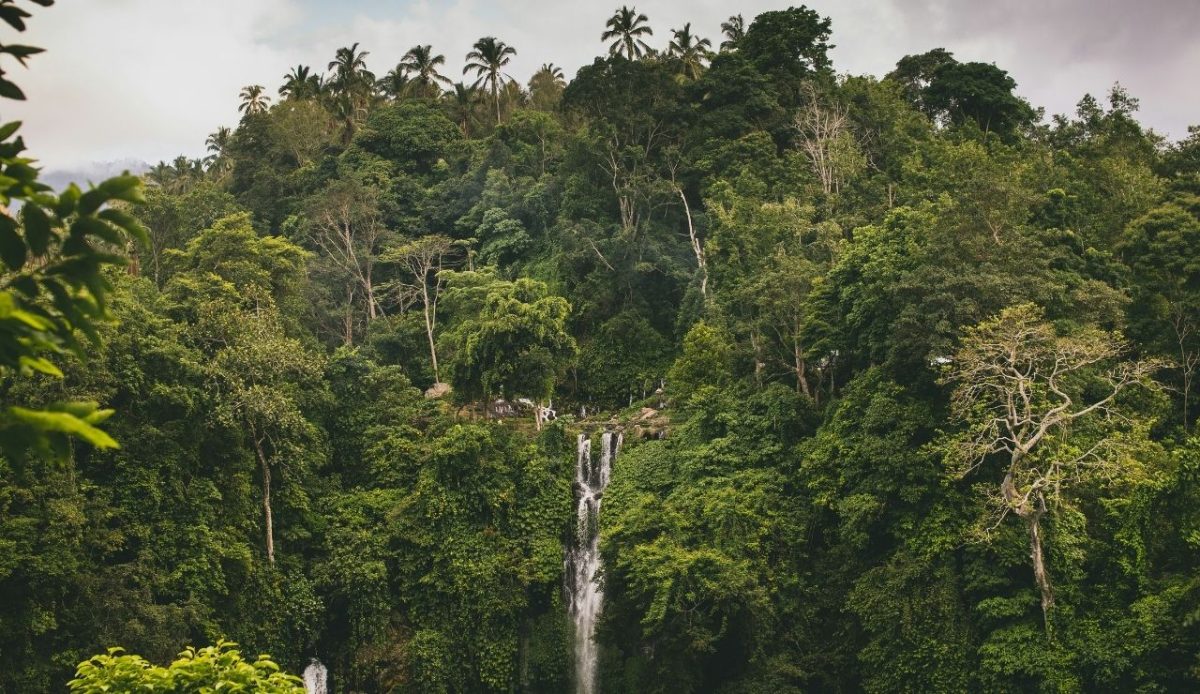
In the highlands of North Bali’s Buleleng Regency, Sekumpul is a cluster of several falls that drop through thick forest into a narrow valley. The trek to the viewpoint passes terraced rice fields and river crossings, building anticipation as the rush grows louder. At the base, fine mist rises like smoke, and locals sometimes visit for prayer ceremonies linked to nearby temples. Unlike Bali’s crowded beach areas, Sekumpul shows the island’s quieter interior and offers time for reflection. It also supports village guides who help maintain trails and protect the surrounding terrain.
5. Erawan Falls, Thailand
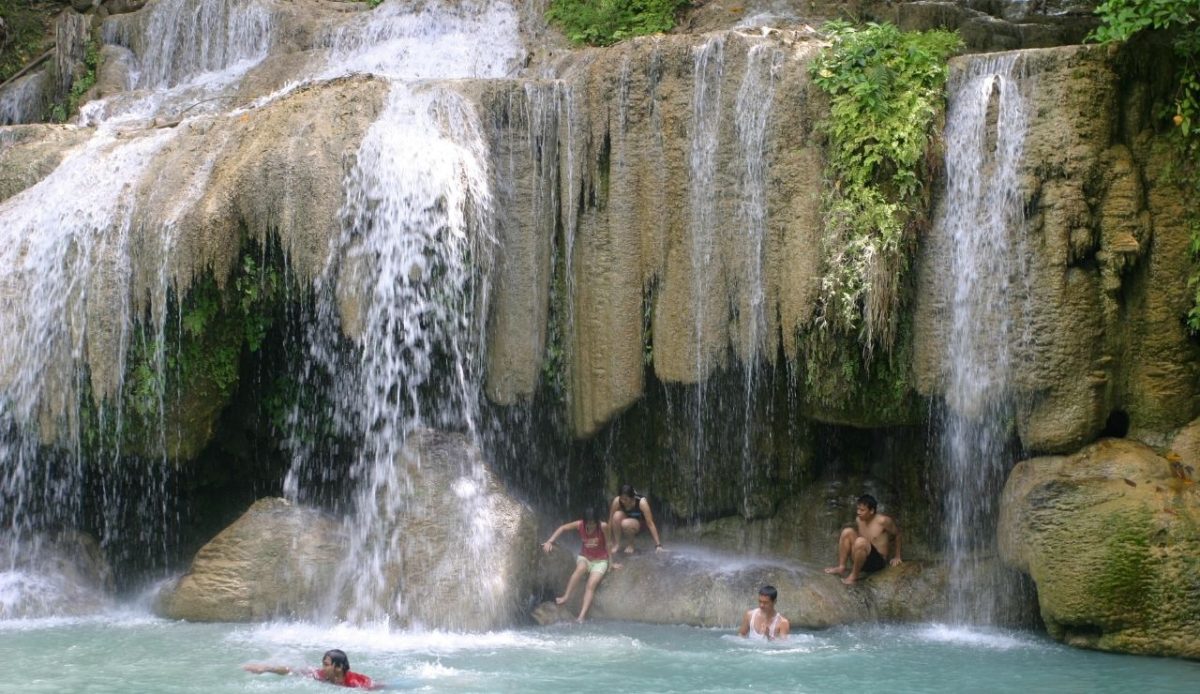
Erawan Falls, inside Erawan National Park in Kanchanaburi Province, consists of seven limestone tiers cascading into emerald pools. The park takes its name from a three-headed elephant in local lore that the upper tiers are said to resemble. Each level invites swimming, and small fish gather at the water’s edge. Trails connect the terraces under tropical trees where macaques appear at times. Visiting on a weekday keeps the paths quieter and the water clear. The park’s rules limit waste and crowding, which helps conserve Thailand’s freshwater habitats for future visitors.
6. Thi Lo Su, Thailand
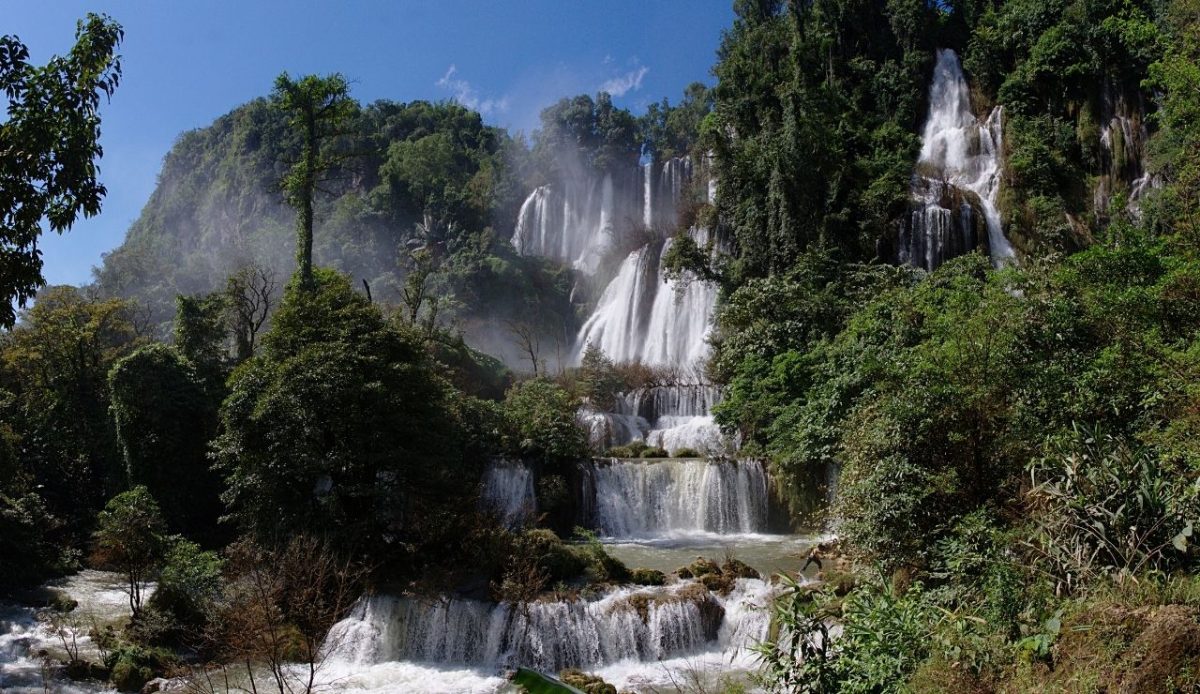
Deep within Tak Province’s Um Phang Wildlife Sanctuary, Thi Lo Su cascades down a 1,600-foot limestone cliff. It is the largest waterfall in Thailand, fed by mountain streams that stay active most of the year. Reaching it requires a boat trip and a short forest hike, but the journey feels rewarding once the sound of rushing water echoes through the trees. The area shelters rare birds and orchids, and local rangers manage access to preserve its natural setting. November to April brings the clearest trails and moderate flow for safe visits.
7. Nachi no Taki, Japan
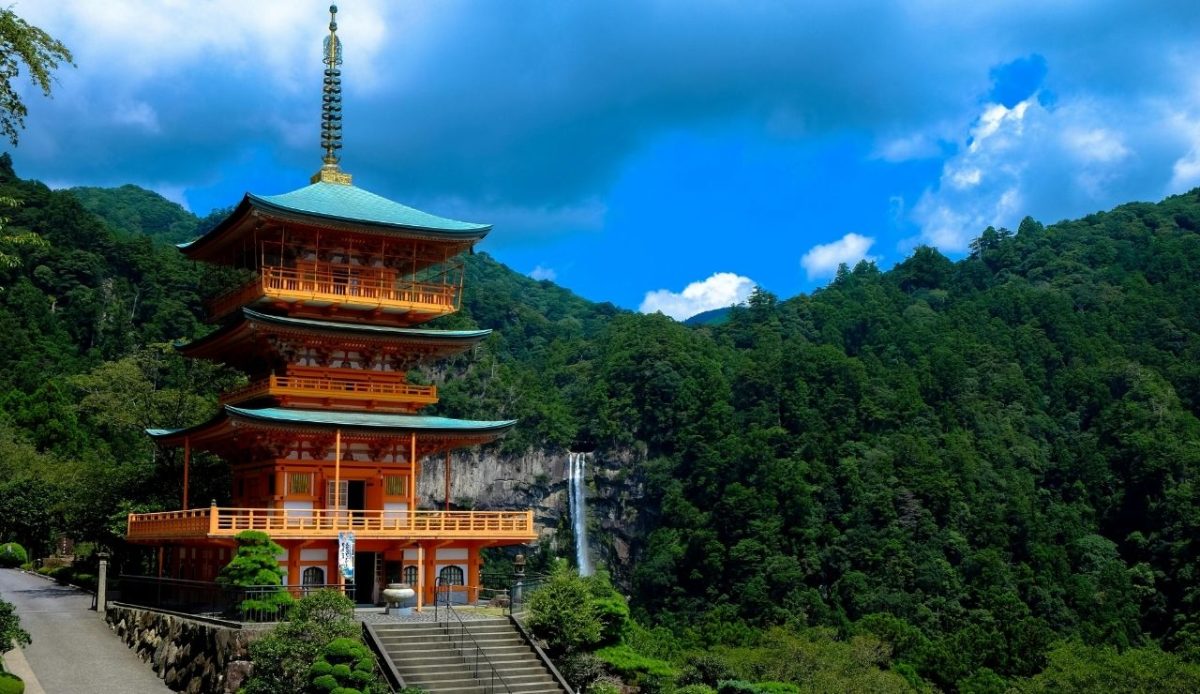
Nachi no Taki drops 436 feet in a single straight plunge through a cedar forest near the town of Nachikatsuura. It holds deep religious meaning in Shinto and Buddhist traditions, standing beside the bright red Seiganto-ji Temple and the Kumano Nachi Taisha shrine. Visitors can view it from temple balconies or follow a stone path that leads to its base. The surrounding pilgrimage routes form part of a UNESCO World Heritage site, showing how nature and faith intertwine in Japan’s mountainous Kii Peninsula.
8. Kegon Falls, Japan
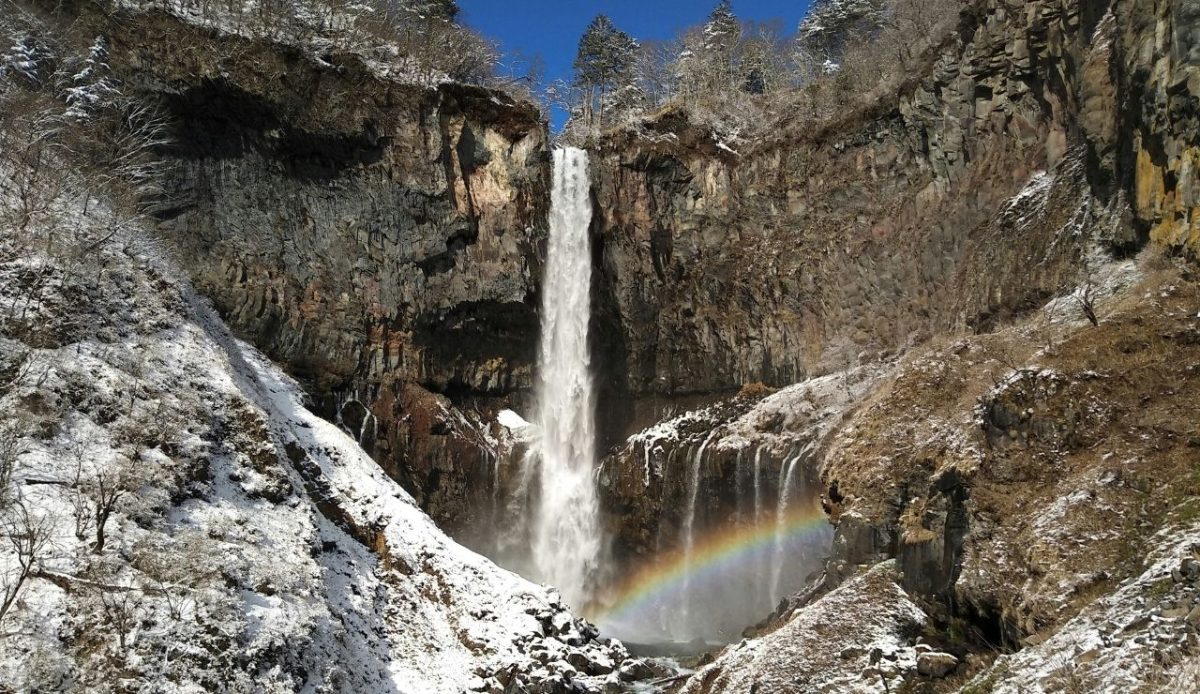
Located in Nikkō National Park, Kegon Falls channels water from Lake Chūzenji through a cliff nearly 320 feet high. An elevator leads to an observation deck where visitors can see spray rising from the gorge. The fall changes dramatically with each season—green in summer, golden in autumn, and frozen into blue ice columns during winter. Its easy access from Tokyo makes it one of Japan’s most photographed natural sites. The area also protects several smaller cascades that feed the same river system, forming a balanced mountain watershed.
9. Nohkalikai Falls, India
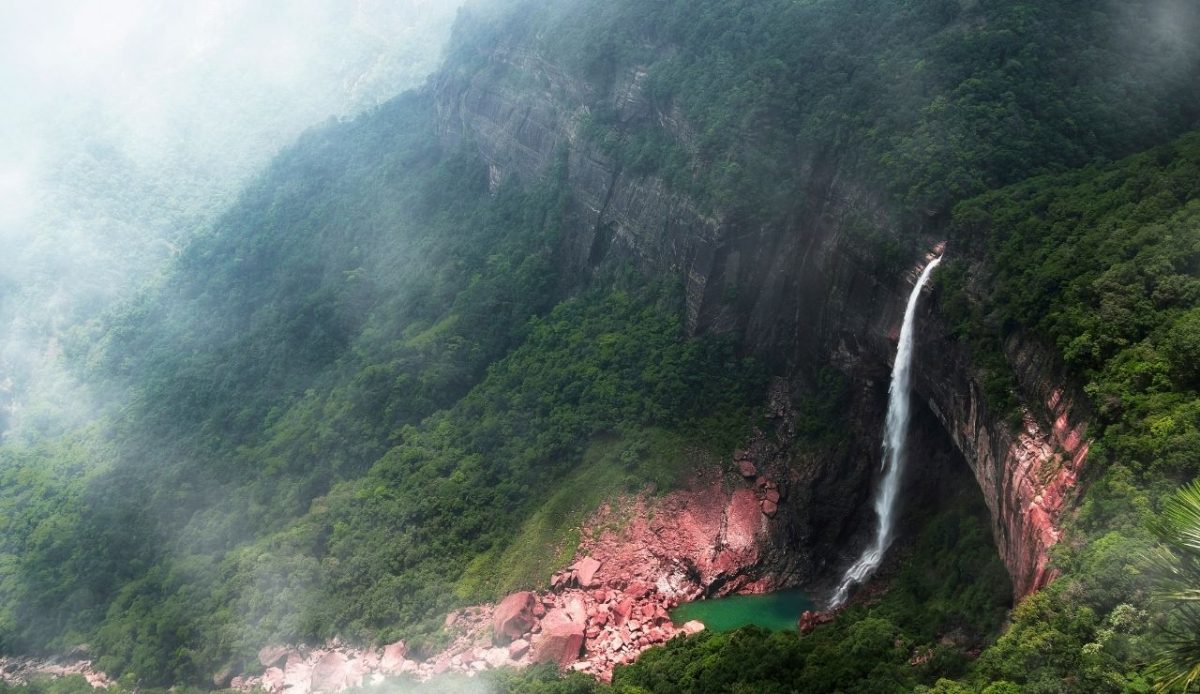
Near the town of Cherrapunjee in Meghalaya, Nohkalikai plunges over 1,100 feet from a sandstone cliff into a turquoise pool below. It is the tallest plunge waterfall in India and one of the wettest regions on Earth. The viewpoint reveals deep valleys wrapped in clouds that move quickly across the plateau. Seasonal changes transform the flow from a thin ribbon in winter to a roaring torrent during monsoon months. Small local markets near the site sell honey and spices, giving travelers a taste of Khasi culture alongside the scenery.
10. Shifen Waterfall, Taiwan
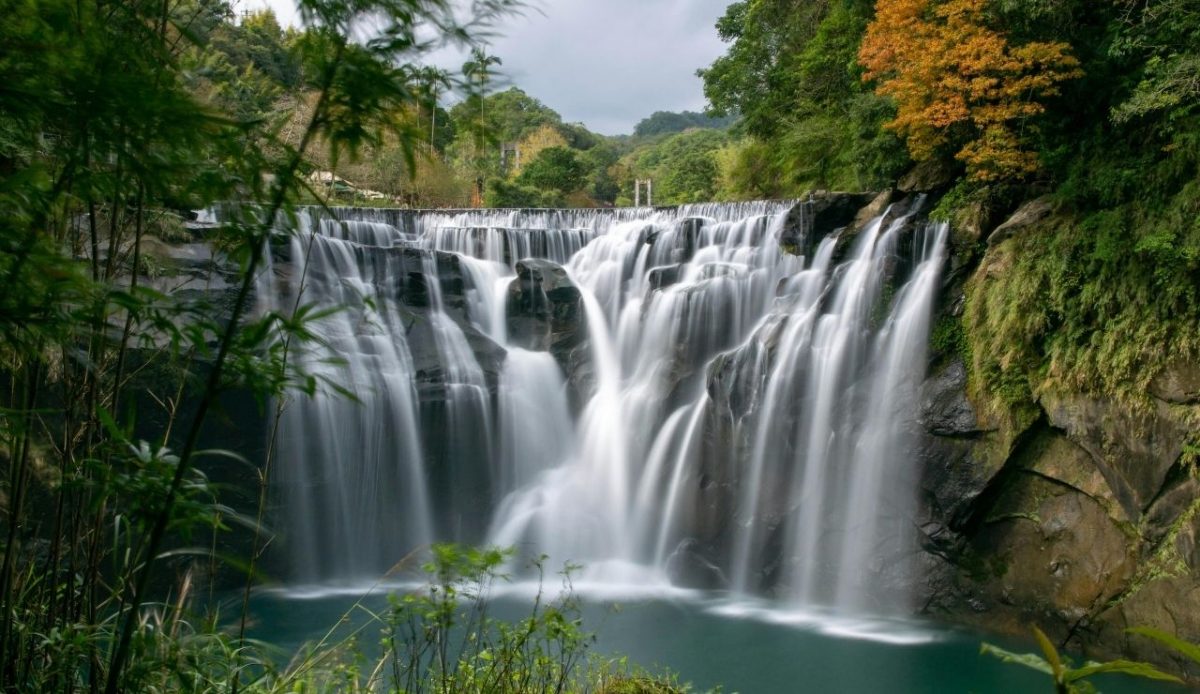
Shifen Waterfall lies near Pingxi in New Taipei City and is often called the “Niagara of Taiwan” for its 130-foot width and powerful arc. It sits along an old railway line once used for coal transport, now popular for day trips. The viewing bridges provide clear angles of the curtain-like flow as it plunges into the Keelung River. Nearby, visitors release sky lanterns carrying written wishes into the air, adding cultural charm to the experience. The combination of nature, history, and tradition makes Shifen one of Taiwan’s best-loved outdoor sights.
11. Jeongbang Waterfall, South Korea
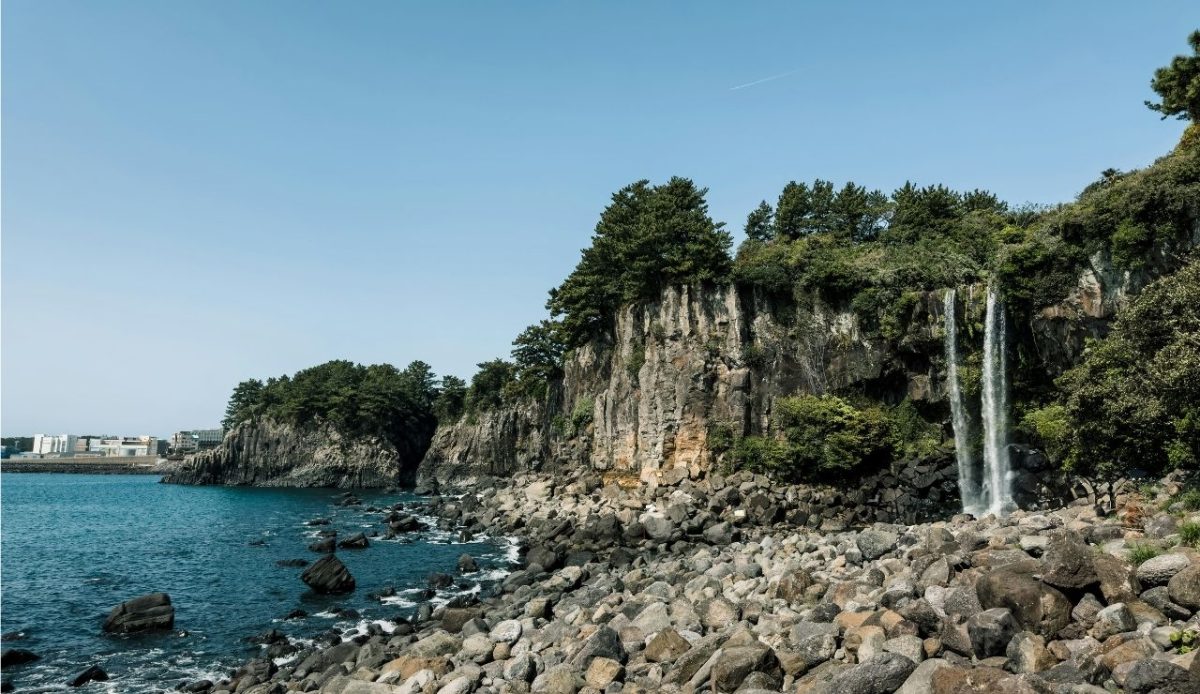
Jeongbang Waterfall, located on Jeju Island’s southern coast, is unique in Asia because it falls directly into the sea. The 75-foot drop is surrounded by basalt cliffs formed by ancient lava flows, creating a dramatic contrast between black rock and white spray. Visitors can walk across smooth coastal stones to reach the base and feel the ocean mist. The waterfall holds cultural significance as well, linked to old Korean legends about healing and fortune. The best viewing time is after rainfall, when the stream strengthens and reflects sunlight across the bay.
12. Diyaluma Falls, Sri Lanka
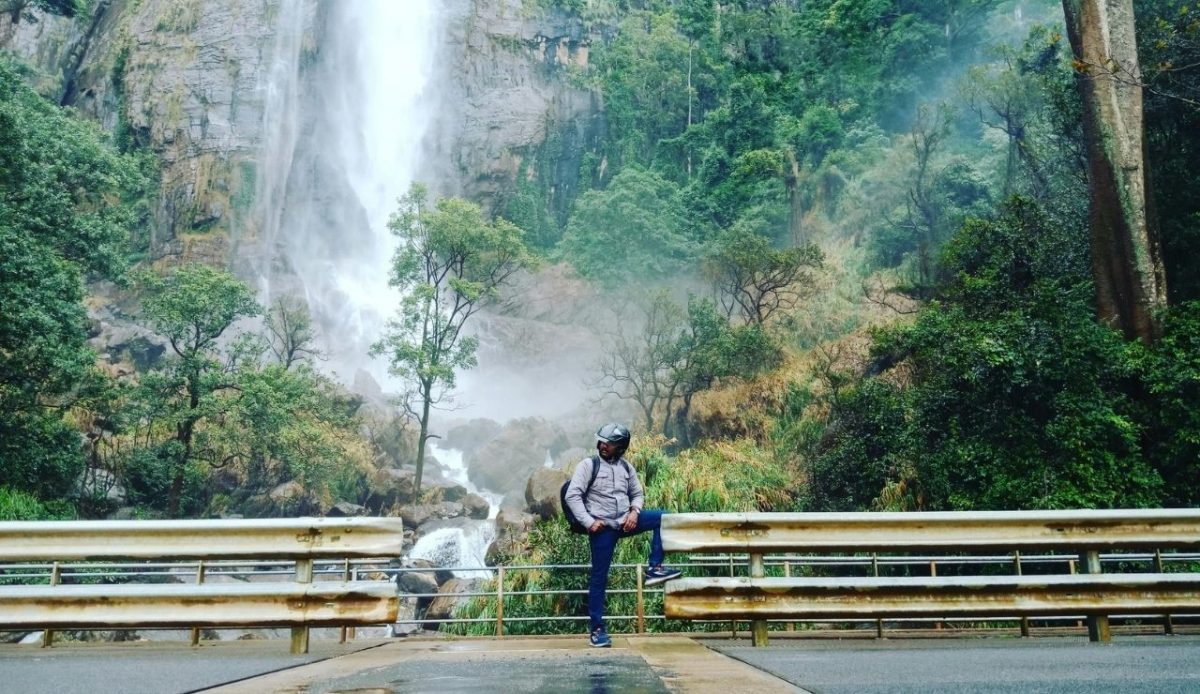
Rising 720 feet above the Badulla District, Diyaluma is Sri Lanka’s second-highest waterfall and one of its most scenic. The upper section forms a series of natural infinity pools where visitors can safely swim while overlooking green hills. The path from Poonagala winds through tea plantations and misty slopes before opening to the vast drop. Its name means “rapid flow of water” in the Sinhalese language, and locals often visit on weekends for picnics. Responsible tourism guidelines now protect the area to preserve both its beauty and fragile highland ecosystem.
