
The American civil rights movement reshaped the nation by challenging injustice and advancing equality, leaving behind powerful landmarks that tell the story of courage, sacrifice, and progress. From churches where leaders preached hope to bridges where ordinary citizens marched for freedom, these places stand as reminders of resilience and the ongoing fight for justice. Visiting them provides more than a history lesson; it’s a way to honor the past, understand the struggle, and reflect on how far America has come and how far it must still go.
1. Martin Luther King Jr. National Historical Park, Georgia
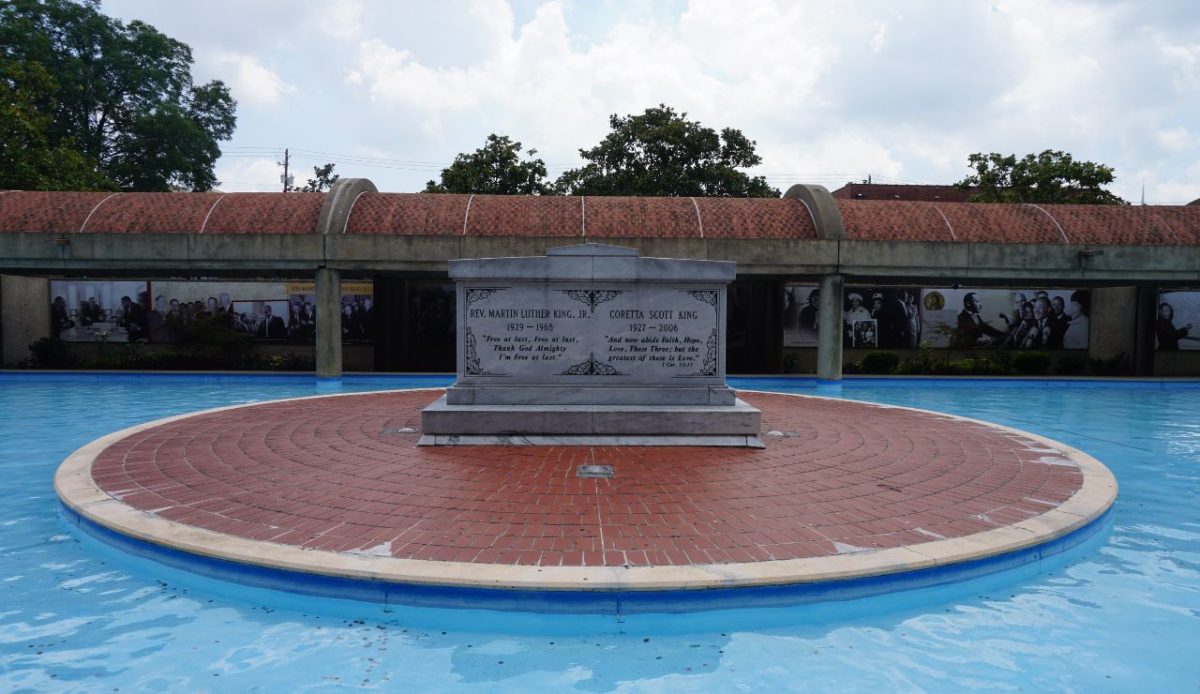
In Atlanta, the Martin Luther King Jr. National Historical Park preserves the neighborhood where Dr. King grew up and shaped his vision. Visitors can tour his childhood home, the historic Ebenezer Baptist Church, and the King Center, which houses exhibits and archives about his work. The park highlights his leadership during pivotal civil rights campaigns and offers a reflection on his lasting impact. A guided tour gives a deeper perspective into his personal journey, his community, and the movement that transformed America.
2. Edmund Pettus Bridge, Alabama
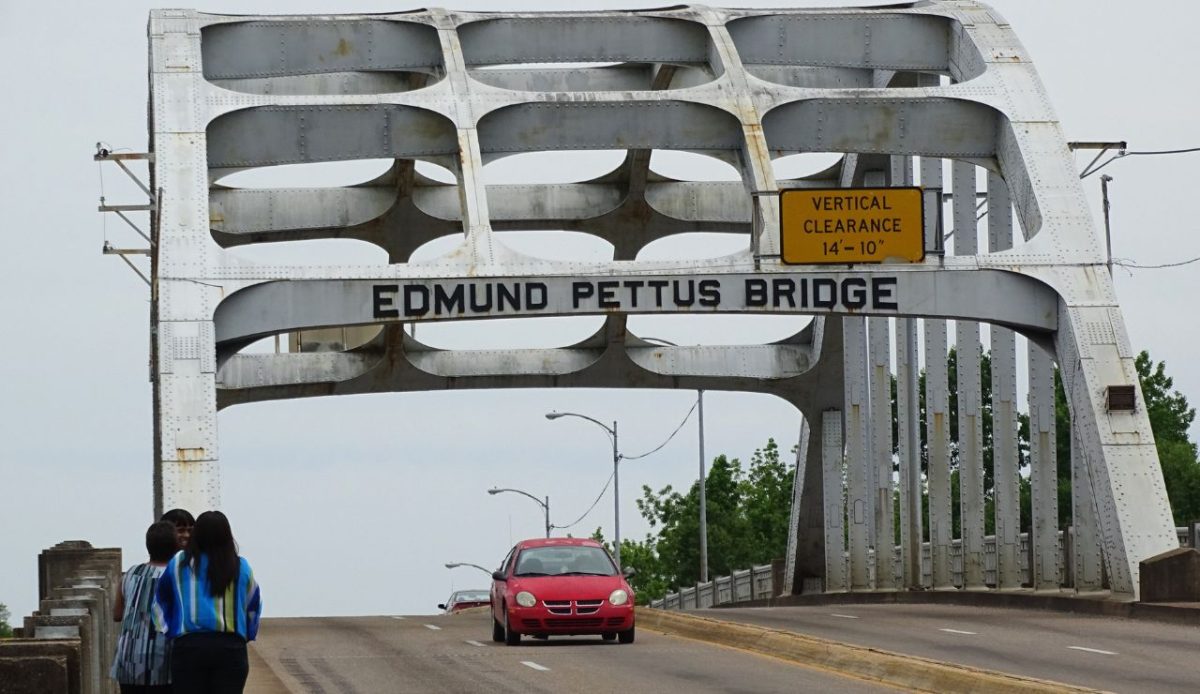
The Edmund Pettus Bridge in Selma became an international symbol of courage after “Bloody Sunday” in 1965, when peaceful marchers demanding voting rights were violently attacked. Crossing the bridge today offers a chance to connect with those who risked everything for democracy. The site continues to host annual commemorations that honor the struggle and highlight ongoing challenges to equality. Travelers can walk the bridge, explore interpretive signs, and visit the National Voting Rights Museum nearby for a powerful, immersive experience.
3. National Civil Rights Museum at the Lorraine Motel, Tennessee
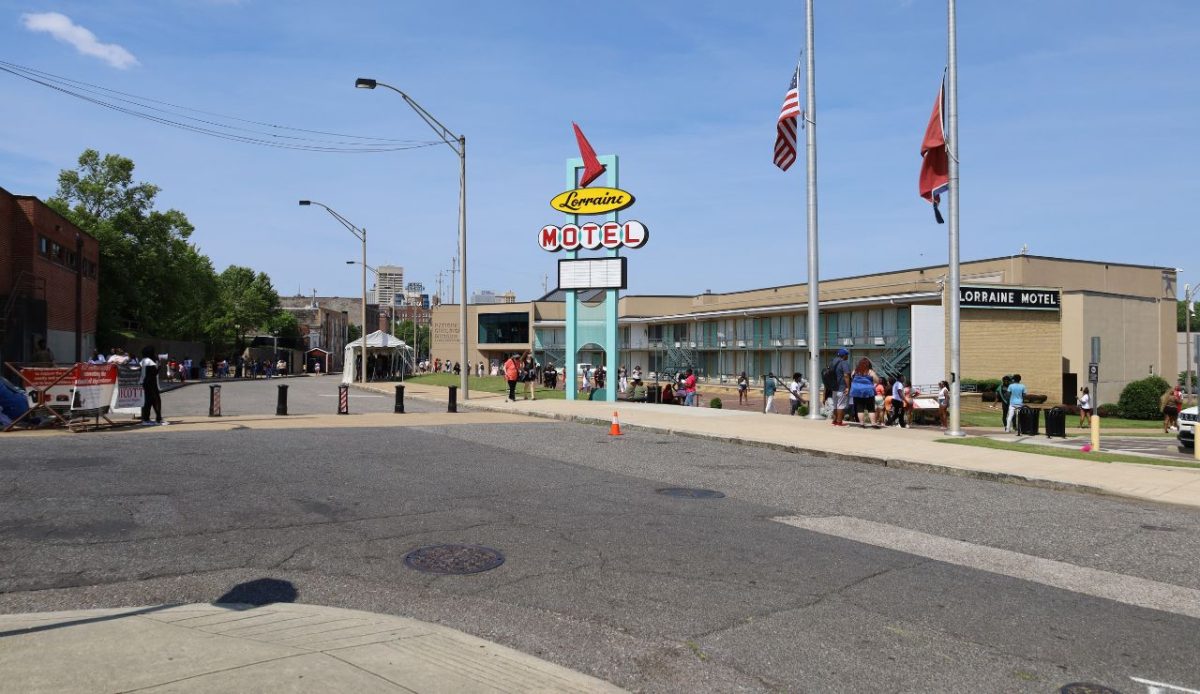
Built around the Lorraine Motel in Memphis, where Dr. King was assassinated in 1968, this museum provides an in-depth journey through civil rights history. Exhibits trace events from slavery to the modern struggle for justice, with multimedia displays and preserved rooms adding emotional weight. The museum blends personal stories with broader historical context, making the experience both educational and moving. Visitors should plan several hours here, as the interactive exhibits and archives offer a comprehensive look at America’s fight for equality.
4. 16th Street Baptist Church, Alabama
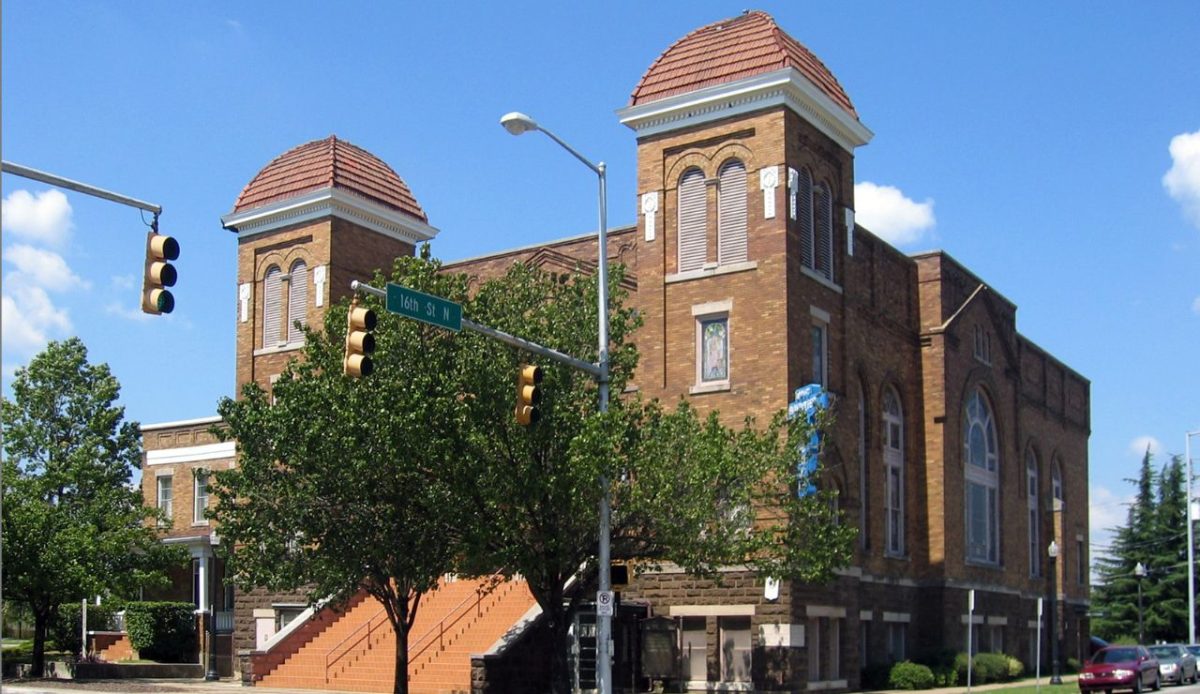
In Birmingham, the 16th Street Baptist Church stands as both a place of worship and a symbol of resilience. The church gained tragic notoriety in 1963, when a bomb planted by white supremacists killed four young girls, galvanizing support for the movement. Beyond tragedy, it was also a hub for organizing protests and rallies. Today, it continues to function as a church and museum, with guided tours that share stories of loss, hope, and the community’s enduring commitment to justice.
5. Tuskegee Airmen National Historic Site, Alabama
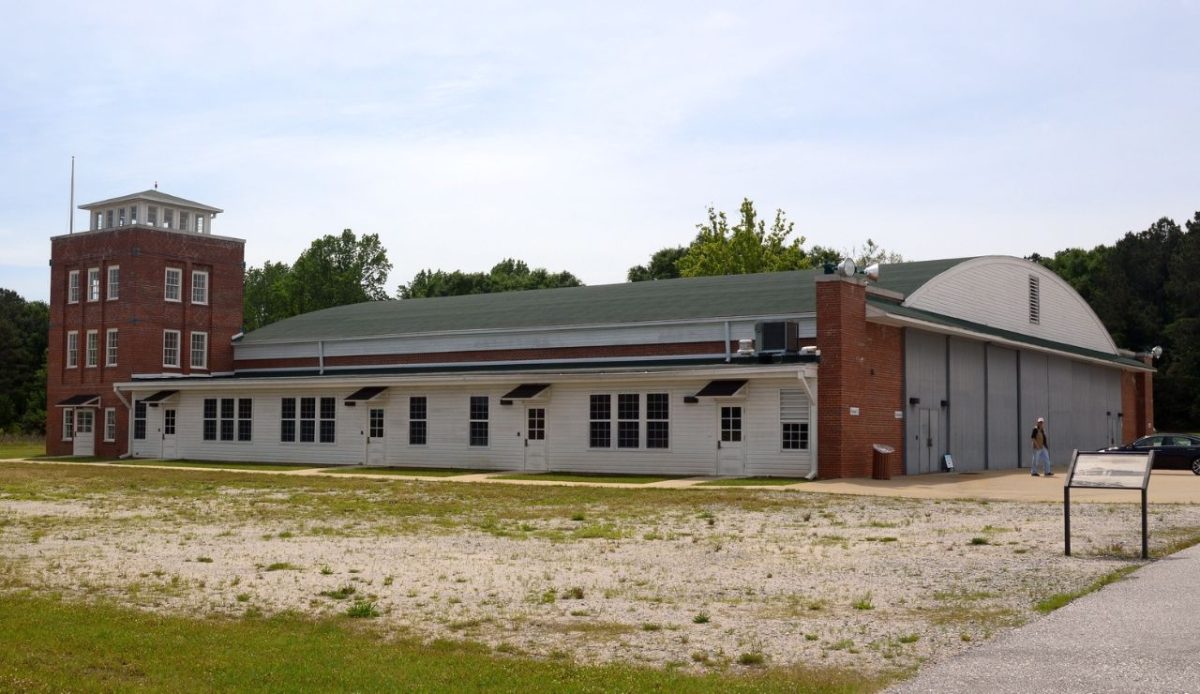
Located at Moton Field, this site honors the Tuskegee Airmen, the first African American military aviators in the U.S. Army Air Corps. Their success during World War II helped challenge racial stereotypes and contributed momentum to the later civil rights movement. Visitors can tour hangars, view restored aircraft, and hear personal stories of pilots and support crews. Practical tip: the interpretive center’s films and exhibits provide an inspiring context about their perseverance and national impact.
6. Greensboro Four Lunch Counter, North Carolina
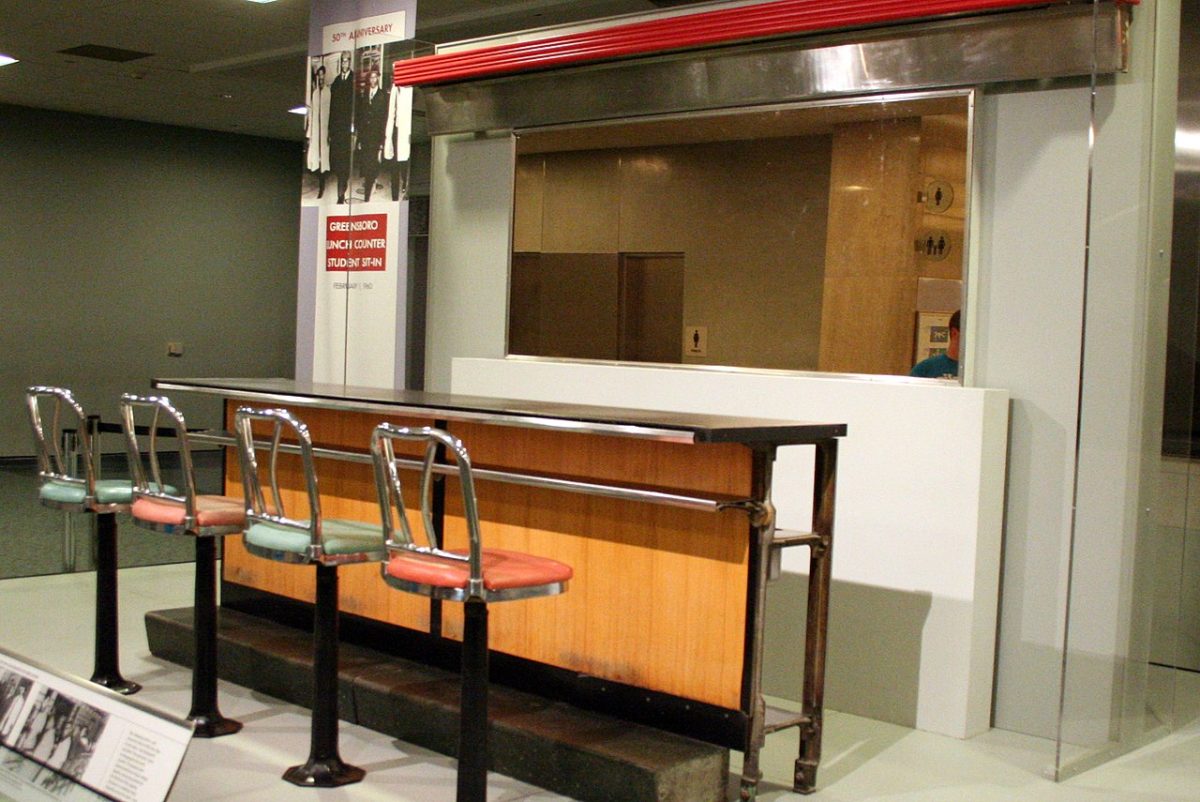
The International Civil Rights Center & Museum houses the original Woolworth’s lunch counter, where four Black students began a sit-in in 1960. Their peaceful protest against segregation sparked a wave of similar demonstrations nationwide. Visitors can view the counter and learn about the bravery of ordinary young people who ignited extraordinary change. The museum also highlights unsung heroes of the movement and shows how small acts of defiance built momentum. Guided tours deepen understanding of the courage and sacrifice behind nonviolent activism.
7. Little Rock Central High School, Arkansas
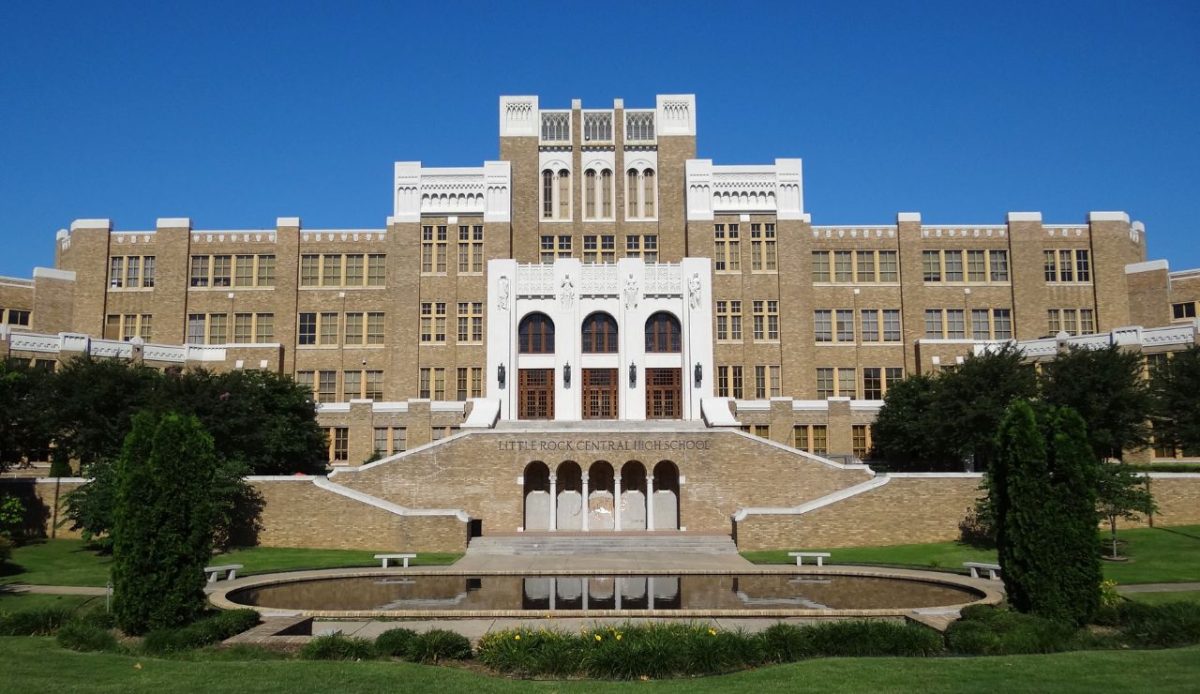
This still-functioning school became ground zero in 1957, when nine Black students integrated under federal protection despite intense hostility. The Little Rock Nine faced threats daily but stood firm, inspiring the nation. Today, visitors can explore exhibits, attend ranger-led tours, and see the imposing building where history unfolded. The site is both a working school and a living monument, symbolizing the power of education as a battleground for equality. Tours highlight personal stories that bring this critical chapter vividly to life.
8. Medgar Evers Home Museum, Mississippi
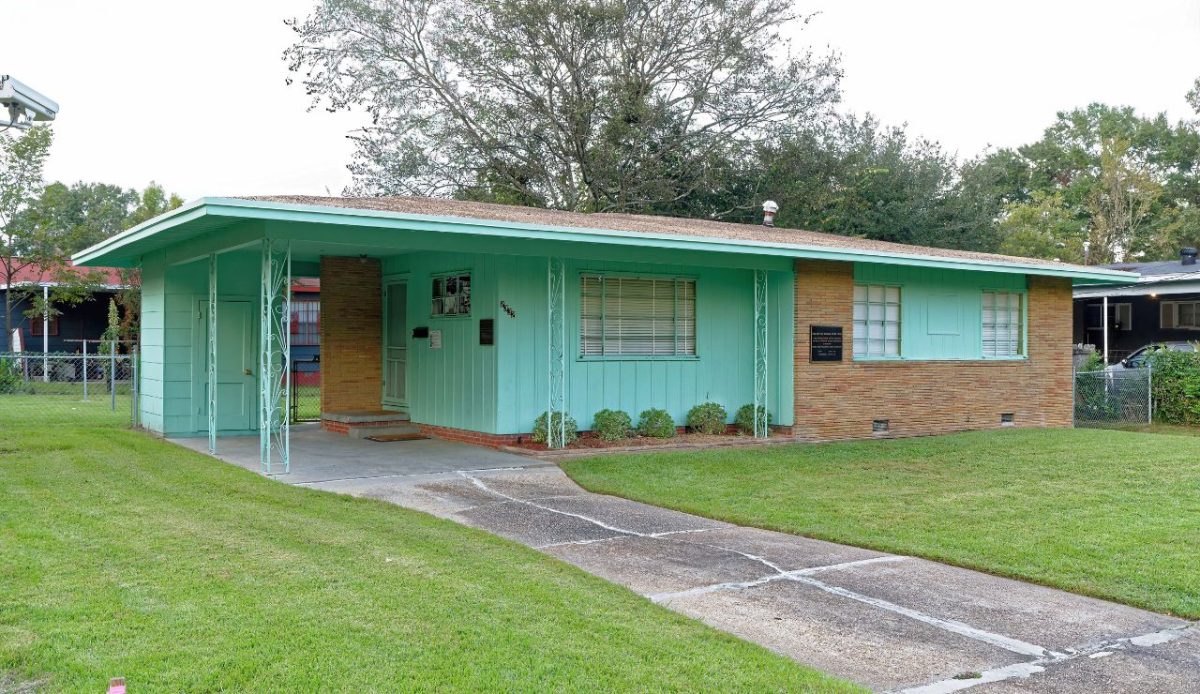
The modest Jackson home of Medgar Evers, NAACP field secretary, is preserved almost exactly as it was when he was assassinated in 1963. Visitors gain insight into Evers’ tireless work to register voters and fight segregation, as well as the personal risks civil rights leaders endured. Guided tours tell the story of his family life alongside his activism, showing the deep costs of the movement. The home’s simplicity and authenticity leave a powerful impression, turning an ordinary space into sacred ground for reflection.
9. Civil Rights Memorial, Alabama
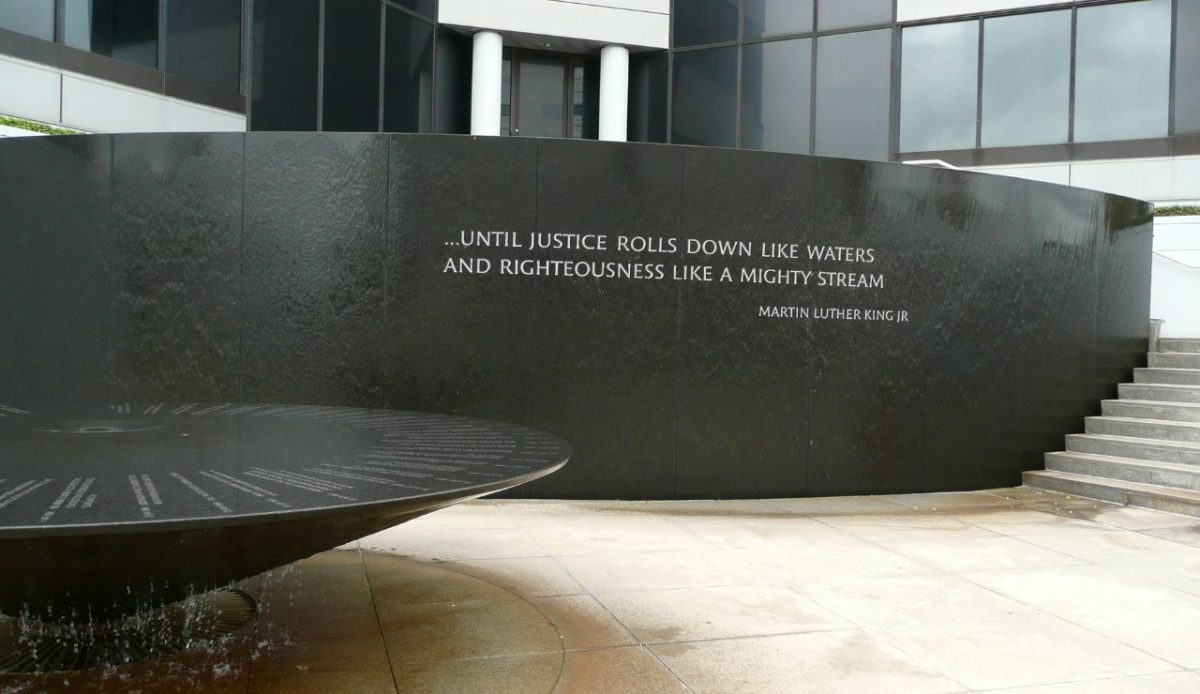
In Montgomery, the Civil Rights Memorial honors individuals who lost their lives in the fight for equality between 1954 and 1968. Designed by Maya Lin, the circular black granite fountain bears their names, with water flowing over its surface as a symbol of healing. Nearby, the Civil Rights Memorial Center expands the story with exhibits on justice, tolerance, and the ongoing pursuit of equality. The memorial is especially powerful at night, when lighting and water create a solemn, contemplative atmosphere.
10. Stonewall National Monument, New York
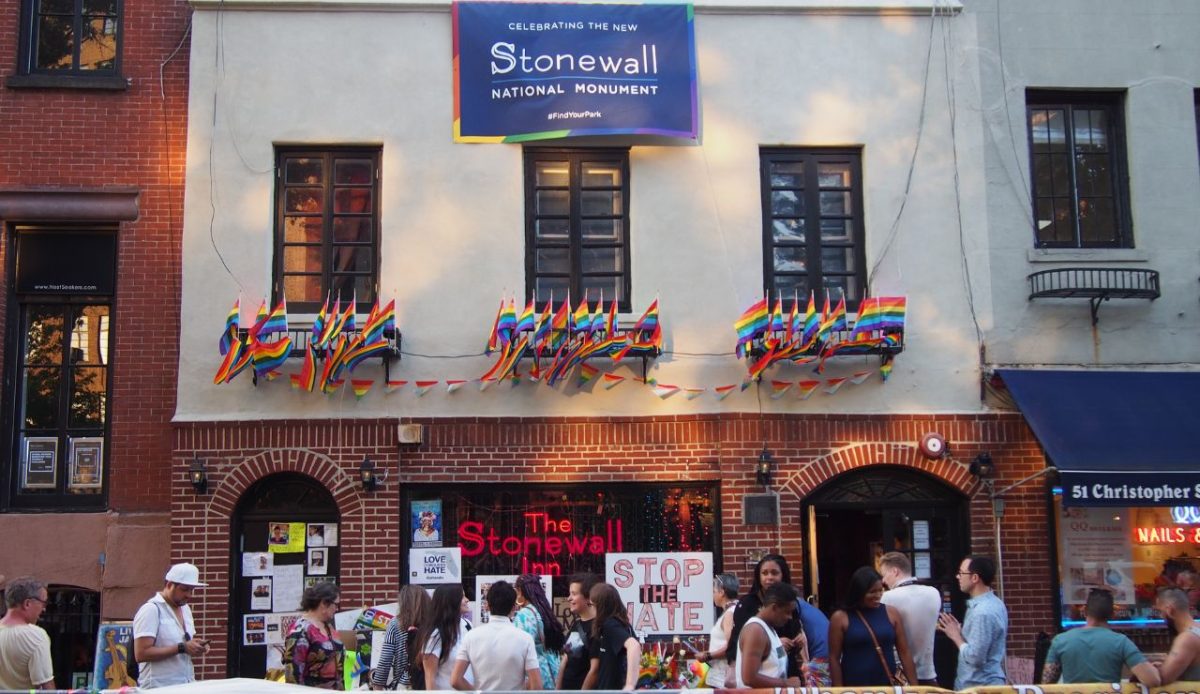
In New York City, the Stonewall Inn and surrounding streets mark the birthplace of the modern LGBTQ+ rights movement after the 1969 uprising. While focused on LGBTQ+ equality, this landmark connects to the broader American struggle for civil rights. The site includes commemorative signs, walking tours, and a visitor center. Practical tip: combine a visit with Greenwich Village’s cultural history, where activism, art, and community have long intersected to spark social change.
11. African American Civil War Memorial, Washington, D.C.
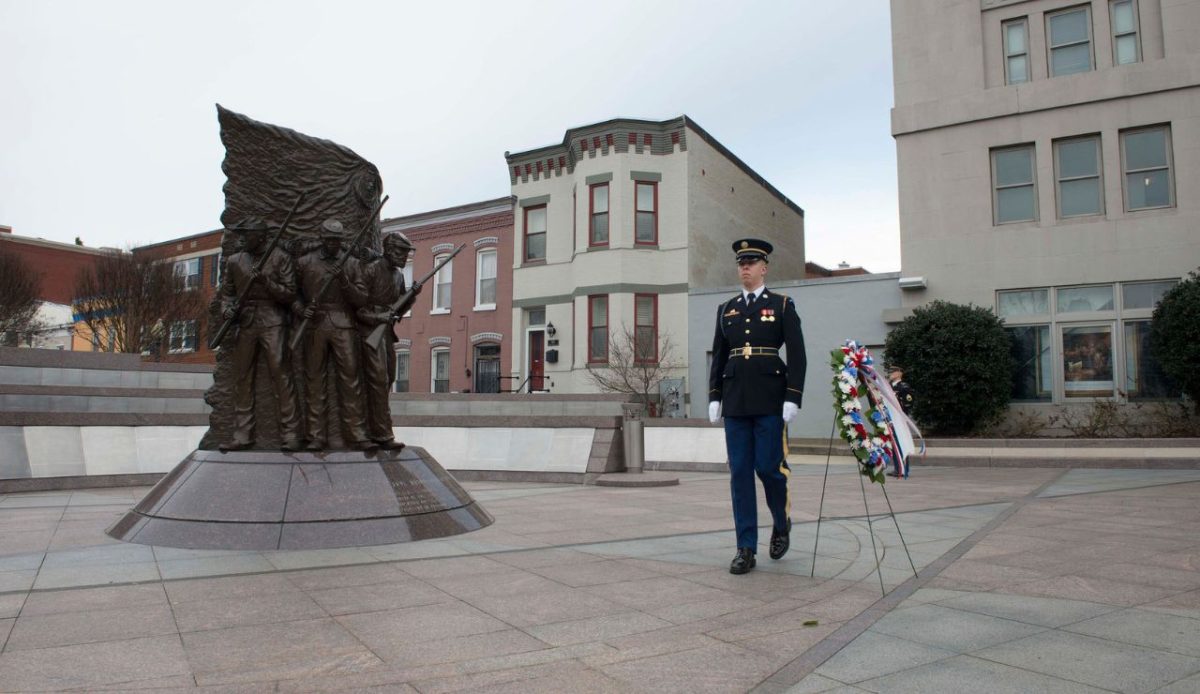
The African American Civil War Memorial honors the over 200,000 Black soldiers and sailors who served the Union, linking civil rights to earlier fights for freedom. A striking bronze sculpture stands at its center, while the museum documents the sacrifices and contributions of these troops. Visitors can learn how their courage helped pave the way for later struggles. The memorial provides a reminder that the pursuit of equality is deeply rooted in America’s history, long before the 1960s movement took shape.
12. Freedom Riders National Monument, Alabama
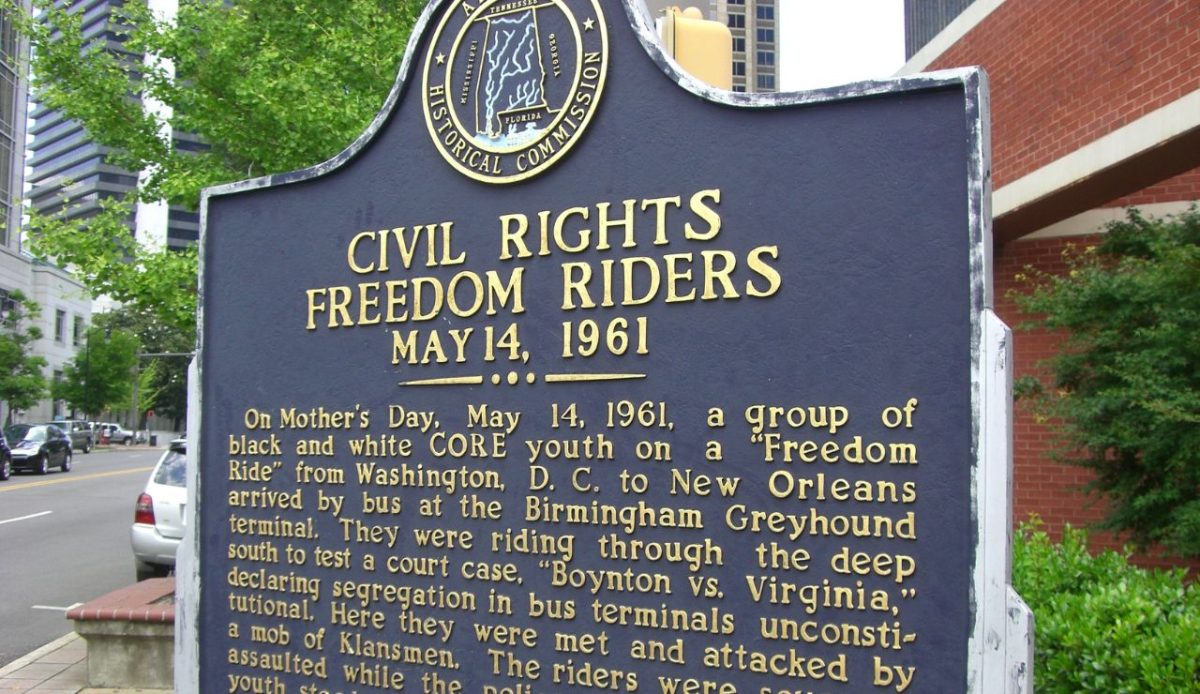
In Anniston, this monument preserves bus stations and sites where Freedom Riders were violently attacked in 1961 for challenging segregation in interstate travel. Exhibits recount the bravery of interracial activists who refused to back down despite assaults and arrests. The monument features interpretive panels and preserved locations, offering a vivid connection to events that tested America’s commitment to justice. Guided tours provide context, highlighting how the Freedom Riders’ defiance drew national attention and helped dismantle segregation in transportation.
