
Prague attracts steady crowds during most travel months, which can reduce quiet moments for couples who prefer slower-paced days. Many smaller European cities keep their centers easier to navigate and offer calmer places to walk, talk, and plan simple routines. These destinations feature historic structures, well-organized streets, and dependable dining options, all without the heavy pressure often found in busier capitals. Each city allows unhurried exploration, steady scenery, and comfortable evenings where couples can focus on shared time instead of navigating noise or congestion.
1. Colmar, France
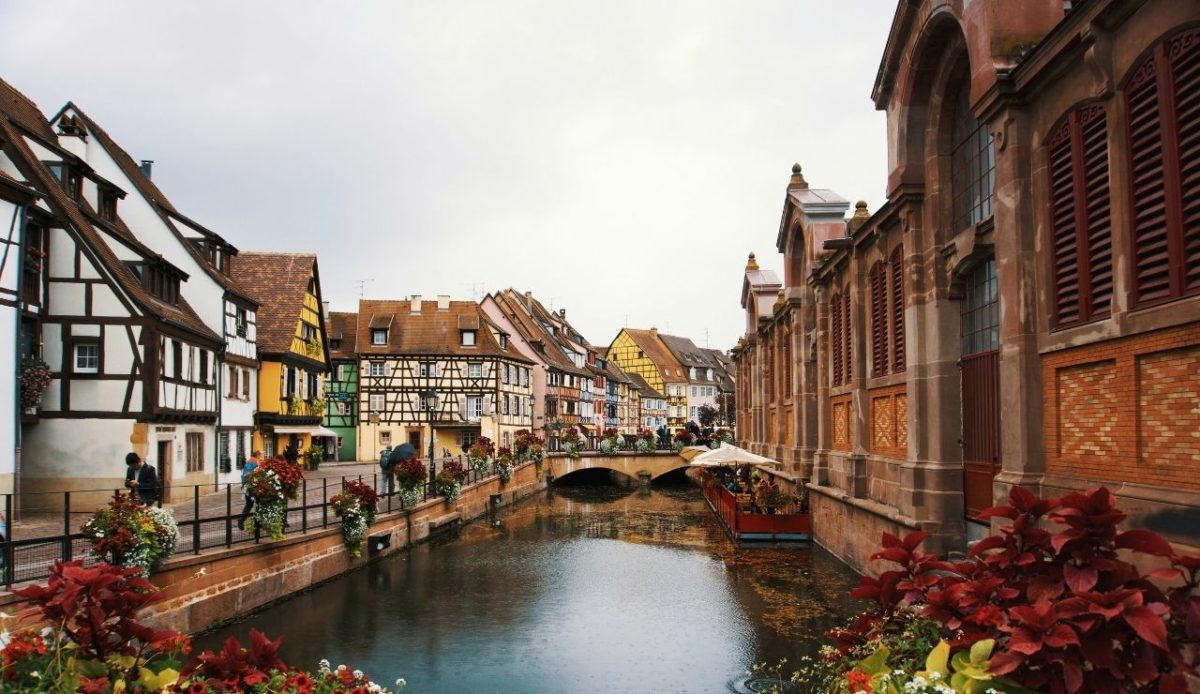
Colmar offers short walking distances, steady charm, and manageable visitor numbers. The canal district provides clear views, narrow lanes, and restaurants near the water where couples can sit for long meals without distraction. Colorful buildings add character without overwhelming the area, and bridges help visitors orient themselves during slow walks. Many couples spend full afternoons nearby because movement is simple and street activity stays moderate. Even in peak season, the town keeps a calm rhythm that supports easy conversations and predictable plans without pressure to rush from place to place.
2. Ghent, Belgium
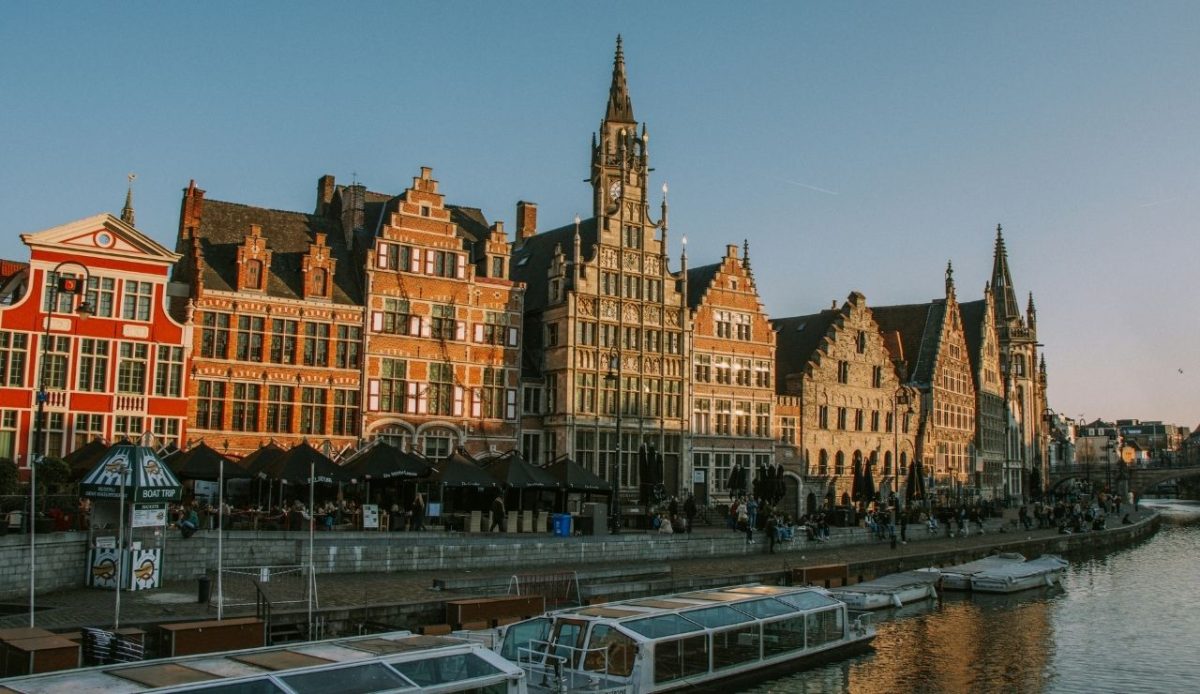
Ghent gives couples a historic setting with reliable activity but without the intensity found in larger cities. The quays near the river have restored houses and steady foot traffic, offering good places for short breaks or photos. Public squares contain cafés that serve both locals and visitors, creating an environment that encourages longer stays. Trams make it easy to move between neighborhoods, and the student presence adds everyday energy without overwhelming key areas. Evening hours usually stay orderly, giving couples space for relaxed dining and unhurried walks near the water.
3. Ljubljana, Slovenia
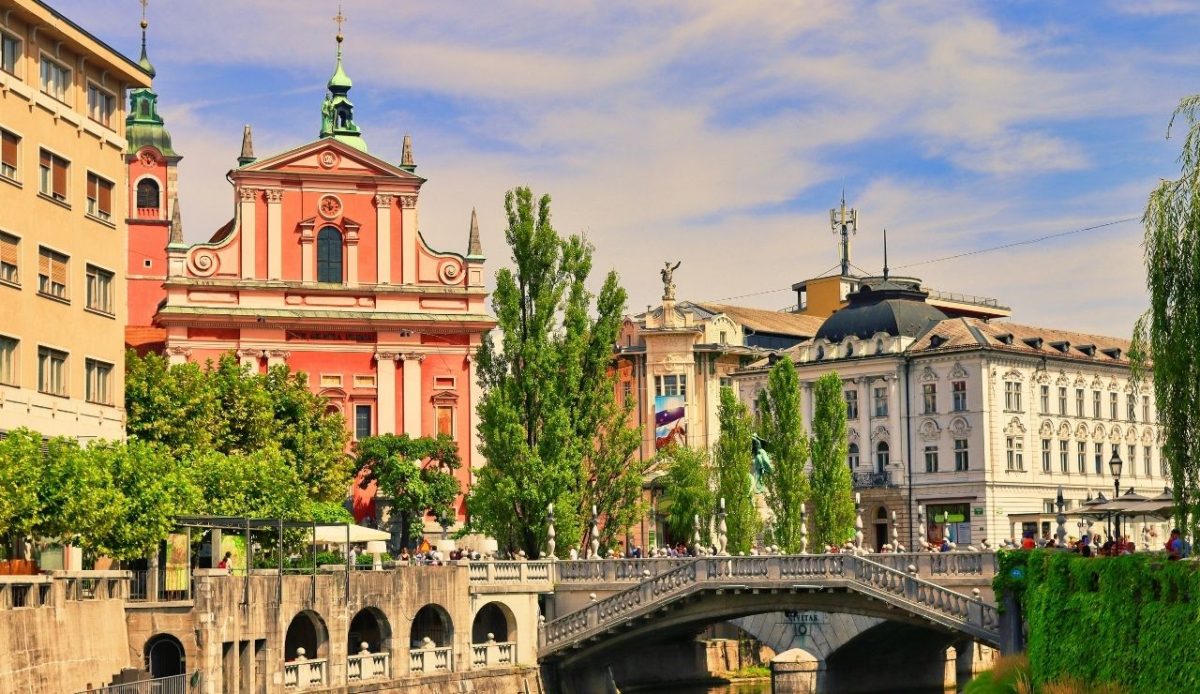
Ljubljana’s scale supports simple movement across its central zones, allowing couples to visit markets, cafés, bookstores, and riverbanks within a short timeframe. The castle overlooks the city and can be reached by foot or funicular, giving wide views without long lines. Paths along the river encourage slow walks, and vendors operate at a steady pace throughout the day. The city’s calm structure helps couples plan flexible routines rather than strict itineraries. Nights feature steady lighting and moderate music from riverside venues, creating a comfortable atmosphere that supports conversation without overwhelming background noise.
4. Kotor, Montenegro
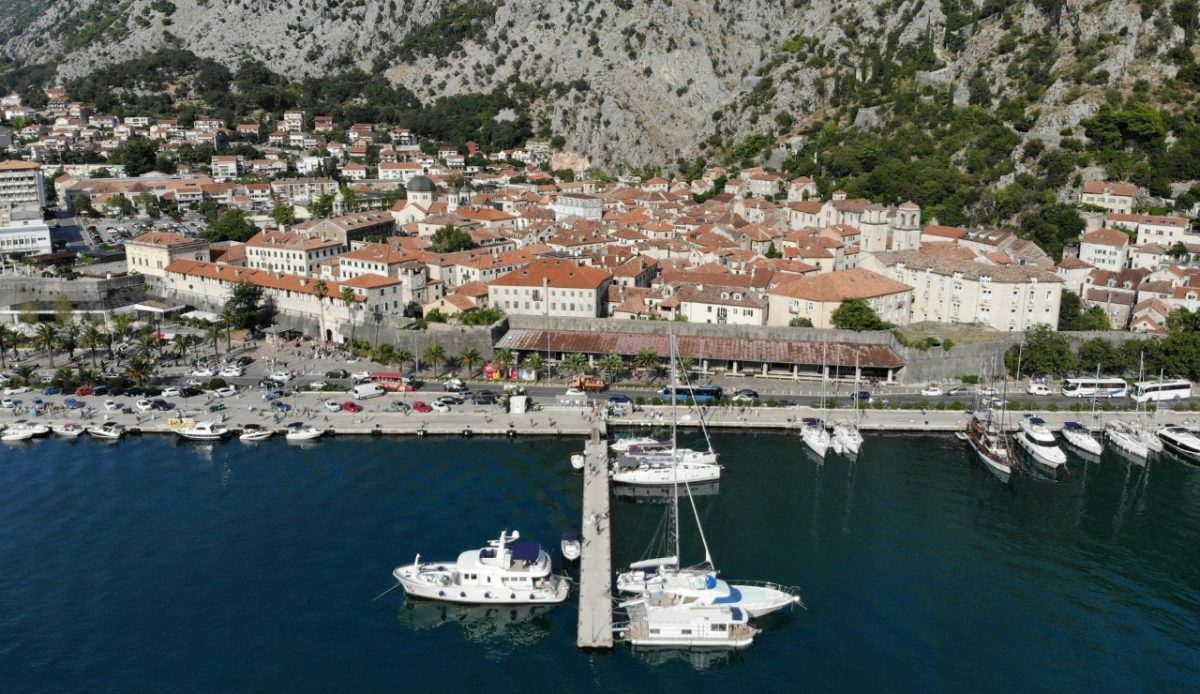
Kotor provides a walled town near a scenic bay, giving couples easy access to stone lanes, small squares, and shaded areas for breaks. The climb toward the fortress offers physical activity with reliable viewpoints along the way. When cruise passengers depart, the old town becomes noticeably calmer, improving the overall experience for quiet meals and evening walks. Short boat rides to nearby villages add variety without complex scheduling. The town’s scale allows visitors to cover key points at a reasonable pace, supporting trips focused on steady movement rather than long transfers.
5. Annecy, France
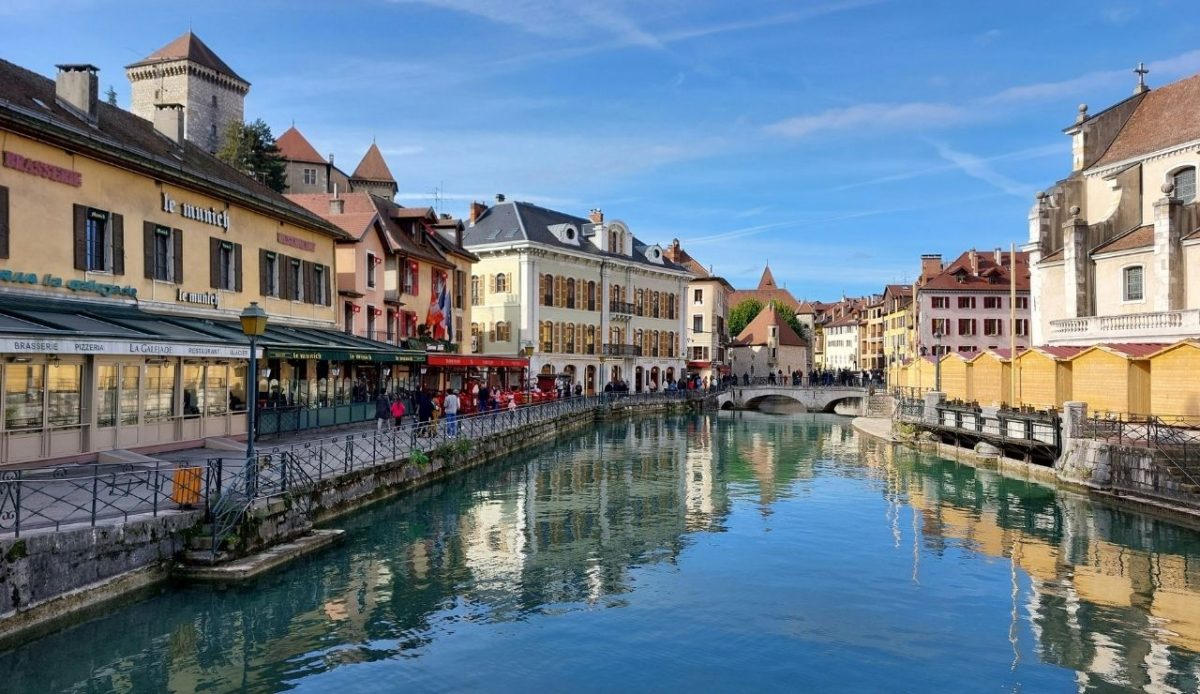
Annecy offers lake access, mountain views, and a clean historic center that works well for couples planning relaxed days. The old town has arcades, canals, and shops that are easy to reach on foot, while the lakeside path supports long walks or bike rides. Boats on the lake give simple ways to spend an afternoon without complicated planning. Restaurants near the canal maintain steady service and moderate noise levels, helping couples enjoy meals at an even pace. Activity spreads across parks and shoreline areas, preventing the crowding common in larger European destinations.
6. Tallinn, Estonia
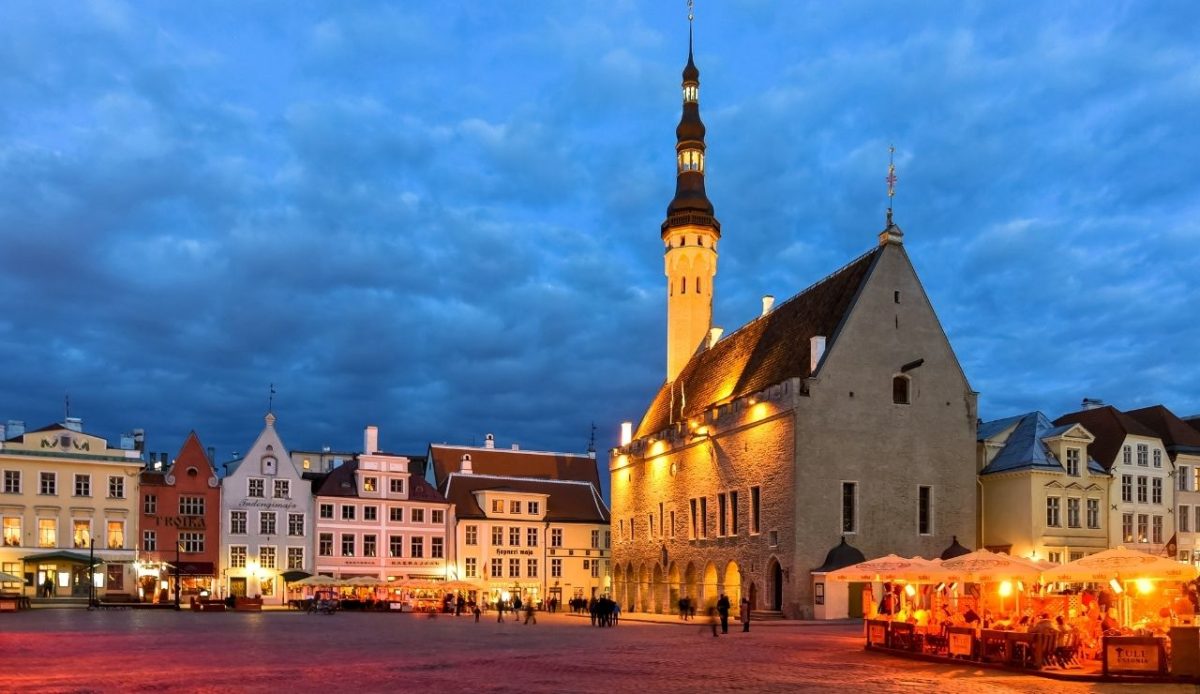
Tallinn offers a well-preserved center that allows couples to move through courtyards, towers, cafés, and viewpoints without heavy pressure from crowds. The upper town provides broad harbor views, while the lower town has quieter lanes with steady foot traffic. Many couples divide their time between the walls, small museums, and cellar cafés that encourage longer visits. The city’s layout supports simple navigation, and most areas remain comfortable during evenings. Winter trips appeal to visitors who enjoy cold-weather strolls, although the city remains manageable during warmer months as well.
7. Maastricht, Netherlands
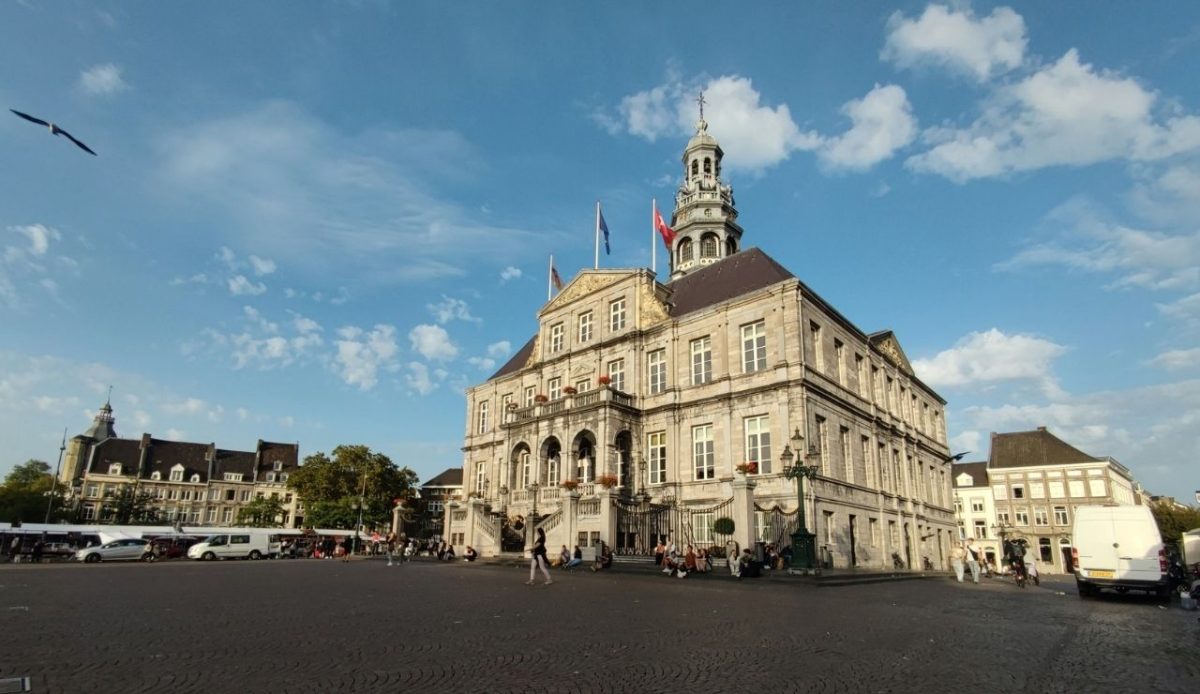
Maastricht provides a predictable layout around the river, with bridges linking central squares and residential areas. Couples can spend hours at cafés on Vrijthof or in side streets near older churches. Bookstores, galleries, and bakeries attract both locals and visitors, keeping the atmosphere grounded but not overwhelming. River paths support long walks, and public transport offers short, reliable connections across the city. Evenings retain a steady rhythm because nightlife spreads across multiple streets rather than concentrating in a single zone. This helps couples enjoy calm dinners and unhurried routines.
8. Sintra, Portugal
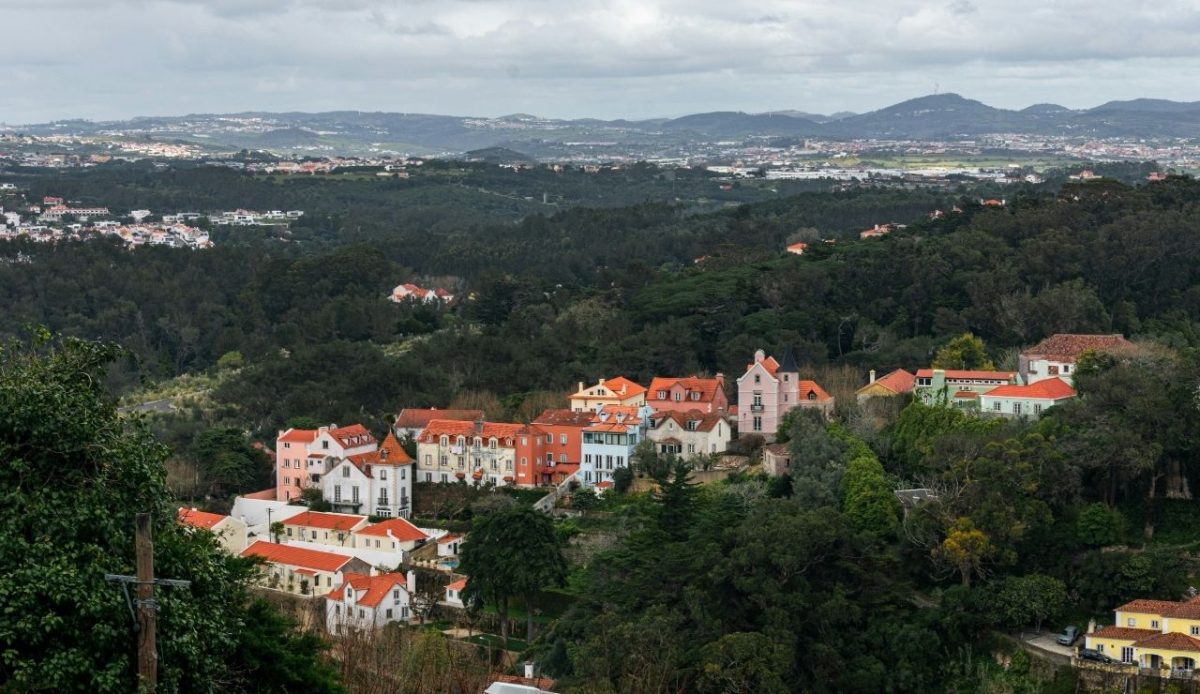
Sintra functions as a retreat-like town where couples spend days moving between palaces, gardens, and shaded pathways. Many landmarks sit on hills reached by short rides or gradual climbs. Crowds gather during midday, yet quiet areas remain available in nearby parks or on lesser-used trails. Couples often plan a simple route linking the main estate, a smaller site, and a casual meal in town. Cooler air from the nearby coast helps afternoons stay comfortable. Evenings provide good dining options once day visitors return to Lisbon, giving couples quieter streets for walking.
9. Heidelberg, Germany
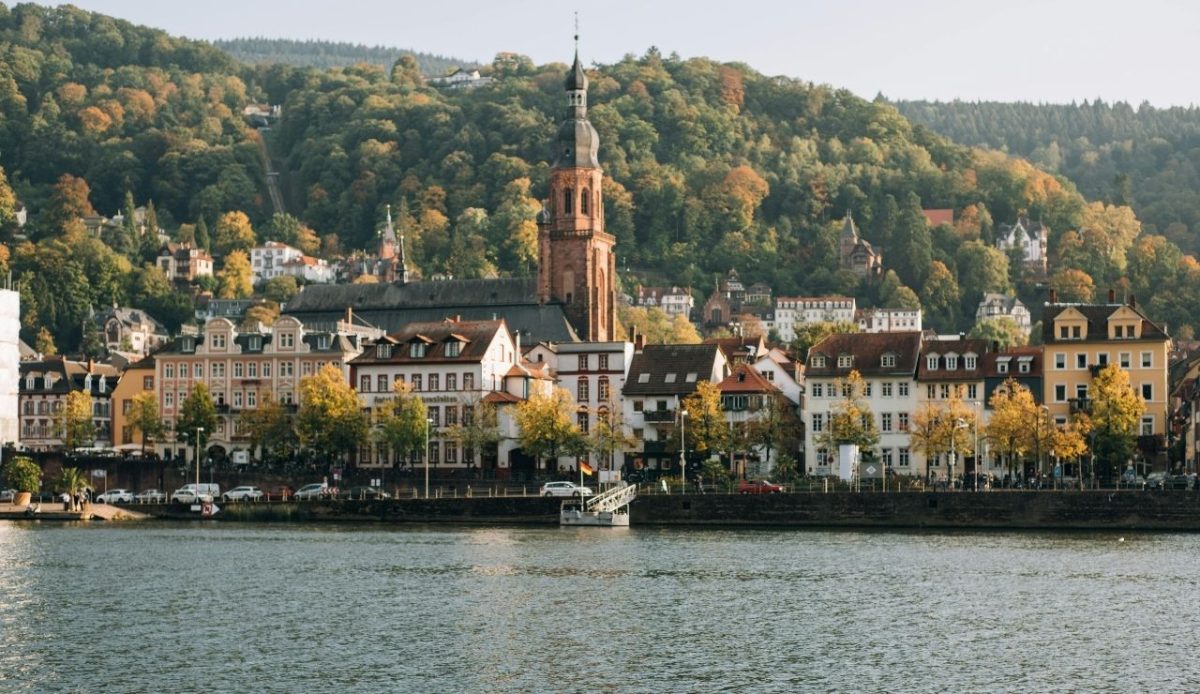
Heidelberg centers around the river and the castle above it, giving couples an accessible range of viewpoints and walking areas. The funicular reaches the terrace quickly, allowing wide views before returning to the old town’s lanes. Streets remain steady but not overly crowded, and many restaurants focus on predictable service rather than fast turnover. Couples often walk along the river paths or cross the old bridge to reach quieter neighborhoods. Cultural events and student activity provide regular movement without overwhelming the town. These features support relaxed schedules built around short strolls and shared meals.
10. Thessaloniki, Greece
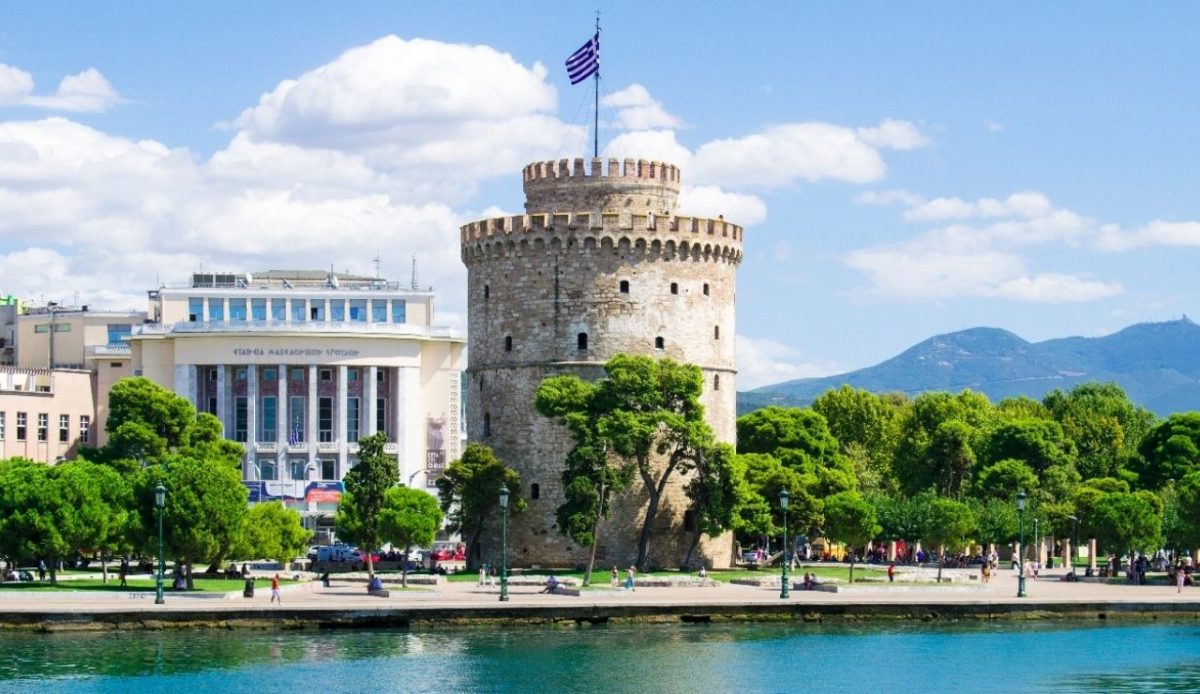
Thessaloniki stretches along a long waterfront that supports walks at any hour, with clear views across the bay. Couples can stop at cafés, small bars, or museums throughout the center, all within a short distance of each other. Historic layers appear in churches, markets, and hillside districts, offering accessible routes without complicated navigation. The local dining culture contributes to long evenings where meals progress at a steady pace. Noise levels remain moderate across most areas, helping couples enjoy predictable routines. Day trips to nearby beaches add useful variety without long travel times.
11. Brescia, Italy
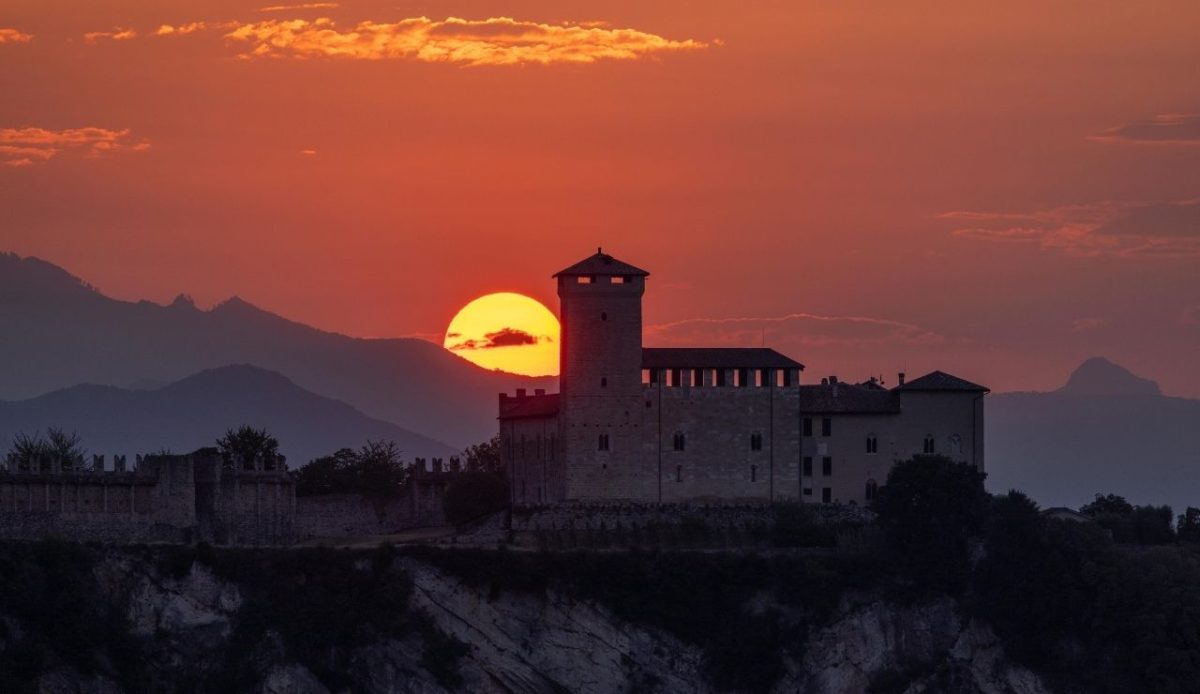
Brescia offers couples a calm urban center supported by Roman sites, museums, and steady public squares. The archaeological area provides direct access to temples, mosaics, and ruins without overwhelming lines. Nearby streets hold cafés where couples can plan unhurried days, and the local wine region remains close enough for short trips. Public transport is simple, helping visitors move between districts with minimal effort. Evenings around Piazza della Loggia maintain balanced activity levels that allow comfortable dining. Brescia’s reliable structure helps couples enjoy clear routes, predictable schedules, and enough space to explore without crowd-related stress.
12. Segovia, Spain
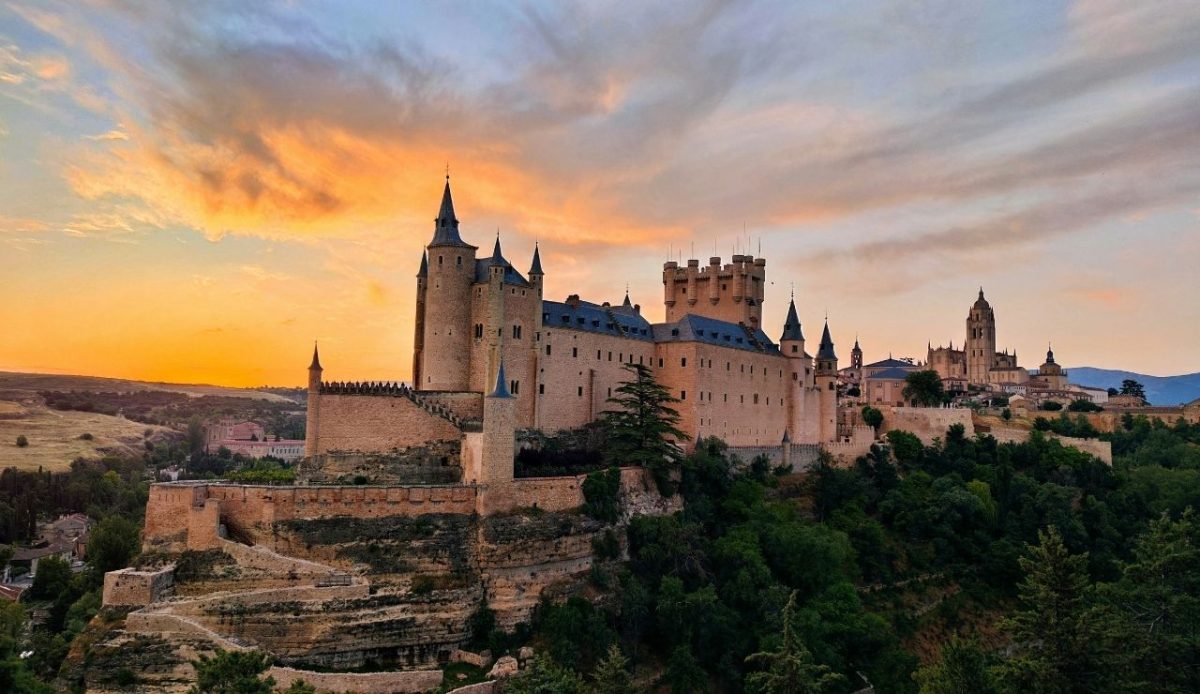
Segovia gives couples a compact layout anchored by the aqueduct, cathedral, and hilltop fortress. Walking routes between these landmarks stay manageable, and most side streets remain quiet once the day visitors leave. Restaurants near the center offer steady service and encourage longer meals, which many couples value when planning slower routines. The elevated edges of the city provide wide views of open land, creating a strong contrast with busier European destinations. Public areas maintain orderly foot traffic, allowing visitors to move comfortably throughout the day. Segovia’s accessibility and balanced pace support reliable, stress-free itineraries.
