
Food often reflects how people live, work, and celebrate their lives. The world’s best food cities are not defined only by restaurants but by communities that treat cooking as a shared memory. These 18 places stand out because their dishes preserve heritage while adapting naturally to modern life. From open markets in Asia to family kitchens in Europe and the Americas, each destination proves that good food depends on patience, local knowledge, and respect for tradition more than presentation or price.
1. Tokyo, Japan

Tokyo remains unmatched in terms of precision and consistency in cooking. With the world’s highest number of Michelin-starred restaurants, it offers both luxury and simplicity. Toyosu Market still represents the discipline behind Japan’s seafood culture, while ramen counters in Shinjuku and sushi bars in Ginza demonstrate craft that values timing and balance. Even convenience stores show care in detail and presentation. The city’s chefs work with quiet focus, measuring temperature, texture, and proportion to achieve exact results that make Tokyo a benchmark for culinary excellence.
2. Osaka, Japan
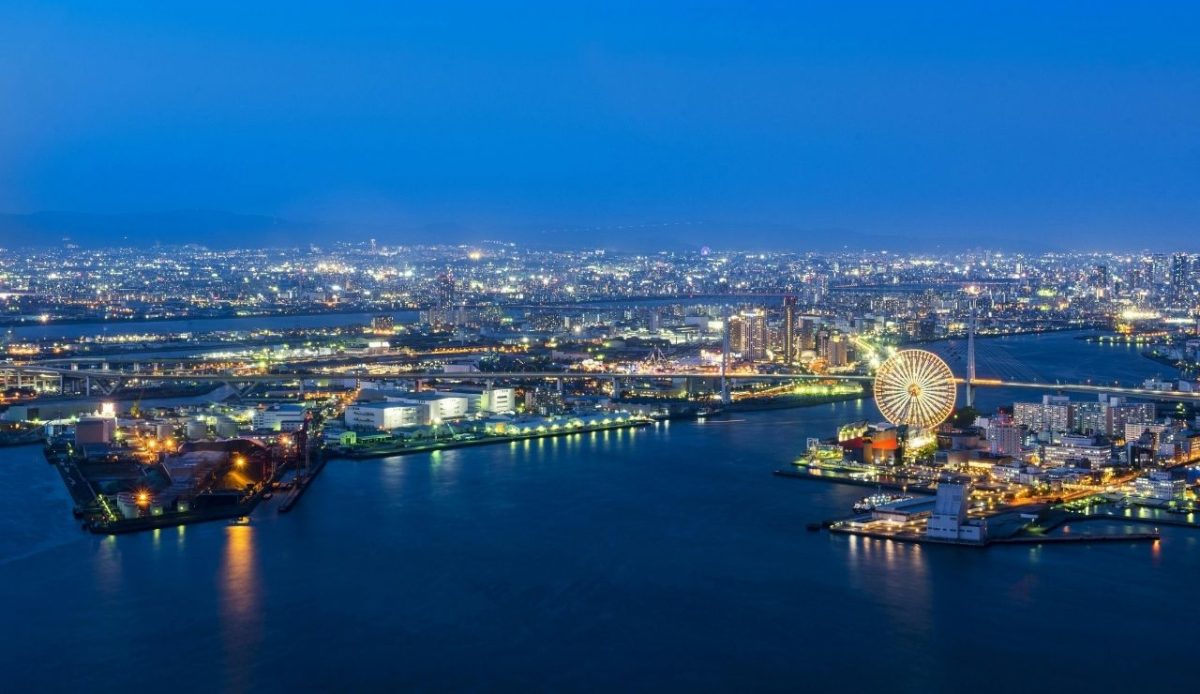
Osaka approaches food with humor and generosity. Known nationwide as the “nation’s kitchen,” it specializes in street foods like takoyaki and okonomiyaki that are prepared fresh and eaten on the spot. Dotonbori’s bright arcades and Kuromon Market’s seafood stalls capture how informal dining can still reach high standards. Restaurants and street vendors share the same goal of satisfaction through abundance and flavor. Visitors learn quickly that in Osaka, the best meals are found where conversation, laughter, and heat from the grill all come together.
3. Singapore, Singapore
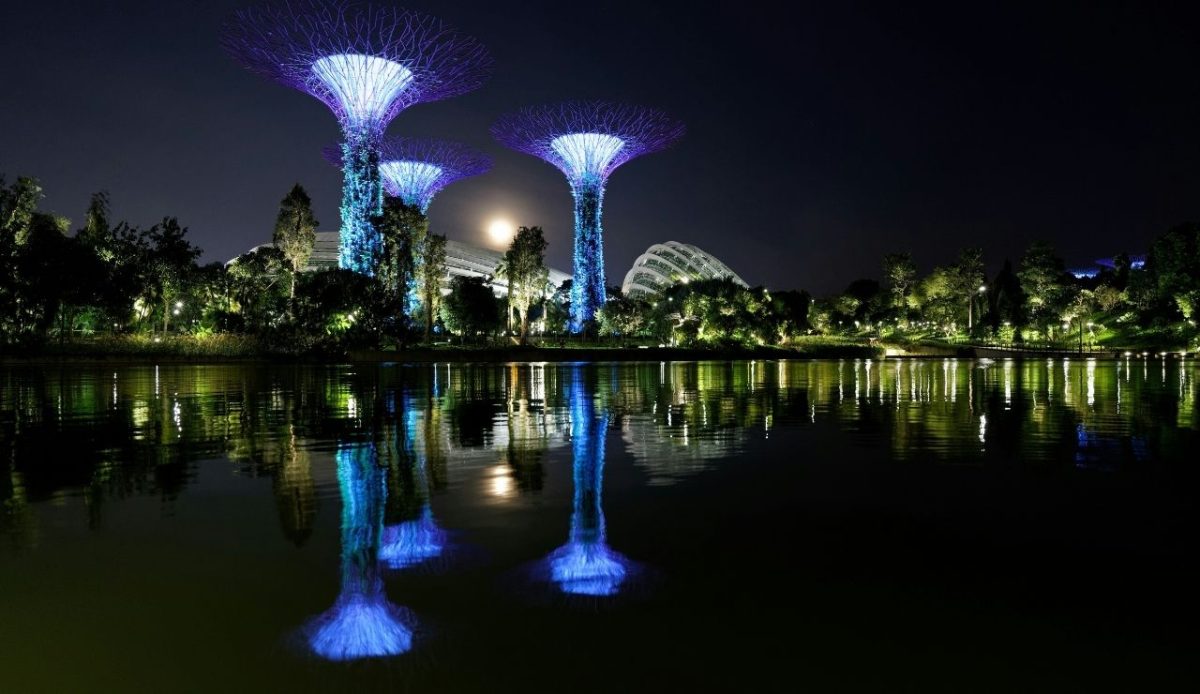
Singapore treats food as a shared language among cultures. Its hawker centers, recognized by UNESCO, unite Malay, Chinese, Indian, and Peranakan traditions in one public space. Dishes such as chicken rice, laksa, and chili crab remain popular because they are affordable, consistent, and carefully maintained by generations of cooks. Hygiene rules and efficient service help the system succeed without losing warmth or individuality. Whether you eat at a market stall or a hotel restaurant, every plate reflects precision and respect for its origins.
4. Bangkok, Thailand
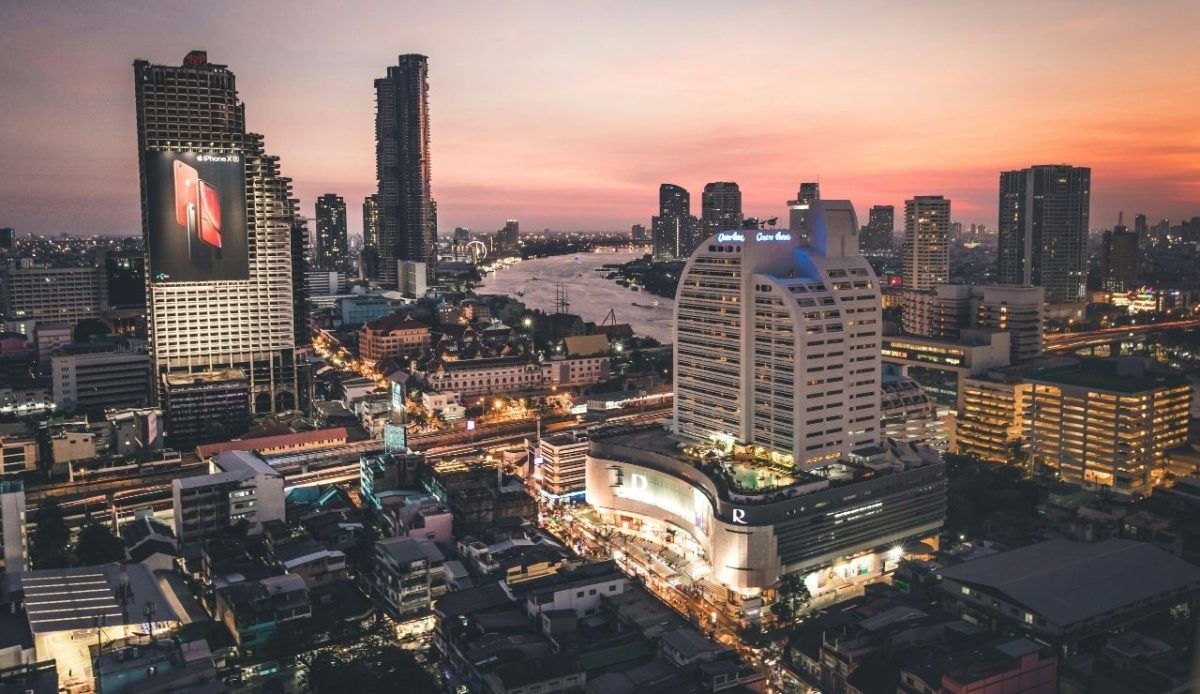
Bangkok is defined by constant motion, and its food culture moves with it. Street vendors operate early in the morning and late into the night, offering pad Thai, grilled pork, soups, and desserts within minutes of preparation. Local markets supply fresh herbs, fruit, and seafood to homes and restaurants alike. The city’s fine-dining chefs now use these same ingredients to build modern interpretations without ignoring the base flavors that make Thai cooking distinctive. Eating in Bangkok is about steady access to freshness rather than ceremony.
5. Hanoi, Vietnam
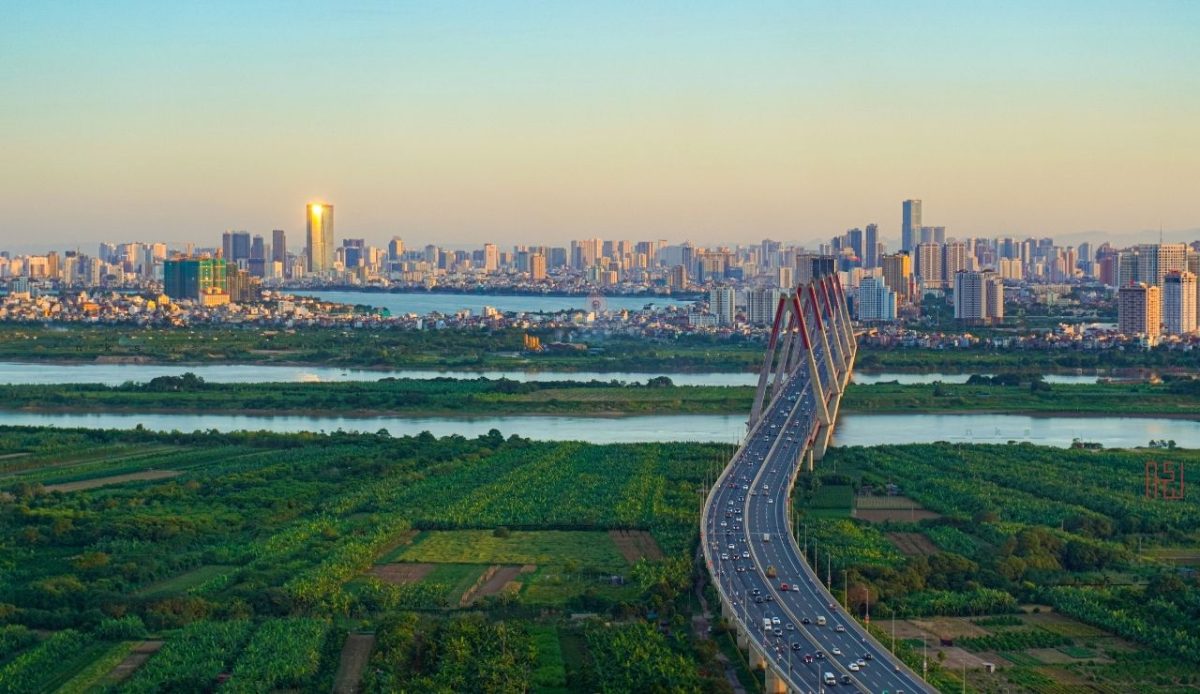
Hanoi’s food traditions grow directly from its street life. Breakfast often begins with pho or bun cha served on small stools beside narrow lanes. The dishes depend on balance: fresh herbs, vinegar, and fish sauce cut through broth and meat, keeping flavor bright and direct. The Old Quarter remains a network of family shops where recipes survive through repetition rather than reinvention. Meals here are modest in setting but rich in discipline, showing how familiarity and freshness can sustain an entire city’s dining identity.
6. George Town (Penang), Malaysia
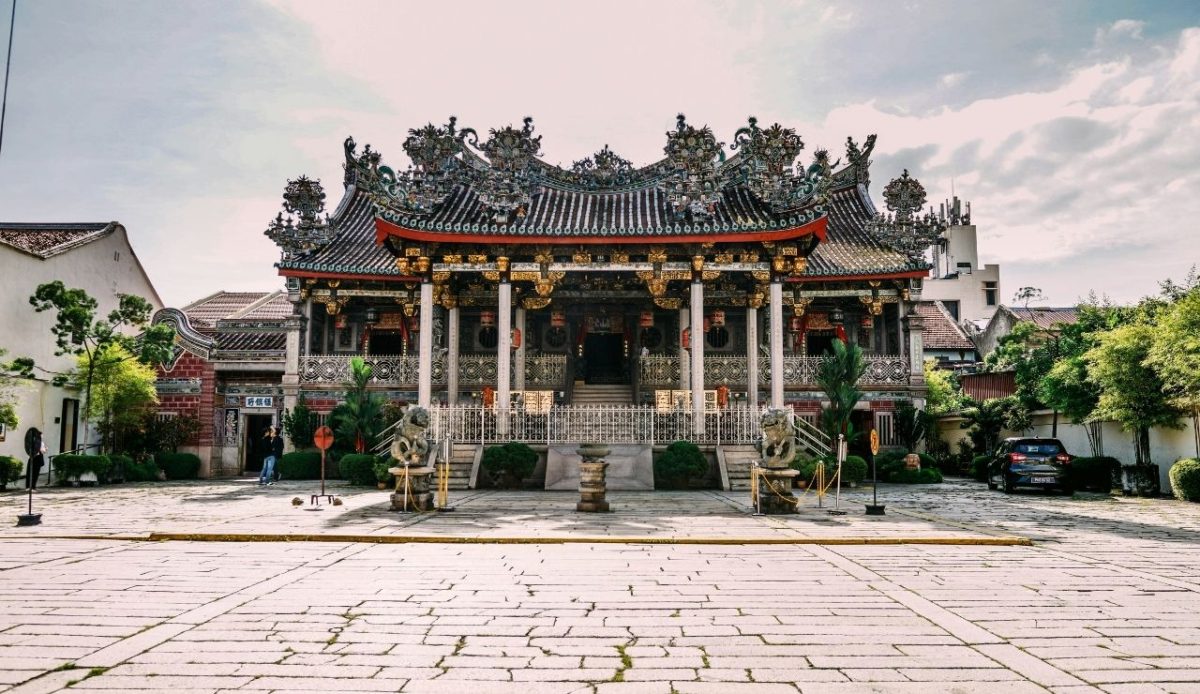
George Town, on the island of Penang, holds one of Asia’s most complete street-food scenes. Stalls and coffee shops prepare char kway teow, nasi kandar, and Penang laksa with efficiency that reflects long practice. The variety comes from the coexistence of Malay, Chinese, and Indian influences that have shaped the region’s daily meals. Locals discuss food with the same seriousness as news, and loyalty to favorite stalls runs deep. Penang remains an example of how migration and trade built a unified yet diverse food culture.
7. Taipei, Taiwan
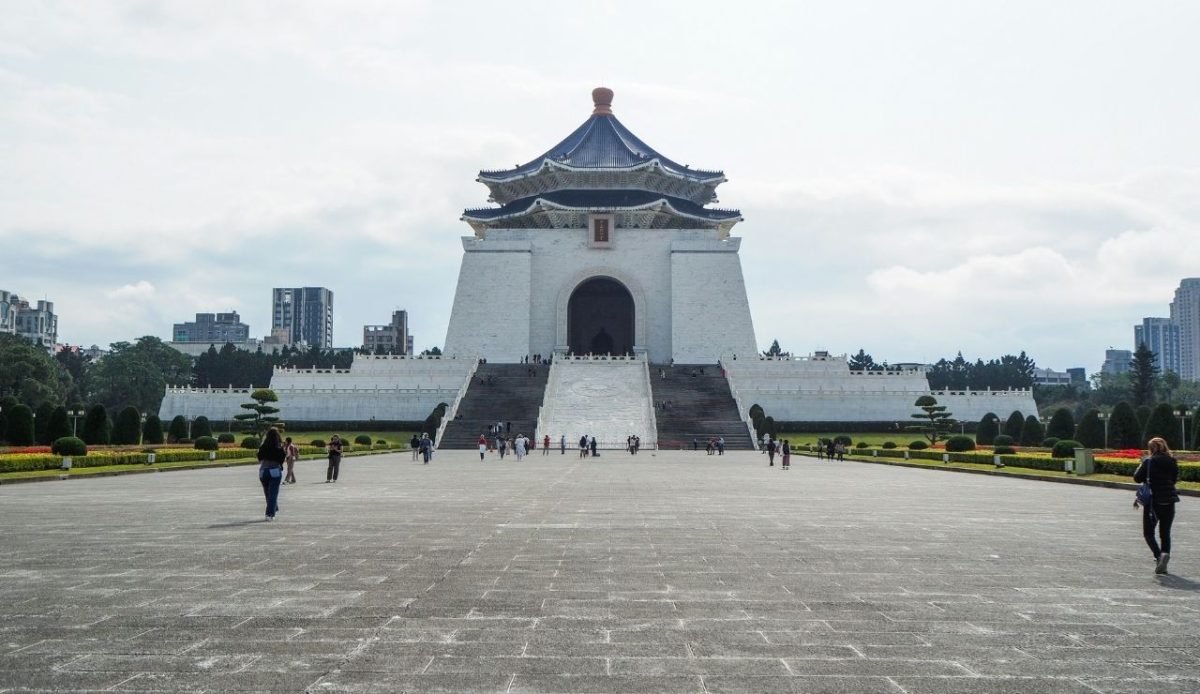
Taipei’s food identity revolves around its night markets. Shilin, Raohe, and Ningxia streets fill with vendors selling oyster omelets, beef noodles, stinky tofu, and sweet pastries. These markets operate like well-managed kitchens, where repetition ensures both speed and reliability. Many stalls have earned recognition in the MICHELIN Guide’s Bib Gourmand list for quality at modest cost. Beyond the markets, small noodle houses and cafes maintain the same focus on technique and care. Taipei shows that discipline, not price, defines good food.
8. Lyon, France
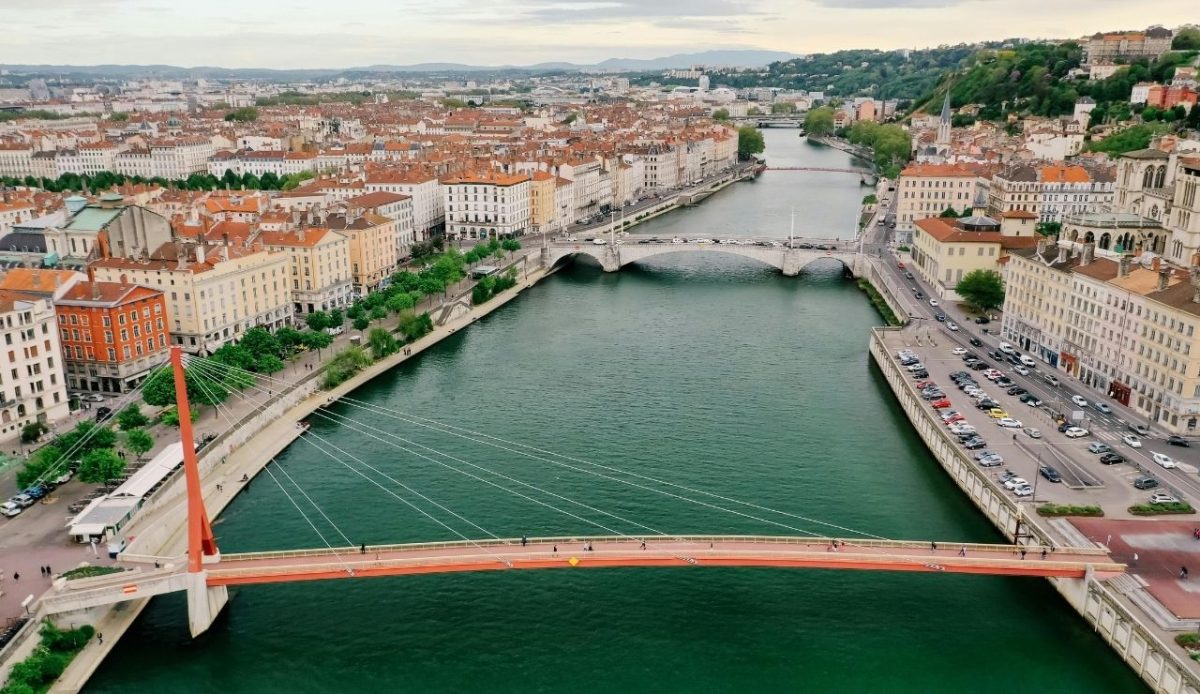
Lyon’s reputation as the capital of French gastronomy remains intact because its cooking favors consistency. The city’s bouchons serve coq au vin, quenelles, and sausages prepared according to long-standing practice. Market halls and local suppliers strengthen this connection between chefs and producers. Visitors experience food that is substantial rather than decorative, emphasizing balance and craft. Lyon shows how culinary authority grows from repetition, training, and shared standards rather than presentation or luxury, making it the backbone of French home cooking.
9. Istanbul, Türkiye
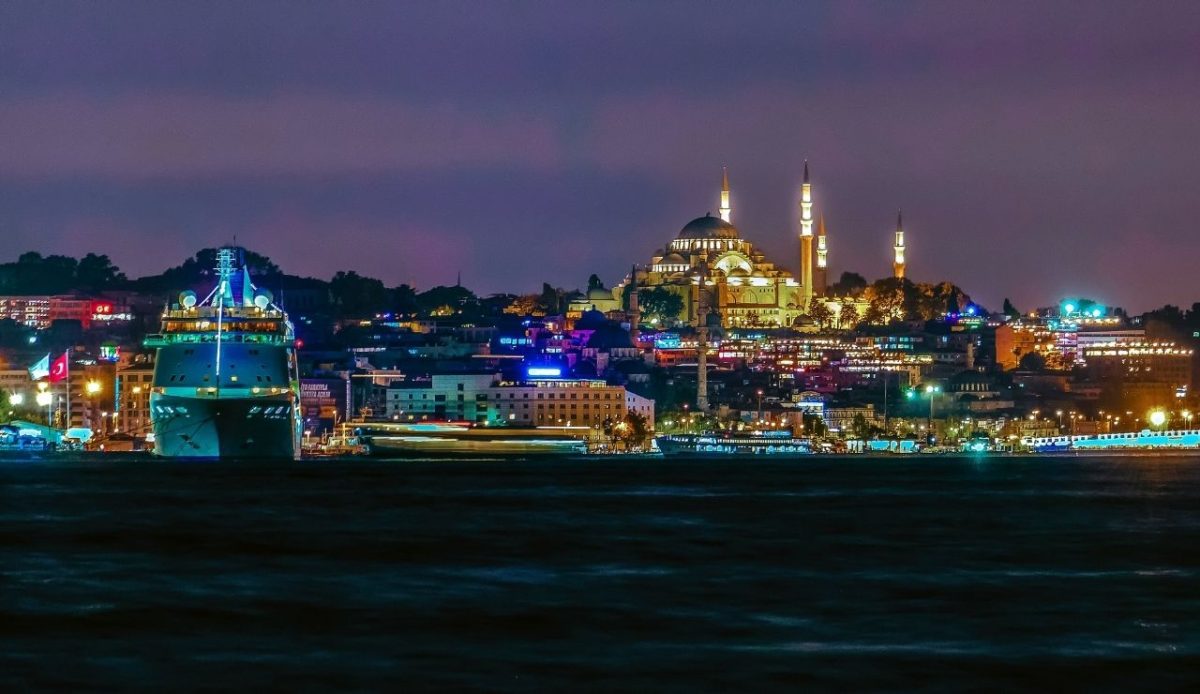
Istanbul connects Europe and Asia through food shaped by trade and travel. Local dishes include meze plates, kebabs, lentil soups, and grilled fish served near the Bosphorus. Breakfast often begins with bread, olives, cheese, and strong tea, reinforcing social routine. The Spice Bazaar remains a working market where color and aroma show the reach of regional produce. Street sellers, cafes, and fine restaurants share the same commitment to variety and hospitality, proving that culinary tradition survives best through everyday practice.
10. Mexico City, Mexico
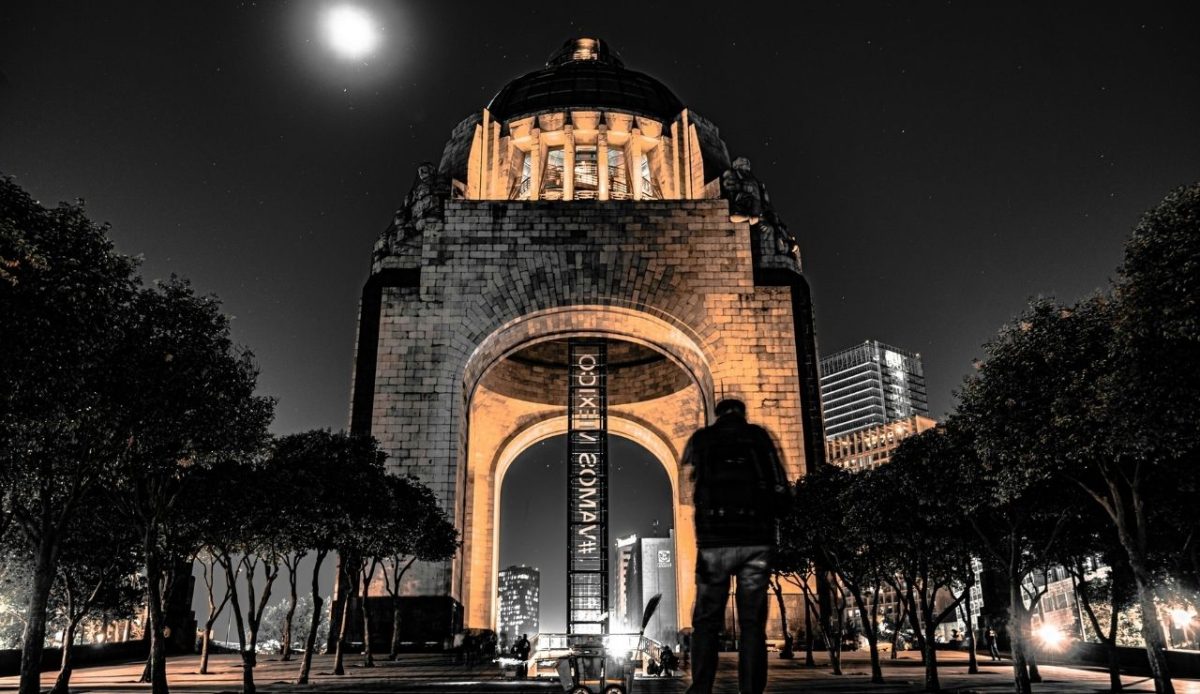
Mexico City’s food scene merges old recipes with modern presentation. Markets such as Coyoacán and La Merced feed residents daily with tacos al pastor, tamales, and tortas made from familiar techniques. High-end restaurants led by chefs like Elena Reygadas and Jorge Vallejo adapt those same ingredients into contemporary menus. Corn, chili, and lime provide unity across every meal, regardless of cost. The city’s food culture succeeds because respect for origin supports creativity, showing that innovation can grow directly from heritage.
11. Lima, Peru
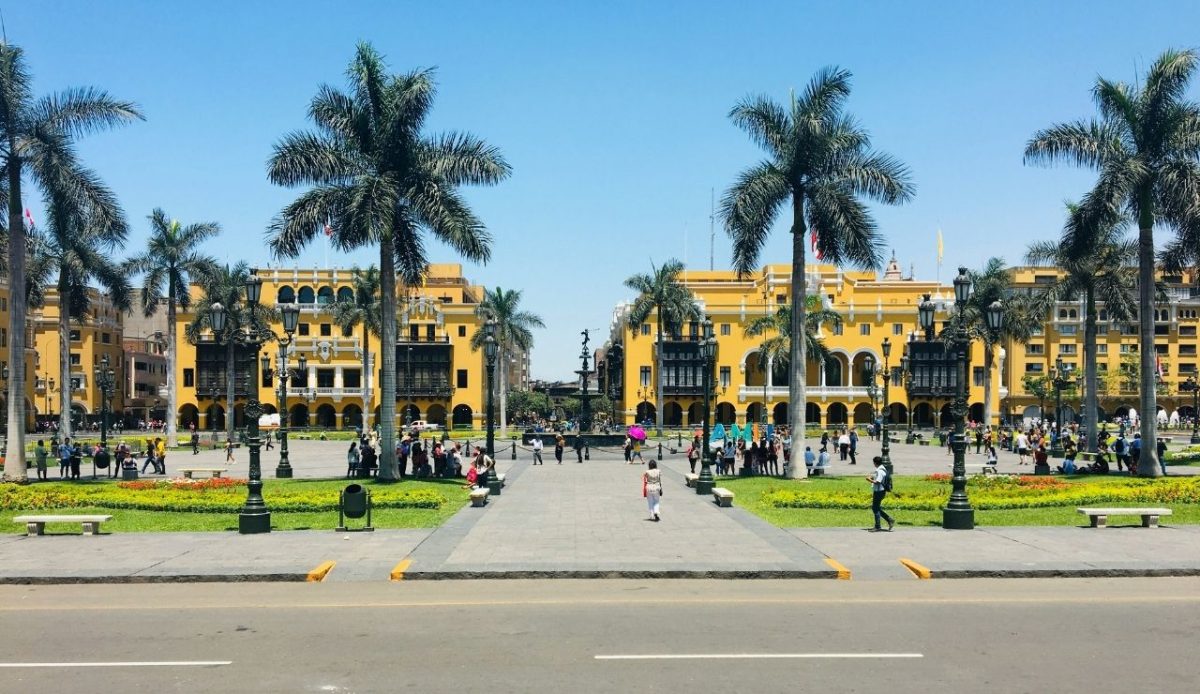
Lima’s success as a food city comes from its range and precision. Cevicherías use coastal fish, lime, and chili to create freshness unmatched elsewhere, while top restaurants like Maido and Central combine Peruvian ingredients with modern cooking systems. Neighborhood eateries continue to serve stews and rice dishes that define family dining. The city’s balance between luxury and accessibility ensures that quality food is available at every level. Lima demonstrates how technical mastery and cultural awareness can strengthen each other.
12. New Orleans, USA

New Orleans connects its heritage directly to its kitchen. Creole and Cajun cooking unite African, French, and Caribbean influences into gumbo, jambalaya, and shrimp étouffée. Cafés and music venues in the French Quarter make dining part of social life rather than a separate event. Modern chefs respect traditional flavor while adjusting techniques to today’s kitchens. Food here reflects openness, community, and pride rather than nostalgia, keeping New Orleans central to American culinary identity and proof that history remains active through shared meals.
