
Central America is celebrated for its stunning beaches, lush rainforests, and vibrant culture, but its hidden histories are equally fascinating. From ancient ruins tucked in jungles to colonial towns with untold stories, the region is full of surprising narratives waiting to be explored. Many travelers overlook these rich layers, focusing only on scenery or nightlife. In this article, we highlight twelve destinations where history lingers in architecture, streets, and landscapes, offering an immersive glimpse into the past alongside the present. Central America is as intellectually captivating as it is visually stunning.
1. Copán, Honduras
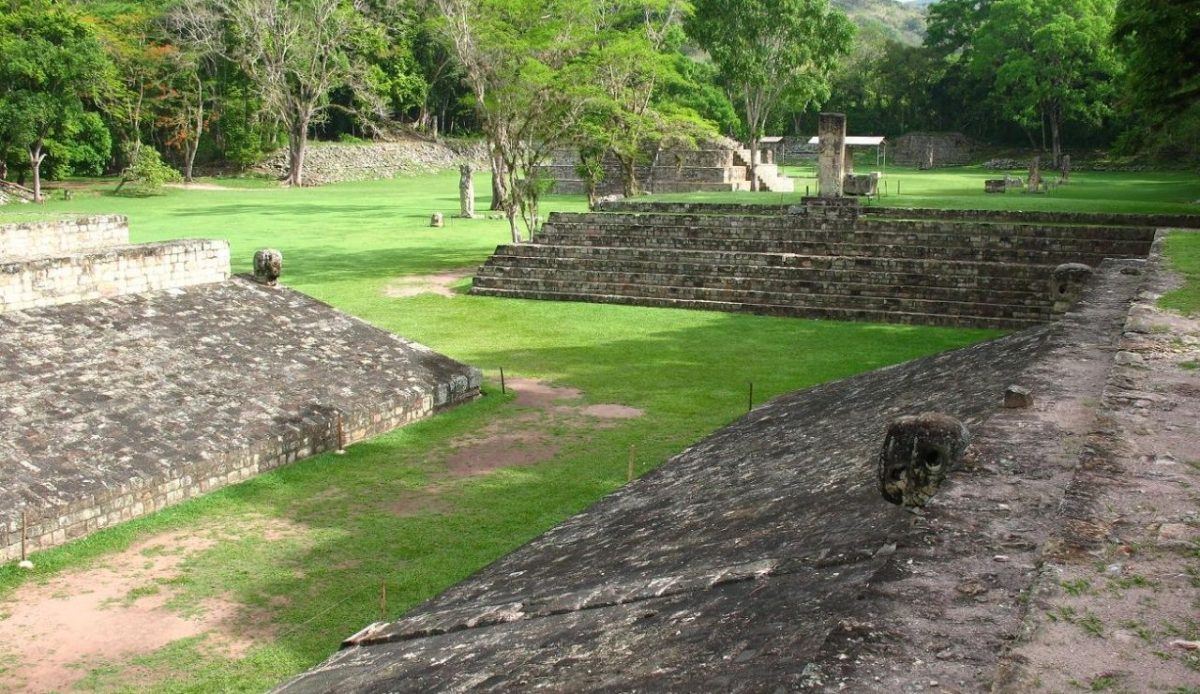
Copán is an ancient Maya city renowned for its intricately carved stelae and impressive hieroglyphic stairway. Nestled in western Honduras, the site reveals the Maya civilization’s mastery of art, astronomy, and governance. Unlike larger Maya sites, Copán feels intimate, allowing visitors to examine detailed sculptures and inscriptions closely. The surrounding town preserves colonial architecture, blending two eras of history. Travelers are often surprised by how much of Maya culture survives, from ceremonial plazas to sacred ball courts. Copán offers a profound journey into a civilization that shaped Central America.
2. Granada, Nicaragua
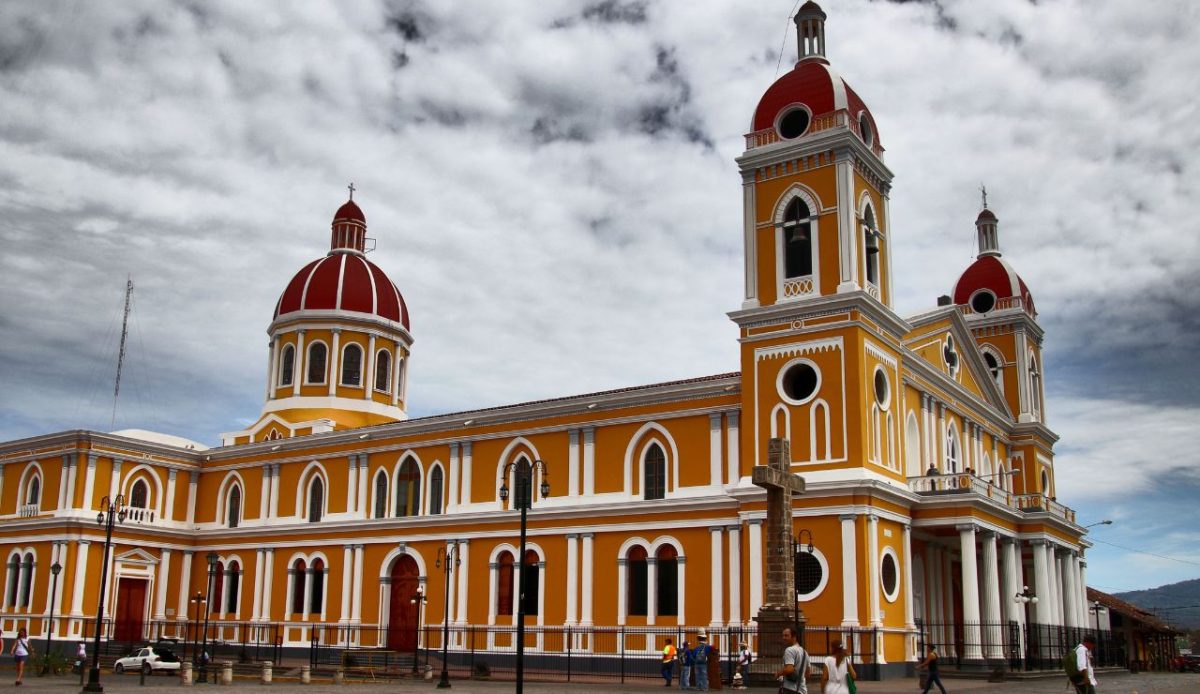
Granada is one of Nicaragua’s oldest colonial cities, characterized by brightly colored facades, historic churches, and cobblestone streets. Its founding in 1524 makes it a living museum of Spanish colonial architecture and early urban planning. Beyond aesthetics, Granada harbors stories of conquest, resistance, and trade, especially through Lake Nicaragua’s strategic role. Hidden alleyways lead to centuries-old convents and plazas where locals continue traditional celebrations. Travelers note the city’s layered history, from colonial wealth to revolutionary moments, adding depth to its vibrant streets.
3. Antigua, Guatemala
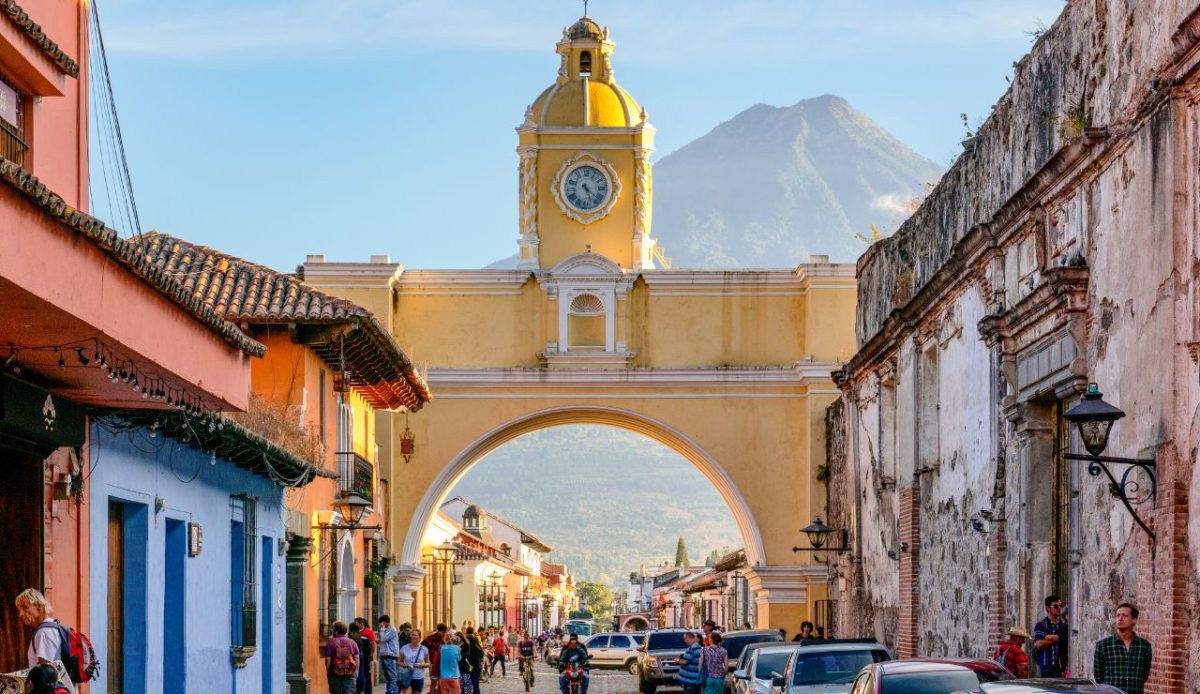
Antigua Guatemala, nestled between volcanoes, is a UNESCO World Heritage Site famous for baroque architecture and cobblestone streets. Earthquakes have shaped its history, with ruins of churches and convents preserving stories of resilience. Beyond its picturesque streets, Antigua was once the capital of the Spanish colony, making it central to colonial administration, religious influence, and cultural exchange. Visitors often step into a timeline where every plaza and archway has a story. Festivals, traditional markets, and hidden courtyards reveal layers of social and religious history, offering more than scenic charm.
4. Tikal, Guatemala

Tikal, deep in the Petén rainforest, is one of the most iconic Maya cities in Central America. Its towering temples and vast plazas reveal a civilization skilled in architecture, astronomy, and urban planning. Beyond its size, the site holds stories of rulers, religious ceremonies, and social hierarchies that once governed this jungle kingdom. Visitors hear echoes of history through hieroglyphics carved into stone monuments. Wildlife roams the grounds, reminding travelers that this ancient city was built harmoniously with nature. Tikal’s grandeur, combined with hidden Maya narratives, leaves many awed.
5. León, Nicaragua
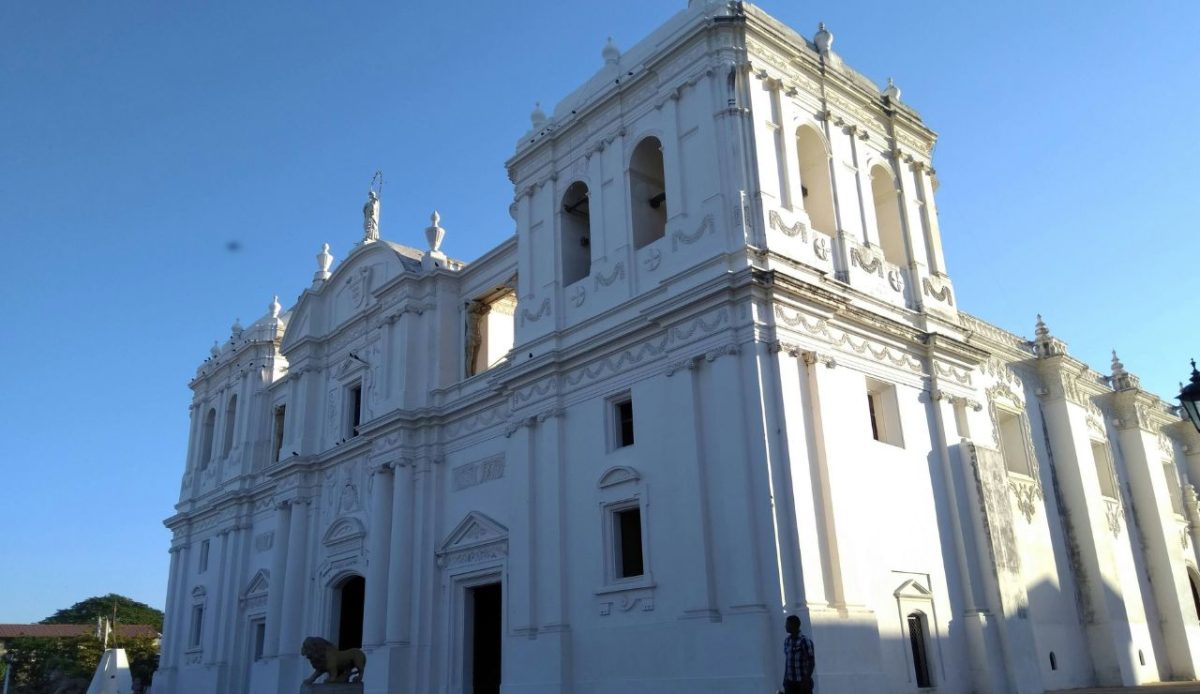
León is a city where revolutionary history and colonial architecture converge. Its historic center is filled with churches, murals, and monuments telling stories of political upheaval, artistic movements, and civic life. León’s cobblestone streets have witnessed centuries of debate, protest, and cultural growth, making it more than a scenic stop. Travelers explore hidden courtyards and local markets, discovering layers of history that reflect both European influence and indigenous heritage. The city’s combination of education, art, and architecture offers a glimpse into Nicaragua’s complex past.
6. Belize City, Belize
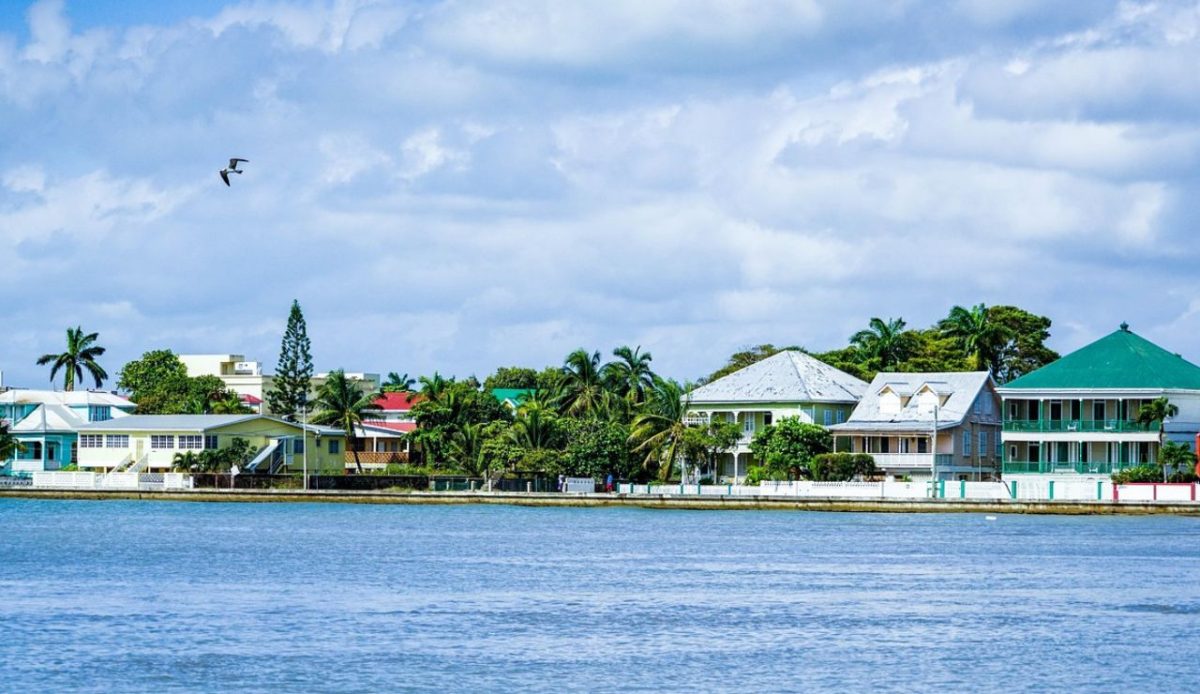
Belize City, though often overlooked in favor of natural attractions, is steeped in colonial and maritime history. Once the capital of British Honduras, the city preserves Victorian-era buildings, forts, and museums that document its past as a trading port. Hidden alleyways lead to cultural centers and marketplaces where the mix of Creole, Maya, and Garifuna influences emerges. Travelers are often surprised to find that Belize City isn’t just a gateway to the cayes; it’s a living record of colonial administration, maritime trade, and cultural fusion, offering context for the country’s diverse heritage and modern identity.
7. Copal, El Salvador
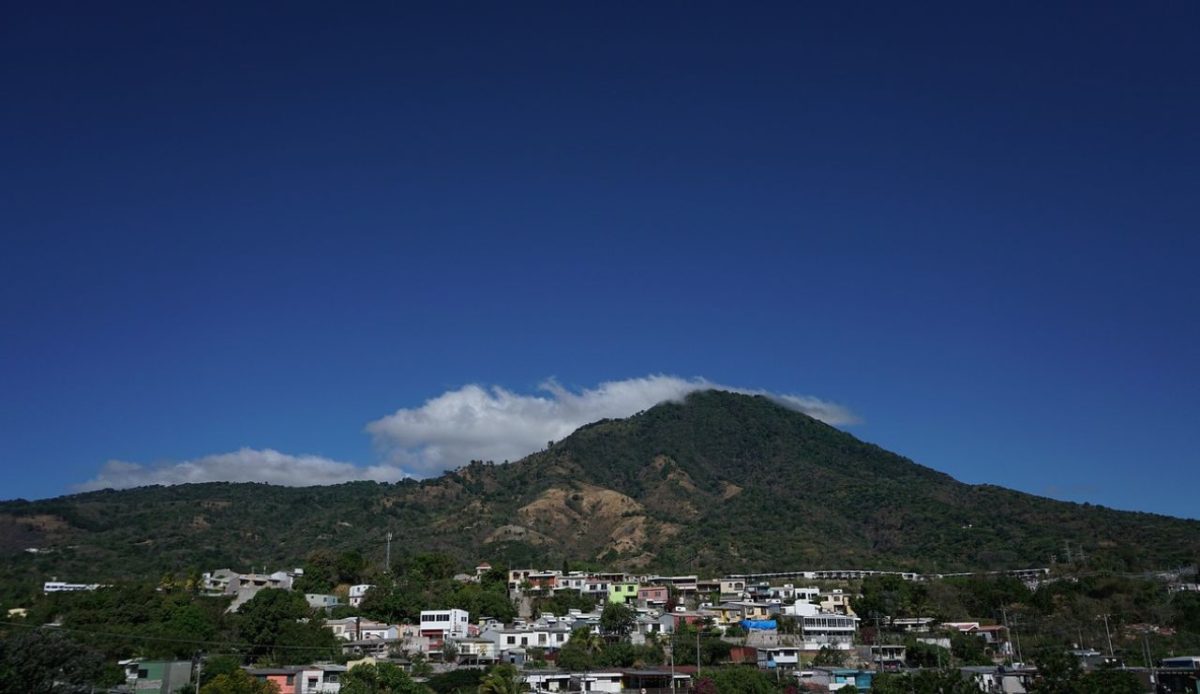
Copal is a small village in El Salvador that preserves indigenous and colonial heritage. Known for traditional crafts, religious festivals, and nearby archaeological sites, Copal reveals a quieter, less-visited side of Central American history. Its streets and markets display centuries-old techniques for weaving, pottery, and ritual ceremonies. Travelers often remark that stepping into Copal feels like entering a living museum, where local culture continues largely undisturbed. The village offers insights into community resilience, cultural preservation, and the blending of indigenous and Spanish colonial influences over time.
8. Ometepe Island, Nicaragua
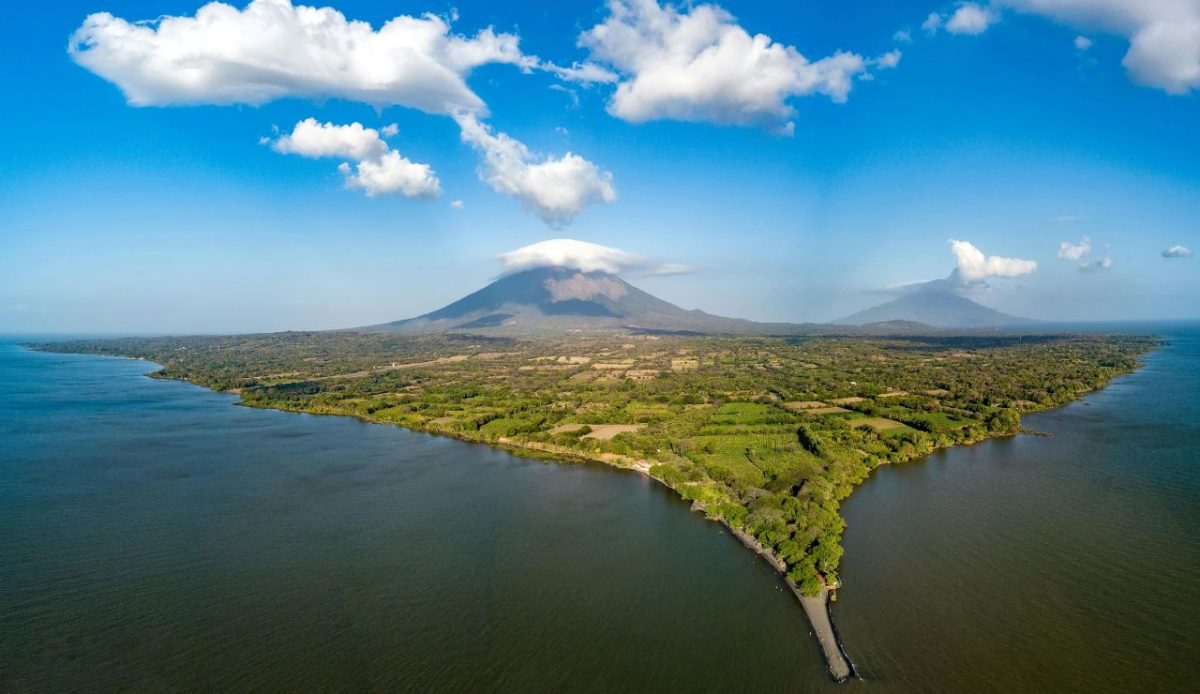
Ometepe Island, formed by twin volcanoes in Lake Nicaragua, carries both natural and historical significance. Petroglyphs scattered around hint at pre-Columbian civilizations, while colonial settlements show later European influence. Trails up the volcanoes pass ruins, caves, and ancient artifacts, offering both adventure and historical context. Local myths and oral histories enrich the island’s narrative, blending ecology, spirituality, and heritage. Visitors often find themselves connecting with layers of time as they hike, swim, and explore, discovering that Ometepe’s charm lies as much in hidden stories as in its scenic landscapes.
9. Bocas del Toro, Panama
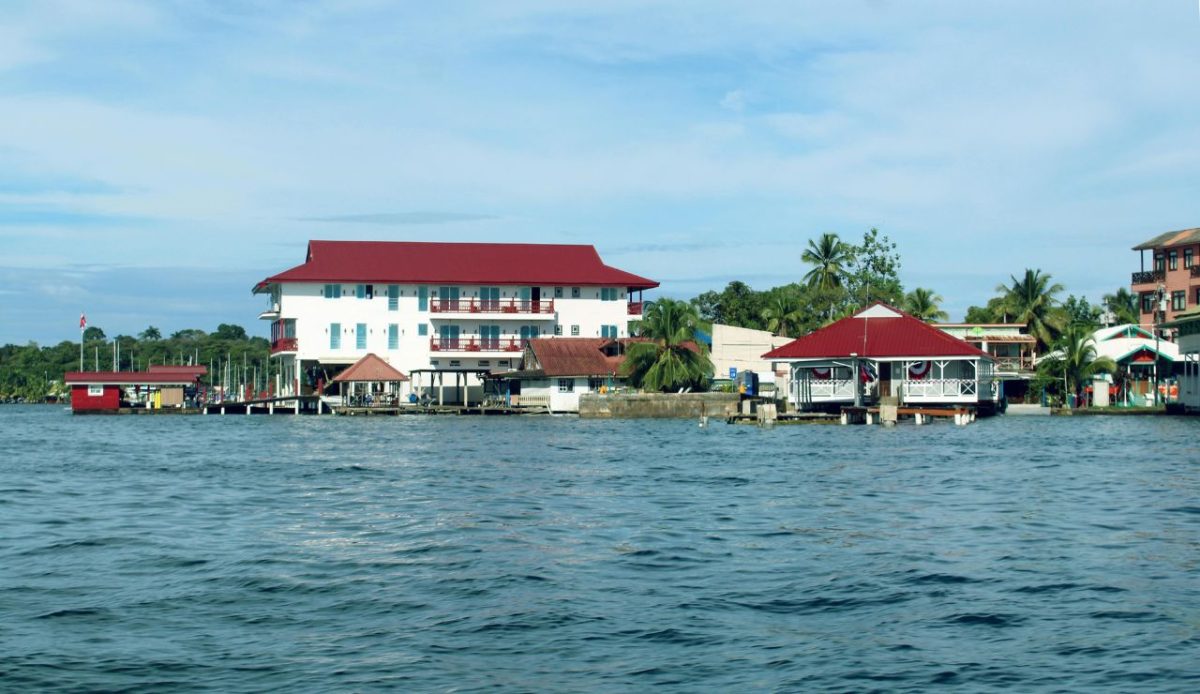
Bocas del Toro is a colorful archipelago off Panama’s Caribbean coast, with turquoise waters, lush jungles, and vibrant island life. Beyond its tropical beauty, the islands hold hidden histories of indigenous Ngäbe-Buglé communities, Afro-Caribbean settlers, and colonial trade routes. Wooden stilt houses and small villages reveal cultural blends shaped over centuries. Travelers often find that beneath the laid-back surf and party scenes, there’s a rich narrative of migration, trade, and community resilience. Exploring quieter corners unveils stories connecting nature, culture, and history in unexpected ways.
10. Granada Islands, Nicaragua
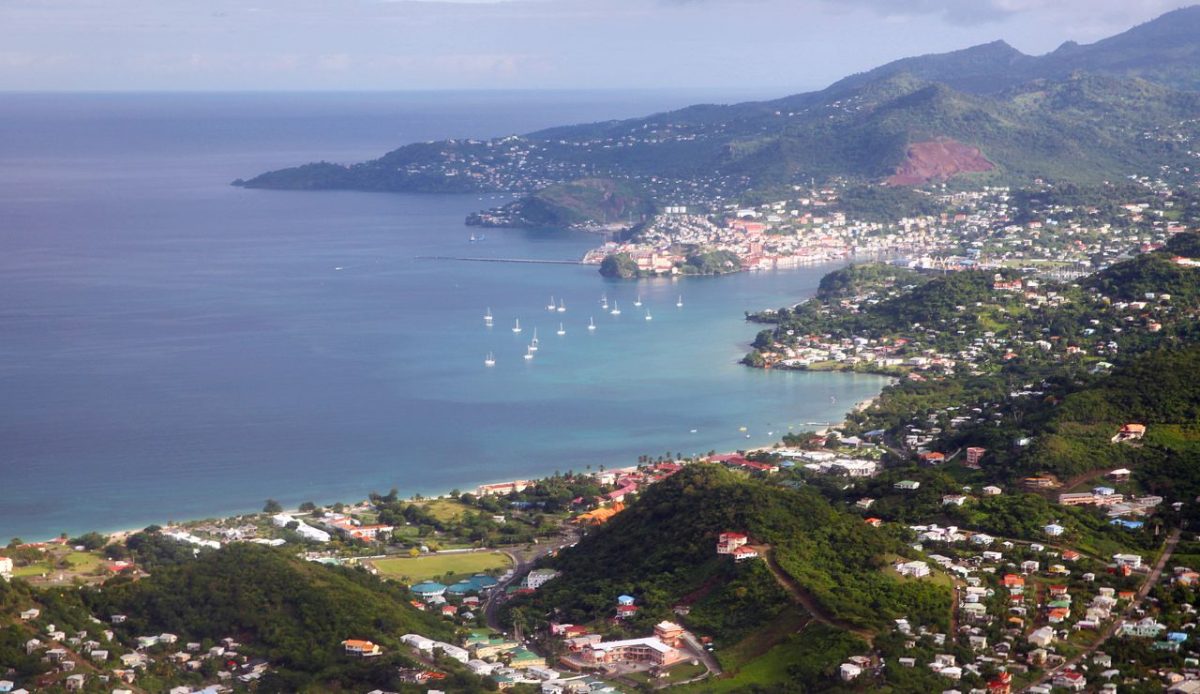
The islets surrounding Granada on Lake Nicaragua, known as Las Isletas, hold hidden histories of colonial and indigenous interactions. Small fortifications, private estates, and local lore hint at centuries of social, political, and ecological change. Kayaking or boating through these islands lets travelers witness both natural beauty and vestiges of human history, from old docks to plantation ruins. Many visitors are surprised by the depth of stories that emerge in these tiny landmasses, where landscapes intersect with cultural memory, offering a unique perspective on the broader historical currents shaping the Granada region.
11. Suchitoto, El Salvador
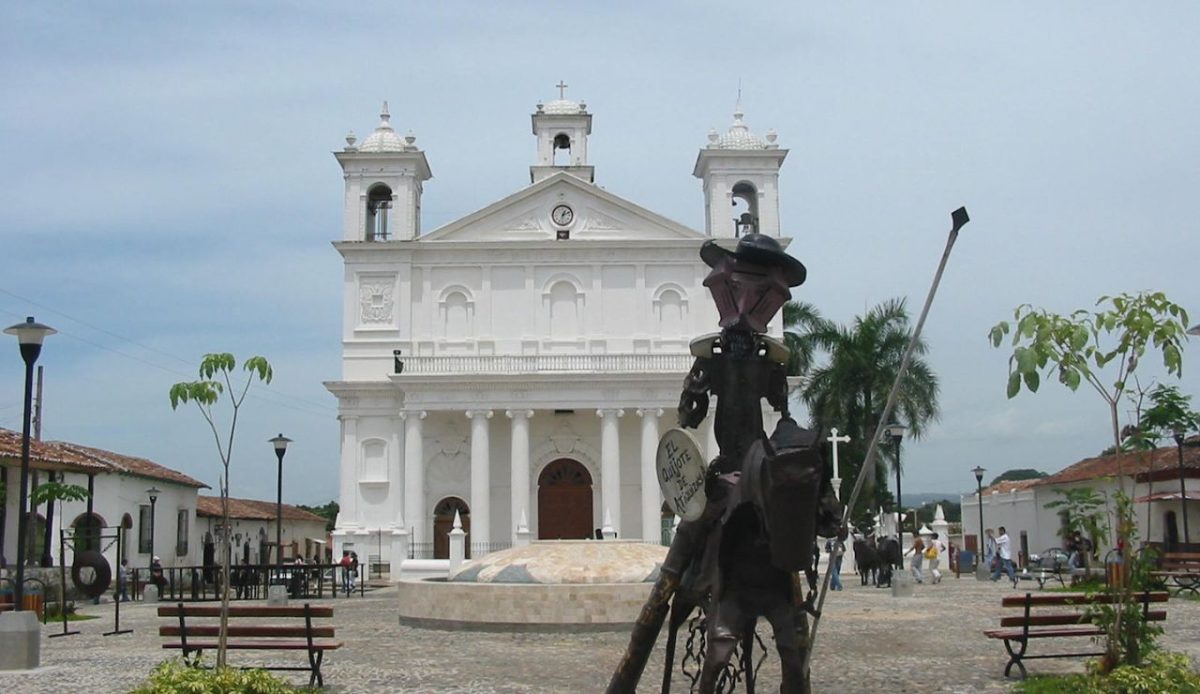
Suchitoto is a colonial town perched above Lake Suchitlán, celebrated for cobblestone streets, churches, and preserved architecture. Beyond aesthetics, it was a center of resistance, art, and indigenous culture throughout Salvadoran history. Local workshops and galleries showcase crafts, music, and storytelling traditions passed through generations. Travelers are often drawn to the town’s quiet streets and cultural depth, discovering narratives that contrast with more tourist-centric areas. Suchitoto blends scenic charm with living history, offering an immersive experience into Central America’s colonial, indigenous, and revolutionary past.
12. Little Corn Island, Nicaragua
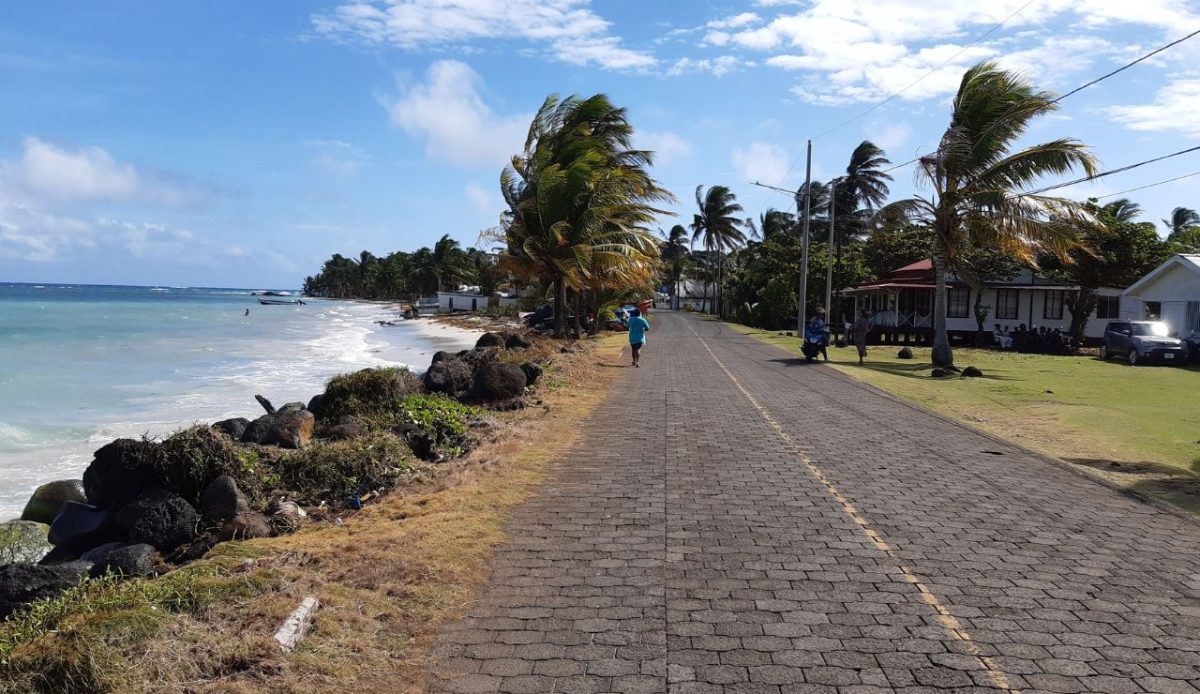
Little Corn Island, a tiny Caribbean gem off Nicaragua’s coast, enchants with sandy beaches, turquoise waters, and a slow-paced lifestyle. Beyond its natural charm, the island holds subtle history shaped by indigenous Miskito communities, Afro-Caribbean settlers, and early colonial trade influences. Traditional fishing practices, colorful homes, and local markets reflect cultural resilience. Travelers often find the island’s quiet streets and unspoiled reefs offer more than relaxation; they reveal layers of human history quietly woven into everyday life. Little Corn Island shows that even the smallest destinations carry rich, hidden stories.
