
Asia’s great sand seas reward travelers who plan for both daylight and darkness. Big dune fields deliver steep ridgelines for sunrise walks, while remote camps reveal constellations with little glare. This guide highlights deserts that are firmly in Asia and widely described for major dunes, plus clear night viewing. Conditions vary by season, wind, and moon phase, so permits and local rules should be checked before going. Each stop below pairs a distinctive dune landscape with practical stargazing potential. Bring a red flashlight, warm layers, and an offline sky map so your eyes adjust and time outside stays safe.
1. Badain Jaran Desert, China
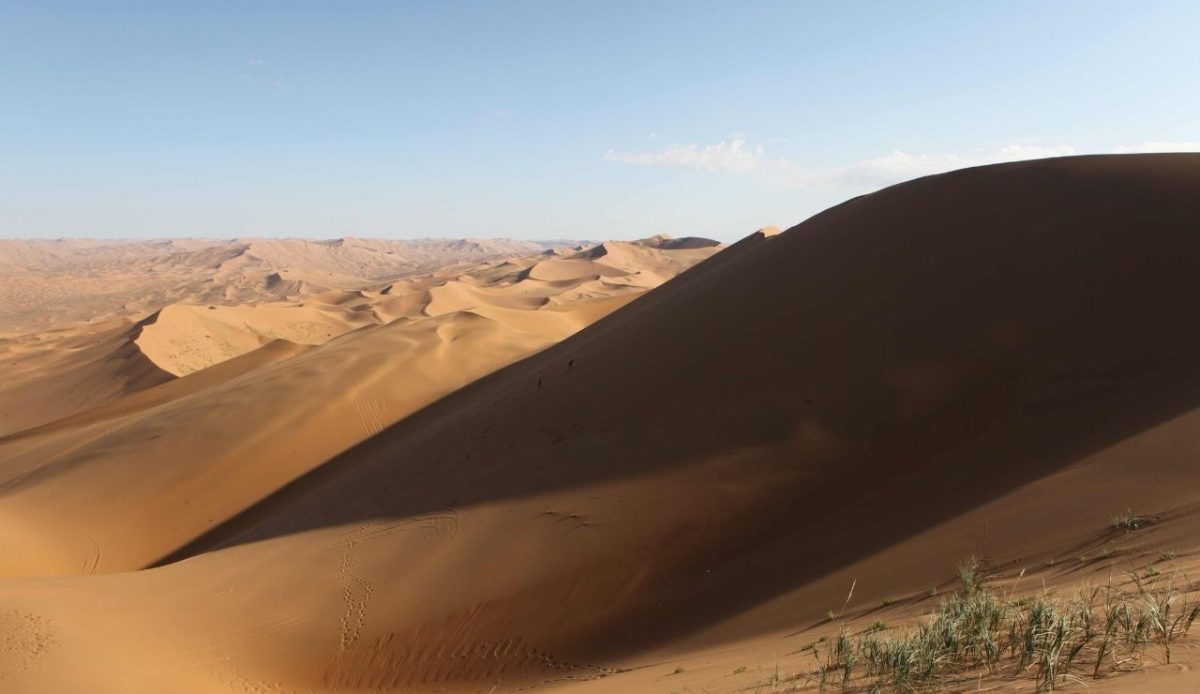
Badain Jaran in Inner Mongolia is known for huge fixed dunes that rise above scattered lakes, forming sharp silhouettes after sunset. The region is thinly populated, and many nights stay dry and clear, so faint stars appear quickly once camp lights are lowered. Viewpoints on high crests keep the horizon open in every direction. Access is often arranged with 4×4 support, and travel times can be longer than maps suggest. During new moon periods, the Milky Way can show as a bright band over the lake basins. Bring warm layers for the night wind and seal camera gear, since fine sand drifts into zippers and buttons.
2. Taklamakan Desert, China
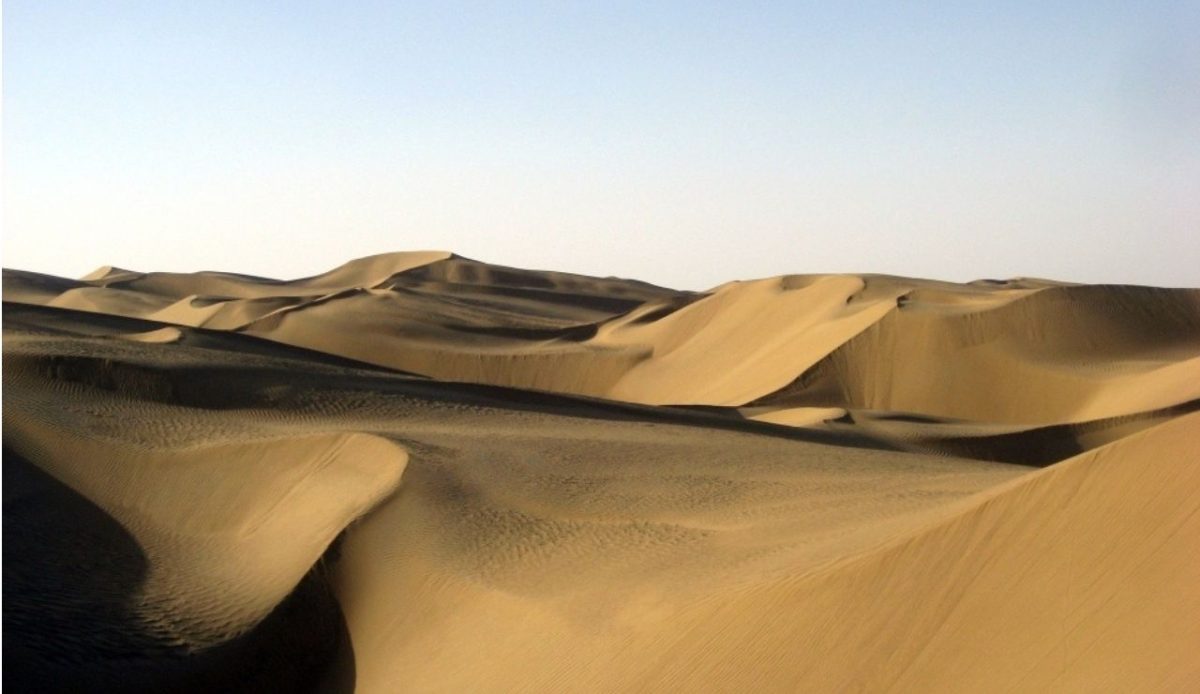
The Taklamakan fills the Tarim Basin in Xinjiang and is dominated by shifting dune chains that can run for miles. Because the interior is far from major cities, skyglow is low, and stars stay visible for long stretches after dusk. Most visitors reach the desert via oasis towns on the rim and then enter on guided routes or permitted road corridors. Night air cools fast, and wind can reshape footprints within minutes. Choose a campsite with a sheltered leeward slope for steadier viewing. Check forecasts for dust events, and aim for a moonless window so brighter planets and the Milky Way stand out.
3. Kumtag Desert, China
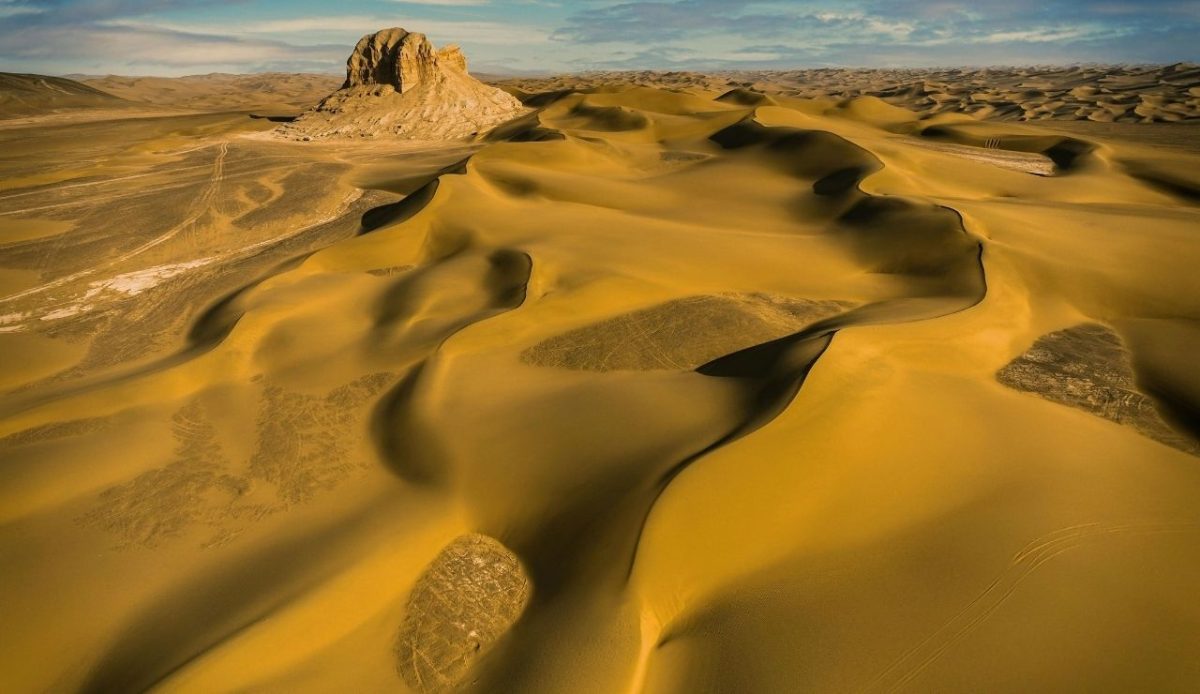
Kumtag Desert near Shanshan is prized for clean crescent dunes that sit close to access roads, making short overnight trips realistic. Even with easier entry, the surrounding settlements are small, so darkness returns quickly after twilight. Dune ridges here can be narrow and steep, which creates dramatic shadow lines and a wide sky dome from the crest. Local rules may limit where tents can be placed to protect fragile sand forms. Bring a ground mat, since the sand stays warm at first, then chills sharply. For photos, use a tripod and shorter exposures because gusts can shake the gear and blur star points.
4. Khongoryn Els, Mongolia
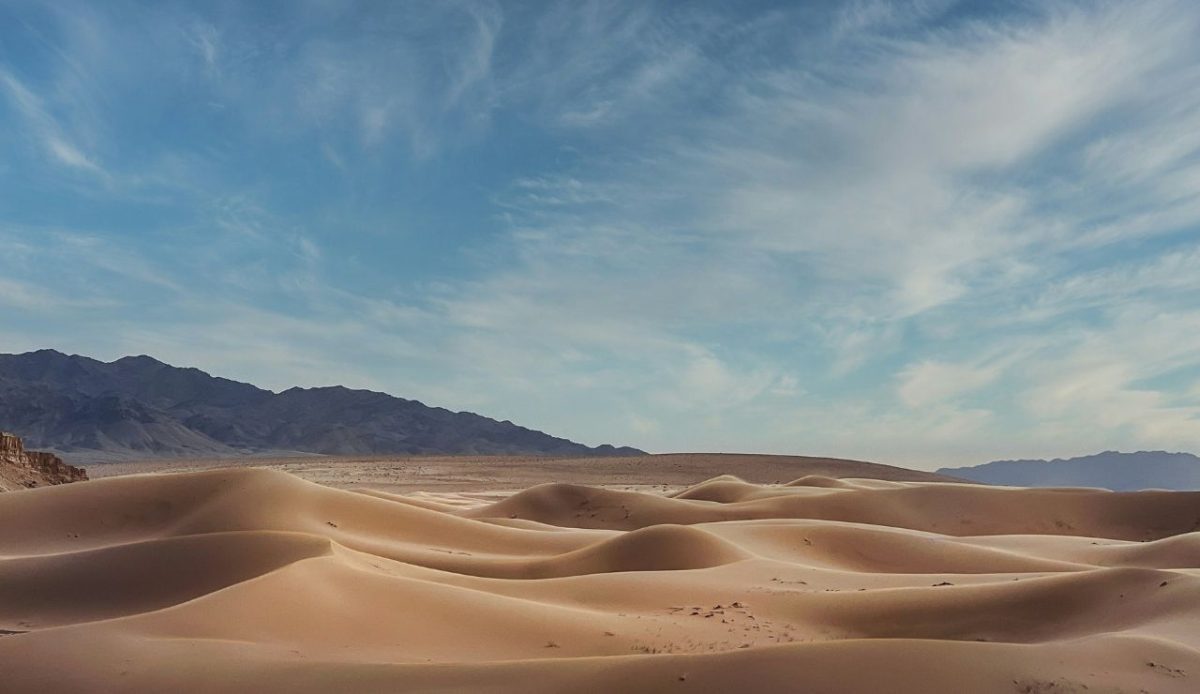
Khongoryn Els, the Singing Dunes of Mongolia, stretches like a golden wall inside Gobi Gurvansaikhan National Park. Climbing the taller faces at sunset sets up an unobstructed view across the flat steppe, where light sources are scarce. After dark, the dry continental air can produce crisp seeing, especially in late summer. Ger camps nearby keep infrastructure basic, and generators are often switched off early, which helps the sky remain dark. Pack ear protection for strong winds, and secure tents well because sand can surge overnight. Temperatures drop quickly, so a warm sleep system and a reliable GPS track reduce risk on night walks.
5. Sam Sand Dunes, India
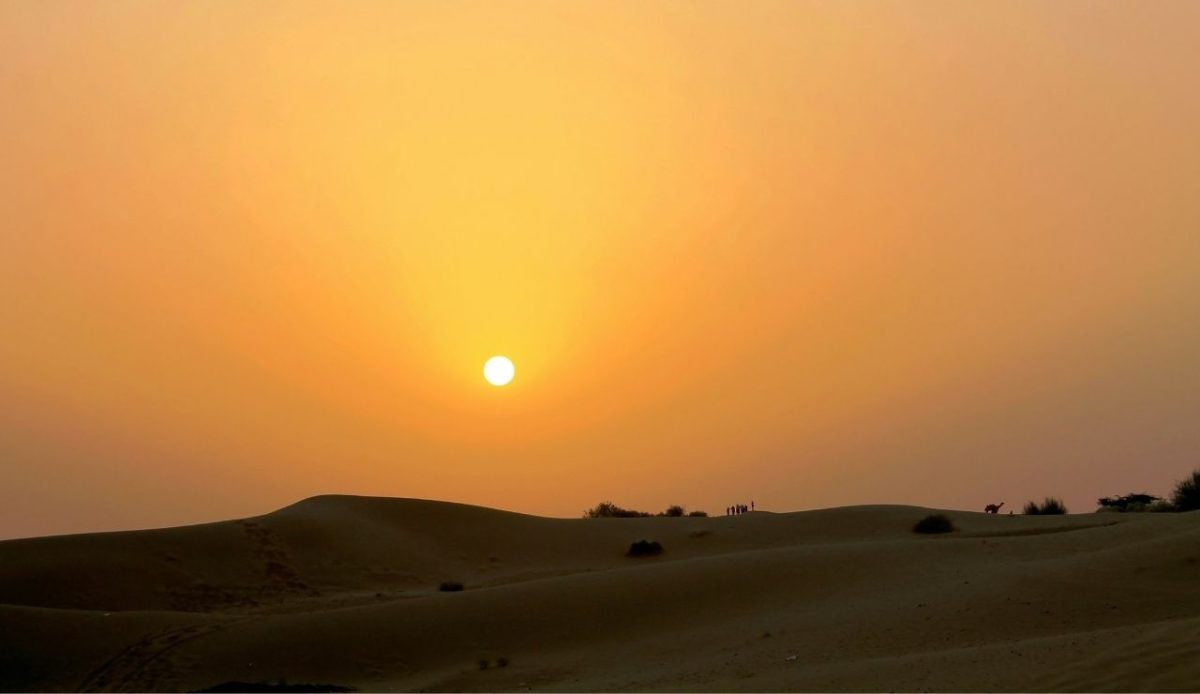
Sam Sand Dunes outside Jaisalmer offer a classic Thar Desert dune field with long rippled slopes and easy evening access. Stays are usually arranged through desert camps that schedule camel rides at dusk and quiet hours later for stargazing. While the area is popular, it still sits away from large city lighting, so stars become prominent on clear nights. Pick a camp that uses low, shielded lamps to protect night vision. Winter brings the best comfort, but nights can still feel cold once the wind rises. Use a moon calendar when booking, and step beyond the main music area if you want quieter, darker viewing.
6. Cholistan Desert, Pakistan
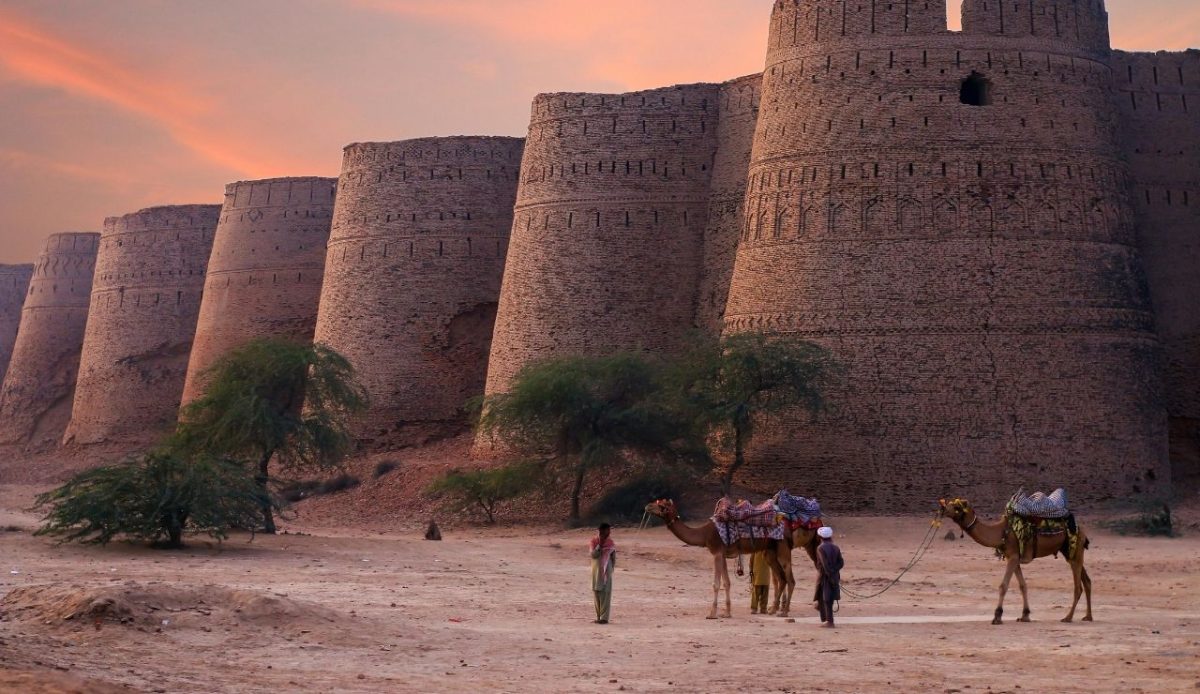
Pakistan’s Cholistan spreads south of Bahawalpur with low dune belts and wide sandy flats that feel endless at night. Because settlements are widely spaced, artificial light stays limited, and the sky can look surprisingly deep after sunset. Visits often combine the desert with nearby forts and seasonal events, but stargazing works best on calm, cloudless evenings. Choose a spot away from vehicle headlights and keep lighting minimal around camp. The surface can be uneven with soft pockets, so mark your camp point before walking onto darker dunes. In winter, dry air improves contrast, and meteor showers can be spotted with the naked eye.
7. Wadi Rum, Jordan
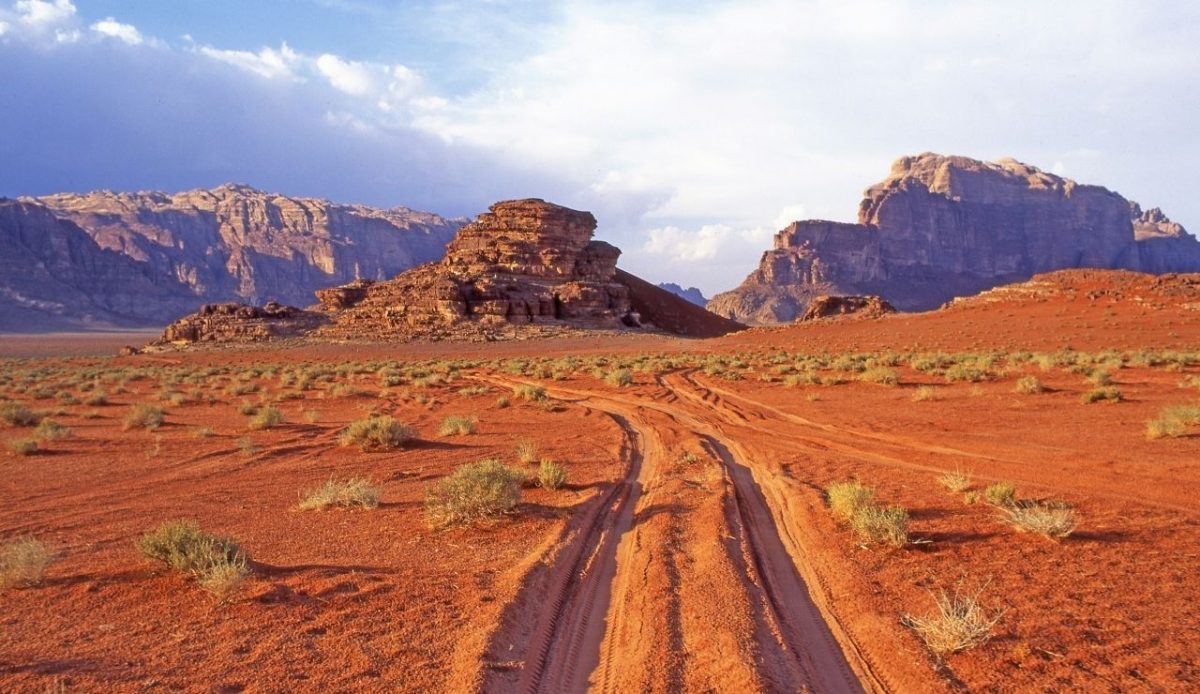
Wadi Rum in southern Jordan pairs towering sandstone massifs with pockets of red dunes that gather in sheltered valleys. The protected status limits heavy development, and many camps run on low lighting, so the sky stays dark once evening settles. Desert air and broad basins make constellations easy to trace, and guided night walks are common. For the most dramatic dune views, head to the higher drifts near the larger cliffs, where wind carves steep slip faces. Bring a headlamp with a red mode to keep night vision intact. Avoid full moon dates if possible, since bright light flattens the stars and the sand color looks less intense.
8. Gharameel, Saudi Arabia
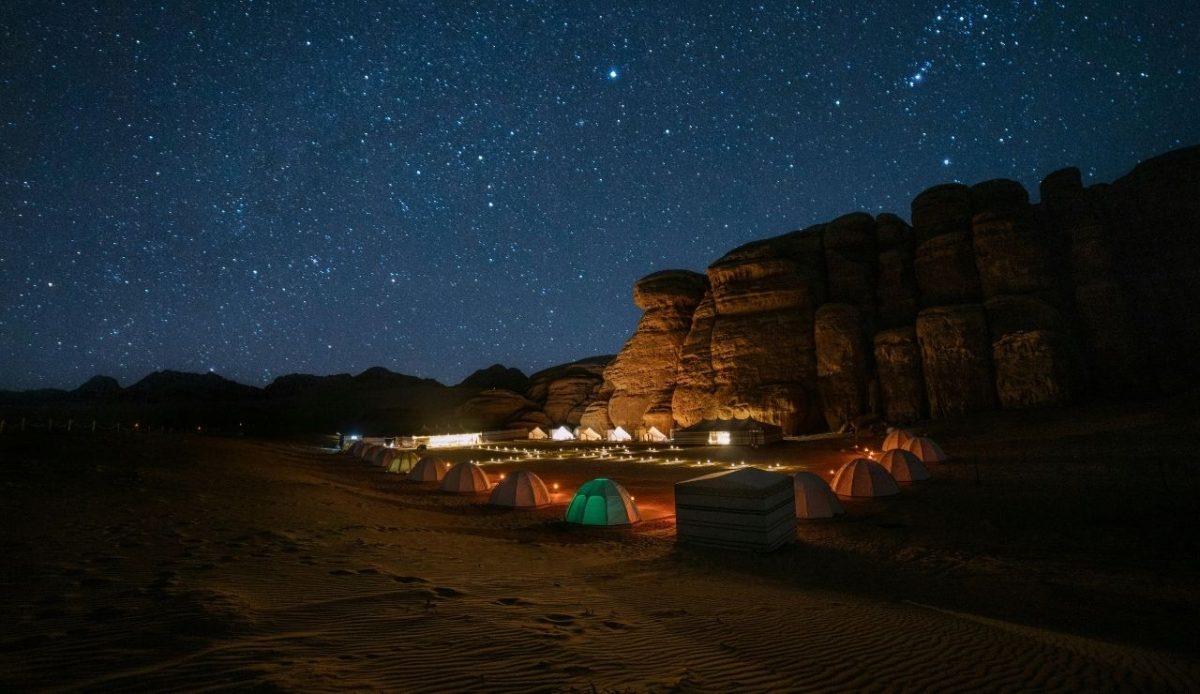
Gharameel, in the AlUla region of Saudi Arabia, is reached through the open desert where sand sheets meet sculpted rock. Although the area is known for stone formations, nearby dune patches add soft ridgelines that glow at sunset and frame night skies later. Official visitor management emphasizes low-impact access, which helps reduce stray lighting during evening programs. Clear, dry air supports sharp star visibility, and guided sessions often point out planets and seasonal constellations. Wear layers, since the temperature swing can be large between late afternoon and midnight. Pick a site well off the tracks to reduce dust from late arrivals.
9. Wahiba Sands, Oman
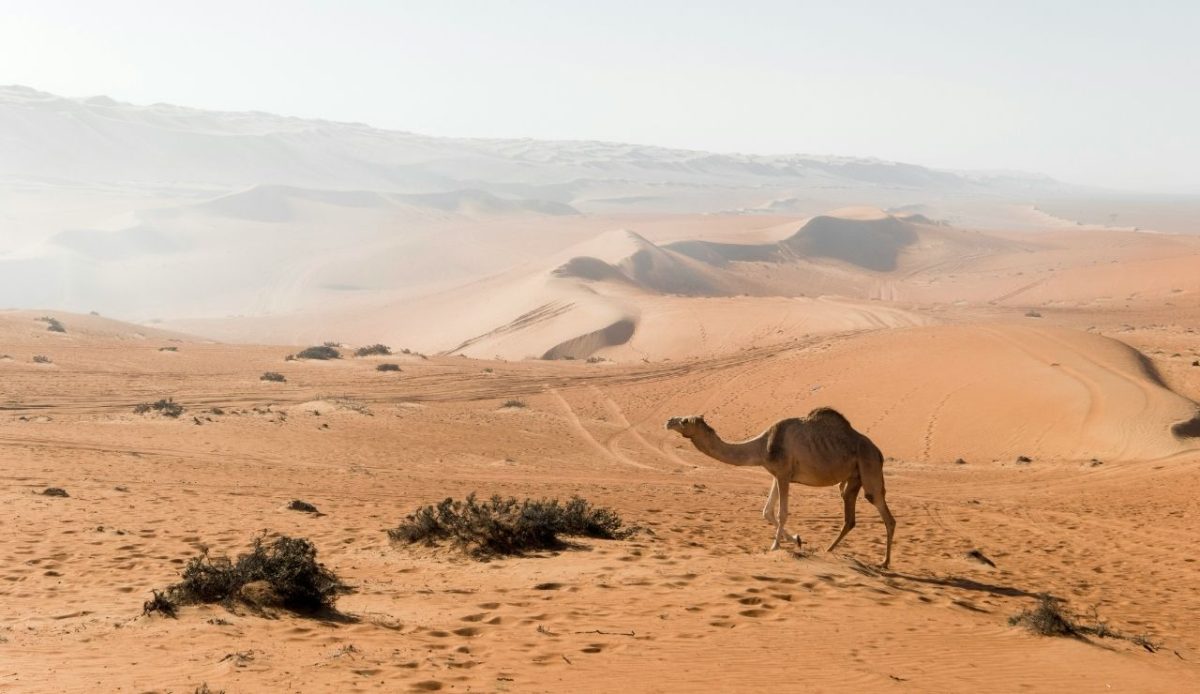
Wahiba Sands, also called Sharqiyah Sands, covers eastern Oman with long parallel dunes that shift color from pale gold to deep orange. Small desert camps are spaced out, and many rely on minimal lighting, which keeps the night sky clear beyond the camp perimeter. Climb a ridge after dinner, and the view opens across repeating dune lines, a great setup for spotting satellites and meteor streaks. The air is usually dry, but sea breezes can bring humidity at times, so nights vary by season. Keep sand out of equipment with simple covers and store water where it will not freeze. A driver experienced in sand is essential for safe entry and exit.
10. Liwa Desert, United Arab Emirates
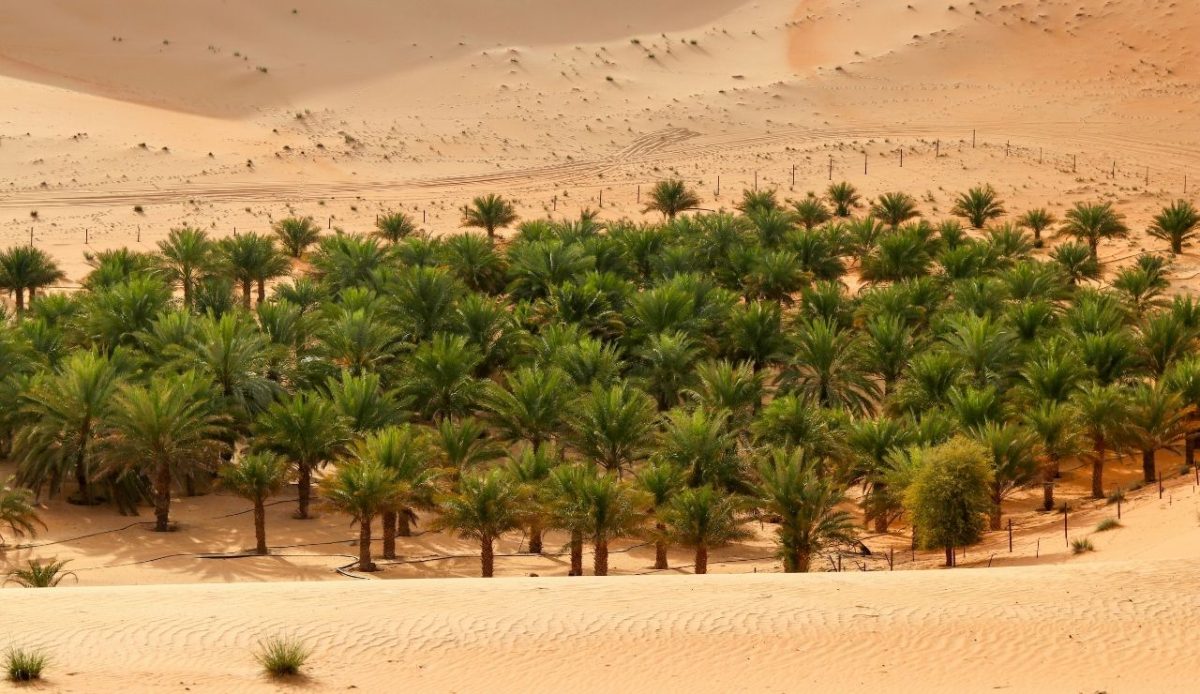
Liwa, on the southern edge of Abu Dhabi’s oasis belt, fronts the Empty Quarter with dunes that climb into steep, high faces. The distance from coastal cities reduces haze and light spill, so the sky often looks darker than many desert day trip sites. Sunset on the big slopes sets up a wide panorama, and the same open angles work well for night viewing. Select lodging that limits floodlights, and step a short distance away before you start observing. Nights can be chilly even when days are warm, and wind may add blowing sand that irritates eyes. Near Moreeb, the tallest dunes feel especially dramatic under a moonless sky.
11. Rub al Khali, Arabian Peninsula
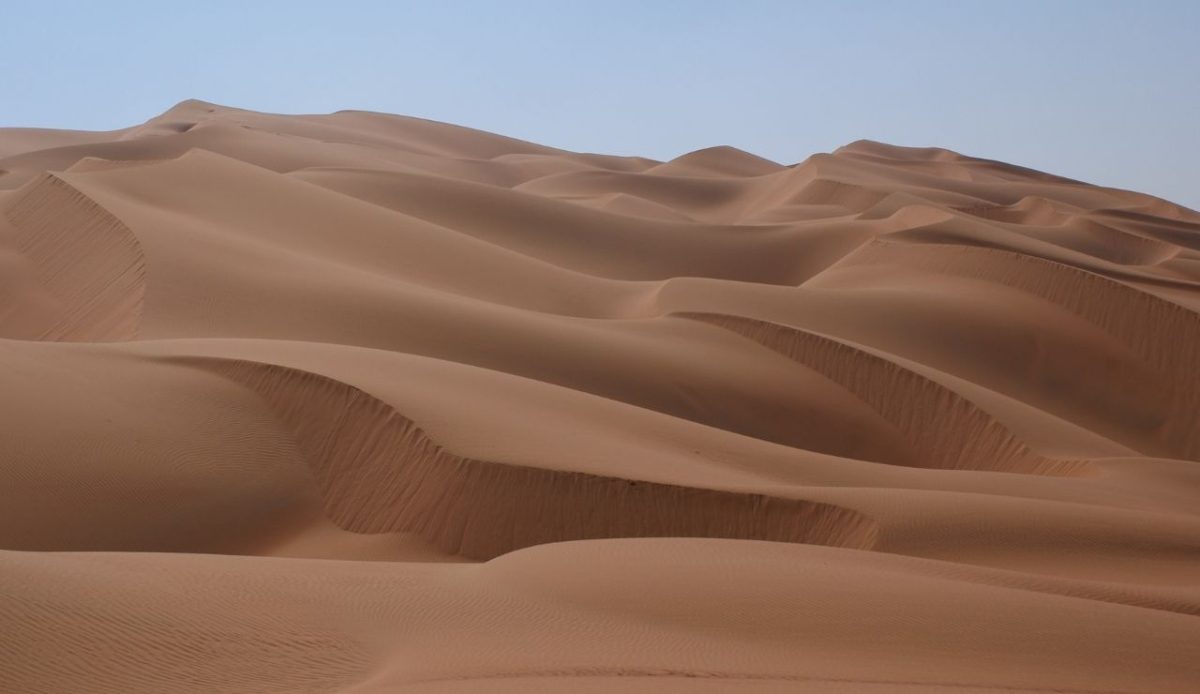
Rub al Khali, the Empty Quarter, spreads across Saudi Arabia and neighboring states with vast dune seas and almost no permanent towns. That isolation keeps artificial light close to zero in interior areas, which is ideal for star fields and faint nebulae. Trips are typically guided and may involve multi-day drives, so logistics and safety planning matter as much as scenery. At camp, dunes act like natural windbreaks, while the sky may stay clear for hours when the weather cooperates. Keep water protected from sand, and follow local advice on navigation because landmarks can look similar in every direction.
12. Kyzylkum Desert, Uzbekistan and Kazakhstan
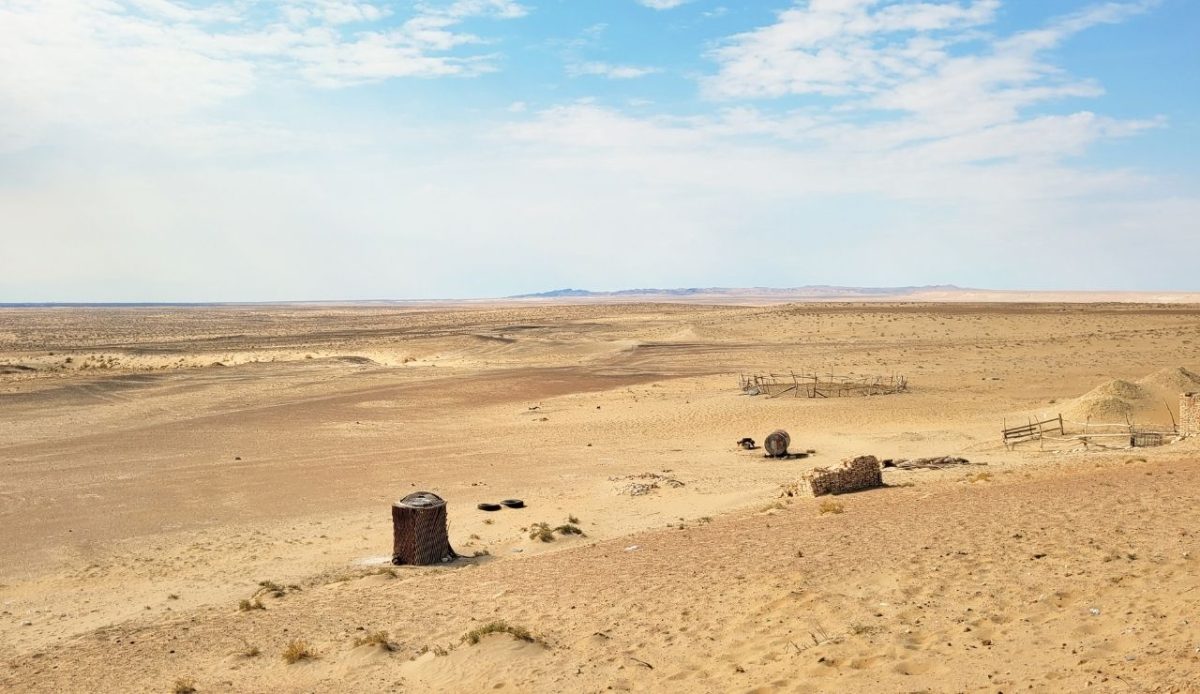
Kyzylkum lies between the Amu Darya and Syr Darya and covers large parts of Uzbekistan and Kazakhstan with reddish sand and low dune clusters. Many visitors experience it through seasonal yurt camps, where lighting is limited and nights feel quiet. Clear continental weather can produce strong visibility, especially away from highways and settlements. Instead of towering peaks, the appeal comes from wide openness, which makes the sky dome feel larger and helps with long exposure photography. Bring spare batteries, since cold night air drains power, and keep a compass handy for short walks beyond camp.
