
You’ve seen the pictures of grand white columns, rows of live oaks dripping with moss, fields stretching under a Southern sun. But behind those images is a deeper story. It is not about elegance or old-world charm. It is about survival, resistance, and lives lived in bondage. These plantations were not just farms or historic homes. They were forced labor systems that shaped America’s economy, culture, and racial divides. Today, more sites are choosing honesty over nostalgia. They are naming the enslaved, restoring slave cabins, and letting descendants lead the tours. This shift is not about erasing history. It is about finally telling it fully. From Louisiana sugar mills to Virginia tobacco fields, these 12 places invite visitors to look beyond the myths. They offer real stories, not reenactments. For teens learning U.S. history and parents who want truthful answers, they provide a chance to connect past to present. Not through guilt, but through respect, reflection, and understanding.
1. Whitney Plantation – Wallace, Louisiana
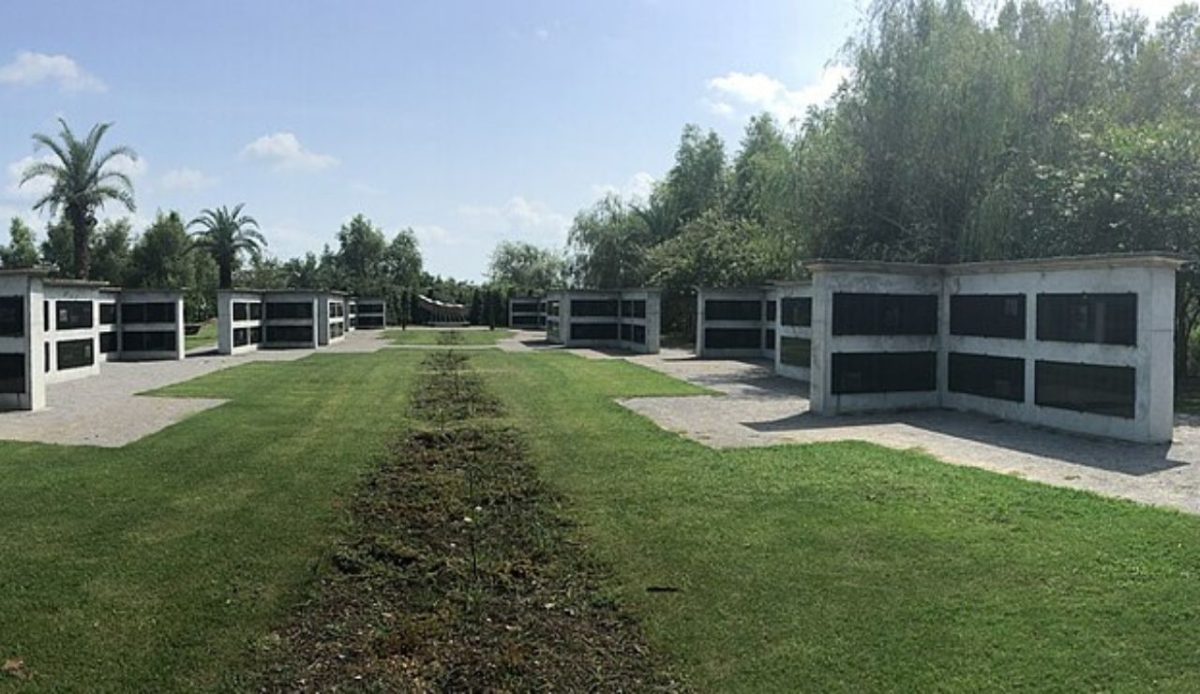
Whitney Plantation exists to remember the enslaved people who lived and died under brutal conditions on this land. Opened in 2014, it stands where hundreds worked growing sugarcane for French, Spanish, and American owners. Visitors receive a lanyard with an enslaved child’s name to begin a personal connection to the past. Tours start with recorded voices from former slaves collected by historians in the 1930s. The Allées des Noms lists over 107,000 names of enslaved individuals across Louisiana. Sculptures honor children who suffered and perished in bondage with no chance for freedom. Staff call this place what it truly was, a labor camp built on human suffering. Joy Banner, a descendant of those enslaved here, works at the site and calls for fairness in how history is told.
2. Monticello – Charlottesville, Virginia
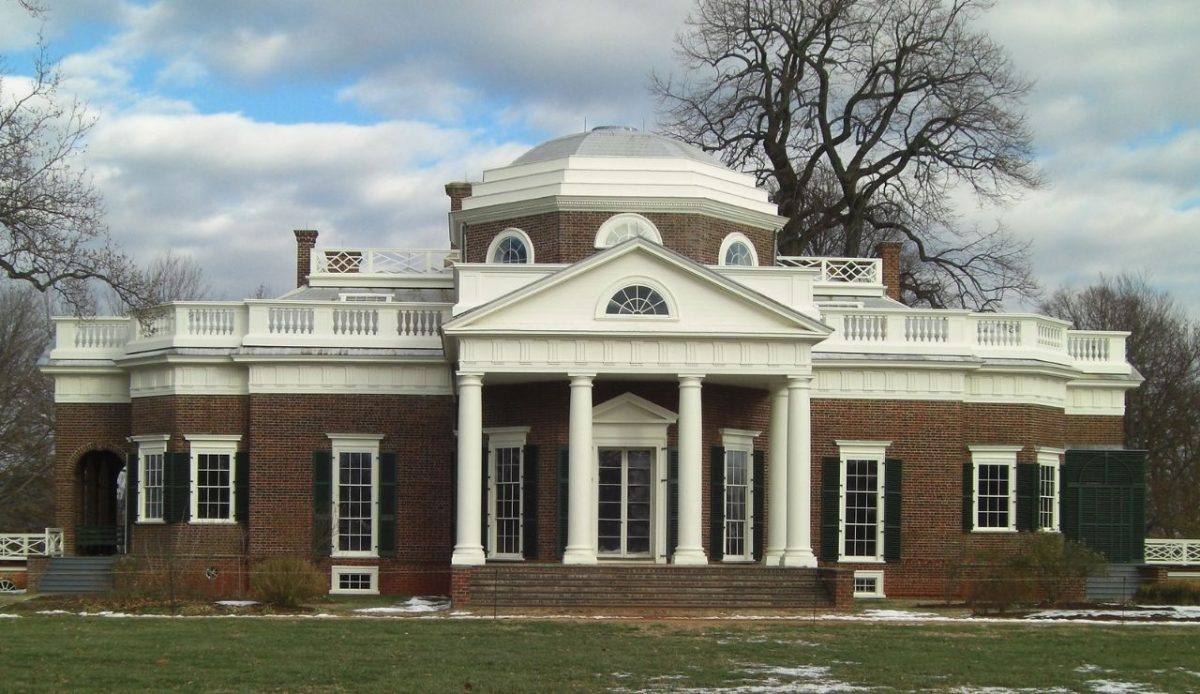
Thomas Jefferson wrote “all men are created equal” while holding over 400 people in slavery during his lifetime. At Monticello, that contradiction is now part of every tour guests take through the estate. Guides begin with Sally Hemings, an enslaved woman who had six children with Jefferson. Exhibits highlight James Hemings, a skilled chef trained in Paris, and Harriet Hemings, who escaped to live freely. Hidden hallways show how enslaved workers moved unseen through the mansion’s walls. The site uses names instead of vague terms like “servants” to restore dignity and identity. Young visitors often leave thinking deeply about moral conflict in national leaders. It’s a powerful lesson in facing hard truths without excuses.
3. Montpelier – Orange, Virginia
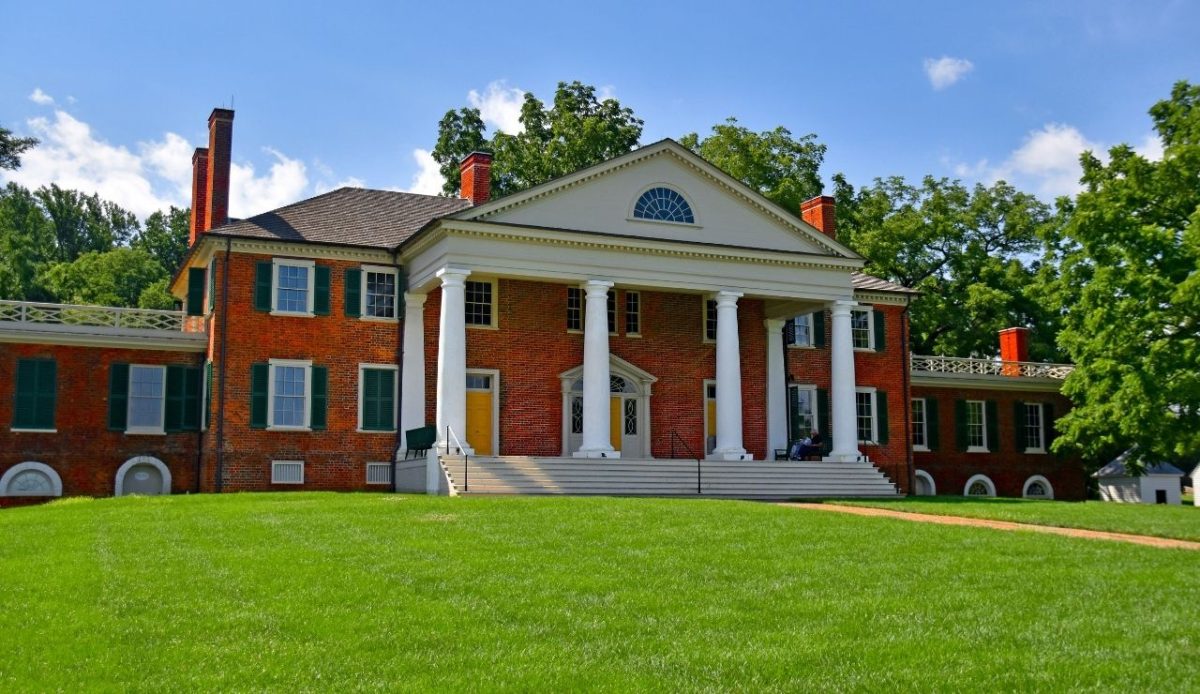
James Madison’s home shares control with descendants of the people who were once enslaved there. Their input helped shape “The Mere Distinction of Colour,” an exhibit linking slavery to modern racism. Two members of the Descendants Committee sit on the board, giving real power in decision-making. Each year, $5,000 Promise Grants go to high school seniors who are direct heirs of the enslaved community. Teens join youth programs focused on justice, leadership, and civic action. By sharing leadership, Montpelier proves history should belong to everyone affected by it. This model sets a new standard for honesty and inclusion in how we tell the American story.
4. McLeod Plantation – Charleston, South Carolina
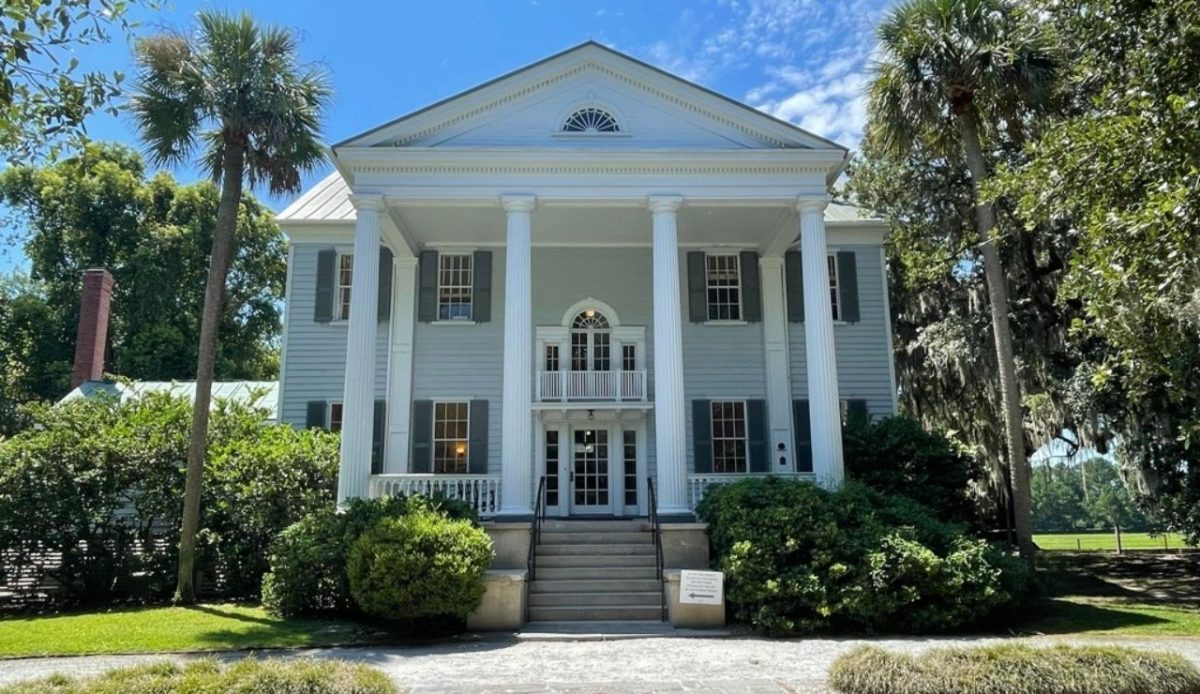
McLeod Plantation opened in 2015 to focus on African American life from slavery through the Civil Rights era. Original slave cabins still stand, some occupied until the 1980s by descendants of the enslaved. Tours cover cotton farming, segregation, and the Gullah Geechee culture that survived despite oppression. Interpreters use iPads to share photos, letters, and family stories gathered over decades. After each visit, staff meet privately to process tough moments and support one another emotionally. Surveys show most guests leave better informed and more willing to talk about race. For families, McLeod offers a safe space to ask questions and reflect together. Its focus on continuity helps young people see how history shapes their world today.
5. Sweetwater Plantation – Augusta, Georgia
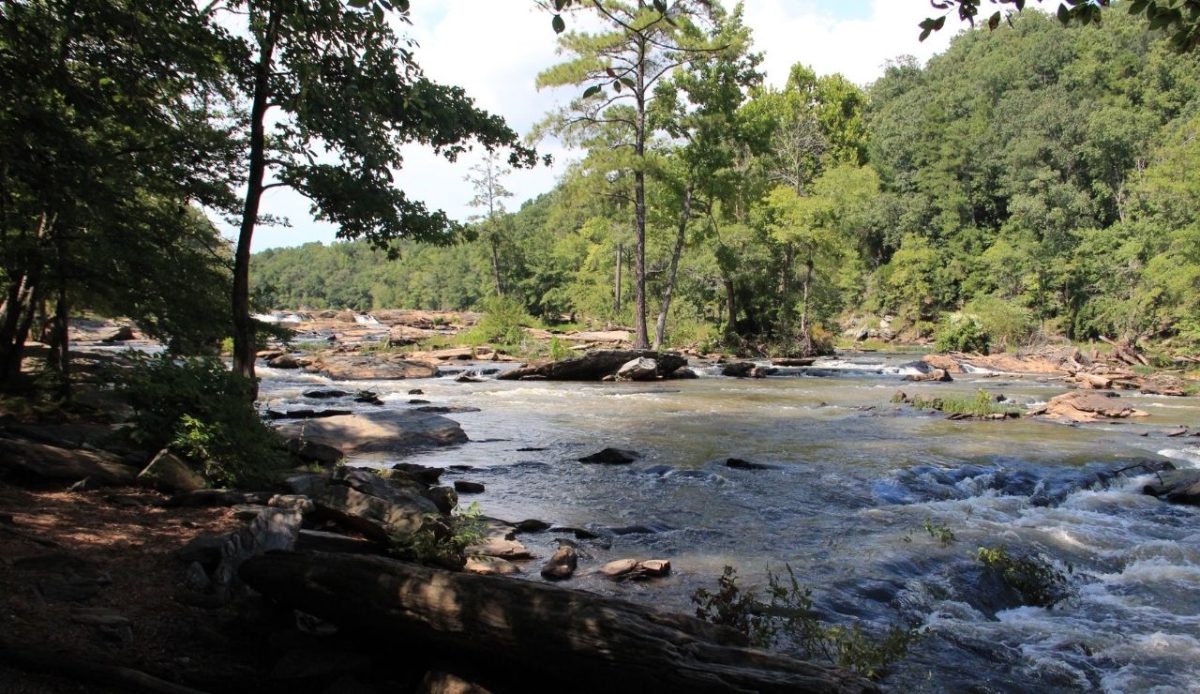
Sweetwater is run by descendants of the people once enslaved there, reclaiming a story long controlled by white owners. Dr. John Gourdine, a genealogist and heir, led efforts to preserve the land and its legacy. Visitors walk through restored cabins, a burial ground, and a heritage garden planted with traditional crops. The Name Wall lets guests search for surnames tied to the plantation’s past. Oral histories passed down for generations are shared openly during guided walks. School groups grind corn, weave baskets, and learn survival skills used by their ancestors. Sweetwater does not hide pain but celebrates strength, culture, and survival. For youth with roots in the South, this site feels like coming home.
6. Boone Hall – Mount Pleasant, South Carolina
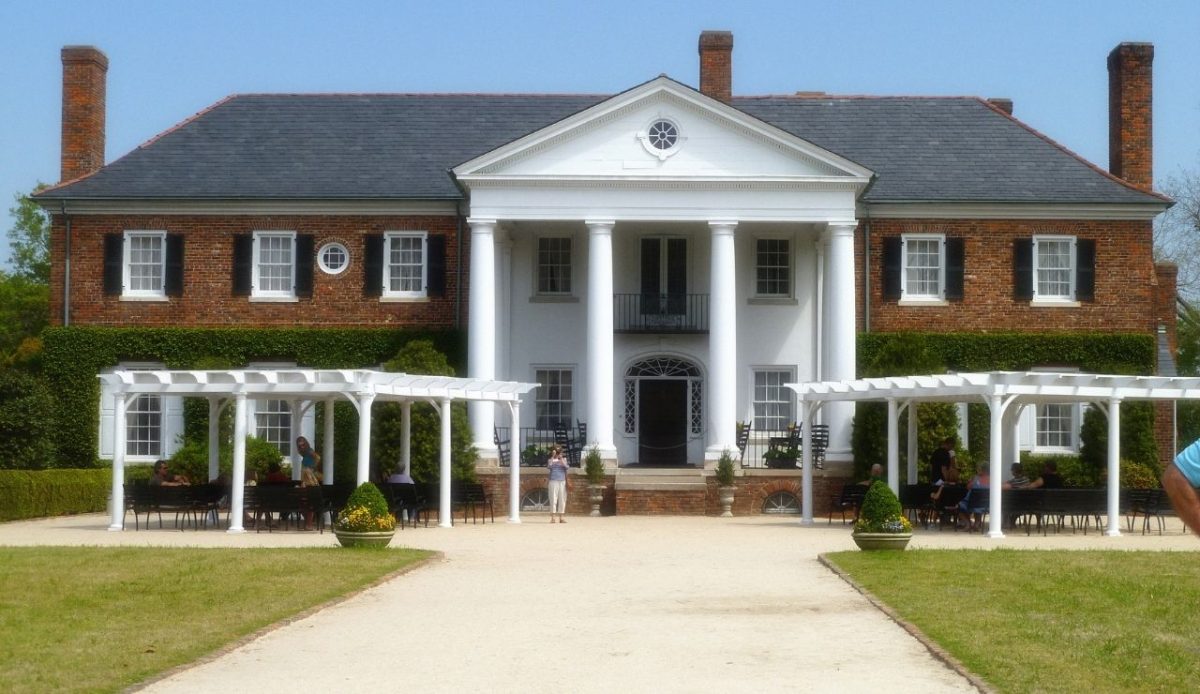
Boone Hall is famous for its oak-lined drive and weddings, but it also teaches about the reality of slavery. Nine original slave cabins house exhibits on daily life, punishment, and family bonds torn apart. Audio stations play words from formerly enslaved people recorded in the early 20th century. Interpreters speak plainly about sales, whippings, and escape attempts that ended in capture. The site hosts a Freedom Festival each June to celebrate Juneteenth and Black heritage with music and food. While some say it leans too much on beauty, others see value in using its popularity to teach. Many teenagers respond strongly to the contrast between looks and truth.
7. Magnolia Mound – Baton Rouge, Louisiana

Magnolia Mound reflects Creole life shaped by French, African, and Caribbean cultures in the late 1700s. Built in 1791, it relied on enslaved labor for farming rice and handling household tasks. Costumed interpreters demonstrate candle-making, open-hearth cooking, and gardening with 18th-century tools. Tours highlight blacksmiths, seamstresses, and healers who kept the plantation running with skill and care. Archaeology has uncovered toys, beads, and tools that help tell individual stories from the past. School programs let students churn butter, write with quills, and plant herbs in the garden. The tone is educational, focusing on routine rather than trauma alone. This helps younger visitors grasp how people lived, resisted, and survived day to day.
8. Shirley Plantation – Charles City, Virginia
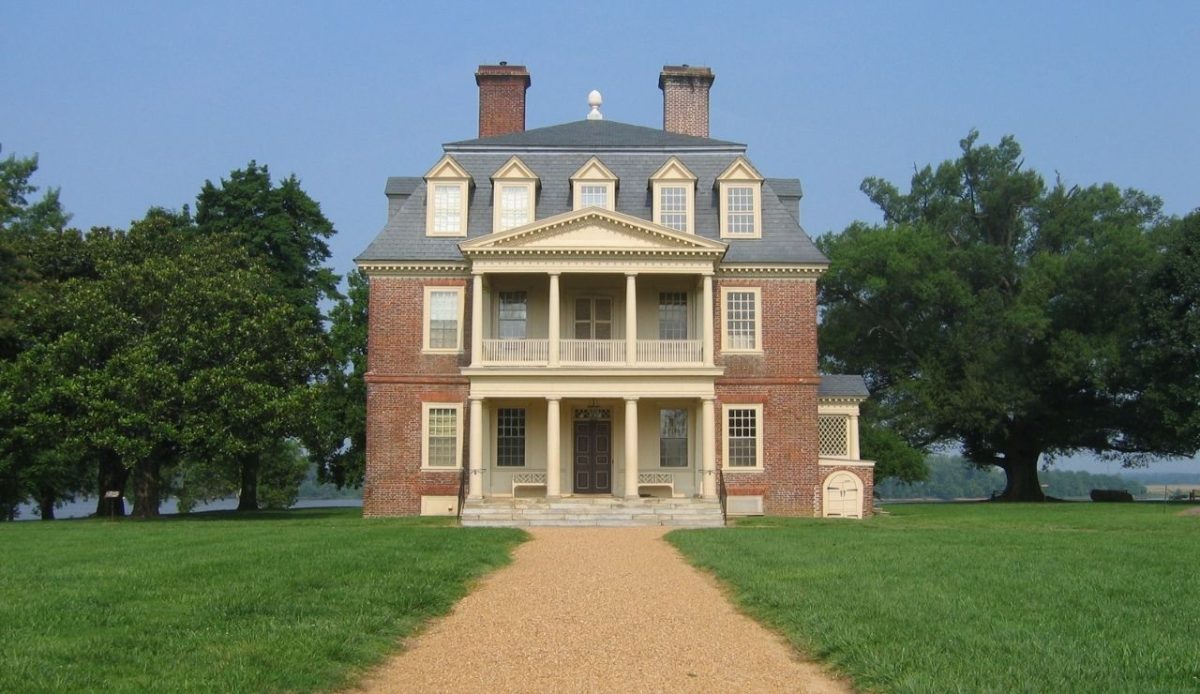
Shirley Plantation has operated since 1613, making it the oldest active plantation in the United States. Tobacco grown by enslaved labor built its wealth over three centuries of continuous operation. Records show more than 80 people were enslaved there in 1860 alone. Recent tours now include Charlotte, an enslaved cook whose meals fed the owner’s family, and Isaac, a skilled blacksmith vital to farm repairs. A memorial garden honors those buried in unmarked graves behind the main house. Because it’s privately owned, progress depends on the current family’s willingness to face the past. Some visitors still expect only stories about architecture and design. But staff are working to include more truth in every tour they give. Questions about ownership of history come up often.
9. The Hermitage – Nashville, Tennessee
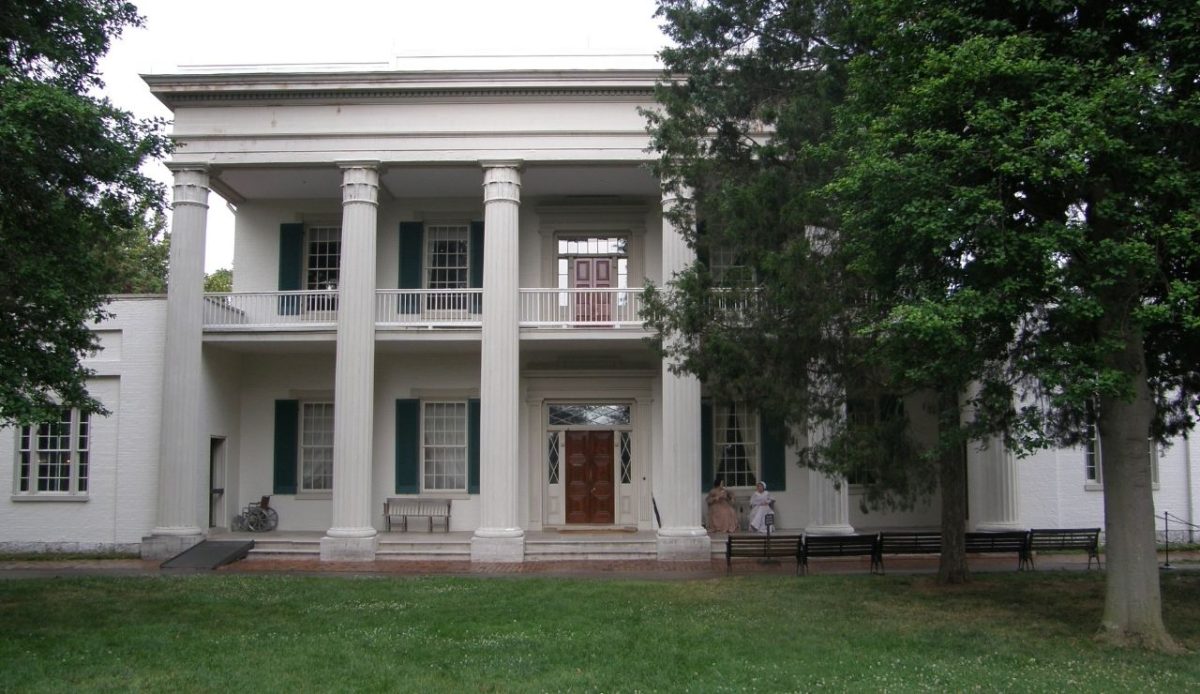
Andrew Jackson called himself a champion of the common man while owning nearly 150 enslaved people at his peak. Cotton grown through forced labor made him rich enough to build a large estate in Tennessee. Today, the site confronts this head-on with a film that explains Jackson’s role in Indian removal and slavery. The “Lives of the Enslaved” tour visits reconstructed cabins, a kitchen yard, and a cemetery for the buried. Artifacts like buttons, beads, and dishes humanize those left out of official records. Hannah, Jackson’s housekeeper, and Alfred, the stable manager, are named and remembered for their work. This tour doesn’t hide the facts or soften the language. It tells them straight and expects visitors to listen.
10. Oak Alley – Vacherie, Louisiana
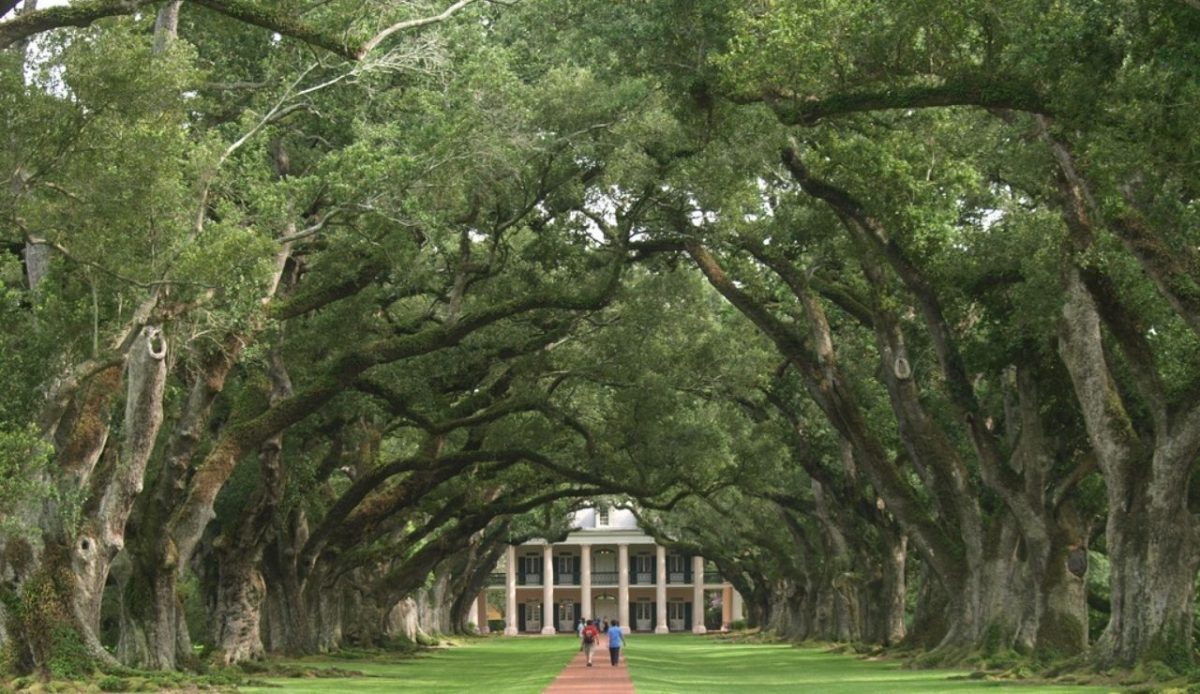
Oak Alley’s tree-lined path is iconic, but now the story goes deeper than looks and photo shoots. Once focused on romance and weddings, the site changed course in the 2010s to include harder truths. In 2019, interpreters stopped wearing period costumes to break from glorifying the antebellum past. The “ReDiscover Oak Alley” tour highlights sugar production, which was one of the deadliest jobs in the South because of extreme heat, burns, and long hours. Reconstructed cabins tell stories of resistance, faith, and family bonds that survived despite separation. Exhibits explain how religion and music helped people endure the daily grind of bondage. Many young guests react strongly to the contrast between beauty and brutality. Truth grows even in quiet places where silence once ruled.
11. Belle Meade – Nashville, Tennessee
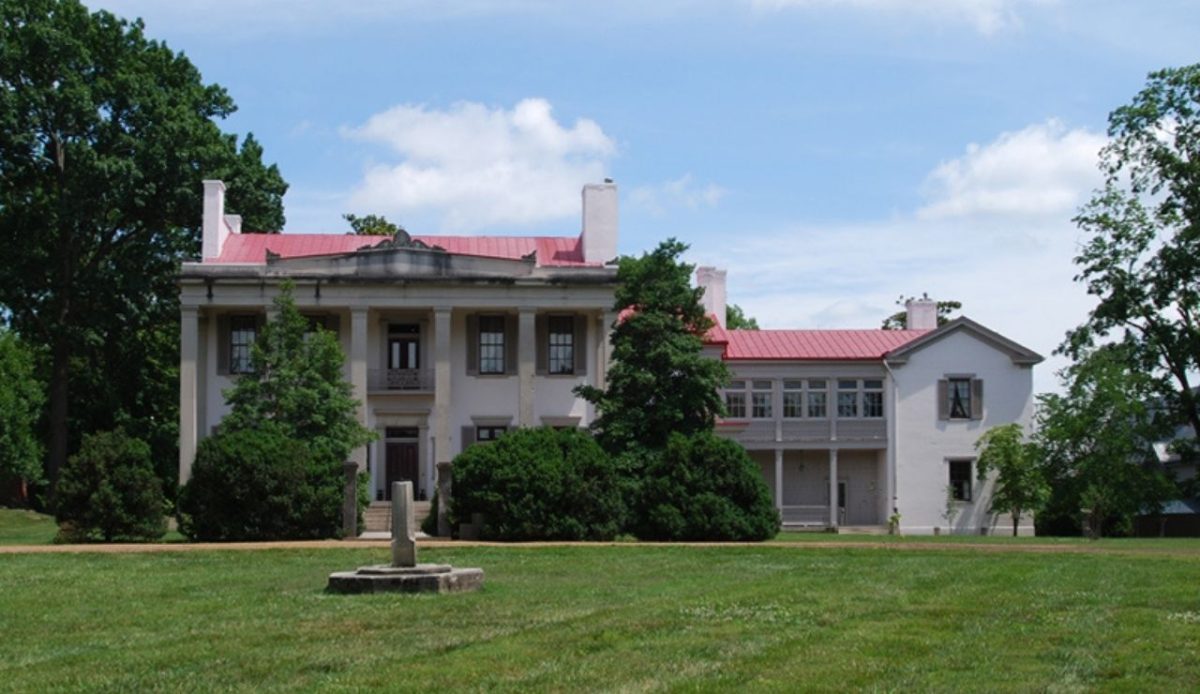
Belle Meade was a top thoroughbred farm powered entirely by enslaved labor before the Civil War. Since the 1990s, it has shifted focus to the skilled Black workers who trained horses, made barrels, and sewed clothes. The “Journey to Jubilee” tour is led by Brigette Janea Jones, a guide with ancestral ties to Tennessee’s enslaved communities. Her voice brings depth and authenticity to every word she speaks. Guests visit cabins, a blacksmith shop, and a smokehouse where meat was preserved for winter. Archaeology has uncovered toys, dishes, and tools that reveal daily life under bondage. School programs mix history with hands-on work like grinding corn and writing with ink. Families find this opens doors to real talk about race, memory, and healing.
12. Laura Plantation – Vacherie, Louisiana
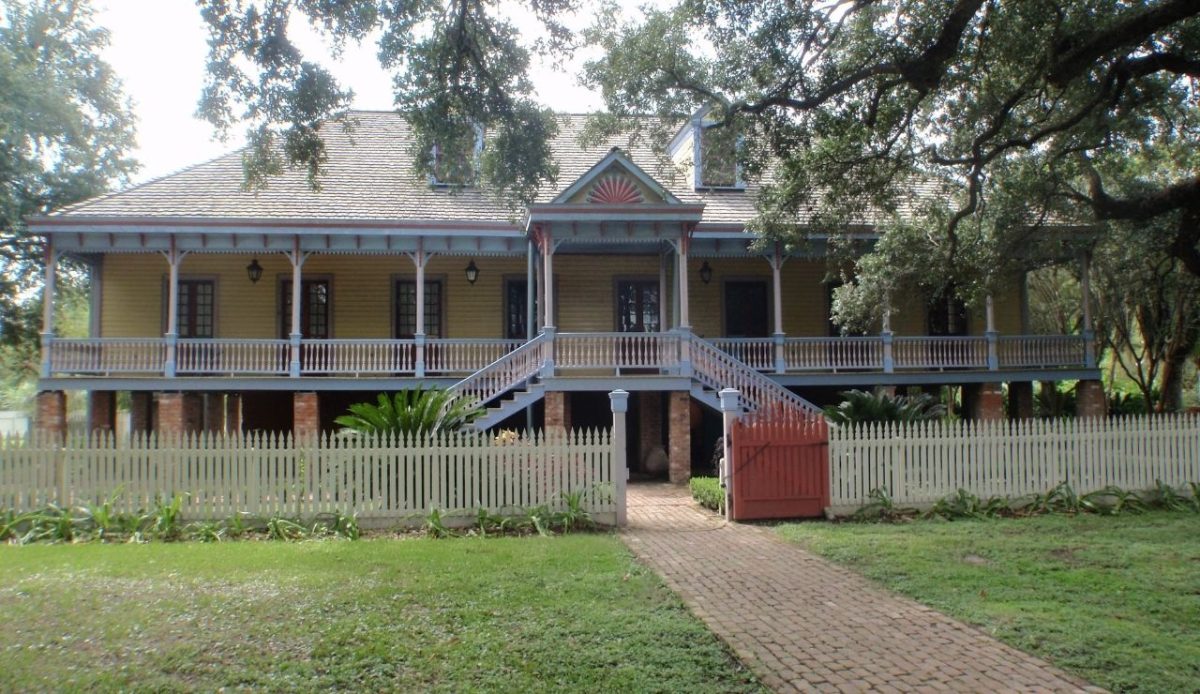
Laura Plantation, founded in 1804, tells a Creole story shaped by French, African, and Caribbean roots. From the start, tours centered on the enslaved, thanks to owner Laura Locoul Gore, who urged honesty in her memoir. Original brick cabins house exhibits on four generations of women named Celeste, tracing their journey from bondage to freedom. Interpreters use first-person storytelling to bring voices back to life and make history feel personal. One exhibit details the dangers of sugar processing, which involved backbreaking labor, scalding heat, and armed guards watching every move. Teenagers respond well to the family-like tone that treats enslaved people as individuals. Laura tells a human story; one life, one name, at a time.
