
From winding historic lanes to modern elevated highways, certain roads have transformed the way cities function and how people experience urban life. These streets and boulevards often reflect innovative engineering, clever urban planning, or daring architectural ideas that influence traffic flow, pedestrian access, and city connectivity. Travelers and locals alike notice their impact immediately. This article examines 11 unusual roads worldwide that have reshaped transportation, urban design, and community dynamics, highlighting how a single street can leave a lasting impact on a city’s character and culture.
1. Lombard Street, San Francisco
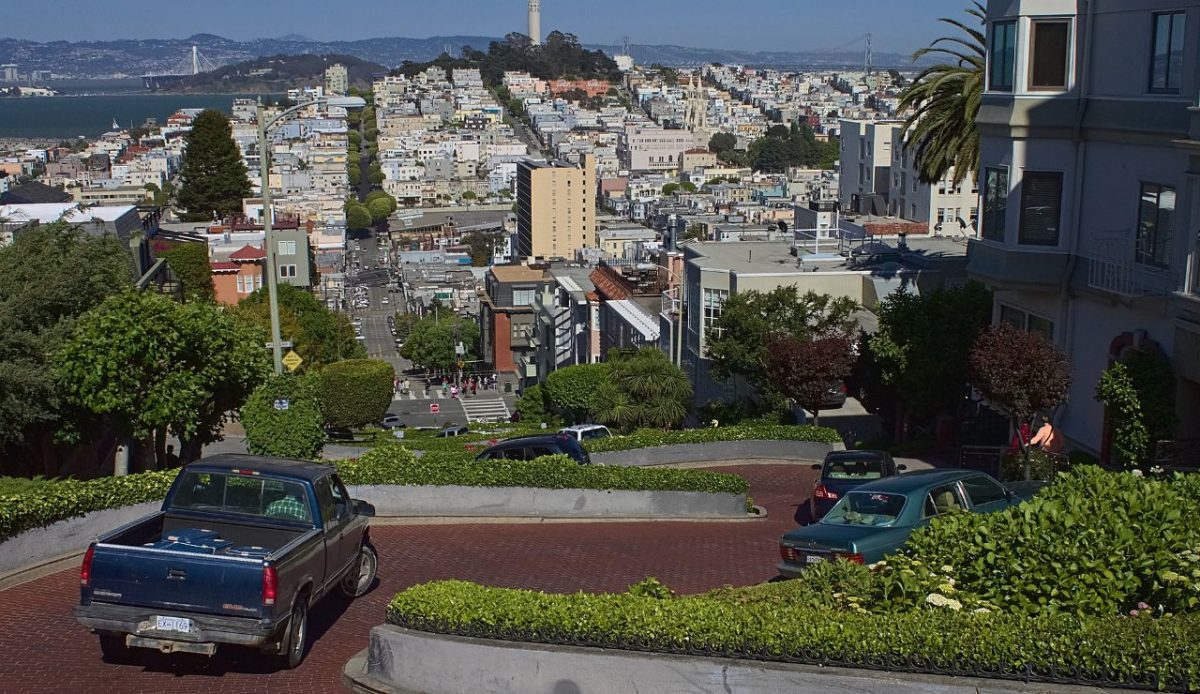
San Francisco’s Lombard Street, famously known as the “crookedest street,” has become an icon for its eight sharp hairpin turns over a steep hill. Designed in 1922 to reduce the hill’s 27% grade, it transformed how vehicles navigate steep terrain. Its red-brick pavement and lush landscaping make it visually striking, drawing tourists from around the world. While primarily functional, Lombard Street also redefined pedestrian access and local traffic patterns. Drivers and pedestrians experience the city in a unique way here, showcasing how clever engineering can solve practical challenges while creating an unforgettable urban landmark.
2. Champs-Élysées, Paris
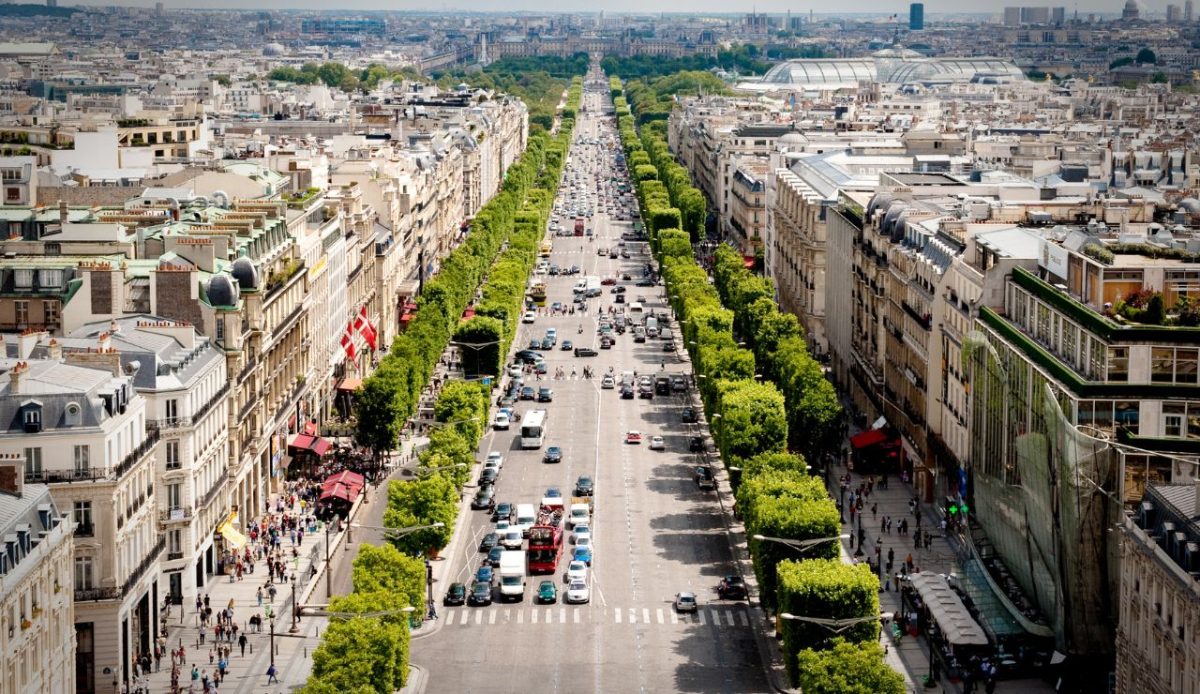
The Champs-Élysées, stretching from Place de la Concorde to the Arc de Triomphe, exemplifies how a road can shape city life. Beyond its aesthetic beauty, the avenue was designed to facilitate grand parades and smooth traffic flow through the heart of Paris. Its wide sidewalks, tree-lined medians, and integration with public transport revolutionized urban circulation. Residents and visitors navigate this bustling artery daily, while the avenue’s design also influenced city planning worldwide. The Champs-Élysées demonstrates that roads can combine beauty, functionality, and social space to redefine urban movement on multiple levels.
3. Via Appia, Rome
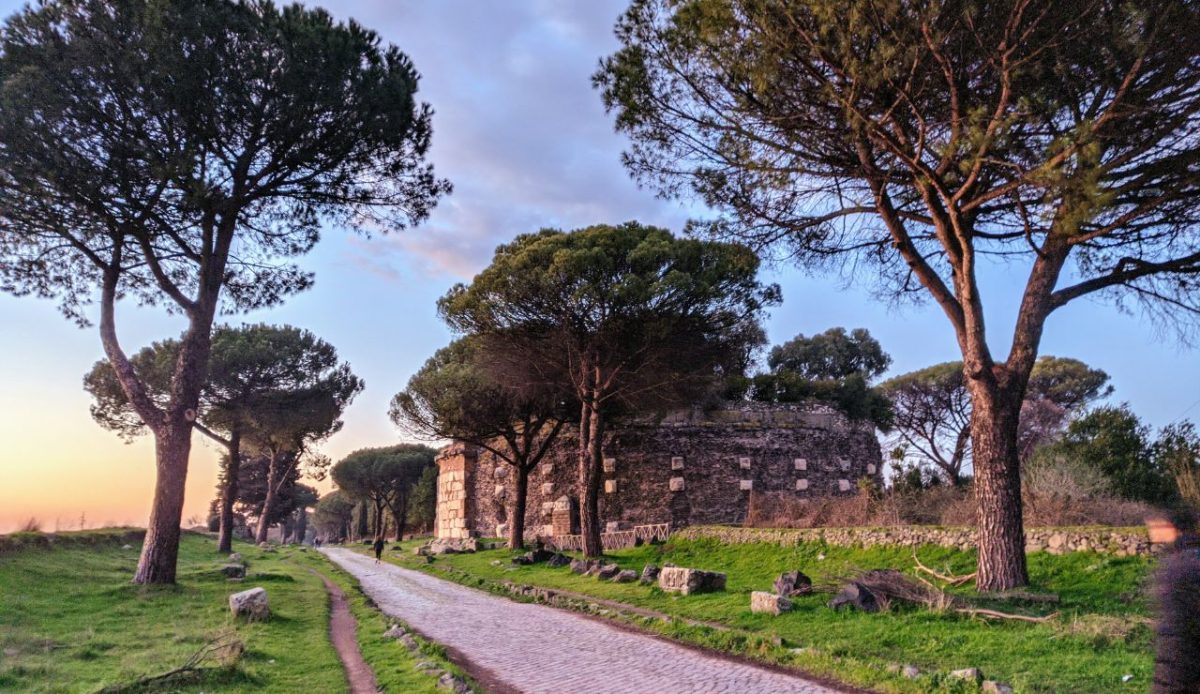
Rome’s ancient Via Appia, the Appian Way, was one of the first long-distance paved roads, connecting the capital to southern Italy. Built in 312 BC, it facilitated military campaigns, trade, and cultural exchange. The stone paving and straight layout improved speed and safety for travelers. Today, sections are pedestrian-friendly, blending historic preservation with practical use. Via Appia illustrates how early engineering innovations continue to inspire modern city planning, showing how a single road can shape connectivity, influence urban growth, and remain a vital link across centuries of Roman and Italian history.
4. Wall Street, New York City
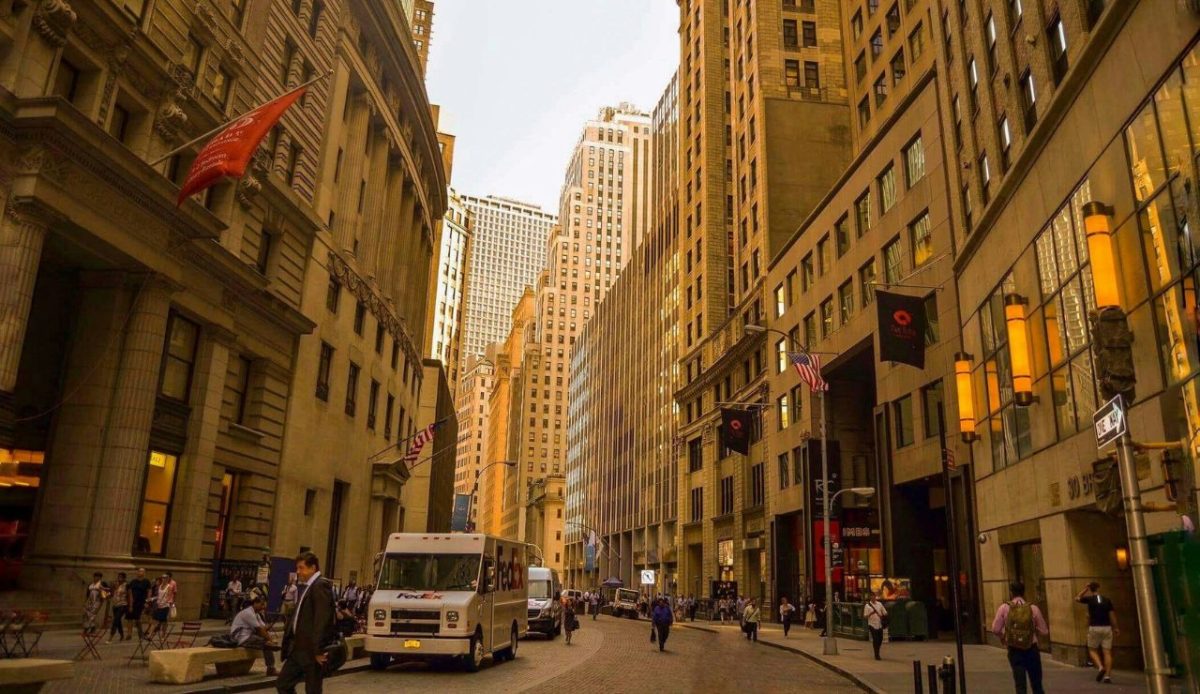
Wall Street is more than a financial hub; its narrow, winding layout influenced traffic and pedestrian patterns in Lower Manhattan. Dating back to colonial times, the road shaped the density and movement of people and commerce. Cobblestone paving and historic intersections created challenges that urban planners adapted for vehicles and subways. The street’s evolution shows how historic road design affects city flow and accessibility. Today, Wall Street balances heavy pedestrian traffic with business activity, demonstrating how unusual street layouts retain character while accommodating modern movement.
5. Passeig de Gràcia, Barcelona
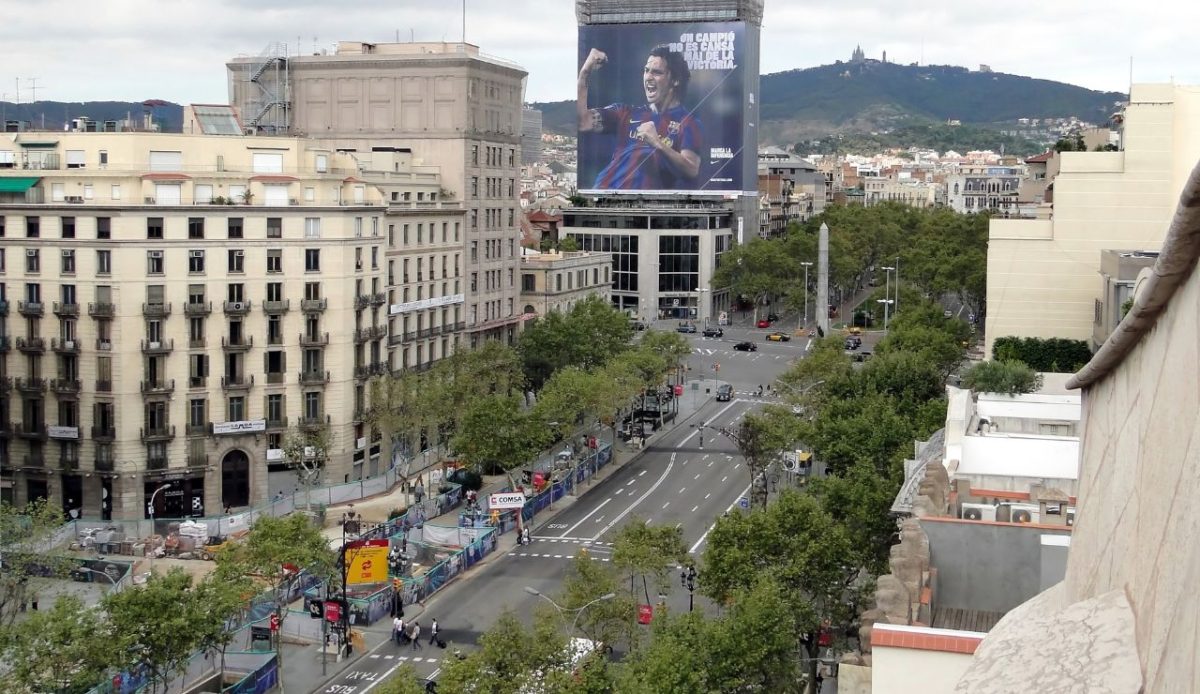
Passeig de Gràcia is a showcase of both aesthetic and functional urban design. Its wide boulevards, pedestrian zones, and integrated tram lines set new standards for city roads, blending movement with public interaction. The avenue connects key parts of Barcelona, guiding both local traffic and tourists efficiently. Iconic architecture, including Gaudí buildings, adds a cultural layer, showing that streets can influence more than just transportation; they shape social and cultural experiences. Passeig de Gràcia illustrates how thoughtful urban design can balance vehicle flow, pedestrian comfort, and aesthetic appeal in a single roadway.
6. The Magic Roundabout, Swindon
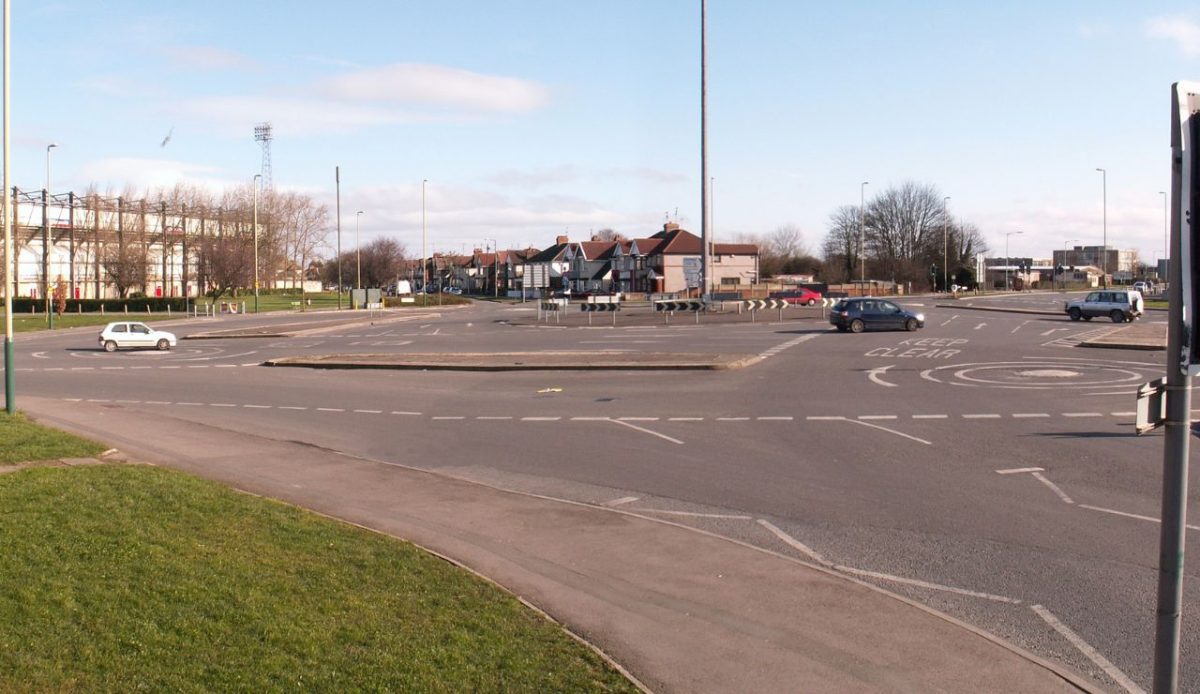
Swindon’s Magic Roundabout is a unique traffic system of five mini-roundabouts arranged around a central circle. Built in 1972 to handle heavy traffic in multiple directions, it dramatically improved flow efficiency and reduced accidents compared to traditional intersections. Though initially confusing, drivers soon adapted. This unusual design challenged conventional thinking, showing that creative road layouts can solve complex urban problems. The Magic Roundabout demonstrates that roads are not just routes but dynamic systems requiring innovation and adaptability to enhance city movement while managing dense traffic safely.
7. Orchard Road, Singapore
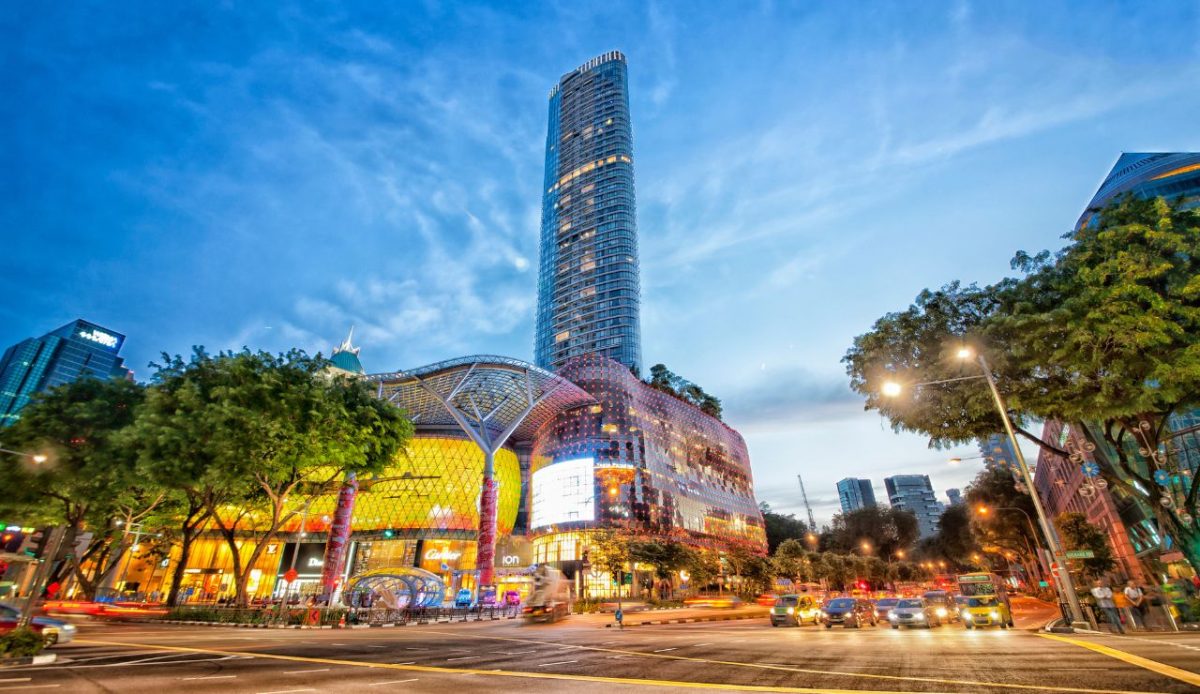
Orchard Road is Singapore’s main artery, blending commercial, pedestrian, and transport needs. Elevated walkways, integrated bus and MRT systems, and wide sidewalks manage shoppers and commuters efficiently. Its design influenced modern urban retail corridors worldwide, proving streets can accommodate multiple transport modes while maintaining harmony. Visitors notice the smooth flow and accessibility immediately. Orchard Road exemplifies careful planning that transforms urban streets into multifunctional spaces, enhancing mobility and experience while keeping pedestrian comfort and commercial activity in balance.
8. Sunset Boulevard, Los Angeles
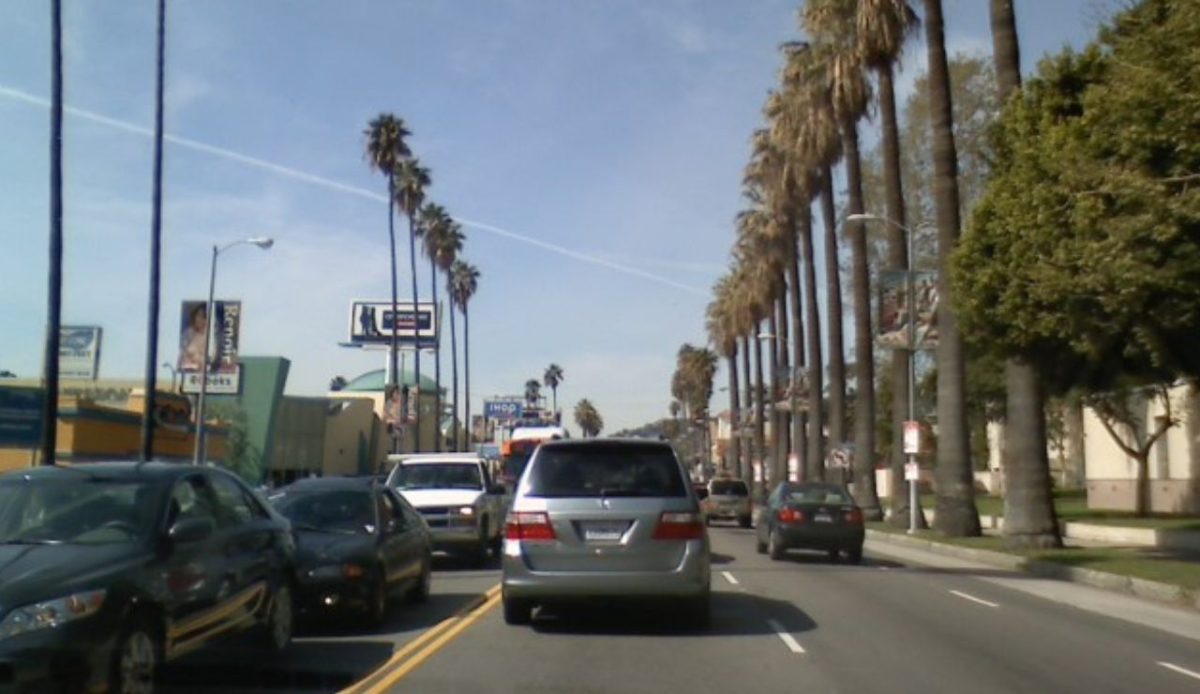
Sunset Boulevard stretches from downtown Los Angeles to the Pacific Coast, combining historic significance with traffic innovation. Its design evolved with the city, accommodating car culture while maintaining access to landmarks. Varying widths, lanes, and intersections influenced urban sprawl and suburban connections. Sunset Boulevard shows how thoroughfares can shape city identity and daily movement patterns. Tourists and locals experience its mix of high-speed sections, pedestrian crossings, and iconic vistas, exemplifying the interplay between functional movement and cultural storytelling through a single roadway.
9. Via della Conciliazione, Vatican City
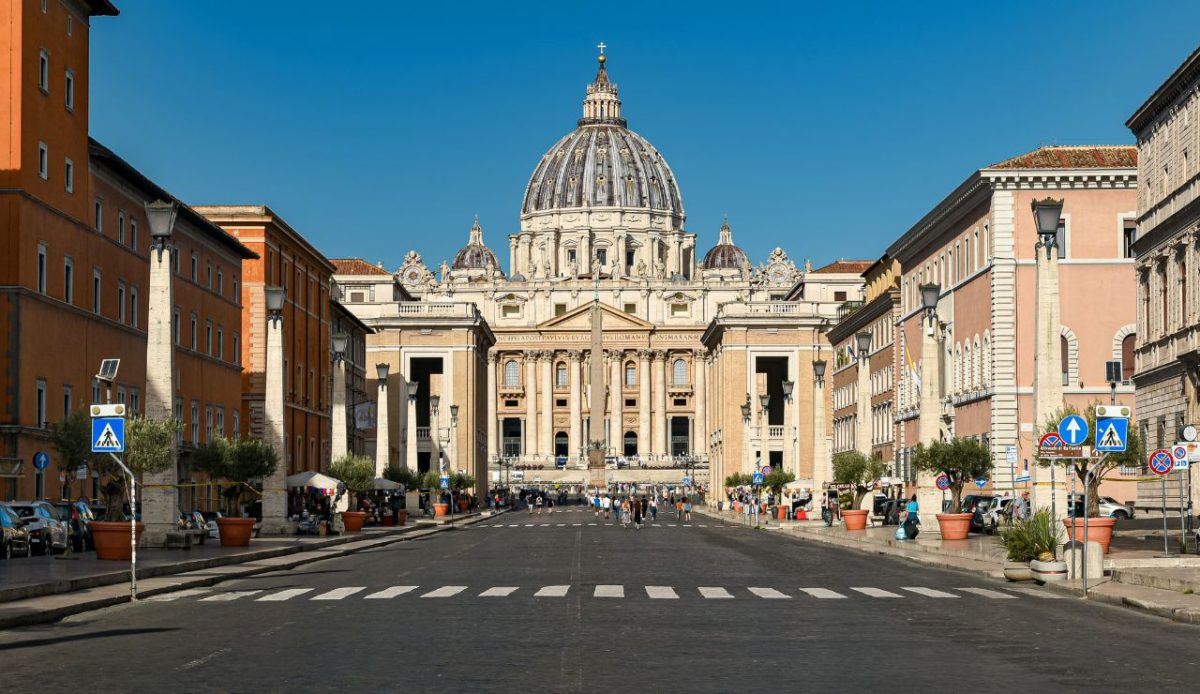
Via della Conciliazione, built in the 20th century, changed access to St. Peter’s Basilica. Its wide approach replaced narrow medieval streets, improving crowd control and ceremonial movement while enhancing perspective. The road guided religious processions and tourist flow, showing how planning can merge practical and symbolic purposes. It modernized circulation while respecting history. Visitors feel the spatial clarity and organized movement it enables around one of the world’s most famous landmarks, highlighting how roads can create a monumental impact while managing large crowds efficiently.
10. Ringstraße, Vienna
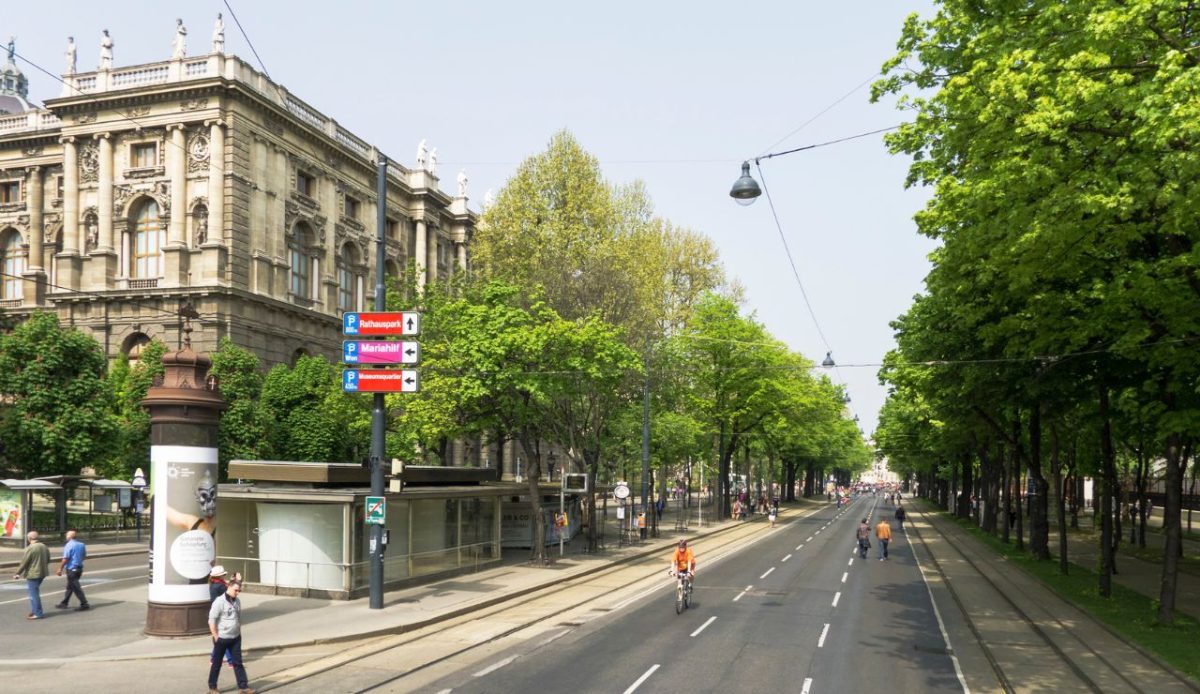
Vienna’s Ringstraße replaced old city walls with a circular boulevard, reshaping movement. Wide lanes, tram tracks, and pedestrian spaces facilitated traffic while integrating parks, landmarks, and government buildings. This design revolutionized urban circulation, blending accessibility with aesthetics. Ringstraße showed how replacing outdated infrastructure with innovative planning unifies a city visually and functionally. Residents and tourists benefit from connectivity, proving roads can be central to the city experience, balancing efficiency, recreation, and cultural engagement in urban design.
11. The High Line, New York City
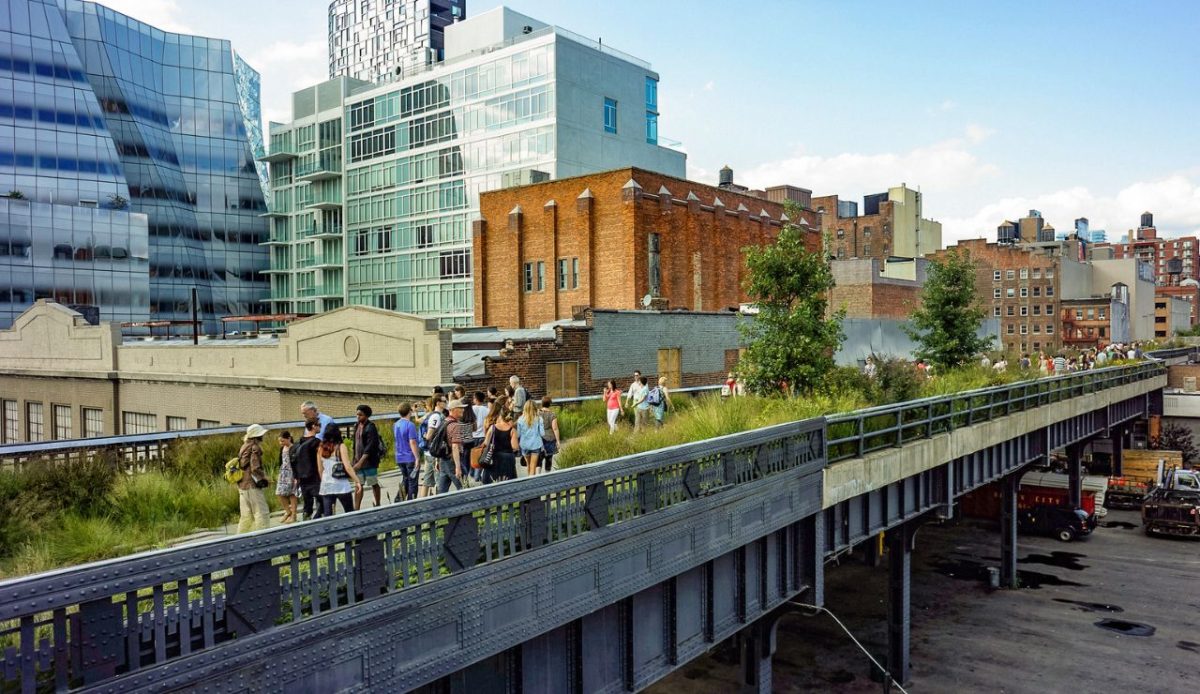
The High Line repurposes an elevated rail line into a linear urban park, transforming how pedestrians navigate and enjoy the city. While not a traditional road for vehicles, it shows how unconventional pathways influence urban movement. Integrating landscaping, art, and seating encourages slower, more interactive exploration. The High Line also impacts surrounding traffic and public spaces. Its innovative design illustrates that roads, or pathways, can redefine urban experience, blending mobility, recreation, and environmental sensitivity in a densely built city while offering unique perspectives for visitors.
