
Tourism keeps many U.S. cities employed, but residents also carry the costs: noise, congestion, housing pressure, and crowded public spaces. Across the country, locals are organizing, voting, and pushing city leaders to set clearer limits on how visitors arrive, where they stay, and what behavior is enforced.
This article highlights 11 cities where community pushback has moved beyond complaints into policy debates, lawsuits, enforcement campaigns, and new rules aimed at protecting daily life.
The point isn’t to shame travel. It’s to show where friction is highest, what residents are asking for, and why some destinations are rethinking growth-at-all-costs.
1. Honolulu, Hawaii
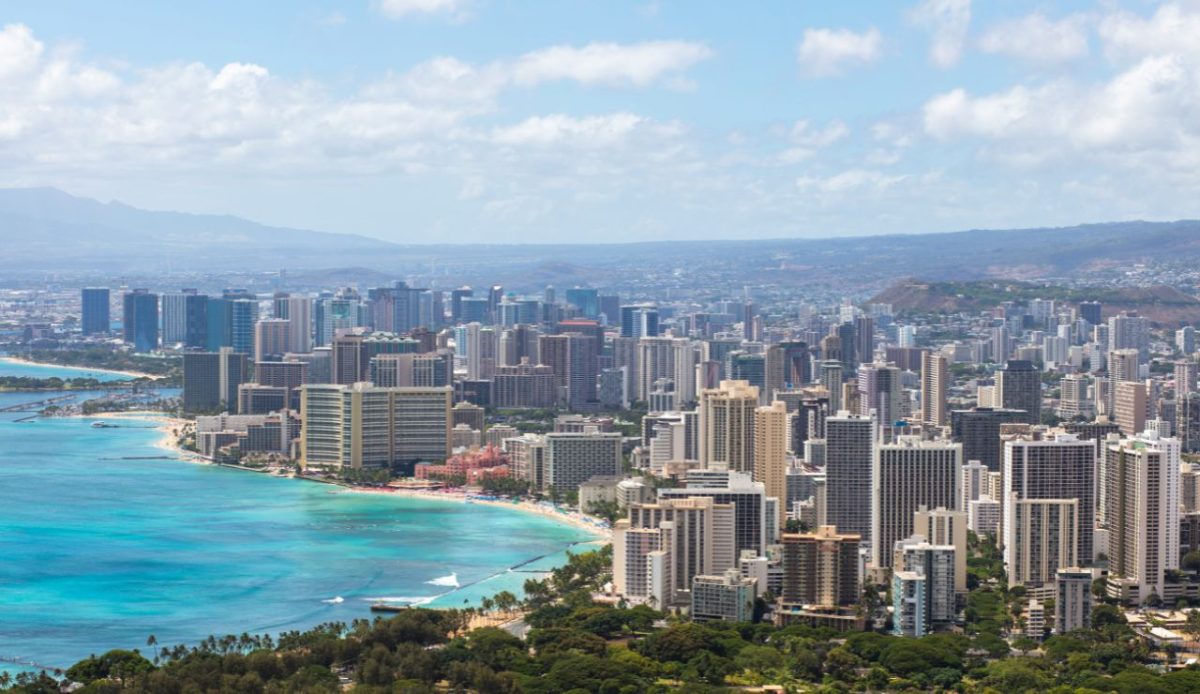
On Oʻahu, resident frustration often centers on vacation rentals spreading into residential neighborhoods, adding traffic and changing the feel of local streets. Many locals link the growth of visitor units to rising rents and fewer long-term homes for workers.
In 2022, the Honolulu City Council approved a law that generally requires a 90-day minimum stay for rentals outside resort areas, aiming to discourage de facto hotels in neighborhoods.
Debates continue over illegal listings, housing availability, and whether visitor demand should be steered back toward established resort zones rather than scattered across the island year-round, especially near beaches.
2. Juneau, Alaska
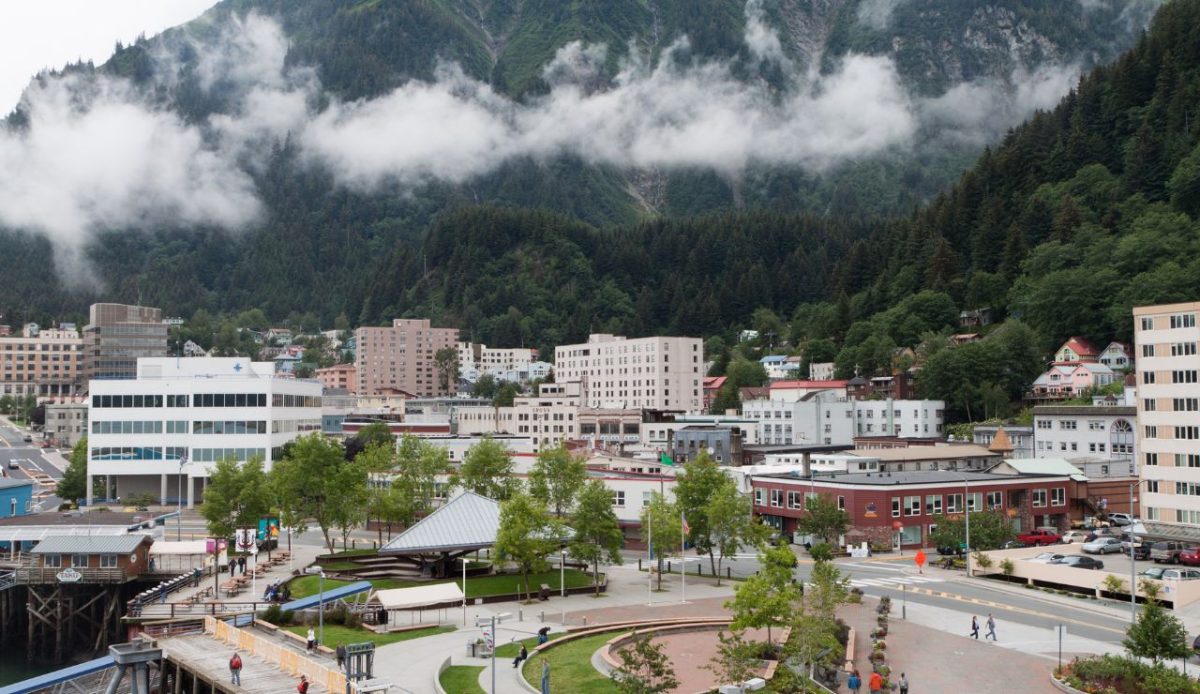
Juneau’s downtown and trails can feel like a small city hosting a major event when multiple cruise ships arrive at once, and residents have pushed leaders to reduce peak-day impacts. Concerns include congestion, pressure on services, and quality-of-life disruptions.
Local actions have focused on limits for ship calls and passenger volume. Juneau adopted a voluntary agreement that aims to cap cruise passengers at 16,000 per day starting in 2026, while citizen-led efforts have argued for stronger limits.
The debate shows a common pattern in cruise ports: tourism revenue matters, but residents want predictable “quiet days,” better crowd management, and clearer thresholds for growth.
3. Key West, Florida
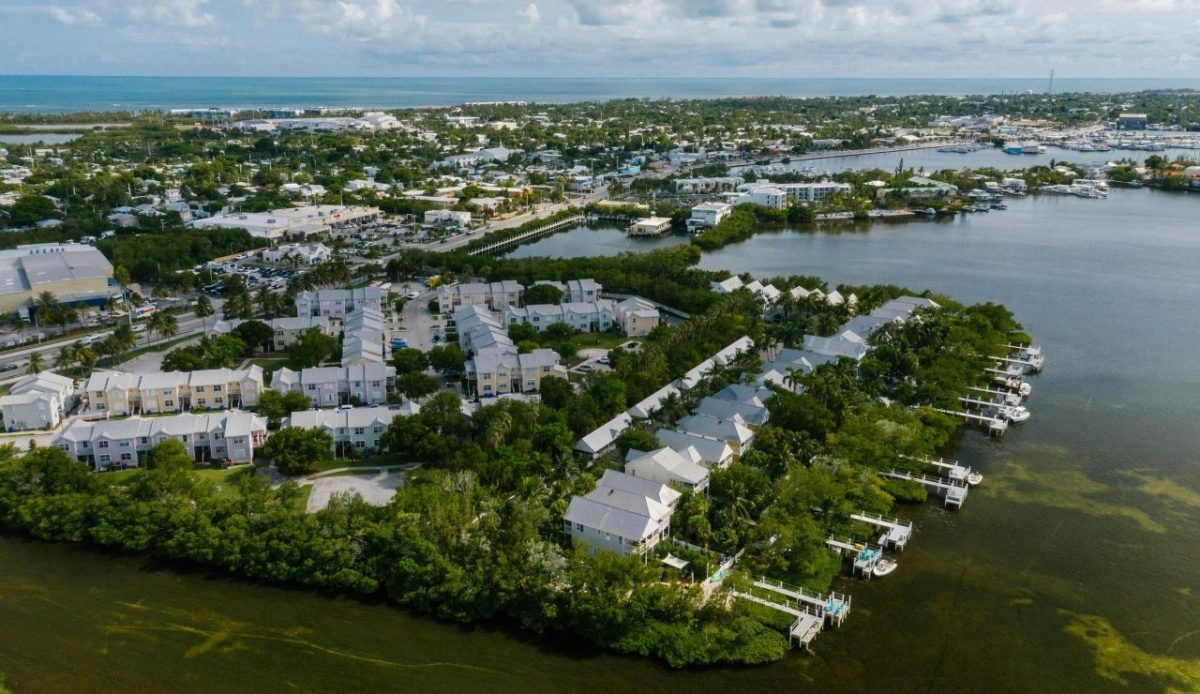
Key West has long wrestled with the mismatch between a small resident population and large numbers of day visitors arriving by cruise ship. Local pushback has focused on environmental impacts, crowding, and the strain on streets and shoreline infrastructure.
In 2020, voters approved measures to cap daily disembarkations, restrict the largest ships, and prioritize operators with stronger environmental records, signaling a resident-driven attempt to reshape cruise tourism.
Legal and state-level fights have complicated implementation, but the message has been consistent: many locals prefer fewer, smaller ship visits and a tourism mix that supports the island without overwhelming it.
4. Miami Beach, Florida
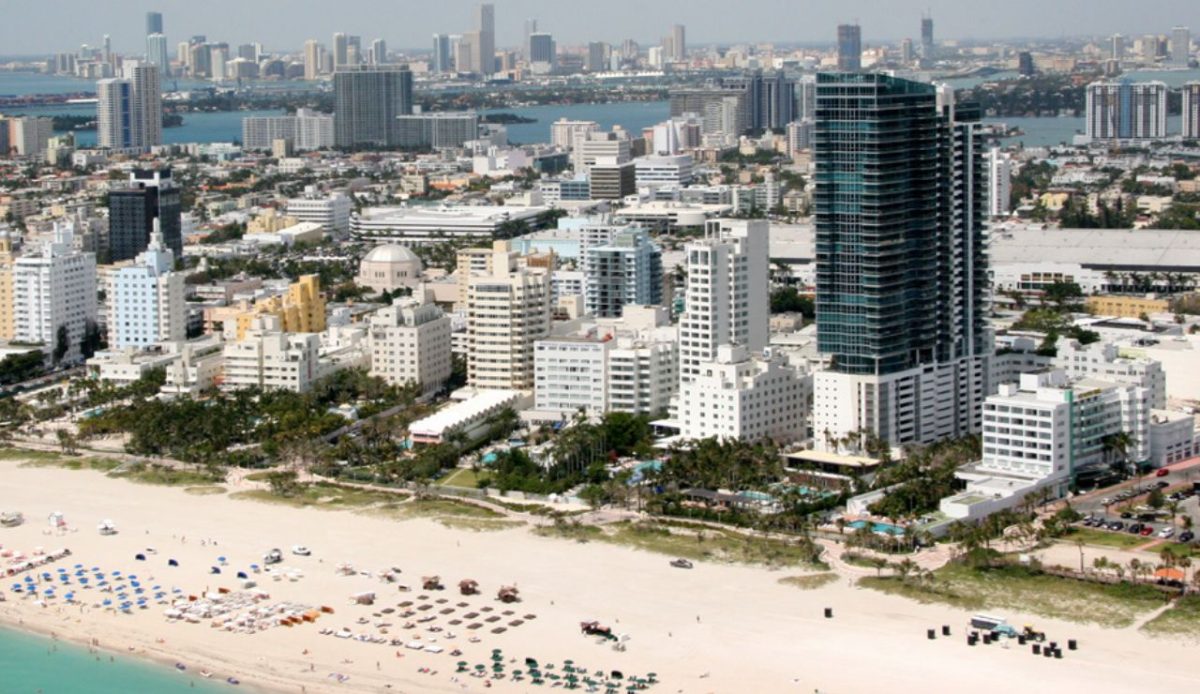
Miami Beach’s pushback is tied less to sightseeing and more to party-driven peak periods, especially spring break. After high-profile incidents, residents and city leaders pushed for a safer, less disruptive model that changes who the city markets to—and how it polices crowds.
For March 2025, the city announced enhanced measures such as tightened parking rules, higher fees for nonresidents, DUI checkpoints, and stronger enforcement in the entertainment core, alongside campaigns warning visitors about restrictions.
Even as some rules shift year to year, the core tension remains: locals want calm streets and predictable public safety, while businesses debate how far deterrence should go.
5. New Orleans, Louisiana
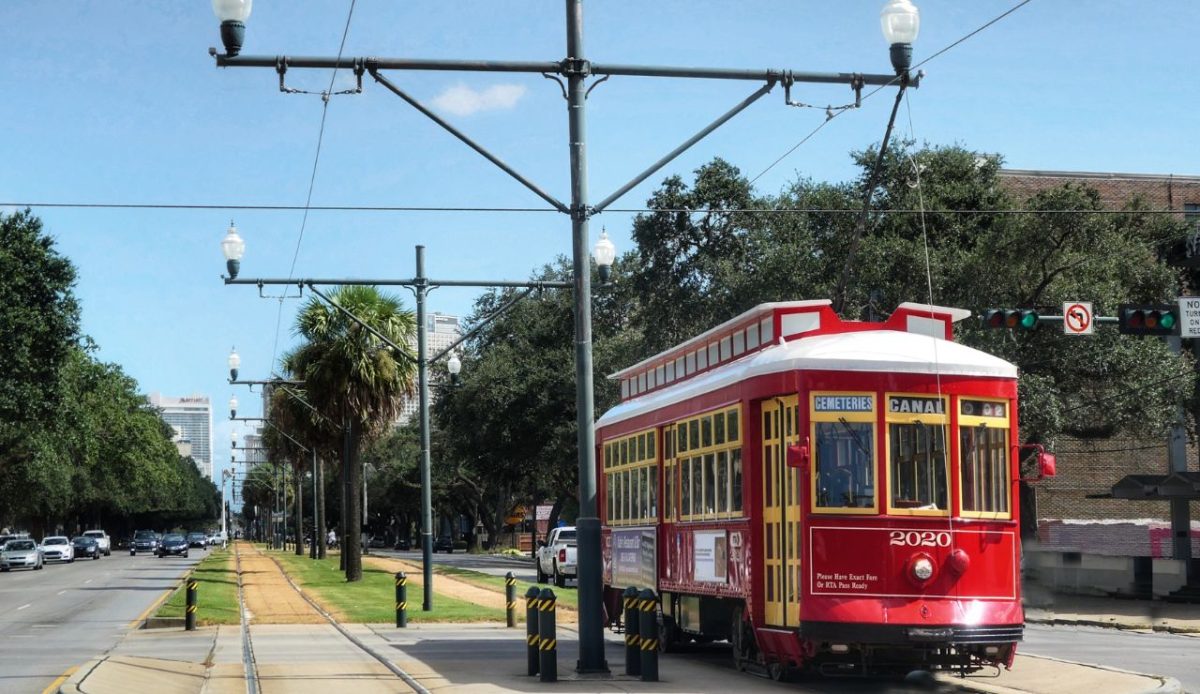
In New Orleans, resident pushback often targets the way short-term rentals and nightlife tourism reshape neighborhoods beyond the French Quarter. Locals have raised concerns about housing availability, noise, and “hotelization” of residential blocks.
The city has repeatedly tightened short-term rental rules, including major regulatory updates passed in 2023 and ongoing enforcement efforts that require permits and aim to reduce illegal listings.
Tourism remains central to the local economy, but the policy fight highlights a clear resident priority: keep long-term housing in neighborhoods, protect basic livability, and make rules enforceable rather than symbolic.
6. Sedona, Arizona
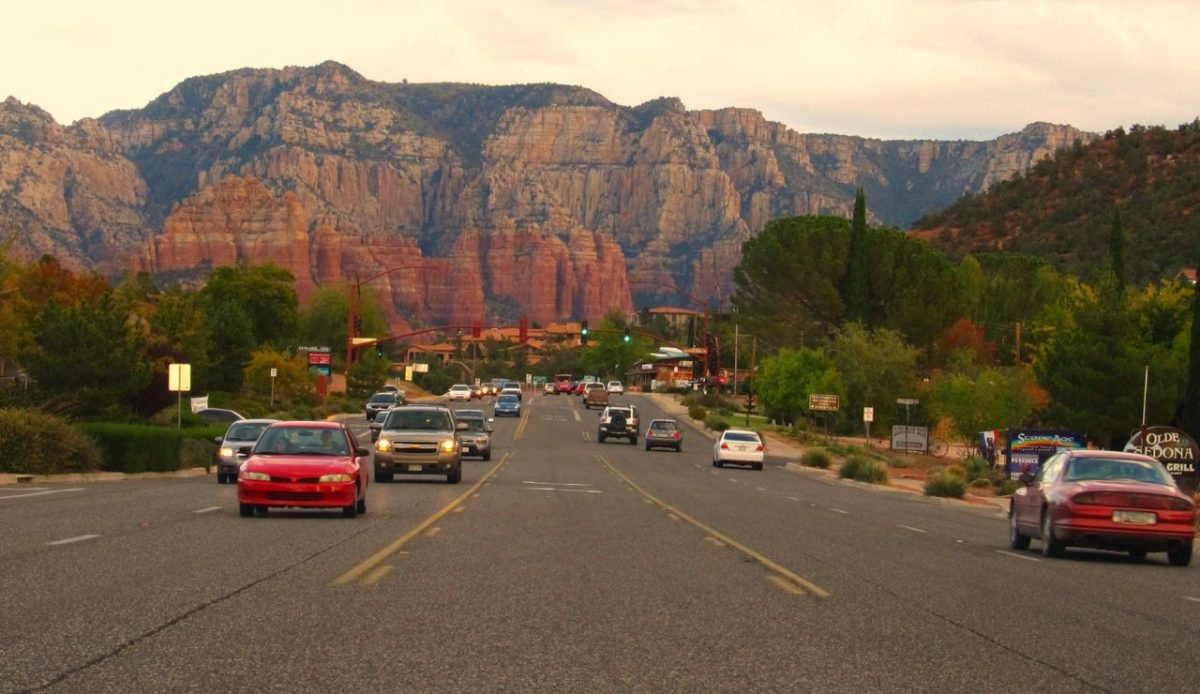
Sedona’s red-rock scenery draws heavy day-trip traffic, and residents have pushed for better management of parking, trail access, and congestion during peak seasons. Complaints often focus on gridlocked roads, unsafe roadside parking, and overused trailheads.
City and regional responses have leaned on transportation fixes rather than outright bans. In 2022, Sedona launched free shuttle service to popular trailheads from park-and-ride lots, aiming to reduce vehicle pressure in sensitive areas.
The broader debate continues over how much promotion is appropriate, how to fund visitor services, and how to keep outdoor recreation from overwhelming a small community’s roads and emergency resources.
7. Asheville, North Carolina
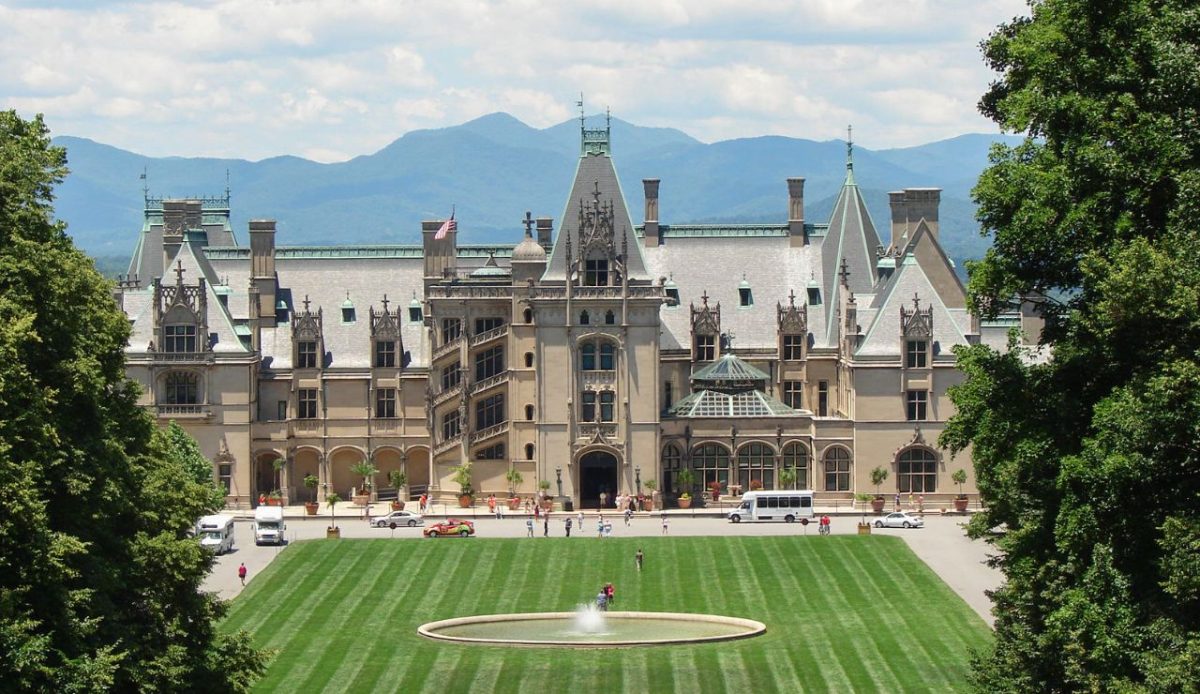
Asheville’s popularity as a food, beer, and mountain gateway has brought steady visitor growth, and resident pushback often centers on housing and neighborhood stability. Short-term rentals and tourism-driven demand can collide with the needs of year-round workers.
The city has used regulation to respond. For example, Asheville has restricted certain types of tourist rentals, and debates continue over enforcement and how visitor lodging should be distributed.
More recently, public reaction has also shown how sensitive the balance can be: when officials encourage visitors, some residents push back, arguing that local recovery and services should come first. The tension reflects competing needs inside one destination.
8. Charleston, South Carolina
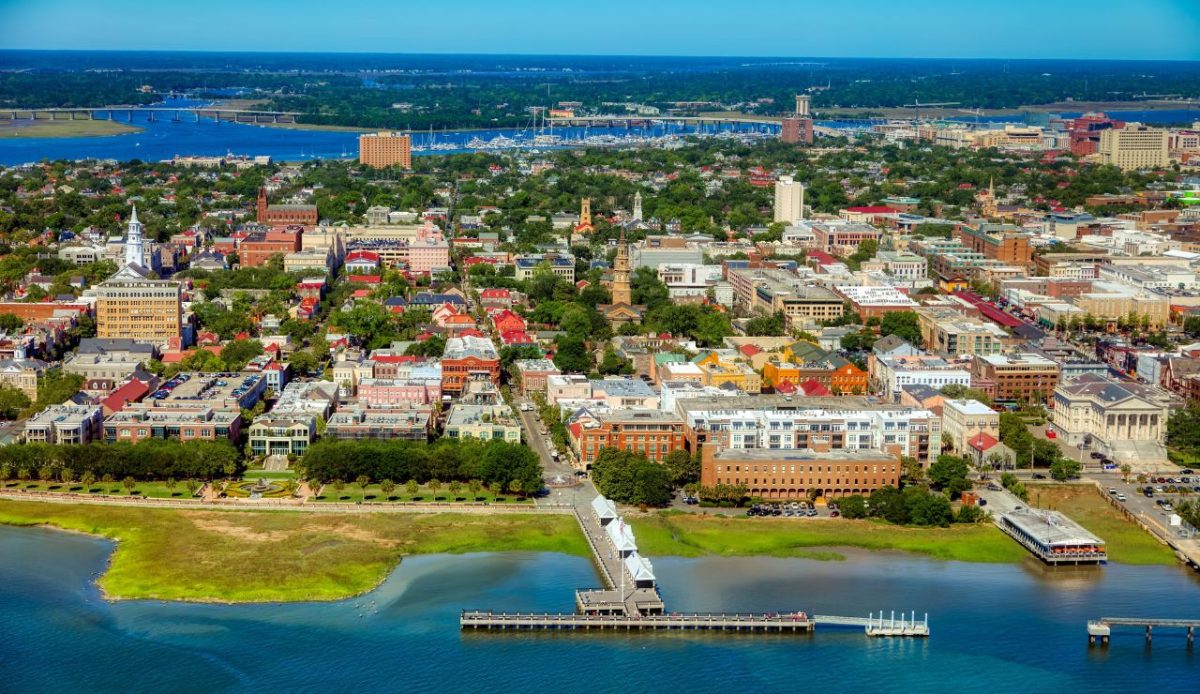
Charleston’s historic core is compact, and resident concerns have often focused on cruise tourism’s impact on traffic, air quality, and the day-to-day feel of downtown. Local advocacy has pushed leaders to reduce the city’s role as a major cruise departure point.
In 2022, officials said Charleston would no longer serve as a homeport for Carnival after the 2024 season, a change expected to sharply reduce cruise passenger volume tied to embarkation and disembarkation days.
Cruise ships can still call briefly, but the shift illustrates a resident-backed preference for limits that protect the historic district, manage street closures, and reduce peak surges from large vessels.
9. Savannah, Georgia
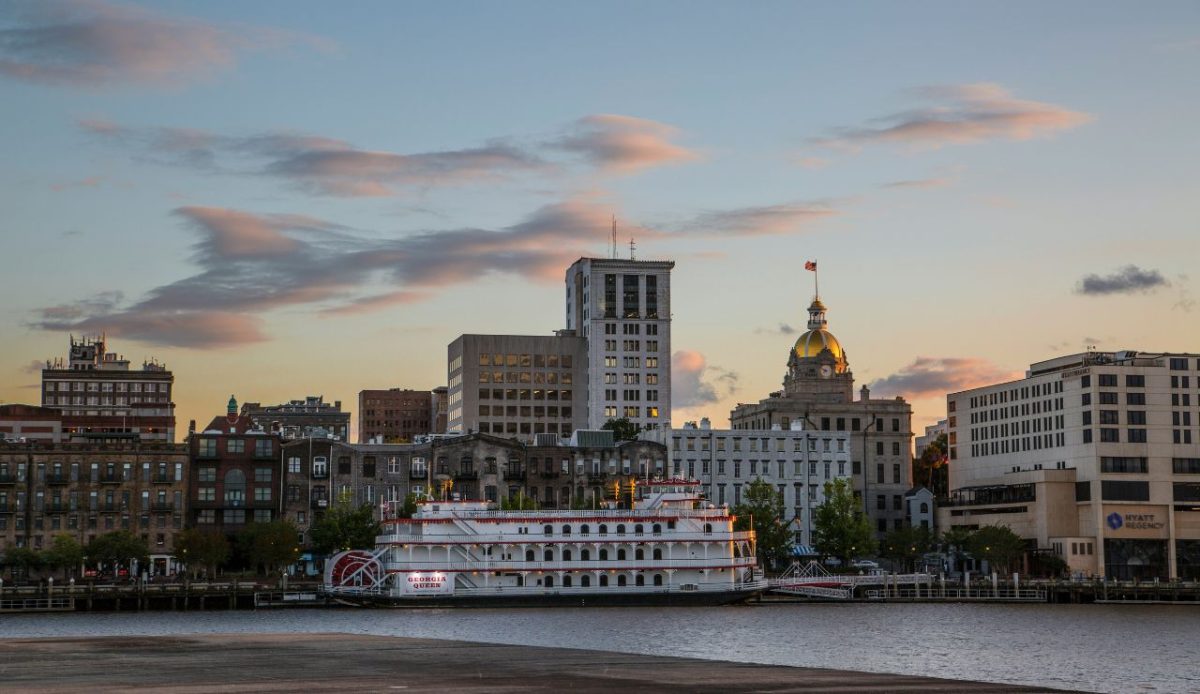
Savannah’s Historic District draws visitors for its architecture and nightlife, but residents have pushed back on the concentration of short-term rentals in residential blocks. Concerns include noise, parking conflicts, and a shrinking supply of long-term housing in the urban core.
The city regulates short-term vacation rentals through permitting and rules that define where and how rentals can operate, with ongoing debates over caps and enforcement.
Pushback here is less about stopping tourism and more about keeping neighborhoods functioning: residents want clear limits on party houses, consistent penalties for violations, and visitor lodging that doesn’t displace locals from the places they actually live.
10. San Francisco, California

San Francisco’s resident pushback often targets specific “hot spots” where sightseeing traffic overwhelms residential streets. Neighborhoods near famous photo locations have argued that large tour buses create safety risks, noise, and blocked driveways.
In the Alamo Square area, the city’s transportation agency voted to restrict large tour buses around the Painted Ladies, reflecting pressure from locals who wanted fewer oversized vehicles circulating through narrow streets.
The pattern is increasingly common in dense cities: residents don’t necessarily oppose visitors, but they push for routing rules, vehicle limits, and enforcement that treats neighborhoods as places to live, not just backdrops for quick stops.
11. Jackson, Wyoming
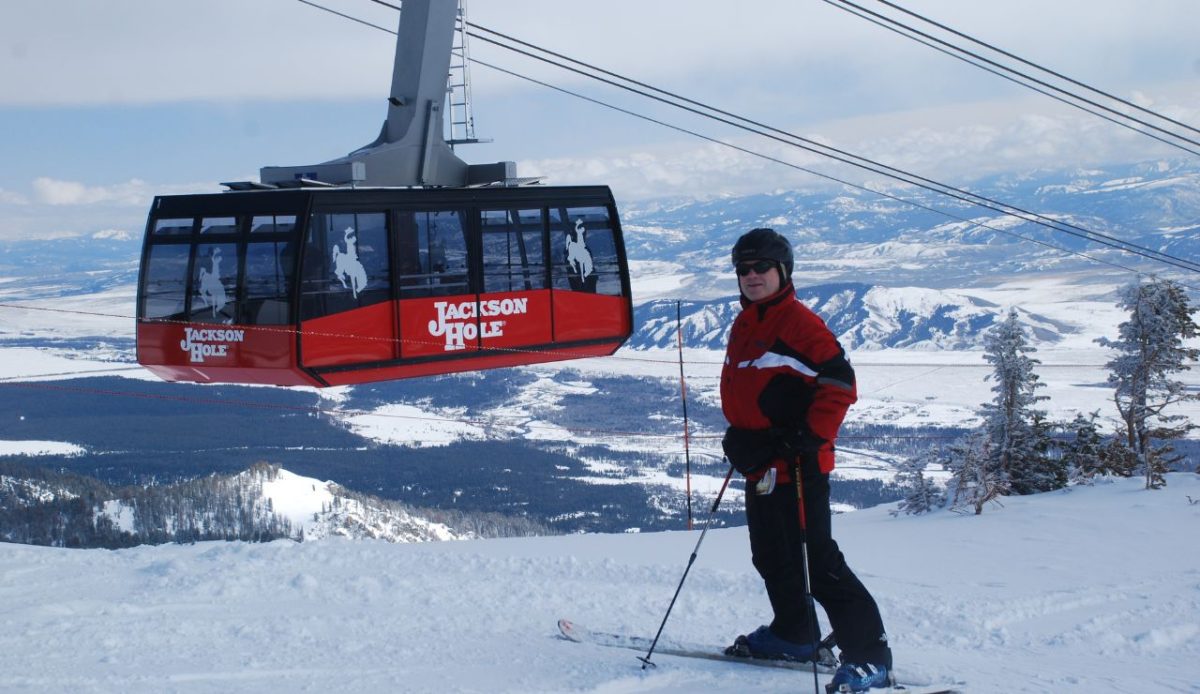
Jackson’s tourism economy is tied to nearby parks and a high-end resort market, but residents and workers have pushed back as housing costs climb and commuting burdens grow. In small gateway towns, the conflict often shows up as “visitor demand vs. workforce housing.”
Local discussions frequently highlight traffic, environmental pressure, and the difficulty of keeping year-round staff housed close to jobs. Surveys of Teton County residents repeatedly rank housing and congestion among top concerns tied to tourism.
Policy conversations include lodging taxes, limits on short-term rentals, and new housing supply, with locals arguing that a destination can’t function if teachers, nurses, and service workers can’t afford to stay.
