
Anyone who has traveled with a pet knows it can turn into both a test of patience and a source of joy. Dogs that bark at passing trucks or cats that curl nervously in carriers remind us they experience travel differently than people. Teens planning their first road trip with a furry friend often discover how much responsibility it adds, while adults may remember family vacations where pets were part of the adventure. Preparing ahead with health checks, safe gear, and steady routines makes the difference between a stressful ride and a trip that feels smooth for everyone involved.
1. Schedule a Vet Visit Before Leaving
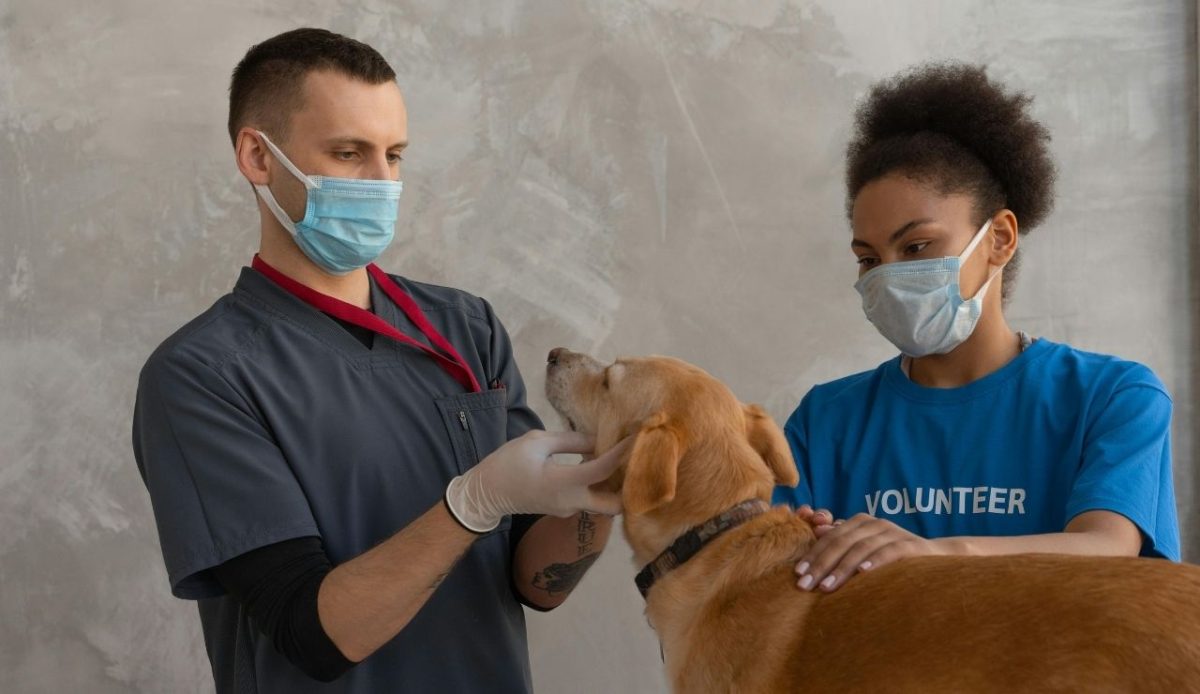
A vet visit before traveling ensures your pet is healthy and prepared. Vaccinations must be up to date, and some destinations may require proof of shots or certificates. The appointment is also a chance to discuss issues like anxiety or motion sickness. A vet may recommend simple solutions, from adjusting meal times to giving calming aids. Carrying printed health records helps at hotels or rentals that request them. Teens can compare this to sports physicals before a new season, while adults may recall school forms signed each year. A quick check reduces surprises and sets a safe foundation for the trip.
2. Pack a Dedicated Travel Bag for Your Pet

Having a bag just for your pet keeps their needs easy to reach. Include measured food, treats, collapsible bowls, leashes, waste bags, and any medicine. Bring comfort items such as a favorite toy or blanket that carries a familiar scent. For longer trips, bottled water prevents stomach upset from sudden changes. Teens often pack chargers, snacks, and music for themselves, and a pet bag works the same way. Adults may remember how parents always packed road snacks or books for kids. With everything organized in one place, pets stay calmer, and owners spend less time searching for essentials.
3. Keep Feeding and Bathroom Routines Steady

Animals handle change better when their daily rhythm stays familiar. Try to feed them at the same times as you do at home, and schedule bathroom breaks around their habits. Delays or skipped meals can upset their stomach and mood. For road trips, plan regular stops at safe, quiet places where your pet can stretch, drink water, and relieve themselves. With flights, give a light meal hours before departure to avoid nausea. Cats may need a travel litter solution for longer drives. Consistency offers comfort, reduces accidents, and helps both pets and owners enjoy the journey more fully.
4. Choose Accommodations That Welcome Pets Properly

Booking a stay labeled “pet-friendly” does not always guarantee comfort. Some hotels allow only small animals, while others charge daily fees or limit the number of pets. Reading the rules in advance avoids frustration. Calling ahead to confirm prevents arriving and finding out your pet is not allowed. Teens booking a hotel for the first time may relate to checking for free Wi-Fi, while adults remember road trips with signs that said “pets welcome.” A truly pet-ready stay reduces stress at check-in and ensures your companion feels at ease in new surroundings. This planning makes nights more restful.
5. Use a Safe Carrier or Crate
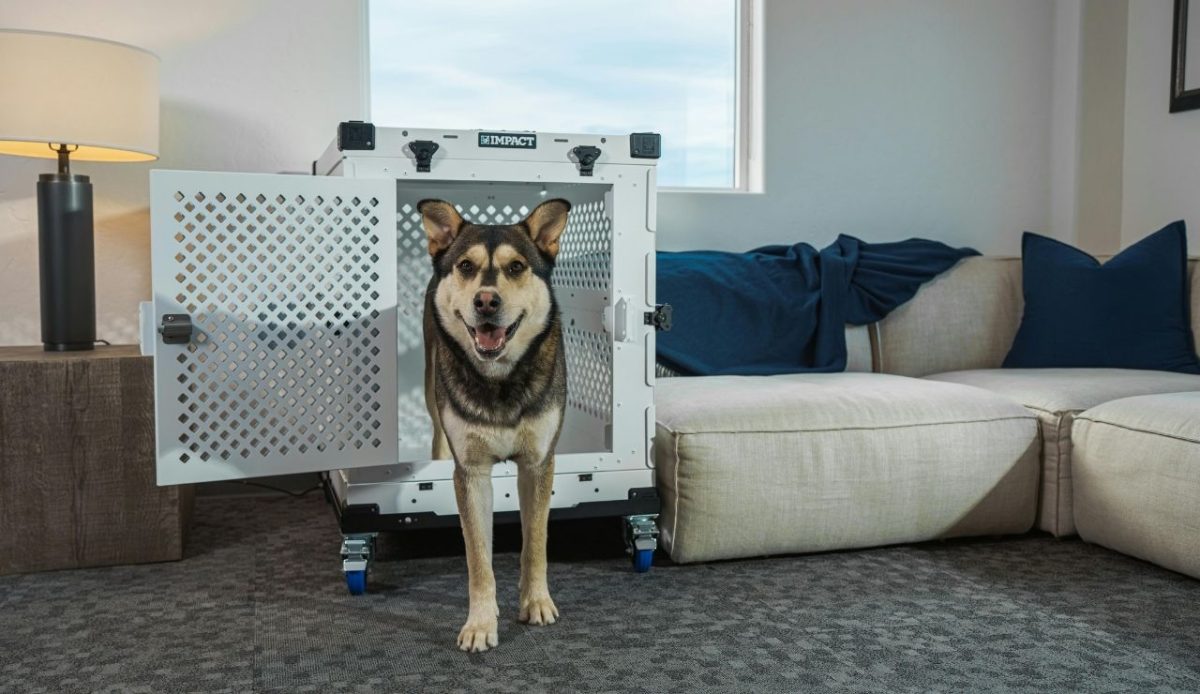
A secure carrier provides safety and comfort whether traveling by car or plane. It should have enough space for your pet to stand, turn, and lie down comfortably. For cars, crates prevent distractions and protect pets if sudden stops occur. On flights, carriers must meet specific size requirements and fit under the seat for cabin travel. Adding a blanket or toy from home makes the space more familiar. Teens can compare this to wearing a seat belt for long rides, while adults may remember when pets sat loose in the back before safety rules were common. Security builds calmness.
6. Give Pets Exercise Before Starting the Trip
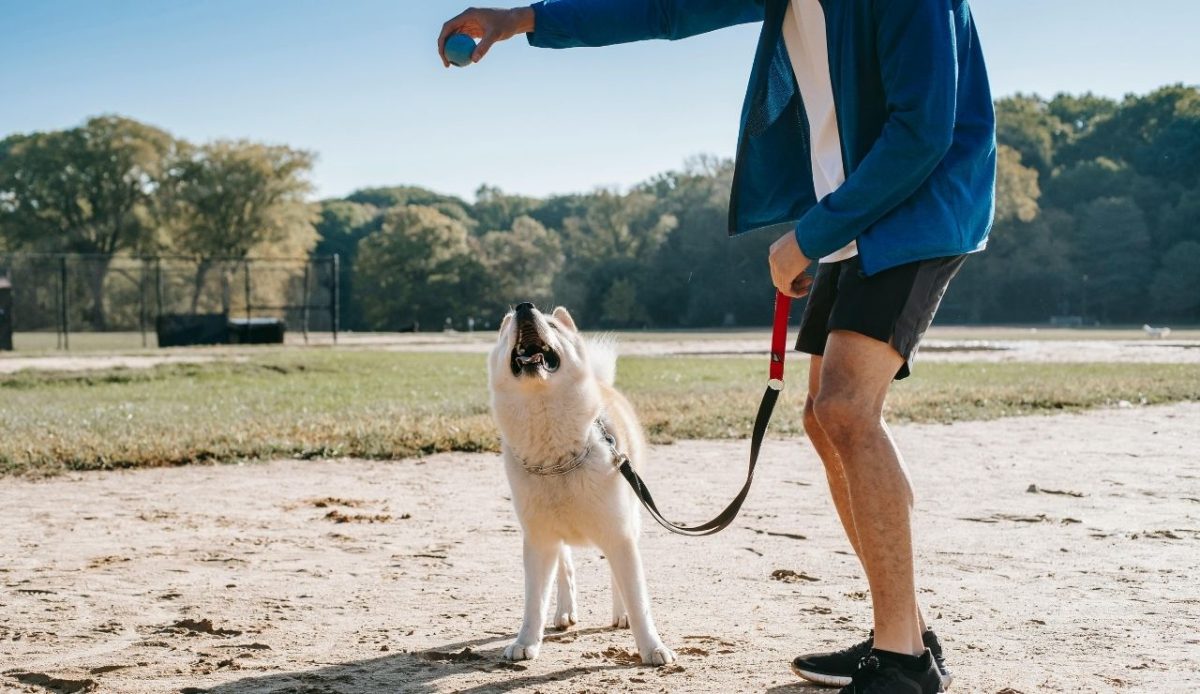
Pets, especially dogs, travel more calmly after burning off energy. Take them for a long walk or play session before getting in the car or heading to the airport. This reduces restlessness and lowers the chance of constant pacing or barking during travel. For cats, play with toys to help them release nervous energy before placing them in carriers. Teens might compare this to shooting hoops or going for a run before a long day, while adults may remember tiring kids out before road trips. A little activity beforehand helps pets settle and makes the first hours much smoother.
7. Bring Familiar Comforts From Home

Pets feel more relaxed when surrounded by familiar items. A blanket with a home scent, a favorite toy, or their usual bed can provide comfort in strange surroundings. Dogs may curl up on a well-used cushion, while cats may feel safer with a toy they’ve carried for years. Teens might relate this to keeping a favorite hoodie or stuffed animal on trips, while adults may recall childhood blankets that made long rides easier. These small comforts reduce anxiety, help pets adjust quickly to hotel rooms or rentals, and make the overall journey feel less overwhelming for everyone.
8. Double-Check ID and Microchip Information

Identification is essential in case a pet gets lost during travel. Make sure collars fit properly and tags show current contact numbers. Microchips should be registered and updated with your details. Accidents happen, and even cautious owners face moments when pets slip away. Teens can compare it to carrying a school ID, while adults may recall times when losing contact information caused panic. Quick recovery depends on accurate details. Having both visible tags and a microchip gives pets the best chance of being returned safely if separated. It’s a step that brings peace of mind to every trip.
9. Review Airline Rules Before Booking
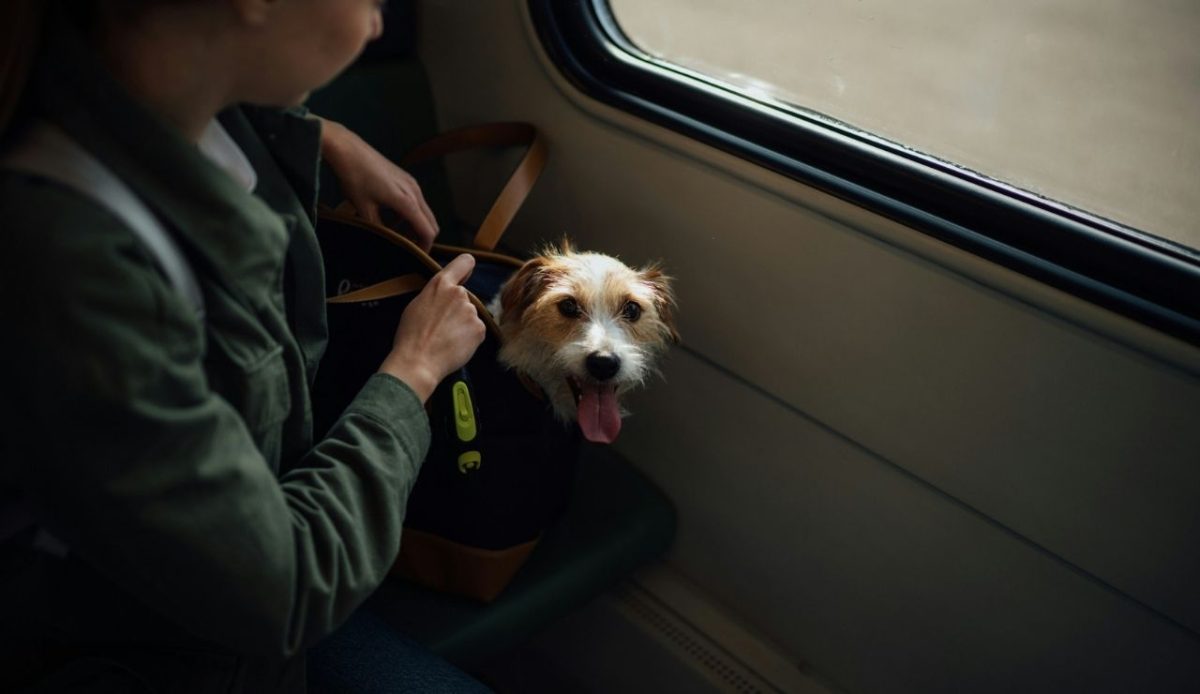
Every airline has its own policies for traveling with pets. Some allow small animals in the cabin if carriers fit under the seat, while others require pets to ride in the cargo area. Rules cover carrier size, fees, and even the number of pets allowed per flight. Teens may relate to double-checking luggage restrictions before trips, while adults recall the days of surprise baggage rules at check-in. Checking requirements ahead of time prevents frustration at the airport and ensures your pet has a safe place during the flight. Clear planning avoids last-minute stress for both owner and animal.
10. Keep Fresh Water Available
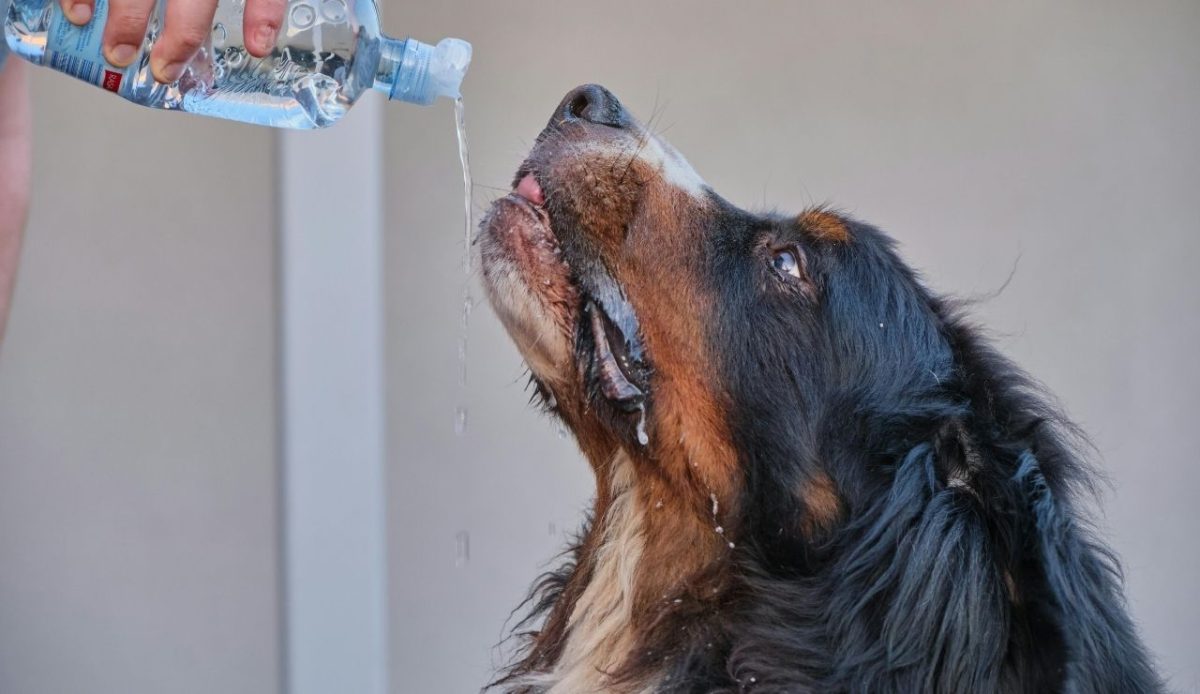
Hydration is as important for pets as it is for people. Carrying bottled water prevents stomach upset from unfamiliar sources, and collapsible bowls make serving easy at rest stops or hotels. Offer water regularly, especially during hot days or long stretches of travel. Dehydration can cause fatigue or illness, but steady water intake keeps pets comfortable. Teens who always bring water bottles to sports practice know the routine, while adults may recall family trips with coolers full of drinks. Making hydration a priority ensures pets stay healthy, alert, and comfortable no matter where the road or air takes them.
11. Reward Pets for Good Behavior

Positive reinforcement helps pets associate travel with comfort. Offer treats, kind words, or playtime when they handle new situations well. Rewards encourage them to behave calmly in carriers, stay quiet in hotels, or adapt to crowded airports. Teens can compare this to earning dessert after chores, while adults may remember small prizes for good behavior during family trips. Rewards build trust and make pets more willing to travel again. Ending each leg of a journey with comfort shows animals that travel is not only safe but can also be enjoyable. Positive memories make future trips easier for everyone.
