
Asia is home to towns celebrated for their quaint streets, colorful buildings, and whimsical attractions, often marketed as “cute” or Instagram-worthy. While these destinations attract visitors in droves, some travelers leave feeling disappointed, citing overcrowding, commercialization, or tourist-focused developments. The charm they anticipated often competes with high prices, packed streets, or staged experiences. In this article, we explore eleven Asian towns where the reputation for cuteness may not live up to reality, providing insight into why popularity can sometimes overshadow authenticity.
1. Jiufen, Taiwan
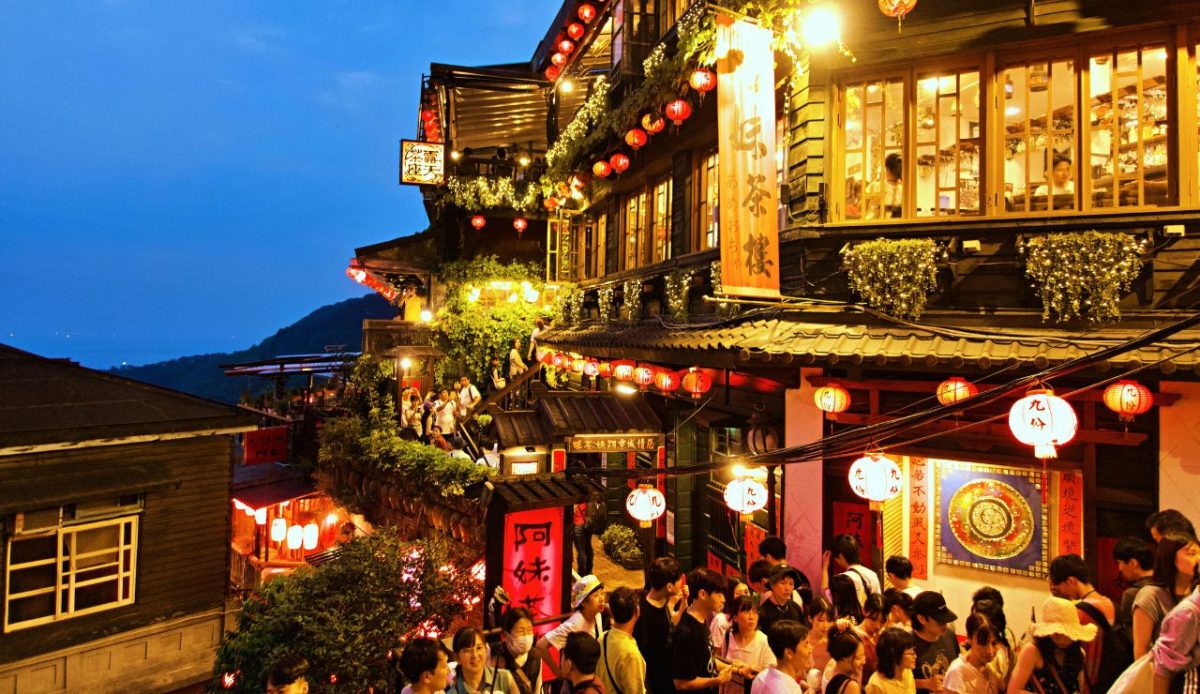
Jiufen is known for its narrow alleyways, tea houses, and lantern-lit streets that appear straight out of a storybook. However, its popularity has led to dense crowds, long queues, and commercialized souvenir shops. Many travelers find it difficult to capture the idyllic experience without throngs of tourists. Prices for food and drinks are higher than in surrounding areas, reflecting its status as a hotspot rather than a traditional village. While Jiufen’s views and historic charm remain, the experience can feel more like a theme park than a serene mountain town, leaving some visitors underwhelmed.
2. Shirakawa-go, Japan
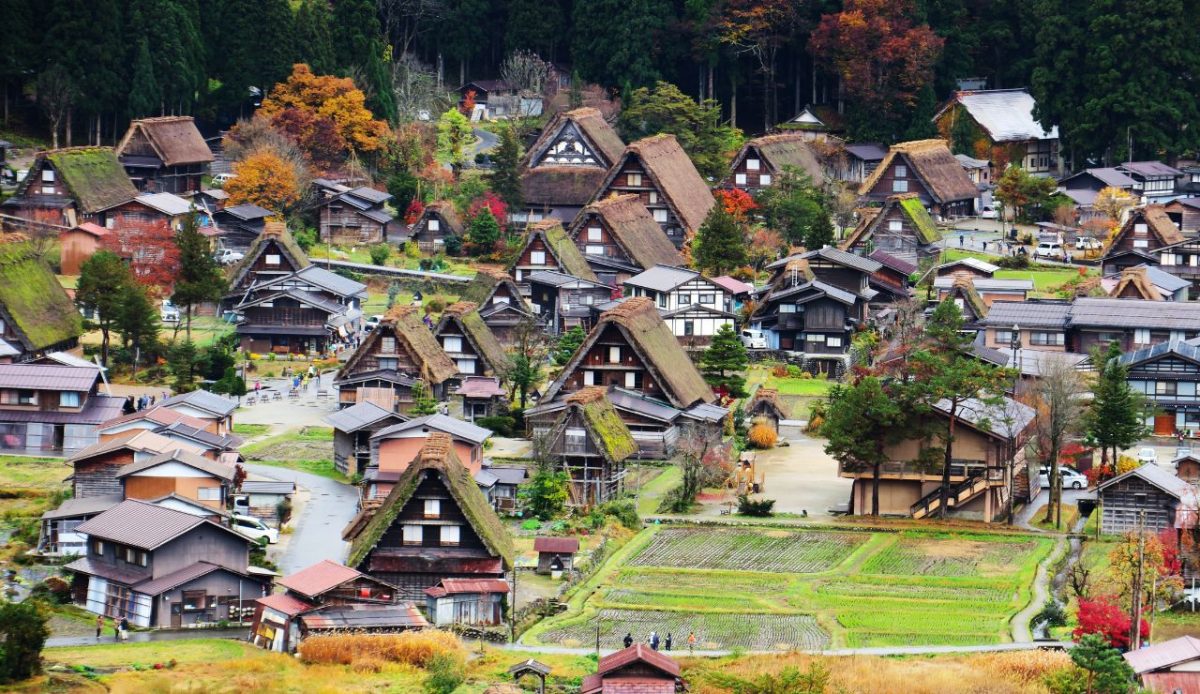
Shirakawa-go is famous for its thatched-roof gassho-zukuri houses and picturesque winter scenery. While undeniably beautiful, the town can feel overhyped due to heavy tourist traffic and limited local services. Busloads of visitors often crowd narrow streets, diminishing the intimate charm of the village. Souvenir shops and guided tours dominate, sometimes overshadowing authentic cultural experiences. Although the architecture and seasonal snow provide striking visuals, some travelers feel the commercialized environment leaves less room for quiet appreciation. Shirakawa-go’s postcard-perfect image can sometimes fail to match reality.
3. Hoi An, Vietnam
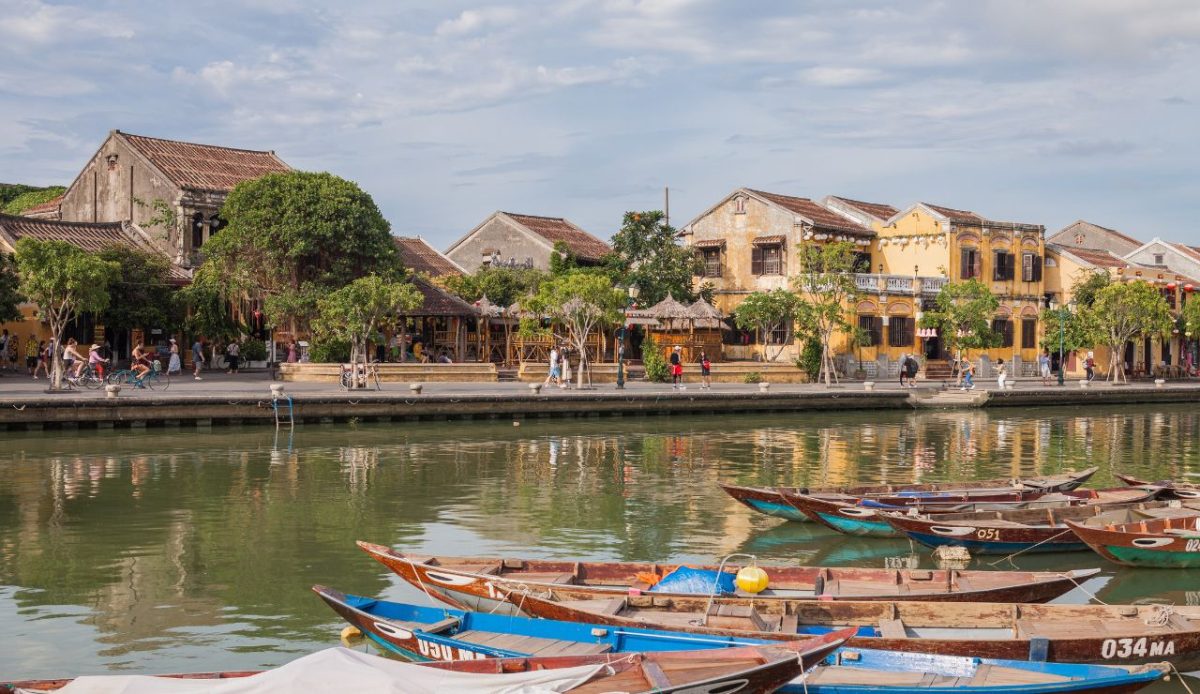
Hoi An’s lantern-lit streets, river views, and historic buildings attract thousands of tourists daily. While the town remains culturally rich, many travelers find the streets congested, with souvenir shops and tailor stores dominating the old town. Prices for food, accommodation, and experiences have increased due to high demand. Authentic experiences, like cooking classes or quiet riverside cafes, can be overshadowed by crowds and commercialized tourism. Despite its charm, Hoi An can feel less tranquil than portrayed online, leaving some visitors seeking more traditional or off-the-beaten-path Vietnamese towns.
4. Hallstatt, Austria
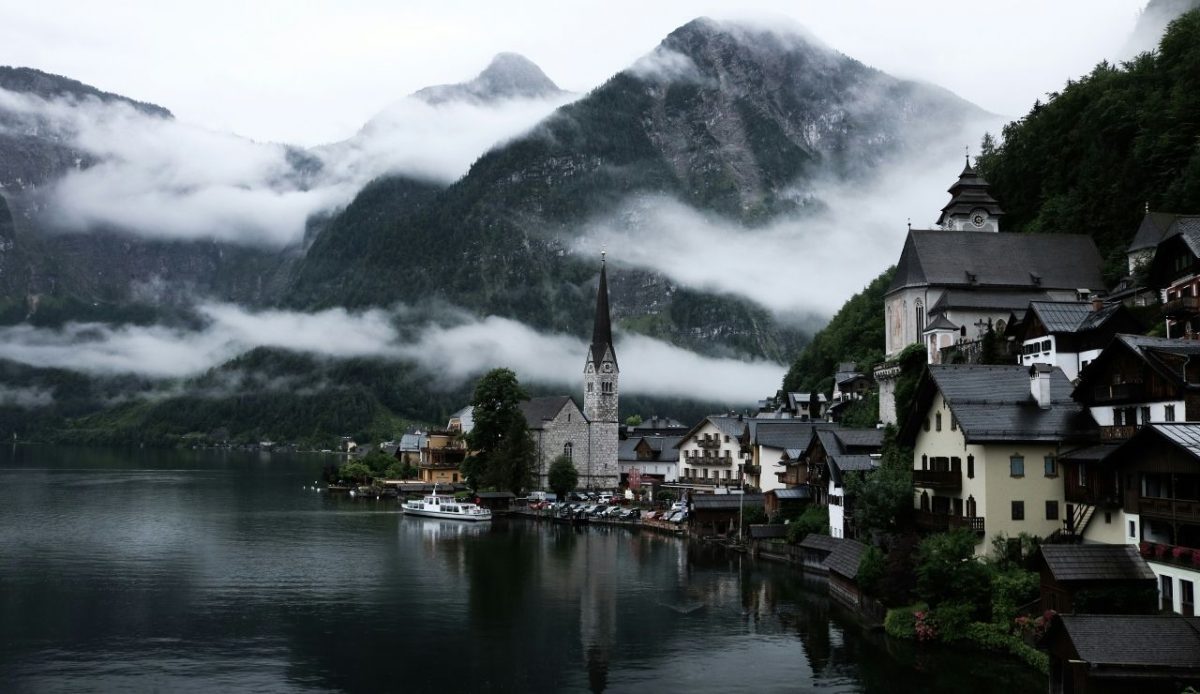
Hallstatt, often described as one of Europe’s cutest towns, faces similar issues despite its location in Asia-themed travel articles. Tour buses and cruise ship visitors flood the narrow streets, making it challenging to enjoy the lakefront scenery peacefully. Cafés and souvenir stores cater heavily to tourists, and accommodation is pricey. While the town’s architecture and Alpine views remain stunning, the sheer volume of visitors can diminish the intimate charm. Travelers seeking serenity may find Hallstatt more hectic than picturesque, illustrating how viral popularity sometimes overshadows the actual experience.
5. Nara, Japan
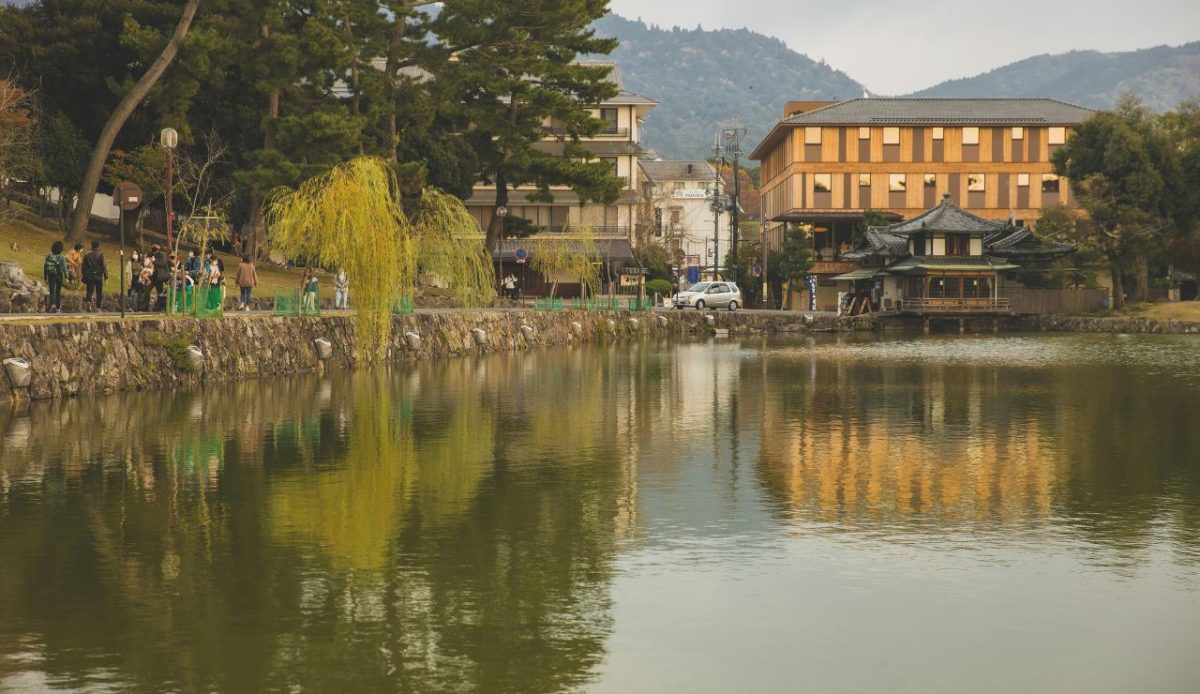
Nara is famous for its deer parks, temples, and historic streets, attracting tourists seeking “cute” wildlife encounters and scenic photography. Yet during peak seasons, the parks become crowded, and feeding deer feels less interactive than portrayed. Souvenir shops and commercialized attractions surround temples, which can disrupt the sense of tranquility. While Nara’s cultural and historical importance is undeniable, some travelers report feeling underwhelmed by the over-commercialization. The town’s reputation for cuteness may not fully match the reality of busy streets and tourist-focused experiences.
6. Ubud, Bali, Indonesia
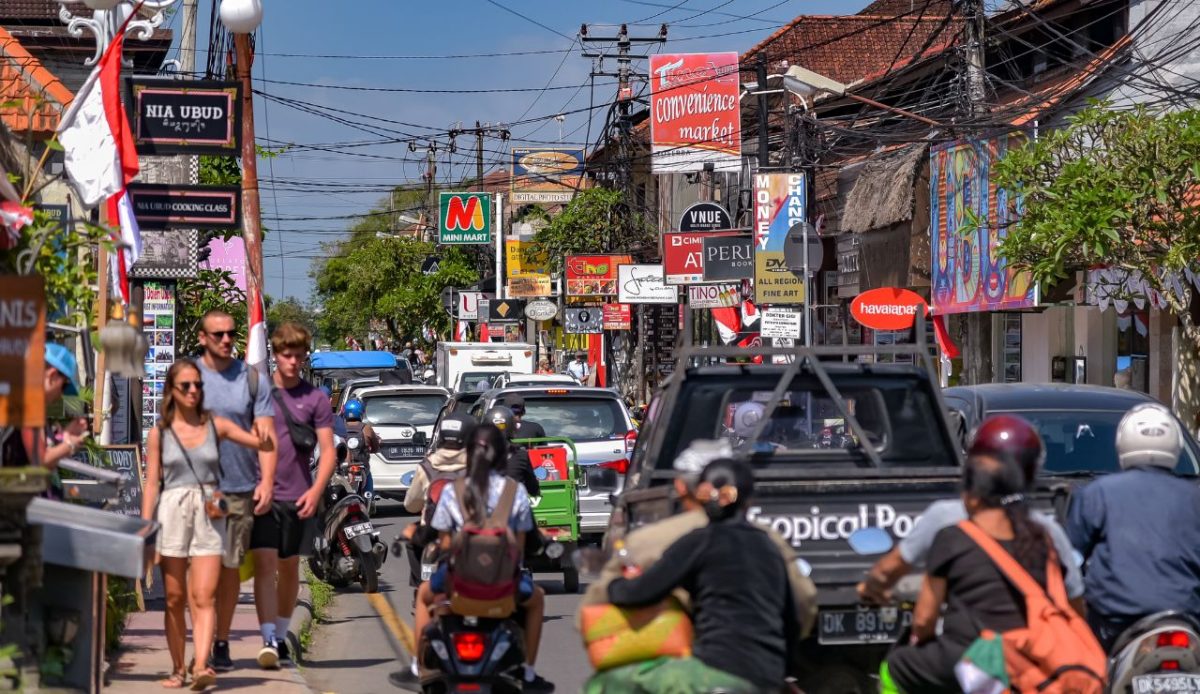
Ubud is renowned for its rice terraces, artisan markets, and cultural charm. Yet mass tourism has transformed parts of the town, leading to crowded streets, tourist-focused eateries, and high-priced accommodations. The serenity that once defined Ubud can feel elusive amid large groups of visitors. Yoga retreats and cultural performances are sometimes staged primarily for tourists rather than authentic engagement. While natural beauty and local culture remain, Ubud’s reputation as a peaceful, cute destination can clash with the reality of commercialization, leaving some travelers disappointed by the overhyped image.
7. Gyeongju, South Korea
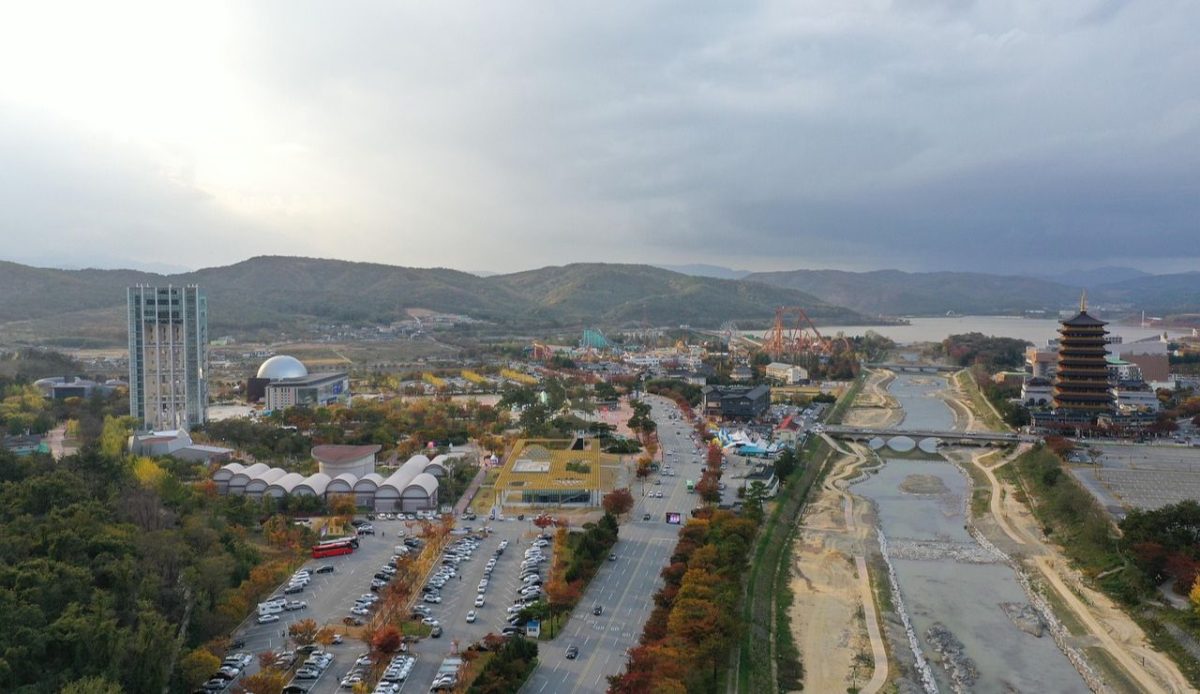
Gyeongju, famous for its historic temples, hanok villages, and traditional architecture, attracts visitors seeking quaint experiences. However, commercialization has increased, with souvenir shops and tour buses dominating the experience. Some traditional streets are less charming than portrayed online, and local businesses cater heavily to tourists. While historical landmarks and natural scenery remain impressive, the town’s “cute” reputation can feel overstated for those seeking more immersive or authentic encounters. Gyeongju highlights the tension between tourism-driven popularity and genuine cultural charm.
8. Penang, Malaysia
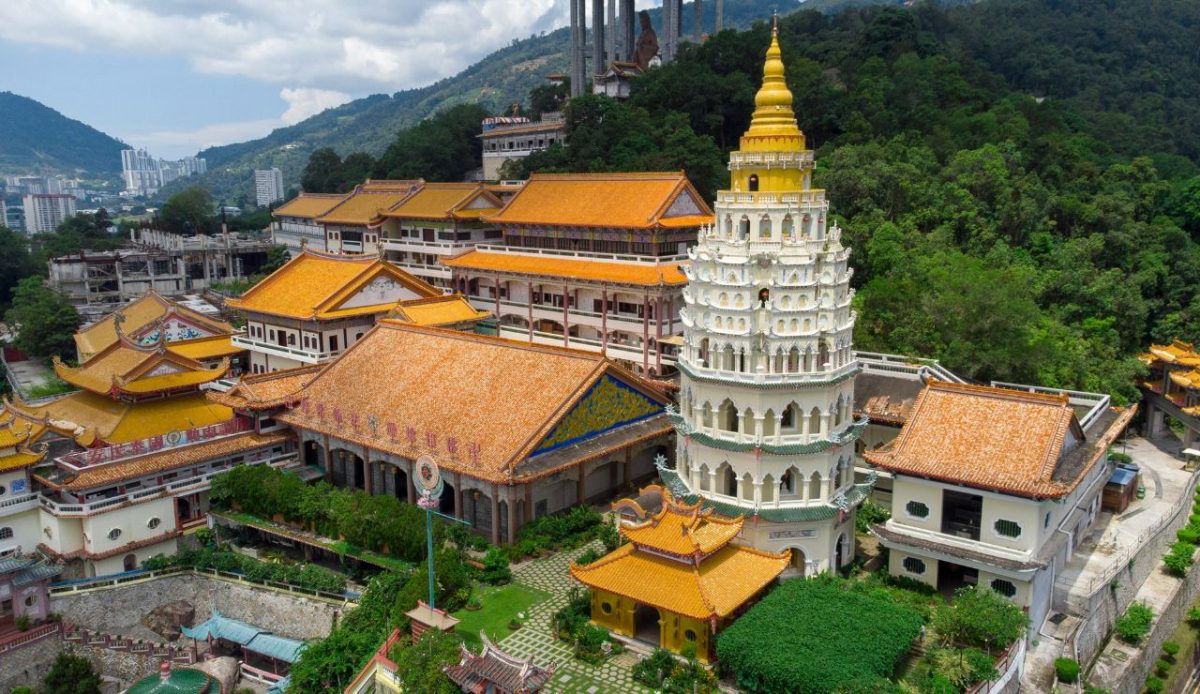
Penang’s George Town is celebrated for street art, colonial architecture, and colorful heritage sites. Yet its popularity has led to congestion, inflated prices, and a tourist-oriented economy. Street performances, cafés, and galleries often feel staged for visitors rather than representing authentic daily life. While the town offers rich culinary experiences and photography opportunities, some travelers feel the charm of its historical streets is diluted by commercialization. Penang demonstrates how well-intentioned “cute” branding can create high expectations that are difficult to meet in reality.
9. Takayama, Japan
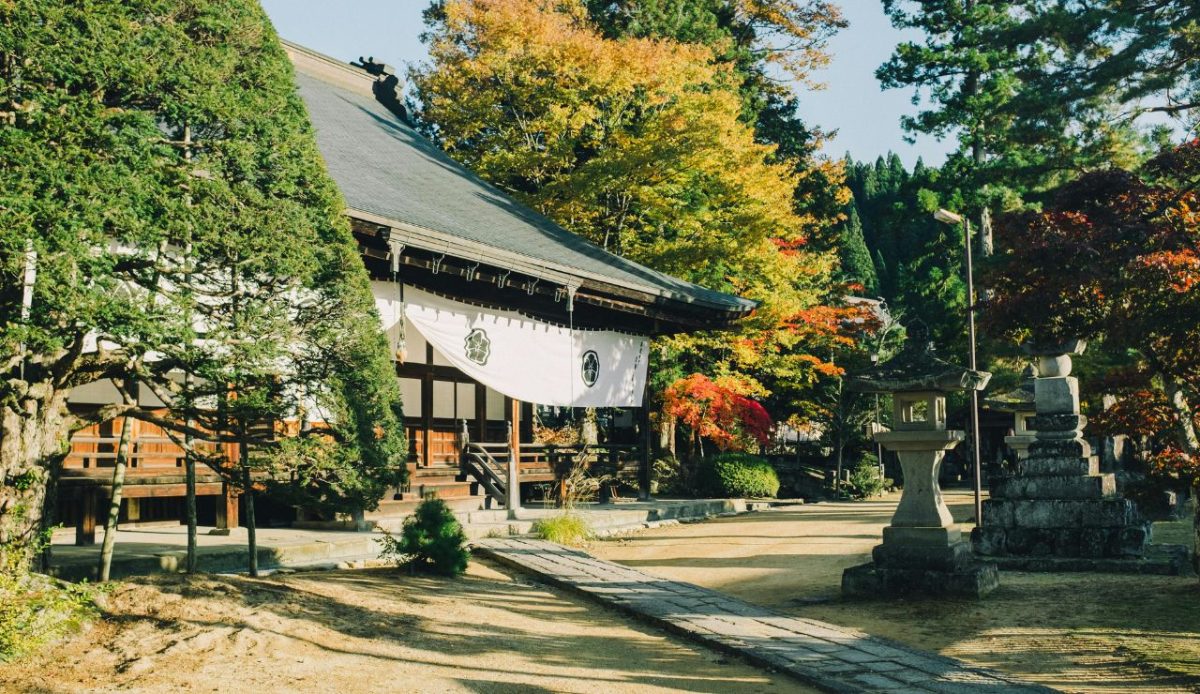
Takayama is known for traditional wooden houses, morning markets, and mountain views, making it a favored “cute” destination. However, many visitors encounter crowded streets, pricey accommodations, and tourist-centric dining. Festivals and seasonal events can attract overwhelming crowds, leaving little opportunity for quiet exploration. While the town’s architecture and surrounding landscapes are beautiful, the commercialization and high visitor volume sometimes diminish the intimate charm that travelers expect. Takayama shows how popular rural towns can become overhyped when fame outpaces preservation of their original appeal.
10. Jiayuguan, China

Jiayuguan, famous for its section of the Great Wall, attracts visitors hoping for scenic and historic experiences in a small town setting. Yet commercialization and tourism infrastructure can make the area feel crowded and overly managed. Local eateries and markets cater heavily to tourists, limiting authentic interaction with the community. While the Wall and nearby desert landscapes remain impressive, some travelers feel that the “cute” town experience promoted online falls short of reality. Jiayuguan demonstrates that even iconic historical sites can leave visitors underwhelmed if the surrounding towns are over-commercialized.
11. Sapa, Vietnam
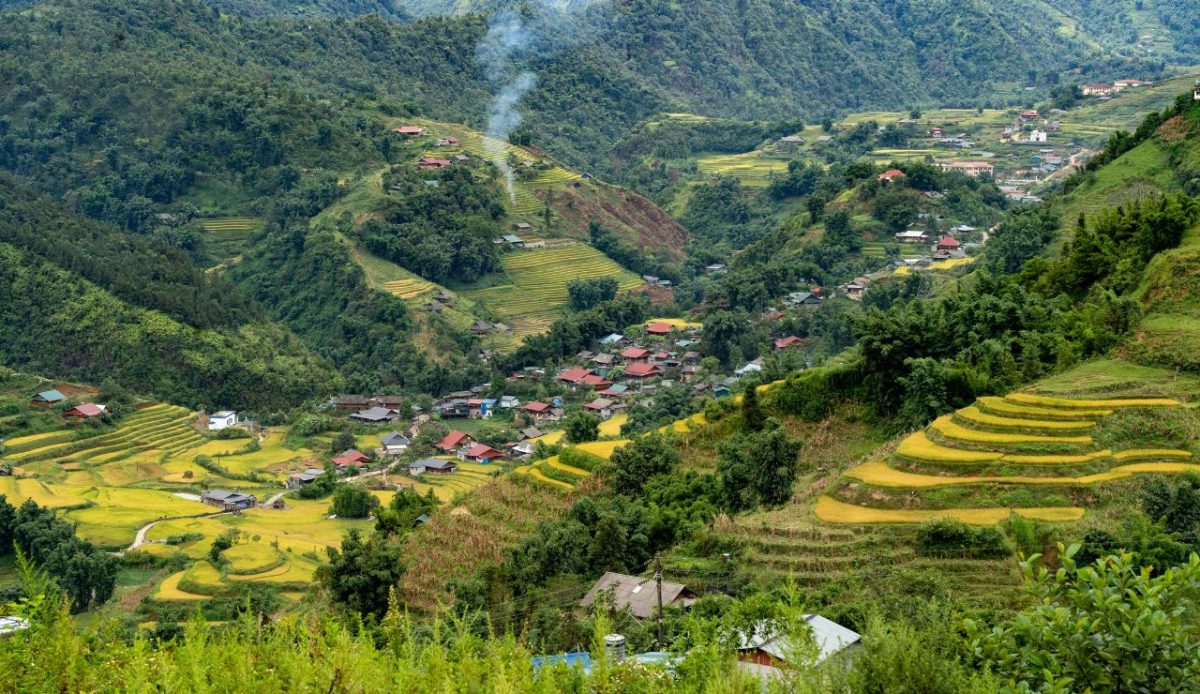
Sapa’s terraced rice fields, misty mountains, and ethnic minority villages are visually stunning, yet tourism has overrun parts of the town. Streets lined with souvenir shops and guided tour groups reduce the sense of authenticity. High accommodation costs and tourist-centric restaurants can make visits less immersive than anticipated. Travelers seeking serene, off-the-beaten-path charm may feel disappointed by the commercialization of Sapa. Despite its natural beauty, the town’s popularity and “cute” branding sometimes create expectations that reality struggles to meet, leaving some visitors feeling the experience is overhyped.
