
Italy has hundreds of small villages often missing from major travel maps but full of culture, craftsmanship, and history. Many began as trade centers, defensive posts, or farming hubs and still show how people shaped their surroundings with purpose and care. Residents and heritage groups restore old homes, maintain stone paths, and keep traditions alive. The following seventeen destinations highlight how Italy’s lesser-known communities preserve their identity while welcoming responsible visitors.
1. Civita di Bagnoregio, Lazio
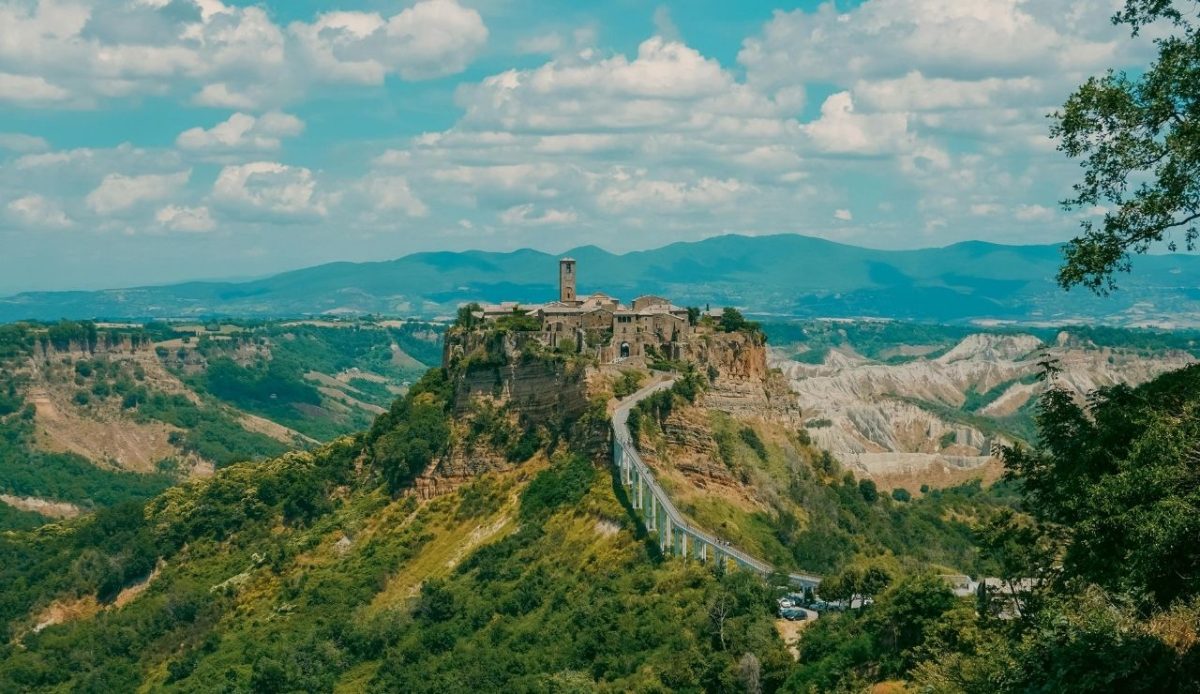
Civita di Bagnoregio developed on a volcanic ridge that erodes a little more each year. Founded by the Etruscans, it preserves stone houses, winding alleys, and sweeping views of the Calanchi Valley. Engineers manage soil movement with drainage systems, while regional experts inspect the slopes for cracks. Access is limited by a pedestrian bridge that reduces pressure from visitors. Craftsmen restore walls using original materials, proving how steady care can save fragile architecture from disappearing. The village appears on UNESCO’s tentative list, showing recognition of its ongoing preservation work.
2. Brisighella, Emilia-Romagna
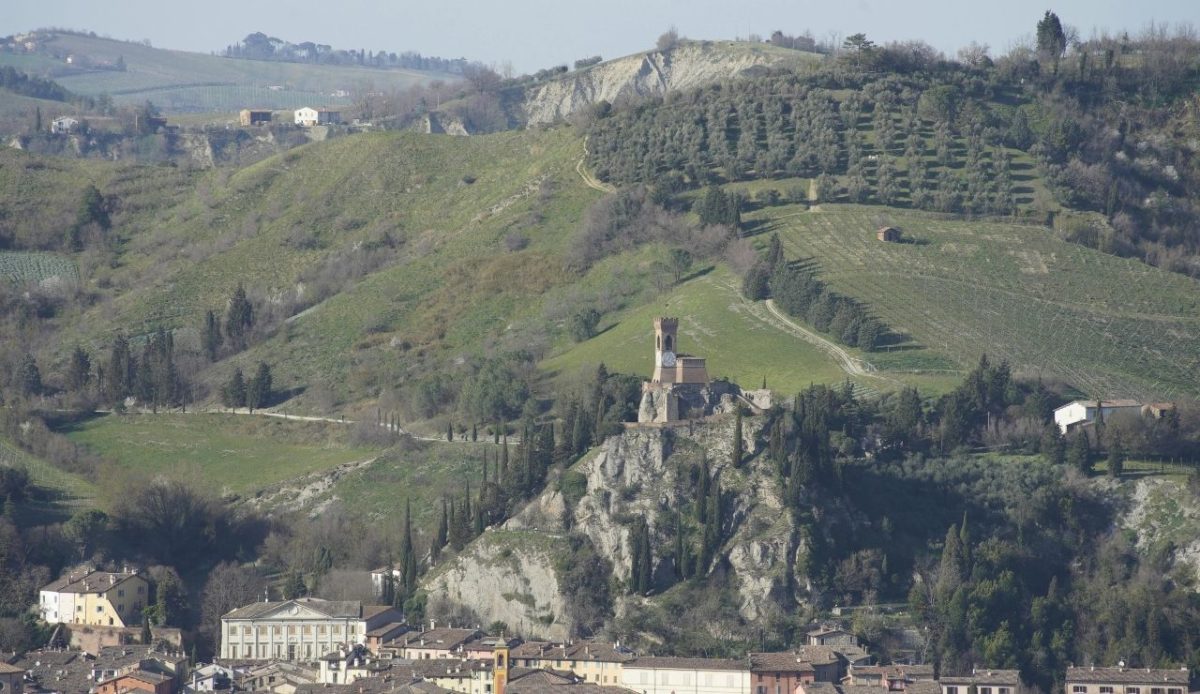
Brisighella formed under three limestone hills marked by a clock tower, a fortress, and a church. For centuries, miners carried gypsum through the covered walkway known as the “Via degli Asini.” Modern crews maintain retaining walls and improve drainage to stop erosion. Olive oil cooperatives support local jobs and preserve the hillsides through sustainable farming. Educational tours and seasonal events share Brisighella’s link between geology, agriculture, and daily life. Its olive oil museum now attracts visitors interested in traditional pressing methods.
3. Castelmezzano, Basilicata
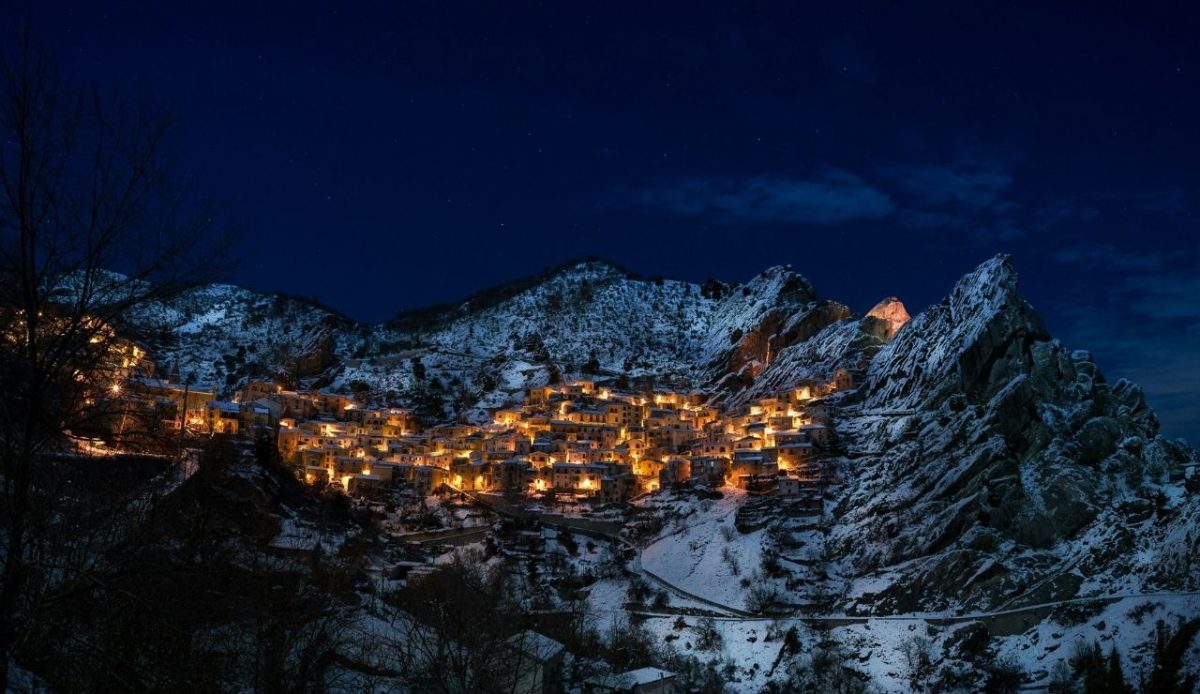
Castelmezzano is formed within the Lucanian Dolomites, surrounded by steep sandstone peaks. Early residents carved dwellings into cliffs for safety from raids. Engineers stabilize the rock each year through drainage and anchoring systems. The town limits new construction and manages guided hikes along restored medieval paths. Linked to Pietrapertosa by a mountain cableway, both communities share tourism plans that balance access with protection of their mountain environment. Local schools now include geology workshops to teach children how to protect their natural surroundings.
4. Pietrapertosa, Basilicata
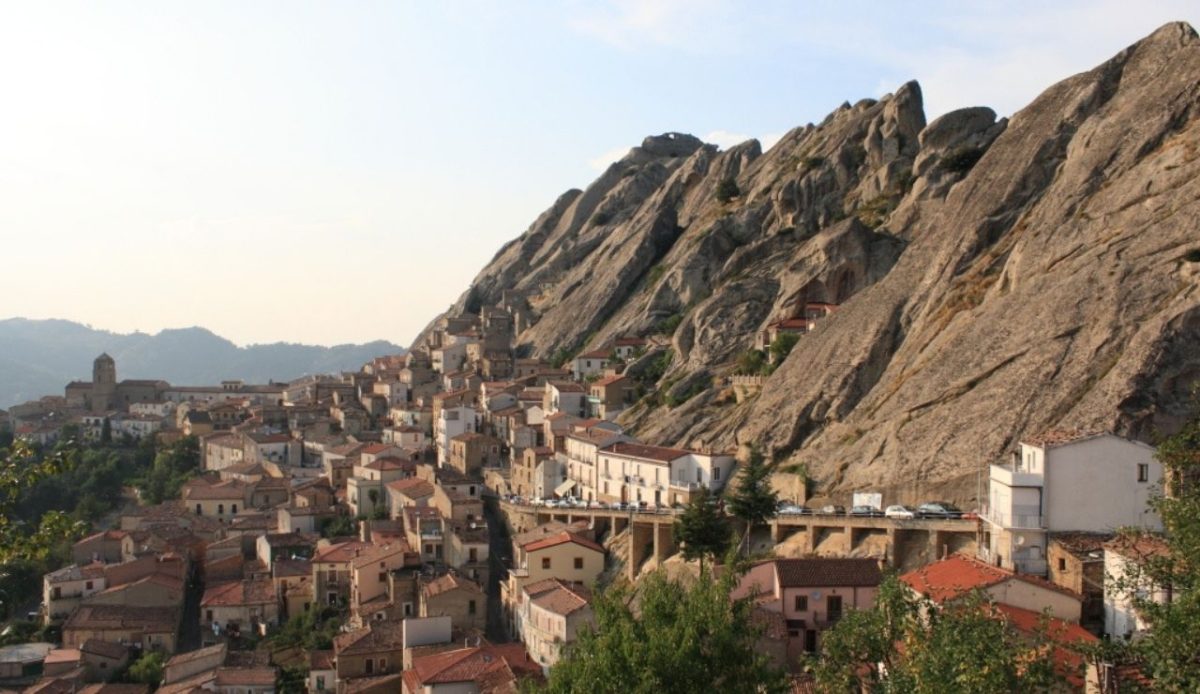
Pietrapertosa developed high in the Lucanian Dolomites, where homes occupy natural terraces shaped by centuries of adaptation. Local crews reinforce stairways and retaining walls damaged by storms. The “Arabata” quarter preserves traces of Saracen design through arches and passageways. Guides lead walking tours that explain its layered history. Training programs help young workers learn masonry and hospitality skills, creating a cycle of employment and preservation that benefits the entire area. Solar lighting installed along paths now improves safety while lowering energy use.
5. Craco, Basilicata
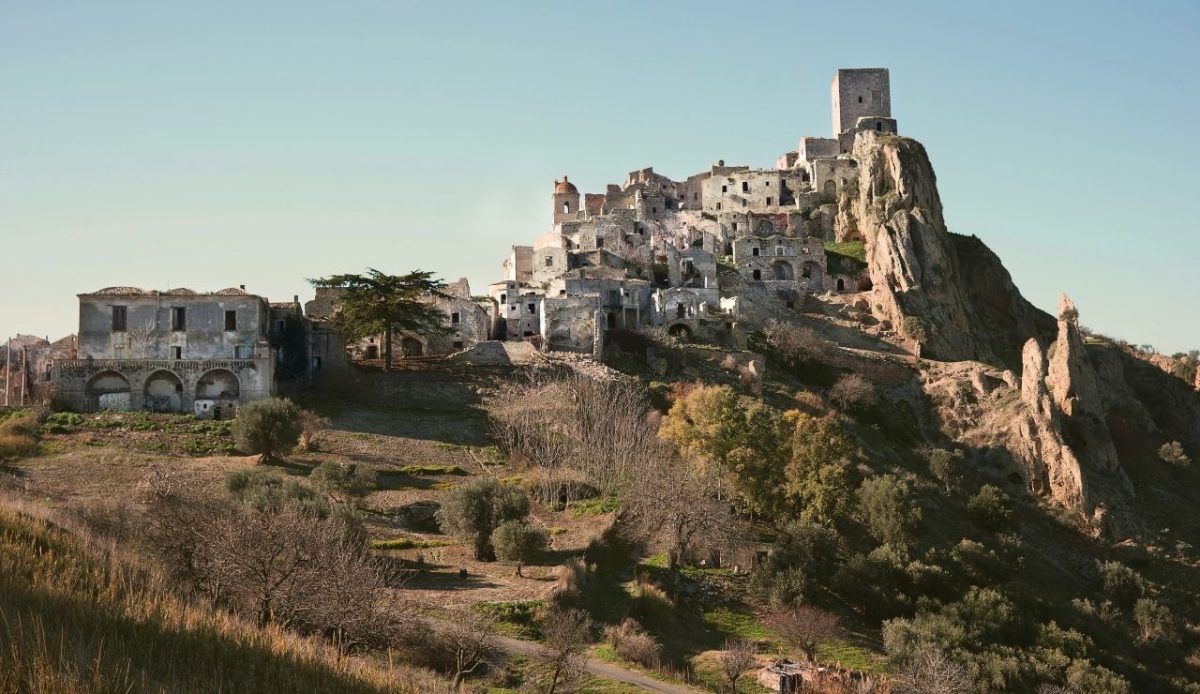
Craco became unsafe in the 1960s when landslides forced people to leave. Engineers later strengthened the remaining buildings with steel supports and new drainage. Guided visits follow marked trails under constant supervision to prevent accidents. Scientists study the soil and rock to understand erosion across southern Italy. Once abandoned, Craco now serves as a research site and film location that shows how careful management can protect a place shaped by time and geology. A digital monitoring system alerts technicians to any ground shifts detected in real time.
6. Sperlonga, Lazio
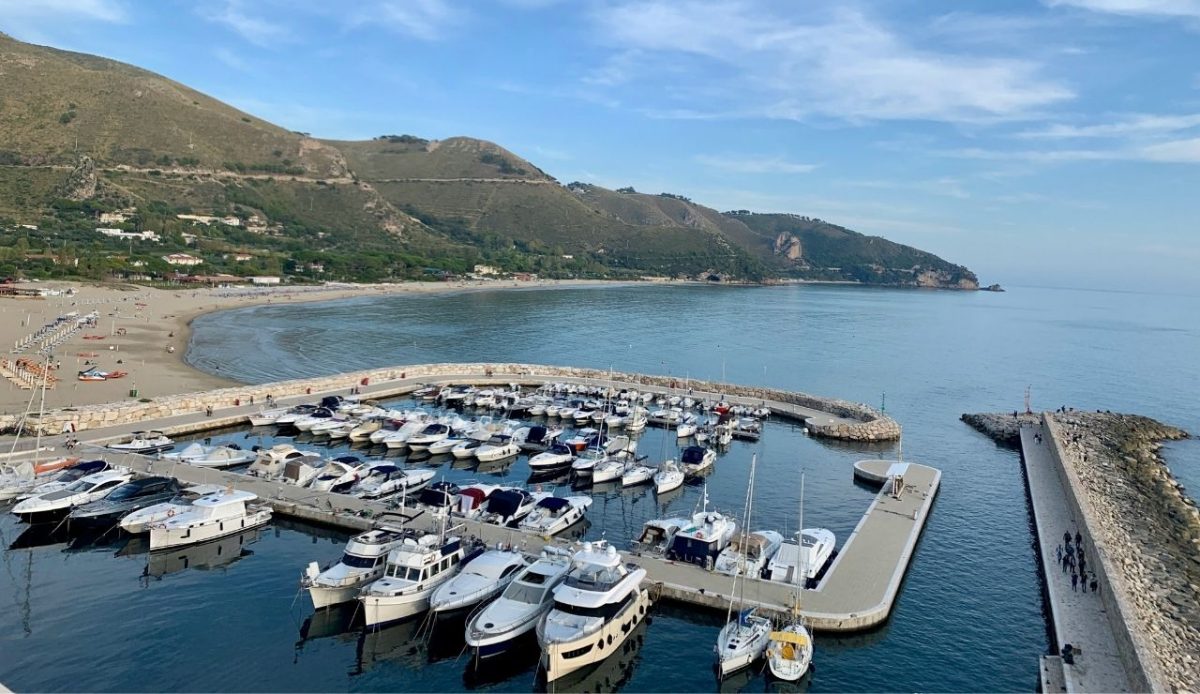
Sperlonga expanded along the Tyrrhenian coast between Rome and Naples, where whitewashed houses overlook calm blue coves. Archaeologists discovered Emperor Tiberius’s seaside villa and sculptures now displayed in the town museum. Officials control new construction and rebuild seawalls to guard against storms. Residents repair facades with lime plaster resistant to salt air. Strict cleaning programs and limited beach access keep Sperlonga’s shoreline healthy while preserving its historic look. A cycling path now links the waterfront to nearby natural reserves that host migratory birds.
7. Pitigliano, Tuscany
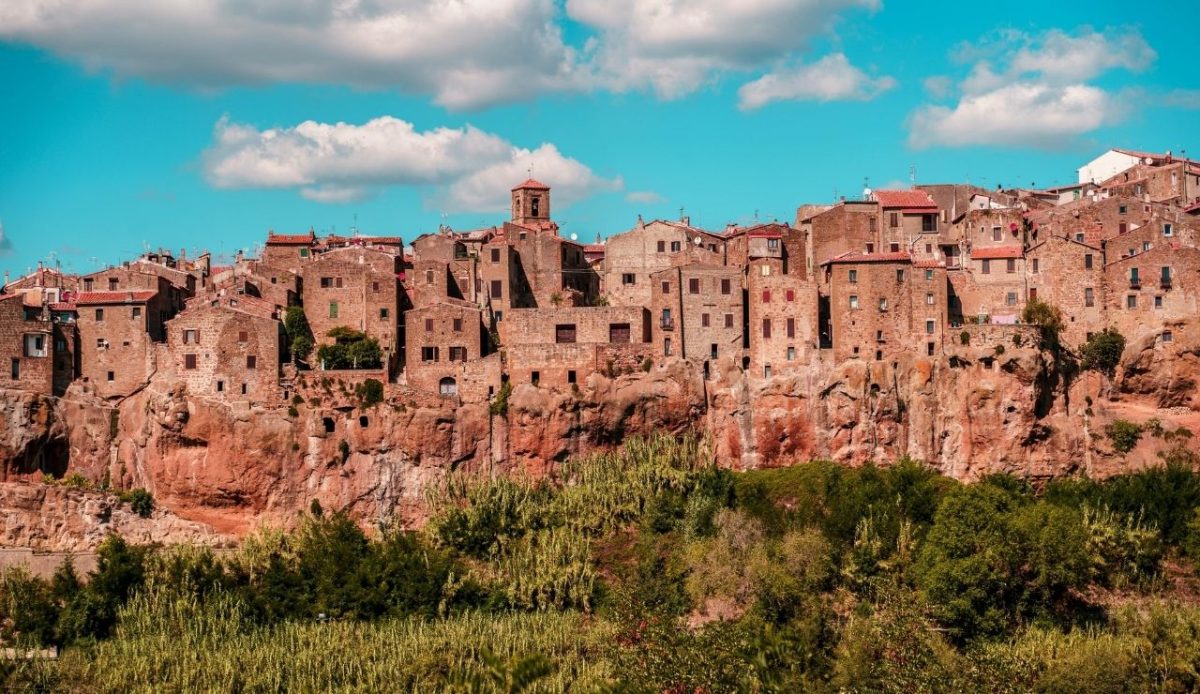
Pitigliano developed on a ridge of volcanic tuff in southern Tuscany, where tunnels and cellars were carved into soft rock. The city tracks ground stability with yearly surveys and upgrades drainage to prevent erosion. Stone masons repair structures using hand-cut blocks shaped by local methods. A restored synagogue and museum honor its long Jewish history. Through careful planning, Pitigliano protects its architecture while keeping the town active for residents and visitors. Renewable energy lighting now guides night tours without harming the rock face.
8. Orta San Giulio, Piedmont
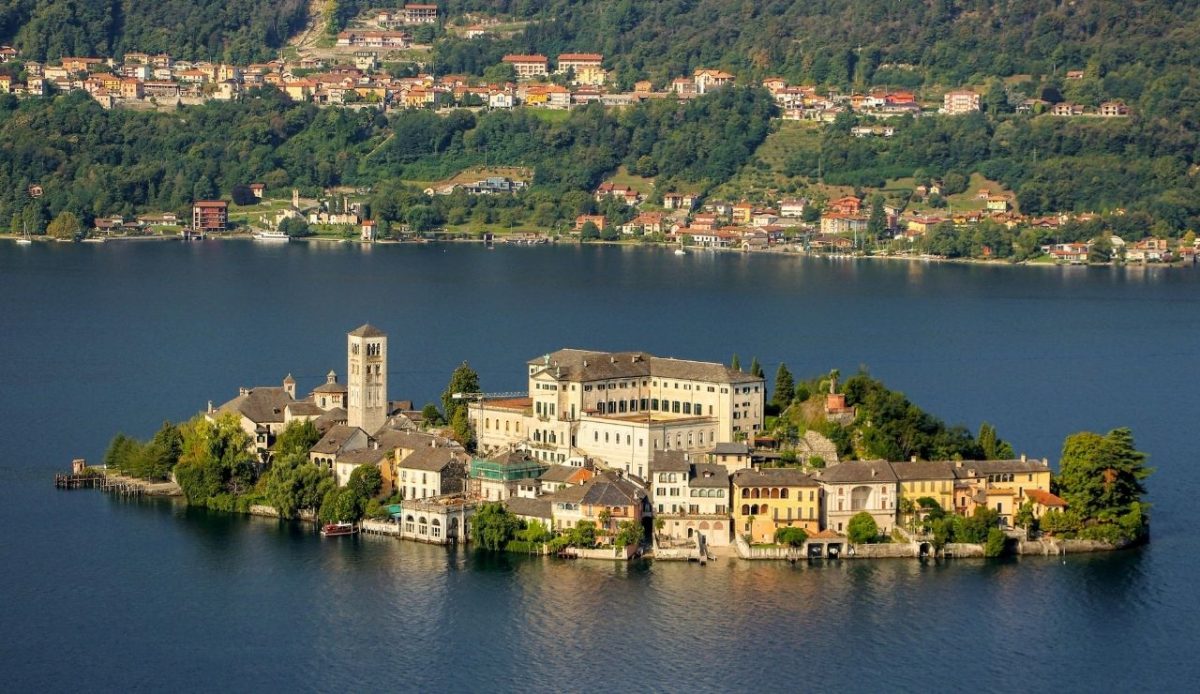
Orta San Giulio developed beside Lake Orta and faces the small island of San Giulio, home to a working monastery. The village keeps cobbled streets and pastel houses that reflect on the water. Local offices manage ferry schedules and crowd limits to protect the shoreline. Workers repair docks and strengthen stone embankments each season. Family hotels and cafés follow eco-friendly standards that protect both the lake and the town’s calm atmosphere. Community events around the lakeside square promote local food and regional crafts.
9. Scanno, Abruzzo
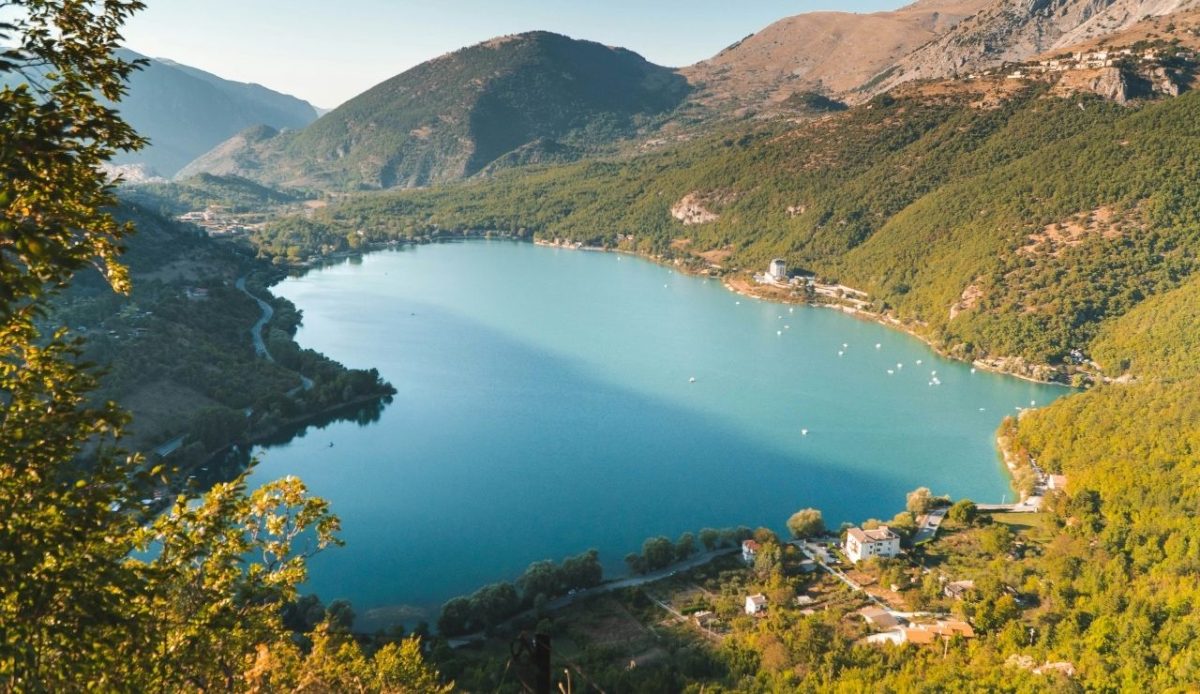
Scanno developed within the Sagittario Gorge and maintains a street plan shaped in medieval times. The town prospered through wool and jewelry crafts still practiced today. City crews repave stone streets and regulate drainage to protect lower districts from floods. Scanno’s Lake attracts research on mountain water systems. Cultural events fill the calendar year-round, bringing visitors who support local artisans and the upkeep of this mountain community. Photography schools host workshops that capture Scanno’s unique light and topography.
10. Apricale, Liguria
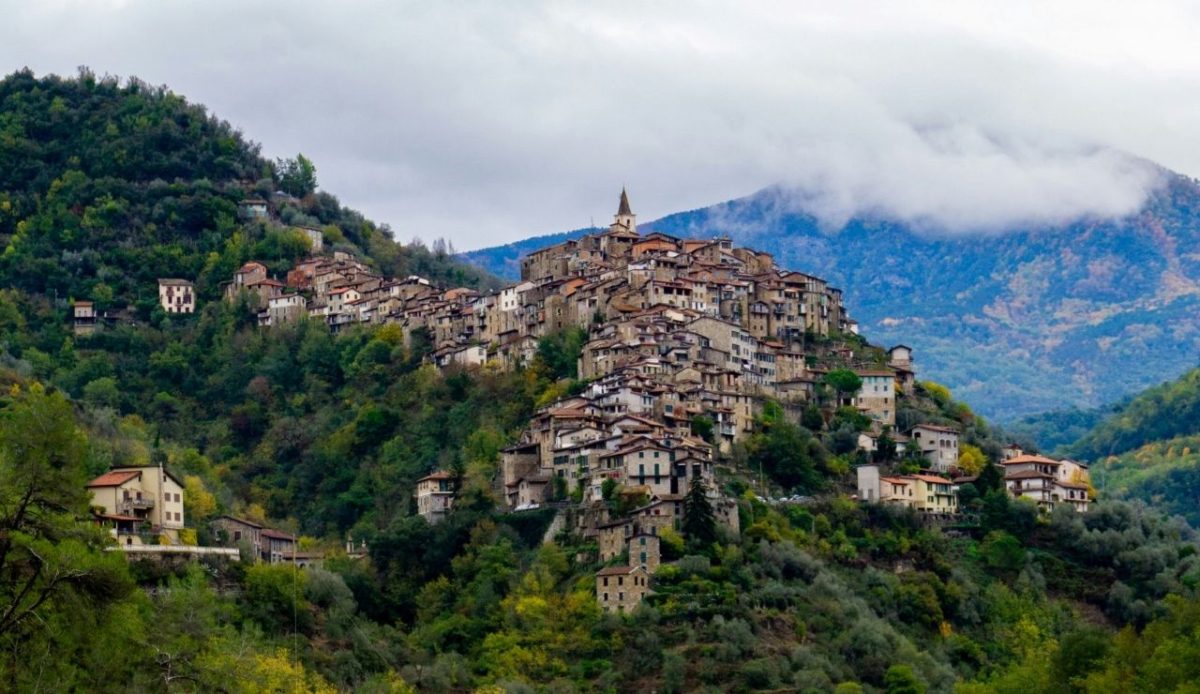
Apricale developed inland from the Ligurian coast along steep slopes that connect homes through stepped lanes. Builders used sandstone and slate that endure heavy rain and heat. The town joined “I Borghi più belli d’Italia” for its long record of restoration work. Inspectors check drainage and slope safety before winter. Art fairs and book events draw visitors year-round, ensuring that culture and conservation move forward together. The village also participates in cross-border art projects with nearby French towns.
11. Castelluccio di Norcia, Umbria
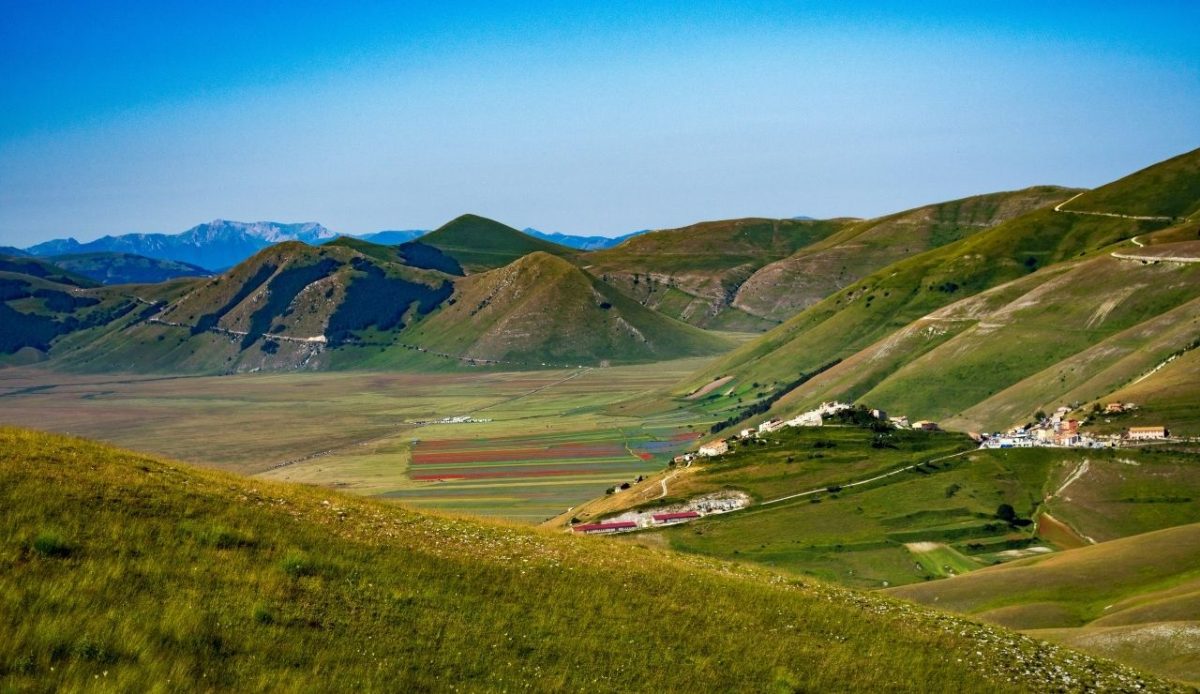
Castelluccio di Norcia is formed on a plateau inside the Sibillini Mountains National Park, surrounded by lentil fields that bloom each spring. Earthquakes in 2016 damaged much of the village, prompting engineers to rebuild with lighter materials. Farmers rotate crops to protect the soil and coordinate visitor traffic during the colorful Fiorita season. Strict vehicle rules keep fragile roads safe, turning Castelluccio into a model for rural recovery and safe tourism. Local cooperatives also organize seed fairs that promote organic farming practices.
