
Theft in Europe usually spikes where crowds, transit, and tourist routines overlap. Police notices and embassy advisories describe the same pattern: a short distraction plus easy access to valuables. Most losses happen without force, often before the traveler notices anything wrong. Busy stations, landmark queues, outdoor cafés, and packed metros raise the odds because exits are close. Good habits reduce risk without turning a trip into a security drill, and small storage choices matter more than luck. The sections below name common mistakes and explain why they invite quick snatches or pickpocketing in real street settings.
1. Back Pocket Phones And Open Jackets

Keeping a phone or wallet in a back pocket or an open jacket is a classic setup for silent lifting. In tight crowds, bumping feels normal, so hands can slip in and out without drawing attention. On escalators and train doors, bodies are pressed together, and space is managed by strangers, which favors quick takes. Zippers and inner pockets slow the attempt, and a crossbody worn forward keeps valuables within sight. Carry only the card you need for the day, and store backup cash elsewhere so one grab does not derail plans. Losses are often discovered later at the next stop, when the thief is already gone.
2. Backpacks Worn Behind You In Crowds
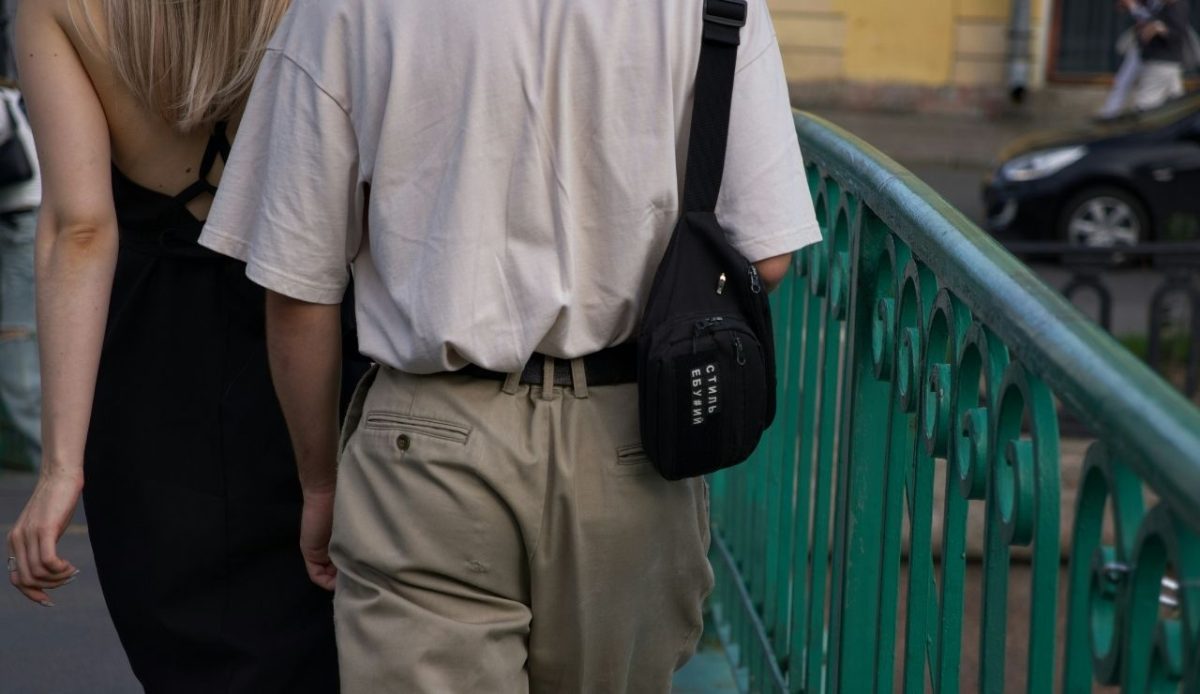
A backpack worn on the back in a crowded metro gives pickpockets a steady work surface. Zippers can be pulled while the wearer watches signs or squeezes through a gate. At platform edges, attention goes to timing and footing, so a hand near the bag is rarely noticed. Moving the pack to the front in dense areas cuts access and makes contact obvious. Choose a bag with a firm back panel and hidden pockets, not an open-top daypack. Keeping one strap looped on an arm while pausing to check directions reduces stray handling. Clipping zipper pulls together or using a small lock adds time, and time is what most thieves cannot spare.
3. Valuables Left Out At Cafes
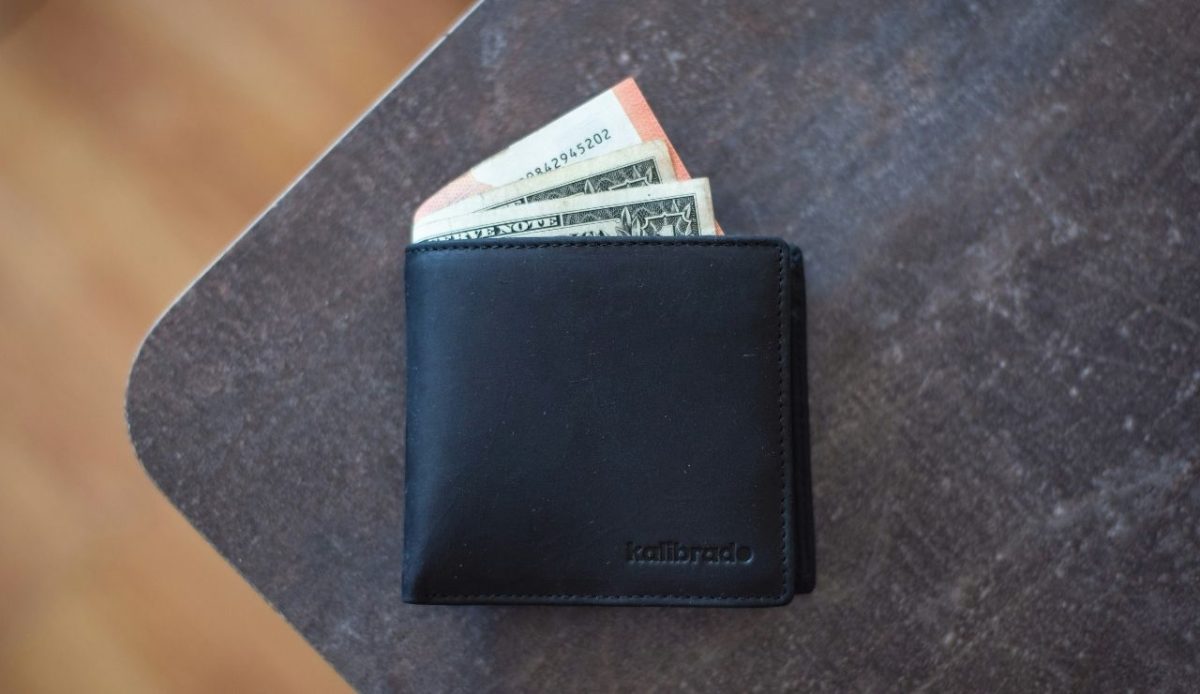
Outdoor cafés feel relaxed, which is why quick grabs happen there so often. A phone on the table edge or a wallet beside a plate can be taken in one smooth motion by someone who keeps walking. Bags hung on chair backs are easy to lift or open from behind, especially when the street is busy. Seats near the sidewalk shorten the escape path, and attention is pulled toward friends, menus, and servers. Risk rises when paying, since cards, cash, and PIN entry are briefly exposed. Keep valuables on your lap or inside a closed bag worn across the body, and place the strap under a leg if you must set it down.
4. Getting Pulled Into Distractions
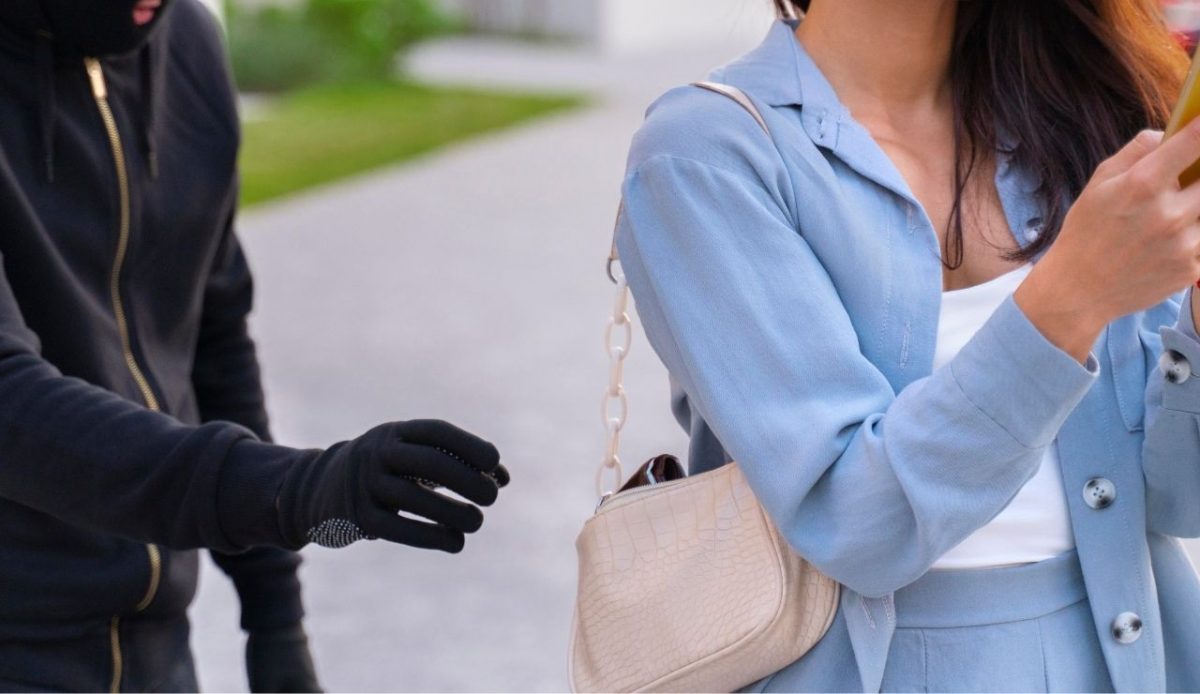
Distraction tactics work because they hijack courtesy and urgency. A stranger may ask for directions, drop coins, press a clipboard forward, or claim something is on your coat. While you look down or reach for help, a second person can remove items from a pocket or unzip a bag. These teams often operate near landmarks, ticket machines, and train doors where crowds hide hand movements. Move toward a wall or shop entrance before checking anything, since space limits access. Step back, keep a hand on your bag, and decline physical contact. If help is truly needed, it can be offered at a distance without exposing your belongings.
5. Letting Guard Down During Transit Moves
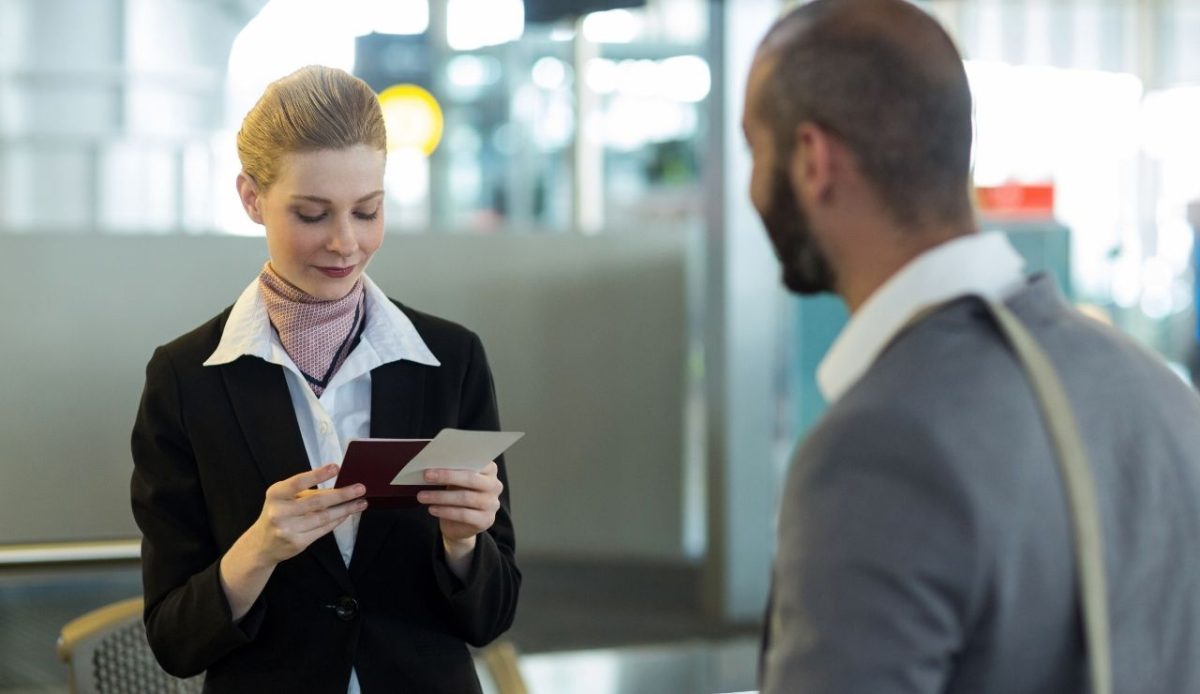
The moments that feel routine, boarding, exiting, and switching lines, are when many thefts occur. Attention is split between tickets, luggage, and finding the right platform, so pockets go unchecked. Near closing doors, a phone may be pulled, and the thief can step off as the train departs, leaving no safe chase option. On buses, bags are opened while riders face forward and grip a rail. Overhead racks and luggage stacks near doors create blind spots where a bag can be lifted. Keep devices put away until you are seated or clear of the crowd, and hold bags in front during tight squeezes through gates.
6. Putting Everything In One Wallet
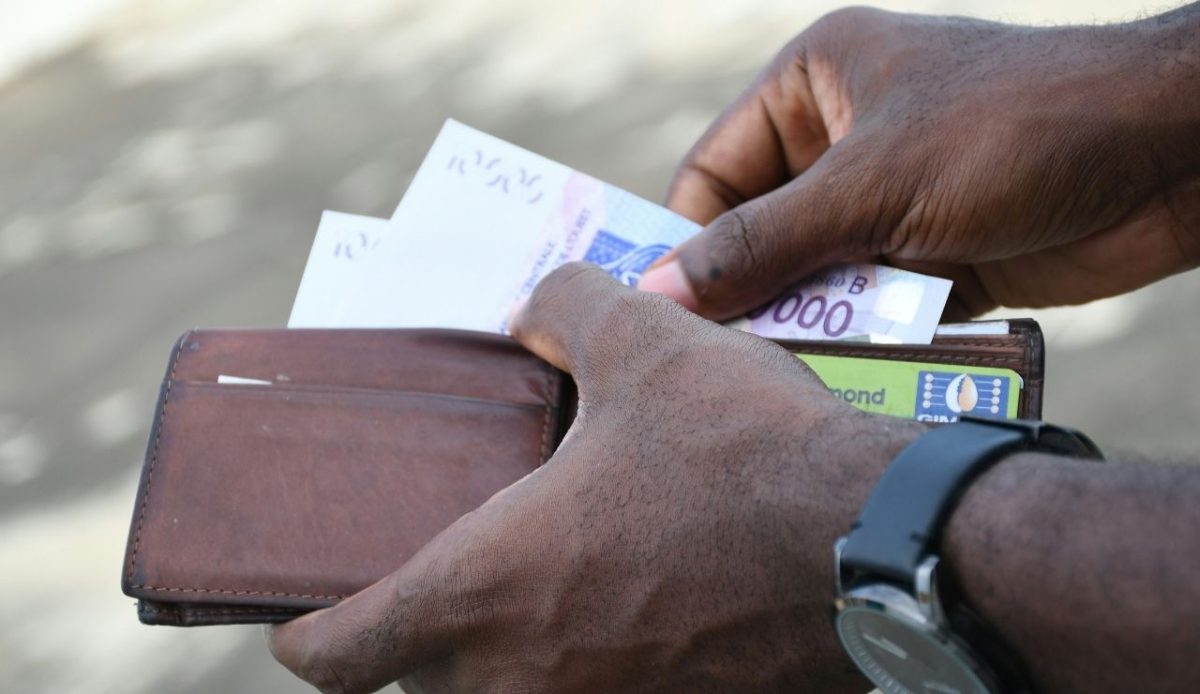
Carrying a passport, cards, cash, and backup keys in one wallet turns a minor theft into a trip crisis. Once the bundle is gone, replacement steps consume days and can require police reports, consular visits, and bank calls. Thieves favor single-point storage because the reward is higher and the victim is less likely to react quickly. Split items across two locations, such as a secured inner pocket for the passport and a small day wallet for spending. Copies of documents should be stored separately, and one payment method should be kept offline for emergencies. Use hotel storage with care, since safes and front desks vary in reliability.
7. Advertising Value Without Realizing It

Visible wealth can make a visitor stand out before any mistake is made. Phones held high for photos, designer logos, dangling jewelry, and open cash handling signal quick payoff. In busy areas, a thief needs only a moment and a clean exit path, so targets are chosen with ease and value. Risk also rises around nightlife zones where crowds cluster, and judgment is dulled by alcohol. Keep a low profile when checking balances or sorting tickets, and put cash away before stepping back into the crowd. Using a plain case for a phone and carrying a modest day bag can reduce attention without changing your travel style.
8. Leaving Bags Partly Open
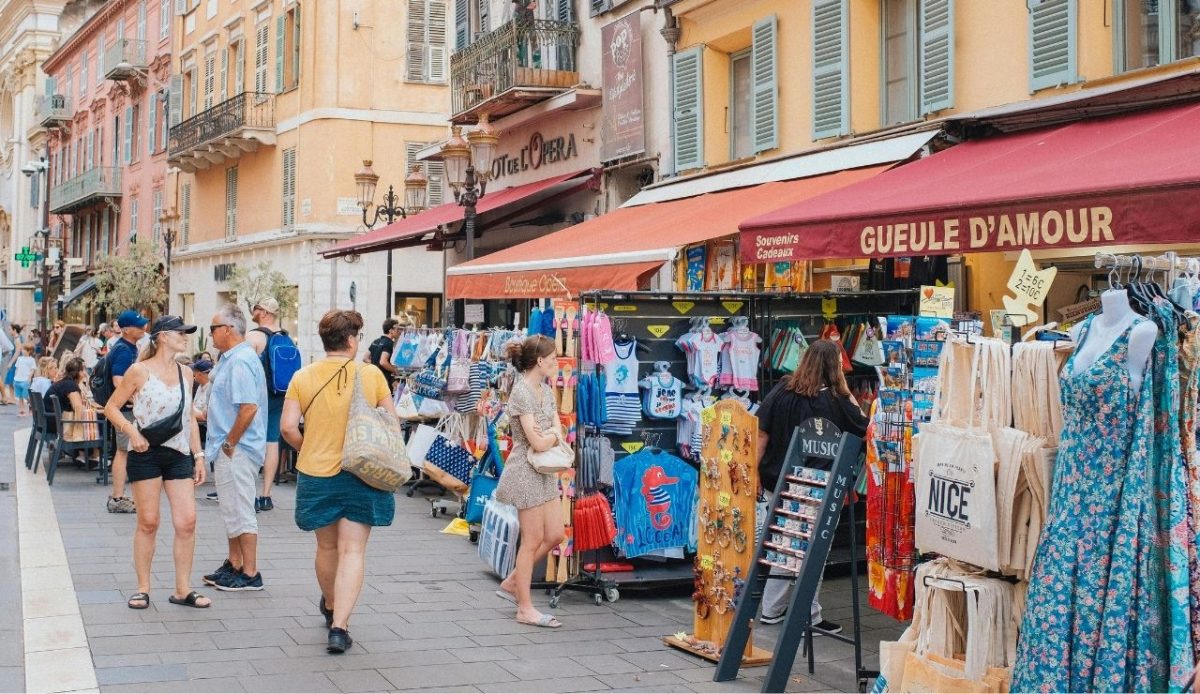
Unzipped bags and open totes invite theft because the work is already half done. In markets and festivals, hands brush past constantly, so an open zipper does not feel unusual. A crossbody worn at the hip can be opened from the side if the pull faces outward. Choose bags with tight openings, keep the zipper pull toward your body, and avoid storing a phone in the top pocket. A small carabiner linking two pulls can add friction, and a strap worn across the chest reduces snatch attempts. Close the zipper after every purchase and check it again after taking photos or scanning a ticket. Crowded stairs are prime times.
9. Walking With A Phone In Hand
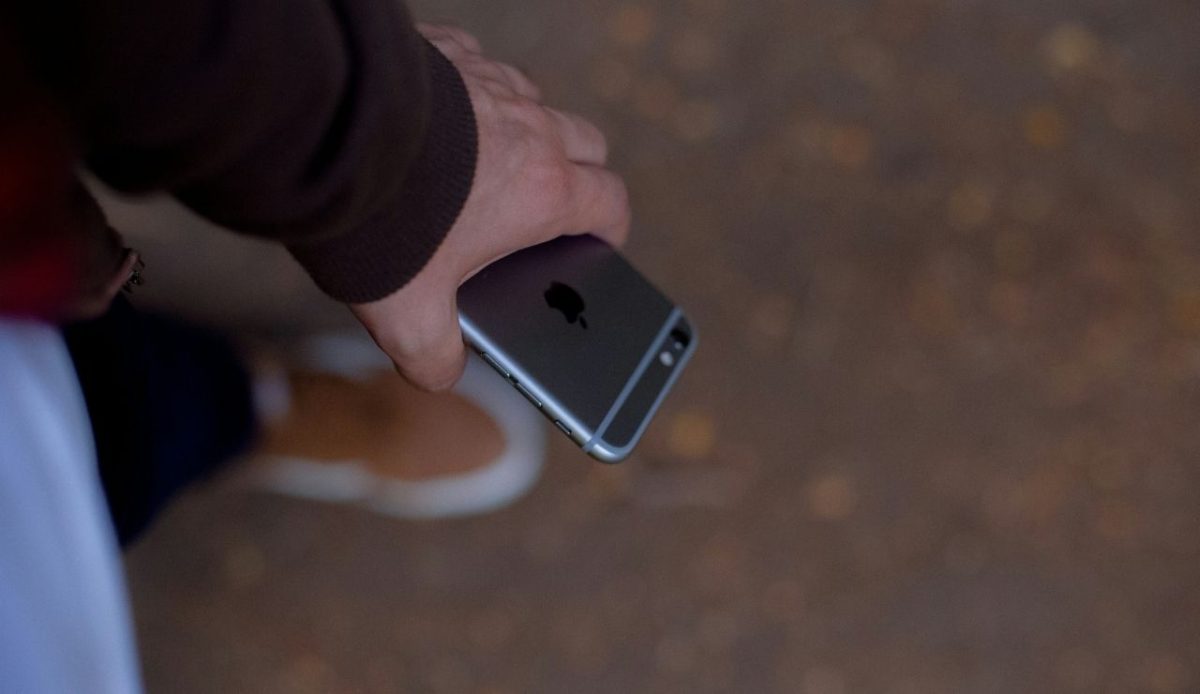
Holding a phone out while walking near curb lanes or station doors can invite snatch theft. Scooters, bikes, and fast runners rely on visibility and a clear route, so a device held loosely is ideal. The risk increases when a traveler stops mid sidewalk to film, text, or confirm a map route. Near train doors, a phone can be pulled, and the thief can step off as the carriage moves away. Step into a doorway or shop entrance, keep your back to a wall, and use one hand to secure a strap or bag. A wrist lanyard can help, but the main protection is reducing exposure during movement and near exits. Use audio prompts for directions.
10. Losing Control Of Luggage In Stations
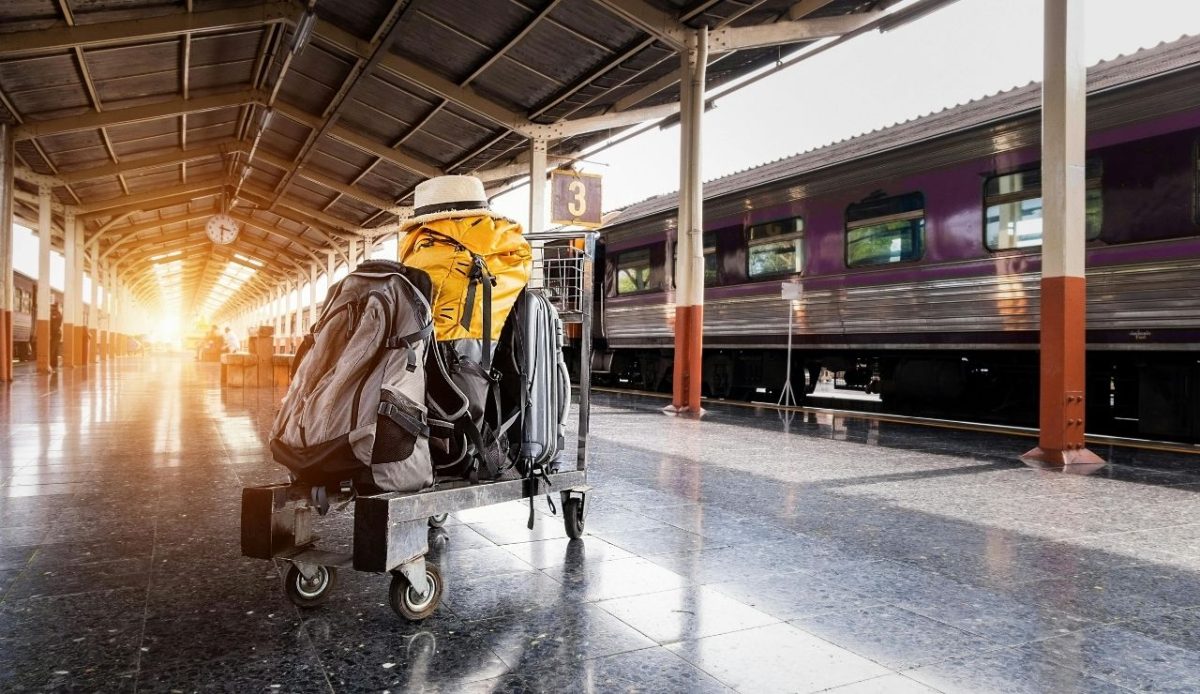
Large luggage creates another theft chance, especially when it is left unattended for even a minute. At stations, travelers set bags down to buy tickets, read boards, or help a companion, and a lift can happen instantly. On long-distance trains, suitcases placed on end racks near doors may be taken at a stop by someone who looks like a passenger. Theft can also occur when riders sleep and their attention drops for long stretches. Keep one hand on a handle when standing, and loop a strap around a leg while seated. Using a name tag and a bright strap helps later identification, but physical control is the real protection.
11. Assuming Rooms And Cars Are Automatically Safe
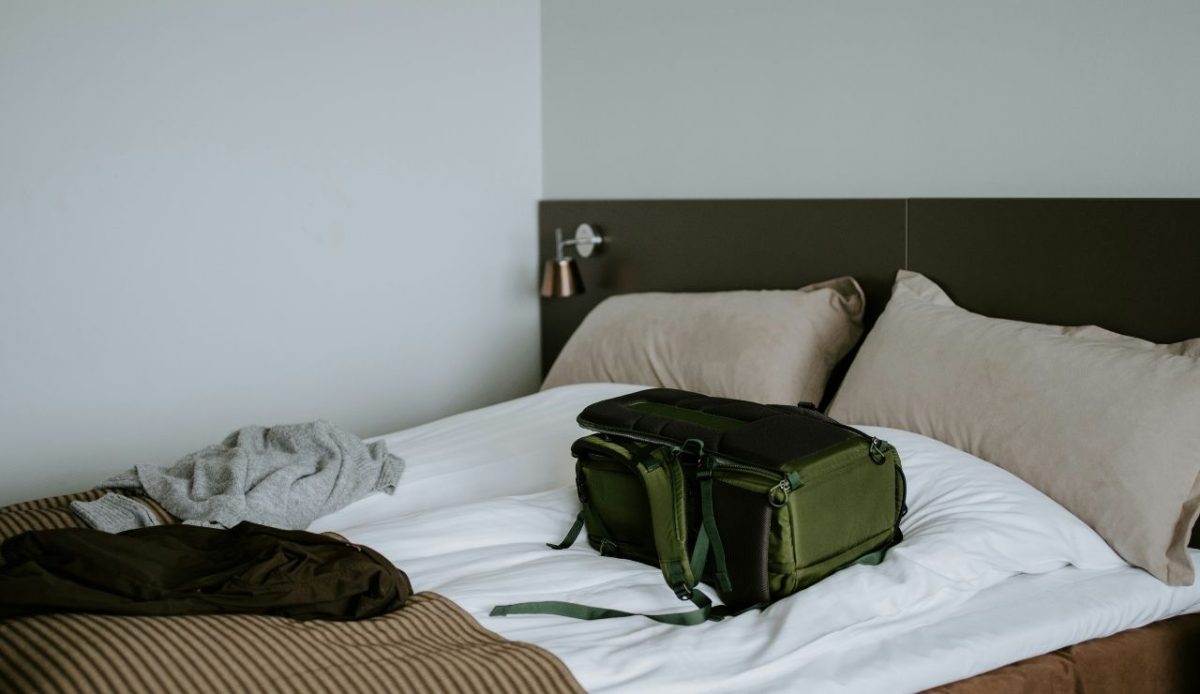
Assuming a hotel room is automatically secure leads to avoidable losses. Valuables left on a bed during housekeeping time, or placed near a window in a ground-floor room, can be taken quickly. In short-term rentals, access codes and keys may be reused, so extra caution is wise. Use the in-room safe if it functions, but also keep high-value items out of sight and lock luggage. Car break-ins are also common around scenic stops, so bags should never be left visible in a rental vehicle. When arriving, close the door fully and verify the latch, since rushed check-ins are when mistakes are made. Store backups in separate places.
