
Coastal cities that feel easygoing usually have daily life organized around water access, walkable streets, and public places where people linger. The sea moderates heat, so evenings stay usable, supporting outdoor meals, casual meetups, and routines that do not demand constant rushing. Transit, bike lanes, and waterfront paths reduce friction, while local norms favor comfort over formality. The places below are known for that calmer tempo, backed by guides and reporting that connect lifestyle to geography and planning. Visitors notice it in early sunset walks, flexible meal times, and beaches used like neighborhood parks.
1. San Diego, California
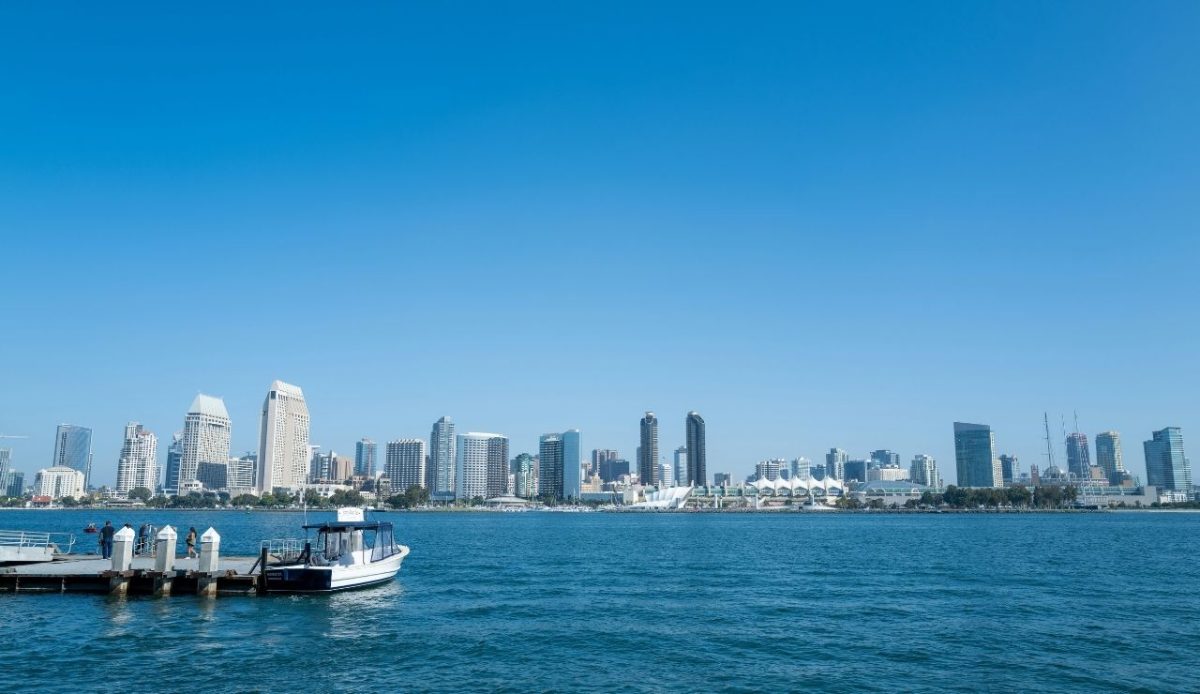
San Diego keeps pressure low by making the shoreline part of normal life. Beach neighborhoods such as Ocean Beach and Pacific Beach support errands on foot and quick breaks near the sand. Temperatures stay mild, so parks, boardwalks, and outdoor patios remain active most months. Work attire is casual outside offices, and sunset plans are treated like a daily habit. A strong network of trails and coastal access points helps residents choose time outside instead of adding another drive across town. Even busy areas feel manageable because many trips are short, and the ocean breeze cools streets by evening.
2. Lisbon, Portugal
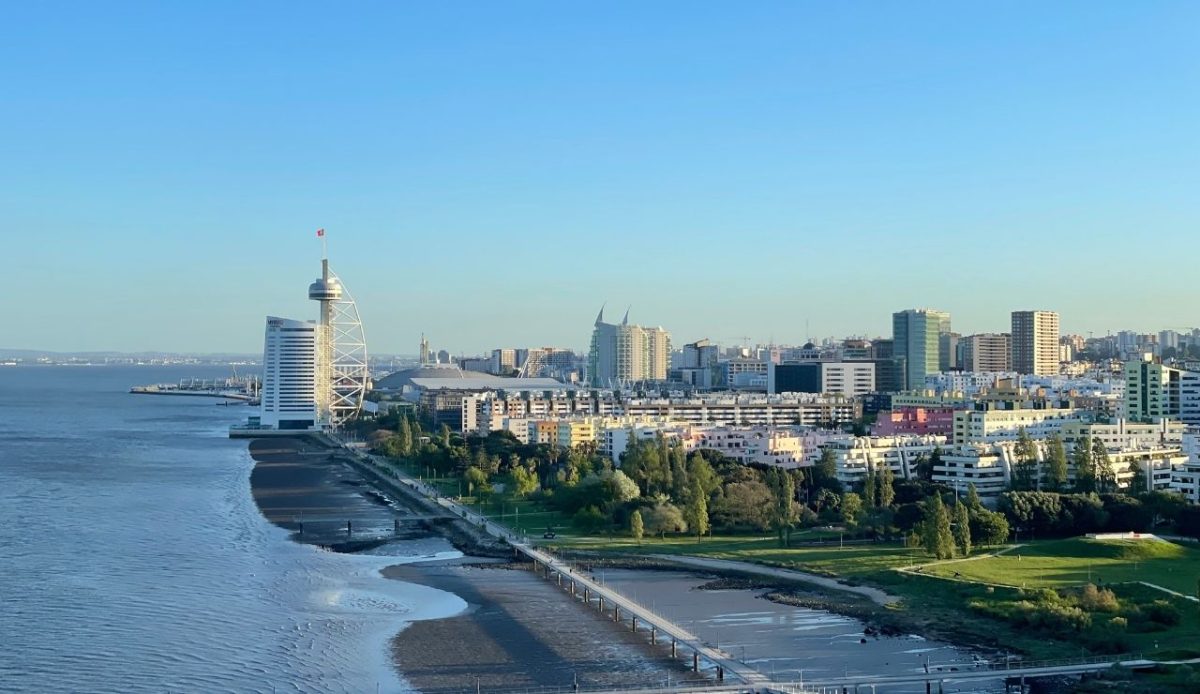
Lisbon’s relaxed feel comes from a compact core and a waterfront that works as a daily promenade. Commuters cross plazas and river paths that invite pauses, not speed. Cafés encourage long chats, and late dinners fit a social culture that values time with friends. Hills slow traffic naturally, so many areas stay quieter than their map suggests. After rush hour, streets soften into a calm pattern of small shops, short walks, and viewpoints where locals watch the light change over the water. Trams and ferries keep movement simple, and nearby Atlantic beaches make weekend resets easy without complex planning.
3. Valencia, Spain
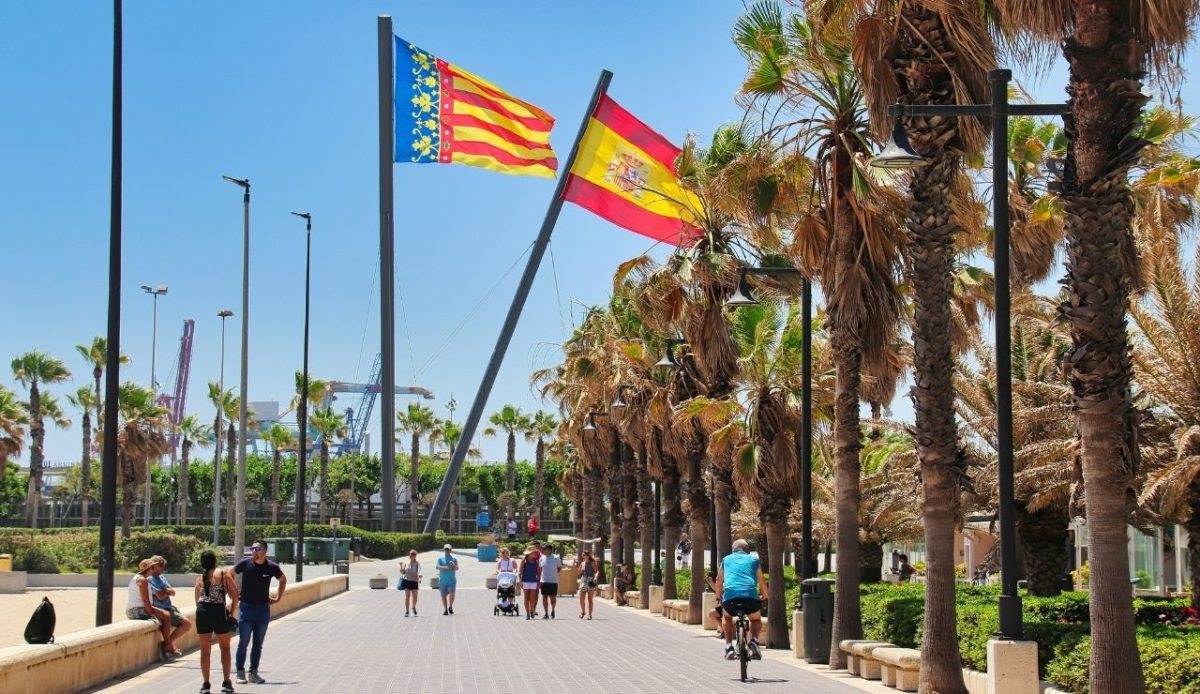
Valencia pairs an active city center with a coastline that stays connected to everyday routines. Bike lanes and wide boulevards make it practical to reach the beach without a car, so short swims and evening walks fit into regular weekdays. Local meal customs still favor a long midday break, which slows the whole tempo. Parks and the former riverbed green space add room to breathe when streets get busy. The result is a city where errands, family time, and sea air can happen in the same afternoon. Even during festival season, daily life quickly returns to cafés, markets, and beach districts that run on local habits.
4. Porto, Portugal
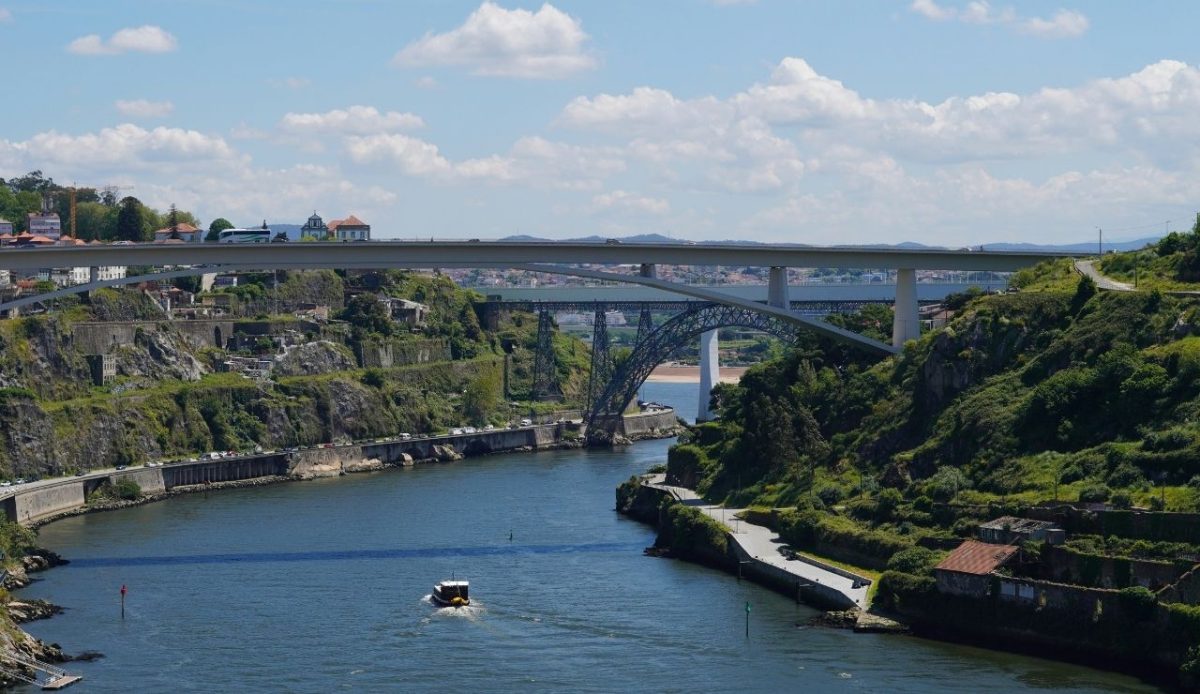
Porto feels unhurried when life shifts toward the sea in districts like Foz do Douro. Morning coffee runs and evening strolls happen along oceanfront avenues, while small bakeries and neighborhood groceries keep routines local. The cooler Atlantic climate supports long walks most of the year, and windy days turn the coast into a simple reason to slow down. Historic streets encourage walking over driving, which reduces daily stress. Visitors often notice that conversation and meals take priority over strict timing, especially near the waterfront. A short ride links the center to beaches, so downtime is not treated as a special trip.
5. Vancouver, British Columbia
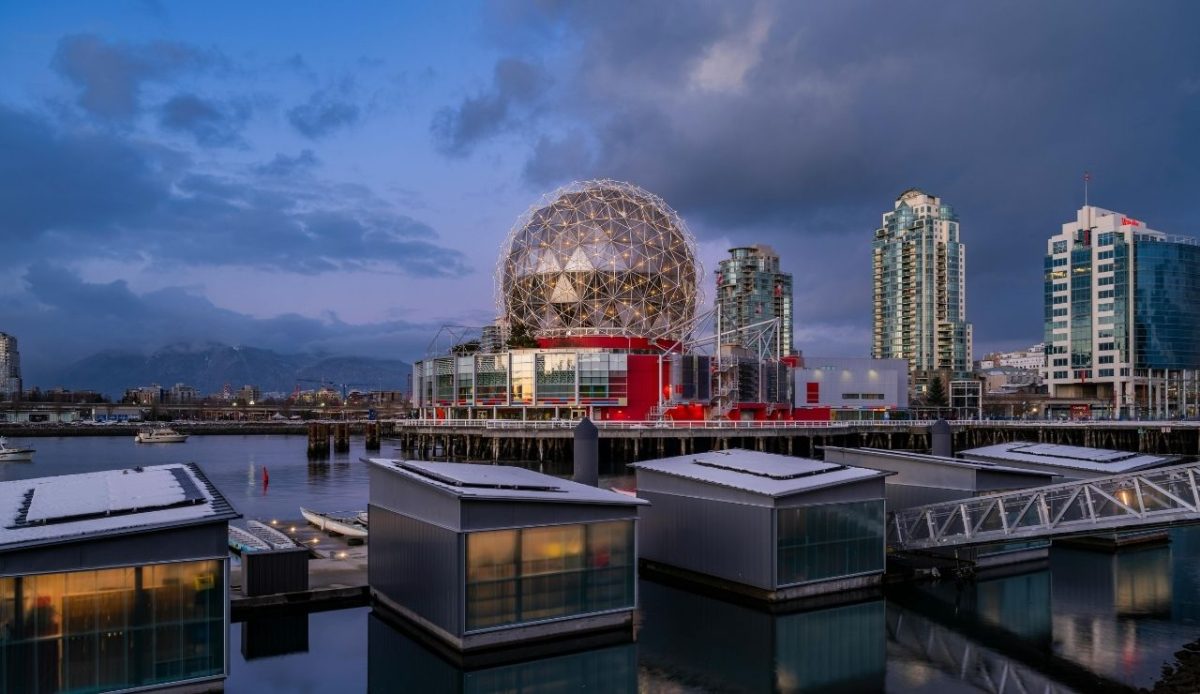
Vancouver’s laid-back side is easiest to feel on the waterline, where beaches and parks are part of the weekday routine. Stanley Park paths, seawall loops, and spots like English Bay create a city habit of walking after work rather than rushing home. Mountain views and ocean air shape a culture that values outdoor time, even when plans are simple. Public transit and bike routes make short trips practical, lowering daily friction. Many neighborhoods keep a casual dress code and a coffee culture that rewards slow conversation instead of quick turnover. Summer evenings run long, and sunset walks become a routine shared across the shore.
6. Cairns, Australia
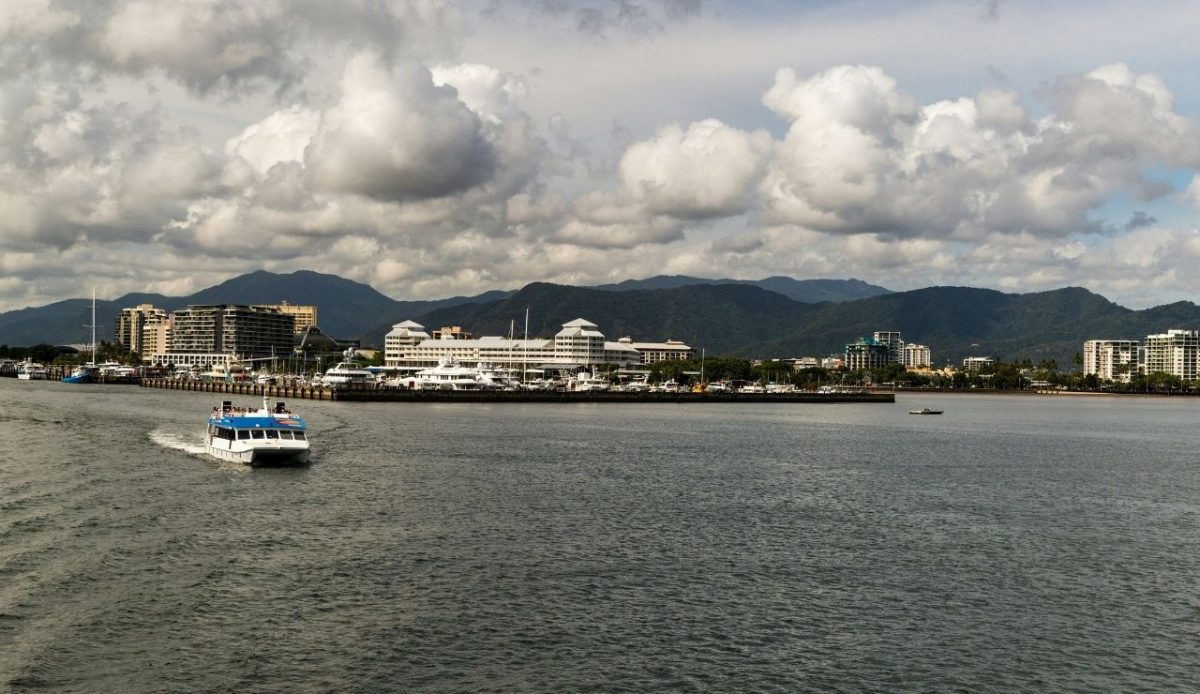
Cairns is built around the idea that the outdoors should be easy to reach every day. The waterfront esplanade supports jogging, picnics, and casual meetups, while trips to reefs and rainforests start close to town. Warm weather keeps wardrobes simple and encourages early mornings followed by slower afternoons. Many visitors notice that plans are made around weather and water conditions, not strict timetables. With compact streets and a tourism economy that still serves locals, Cairns keeps a relaxed pace even during busy seasons. Evening food markets and the public lagoon add low-cost leisure that fits ordinary weeknights.
7. Byron Bay, Australia
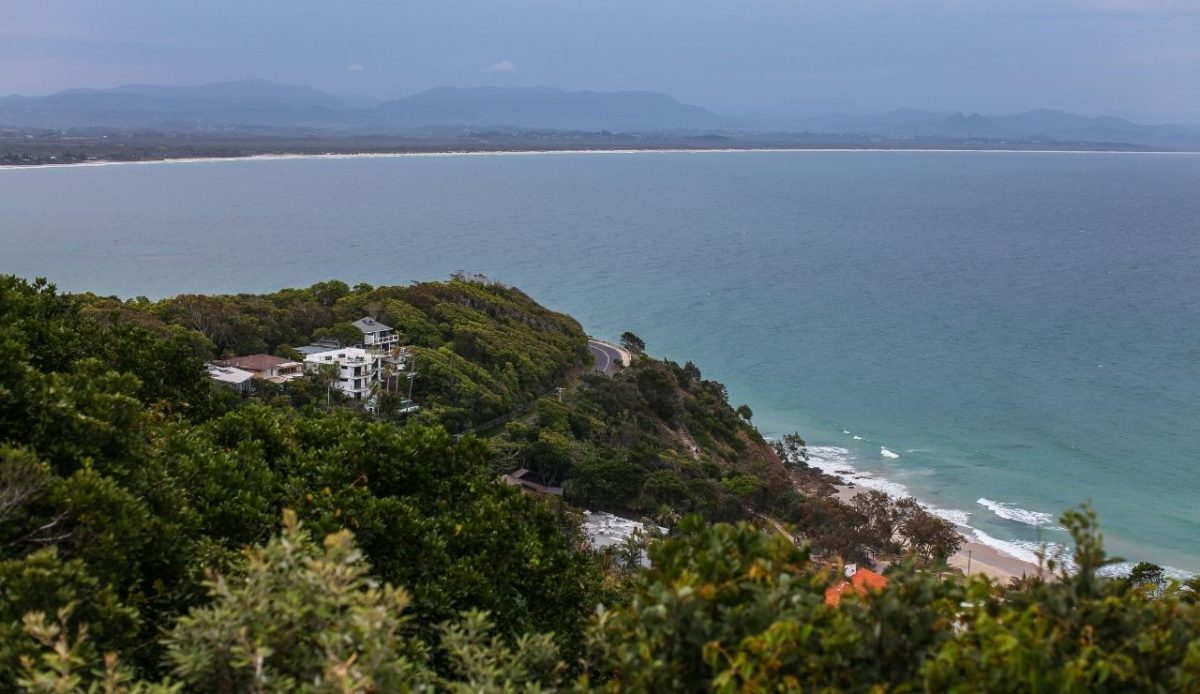
Byron Bay moves at a slower speed because surfing, walking, and community spaces set the day’s rhythm. Early hours belong to the beach, then the town turns toward coffee spots, stalls, and short drives to coastal trails. Dress stays informal, and many businesses open later than big city norms, which signals a different priority. Local events focus on wellness, food, and arts rather than nightlife pressure. With a small center and strong beach access, visitors can follow local habits quickly and feel the calm pace without planning an itinerary. Short distances reduce commuting stress, so time can be spent outside instead of in traffic.
8. Cape Town, South Africa
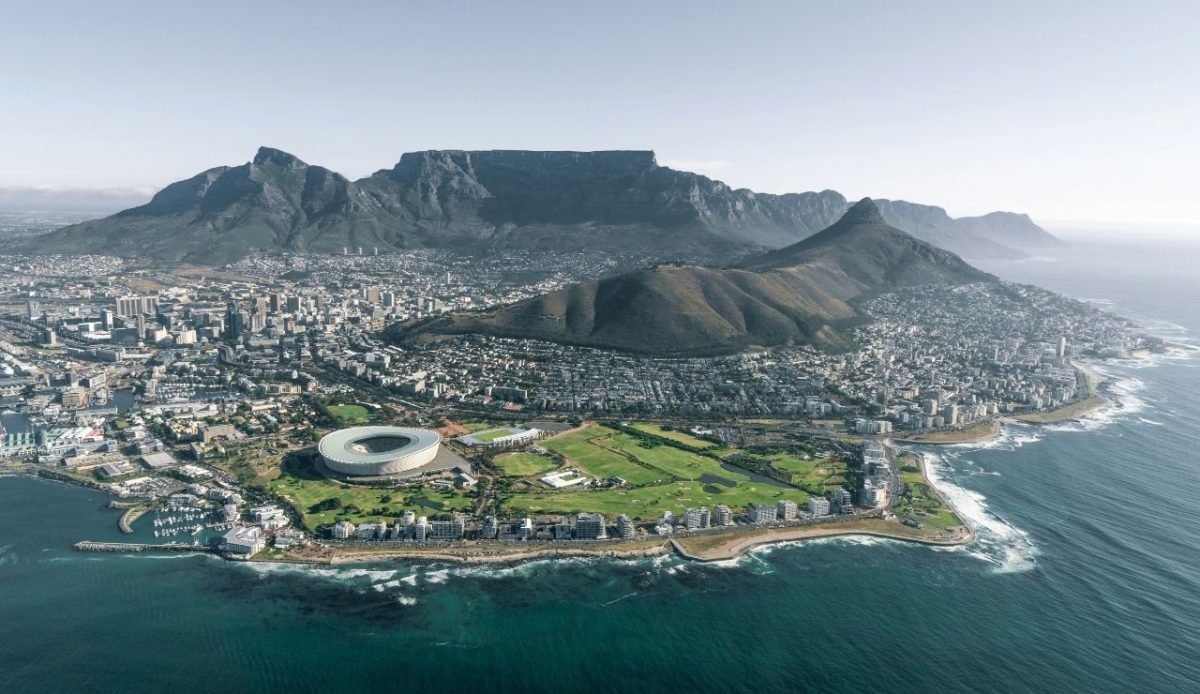
Cape Town can feel surprisingly relaxed when daily life centers on the coast rather than downtown traffic. Areas like Sea Point and Kalk Bay offer long promenades, tidal pools, and cafés where people linger after work. The landscape pushes many routines outdoors, from weekend hikes to sunset walks beside the Atlantic. Markets and small restaurants keep social time informal, and beach visits are treated as a normal break. While the city is large, coastal districts create pockets where the pace stays calm and public space use is part of ordinary life. Early mornings are quiet, letting residents use the shore before crowds and heat build.
9. Wellington, New Zealand
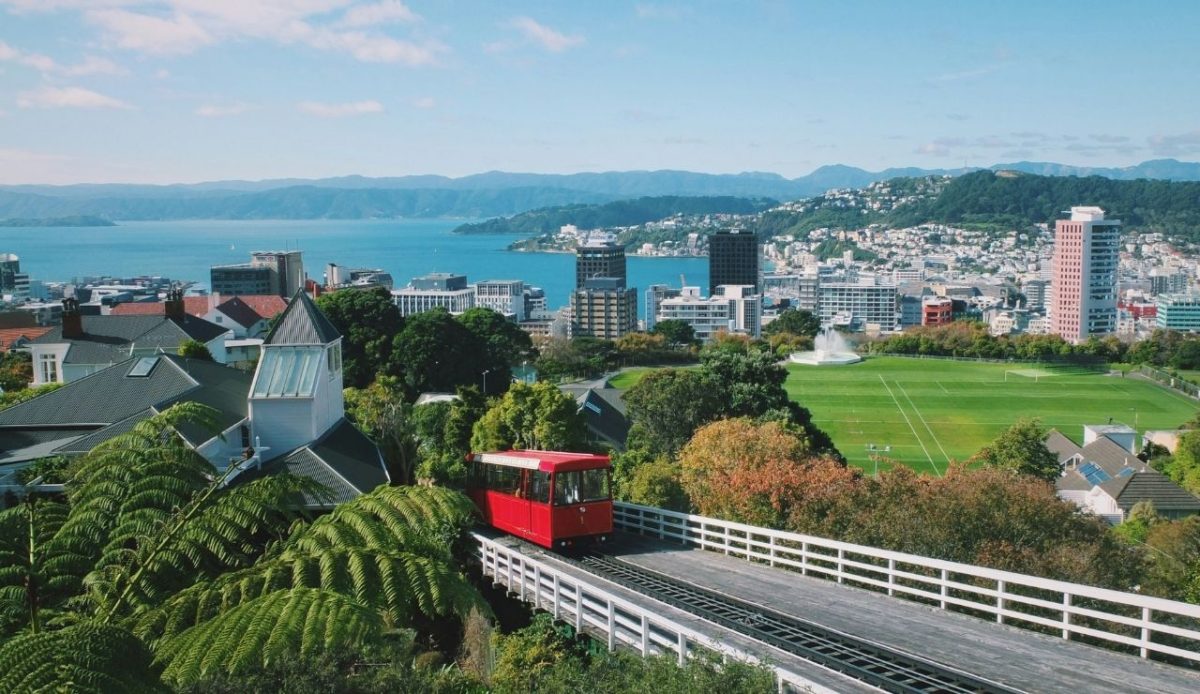
Wellington’s harbor setting supports an easygoing lifestyle built on short distances and a strong café culture. The central area is walkable, so meetings, errands, and waterfront time can fit into one loop. Windy weather encourages layering and flexible plans, which keep expectations realistic. After work, many locals head to the quays for a stroll or meet friends for food and coffee rather than long commutes. Frequent community events and a compact arts scene add options without making the week feel crowded. Nearby bays and hill tracks give quick nature access, so recovery time is built into the city’s routine.
10. Auckland, New Zealand
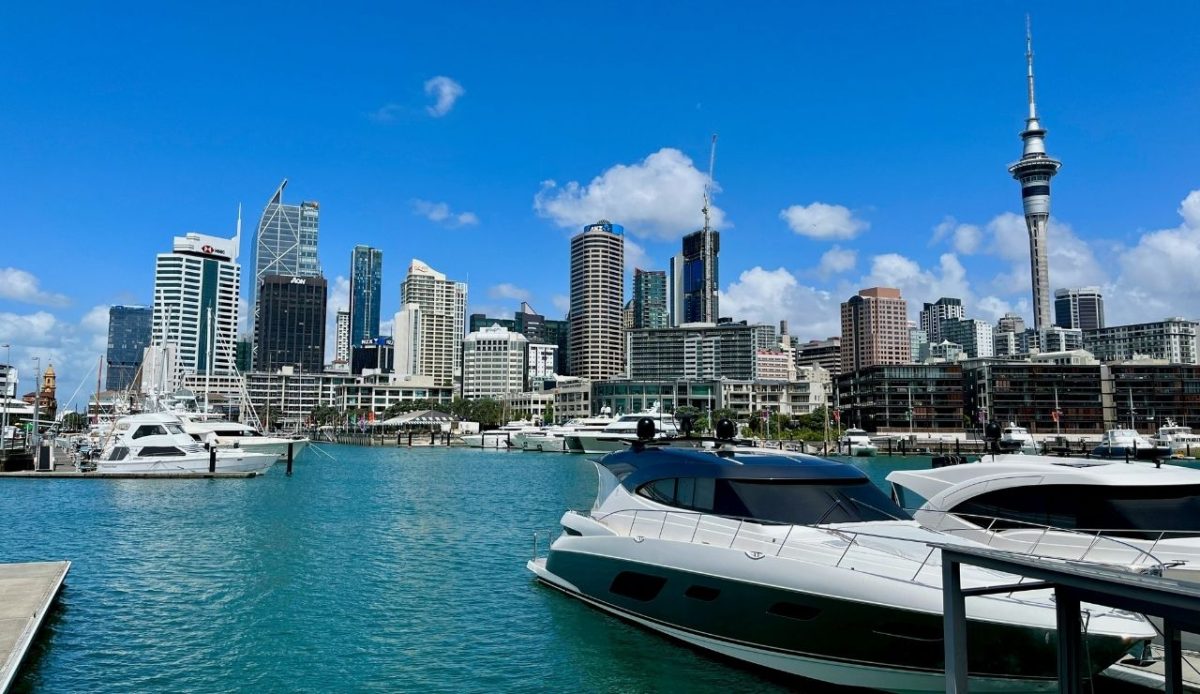
Auckland spreads across harbors, so water access shapes daily choices even in a big metro area. Beach suburbs like Mission Bay support morning swims, casual cafés, and evening walks that feel like a break from city demands. Ferries connect neighborhoods across the water, which can turn commuting into a calmer ride. Outdoor dining and weekend markets stay popular because mild weather makes open-air plans practical. While traffic exists, many residents keep a balance by treating the shoreline as their default place to reset after work. Close islands and coastal parks offer simple day trips that do not require flights or heavy planning.
11. Montevideo, Uruguay
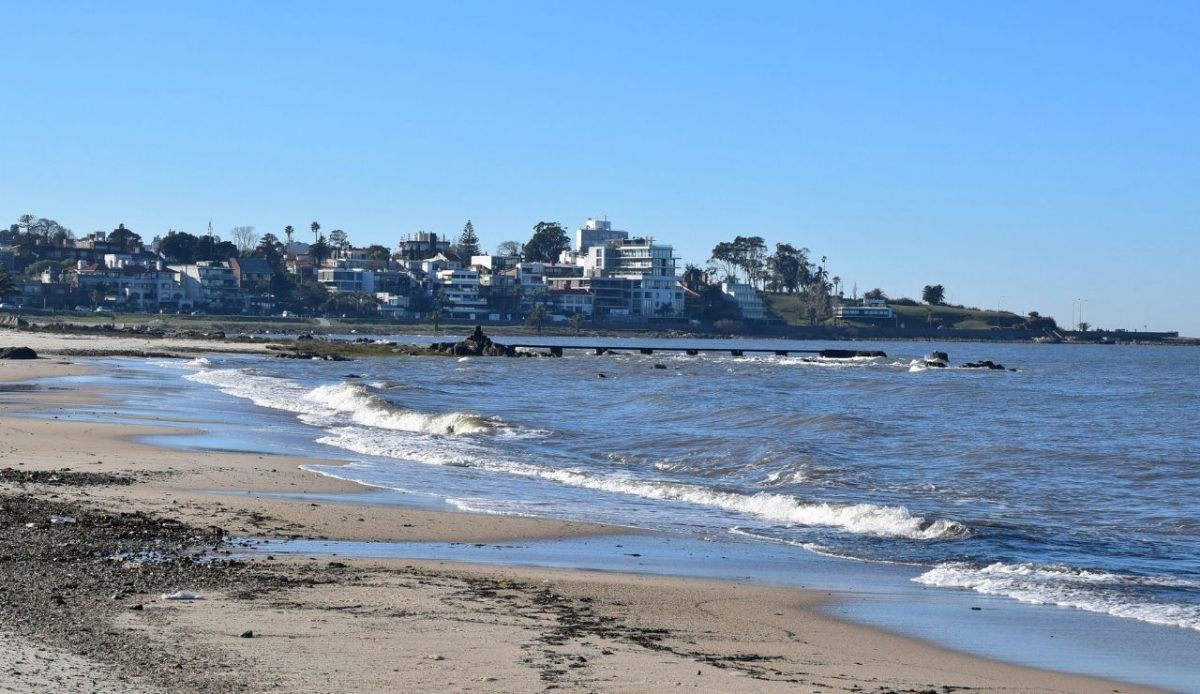
Montevideo’s calm tempo is anchored by the Rambla, a long coastal road and path used daily for walking and cycling. Locals carry mate to the waterfront and treat sunset as a routine social hour, not a special outing. Neighborhood beaches and parks keep leisure close to home, which reduces the urge to overschedule weekends. The city’s scale supports short trips, and casual dress is common outside formal offices. Visitors usually sense the slower pace in how meals stretch, conversations linger, and public space stays active without feeling frantic. Lower buildings near the shore keep views open, adding to the feeling of space and ease.
