
Across the United States, many cities were once predicted to become major success stories thanks to promising industries, strategic locations, or early periods of rapid growth. For a time, these places seemed destined for long-term prosperity, with planners and residents expecting booming populations, strong economies, and modern development. However, shifting industries, financial downturns, infrastructure issues, and demographic changes altered those paths dramatically. Today, they offer valuable lessons about how unpredictable regional growth can be and how even communities with great potential can face challenges that reshape their futures.
1. Gary, Indiana
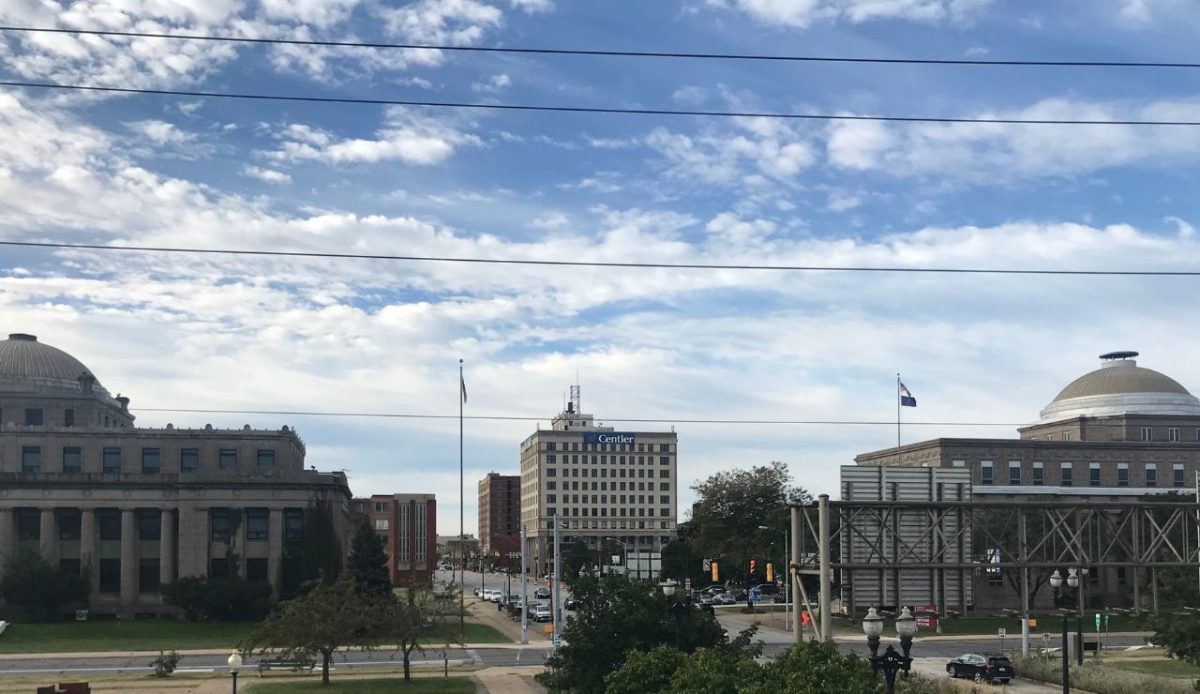
Gary was once seen as a powerful industrial success story in the making, driven by its massive U.S. Steel operations and the thousands of jobs that supported families for generations. During its peak, the city expanded quickly, and many believed Gary would continue to rise as a major economic center. However, the decline of American steel production, combined with manufacturing shifts overseas, led to significant setbacks. Population loss, job cuts, and limited reinvestment slowed progress dramatically. While local leaders encourage arts programs and small business growth, Gary never achieved the long-term prosperity that early planners predicted.
2. Detroit, Michigan
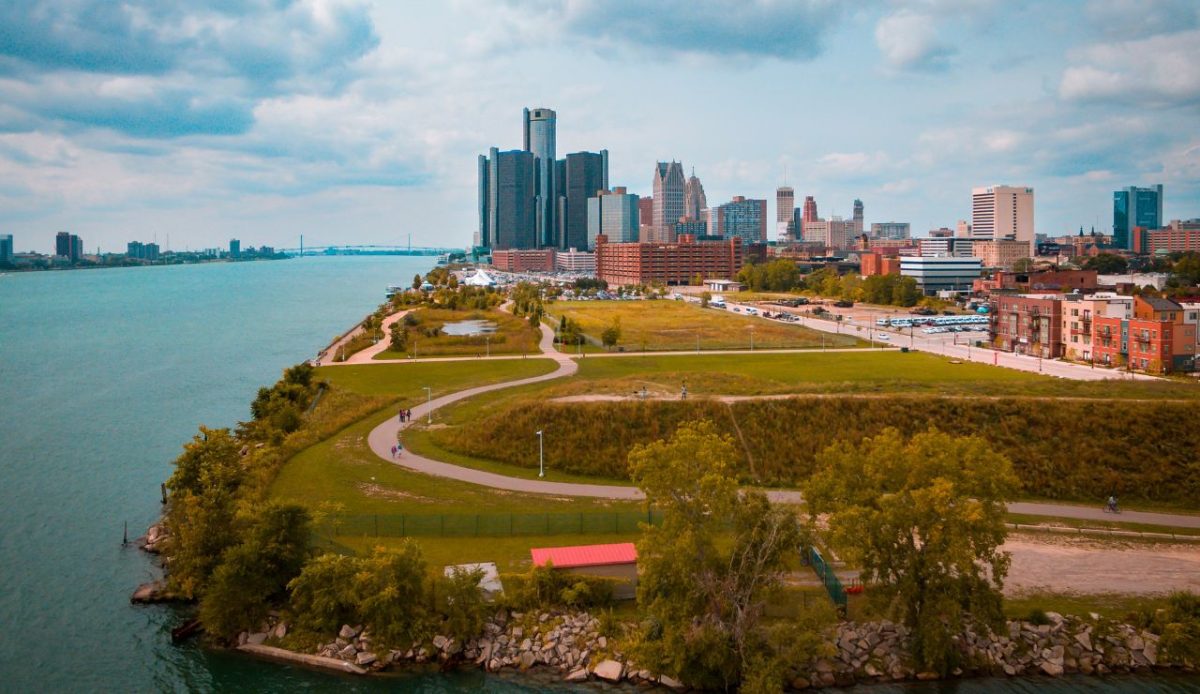
Detroit was once hailed as a model of American innovation, fueled by a booming automotive industry that created wealth, opportunity, and worldwide influence. For decades, the city thrived, and many believed it would only continue to grow as cars became central to American life. But economic downturns, industry restructuring, and suburban flight weakened Detroit’s foundation. Factories closed, neighborhoods emptied, and finances declined. Although the city has recently seen a cultural and economic revival, especially downtown, its progress has been slower and more fragile than expected.
3. Atlantic City, New Jersey
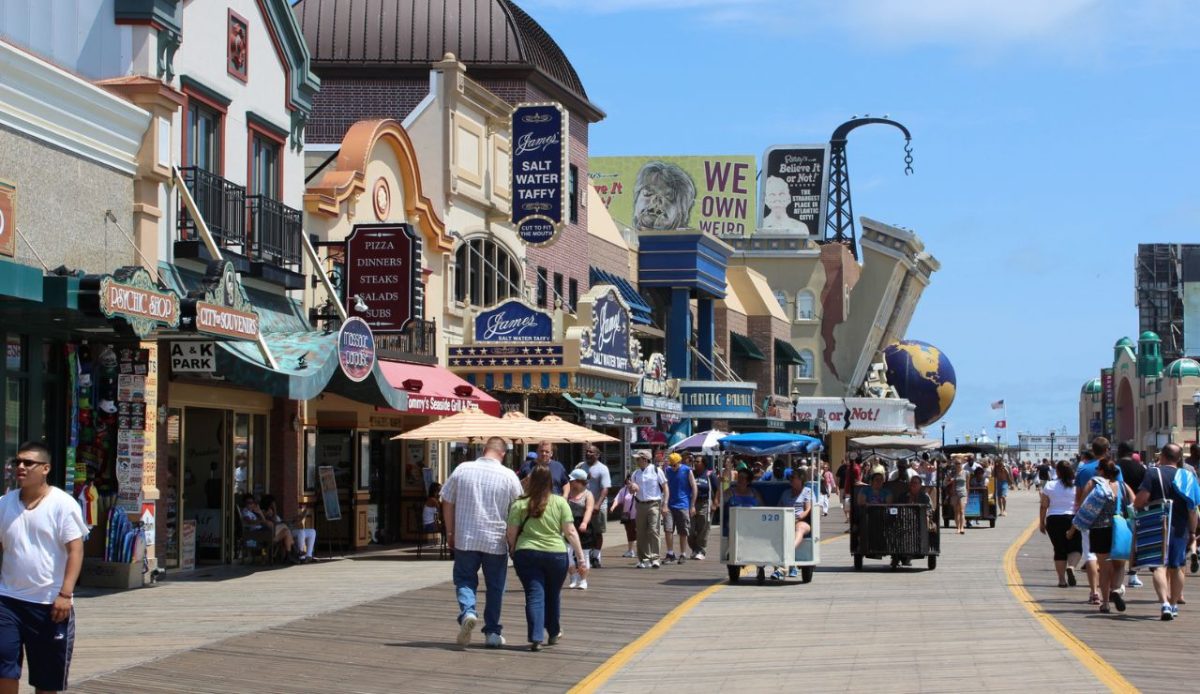
Atlantic City was expected to become one of the nation’s top entertainment capitals after casino gambling arrived in the late 1970s. Early success led many to believe it would rival Las Vegas, drawing huge tourism numbers and encouraging large-scale development. However, the city failed to diversify its attractions, relying heavily on casinos just as competition increased in neighboring states. Several resorts closed, tax revenue fell, and revitalization projects stalled. While the boardwalk still attracts visitors, Atlantic City never reached the level of national prominence that leaders envisioned.
4. Cleveland, Ohio
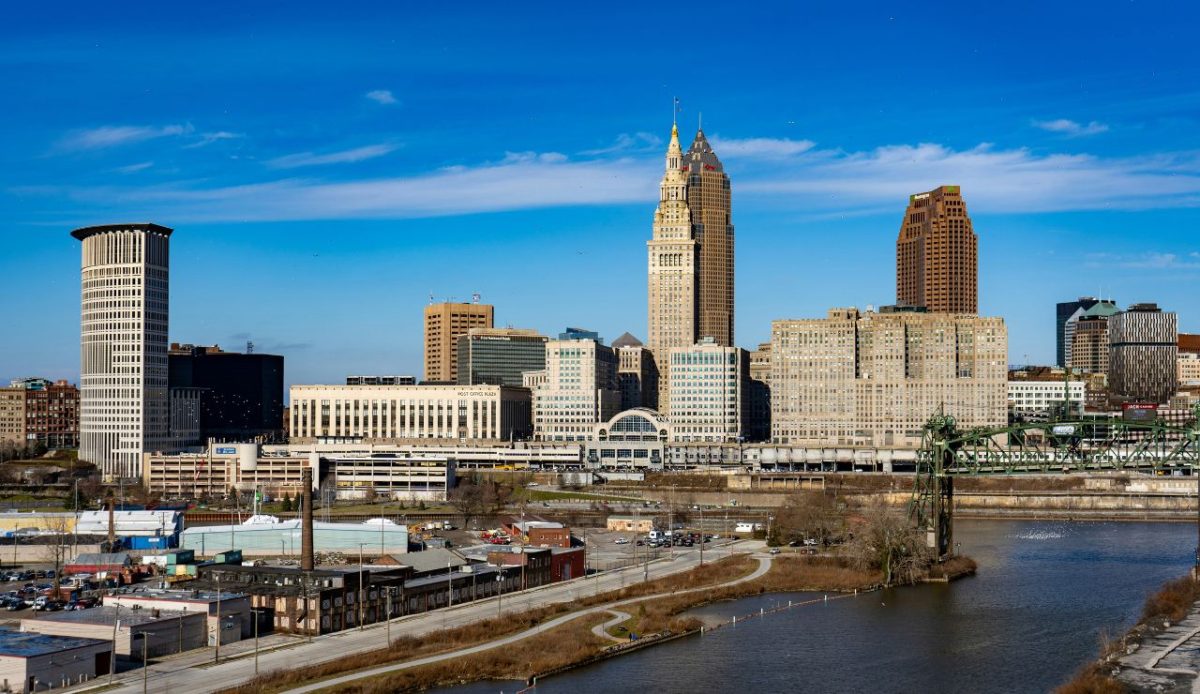
Cleveland began the 20th century with a strong industrial foundation and a vibrant cultural scene, leading many to believe it would continue growing as a major Midwest success story. Its manufacturing strength, Great Lakes access, and business-friendly environment pointed toward long-term prosperity. But factory closures, population decline, and economic slowdown reshaped expectations. The city struggled with aging infrastructure, reduced job opportunities, and uneven redevelopment efforts. Recent progress in healthcare, education, and technology has brought meaningful improvement, yet Cleveland’s revival has been slower than predicted.
5. Birmingham, Alabama
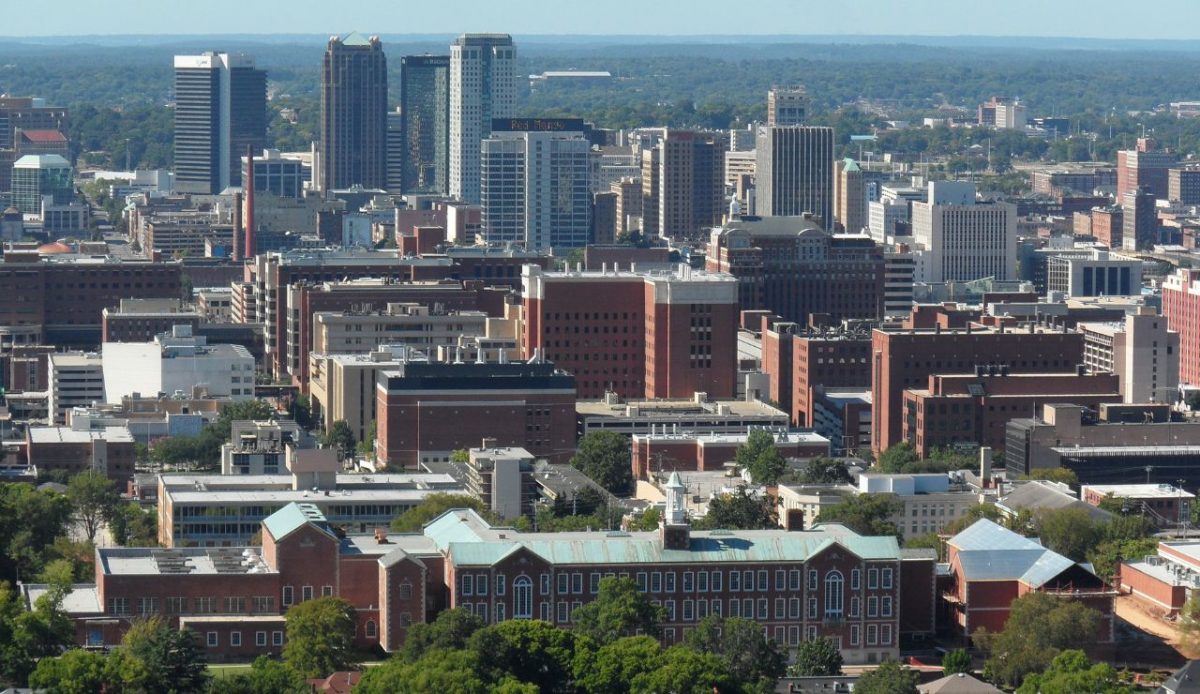
Birmingham once carried high expectations as the “Pittsburgh of the South,” thanks to its strong steel industry and expanding transportation network. During its early growth, many believed it would rise into a major southern metropolis with broad economic influence. But as steel declined and manufacturing slowed, the city faced shrinking job opportunities and uneven investment. Suburban growth pulled resources away from the urban core, and revitalization has taken decades. Today, Birmingham continues to develop through healthcare, education, and small business sectors, but its progress remains steady rather than booming.
6. Buffalo, New York
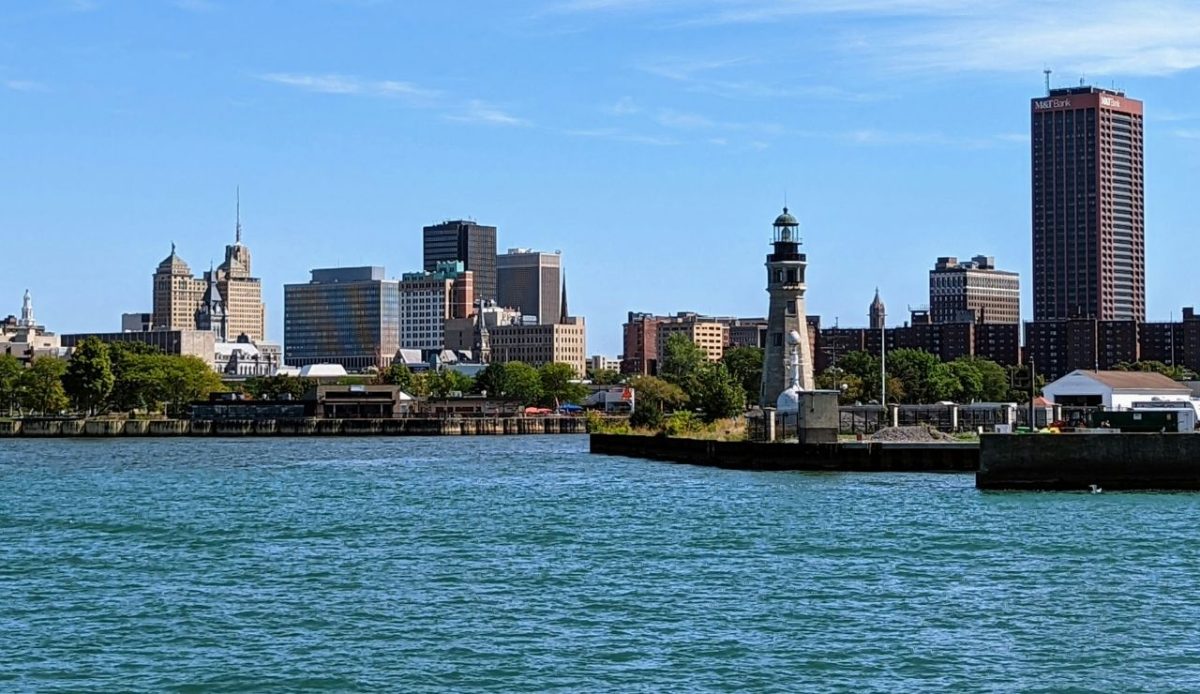
Buffalo was once positioned to be one of America’s great cities due to its early industrial strength, access to major trade routes, and proximity to Canada. Many believed it would become an enduring economic leader. However, as manufacturing declined and winters discouraged new residents, the city’s momentum slowed dramatically. Population decreased, development slowed, and key industries disappeared. Although recent years have brought waterfront revitalization, improved arts districts, and growing medical facilities, Buffalo’s rebirth has been gradual. It is a city full of character and affordability, but it never became the powerful economic force that earlier generations expected.
7. St. Louis, Missouri
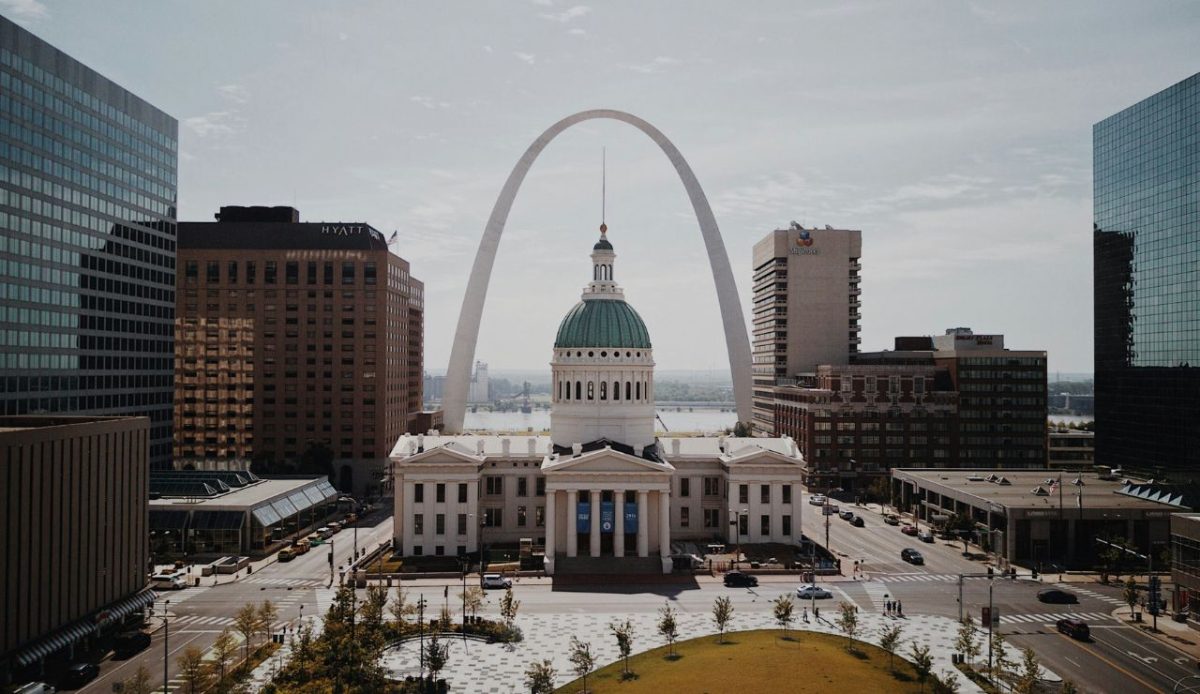
St. Louis was once viewed as a central gateway city with strong potential for long-term growth due to its industrial base, transportation advantages, and early cultural prominence. But shifts in manufacturing, suburban expansion, and slow reinvestment reduced its momentum. Population loss and fragmented development efforts made recovery difficult. Though St. Louis still offers historic charm, respected universities, major employers, and thriving neighborhoods, it has struggled to achieve the consistent growth many expected decades ago. The city continues to work toward revitalization, but its progress has remained uneven, preventing it from becoming the major Midwestern success story once predicted.
8. Scranton, Pennsylvania
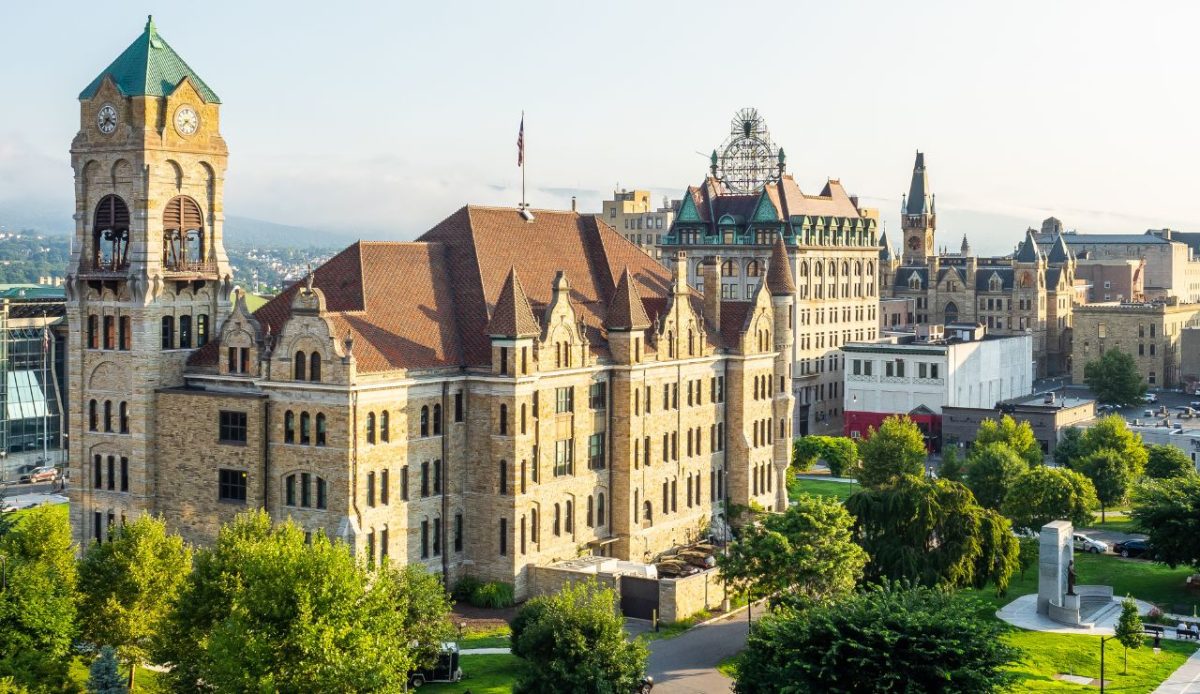
Scranton was once a prosperous coal and railroad center with a strong economy that suggested long-term growth. Early optimism painted it as a rising regional powerhouse. But when coal declined, and rail operations slowed, Scranton faced major economic setbacks. Job loss, population decline, and aging infrastructure hindered redevelopment efforts. While the city has seen improvement through new businesses, tourism tied to its industrial past, and renewed downtown activity, growth remains modest. Scranton never reached the future predicted during its early industrial boom, instead becoming a city working steadily toward stability rather than rapid expansion.
9. Stockton, California
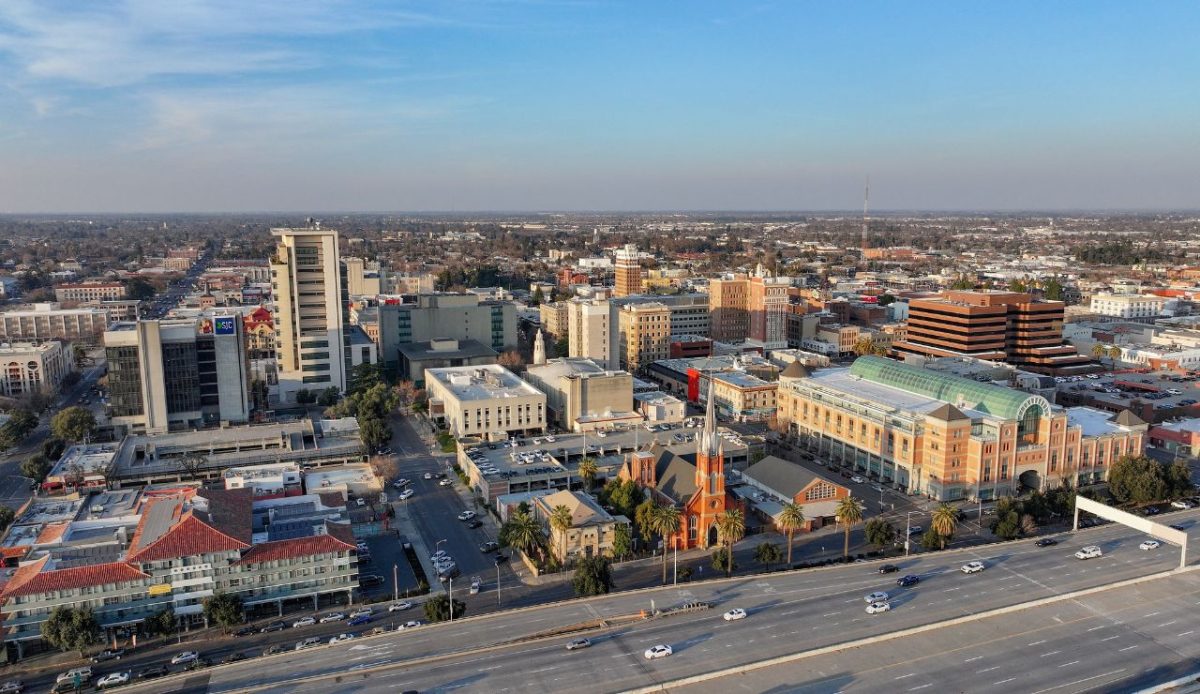
Stockton was expected to grow thanks to California’s rapidly expanding population, affordable housing, and its strategic inland port. For a time, development surged, and optimism was high. But financial mismanagement, rising debt, and the housing crisis pushed Stockton into one of the largest municipal bankruptcies in U.S. history. This setback halted progress, damaged infrastructure, and slowed investment. While the city has taken steps toward recovery through community programs and downtown improvements, it remains far from the vibrant regional hub many envisioned. Stockton’s story highlights how financial challenges can derail even the most promising growth predictions.
10. Youngstown, Ohio
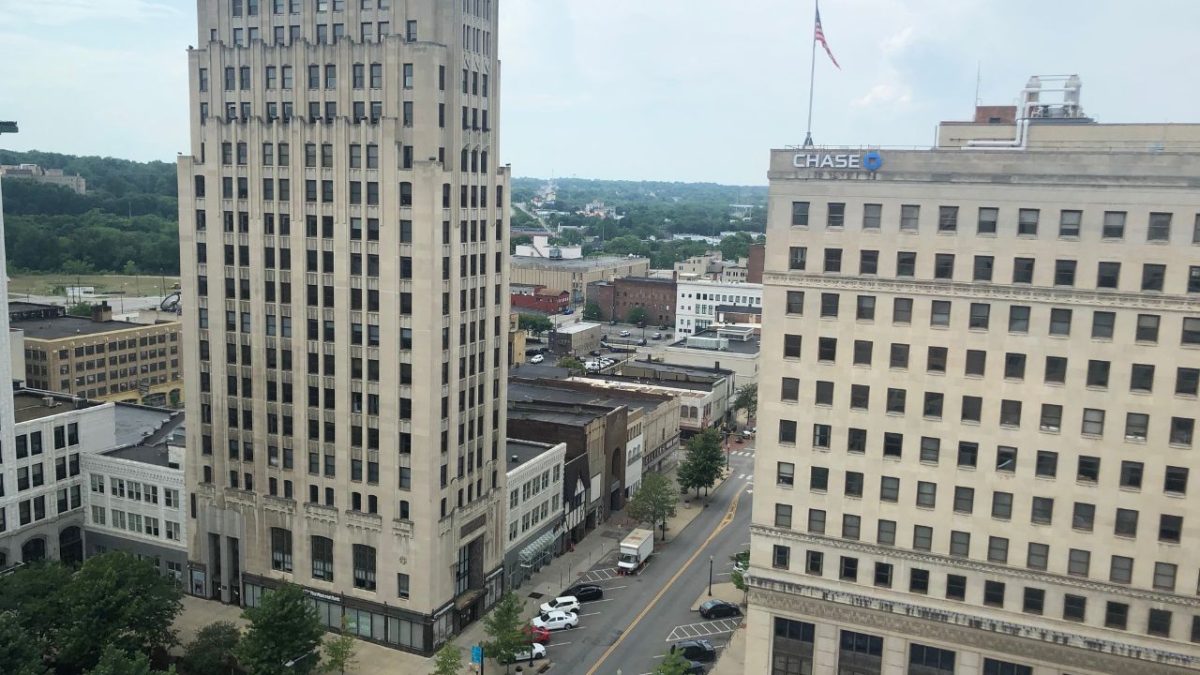
Youngstown appeared poised for long-term success thanks to its once-dominant steel industry and strong local workforce. For years, it served as a major manufacturing center that supported families and created stable neighborhoods. But when the steel industry collapsed, the city faced severe job loss, population decline, and reduced investment. Attempts at revitalization have produced gradual improvements in education, technology, and small business growth, but the transformation has been modest. Youngstown never fulfilled its predicted role as a lasting industrial powerhouse, instead becoming a symbol of the challenges many Rust Belt cities face in transitioning to new economic realities.
11. Flint, Michigan
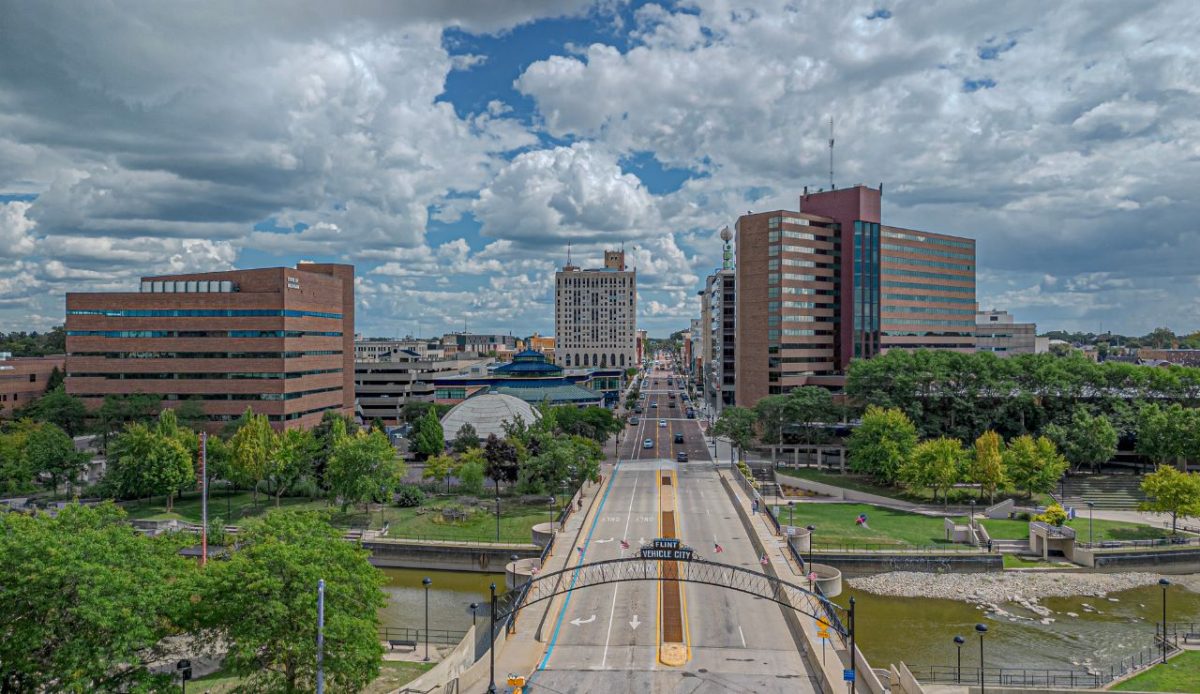
Flint was once a thriving automotive city expected to grow alongside the car industry that defined it. The city offered strong wages, expanding neighborhoods, and optimism about long-term success. But as factories closed and manufacturing shifted, Flint’s economy weakened significantly. Financial struggles, population loss, and the widely known water crisis created even deeper challenges that slowed revitalization efforts. While community groups and new businesses are working toward recovery, progress remains slow and uneven. Flint never became the sustained success story once predicted, instead becoming a reminder of how economic dependence on a single industry can affect a city’s future.
