
South Africa can feel straightforward on a map, yet real conditions can change plans fast. Some places carry documented safety issues, strict permits, vehicle rules, or weather that shuts access with little notice. Others are remote enough that fuel, signal, and medical help are not close. Research should focus on official park notices, operator policies, and current advisories, then on realistic timing. The eleven spots below stay popular because the payoff is real, but preparation is what keeps the trip safe and workable. Build a backup day into tight itineraries and confirm requirements again in the week before you go.
1. Table Mountain National Park Hiking Routes
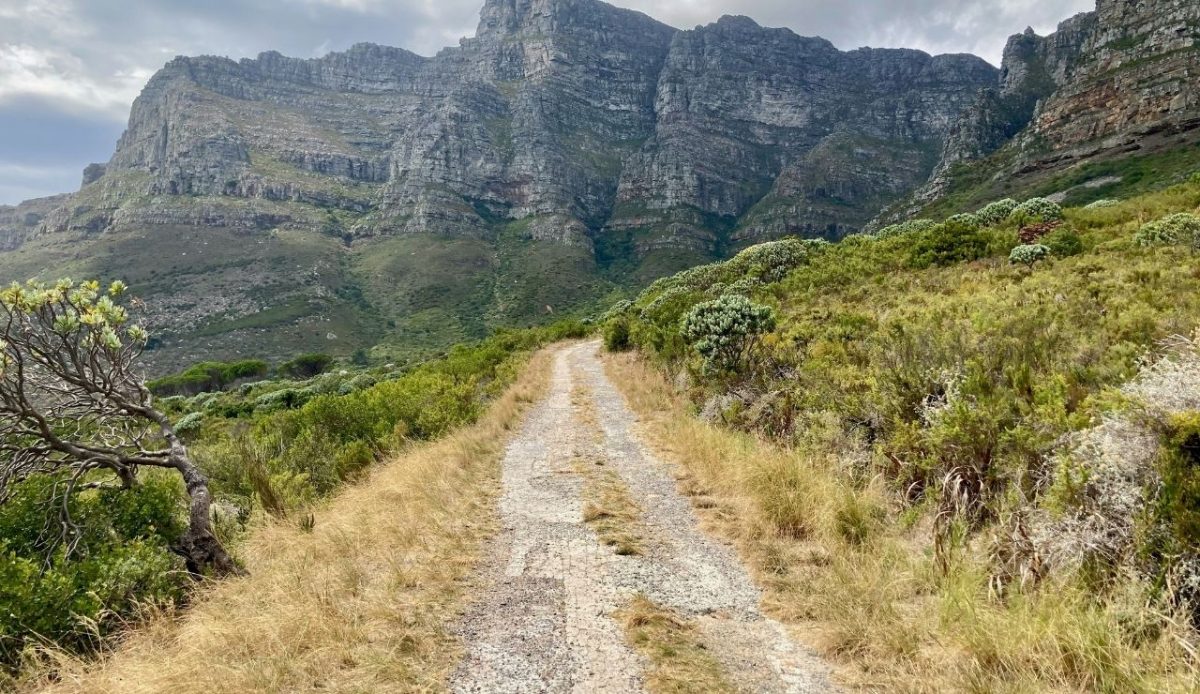
Table Mountain hikes look close to downtown, yet risk factors are treated seriously by the park. Crime reports lead to periodic warnings about quiet trails, and late starts raise exposure when foot traffic thins out. The weather can flip quickly, with clouds reducing visibility and wind lowering the temperature. Mobile signal is uneven in gullies, so navigation apps may fail. Check safety guidance, choose busy routes, start early, and hike in a small group. If the cableway shuts, descent options shrink, so carry a headlamp, warm layer, and enough water for a longer exit. Keep gear out of sight and share your plan with someone at home.
2. Robben Island Ferry Tours
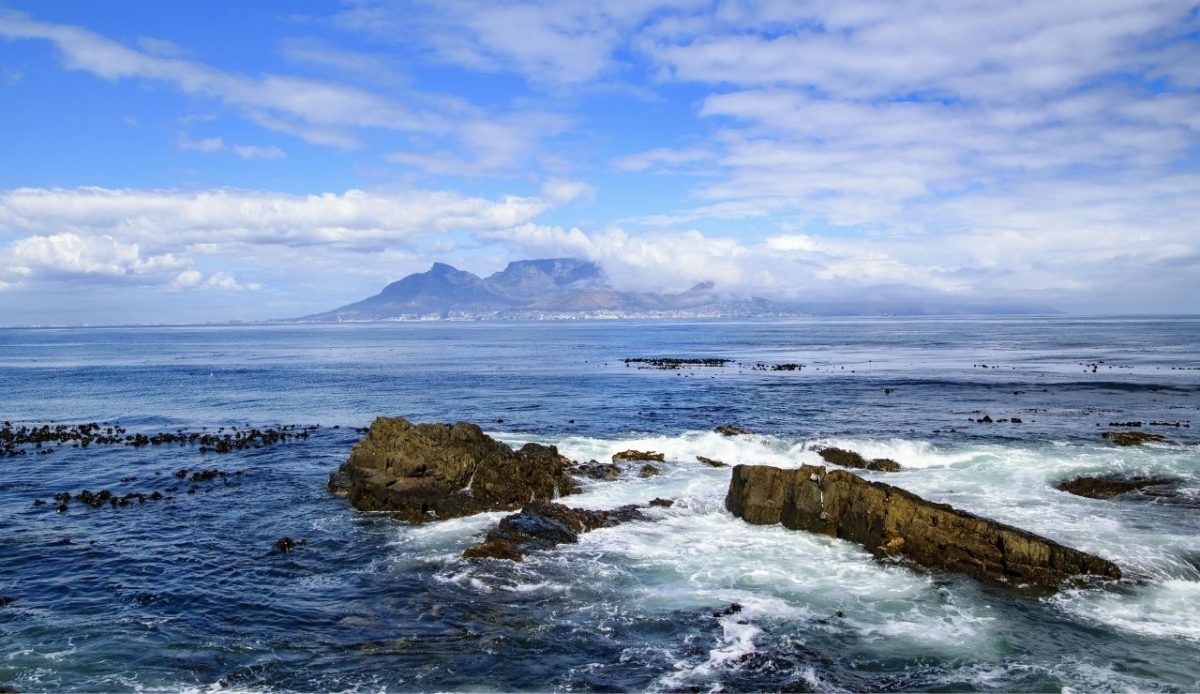
Robben Island visits depend on a ferry crossing that is sensitive to wind and sea state. Sailings may be canceled on short notice, and time slots can be moved when conditions shift. Because tours are tightly timed, late arrival at the waterfront can mean losing the booking. Review the operator rules on check-in, rescheduling, and refunds before you pay. Plan a flexible day in Cape Town so a cancellation does not waste the whole schedule. Bring photo ID if required for ticket pickup, and pack motion sickness tablets if you are prone to rough water. In winter, disruptions rise, so do not stack the tour against flights or long drives.
3. Kgalagadi Transfrontier Park 4×4 Trails

Kgalagadi challenges travelers through distance and strict driving rules. Some booked routes are limited to true Four Wheel Drive with low range, and unsuitable vehicles can be refused at the gate. Fuel gaps are long, help is scarce, and signal drops away from camps. Summer heat and winter cold both stress vehicles and people, so water and shade planning matters. Confirm trail requirements, carry recovery gear, and map refuel points before you enter the park. A puncture kit and a second spare are wise, and daylight driving reduces collisions with wildlife on sandy tracks. Keep printed bookings and know gate closing times.
4. Kruger National Park Wilderness Trails
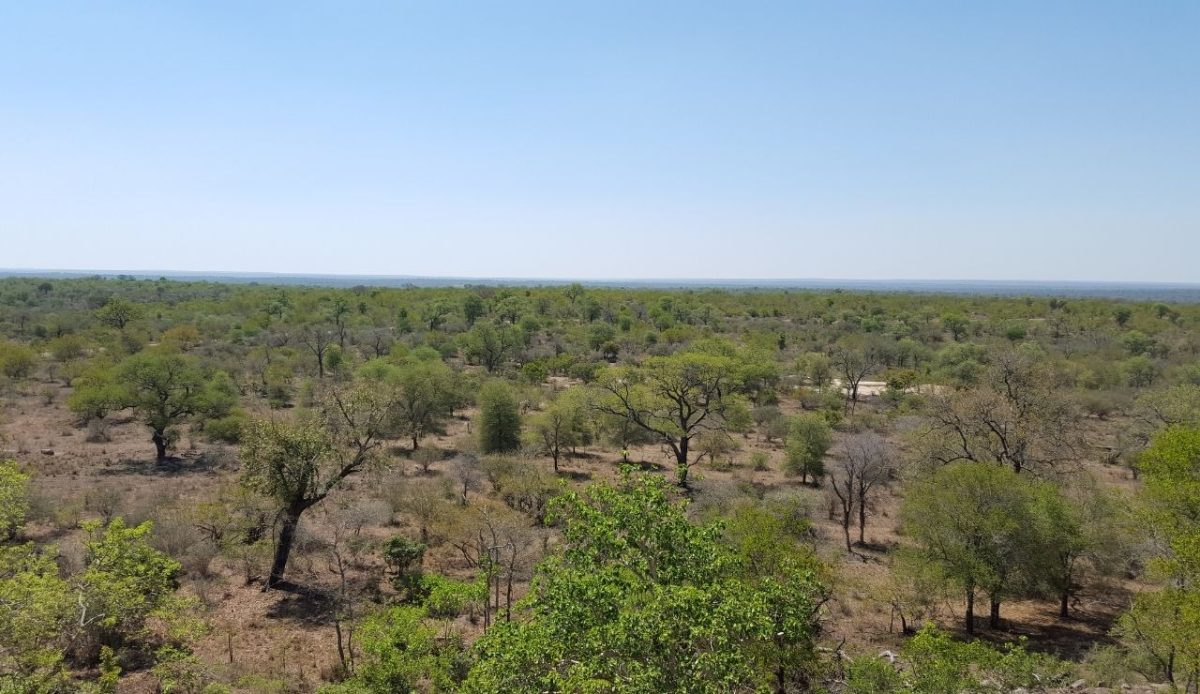
Kruger wilderness trails are guided walks that demand fitness and comfort around big animals. Age limits apply, group sizes are capped, and long days on foot can be required in heat or humidity. You must follow the ranger’s pace and safety briefing, which can feel stricter than a casual hike. Bookings are limited, and some months sell out early. Research the distance, packing list, and medical suitability, and train with loaded walks before arriving. In malaria areas, prevention should be planned with a clinician, and hydration salts can help on long sandy sections. If a trail is closed, have a game drive option ready.
5. Cederberg Wilderness Area
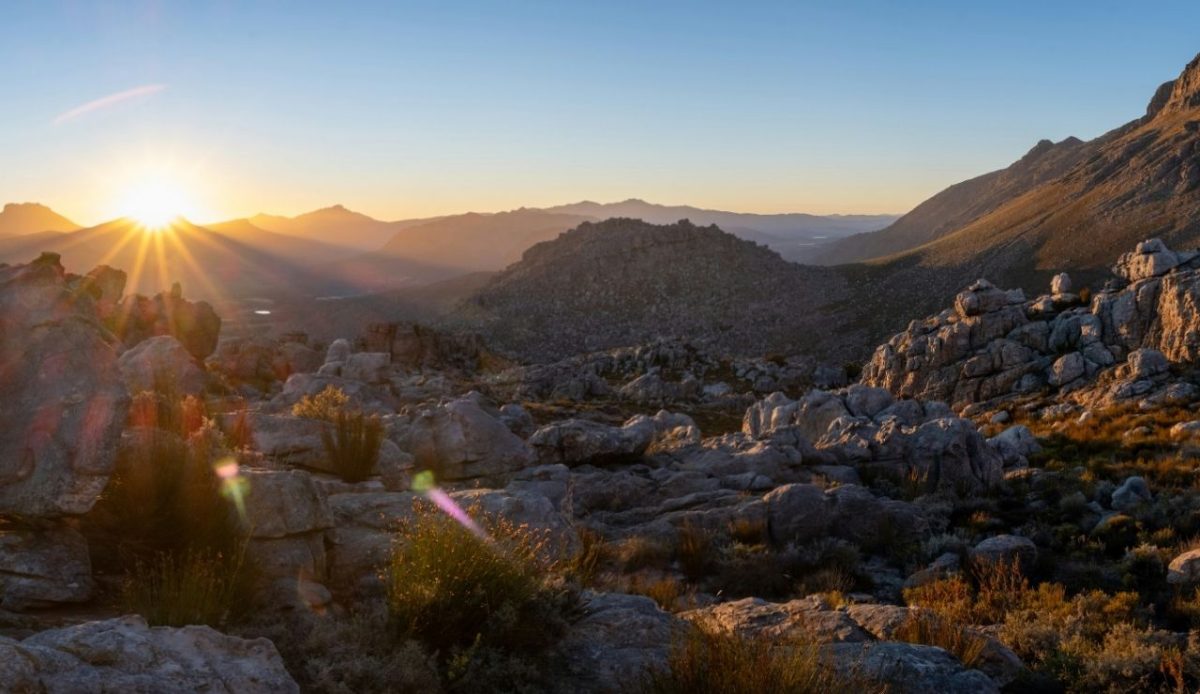
Cederberg trips become challenging because access is controlled by permits and wilderness rules. Some routes require a minimum group size and certain equipment, and fire restrictions shape how meals are prepared. Water sources can be seasonal, so relying on a stream can backfire in dry months. Rocky ground and heat increase injury risk, while distances feel longer than the map suggests. Read the reserve regulations, secure permits early, and plan water carries with conservative margins. Reception is limited in valleys, so leave a route plan with your lodging and pack blister care plus ankle support.
6. Wild Coast Self-Drive Routes
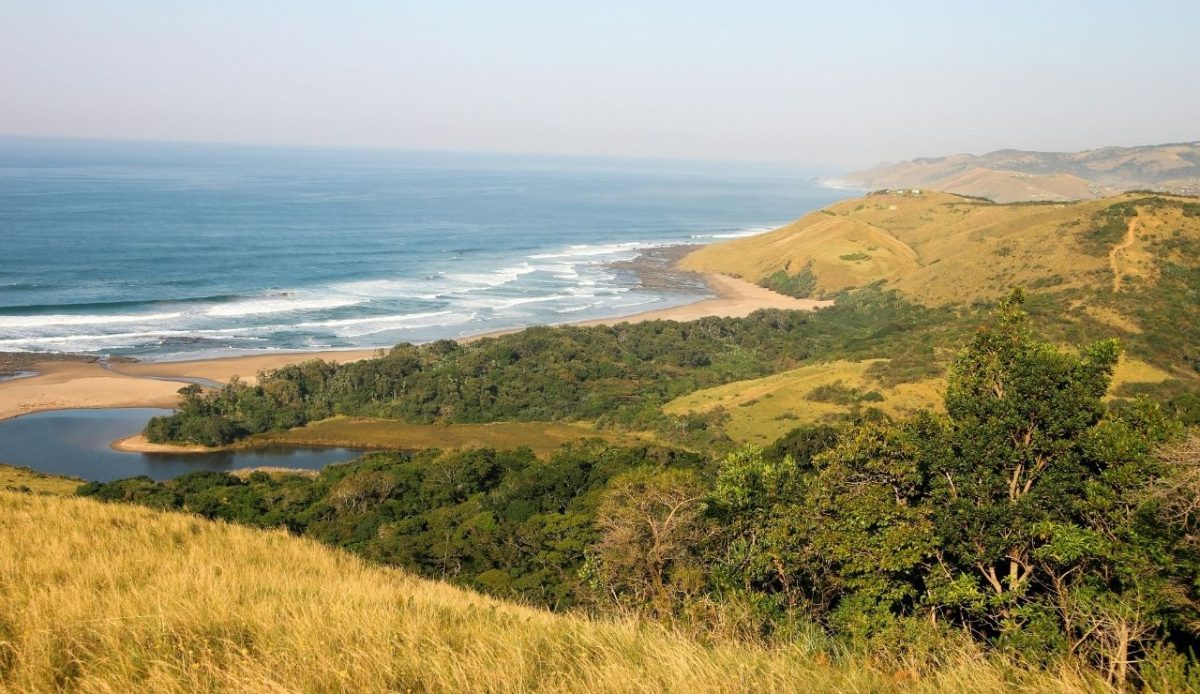
The Wild Coast can punish rushed itineraries because roads vary from decent tar to rough gravel without warning. Livestock, pedestrians, and deep potholes appear suddenly, and night driving raises crash risk. Wayfinding is harder when signage is sparse, and some GPS routing sends drivers onto slow tracks. Fuel and medical services are spaced far apart outside larger towns. Study recent road reports, drive only in daylight, and plan short daily legs with booked stops. After heavy rain, low bridges and river crossings can delay progress, so carry cash, snacks, and extra time buffers. Ask your host about safe routes each morning.
7. Baviaanskloof Nature Reserve Traverse
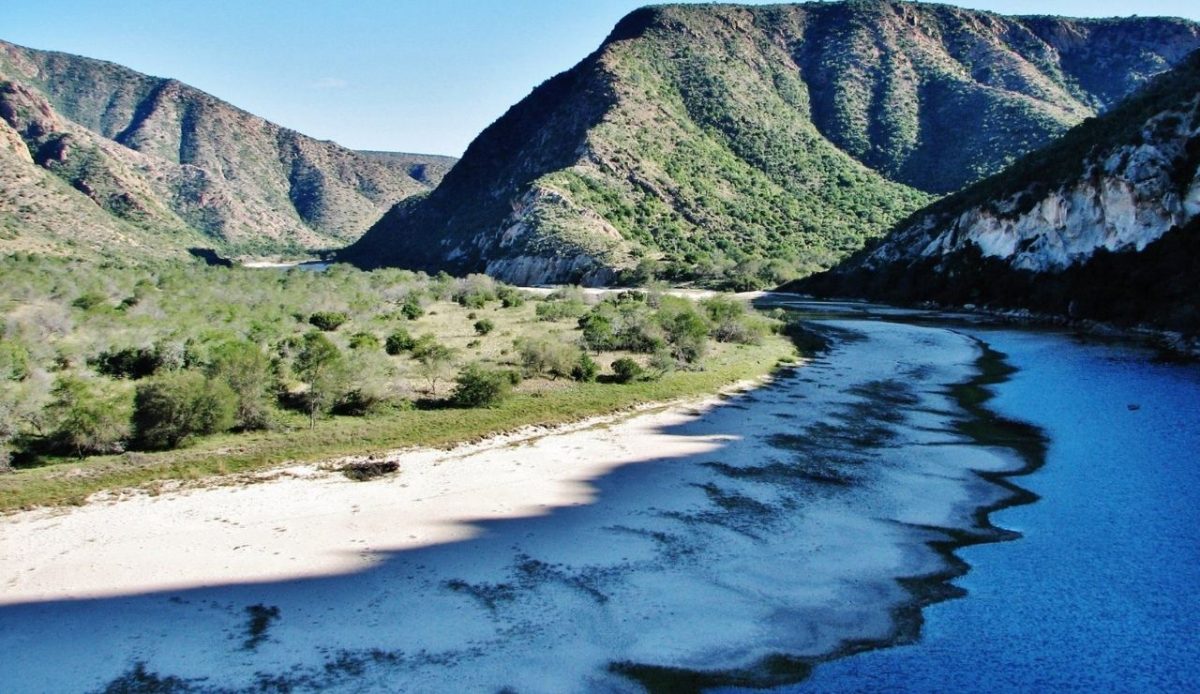
Baviaanskloof is challenging for self-drivers because the traverse includes steep tracks, loose rock, and many water dips. After storms, crossings can deepen, and the route may be restricted, so timing matters. A high clearance vehicle is strongly recommended, and recovery help is limited once inside. Facilities are few, which means food, water, and first aid must be carried. Confirm entry rules, check recent conditions, and start early to avoid tackling slow sections in fading light. Lower tire pressure on corrugated stretches can reduce punctures, and a second vehicle adds safety if you get stuck.
8. Sani Pass to Lesotho
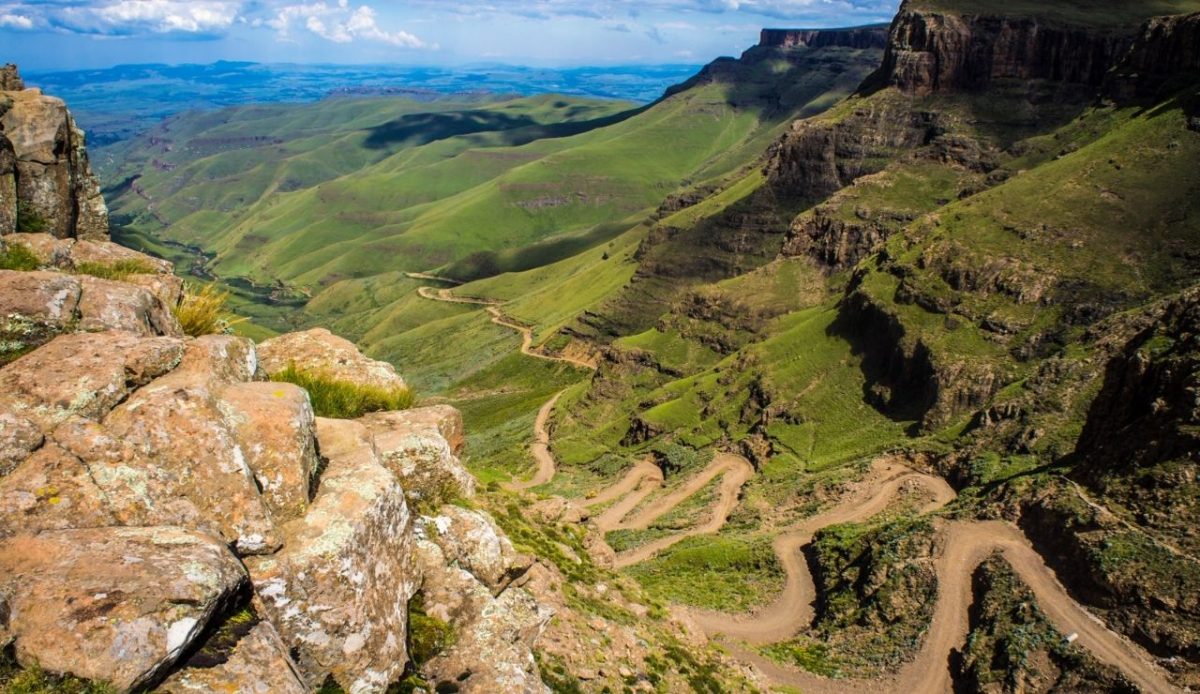
Sani Pass demands careful research because the gradient is steep and the surface is gravel that can shift under braking. Fog, ice, or sudden rain can make the track unsafe, and closures happen when conditions deteriorate. Border procedures add another layer, since passports and vehicle paperwork must be in order on both sides. Some vehicles are turned back for clearance or traction concerns. Check road status, border hours, and weather the same day, and avoid descending after dark. Use low gear to limit brake heat, and consider a licensed 4×4 shuttle if you lack mountain driving experience. Carry warm layers year-round.
9. iSimangaliso Coastal Forest 4×4 Access
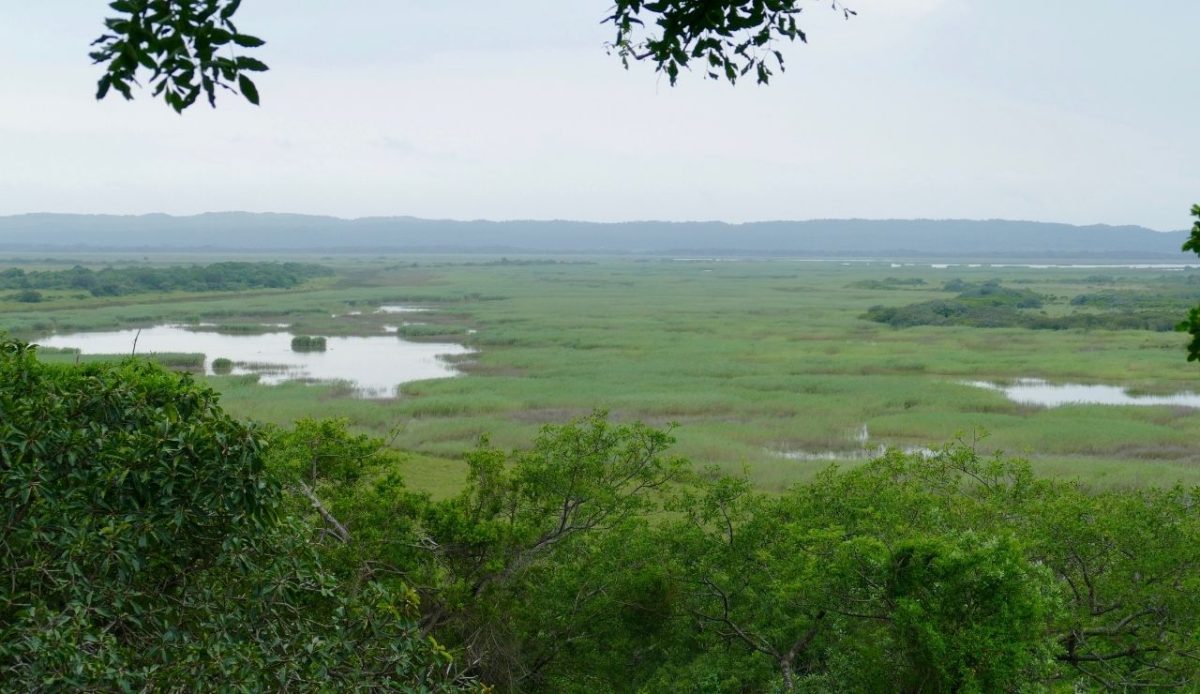
The coastal forest side of iSimangaliso is challenging because access to certain beaches is limited to 4×4 sand driving. Soft sections trap vehicles that lack recovery points or correct tire pressure. Distances feel short, but speed is low, and help may be hours away if you bury an axle. Weather and tides can change sand firmness, affecting return times. Research which tracks are 4×4 only, travel with recovery gear, and confirm tide tables before heading out. Entry permits and gate hours should be checked, and drivers must watch for animals on roads near water, including hippos at night. Pack a compressor for reinflation.
10. Johannesburg CBD Independent Sightseeing
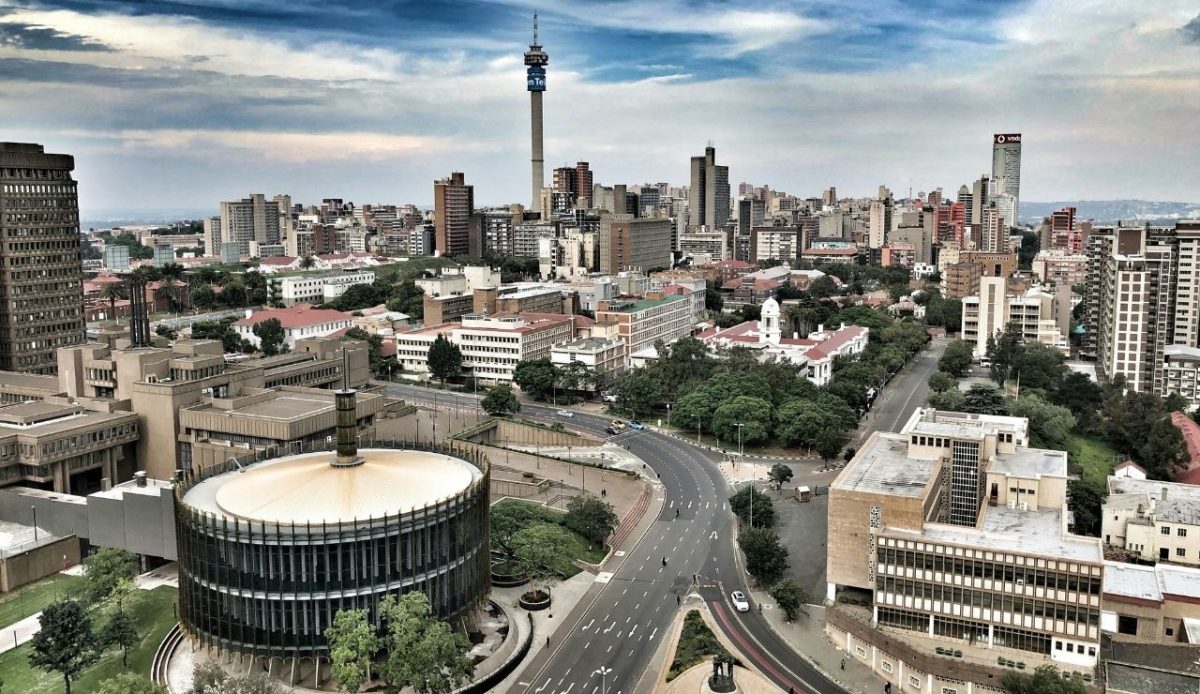
Central Johannesburg can be challenging for visitors who try to sightsee on foot without local context. Crime risk is higher in some blocks, and conditions change by time of day, making casual wandering a poor plan. Transport choices matter, since a wrong turn can place you far from busy streets. Advisories commonly recommend extra caution, especially after dark. Research guided walking options, use reputable transport, keep phones stored, and set pickup points rather than roaming. Demonstrations can disrupt traffic with little warning, so monitor local news and avoid using street ATMs or flashing cash.
11. Drakensberg High Berg Hiking Routes
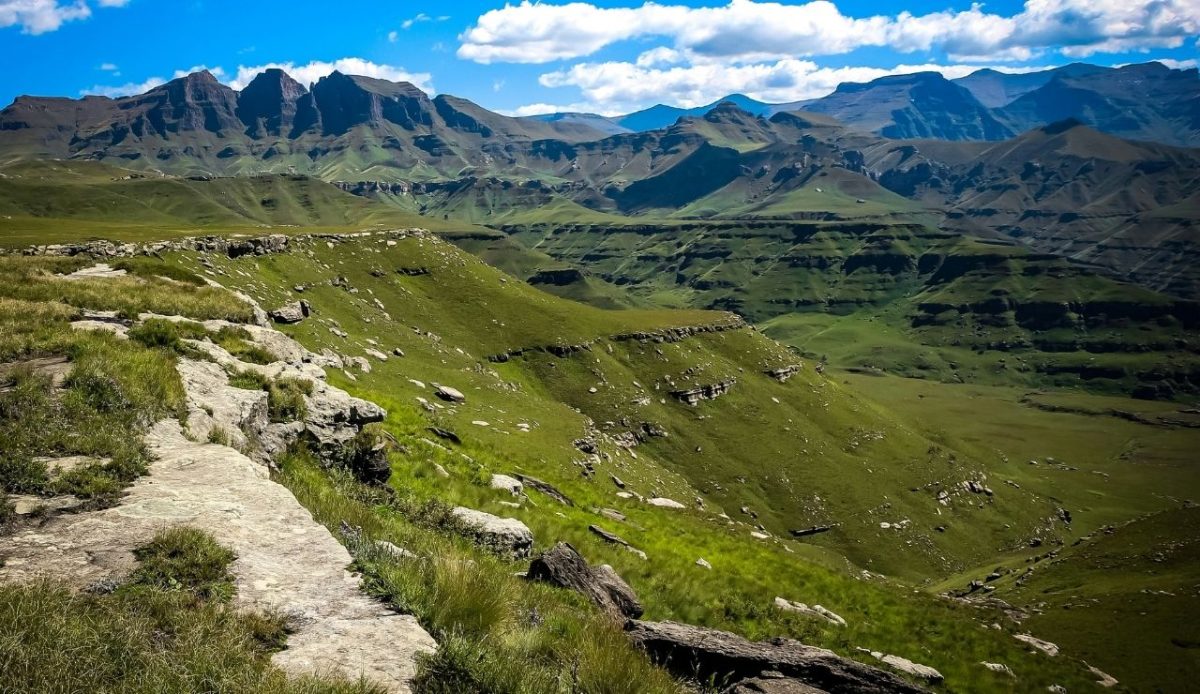
High Berg routes in the Drakensberg are challenging because altitude, exposure, and faint paths combine into real risk. Weather shifts quickly, and mist can erase landmarks, while streams may swell after storms. Cell coverage is unreliable, so self-navigation skills must be solid. Route registration is used to support rescue response, and permits may be required for certain areas. Research seasonal conditions, carry insulation and rain gear, and plan escape lines before attempting long traverses. A headlamp and water treatment add margin, and an early start helps you clear ridges before afternoon thunderstorms.
