
Travelers often dream of visiting iconic destinations, but over time, some of these once-beloved places have lost their original allure. Overcrowding, commercialization, environmental changes, and shifts in local culture can make even bucket-list spots feel less magical. While the landmarks themselves remain impressive, the experience may no longer match the memories or expectations of previous visitors. In this article, we explore eleven destinations around the world that travelers report have lost some of their charm, offering insight into why popularity sometimes diminishes the magic of travel.
1. Venice, Italy
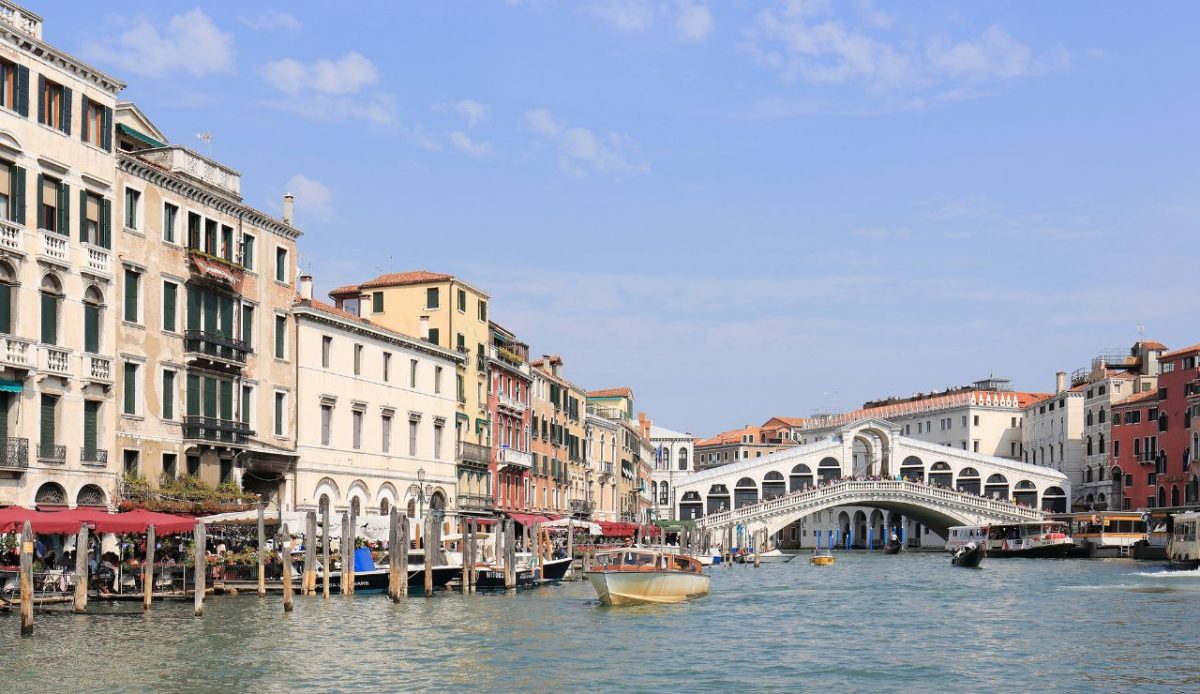
Venice remains one of the world’s most recognizable cities, yet many travelers feel its charm has diminished. Overcrowded canals, long tourist lines, and inflated prices in restaurants and hotels have altered the visitor experience. Residents face challenges with rising costs and tourism pressures, sometimes leading to tension between tourists and the community. Flooding and environmental issues also threaten the city’s infrastructure. While Venice’s architecture, gondolas, and history remain stunning, the sheer volume of visitors and commercialized experience has caused some to say the city feels less enchanting than in the past.
2. Machu Picchu, Peru
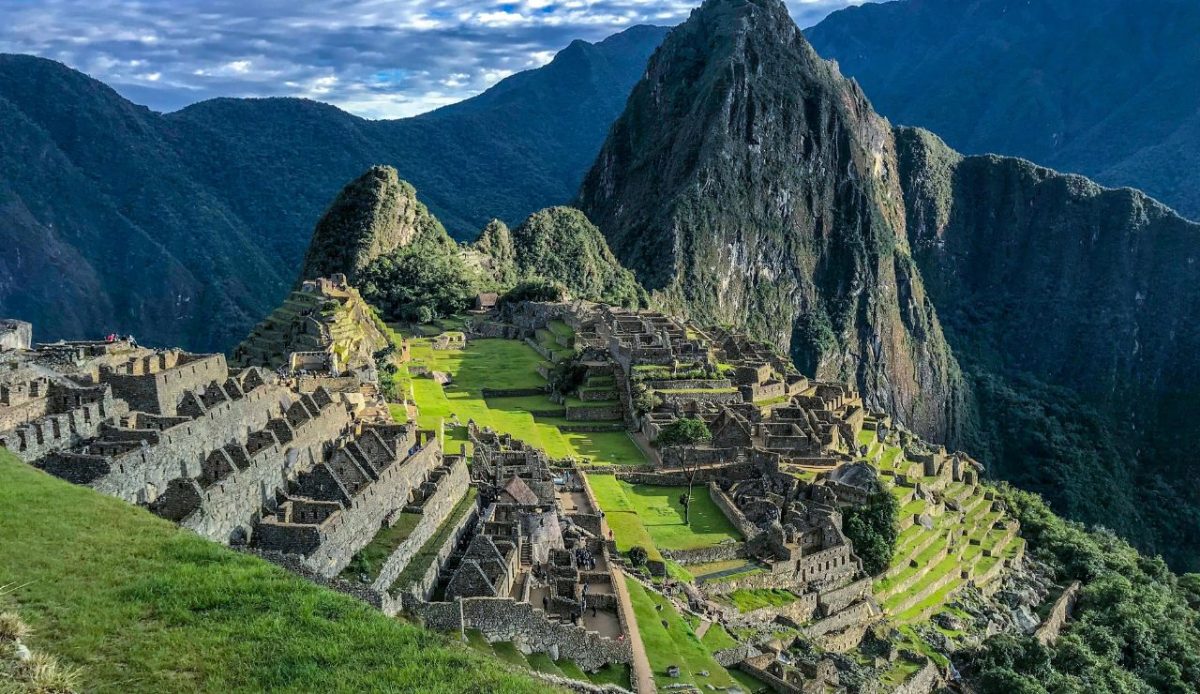
Machu Picchu, the famed Incan citadel, has experienced a surge in tourism that threatens both its preservation and visitor experience. Strict quotas have been implemented, but the influx of travelers can still lead to crowded trails and viewpoints. Many visitors report that photo opportunities feel rushed, and the spiritual serenity once associated with the site has diminished. Environmental concerns, such as erosion and overuse, continue to be pressing issues. While its historical and architectural significance is undeniable, the modern reality of high traffic has led some travelers to feel that the mystical aura of Machu Picchu has faded.
3. Santorini, Greece
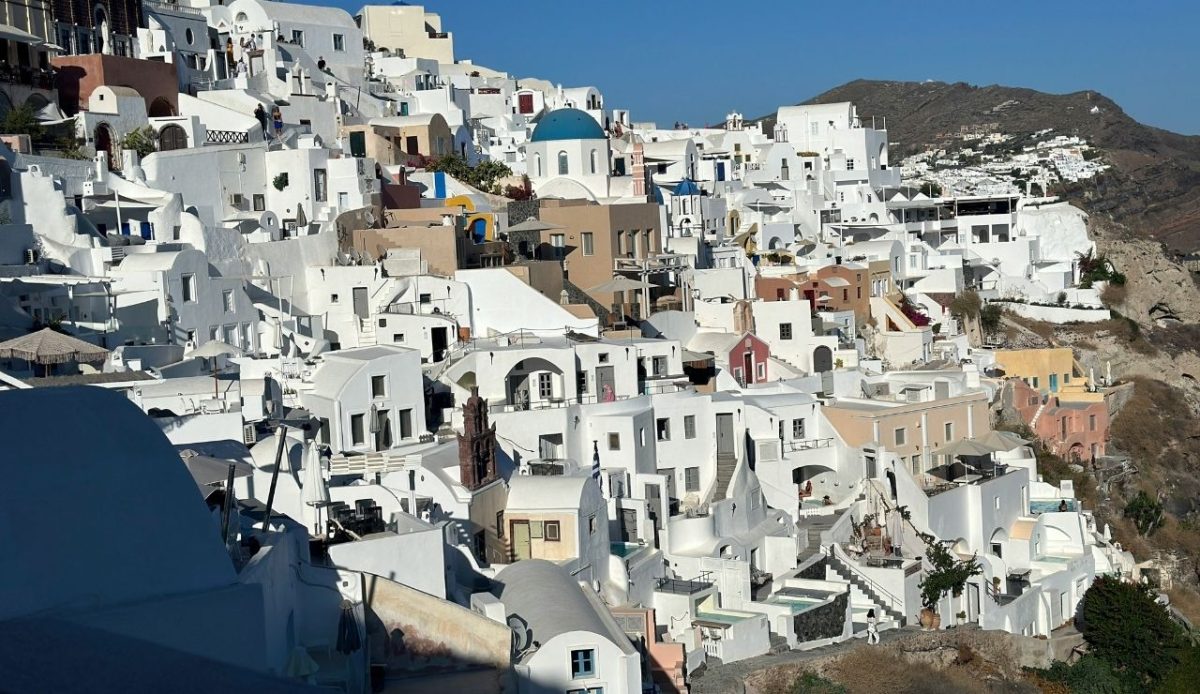
Santorini’s stunning whitewashed buildings and caldera views attract tourists from across the globe, but mass tourism has impacted its charm. Narrow streets are crowded with cruise ship visitors, boutique shops, and tourist-oriented eateries. Prices for lodging, dining, and excursions have skyrocketed, making the destination feel commercialized. Despite breathtaking sunsets and volcanic scenery, the authentic Greek island life is increasingly hard to experience. Travelers note that crowds and commercialization sometimes overshadow the beauty, turning what was once a romantic getaway into a highly photographed but less intimate tourist hub.
4. Times Square, New York City
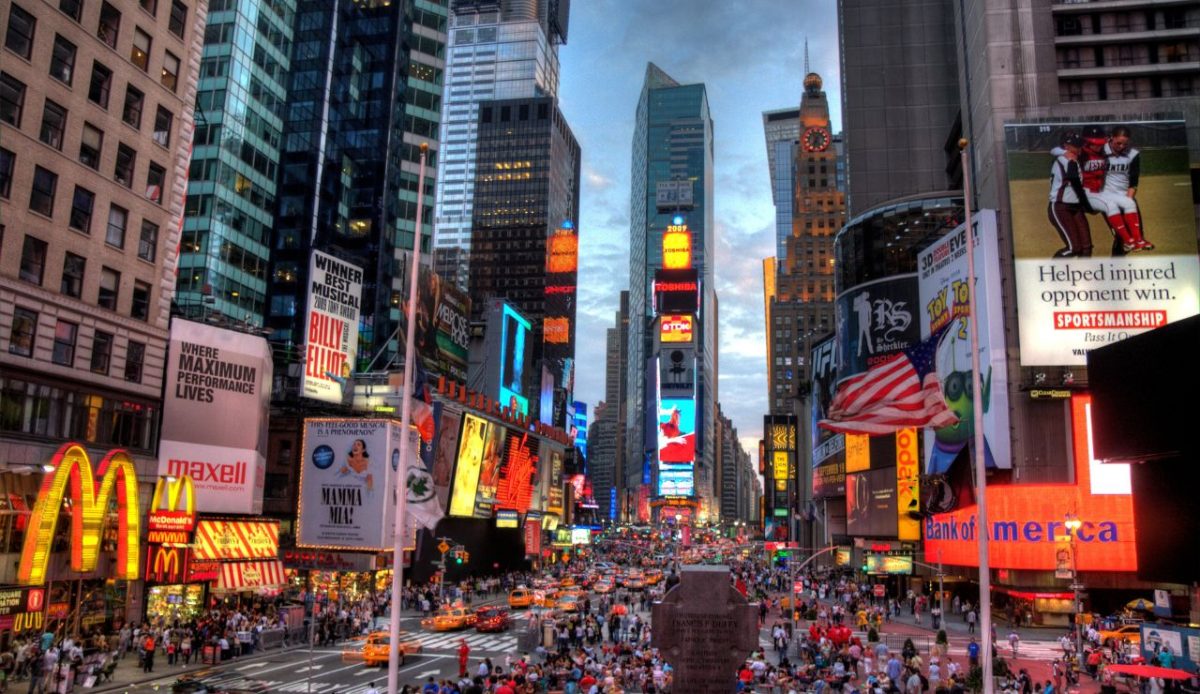
Times Square is iconic for its lights and energy, but many travelers report that its allure has diminished over the years. Crowds, high prices, and aggressive street vendors create an overwhelming atmosphere. Chain stores and commercial advertising dominate, leaving fewer authentic New York experiences. While it remains a hub for entertainment and spectacle, some visitors feel it has become more of a commercial display than a cultural landmark. For first-time tourists, it still impresses, but returning travelers often notice the diminished charm compared to earlier decades when it felt more vibrant and spontaneous.
5. Phuket, Thailand
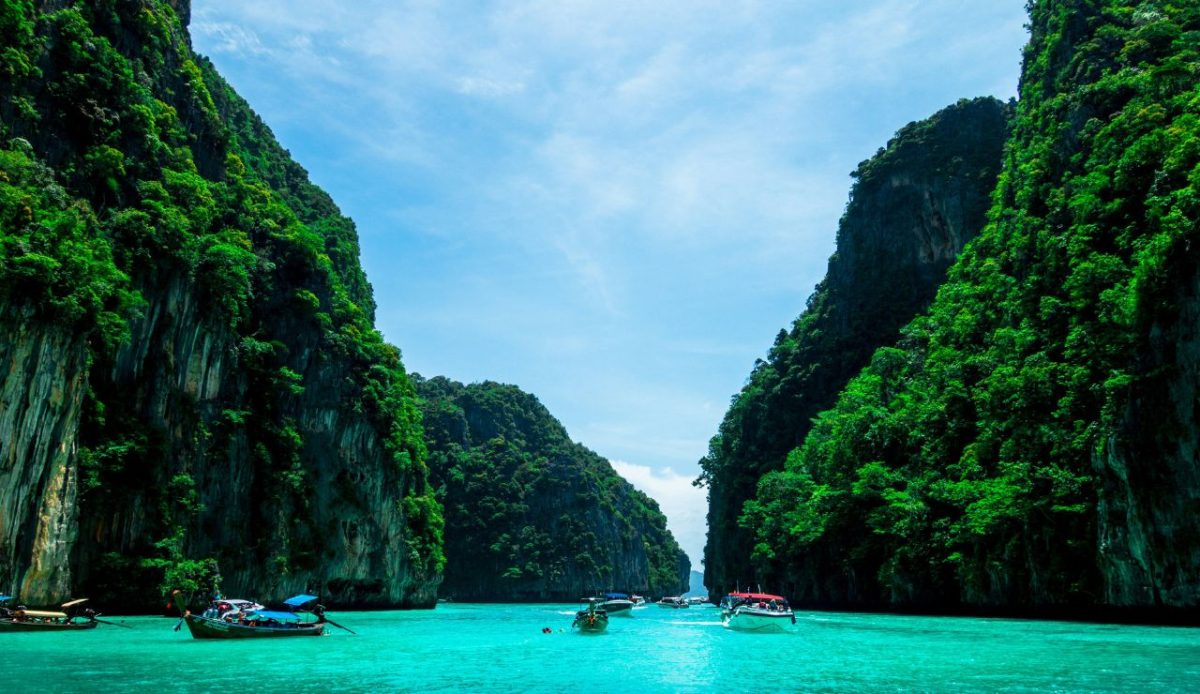
Phuket’s beaches and nightlife attract millions of tourists, but mass development and over-tourism have affected its appeal. Crowded shores, noisy streets, and commercialized beach areas have replaced the tranquil environment many travelers once enjoyed. Environmental degradation, rising costs, and traffic congestion further diminish the island’s charm. While luxury resorts and vibrant nightlife continue to draw visitors, those seeking natural beauty and authentic Thai culture often find the experience less magical. Phuket illustrates how tourism success can sometimes erode the very qualities that made a destination special.
6. Barcelona, Spain
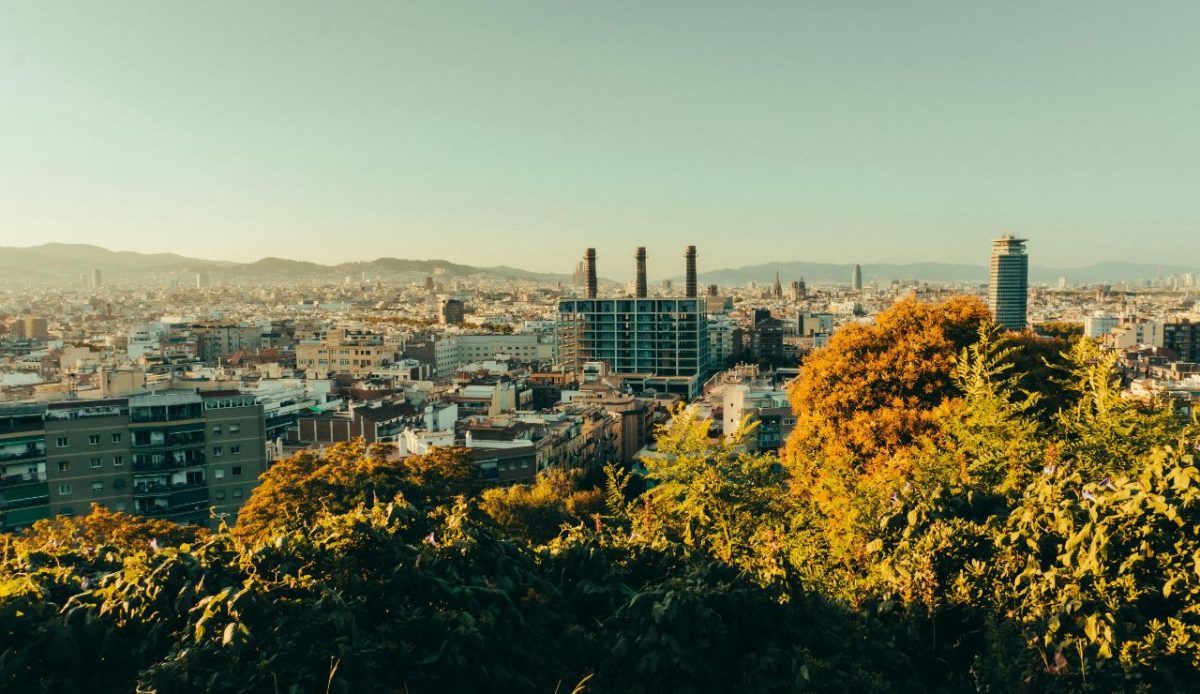
Barcelona, with its modernist architecture and vibrant culture, remains a bucket-list city, yet many travelers note a decline in charm. Tourist-heavy neighborhoods like Las Ramblas can feel crowded and noisy, with street performers and souvenir shops dominating the experience. Rising property prices and the influx of short-term rentals have strained local life. While attractions like Gaudí’s Sagrada Família and historic streets remain impressive, visitors report that the balance between authentic culture and tourism-driven commerce has shifted. This tension has slightly eroded the city’s original appeal for many repeat visitors.
7. Bali, Indonesia
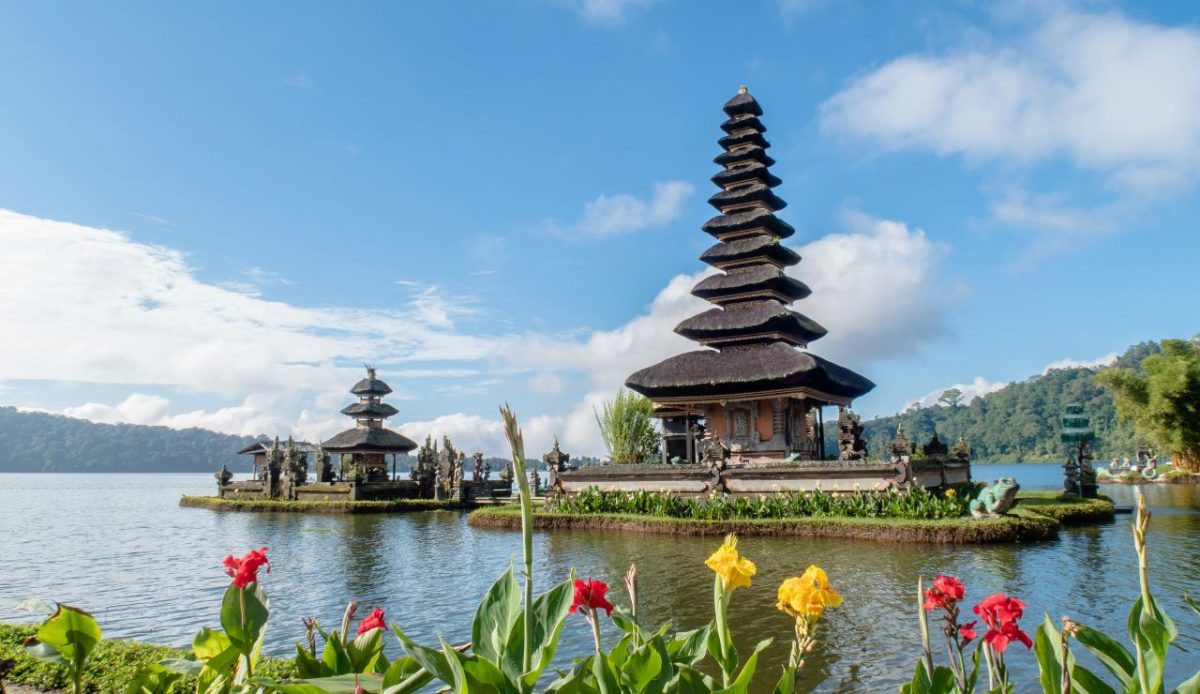
Bali continues to captivate with its beaches, temples, and lush landscapes, but the island has faced challenges from mass tourism. Popular areas like Kuta and Seminyak are crowded, with commercial development altering the natural charm. Traffic congestion and rising accommodation prices affect both locals and visitors. While quieter regions still retain serenity, travelers note that over-tourism has impacted the traditional lifestyle and environmental health. Bali remains beautiful, but its widespread popularity has changed the intimate, peaceful experience many visitors once cherished, leading some to seek less crowded alternatives.
8. Dubrovnik, Croatia
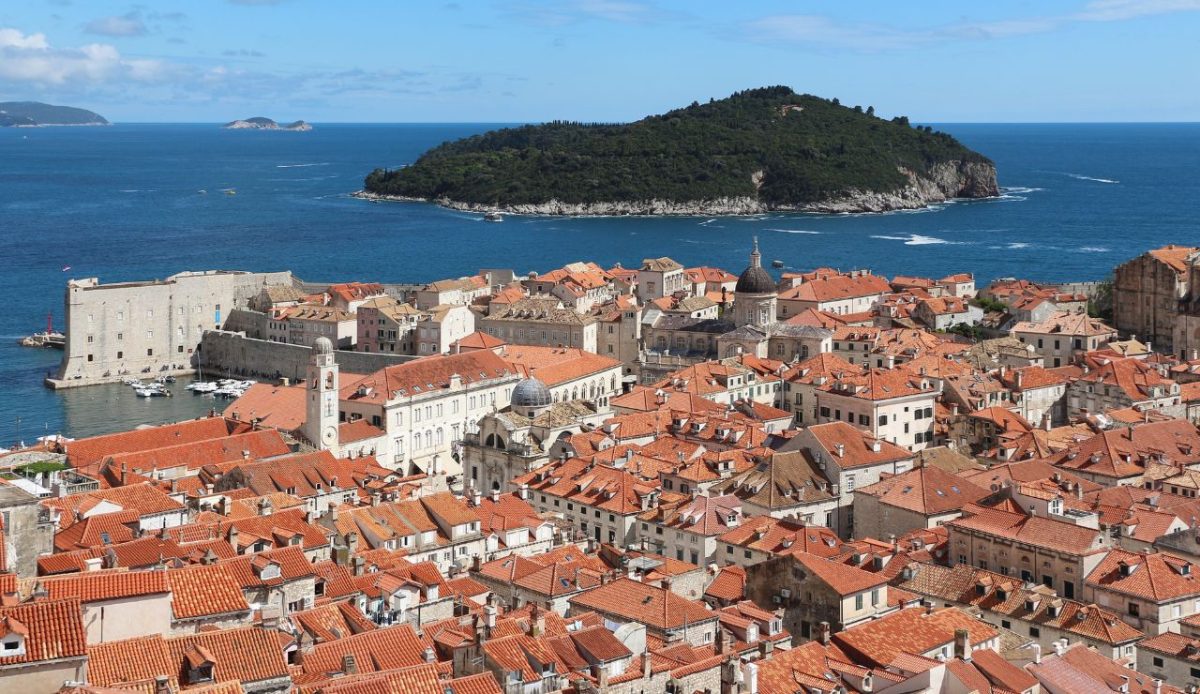
Dubrovnik’s medieval walls and Adriatic vistas remain breathtaking, yet the city has struggled with tourism pressures. Cruise ship crowds and high-season visitor density can make the old town feel congested and commercialized. Rising hotel and dining costs have altered the local experience, while souvenir shops dominate the streets. While the UNESCO-listed architecture and historical significance remain intact, travelers increasingly find it challenging to enjoy the city’s charm peacefully. Dubrovnik demonstrates how sudden popularity can impact the intimacy and cultural authenticity of a historic destination.
9. Bora Bora, French Polynesia
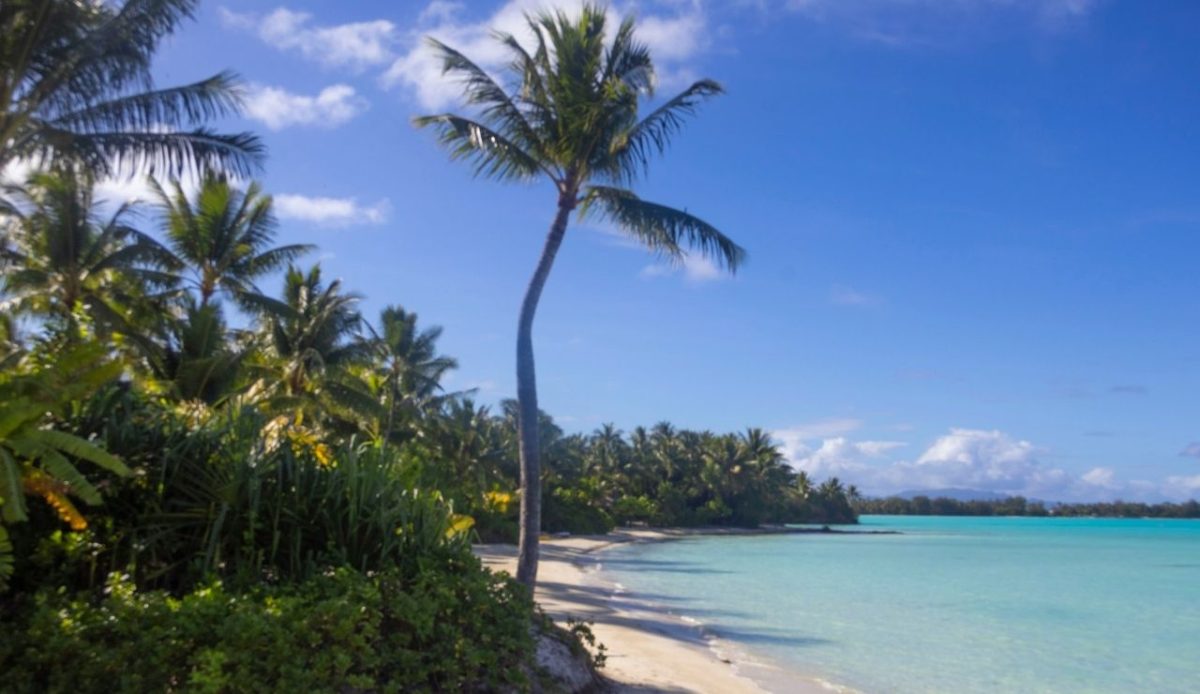
Bora Bora’s turquoise waters and overwater bungalows attract travelers seeking paradise, but its charm has changed under mass tourism. High prices for lodging, dining, and excursions create a sense of exclusivity that may feel inaccessible. Overcrowded resorts, tourist activity, and constant boat traffic can diminish the serene experience once associated with the island. While the natural beauty of the lagoon, coral reefs, and sunsets remains stunning, the commercialization and influx of visitors have altered the tranquil, romantic atmosphere that made Bora Bora a dream destination for many travelers.
10. Venice Beach, California
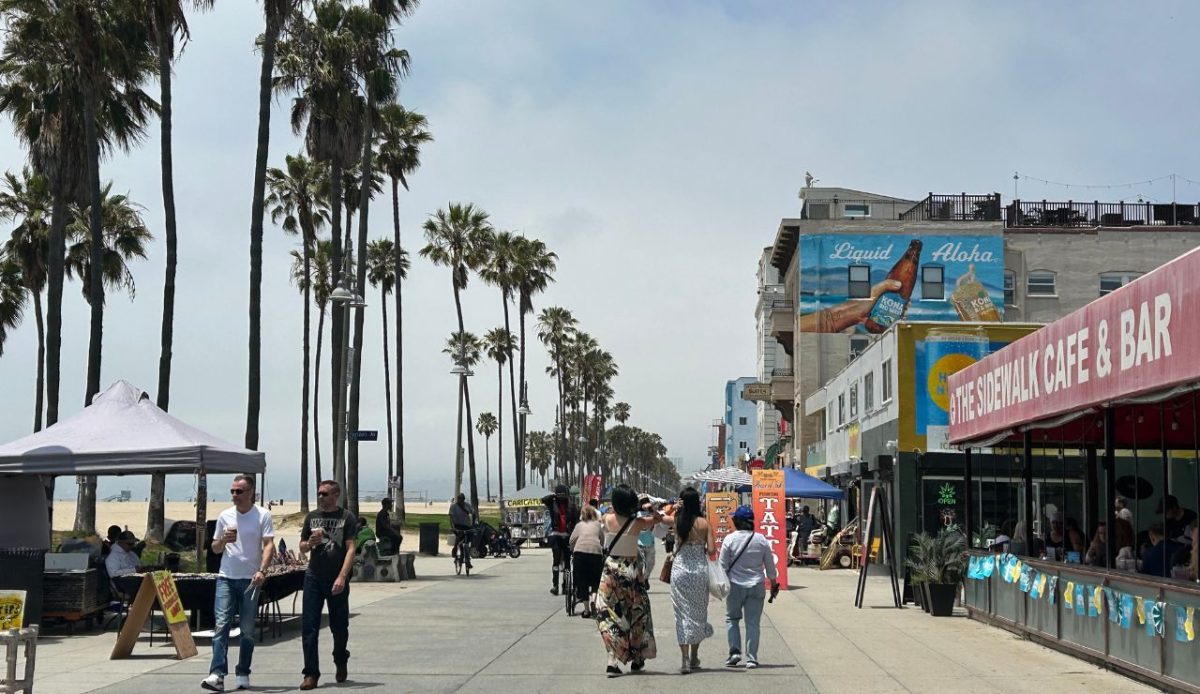
Venice Beach, once known for its eclectic and bohemian vibe, has experienced a shift due to commercialization and gentrification. Street performers and skate parks still attract crowds, but boutique shops, rising rents, and tourist-centric eateries have transformed the area. Some locals feel the authentic culture and artsy character have been diluted. While the boardwalk and beach remain lively attractions, returning visitors often note the contrast between its historical charm and the current tourist-driven experience. Venice Beach illustrates how popularity can sometimes overshadow the essence that originally drew people in.
11. Cappadocia, Turkey
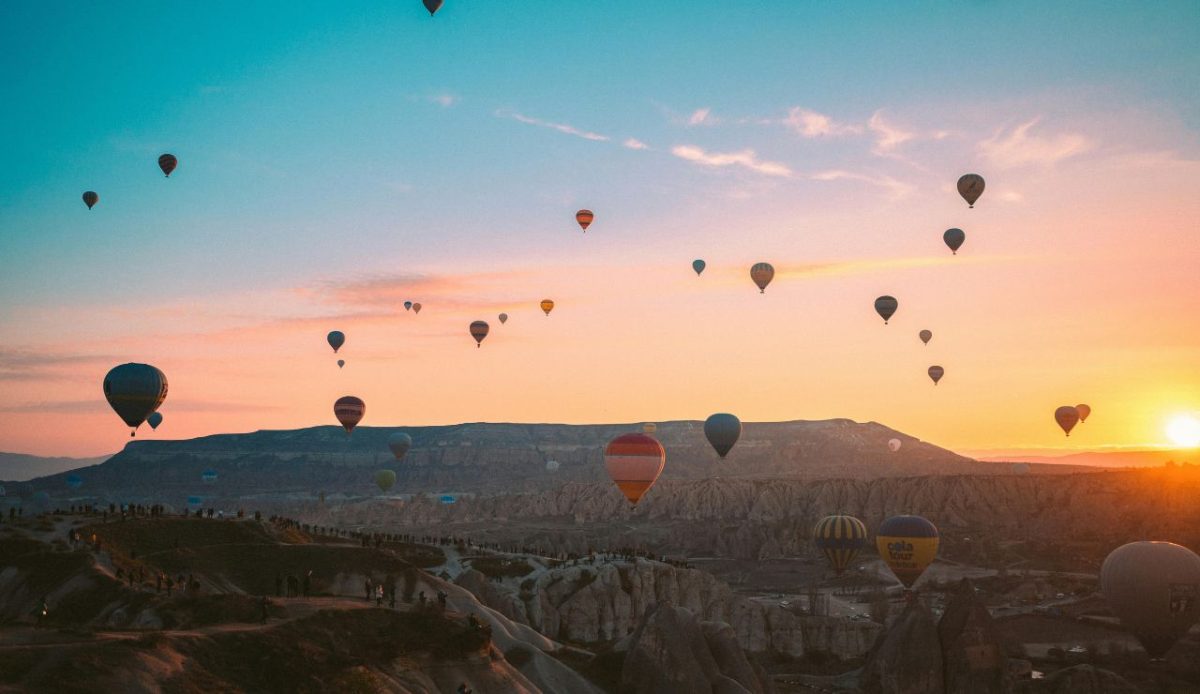
Cappadocia’s fairy chimneys, cave hotels, and hot air balloons continue to fascinate travelers, but mass tourism has shifted the experience. Popular viewpoints can become crowded, and commercial development has changed the landscape in some areas. Rising prices for lodging, tours, and local experiences also affect both locals and visitors. Despite the stunning scenery, unique rock formations, and historical richness, travelers note that the intimate and mystical feel of the region has diminished in high season. Cappadocia shows how tourism growth can subtly alter even the most picturesque destinations, impacting the sense of wonder.
