
The United States is home to some of the most spectacular waterfalls in the world, ranging from towering mountain cascades to hidden desert oases. Each offers a different kind of beauty, shaped by geology, climate, and the surrounding environment. Travelers praise these destinations not just for their size but for the experience of reaching them, whether it involves a short walk or a challenging hike. Based on reviews and official park information, these 11 waterfalls represent the country’s most memorable and accessible natural wonders for anyone who enjoys scenic travel.
1. Multnomah Falls, Oregon
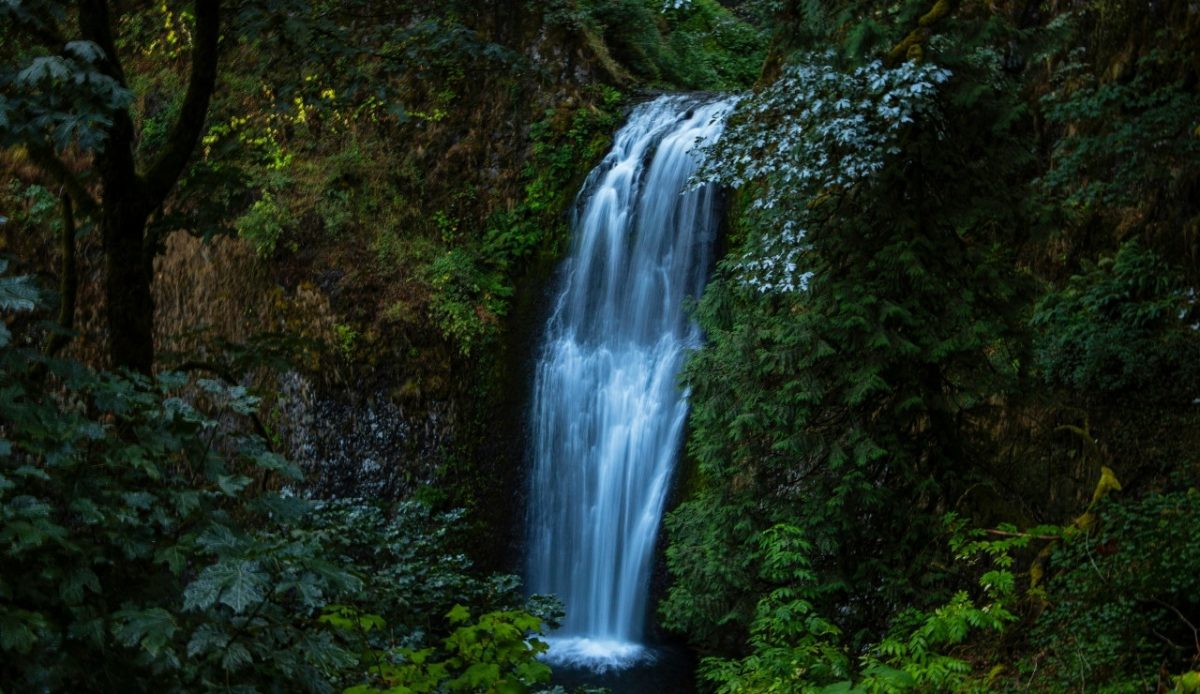
Just 30 miles east of Portland, Multnomah Falls drops 620 feet in two dramatic tiers along the Columbia River Gorge. The viewing area and Benson Bridge allow close access to Oregon’s most photographed natural landmark. Visitors frequently note that early morning visits offer the best experience before tour buses arrive. The lodge, café, and visitor center make it easy to spend a few hours exploring. While the paved trail to the upper platform requires effort, it rewards hikers with a wide view of the Gorge. Its year-round flow keeps it stunning even in dry seasons.
2. Yosemite Falls, California
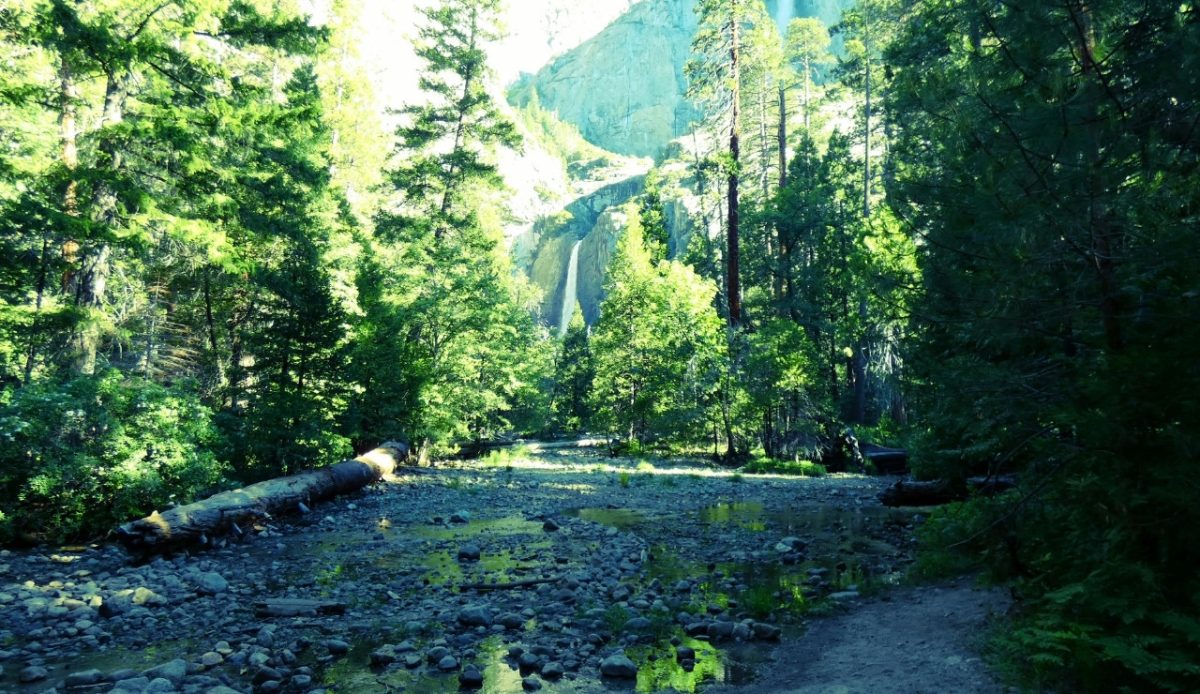
Located in Yosemite National Park, this 2,425-foot series of plunges ranks among the tallest in North America. The best time to visit is late spring, when snowmelt from the Sierra Nevada peaks reaches its peak flow. The lower falls trail is short and paved, offering wheelchair access and excellent viewpoints. More ambitious visitors take the strenuous path to the top for sweeping views of the valley. Reviewers often comment on the deafening roar and mist during May and June. During late summer, the waterfall slows to a quiet stream but remains impressive against the granite cliffs.
3. Havasu Falls, Arizona
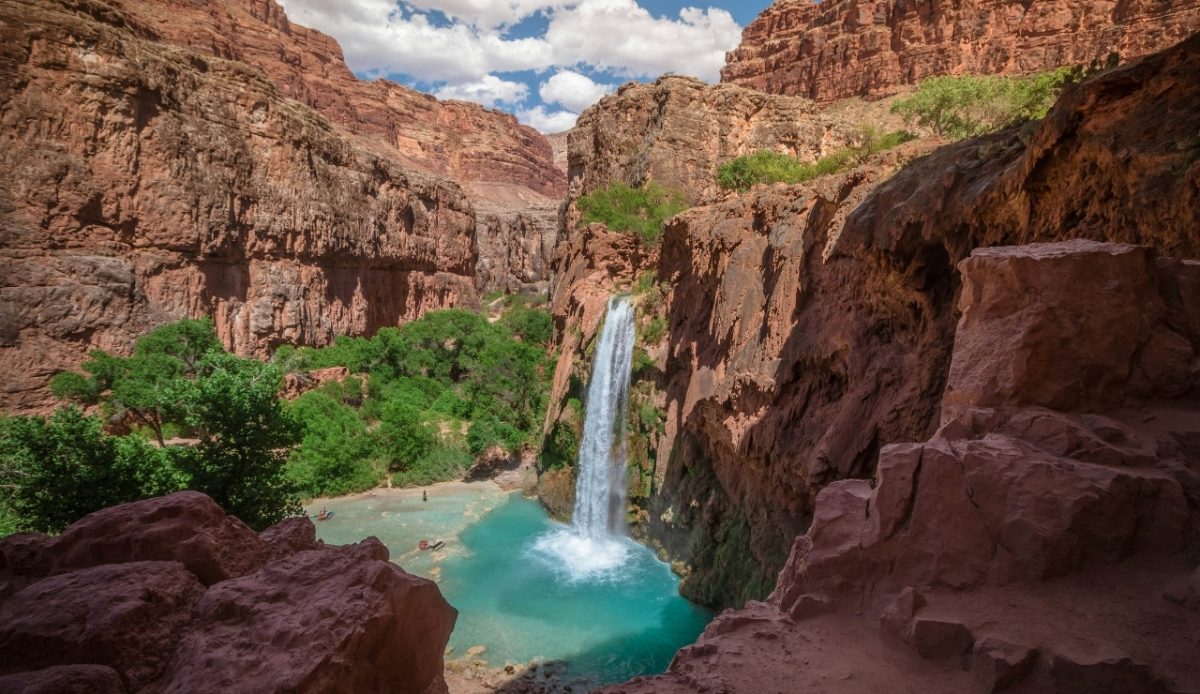
Deep within Havasu Canyon on Havasupai tribal land, Havasu Falls is famous for its turquoise water and red sandstone walls. Access requires an advanced permit and a ten-mile hike each way, which keeps crowds low. Visitors praise the color contrast and the calm of the pools below. The area also features nearby Mooney and Beaver Falls, which can be reached by following the river trail. Since the route crosses tribal land, visitors must follow reservation rules and pack out all trash. Those who plan properly describe the experience as one of the most rewarding hikes in the Southwest.
4. Lower Yellowstone Falls, Wyoming
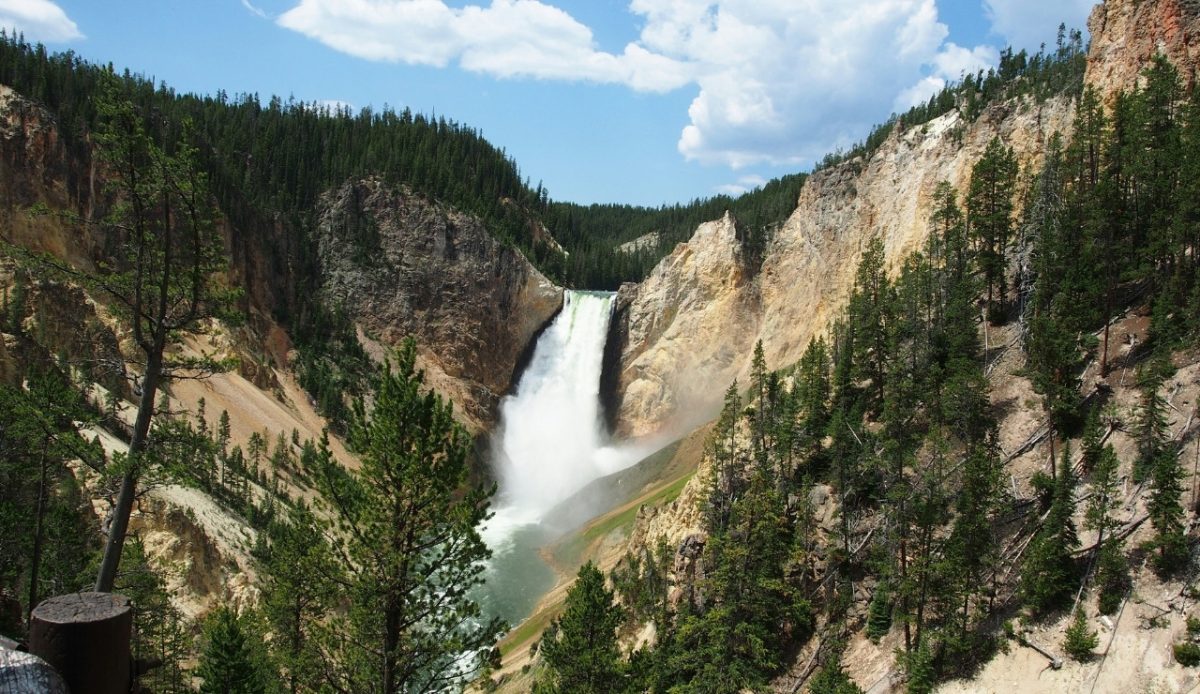
At 308 feet, Lower Yellowstone Falls is the most powerful waterfall in Yellowstone National Park and a central highlight of the Grand Canyon of the Yellowstone. Visitors can reach the brink via a steep trail or take in the full view from Lookout and Artist Points. Reviews emphasize the thunderous sound that echoes through the canyon, especially during spring runoff. Mist rises hundreds of feet, creating rainbows on sunny days. With multiple observation decks, both casual visitors and dedicated photographers find ideal vantage points for one of the park’s most iconic sights.
5. Shoshone Falls, Idaho
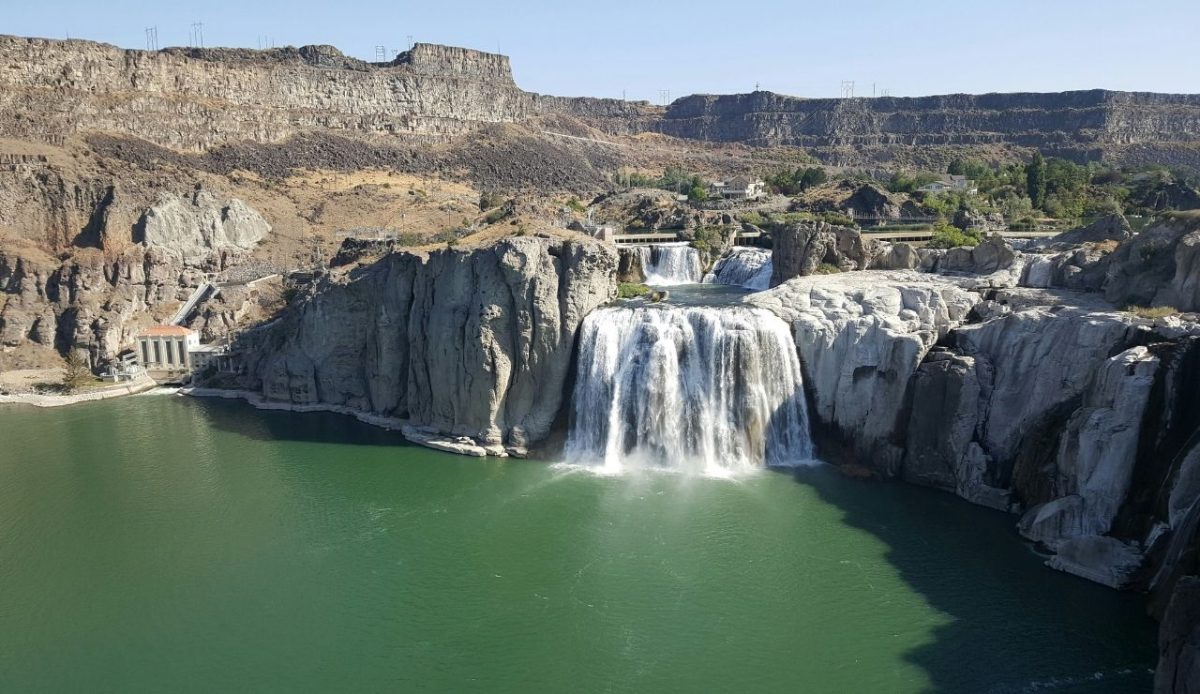
Nicknamed the “Niagara of the West,” Shoshone Falls in Twin Falls, Idaho, stands 45 feet taller than its eastern counterpart. The falls are most active from April through June, when snowmelt swells the Snake River. The city park above the falls offers picnic areas, walking paths, and observation decks. Visitors frequently praise its accessibility and panoramic viewpoints. The falls’ volume varies with irrigation demand, so checking flow reports before visiting helps ensure the best experience. Its combination of scale, accessibility, and striking canyon setting makes Shoshone Falls one of Idaho’s most admired attractions.
6. Snoqualmie Falls, Washington
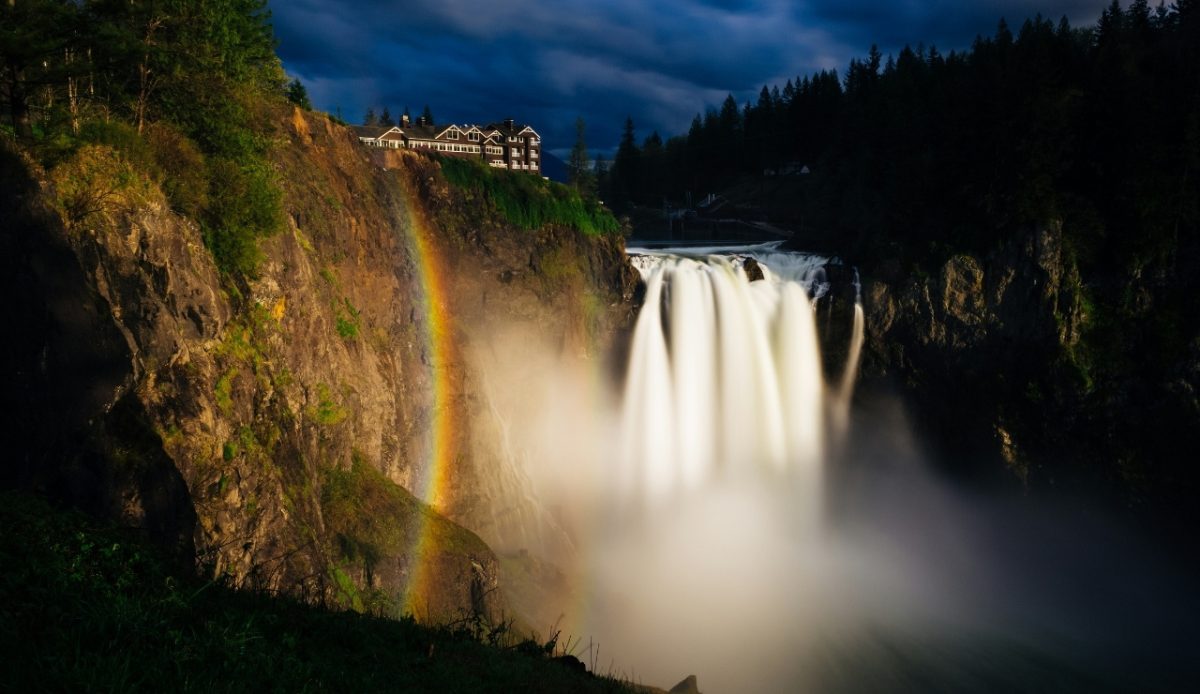
Snoqualmie Falls lies about 30 miles east of Seattle and draws more than a million visitors each year. The 270-foot drop is easily visible from two maintained platforms, with one located near the parking area and another farther down a short trail. The upper observation deck provides a sweeping view of the falls framed by evergreens, while the lower deck gives a closer look at the misty base. Visitors frequently highlight the convenience of paved paths and restrooms, making it accessible for families and older travelers. Peak flow occurs during winter and spring, when heavy rains and snowmelt feed the river.
7. Palouse Falls, Washington

Palouse Falls, Washington’s official state waterfall, plunges nearly 200 feet into a rugged basalt canyon near Washtucna. The surrounding park offers several viewing areas that provide different perspectives of the falls and canyon walls. Visitors describe the location as remote but rewarding, with paved access roads leading to the main overlook. Sunset hours are particularly popular for photography, though travelers should bring water and prepare for minimal shade. The area’s history traces back to Ice Age floods that carved much of the region, making Palouse Falls both a geological landmark and a striking destination for day trips.
8. Tahquamenon Falls, Michigan
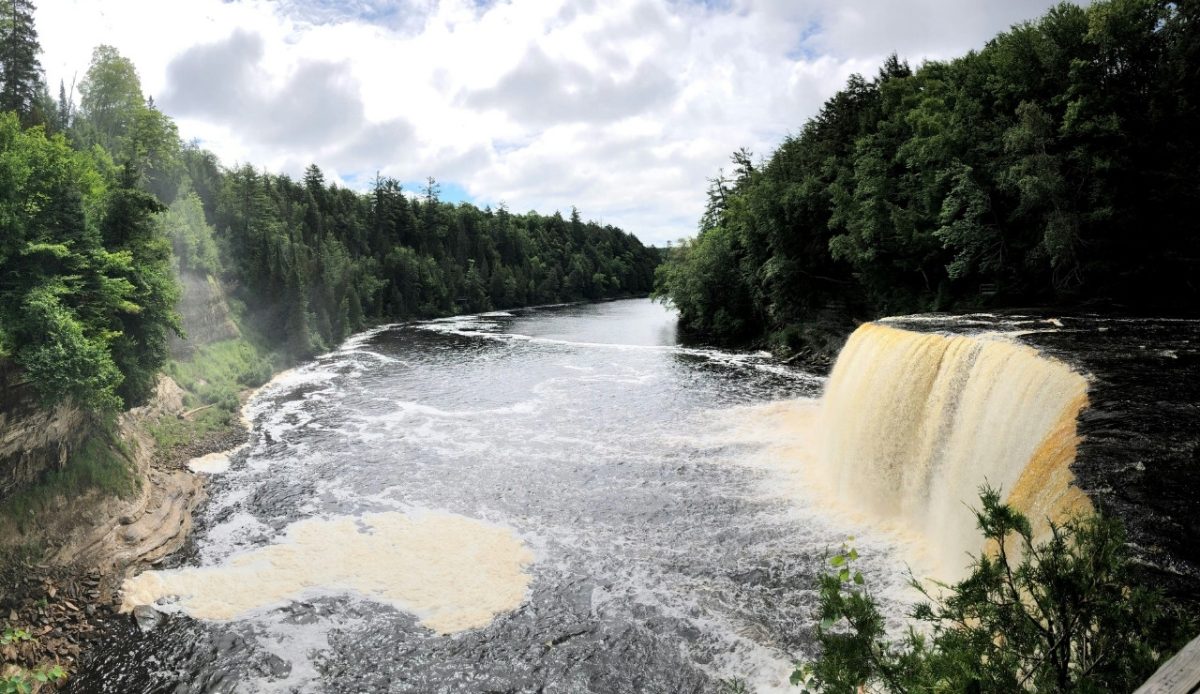
Located in Michigan’s Upper Peninsula, Tahquamenon Falls State Park features two primary sections: the wide, copper-colored Upper Falls and a series of smaller Lower Falls downstream. The distinctive brown tint comes from natural tannins in the river. Visitors praise the well-maintained boardwalks, picnic spots, and nearby lodge facilities. A four-mile trail links both sections for those seeking a full-day hike. In winter, the frozen cascades create a completely different atmosphere that draws photographers and snowshoers. The park’s combination of accessibility and northern wilderness makes Tahquamenon Falls one of Michigan’s most visited natural sites.
9. Niagara Falls (U.S. Side), New York

Niagara Falls remains one of the most recognizable natural attractions in the world, and the New York side provides an up-close perspective of its immense power. The falls consist of three main sections: American Falls, Bridal Veil Falls, and Horseshoe Falls, which straddle the border with Canada. Observation platforms and the Maid of the Mist boat tours offer visitors a chance to experience the spray firsthand. Reviews often note that visiting early in the morning or during off-season months helps avoid crowds. Night lighting and periodic fireworks add after-dark viewing options throughout the year.
10. Mānoa Falls, Hawaii
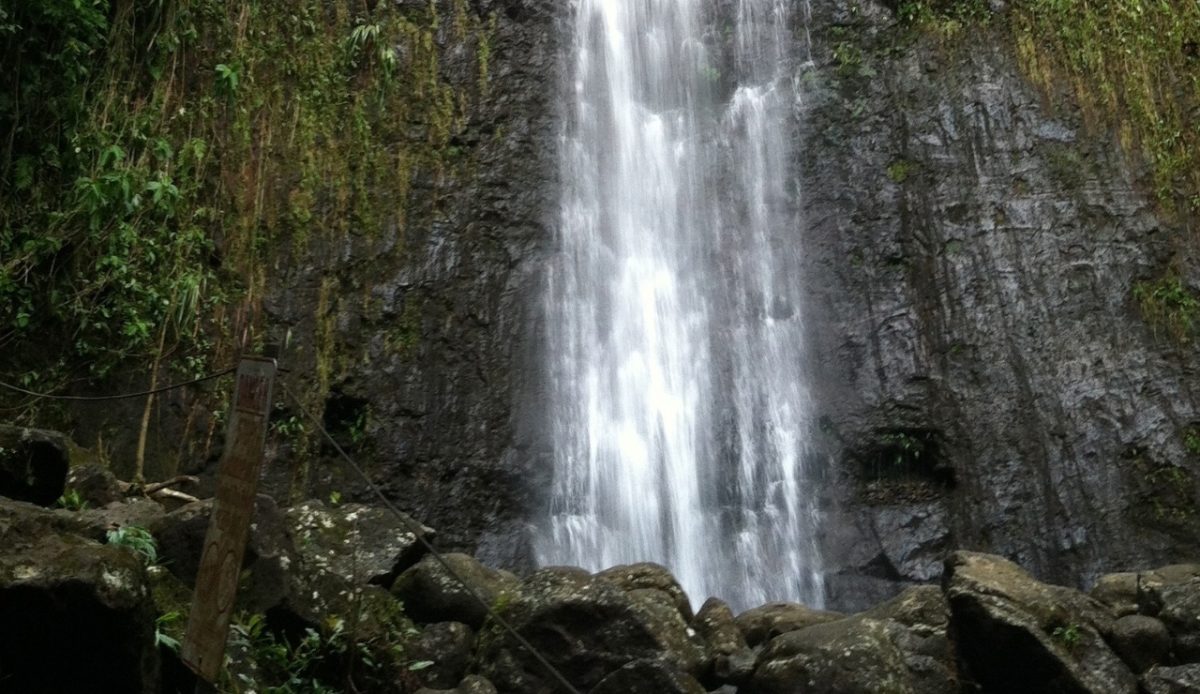
Located just a few miles from downtown Honolulu, Mānoa Falls offers one of Oʻahu’s easiest escapes into tropical scenery. The 1.6-mile round-trip trail passes through dense rainforest that often receives afternoon showers, keeping the surroundings lush. The main attraction is a 150-foot cascade that drops into a shallow pool. Visitors consistently mention the trail’s slippery terrain and advise proper footwear, especially after rain. Recent upgrades have improved trail stability and safety. The hike takes about an hour round-trip and offers a quiet break from the city.
11. Amicalola Falls, Georgia
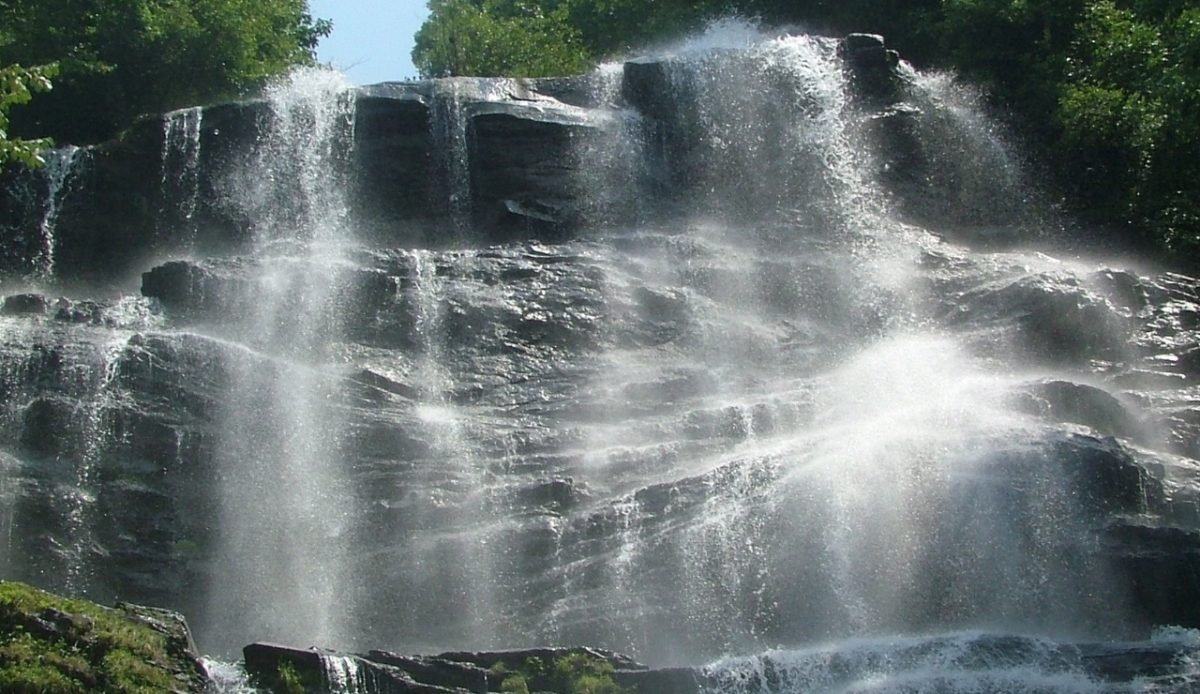
Amicalola Falls, at 729 feet, is Georgia’s tallest waterfall and a major draw for travelers heading to the southern Appalachians. It is located within Amicalola Falls State Park, where well-marked trails and staircases provide several vantage points. The top viewing area offers a panoramic look across the forest, while the base trail leads visitors close to the roaring flow. The park’s visitor center provides maps, weather updates, and access to lodging nearby. Reviews highlight the manageable climb and family-friendly layout. Spring and fall are the most popular times to visit, offering clear skies and moderate temperatures.
