
Tourist demand can spike after one viral post or a new flight, and small towns feel it first in housing, parking, and response times. When visitor volume doubles while streets stay narrow, daily errands start to require planning that locals never needed.
Fast popularity also shifts who can live near work. Short-term rentals expand, service staff commute farther, and councils scramble to protect access without shutting down the economy.
These eleven towns hit a clear inflection point. Caps, shuttles, zoning updates, and enforcement showed up quickly because the pace of change outran local capacity. The focus here is on the mechanism that links attention to new rules and altered routines.
1. Bar Harbor, Maine
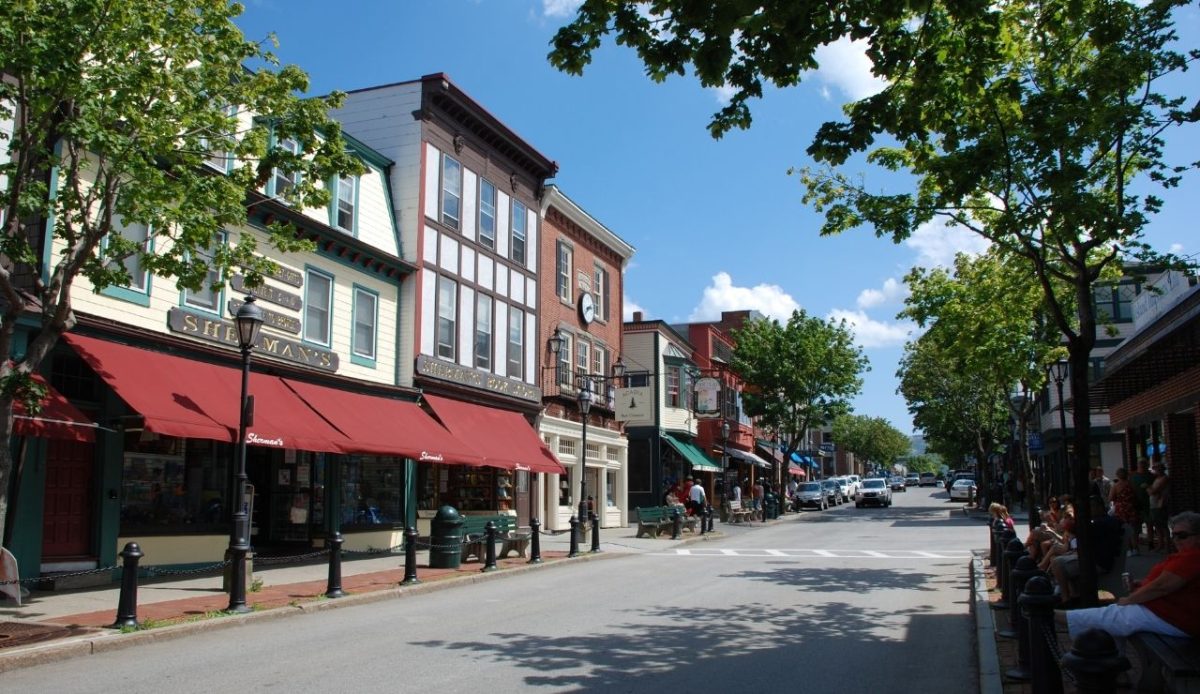
Bar Harbor’s waterfront shifted quickly as large cruise itineraries added frequent calls. A walkable village grid began handling ship-sized surges that arrived in tight morning windows, often before shops opened and early buses lined up.
Town leaders set limits on how many passengers may come ashore on peak days, turning disembarkation into a timed quota. Harbor tenders, police details, and pier staffing were planned around the cap to keep traffic moving.
The debate moved into hearings and court filings, showing how a harbor economy became a managed flow system. The town did not stop welcoming guests, but the tempo of summer days changed for locals.
2. Sedona, Arizona
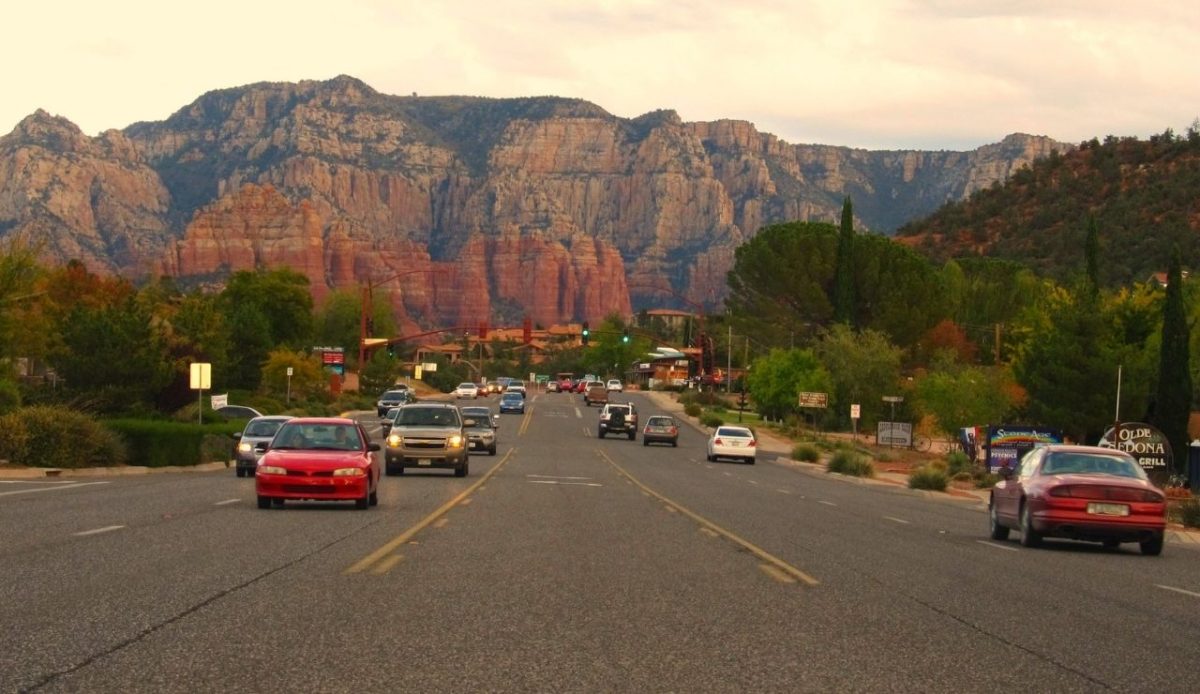
Sedona’s trailheads drew a rush that outpaced the small lots built for local hikers. Cars began stacking on shoulders before dawn, and emergency pullouts were often blocked during busy weekends. Rangers and police issued warnings and tows to reopen lanes.
The city expanded a shuttle network to move visitors from remote lots to key trail corridors. By shifting demand off narrow canyon roads, transit schedules became a tool for keeping fire and medical access clear.
With stops, signage, and route timing, a hike started to resemble a managed trip rather than a casual outing. Residents also adjusted their errands to avoid peak boarding periods now directed by town traffic.
3. Moab, Utah
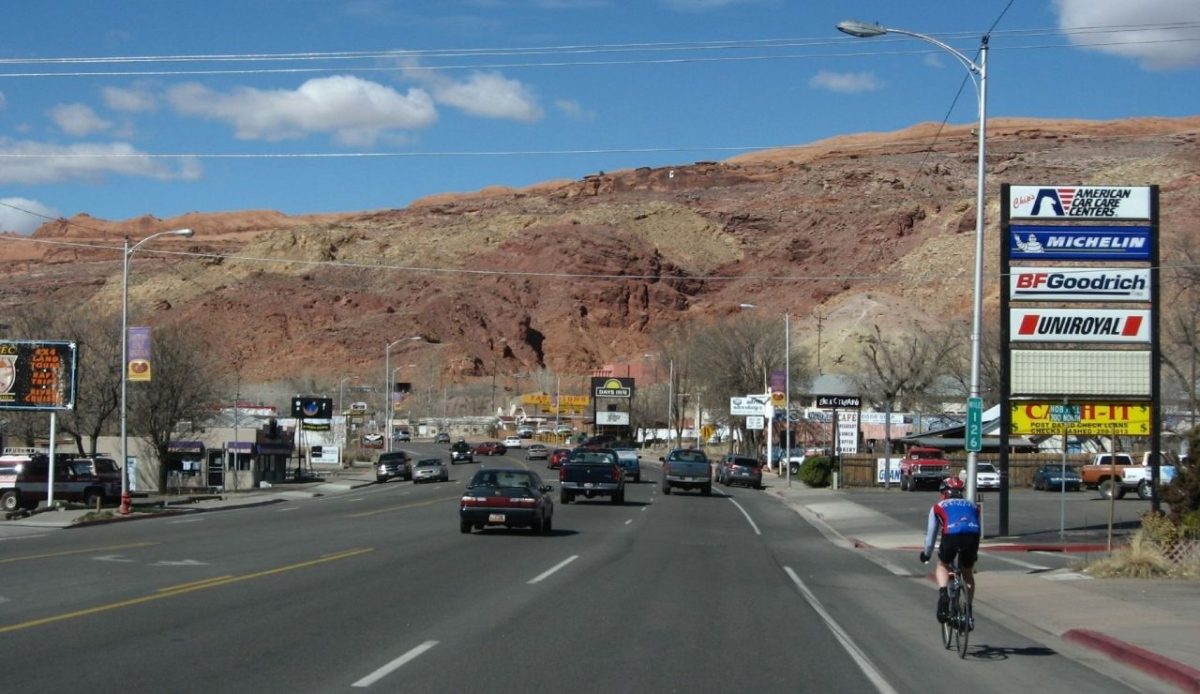
Moab’s role changed fast as visitation to Arches and Canyonlands surged and adventure tours multiplied. A small service town suddenly had demand for nightly stays that far exceeded its long-term housing stock.
Short-term rentals spread into neighborhoods, and new lodging proposals arrived before water and sewer upgrades could catch up. The city tightened rules for additional rentals while assessing how growth would be paid for through fees and impact reviews.
Workers for schools, parks, and restaurants faced longer commutes as prices rose. The town kept its outdoor draw, yet daily life became a negotiation between seasonal peaks and basic residential needs.
4. Joshua Tree Area, California
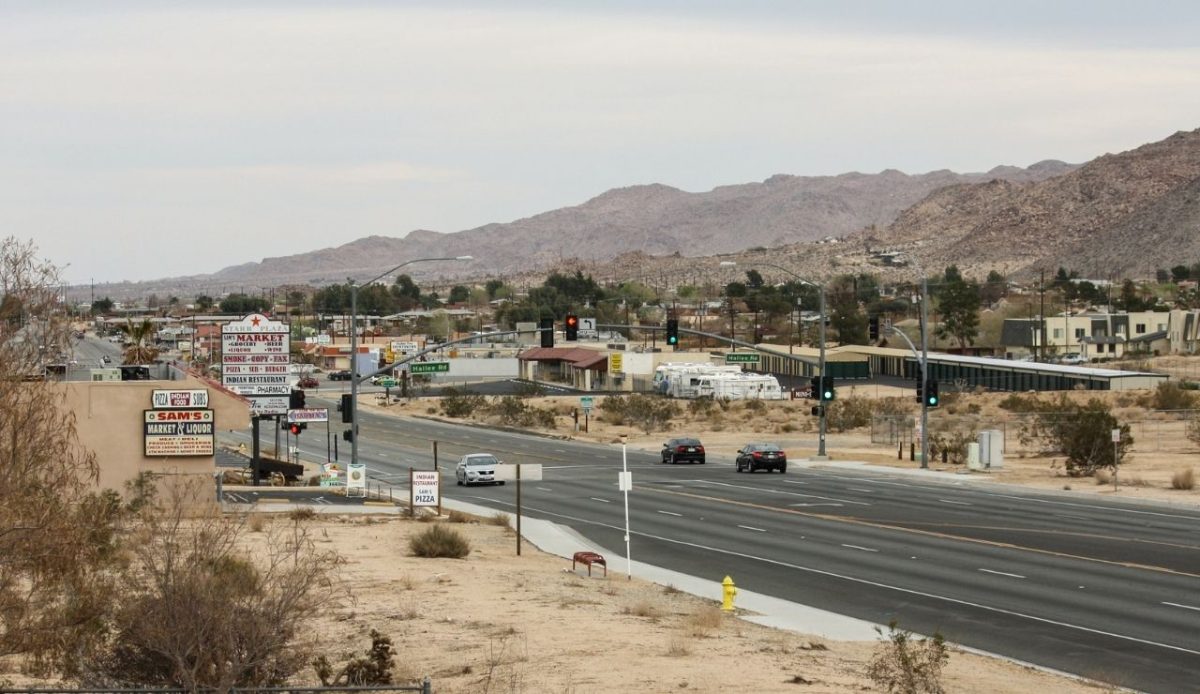
Near Joshua Tree National Park, demand jumped as weekend travel and remote work made desert stays fashionable. Homes that once held neighbors shifted into rotating bookings, and quiet roads carried constant check-ins.
San Bernardino County responded with a permitting and inspection system for many short-term rentals after complaints about noise and crowding. Compliance rules set expectations for occupancy, parking, and local contact requirements.
New cafes and design retail appeared quickly, and late-night activity became common in areas used to dark streets. The park was long famous, but the surrounding community felt its fastest change in only a few seasons.
5. Whitefish, Montana
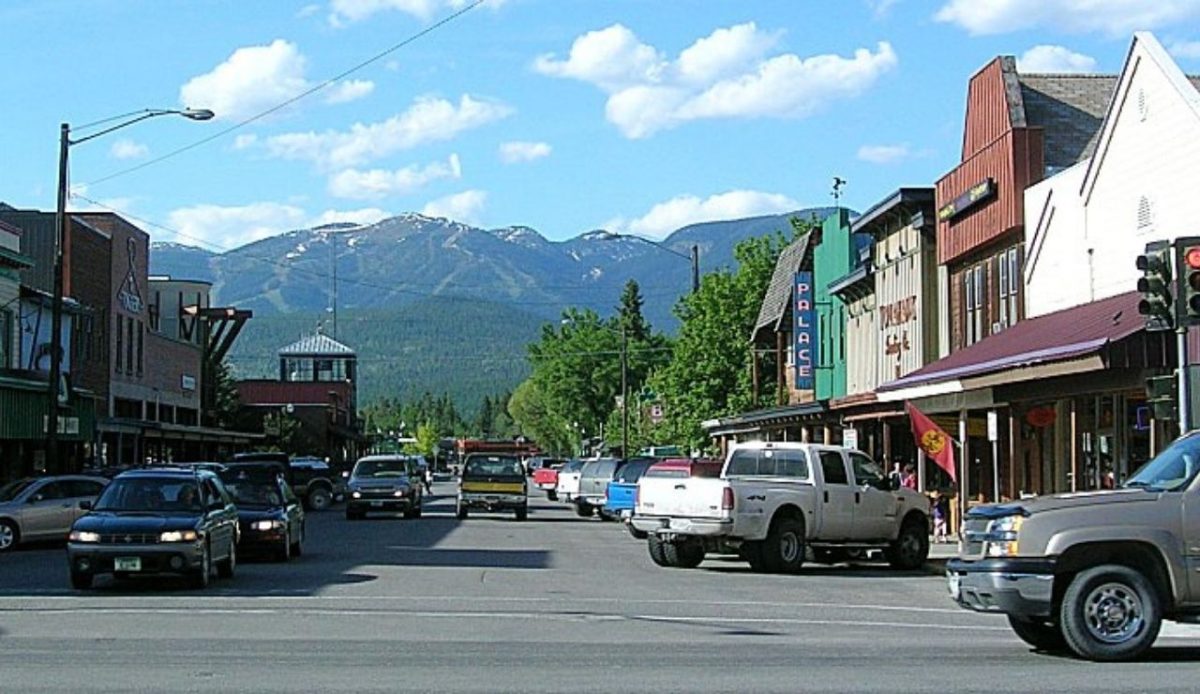
Whitefish already hosted skiers and summer hikers, yet platform-driven rentals accelerated second-home turnover. Blocks shifted from year-round residency to weekend occupancy, which tightened the supply for workers within a short period.
The city required permits and limited where rentals could operate, aiming to keep some housing for local labor. Staff tracked listings and pursued violations, so enforcement became part of the regular municipal workload.
As visitor schedules set the pace, services like parking, snow removal, and neighborhood noise became harder to manage. Whitefish stayed welcoming, but the feel of daily life moved toward resort timing instead of local routine.
6. Asheville, North Carolina
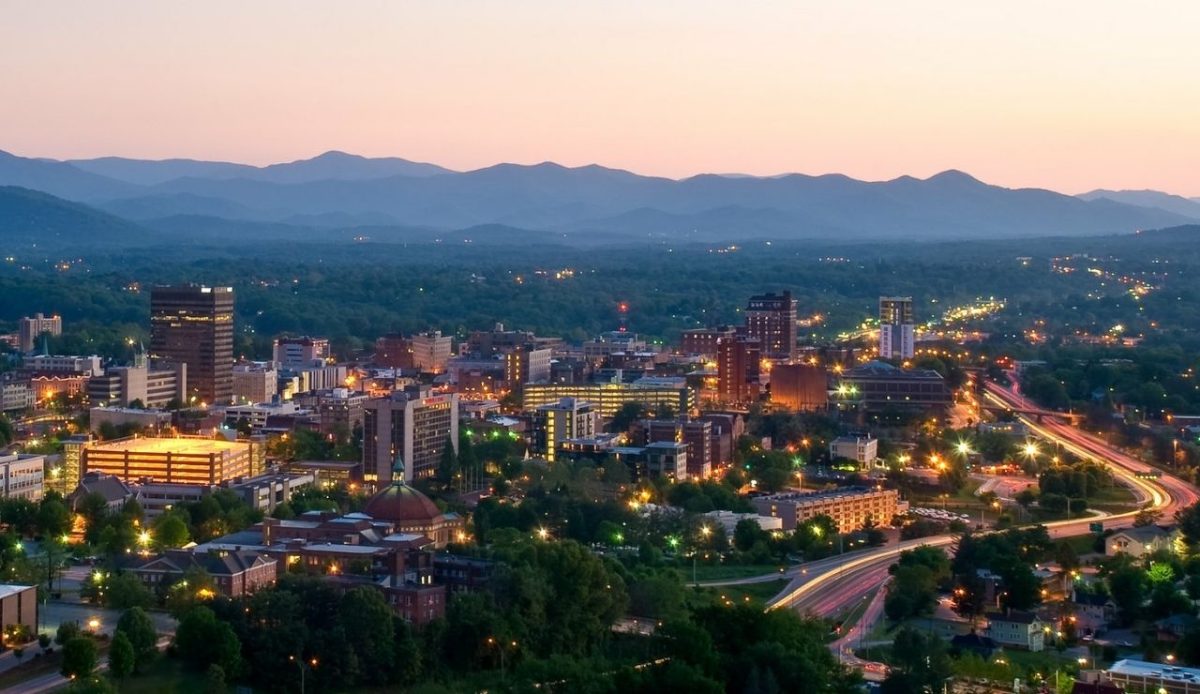
Asheville’s food, music, and brewery scene drew attention that quickly reached housing. Whole home rentals expanded through older neighborhoods, and prices moved beyond local wages, reducing long-term availability for residents.
The city restricted certain rental types to designated zones and increased compliance checks after repeated public meetings. Rules focused on keeping primary residences in place while still allowing limited hosting under permits.
Tourism revenue remained strong, but workers began commuting from farther counties as units shifted to visitor use. The change from an arts town to high demand destination unfolded in a few years, not over a generation.
7. Bozeman, Montana
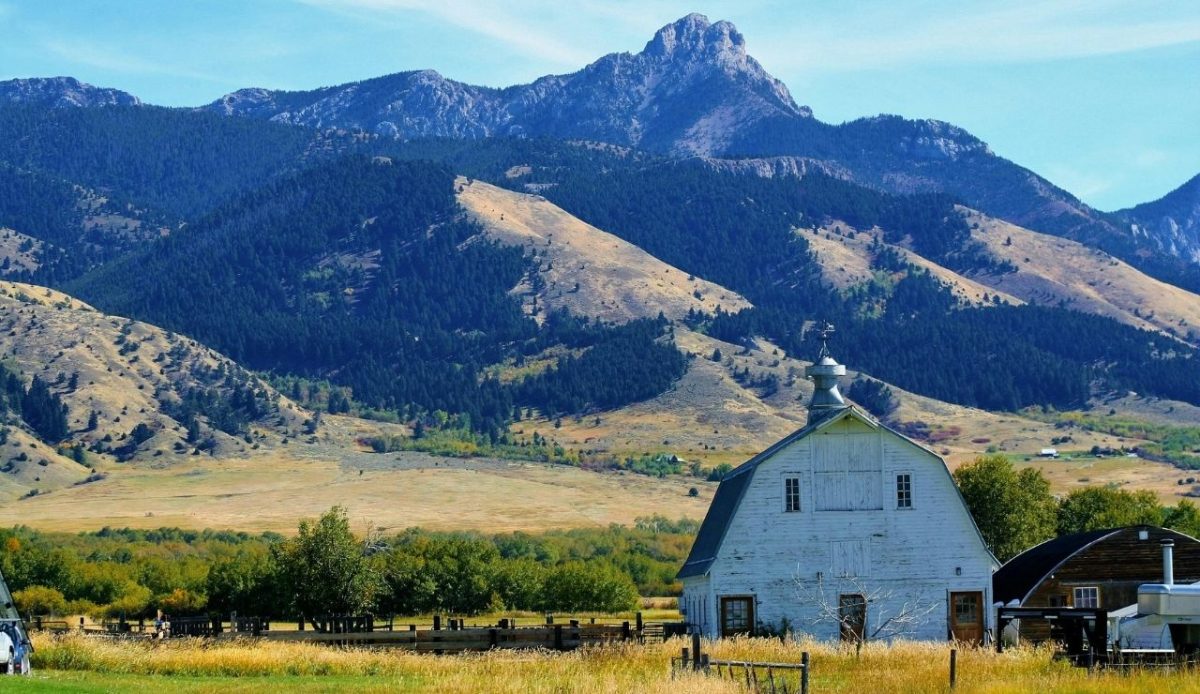
Bozeman’s shift came through in migration as remote work met mountain access. Home prices rose quickly, and rental listings disappeared, so growth pressure felt immediate even without classic tour bus crowds.
City plans were updated to support housing supply and preserve options for nurses, teachers, and firefighters. As new arrivals increased demand, Main Street retail tilted toward higher-priced services that matched changing spending patterns.
Commutes lengthened as workers moved outward into the valley, and familiar gathering spots served a different set of people. Popularity arrived through moving trucks, yet daily life changed at the same speed as a tourist boom.
8. Bend, Oregon
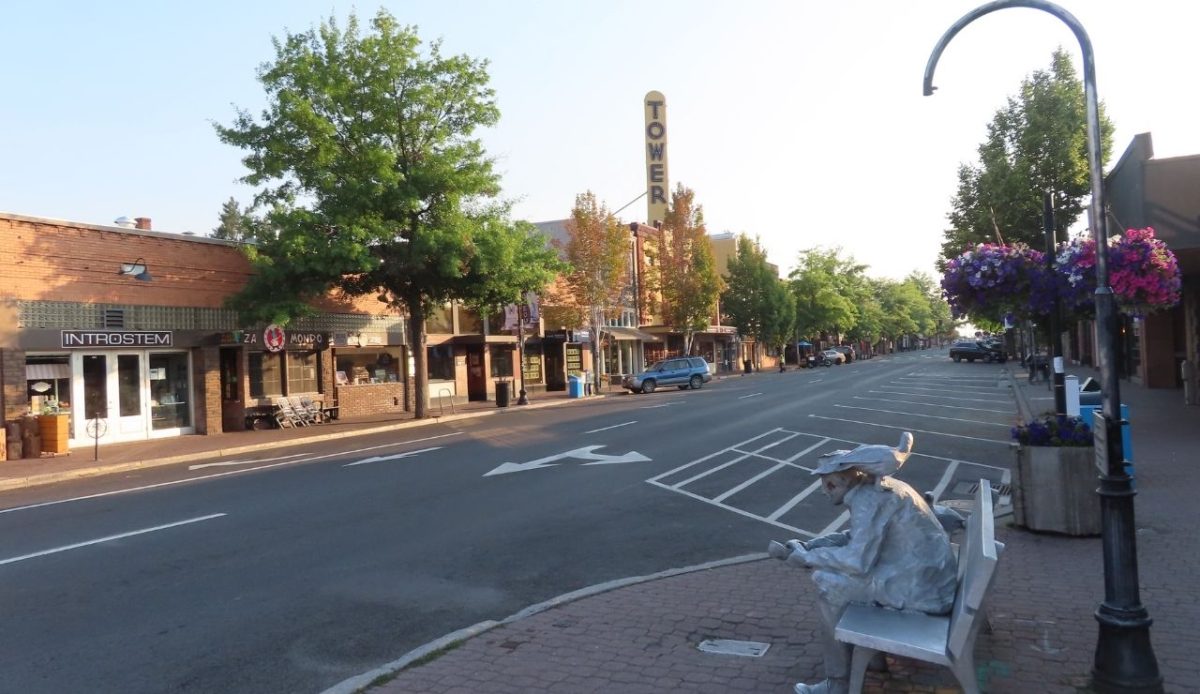
Bend received national praise for its outdoor lifestyle and beer culture, and demand climbed fast. Rent increases outpaced local pay, and visitors filled peak season calendars, putting pressure on both housing and street capacity.
The city formed a housing-focused office and expanded affordability programs to slow displacement. At the same time, transportation projects such as bike lanes and corridor upgrades were pushed forward to handle heavier daily use.
Reservation culture spread into restaurants and recreation, replacing drop-in spontaneity with planning. Bend remained attractive, but it adopted big-city tools quickly because growth compressed into a short window.
9. Jackson, Wyoming
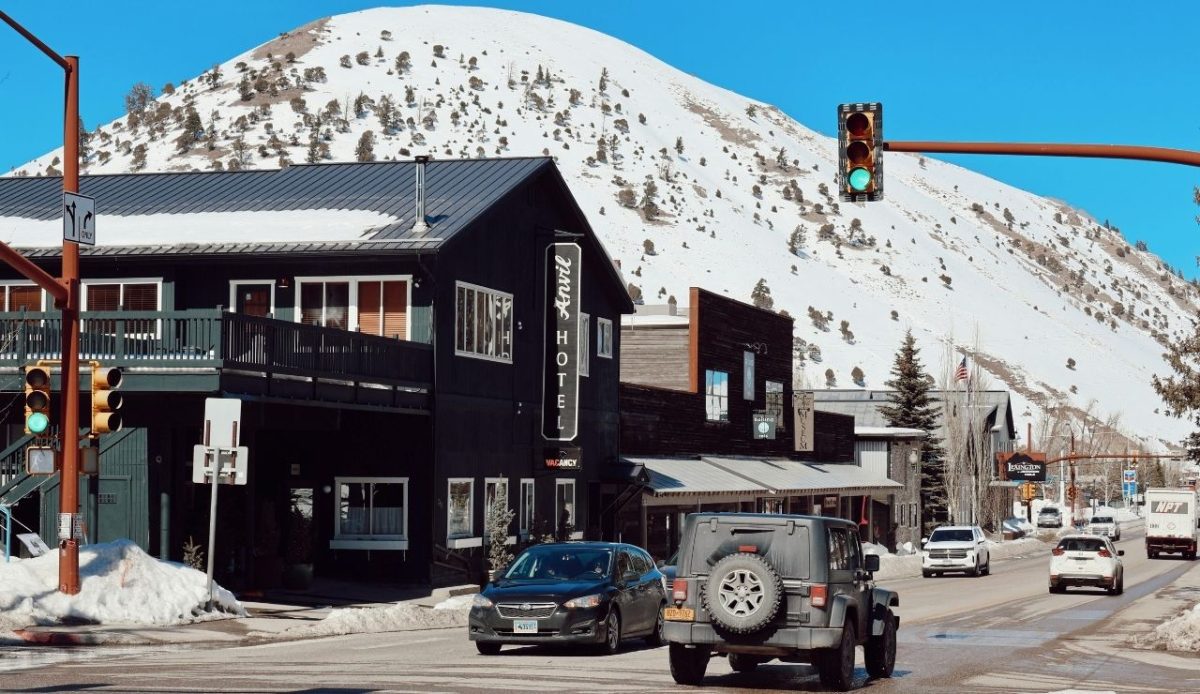
Jackson’s global profile drew wealth that local paychecks could not match. Homes shifted to seasonal use, and workers for schools, lifts, and clinics began commuting long distances as nearby rentals vanished.
Teton County expanded workforce housing efforts and used incentives to keep essential staff in the community. These programs aimed to stabilize year-round residency so services could function during heavy winter and summer peaks.
Daily tasks like groceries and school drop-off were redone around visitor cycles and traffic backups. Jackson stayed a gateway to public lands, but it started operating like an international resort on tight seasonal schedules.
10. Marfa, Texas

Marfa became widely known after contemporary art attention reached far beyond West Texas. A very small town saw visitor weekends expand, and investors bought homes for occasional stays rather than permanent residency.
Local rules were adopted for short-term rentals to slow conversion and address neighbor complaints. Even with ordinances, storefront turnover moved quickly as galleries, hotels, and event spaces replaced long-standing businesses.
Rising property values pushed taxes upward, which strained families who had lived there for decades. Marfa kept its quiet geography, yet its social calendar and housing market shifted rapidly under a new travel spotlight.
11. South Lake Tahoe, California
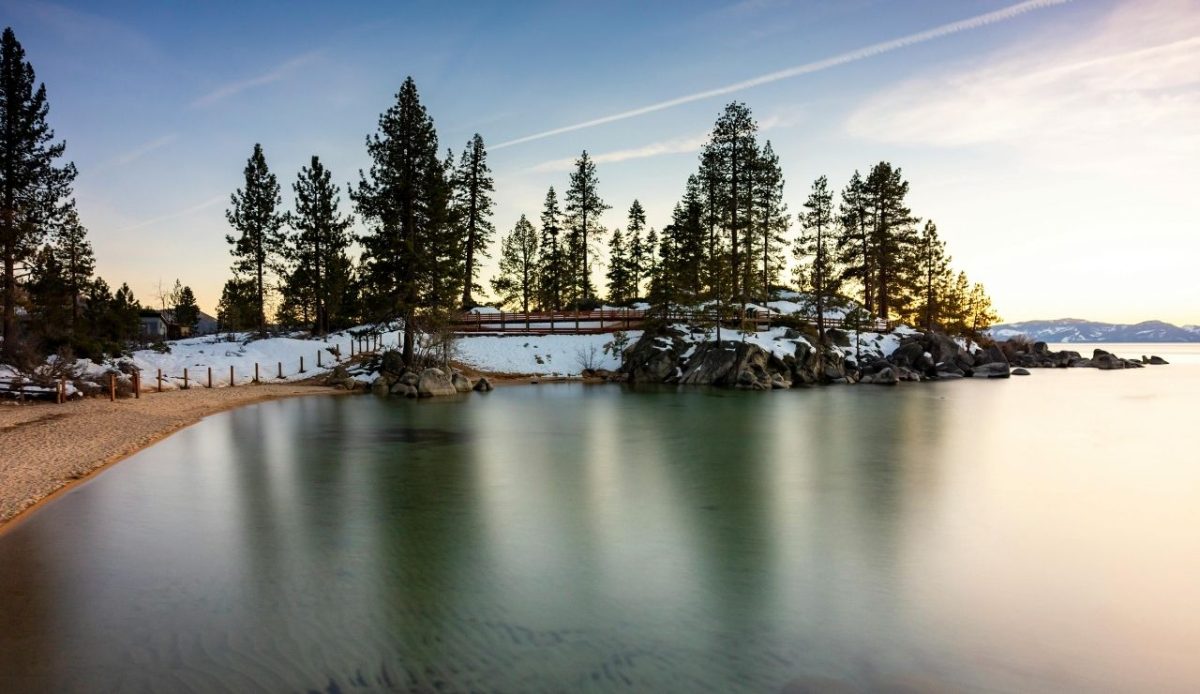
South Lake Tahoe faced waves of demand from ski seasons, summer lake travel, and large events. Vacation rentals spread through residential blocks, so neighbors experienced frequent turnover and more noise and parking strain.
The city attempted to impose strict limits on rentals, and court challenges reshaped what could be enforced and where hosting was allowed. Each legal shift changed supply quickly, which affected pricing and availability for local workers.
Seasonal staff searched farther from the core for rooms, and neighborhoods became less stable during peak months. The shoreline stayed the same, but day-to-day boundaries were redrawn by regulation and visitor volume.
