
U.S. airlines have changed dramatically over the past decade. Once plagued by delays, cramped seating, and uneven service, many have invested heavily in reliability, technology, and cabin upgrades to win back travelers’ trust. Some budget carriers are refining their low-cost models, while established names are reinventing themselves with stronger customer focus. This ranking examines ten airlines based on traveler feedback, recent performance, and visible progress in comfort and consistency. From semi-private newcomers to long-standing giants, each entry reflects how far the industry has moved from its most frustrating years toward a more dependable flying experience.
1. JSX
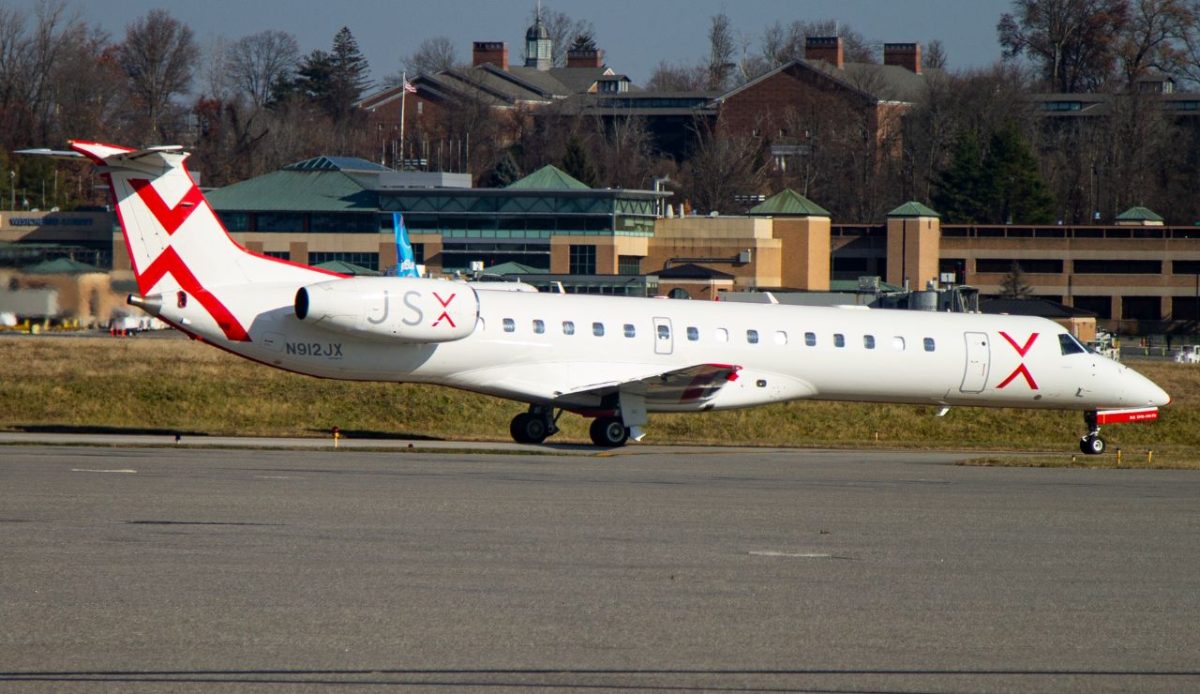
JSX once faced skepticism because its semi-private model broke the traditional airline mold. Some travelers doubted its scalability and cost-benefit. Over time, it proved its value by operating small 30-seat jets from private terminals in cities like Dallas, Los Angeles, and New York. The result: fast check-ins, minimal queues, complimentary drinks, and spacious leather seating compared with many commercial flights. With free WiFi, direct boarding from hangars, and business-class-level comfort at competitive fares, JSX has earned top marks from travelers who value time, comfort, and consistent service.
2. United Airlines
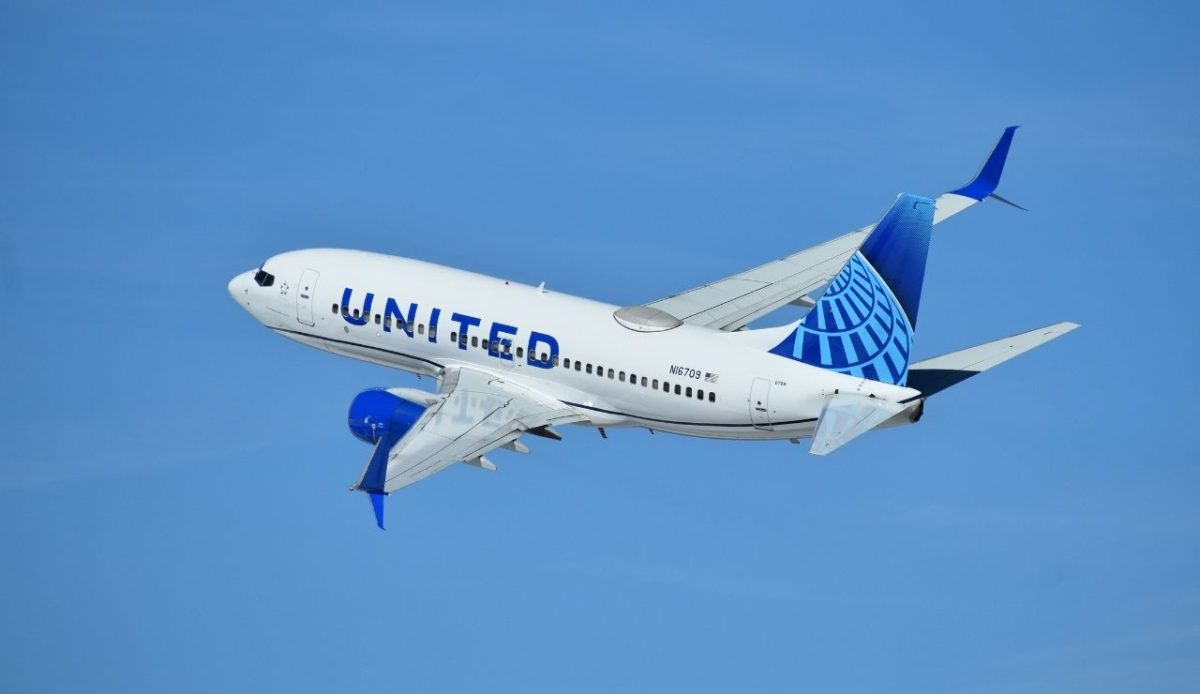
United once struggled with poor reliability and customer satisfaction, often ranking low among major U.S. carriers. Today it invests heavily in aircraft, staff training, and digital tools to improve performance. Its ConnectionSaver app helps passengers make tight connections, and upgraded in-flight WiFi enhances the experience. United now serves more destinations than any U.S. airline and reports consistent improvement in punctuality. By rebuilding its reputation through steady upgrades and operational focus, United has become a dependable option for both business and international travelers.
3. American Airlines
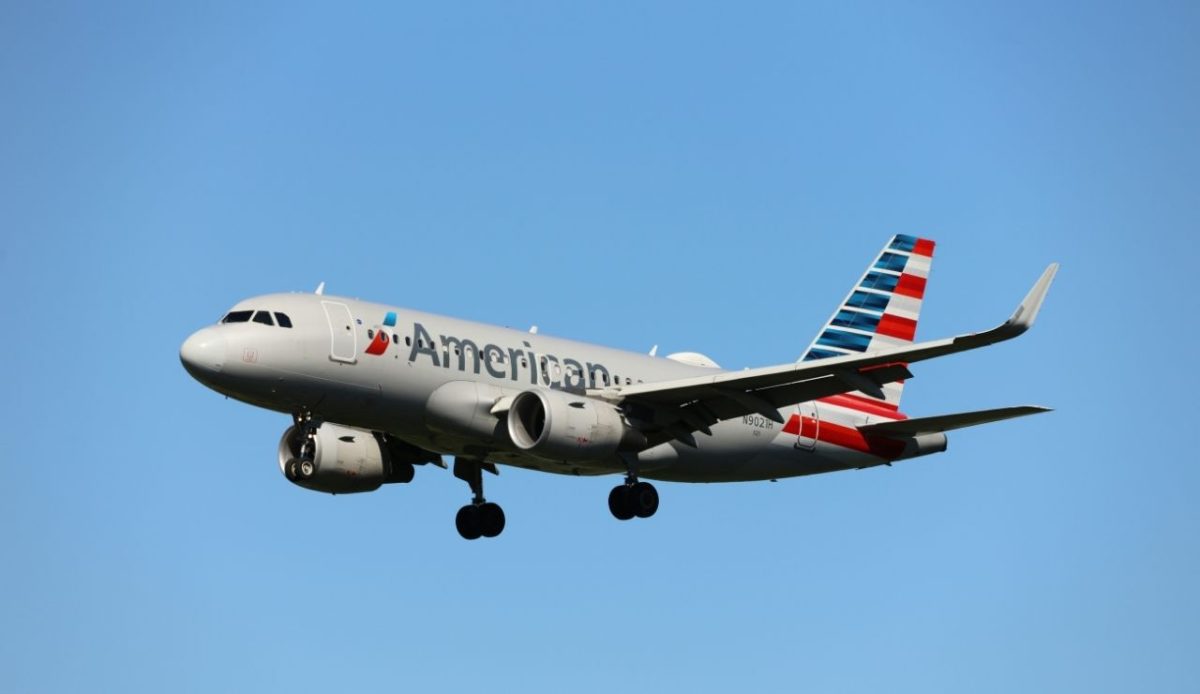
American Airlines was long criticized for outdated cabins and inconsistent service across its vast network. Recent years have seen a clear turnaround. The airline continues modernizing lounges, adding newer aircraft, and refining loyalty programs to match passenger expectations. It now serves more than 350 international destinations and hundreds of domestic routes, ensuring strong connectivity through hubs like Dallas/Fort Worth and Miami. While its in-flight WiFi and meals still vary by route, American’s overall consistency, reliability, and expanding amenities show meaningful progress from its earlier reputation.
4. Alaska Airlines
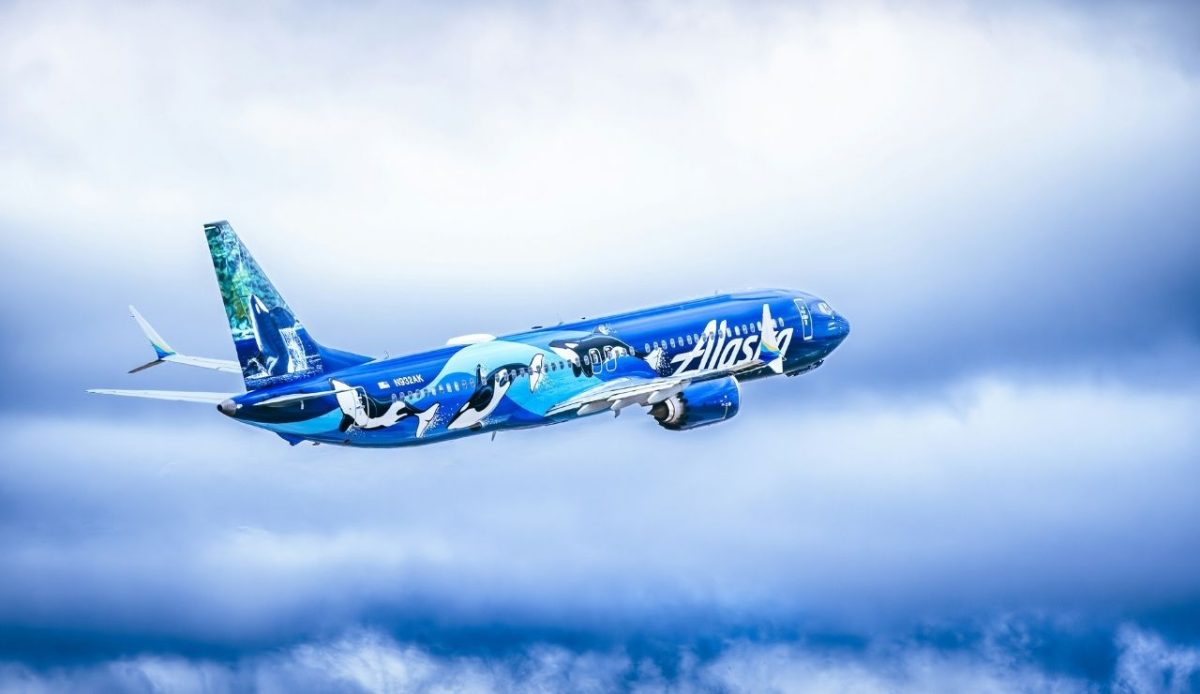
Once seen as a regional player, Alaska Airlines faced limits in recognition and reach compared with national competitors. Through strategic expansion and partnerships, it has grown into one of the most trusted names in domestic travel. The Seattle-based carrier earns high marks for punctuality, friendly staff, and sustainability efforts through cleaner fuel initiatives. Passengers appreciate spacious seating, early boarding for families, and dependable WiFi. By combining attentive service with efficient operations, Alaska continues to climb traveler rankings as one of the most dependable airlines in the country.
5. Southwest Airlines
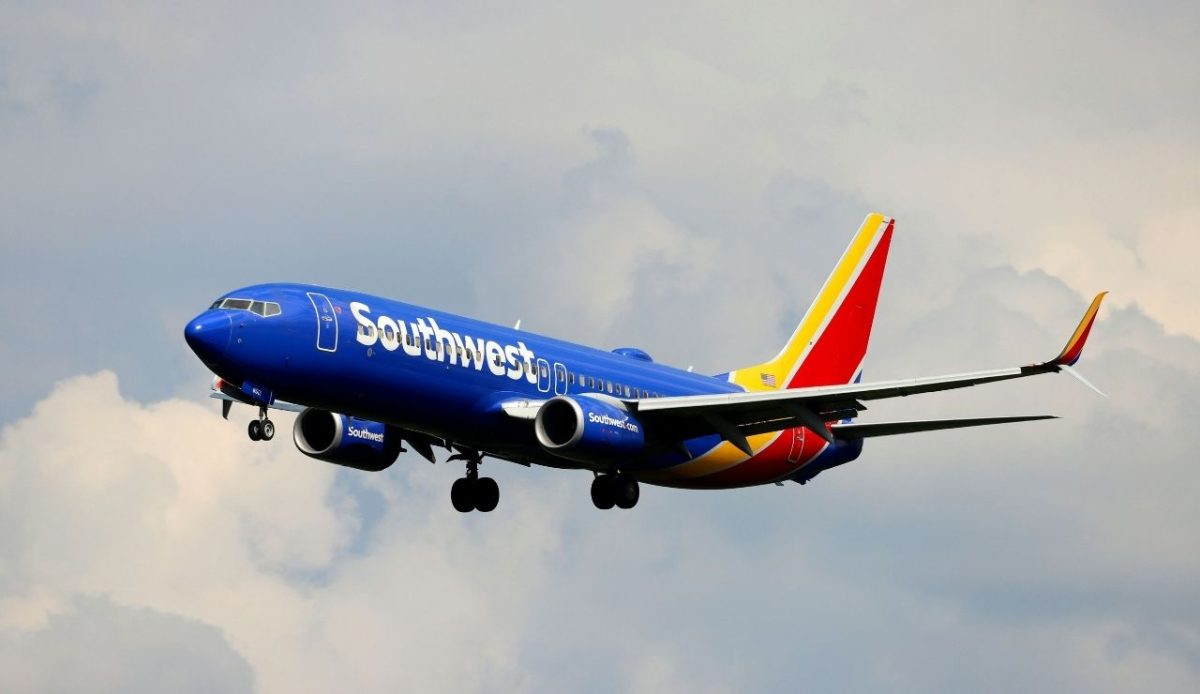
Southwest was known for value but also for open seating and a small international footprint that sometimes left travelers divided. In recent years, it has kept its affordable image while improving structure and comfort. With routes serving more than 100 U.S. cities plus destinations in Mexico and the Caribbean, Southwest continues to grow. It’s two free checked bags and no hidden-fee policies that remain major advantages. Assigned seating, planned for 2026, will address one of its longest-running criticisms. The airline’s mix of transparency, affordability, and friendly crews keeps passengers loyal.
6. Delta Air Lines
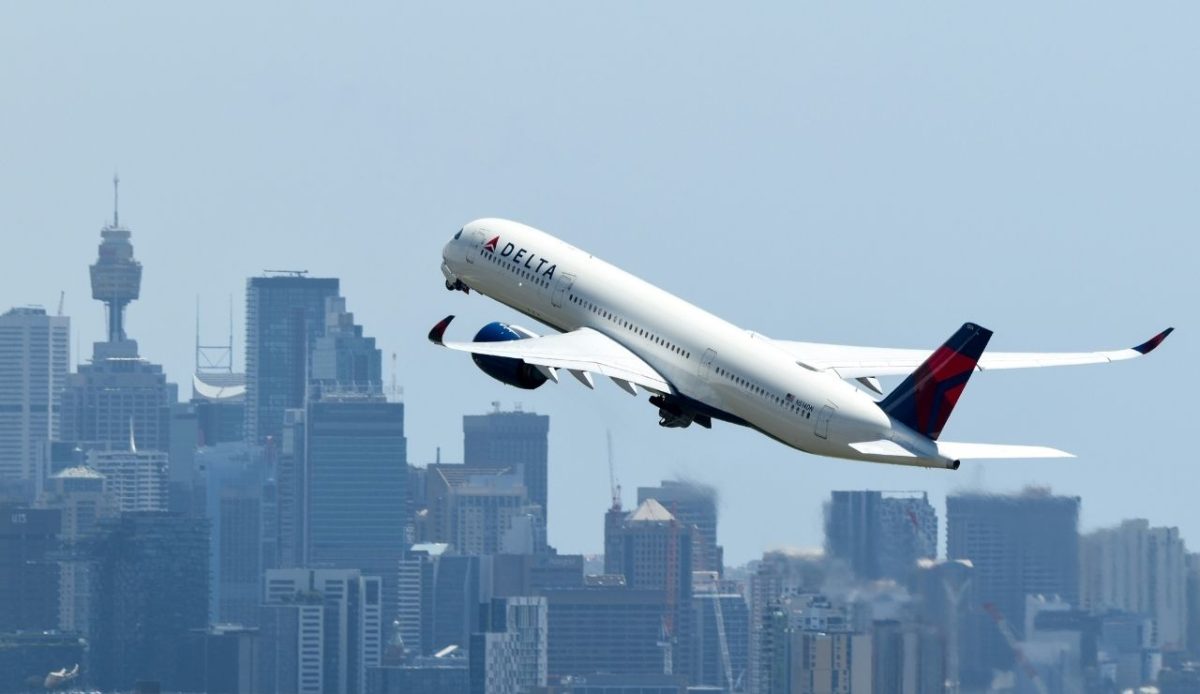
Delta once faced complaints about high fares and inconsistent service quality across its vast network. The airline responded with large-scale investment in operations, terminals, and technology. Passengers now benefit from improved on-time performance, refreshed cabins, and reliable in-flight connectivity. The Fly Delta app streamlines rebooking and updates, while terminals like LaGuardia’s new concourse have elevated the ground experience. With consistently trained crews and smoother flights, Delta has regained trust and remains one of the most reliable and polished airlines in the U.S.
7. JetBlue Airways
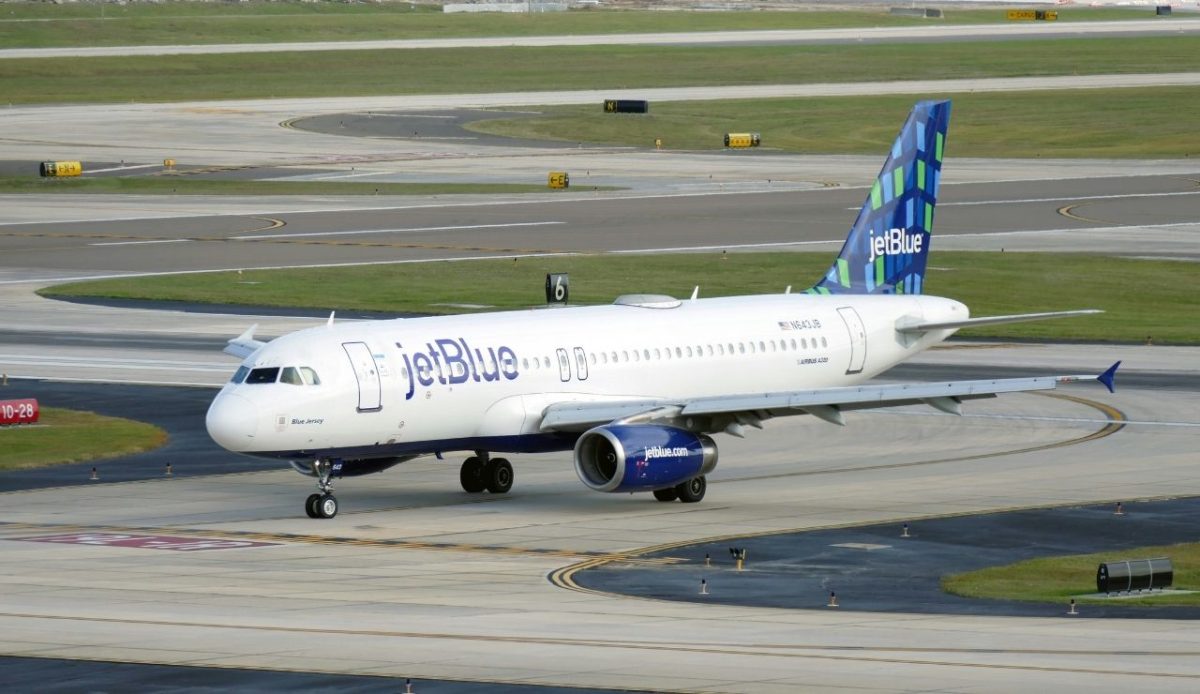
JetBlue once faced confusion over fare tiers and criticism for occasional service gaps as it grew rapidly. It has since refined its pricing structure and doubled down on comfort. Passengers now enjoy seatback entertainment, free WiFi, and more legroom than most competitors. Its Mint cabin offers lie-flat seats and premium dining on select routes at mid-tier prices. With transatlantic expansion from New York and Boston and consistently high customer service ratings, JetBlue has evolved from a midrange option into a recognized leader in affordable comfort and innovation.
8. Hawaiian Airlines
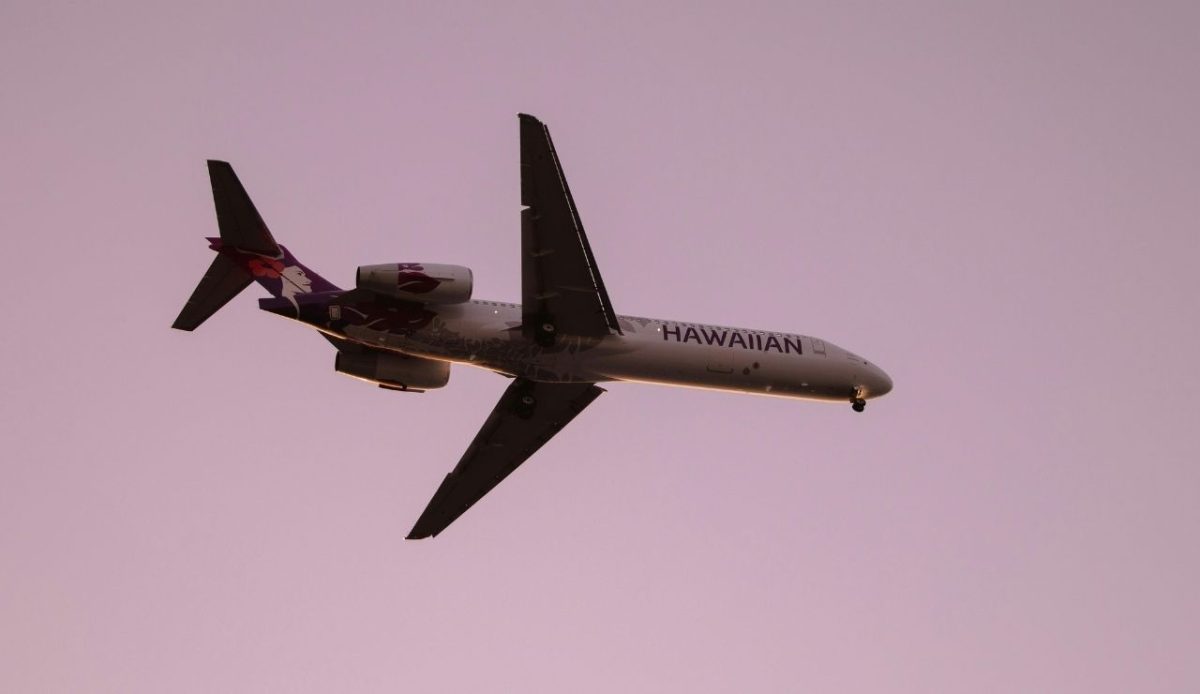
Hawaiian once received mixed reviews for its limited mainland service and dated interiors. The carrier has since refocused on reliability and hospitality. It now leads U.S. airlines in on-time arrivals while offering one of the most distinctive onboard atmospheres, emphasizing Hawaiian culture through locally sourced coffee, snacks, and service. Modernized aircraft and partnerships have extended its reach without losing the warmth travelers expect. While smaller in scale, Hawaiian now stands as a model of how regional identity and consistent performance can combine for a top-tier travel experience.
9. Frontier Airlines
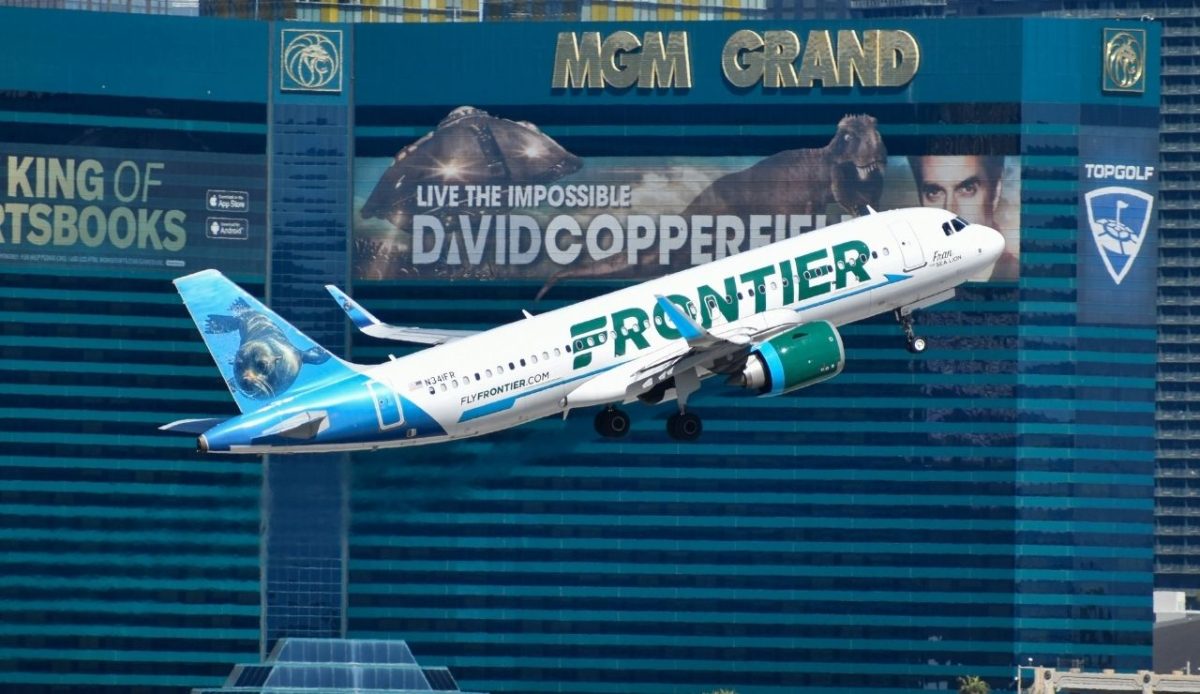
Frontier’s reputation once hinged on rock-bottom fares paired with cramped seats and frequent delays. Recent years have brought moderate improvement in schedule reliability and expansion across North America. Its ultra-low-cost model still means add-on fees for bags, seats, and refreshments, yet travelers who plan carefully can still fly at unbeatable prices. Frontier’s refreshed network now spans more than 100 destinations, offering simple, point-to-point service that favors budget-conscious passengers. The airline’s incremental progress shows it can maintain affordability while improving day-to-day dependability.
10. Spirit Airlines
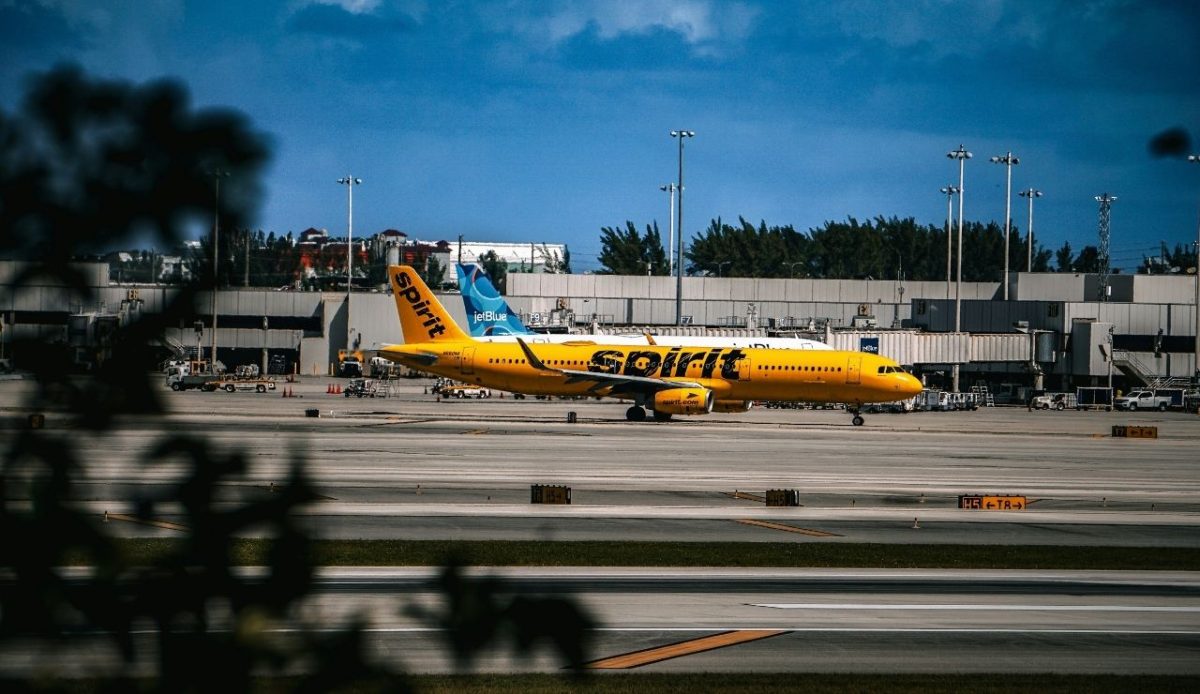
Spirit became known for cramped cabins, hidden fees, and minimal service. Over time, the airline has added newer aircraft, refined scheduling, and improved overall reliability. Fares remain extremely low, but passengers now enjoy cleaner planes and faster boarding thanks to digital tools. Routes across the U.S., Latin America, and the Caribbean continue to expand. Spirit’s upgrades in efficiency and punctuality haven’t turned it into a luxury carrier, but they’ve made it more predictable and accessible for travelers seeking the lowest possible fare without surprise costs.
