
Travelers who want strong culture, fair prices, and lighter crowds keep turning toward countries that remain outside the usual circuits. This list focuses on places where visitor money stretches, infrastructure is improving, and local traditions still guide daily life. You find stone monasteries, coral reefs, high deserts, and volcano lakes within reach of simple guesthouses and regional buses. Half the appeal lies in present-day experiences: cafés, markets, small museums, and city walks. The rest comes from history and nature that invite unhurried days. Use this guide to pick a starting point, learn the basics, and plan a trip that rewards curiosity without draining your budget.
1. Armenia
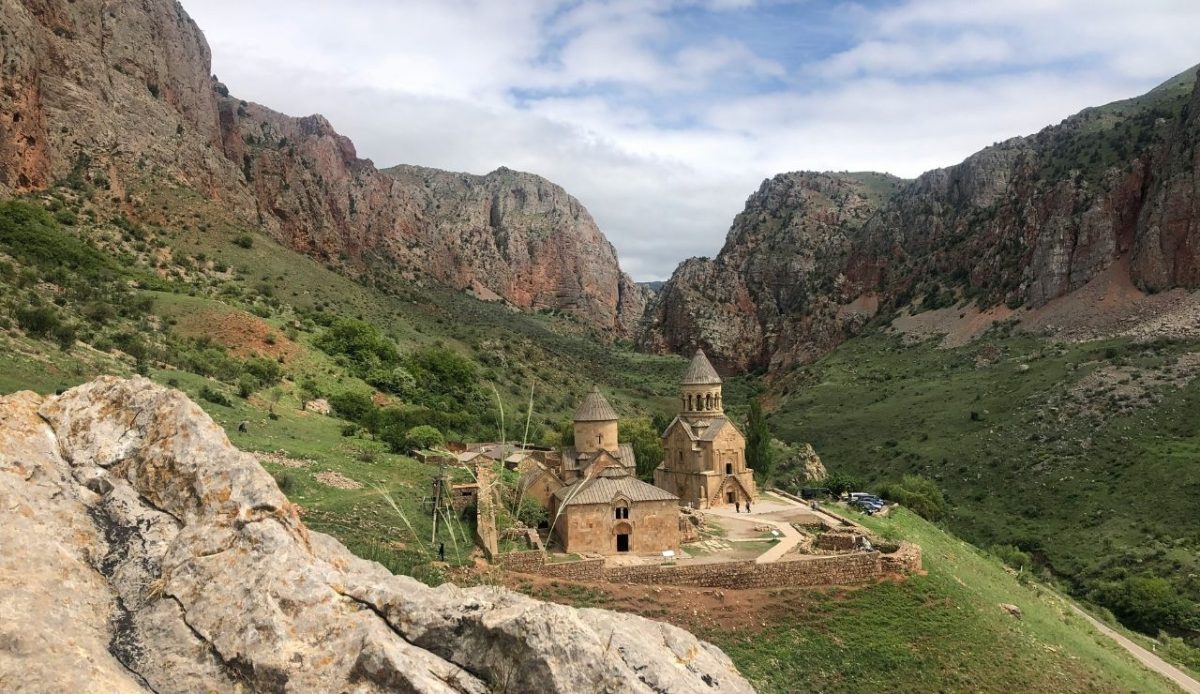
Armenia rewards travelers who want depth without high costs. The country claims the earliest adoption of Christianity, and its heritage shows up everywhere: in cliffside sanctuaries, khachkar stone carvings, and quiet hermitages tucked into green canyons. Yerevan combines Soviet-era blocks with new galleries and coffee bars, while day trips reach Garni’s pagan temple and the high-country fortresses of Lori. South of the capital, Goris opens hiking paths through cave hamlets and leads toward Tatev, a mountain monastery reached by a record-length cable car. Prices for guesthouses and drivers remain reasonable.
2. Nicaragua
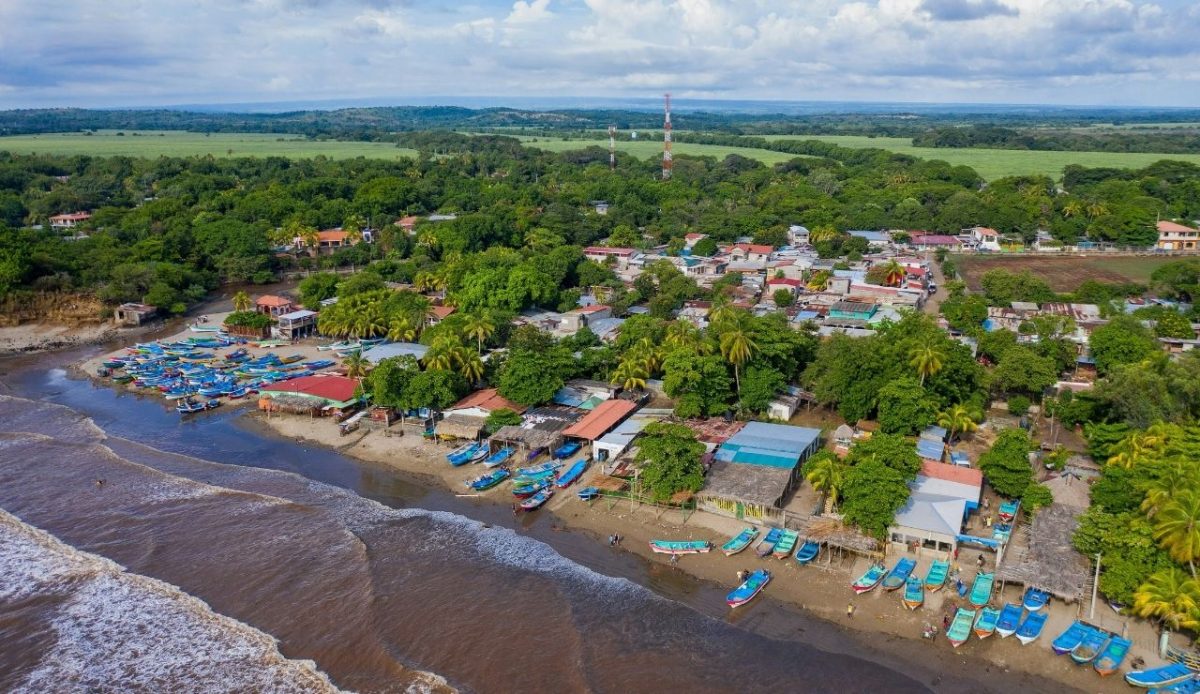
Nicaragua offers colonial towns, Pacific surf, and jungle lodges at prices that keep budget trips realistic. Granada’s painted facades frame plazas and bell towers; León adds student energy and murals that tell modern history. Lake Nicaragua supports ferries to Ometepe, where twin volcanoes create scenes for hikes, biking, and freshwater swims. On the Caribbean side, the Corn Islands provide reef snorkeling and a slower rhythm. Food stands sell vigorón and nacatamales, both hearty and inexpensive. Visitor safety improves when travelers use registered taxis and avoid unlit areas at night, especially in Managua.
3. Nepal
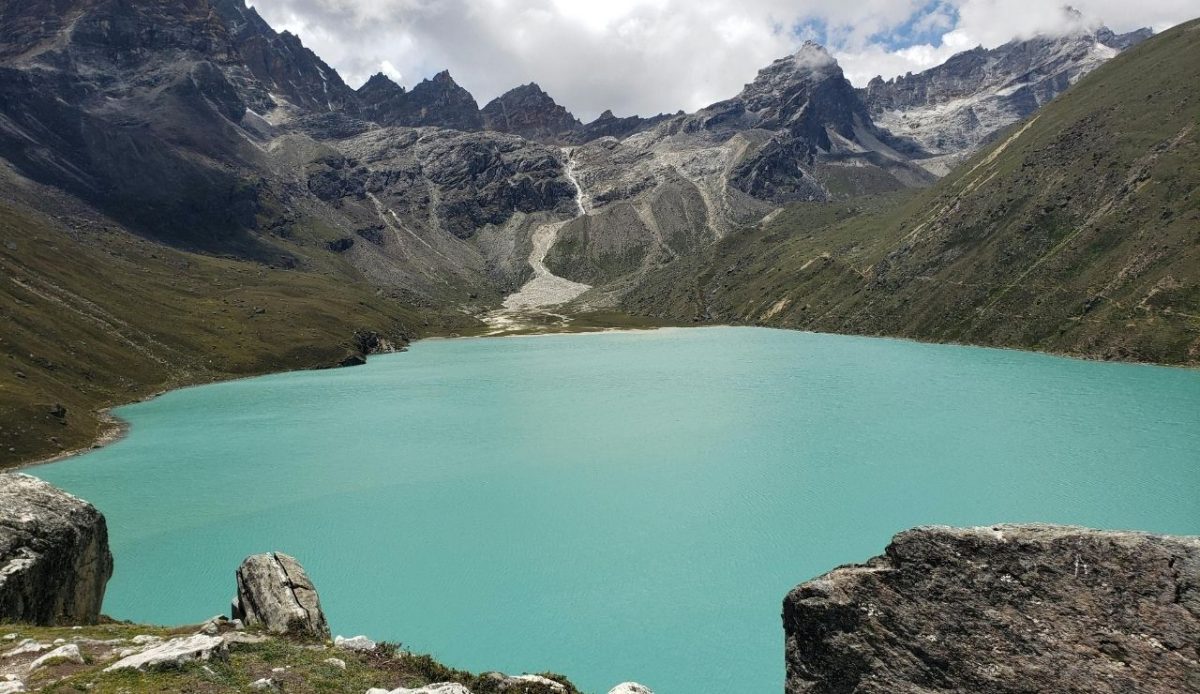
Nepal balances Himalayan adventure with city culture that fits unhurried itineraries. Kathmandu Valley holds temples, squares, and markets where Hindu and Buddhist practices share close quarters. Restored shrines in Patan and Bhaktapur sit beside artisan workshops that still use traditional methods. Trekkers target Annapurna or Langtang for multi-day routes with tea houses that keep logistics simple. Those who prefer day hikes can base themselves in Pokhara for lake views and short ridge walks. Costs remain favorable for rooms and meals, and guides add safety at altitude. Plan gradual elevation gains, read up on acute mountain sickness, and schedule rest days so your body keeps pace.
4. Iran
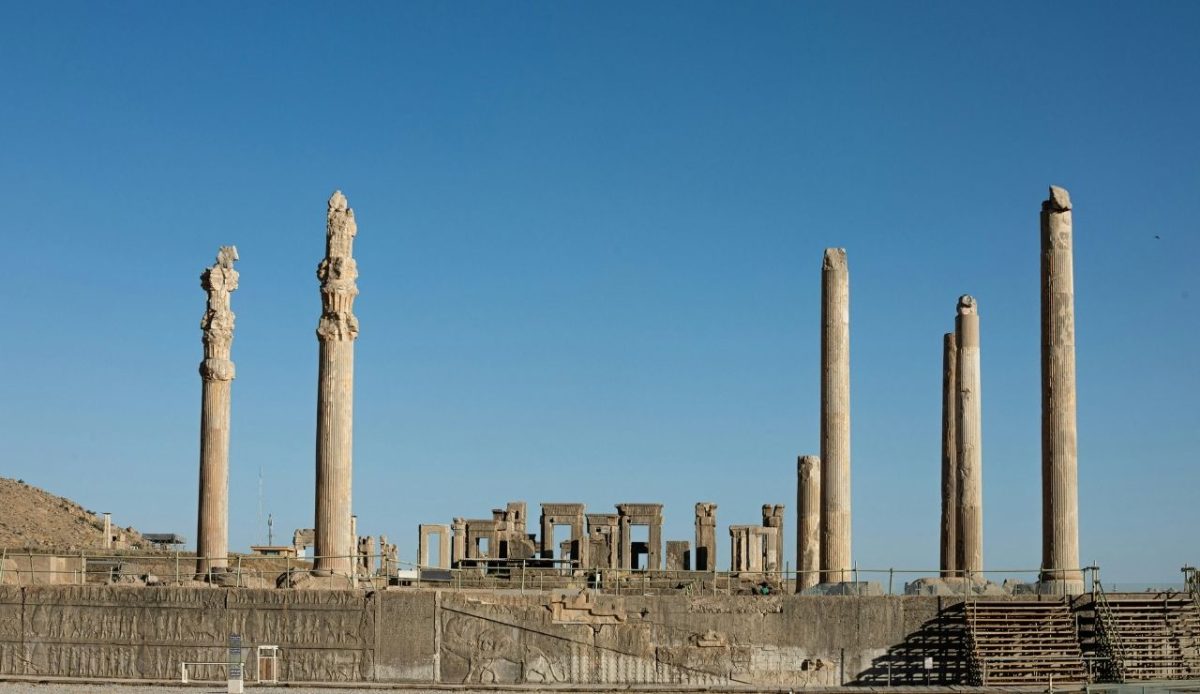
Iran impresses through craftsmanship, hospitality, and layered history. Isfahan’s tiled mosques, Shiraz’s gardens, and Yazd’s adobe windcatchers show different chapters of Persian design. Tehran’s museums help decode it all, from Achaemenid stone reliefs to Qajar paintings. The highlight for many stays remains conversation, shopkeepers who pour tea, families who insist you try their home dishes, and students eager to practice English. Travel requires attention to rules: modest clothing, respect for prayer times, and awareness of visa terms. Long-distance buses and domestic flights connect major cities at fair prices. With patience and courtesy, your days fill with architecture, poetry, and generous everyday encounters.
5. Kosovo
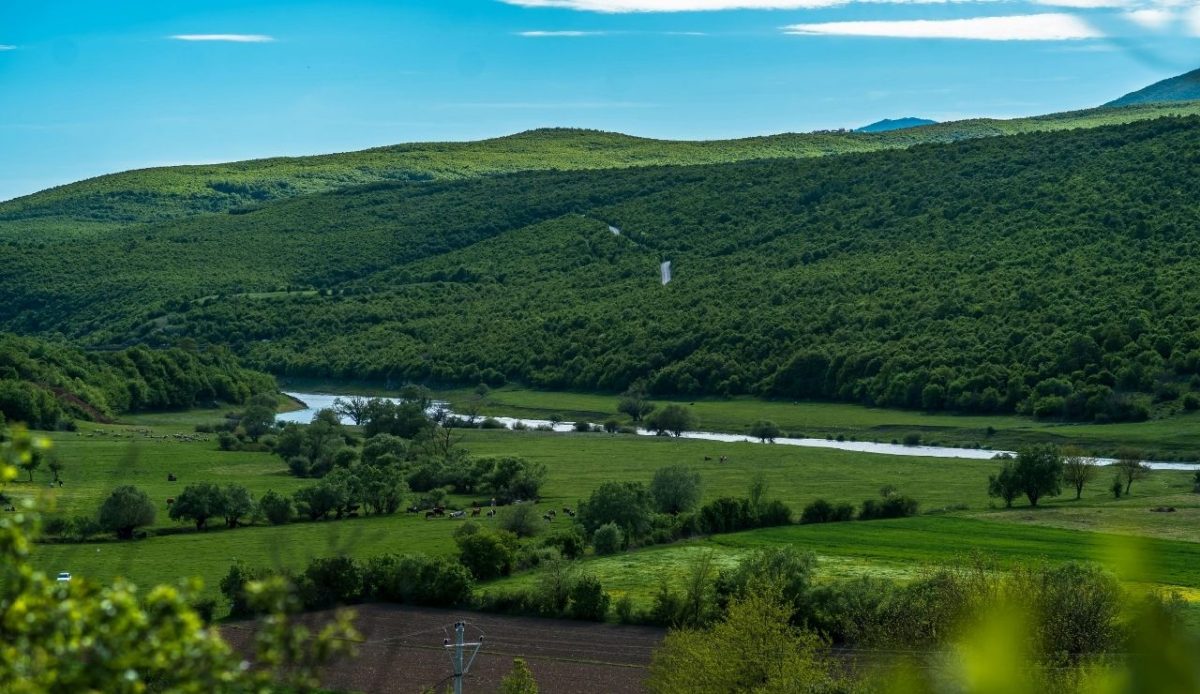
Kosovo gives a compact entry to the Balkans with low costs and a youthful vibe. Pristina buzzes with cafés, bookshops, and galleries, while Prizren preserves cobbled lanes, stone bridges, and a hilltop fortress that overlooks red-roofed streets. Beyond town, the Šar Mountains provide summer hikes and winter skiing on uncrowded slopes. Burek shops, grill houses, and strong coffee fuel long days out. Buses link cities often and cheaply, and guesthouses are easy to book. Visitors should keep to marked trails in remote zones and follow local advice near borders. For travelers who like small-country scale and candid conversations, Kosovo delivers quickly.
6. Uzbekistan
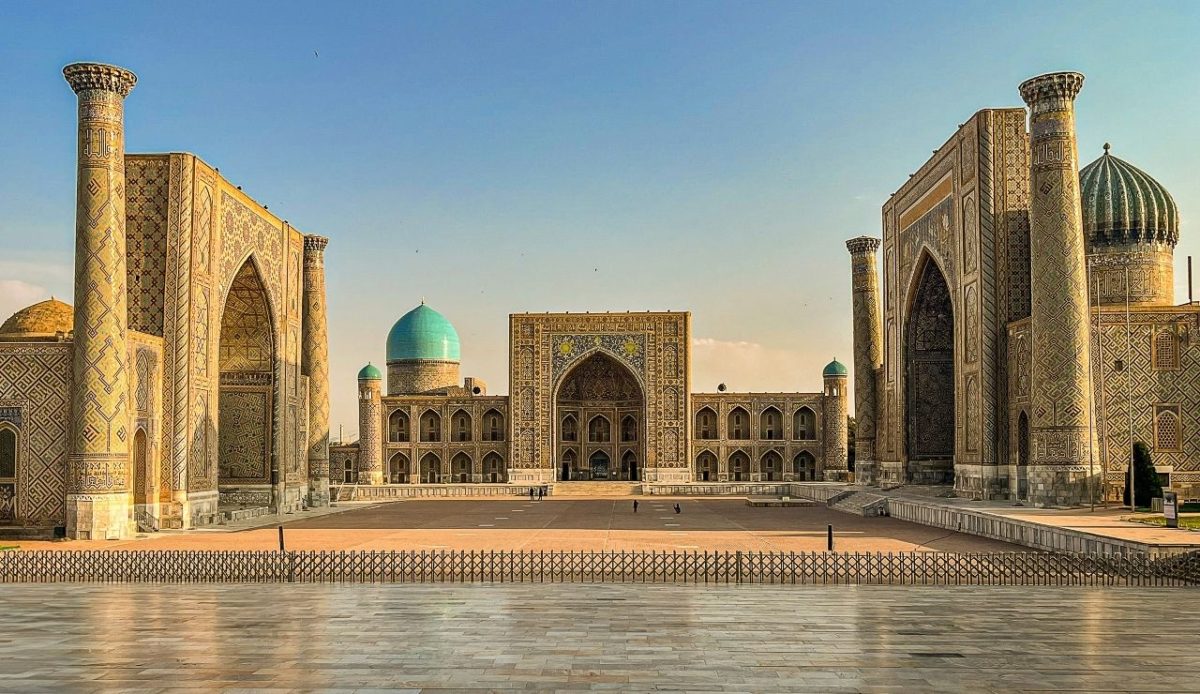
Uzbekistan brings the Silk Road to life with restored madrasas, caravanserai courtyards, and turquoise cupolas. High-speed trains connect Tashkent with Samarkand, Bukhara, and Khiva, turning a classic route into an efficient loop. Each city offers a distinct mood: Samarkand’s grand squares, Bukhara’s maze of trading lanes, Khiva’s preserved inner town. Markets sell cumin, dried apricots, and bread stamped with sun patterns. Meals center on plov, shashlik, and hand-pulled noodles, all affordable and filling. Visa reforms and e-visas have reduced friction for many passports. Dress modestly near holy sites, skip political talk with strangers, and focus on crafts, history, and warm everyday exchanges.
7. Albania
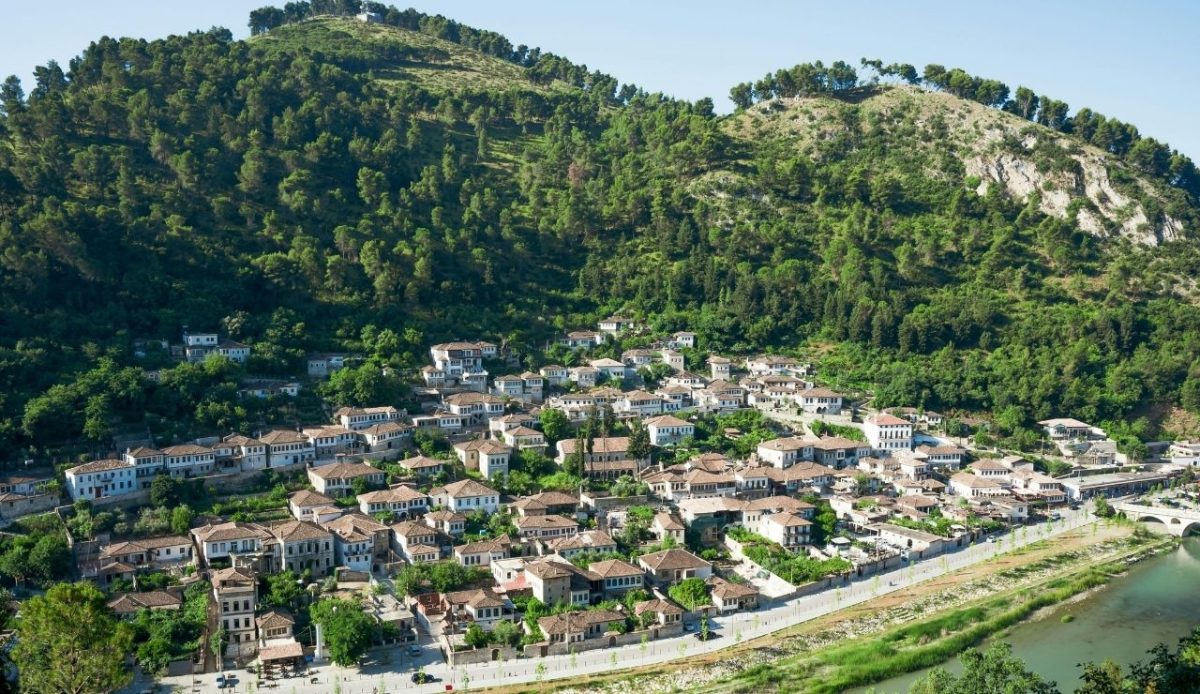
Albania pairs mountain trails with clear seas and towns that keep their historic core intact. Berat and Gjirokastra showcase Ottoman-era houses stepping up steep hills, while the Albanian Riviera runs past pebble coves, fishing boats, and simple seafood grills. North, the Accursed Mountains offer hut-to-hut hikes between valleys covered with wildflowers in spring. Tirana’s museums and new eateries round out city time, and bus travel stays affordable if not perfectly punctual. Family-run guesthouses provide breakfasts heavy on yogurt, honey, and local cheese. Travelers who stay flexible with schedules gain the most, trading strict timetables for friendly help and fresh coastal air.
8. Timor-Leste (East Timor)
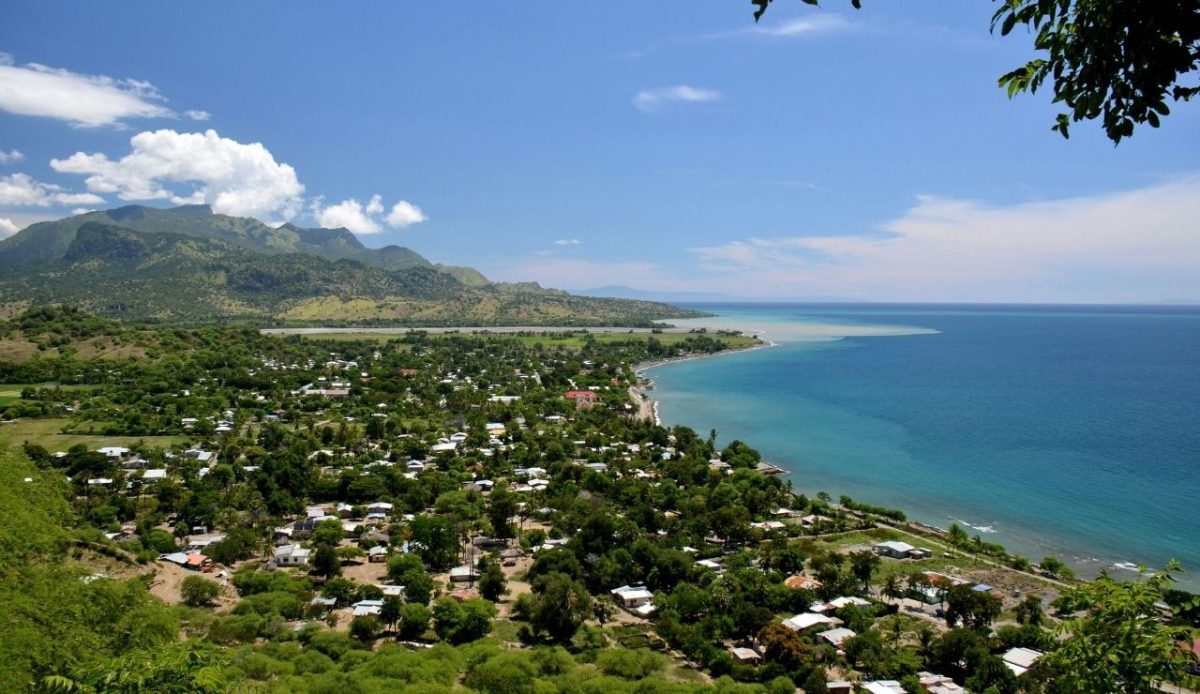
Timor-Leste rewards patient travelers with reefs of rare color, empty beaches, and a mix of Tetum and Portuguese influences in food and street life. Dili anchors trips with dive shops, markets, and waterfront walks. Day boats reach coral walls that drop off within kicking distance of shore. Inland, mountain roads climb toward coffee villages where homestays welcome guests during harvest. Prices for diving remain fair compared with busier parts of Southeast Asia. Infrastructure varies by region, so plan extra time between towns and avoid night driving. A respectful approach and modest dress earn smiles, local tips, and invitations to community events.
9. Georgia
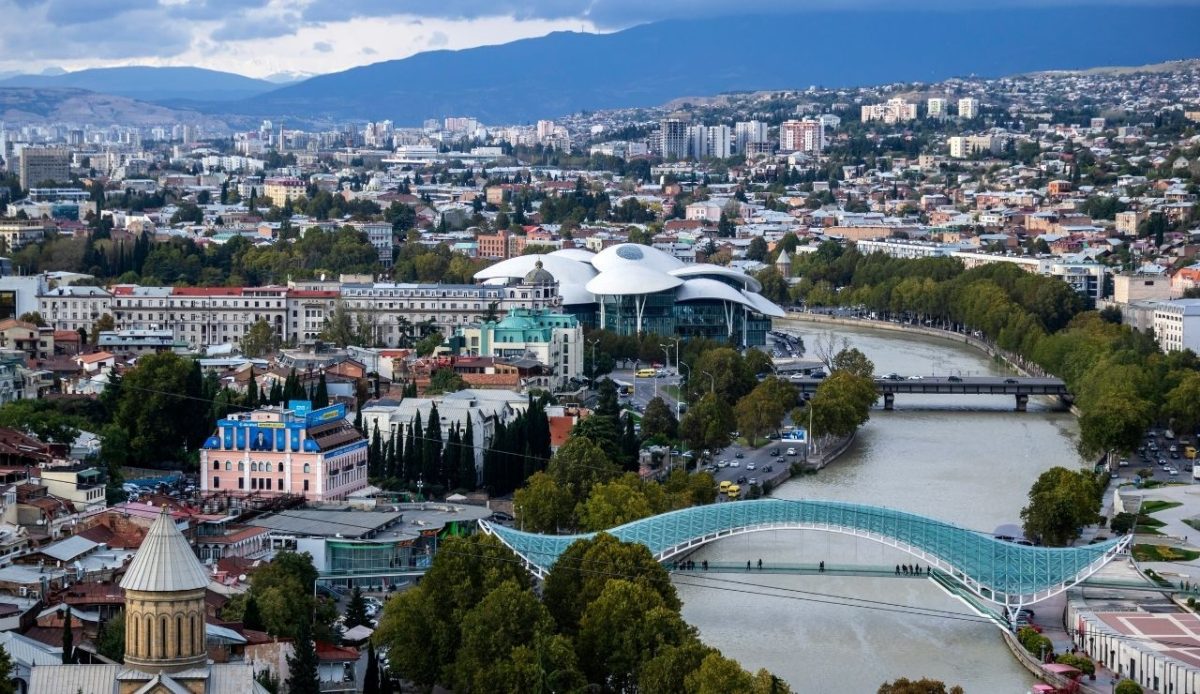
Georgia offers vineyard plains, Black Sea resorts, and high-alpine culture within a few hours’ drive of Tbilisi. The capital rewards long walks through sulfur-bath districts, balcony houses, and basement bakeries turning out khachapuri. East of town, Kakheti showcases qvevri wine traditions and hillside monasteries with broad views. West and north, the Caucasus ranges support summer trekking in Svaneti and winter skiing in Gudauri. Marshrutka vans keep costs low, and guesthouses cook generous dinners that double as cultural lessons. The welcome feels immediate, yet customs matter: toasting etiquette, church dress codes, and a pace that values conversation before logistics.
10. Tunisia
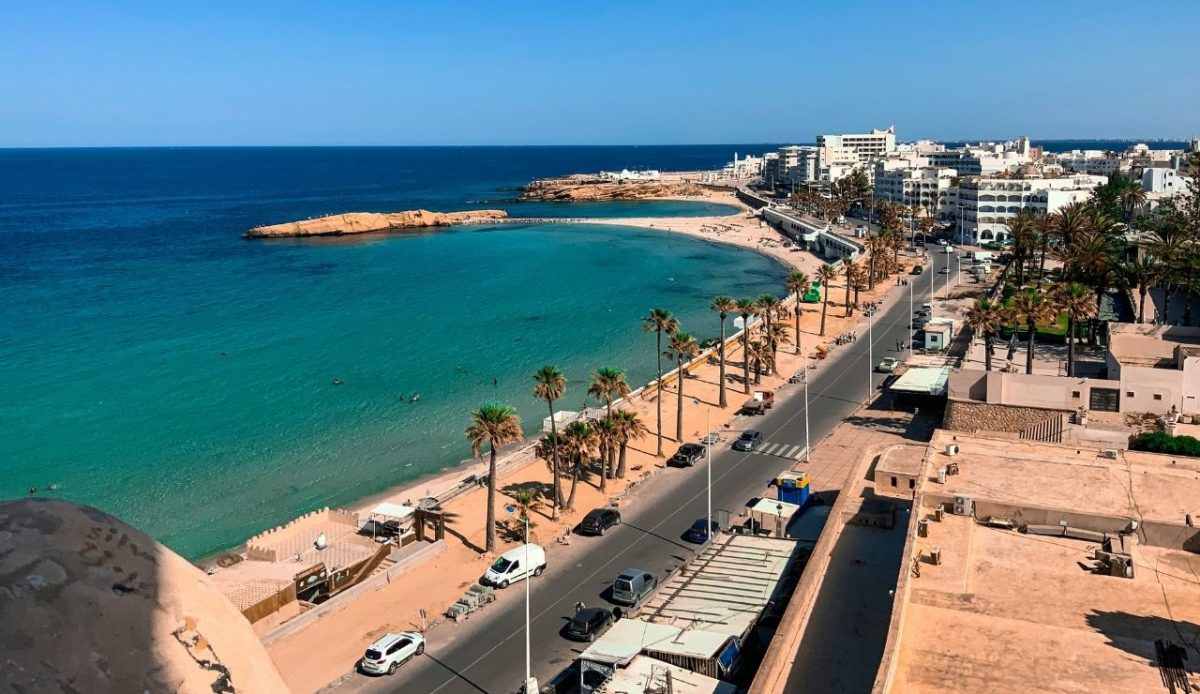
Tunisia places Roman amphitheaters, medina lanes, and Sahara dunes within a compact footprint. Tunis pairs the Bardo’s archaeological halls with a lively old quarter of tile-lined courtyards. Carthage and El Jem stand as showpieces of antiquity, while Sidi Bou Said adds sea views and blue-trimmed houses. Southward, desert camps offer sunrise walks over sand ridges and starry nights. Buses and shared taxis knit the country together at low cost. Travelers reduce stress by choosing smaller guesthouses and visiting headline sites early. With sensible precautions, trips feel smooth and varied, moving easily between coast, oasis towns, and historic ruins.
