
Cruise vacations make spending feel effortless. Shops, bars, and “limited-time” offers line every deck, designed to keep travelers purchasing without hesitation. The relaxed setting blurs awareness of pricing, and many passengers assume the costs reflect convenience. In reality, several onboard products are marked up far beyond their land value or can be purchased elsewhere for far less. From drink packages to souvenir stalls, many expenses bring little return on enjoyment. Recognizing these traps helps travelers save money, avoid regret, and enjoy their cruise with a clear sense of control.
1. Drink Packages You’ll Never Fully Use

Unlimited drink packages sound practical, yet most travelers don’t consume enough to justify the price. These deals often include hidden costs like gratuities, service charges, and limits on which beverages qualify. Passengers who drink occasionally end up subsidizing heavier drinkers, making the package a losing deal. Buying drinks individually gives more freedom and transparency while keeping spending lower. Some cruise lines allow small quantities of bottled water, wine, or soda to be brought onboard. Using that allowance and tracking what you actually drink prevents waste and unnecessary costs over the course of the voyage.
2. Everyday Toiletries and Essentials
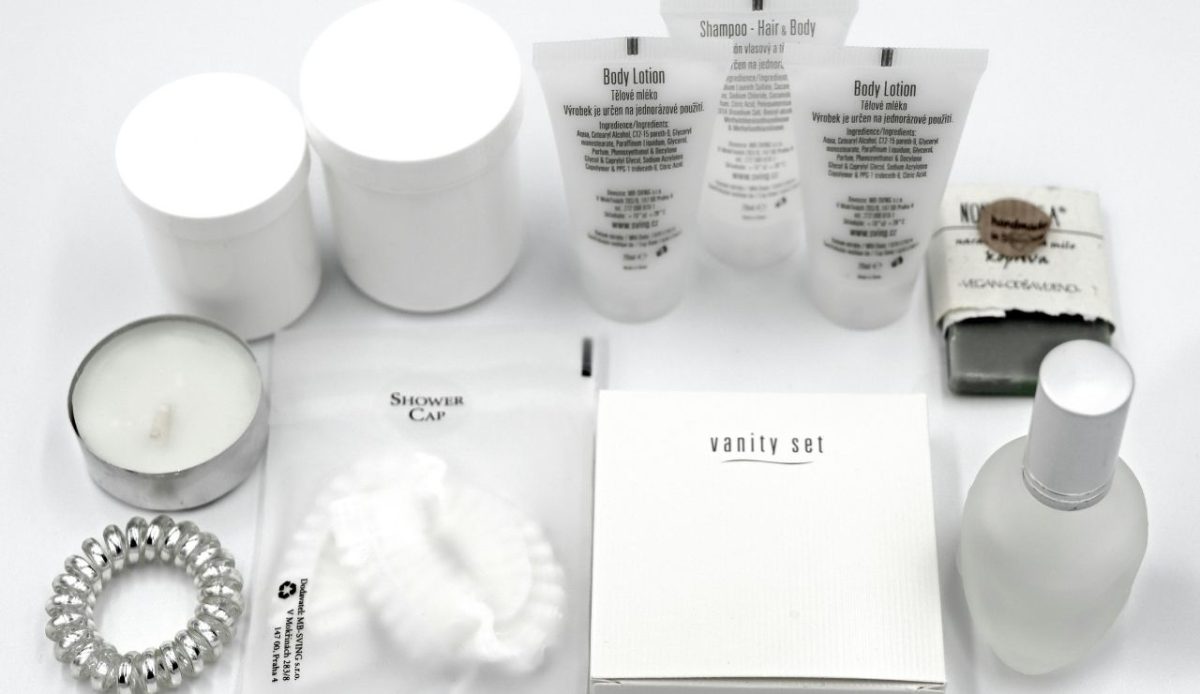
Forgetting shampoo, toothpaste, or sunscreen may seem harmless until you see the onboard prices. Cruise boutiques capitalize on necessity, charging premium rates for everyday items that would cost a fraction on land. Even over-the-counter medicines like pain relief or motion sickness tablets can triple in price once the ship sails. The best solution is preparation. Pack travel-sized toiletries, refill bottles at home, and store extras in a small pouch. If something runs out, wait until a port stop to restock from local supermarkets or pharmacies. A little organization before the trip avoids overspending later.
3. Bottled Water and Soft Drinks

Purchasing bottled beverages on board quickly turns into a daily expense. Cruise ships often charge several dollars per bottle, adding gratuities and service fees to each purchase. Most vessels already have filtered water stations available around the clock, and the water meets strict health standards. Bringing a reusable bottle allows easy refills and reduces plastic waste. During port stops, local stores sell multipacks at normal prices. Planning keeps hydration simple and budget-friendly, leaving more room for meaningful spending rather than small, repeated charges throughout your voyage.
4. Spa Treatments with Inflated Prices

Shipboard spas attract guests looking for relaxation, yet their rates easily exceed high-end resorts. A simple massage can cost hundreds once gratuities and add-ons are applied. Many treatments also include pressure to buy costly skincare products before leaving the room. While the ambiance feels inviting, identical services in port or back home cost far less. Many destinations now feature reputable spas within walking distance of the terminal. Scheduling an appointment there gives the same peaceful escape without the steep markup. Relaxation should calm your mind—not empty your wallet.
5. Jewelry and “Luxury” Watches

Cruise jewelry stores frequently market “duty-free” deals to draw in passengers seeking a good buy. The promise sounds convincing, yet the reality often disappoints. Many pieces are made exclusively for cruise retail, which means they’re not part of recognized luxury brands. Prices are marked to appear discounted but often match or exceed standard retail levels. Proper jewelry shopping requires comparing prices, verifying authenticity, and checking warranties—none of which are easy on vacation. Waiting to shop at home allows access to certified retailers and a clear return policy that protects your investment.
6. Art Sold at Onboard Auctions

Art auctions create excitement with free drinks, fast bidding, and charismatic presenters. Passengers feel they’re buying valuable collectibles, when most pieces are reproductions or prints labeled as “limited editions.” These works come with inflated appraisals and expensive shipping fees, making them poor investments. Art should be purchased after careful research and consideration, not during a vacation presentation. If you love a piece, note the artist’s name and review their work later from home. Genuine art appreciation thrives on understanding, not on impulse sales under bright stage lights.
7. Duty-Free Perfumes and Cosmetics

Duty-free perfume and cosmetic counters make shopping at sea look sophisticated, but prices tell a different story. Most cost as much as department store versions once taxes and discounts are considered. The limited selection also prevents testing or comparing products. Some bottles may even come from older production runs rebranded for ship sales. Purchasing before departure offers fresher options and better deals, especially during retail promotions. Bringing your favorite fragrance or makeup ensures quality and consistency throughout your trip, avoiding overpriced “exclusive” packaging with no added value.
8. Specialty Dining Packages
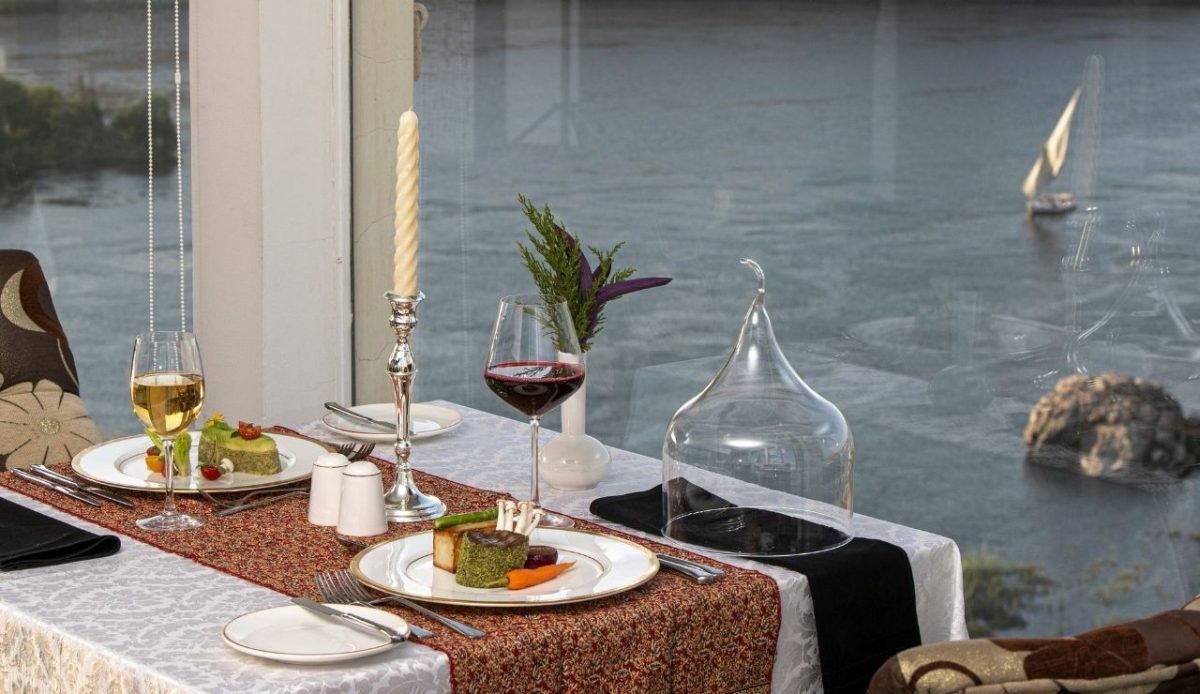
Specialty restaurants attract travelers with promises of exclusivity, yet the included dining options on most cruises already deliver variety and quality. Paying extra for multiple reservations often results in redundant menus or minor changes in presentation. Some venues even add service fees or require formal attire that limits flexibility. Trying one premium dinner à la carte can add novelty, but booking a full package rarely provides equal value. The main dining rooms and buffets offer rotating selections, themed nights, and dishes prepared by skilled chefs without any hidden cost.
9. Electronics and Memory Cards
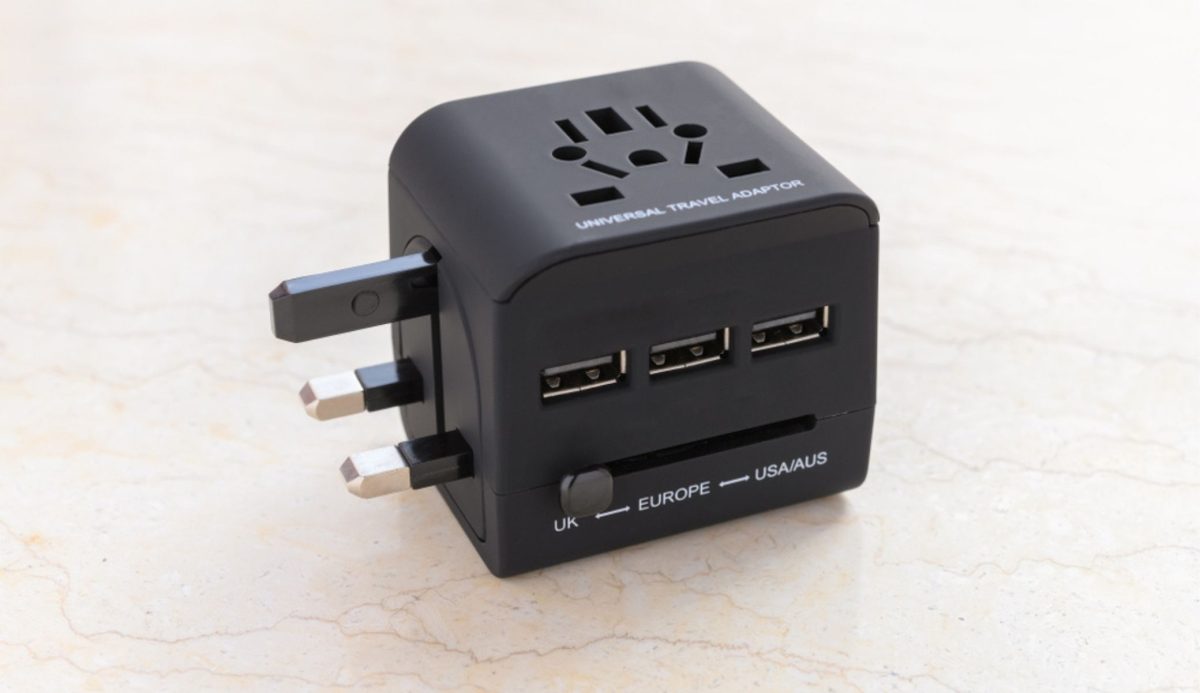
Electronic accessories onboard are marketed as travel essentials, but the convenience comes at a high price. Replacement chargers, headphones, or camera cards usually cost two or three times more than in regular stores. The selection is often outdated or limited to lesser-known brands. Packing spares before departure ensures you have what you need, and buying replacements in larger ports guarantees better pricing and quality assurance. Simple preparation keeps your devices powered and ready for photos, navigation, and communication without paying inflated prices at the ship’s boutique.
10. Laundry and Pressing Services

Laundry services onboard are charged by the piece, which adds up quickly over a weeklong voyage. Having a few shirts or dresses cleaned can cost as much as a full load back home. Packing lightweight, quick-dry fabrics makes it easy to rinse clothes in your cabin sink and hang them to air overnight. Some travelers also plan a stop at a local laundromat during longer cruises, where services are far cheaper. Staying organized and rotating outfits ensures freshness and comfort throughout the trip without paying resort-level laundry rates.
