
Flight attendants spend many days in airports, hotels, and planes, so they learn tricks that make travel smoother and less tiring. Even when they are not working, they use simple habits to stay comfortable, save money, and make sure every trip goes well. These ideas come from real travel experience, not guesswork, and they help with packing, food, rest, and safety. Travelers can use the same tips to enjoy easier vacations, stress-free flights, and better hotel stays without carrying lots of items or spending extra cash.
1. Tiny first-aid kit
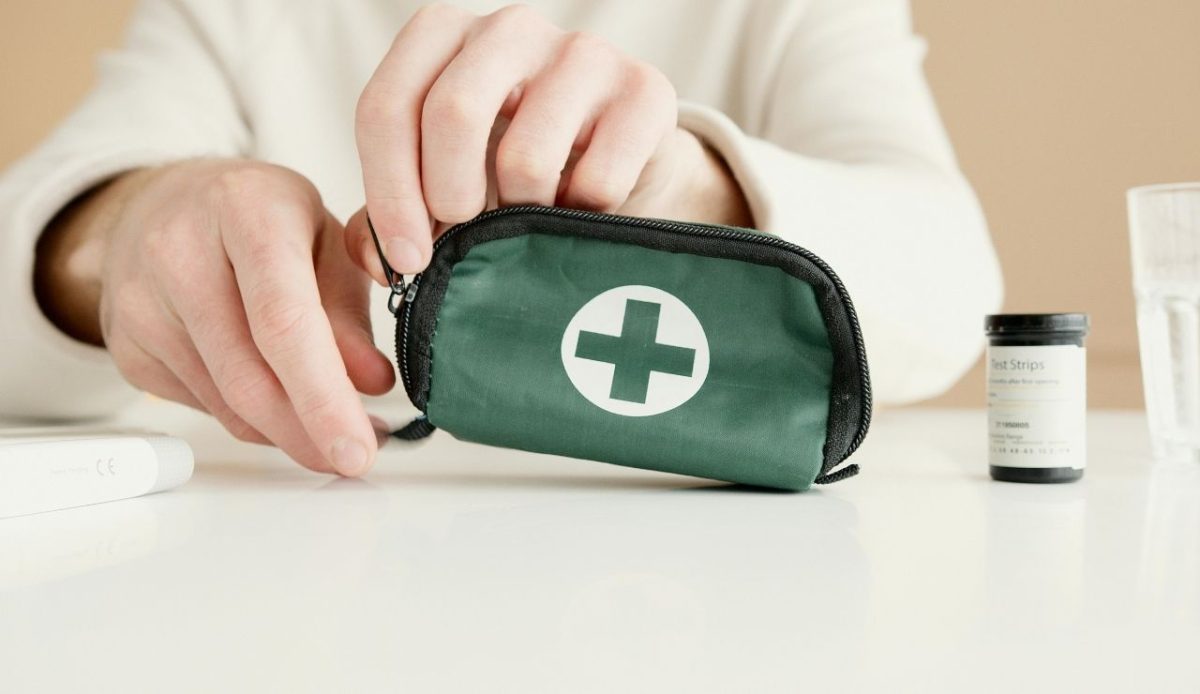
Flight attendants know travel brings small issues like cuts, headaches, and dry skin, so they keep a tiny kit with bandages, pain tablets, lip balm, and a few wipes. It fits in a pocket or purse, and it saves time when they need help fast. Travelers can copy this idea by packing only the basics in a small zip bag instead of a bulky case. It keeps trips stress-free, avoids last-minute pharmacy runs, and helps you feel ready for minor surprises wherever you go. They also include allergy pills and blister pads since walking in new places and trying new foods can surprise your body in ways you do not expect.
2. Make quick hot meals

Even when they are not working, many crew members skip pricey airport or hotel food by using simple tools. A travel kettle or hotel room kettle can heat water for oatmeal, noodles, or instant soup. Some bring single-serve packets of tea, broth, or cocoa to feel cozy on long days. This trick cuts food costs and keeps meals predictable, which matters after long travel hours. It also helps when you arrive late and grocery stores or restaurants are closed. Many also pack collapsible bowls and spoons, so they can eat in their room without hunting for plates or paying for room service.
3. Small travel steamer
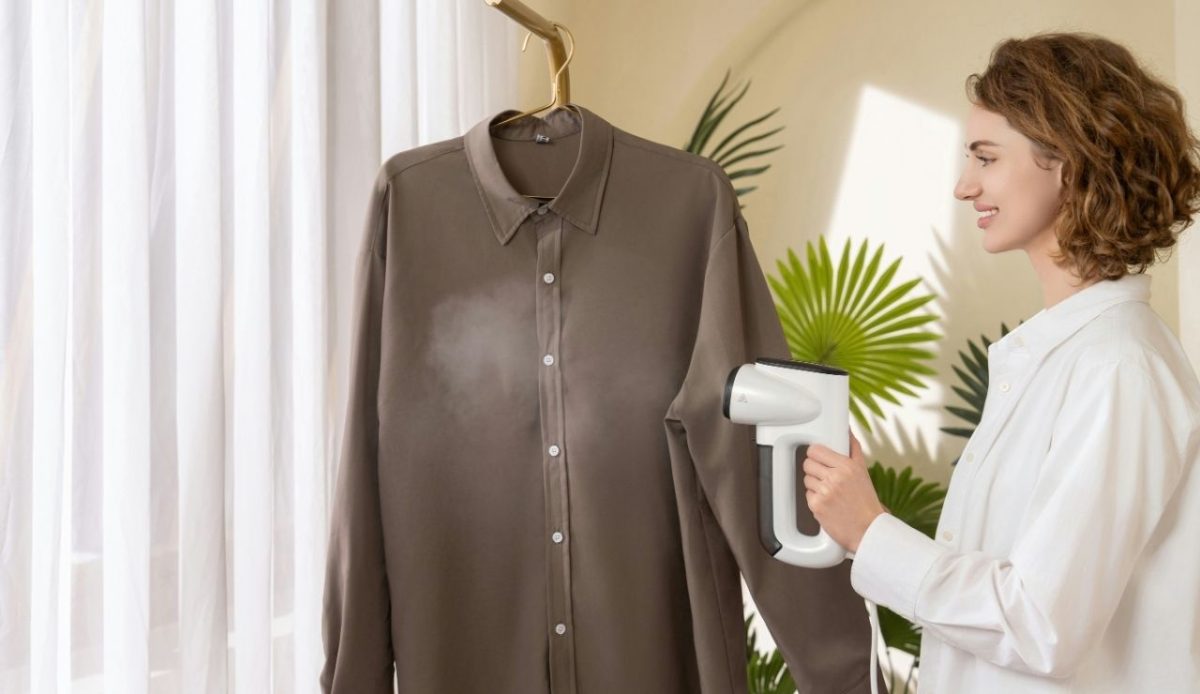
Wrinkled clothes happen on every trip, and flight attendants know a tiny hand steamer keeps outfits neat without hotel irons. It heats up fast, works on most fabrics, and packs better than a full iron. Travelers can smooth shirts, dresses, or jackets in a minute, which helps when getting ready in a hurry. This habit protects nicer clothing, avoids laundry fees, and keeps you looking fresh for dinners, tours, or business meetings. Some also hang clothes in the bathroom while running a hot shower, which helps loosen wrinkles even if the steamer runs out of battery.
4. Carry electrolytes

Cabin pressure, dry air, and long days cause fatigue, so off-duty crew pack electrolyte packets to add to water. It helps them stay hydrated and feel more alert, especially during sightseeing days or warm destinations. These little packets weigh almost nothing and can prevent headaches and sluggish moods. Travelers often forget hydration while exploring, so this tip can keep energy steady through long walks, airport waits, and busy days in new places. They choose single-serving flavors that dissolve quickly, letting them boost hydration without buying sugary airport drinks.
5. Wear comfy socks on flights

Flight attendants know legs can feel heavy after hours in the air, so they wear cozy compression-style socks even when traveling for fun. These socks help circulation and keep feet warm in chilly cabins. It is a simple habit that makes a big difference during long flights. Regular travelers can benefit too, especially on overnight trips or journeys with long layovers. Comfortable socks may seem small, but they add up to a smoother travel day. Some crew also stretch their ankles and move their toes every hour to keep blood flowing, which helps reduce swelling during long flights.
6. Pack a big scarf

Flight attendants often carry a large scarf because it works as a wrap, blanket, or pillow on cold planes and in cool terminals. It also helps make outfits look put together after a long travel day. Travelers can fold it small in a tote and use it when cabins feel chilly or when they want privacy during naps. A scarf solves comfort issues fast and makes long travel days easier without adding much weight. Some crew even use it to cover their head for quick rest when the lights are bright or when sleeping near a window.
7. Use solid toiletries
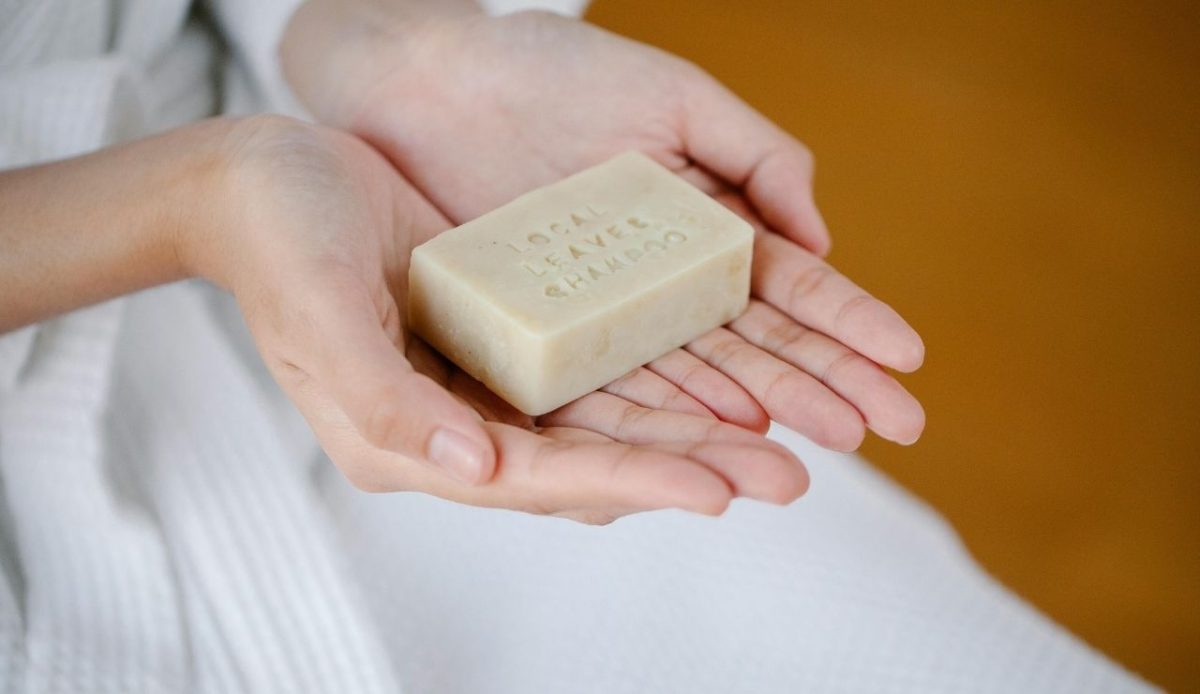
Crew members often switch to solid toiletries such as soap bars, shampoo bars, and solid face balm to skip liquid limits and avoid spills in bags. These items last longer and take up less space in carry-ons. Travelers who follow this habit can breeze through security and never worry about broken bottles. It is also handy on long trips when you do not want to buy pricey travel toiletries on the road. Some also pack tiny reusable tins so they can store small cuts of soap and avoid wasting product while still saving room.
8. Fold-flat extra bag

Flight attendants bring a fold-flat tote or backpack to use once they land. It fits snacks, water, and souvenirs without replacing their main carry-on. This simple item helps keep luggage organized and prevents overstuffing rolling bags on the return trip. Travelers can use the bag for beach days, hikes, or grocery stops near a hotel. Since it folds flat, it takes almost no room and solves surprise packing needs at the end of a vacation. Many choose light nylon versions that wipe clean easily after outdoor day trips or quick food runs.
9. Book early flights
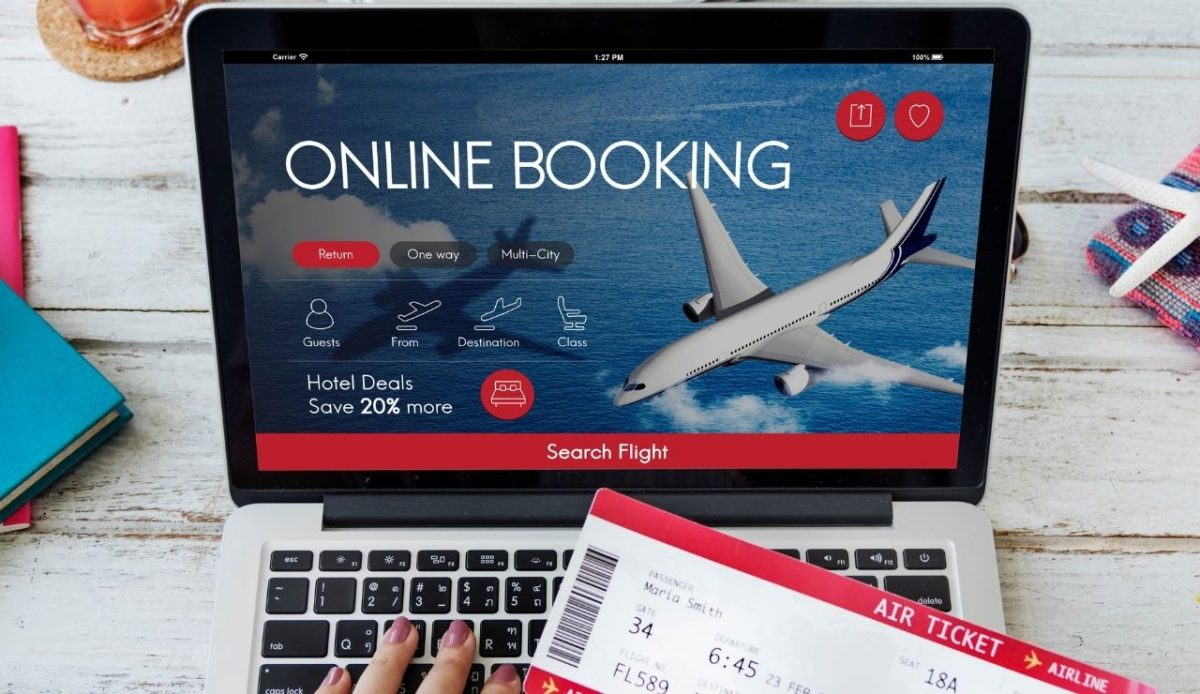
Off-duty crew usually pick morning flights because they tend to run smoother and face fewer delays. Early flights also help avoid crowded gates and give travelers more time at their destination. This move can cut stress, reduce missed connections, and make tight itineraries feel smoother. Families, business travelers, and vacationers can all benefit from this simple rule. Picking early travel times also improves chances of getting cleared for standby seats and makes rerouting easier if weather issues show up later in the day.
10. Eat before the airport

Flight attendants know airport meals can be costly and rushed, so they eat before heading out. Doing this keeps energy steady, helps avoid long lines, and prevents grabbing snacks that are heavy or overpriced. Travelers who follow this habit can arrive relaxed and ready to board without rushing to find food near their gate. It also helps on short flights where snacks are limited. Some crew even prep simple meals the night before so they have something satisfying and balanced without depending on airport food options.
