
Small U.S. cities often attract newcomers with promises of affordability, slower living, and a strong sense of community. On paper, they can look like the perfect escape from crowded metros and rising costs. But for some movers, reality sets in after the excitement fades. Limited job options, fewer services, isolation, or mismatched lifestyles can make daily life harder than expected. Regret doesn’t always come from one major flaw, but from small frustrations that add up over time. These ten cities aren’t failures, but they highlight how important it is to match expectations with local realities before making a move.
1. Flint, Michigan
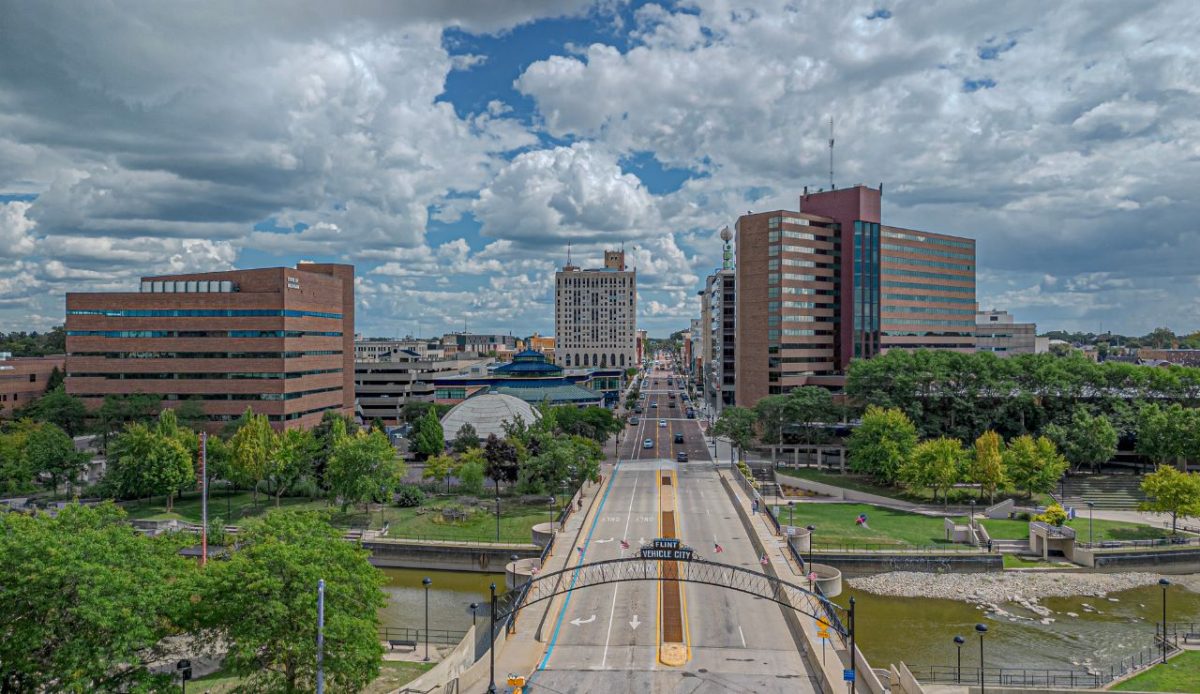
Flint draws interest because of low housing prices and proximity to larger Michigan cities, but many newcomers find daily life more challenging than anticipated. Job opportunities remain limited, especially outside healthcare and education, and public services can feel stretched. While revitalization efforts exist, progress is uneven, leaving some neighborhoods struggling more than others. New residents often underestimate how much infrastructure issues affect routines, from utilities to public transport. Flint has resilience and community pride, but those expecting quick improvement or strong economic momentum may feel disappointed.
2. Pine Bluff, Arkansas
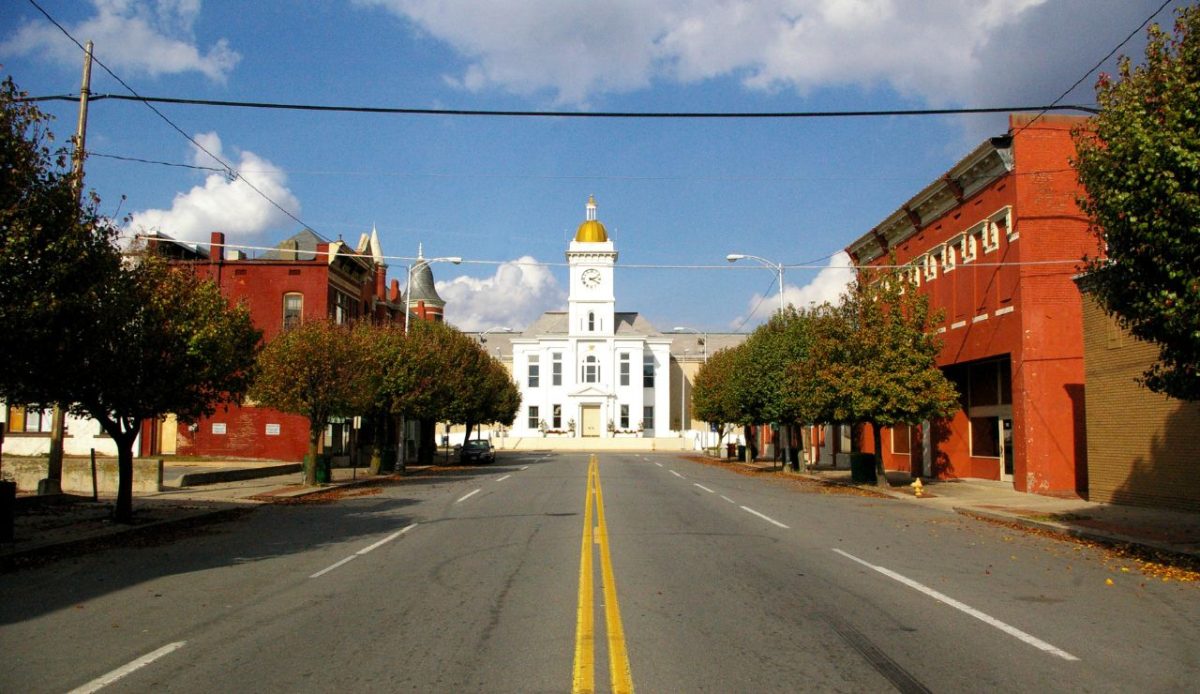
Pine Bluff appeals to movers seeking affordability and a slower pace, yet many regret the move after encountering limited economic growth. Employment options are narrow, and wages often lag behind expectations. Entertainment, dining, and retail choices can feel scarce, especially for those used to variety. While locals value community ties and history, newcomers sometimes struggle with safety concerns and a lack of public investment. The gap between low living costs and limited opportunity becomes clear over time, leading some residents to realize that affordability alone doesn’t always translate into a comfortable or fulfilling lifestyle.
3. Youngstown, Ohio
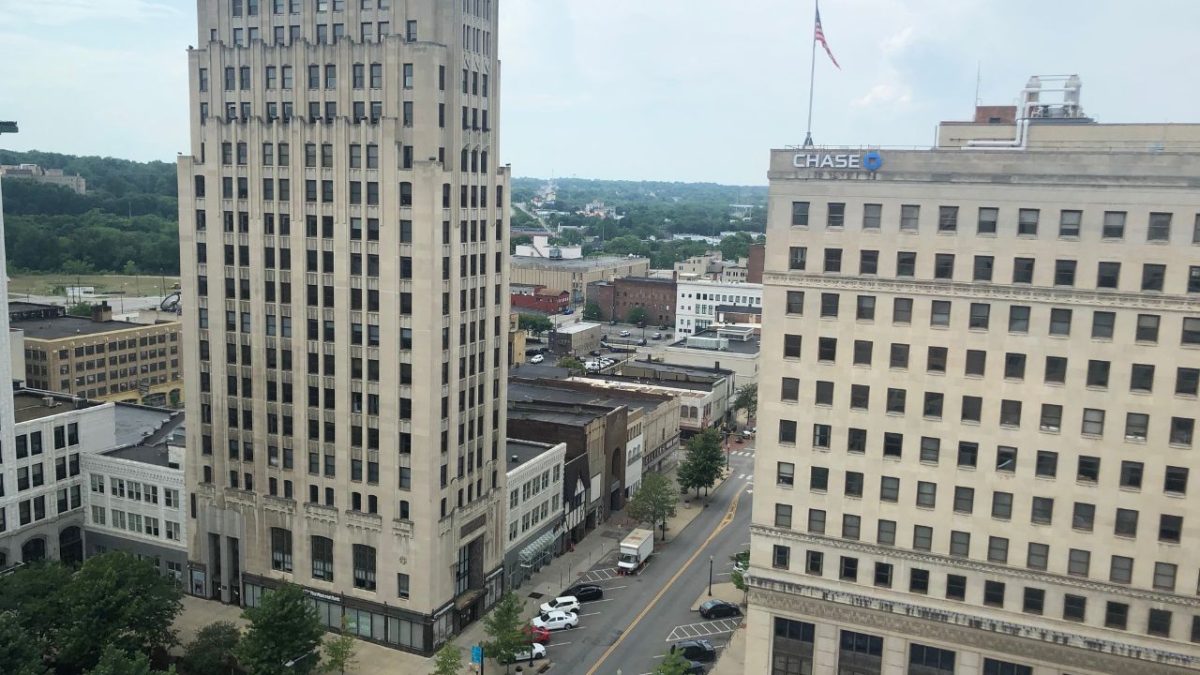
Youngstown’s low housing costs and industrial legacy attract people hoping for a comeback story, but the transition can be difficult. Job opportunities outside specific sectors are limited, and economic recovery has been slower than many expect. New residents often find fewer cultural and recreational options than anticipated, especially for families or young professionals. While the city has great local pride and improving pockets, the overall pace of change can feel frustrating. For those expecting steady growth or diverse career paths, Youngstown may feel stagnant rather than promising after the initial move.
4. Danville, Illinois
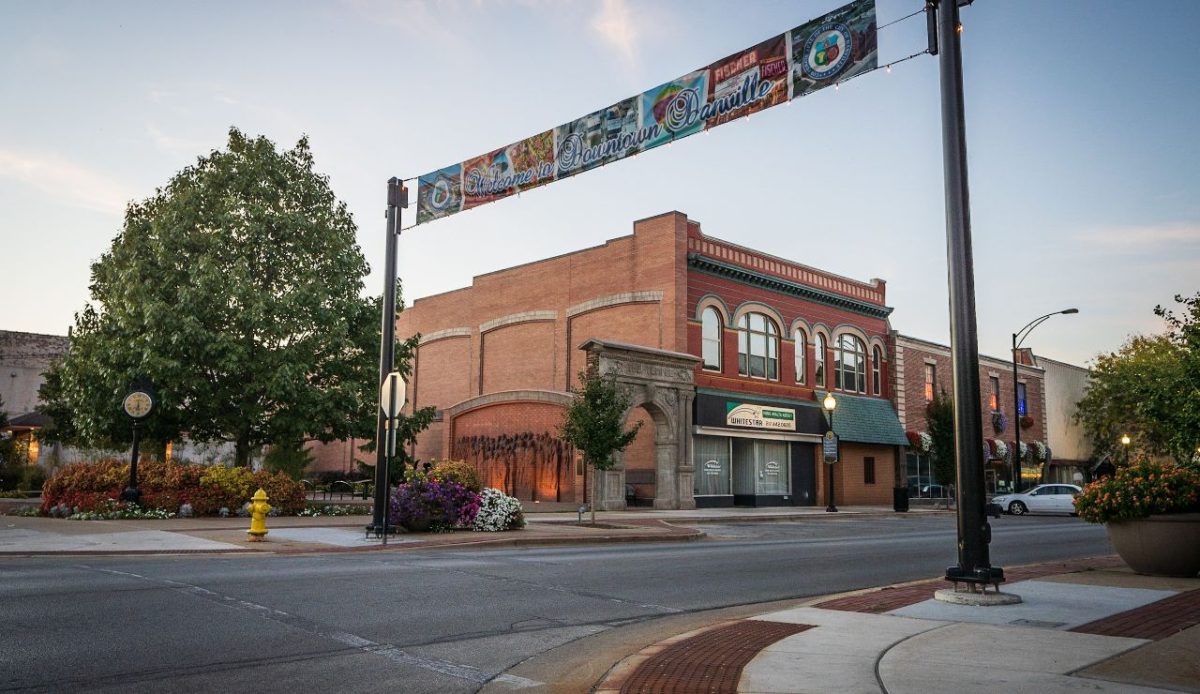
Danville appeals to budget-conscious movers, but many discover trade-offs that outweigh savings. Employment options are narrow, and commuting to larger cities isn’t always practical. Downtown revitalization has been slow, leaving fewer amenities than newcomers expect. Social opportunities can also feel limited, making it harder to build connections, especially for those without local ties. While Danville offers quiet living and historic neighborhoods, people who expect upward mobility or vibrant community life often feel isolated. Over time, the lack of momentum can turn what seemed like a calm choice into a source of regret.
5. Gadsden, Alabama
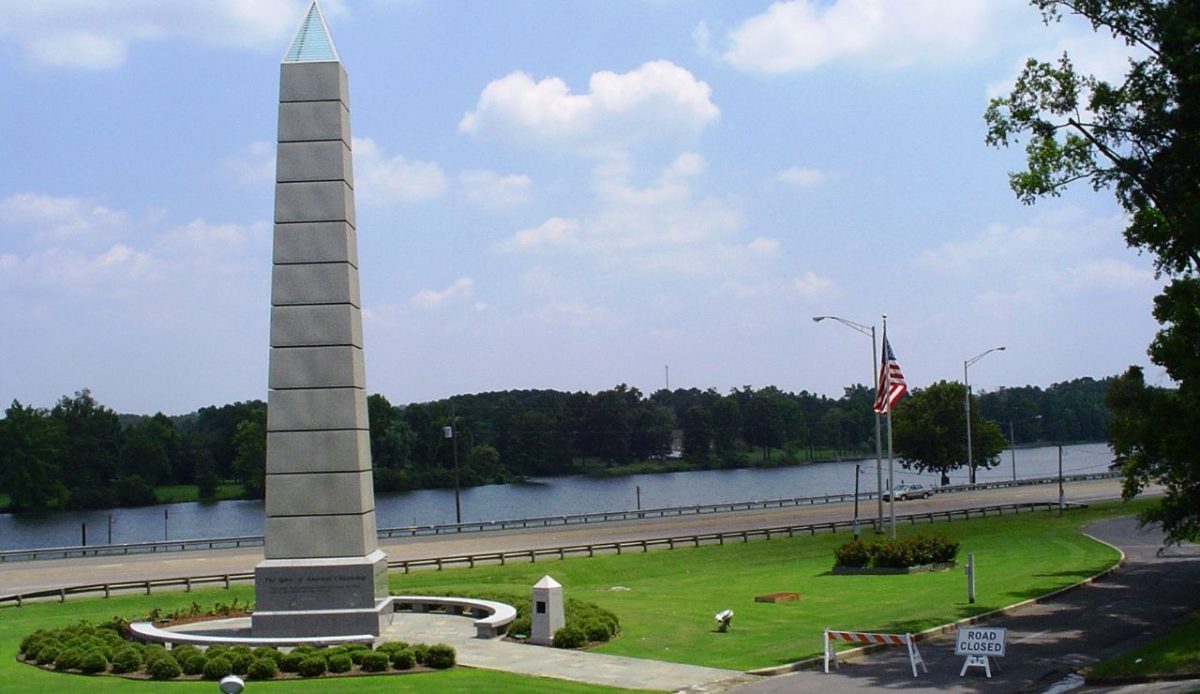
Gadsden’s scenic setting along the Coosa River initially draws attention, but daily life can feel restrictive for newcomers. Job growth has lagged, and professional opportunities are limited outside a few industries. Entertainment and dining options are modest, which can feel repetitive for residents used to more variety. Infrastructure and public investment have not kept pace with expectations, leading to frustration over time. While the city offers friendly communities and natural beauty, people who move expecting strong growth or cultural expansion often find the reality quieter and more limited than anticipated.
6. Beckley, West Virginia
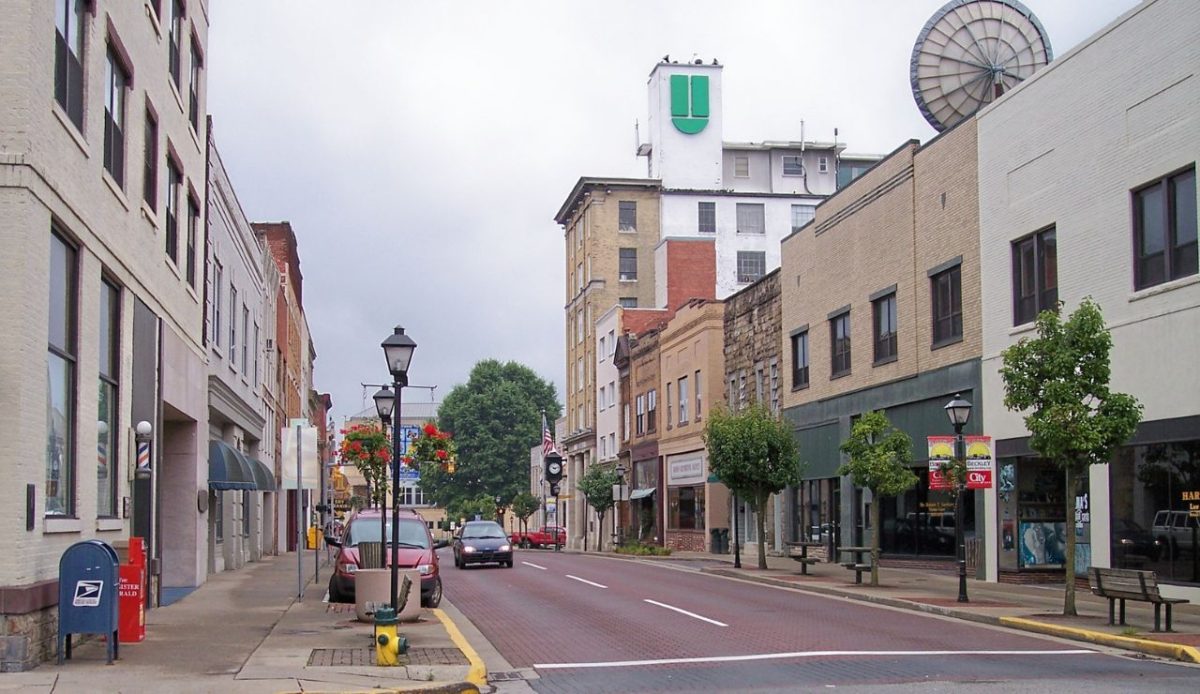
Beckley attracts movers with its mountain scenery and low cost of living, but many underestimate the challenges of isolation. Job opportunities are limited, and access to specialized healthcare and services often requires long drives. Social options can feel narrow, particularly for younger residents or newcomers without family nearby. Weather and geography can further limit travel and activities. While Beckley suits those seeking solitude and outdoor access, people expecting convenience, career growth, or active social scenes may regret the move once daily life feels more restrictive than peaceful.
7. Kankakee, Illinois
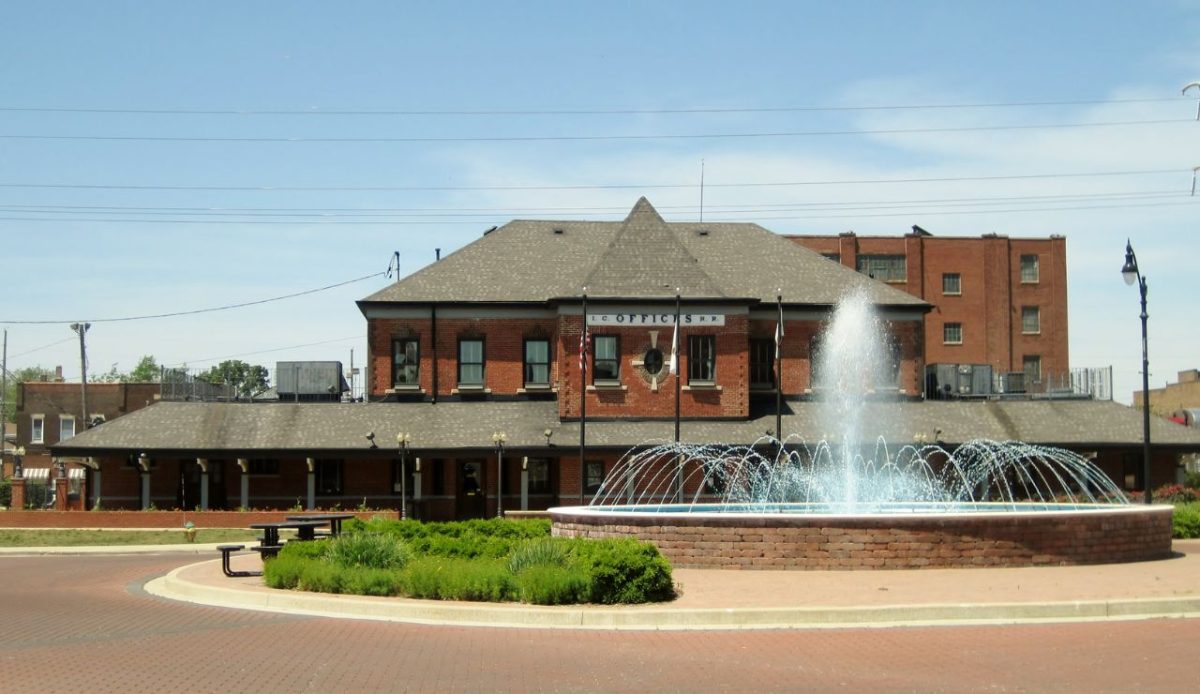
Kankakee is sometimes chosen as a quieter alternative to Chicago, but distance alone doesn’t guarantee balance. Many movers find that job opportunities are limited locally, while commuting options can be inconvenient. Retail, dining, and entertainment choices are fewer than expected, making weekends feel repetitive. Although housing is affordable, public services and infrastructure improvements have lagged. Over time, residents may feel caught between a small-city lifestyle and limited access to big-city benefits, leading to disappointment when the compromise doesn’t deliver the quality of life they hoped for.
8. Alexandria, Louisiana
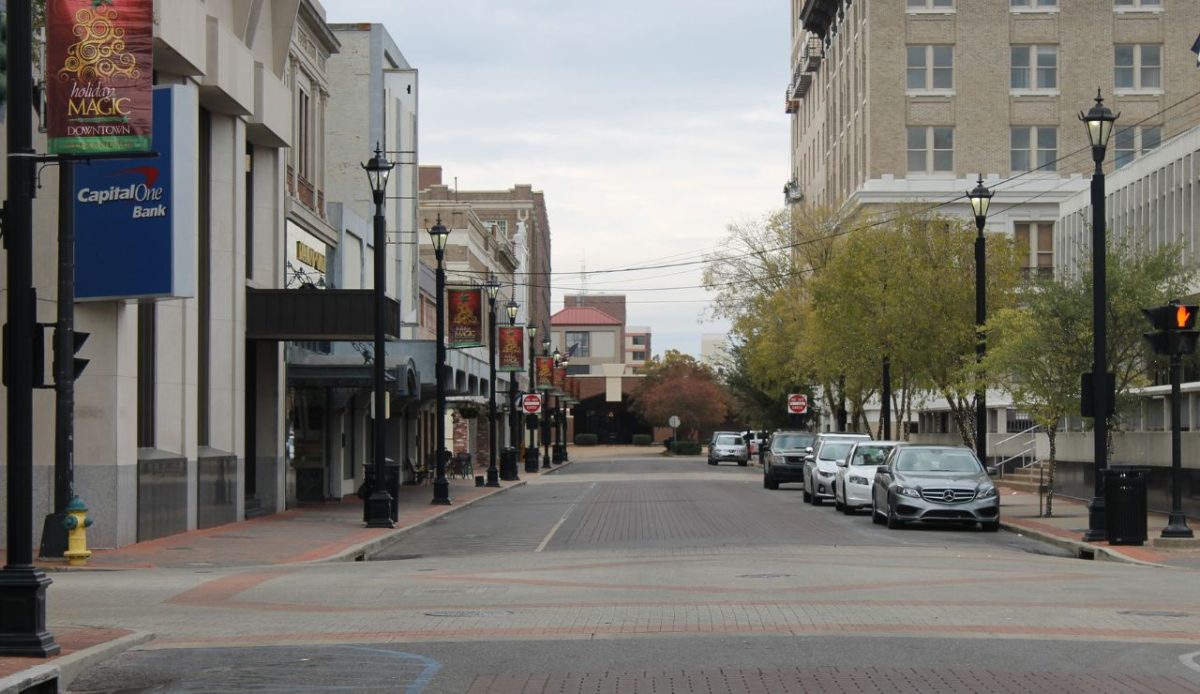
Alexandria appeals with low housing costs and central Louisiana access, but economic stagnation affects daily life. Job prospects are narrow, especially for skilled professionals, and wages often trail expectations. Cultural and recreational options are limited, making it harder for newcomers to stay engaged long-term. Infrastructure challenges and limited public investment can also impact satisfaction. While Alexandria has a friendly atmosphere and regional importance, people who move expecting growth or modernization often find the pace slower than anticipated, leading to regret as opportunities remain constrained.
9. Elmira, New York
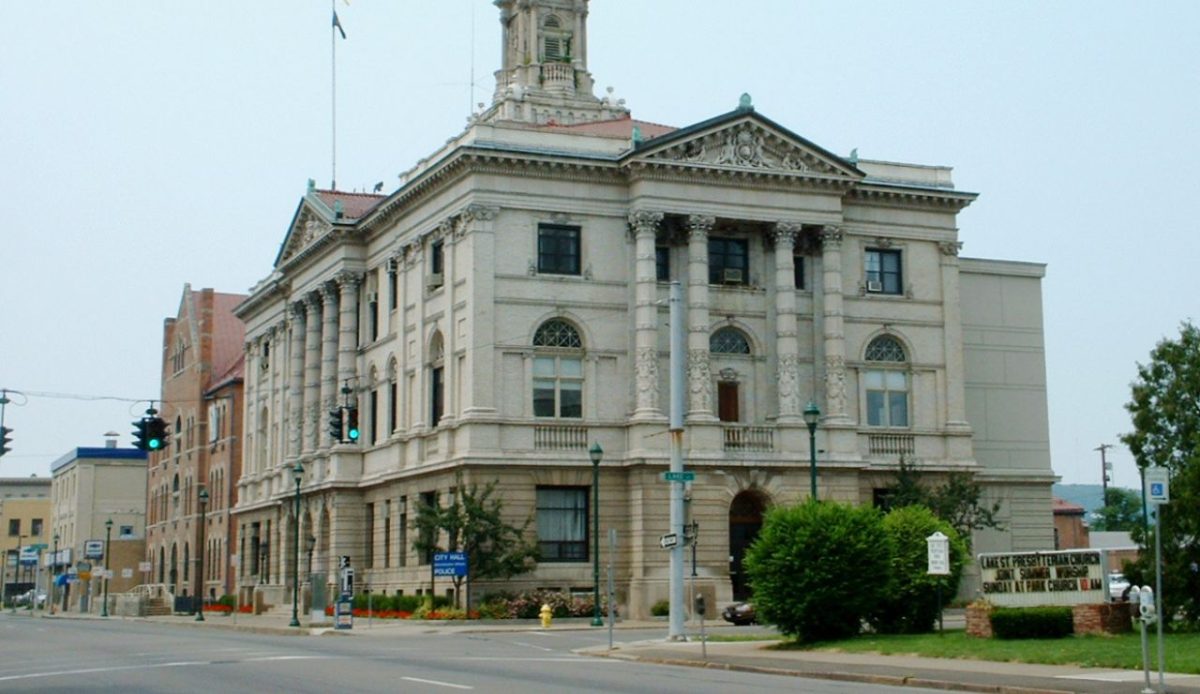
Elmira attracts movers with historic charm and affordability, but many struggle with limited employment options. The local economy offers few pathways for advancement, especially outside healthcare and education. Winters are long and harsh, which can affect morale, mobility, and outdoor activities. Social and entertainment options are modest, making it difficult for newcomers to feel connected. While Elmira has great local pride, scenic surroundings, and cultural history, people expecting broader opportunities or dynamic growth often feel stuck once they realize how few options exist for long-term change and engagement.
10. Decatur, Illinois
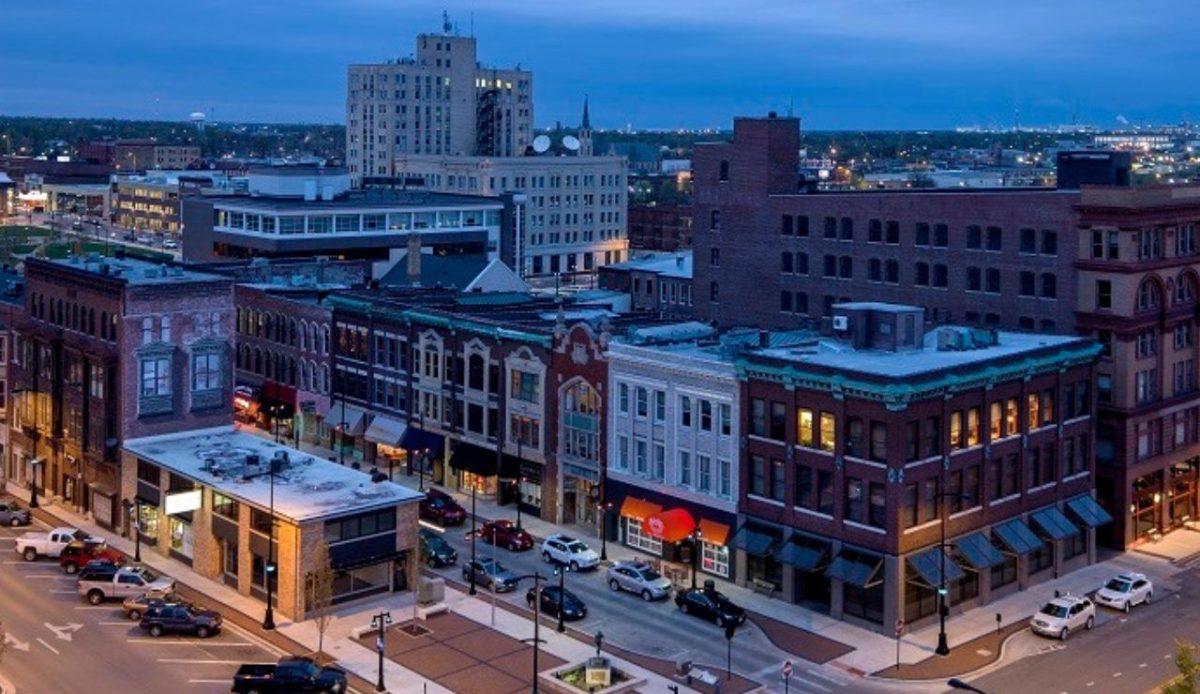
Decatur’s central location and low living costs appeal to movers seeking stability, but economic decline has shaped everyday life. Job losses in key industries have reduced opportunities, and revitalization efforts have been inconsistent. New residents often find fewer amenities and services than expected for a city of its size. Social and cultural offerings can feel limited, particularly for families and professionals seeking variety. While Decatur remains affordable, many regret moving after realizing that cost savings alone don’t compensate for limited growth, lifestyle options, and everyday conveniences.
