
Across the United States, passenger trains still operate on routes that once defined national travel. These lines link modern cities, rural towns, and historic rail hubs through coordinated schedules that have survived changing transportation habits. Many of them trace paths laid during the early 1900s, when rail was central to commerce and leisure. Today, they continue under public and private management with updated systems, dining services, and restored cars that maintain a sense of order and tradition. For travelers who value steady pacing and uninterrupted routes, these trains provide a dependable look at how organized rail travel continues to function in a modern network.
1. California Zephyr – Denver to San Francisco
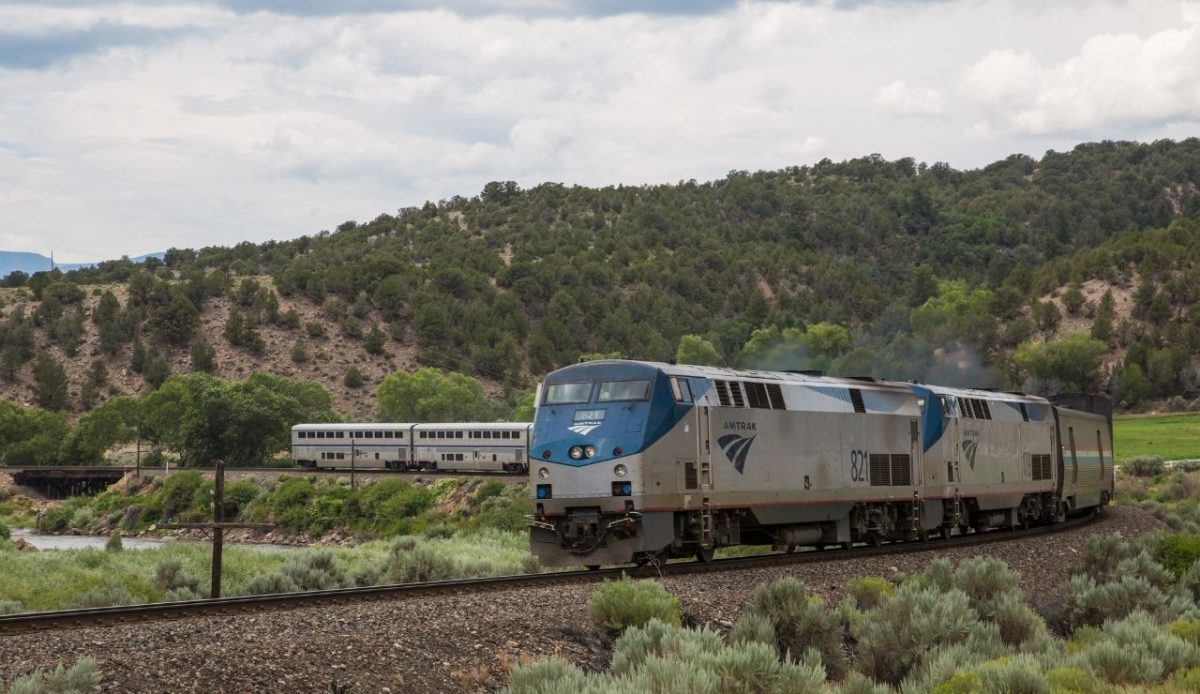
The California Zephyr remains one of Amtrak’s most comprehensive routes, stretching nearly 2,400 miles between Chicago and the San Francisco Bay Area. The segment between Denver and Emeryville is particularly known for its elevation changes and mountain passes through the Rockies and Sierra Nevada. The line operates daily with full-service dining, observation cars, and sleeping accommodations. Timetables run with minimal variation year-round, allowing flexible travel planning. Stations along the route maintain staffed ticketing and accessibility features for passengers with special requirements.
2. Coast Starlight – Seattle to Los Angeles
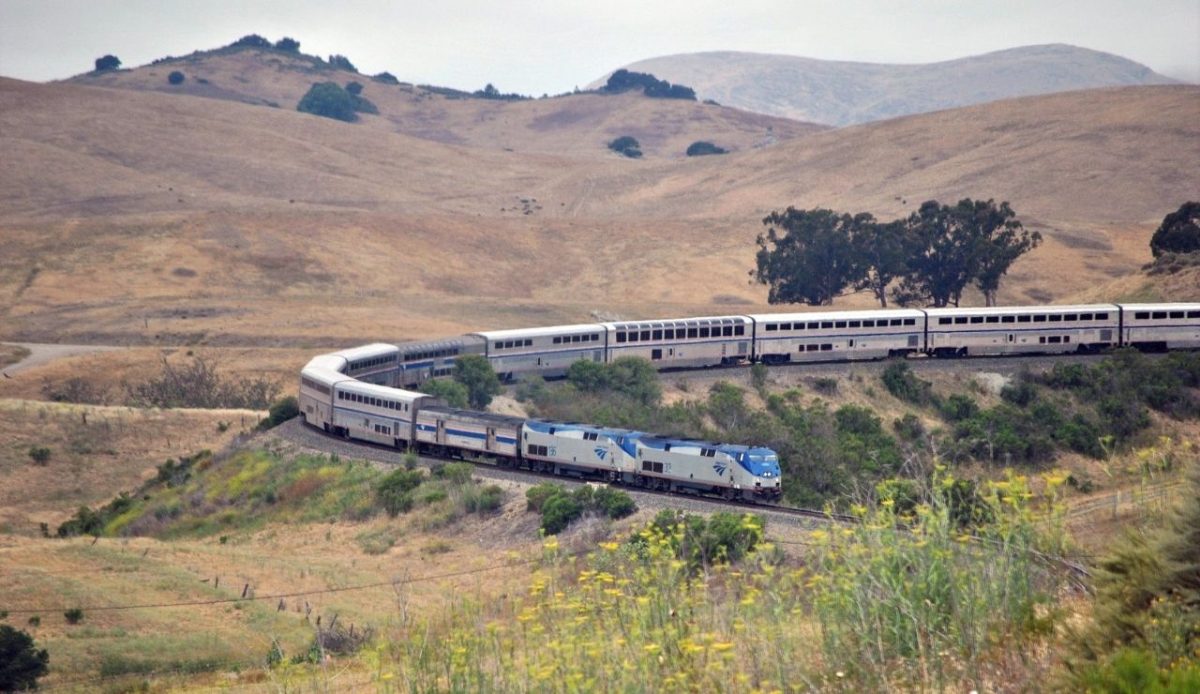
The Coast Starlight connects major West Coast cities through a 1,300-mile route managed by Amtrak. It operates between Seattle and Los Angeles with consistent daily departures. Key segments pass through Oregon’s Cascade Range and California’s Central Coast. The train includes observation lounges, sleeper cars, and dining services arranged under national Amtrak operations. Stations are positioned near city centers, allowing simple transfers to local transit. For travelers who plan extended journeys, the Coast Starlight integrates efficiently with the Pacific Surfliner and other regional routes.
3. Empire Builder – Chicago to Seattle and Portland
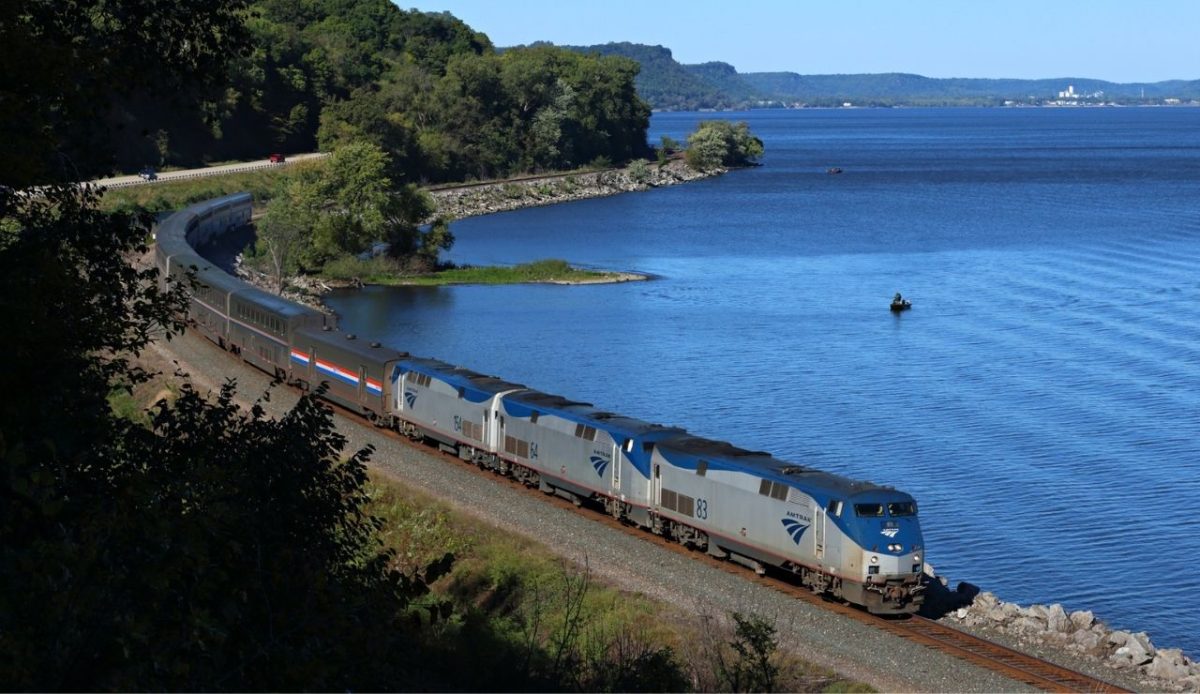
The Empire Builder maintains its reputation as one of Amtrak’s longest continuously operated routes. Covering approximately 2,200 miles, it travels across northern states, including Wisconsin, North Dakota, and Montana, before dividing toward Seattle and Portland. The line functions with a dual-section system that reunites eastbound and westbound trains in Spokane. Onboard amenities include sleeping compartments, dining service, and reservation-based seating. The route’s timetable accommodates both overnight and daytime travel across multiple time zones.
4. Southwest Chief – Chicago to Los Angeles
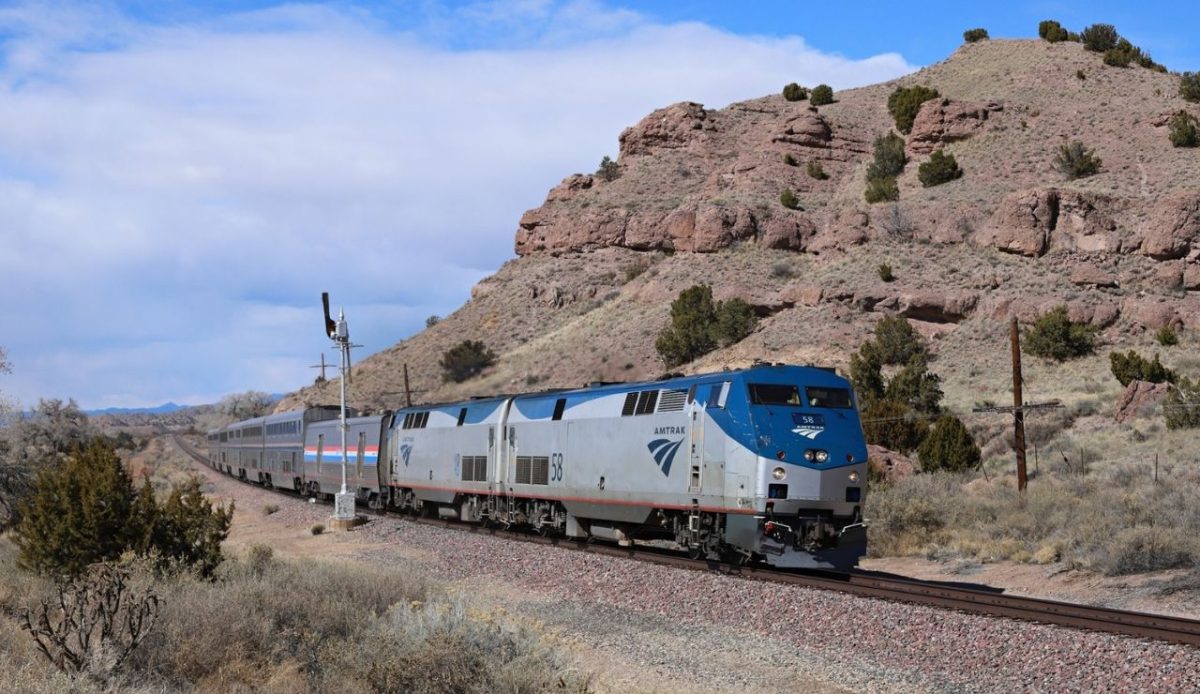
The Southwest Chief runs across eight states, linking Chicago to Los Angeles on a 2,200-mile line that crosses major plains, mountain passes, and desert regions. Amtrak operates it as part of its long-distance network with a consistent two-day schedule. Each train includes a café, dining car, and sleeping quarters managed under national service standards. The route retains many of its historic Santa Fe Railway stops, giving passengers access to smaller cities across the Southwest. Online booking platforms allow passengers to coordinate connecting trips easily.
5. Crescent – New York to New Orleans
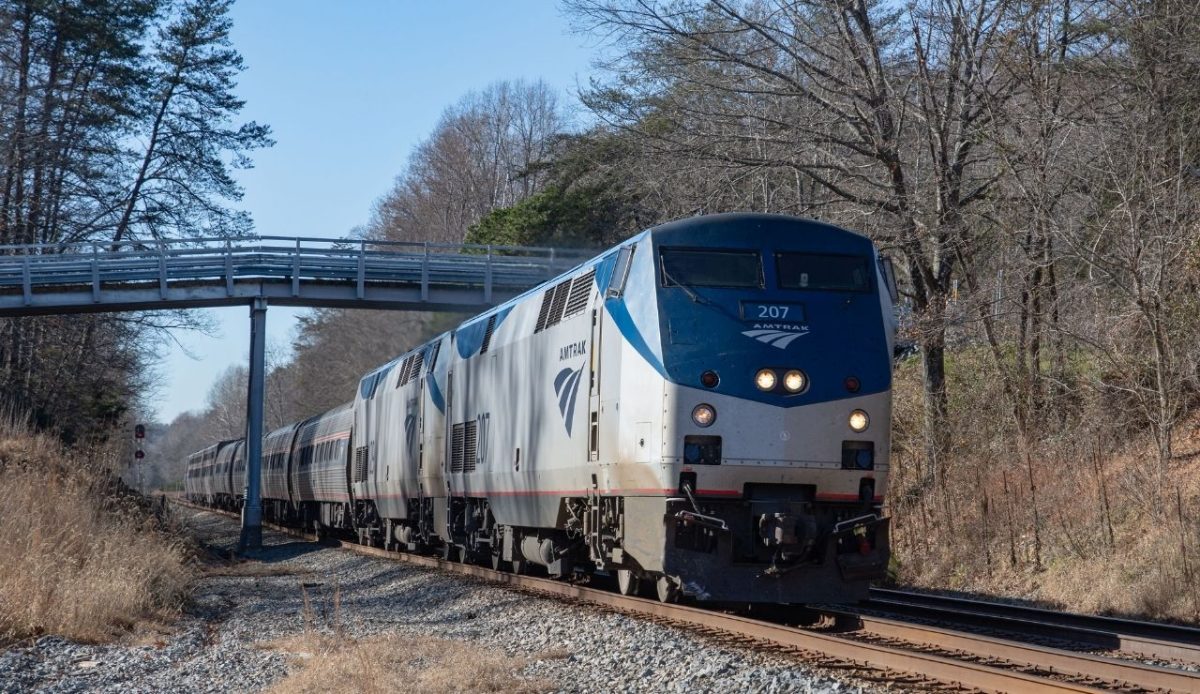
The Crescent connects New York and New Orleans through a 1,377-mile route that crosses thirteen states and the District of Columbia. Daily service includes sleeping cars, business seating, and meal service managed under Amtrak’s national guidelines. Major station stops include Atlanta, Birmingham, and Meridian. The route’s infrastructure remains among the most complete in Amtrak’s southern network, allowing stable operation across multiple climates and terrains. Ticketing options support both short and long segments, with connections available to regional lines at major hubs.
6. Cardinal – New York to Chicago through Appalachia
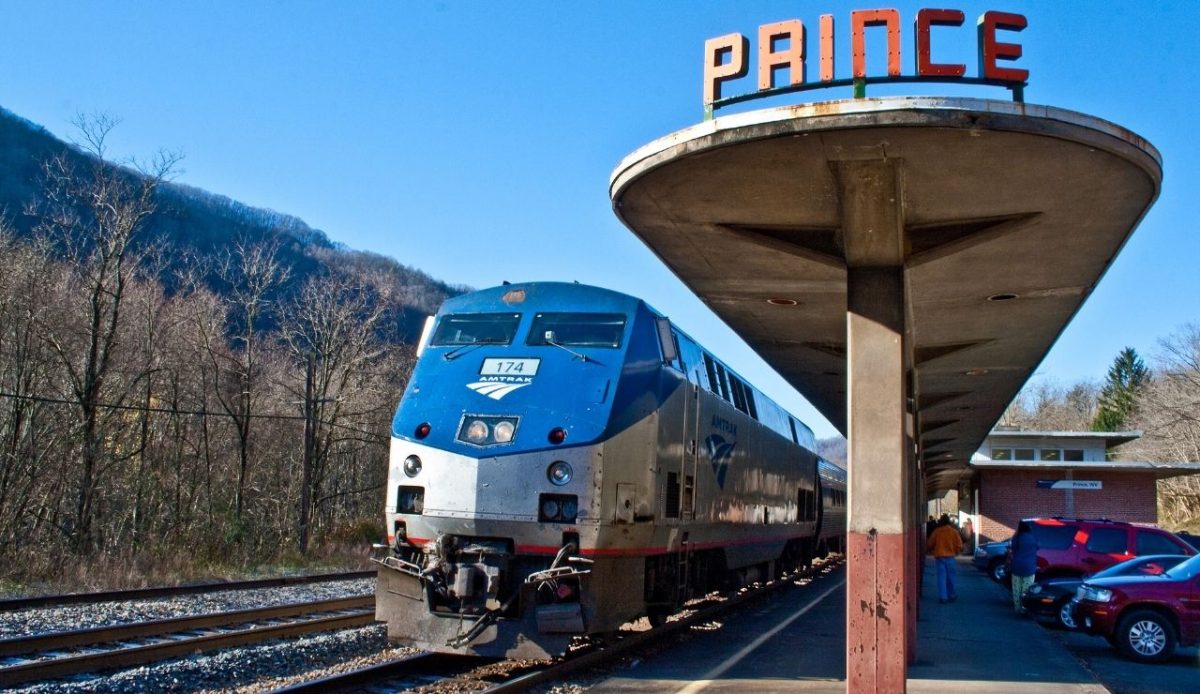
The Cardinal operates three times a week, connecting New York and Chicago through the Appalachian Mountains and several river valleys. Managed by Amtrak, this 1,146-mile route passes Washington, D.C., Charleston, and Cincinnati. Passenger amenities include reserved seating, dining service, and sleeping accommodations. The journey’s schedule aligns with major city departures to minimize overnight layovers. Stations are equipped with accessible platforms and staffed ticketing in key locations. The Cardinal integrates regional and national service by linking to other Amtrak corridors, including the Crescent and Empire Builder.
7. Adirondack – New York to Montreal
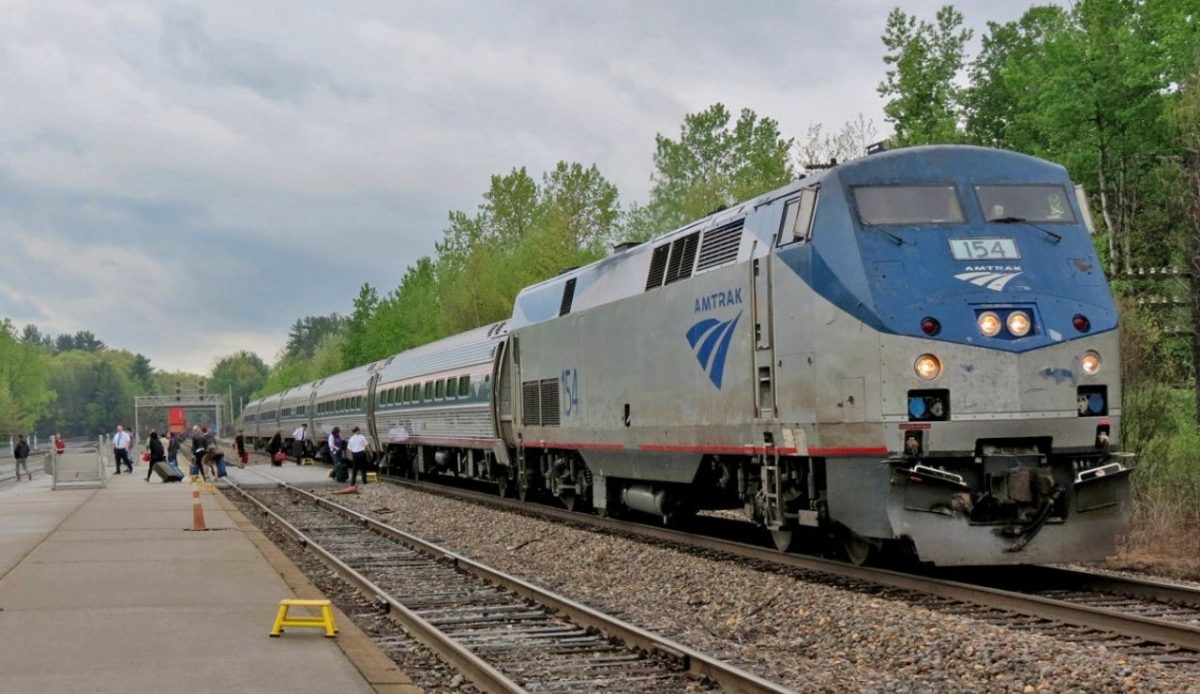
The Adirondack connects New York City to Montreal through a route jointly operated by Amtrak and VIA Rail Canada. Covering roughly 381 miles, it passes along the Hudson River, through the Adirondack region, and into southern Quebec. Daily service allows travelers to cross the international border under coordinated customs procedures managed by both countries. The route’s operation is supported by partnerships with state and federal transportation agencies. Seating includes reserved coach and business-class options. The train’s consistent schedule supports both tourism and commuter travel between major metropolitan areas.
8. Texas Eagle – Chicago to San Antonio
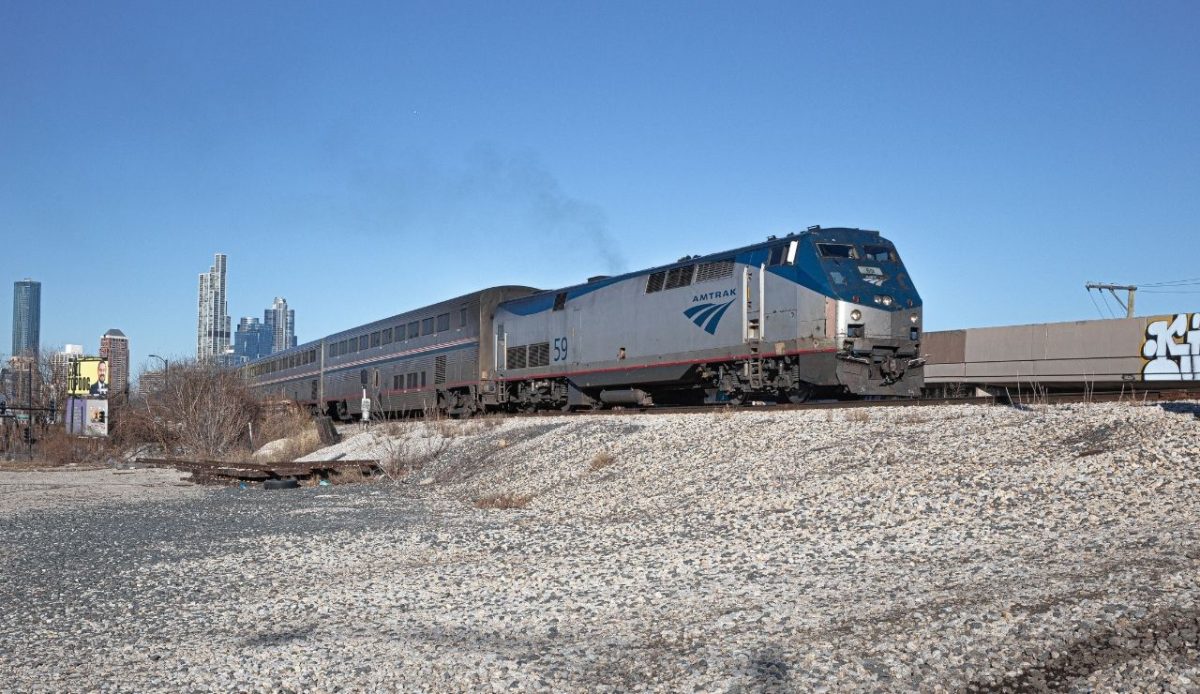
The Texas Eagle runs daily between Chicago and San Antonio, traveling more than 1,300 miles through major Midwestern and Southern cities. Operated by Amtrak, it links key locations such as St. Louis, Little Rock, and Dallas. The train provides reserved coach, sleeper, and dining services consistent with national standards. Passengers may continue south to Los Angeles via the Sunset Limited, creating a unified cross-country connection. Ticketing platforms enable through-booking for this combination route. The Texas Eagle’s operation reflects Amtrak’s logistical consistency, with reliable service across multiple time zones and climates.
9. Alaska Coastal Classic – Anchorage to Seward
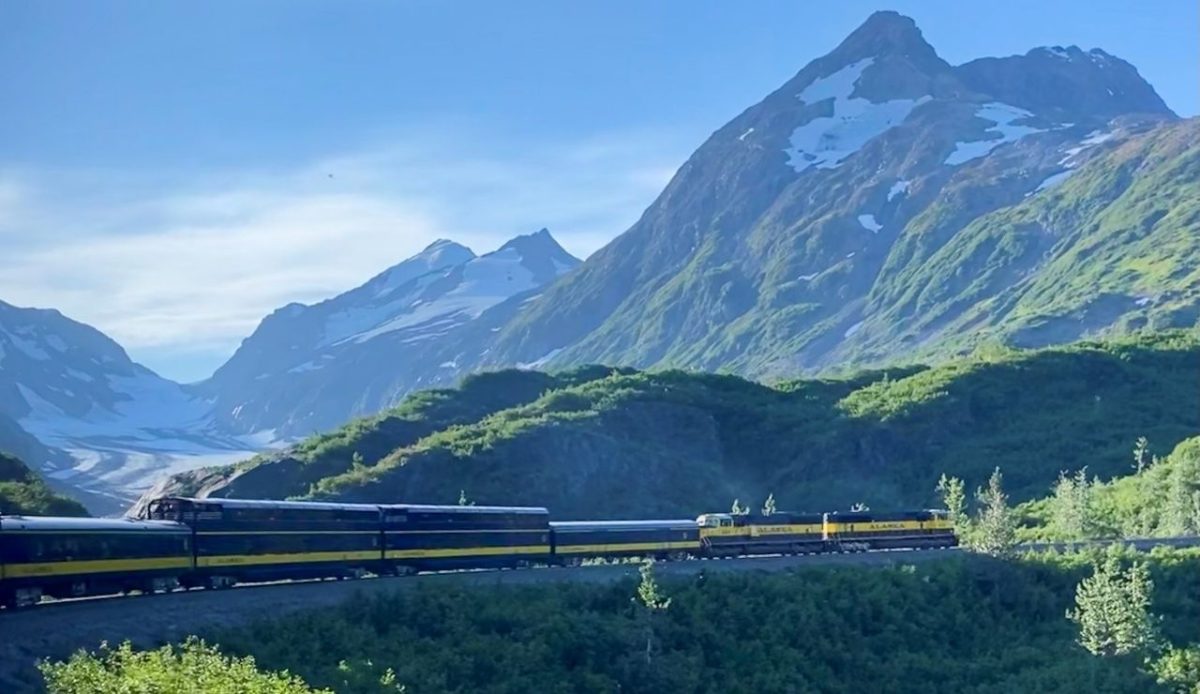
The Alaska Railroad’s Coastal Classic line connects Anchorage and Seward, covering approximately 114 miles. It operates seasonally between May and September under a single daily schedule. The train passes along the Turnagain Arm and through the Kenai Mountains. Passenger services include reserved seating and optional meal upgrades. The route supports coordination with cruise transfers at Seward’s port terminal. Online booking allows integration with Alaska Railroad’s other lines, such as the Denali Star.
10. Grand Canyon Railway – Williams to Grand Canyon Village
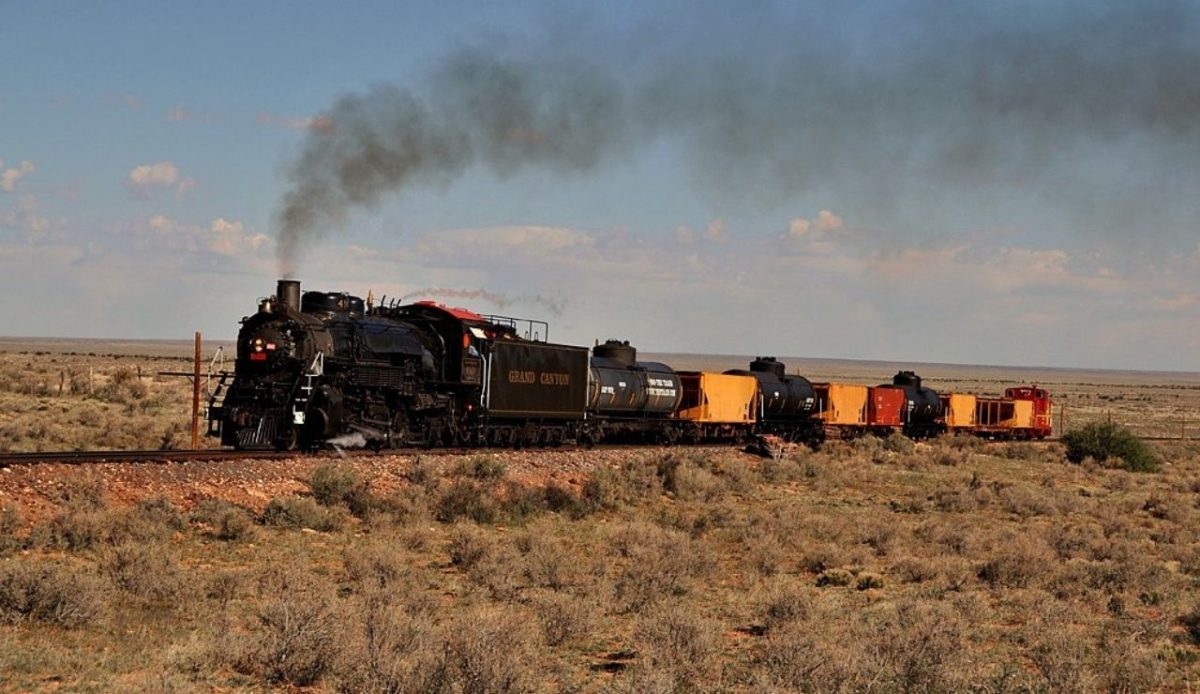
The Grand Canyon Railway departs from Williams, Arizona, covering sixty-five miles to the South Rim of Grand Canyon National Park. The line operates under a fixed schedule with multiple daily departures, coordinated with park admission hours. Heritage railcars and diesel locomotives are maintained by Grand Canyon Railway LLC under national safety regulations. The company also manages lodging and dining facilities near the Williams Depot. Passengers can book combination packages that include hotel stays and park transportation.
