
The Revolutionary War was not only a fight for independence but also a pivotal moment in how Americans perceived freedom. Across the country, sites remain where stories of bravery and sacrifice come alive. Visiting these places allows people to connect with the struggles that shaped the United States. Each battlefield, encampment, and memorial carries lessons about courage and unity that remain relevant today. These ten Revolutionary War sites continue to spark patriotism and remind Americans of the sacrifices that built the nation.
1. Independence Hall, Pennsylvania
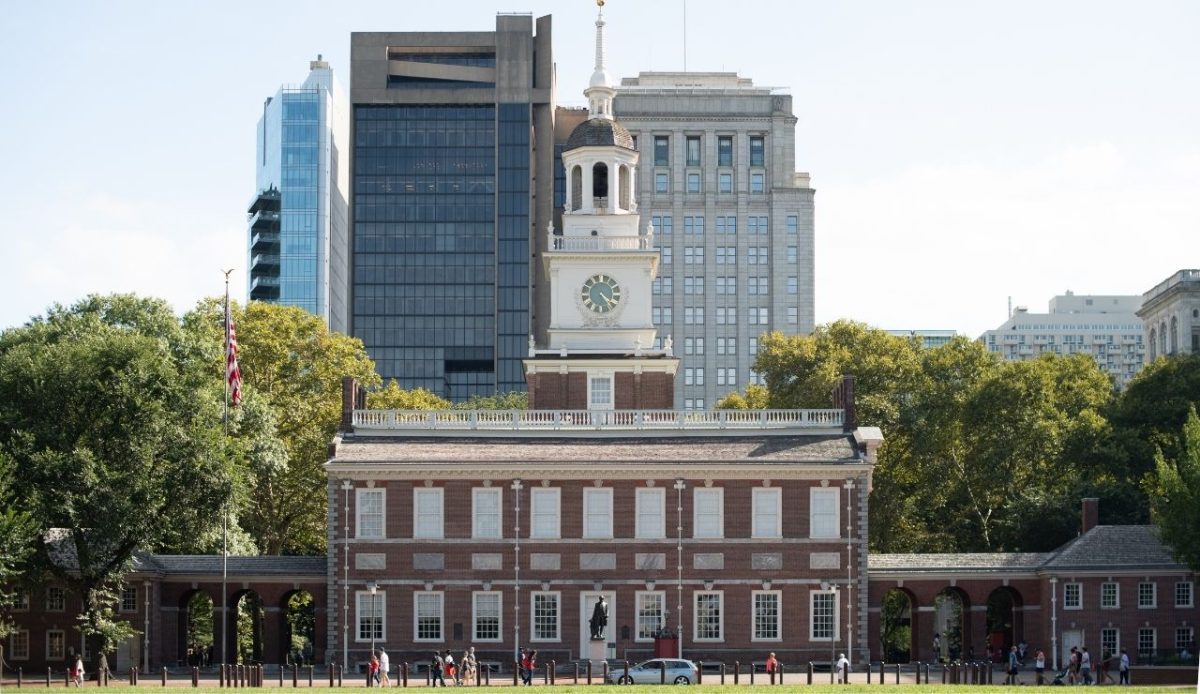
Independence Hall in Philadelphia is where the Declaration of Independence was signed in 1776, followed later by the Constitution. Stepping into the Assembly Room allows visitors to picture heated debates where ordinary men argued about liberty and government. The wood-paneled walls and original furnishings give the space an energy that reading history books can never match. A short walk away, the Liberty Bell, with its famous crack, stands as a symbol of both imperfection and endurance. Together, these two icons show that freedom was never easy, yet its foundation remains strong. Visitors leave with the sense that independence was not a guarantee, but an achievement earned through conviction and struggle.
2. Bunker Hill Monument, Massachusetts
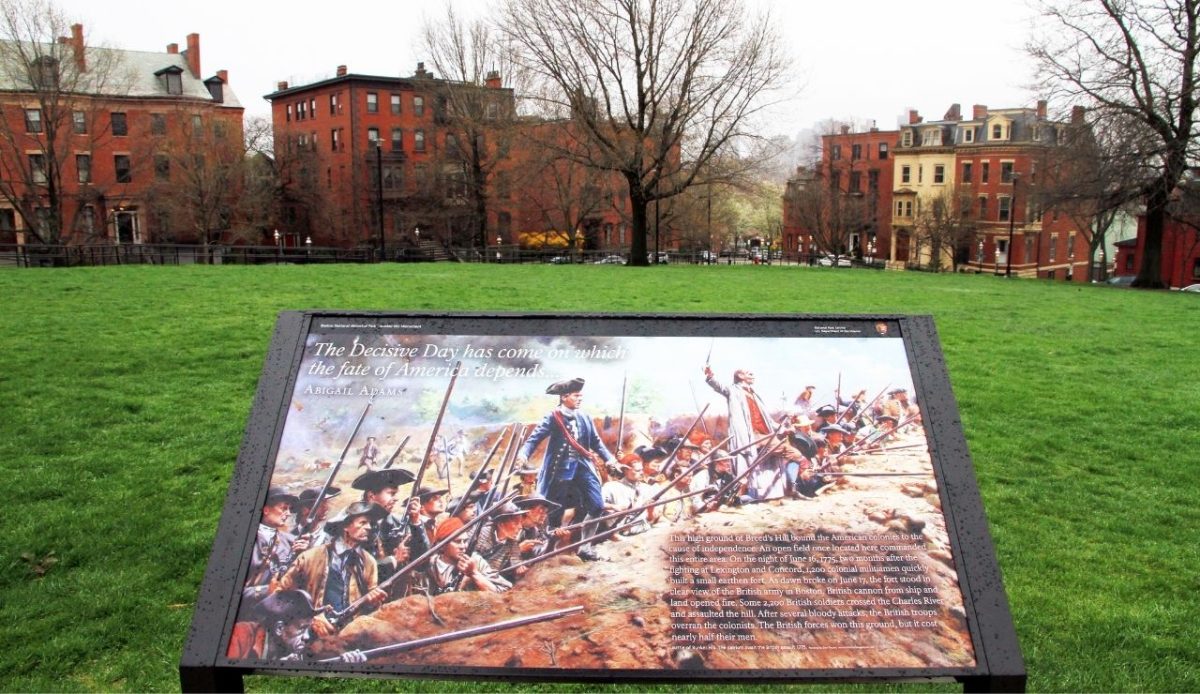
The Battle of Bunker Hill in June 1775 proved that American fighters would not back down, even against a better-trained army. Colonial forces faced British troops head-on, inflicting heavy losses before retreating when ammunition ran out. Although technically a defeat, the battle became a rallying point for courage. Today, the towering granite obelisk in Charlestown stands as a reminder of that determination. Visitors can climb nearly 300 steps to the top, where sweeping views of Boston connect past and present. Standing there, people can imagine the smoke, noise, and fear that filled the hillside. The site tells a story of resolve and sacrifice, proving that bravery can outlast setbacks.
3. Valley Forge, Pennsylvania
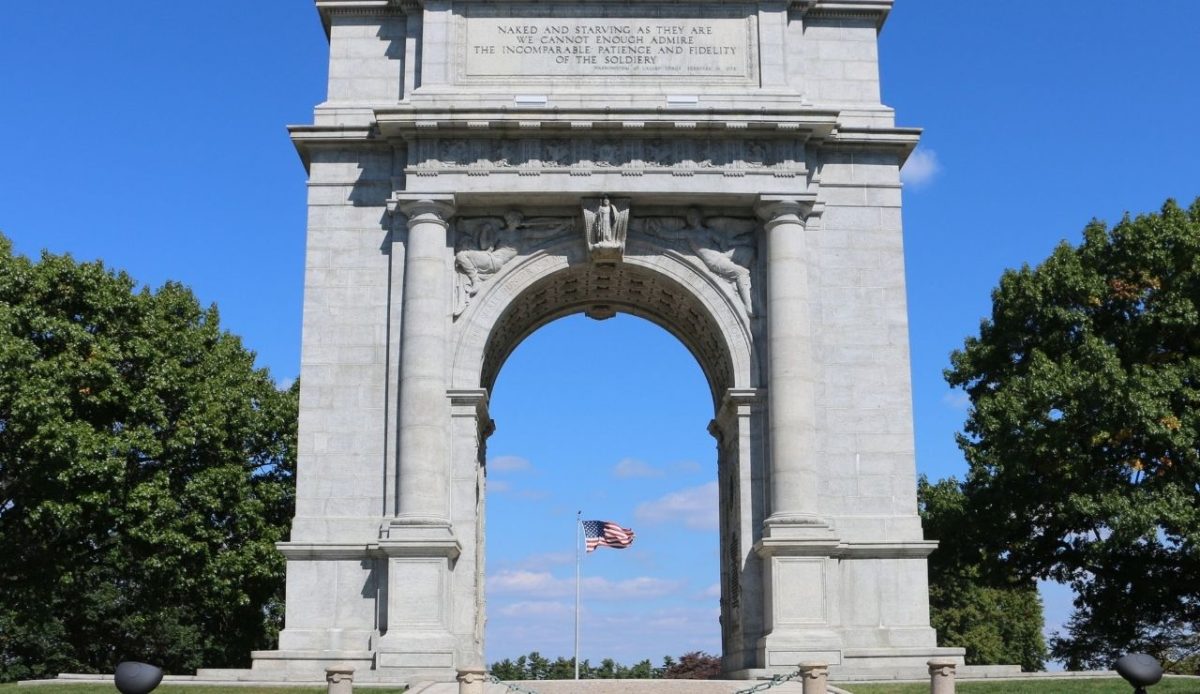
Valley Forge was not remembered for a single battle, but for a long season of suffering and resilience. During the harsh winter of 1777 and 1778, Washington’s Continental Army endured hunger, disease, and freezing weather. Soldiers built huts from logs and mud, wrapped themselves in thin blankets, and waited for supplies that rarely arrived. Despite the hardship, they trained under Baron von Steuben, gaining discipline and unity. The camp became a crucible that turned a struggling militia into a true fighting force. Today, visitors see reconstructed cabins, Washington’s headquarters, and memorials that honor the endurance of those who stayed. Valley Forge shows that freedom was not just won with victories, but with determination to survive when conditions seemed impossible.
4. Yorktown Battlefield, Virginia
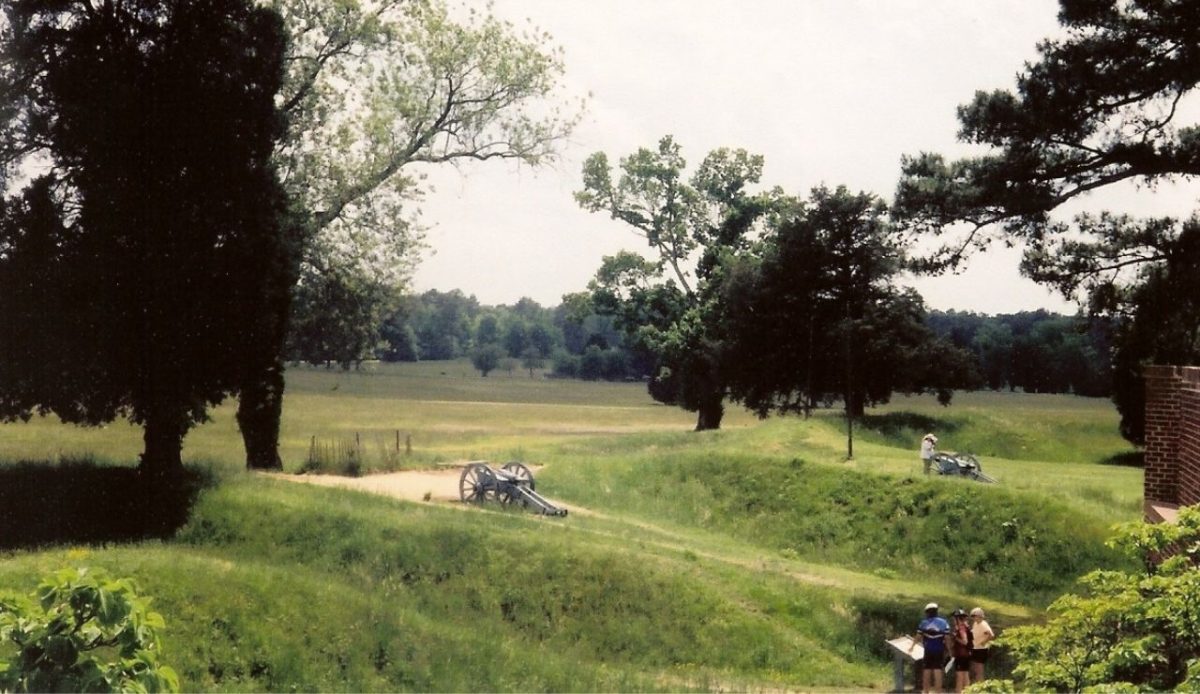
Yorktown was the site of the decisive American victory in 1781. Washington’s forces, aided by French troops and the French navy, surrounded the British army led by General Cornwallis. After weeks of bombardment, Cornwallis surrendered, ending major combat in the war. Today, visitors can walk through preserved trenches, artillery placements, and fields that witnessed the final push for independence. The battlefield is part of Colonial National Historical Park, where guided tours and exhibits bring the events to life. Standing at the surrender field, people can sense the weight of that moment. Yorktown was not only the end of a campaign but the turning of a dream into reality. It remains one of the most powerful reminders of America’s hard-won freedom.
5. Saratoga National Historical Park, New York
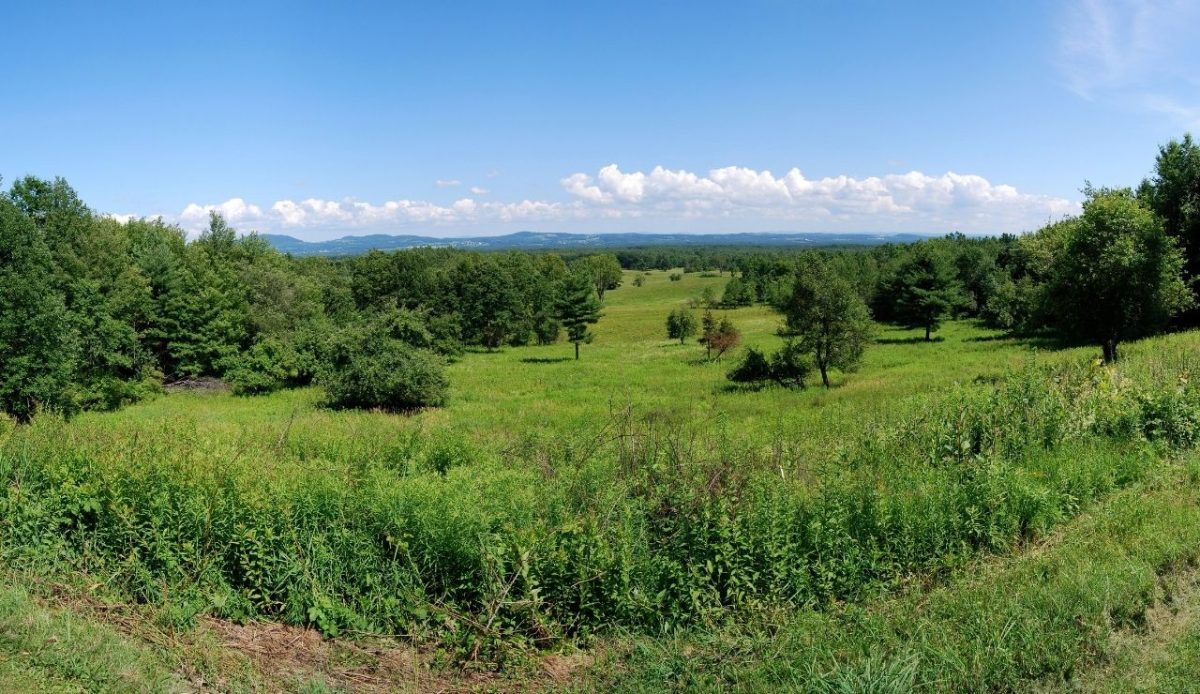
The American victory at Saratoga in 1777 changed the course of the Revolution. British General Burgoyne’s surrender showed the world that colonial forces could defeat a major European army. The triumph convinced France to enter the war as an ally, a decision that provided vital resources and turned the tide of history. Visitors to Saratoga can walk trails that follow the lines of battle, stand on ridges where soldiers clashed, and explore monuments that honor both leaders and common troops. The park’s exhibits explain the importance of the campaign in shaping world events. Saratoga is more than a battlefield; it is a place that reminds Americans that unity and perseverance can shift the balance of power and secure independence.
6. Lexington Green, Massachusetts
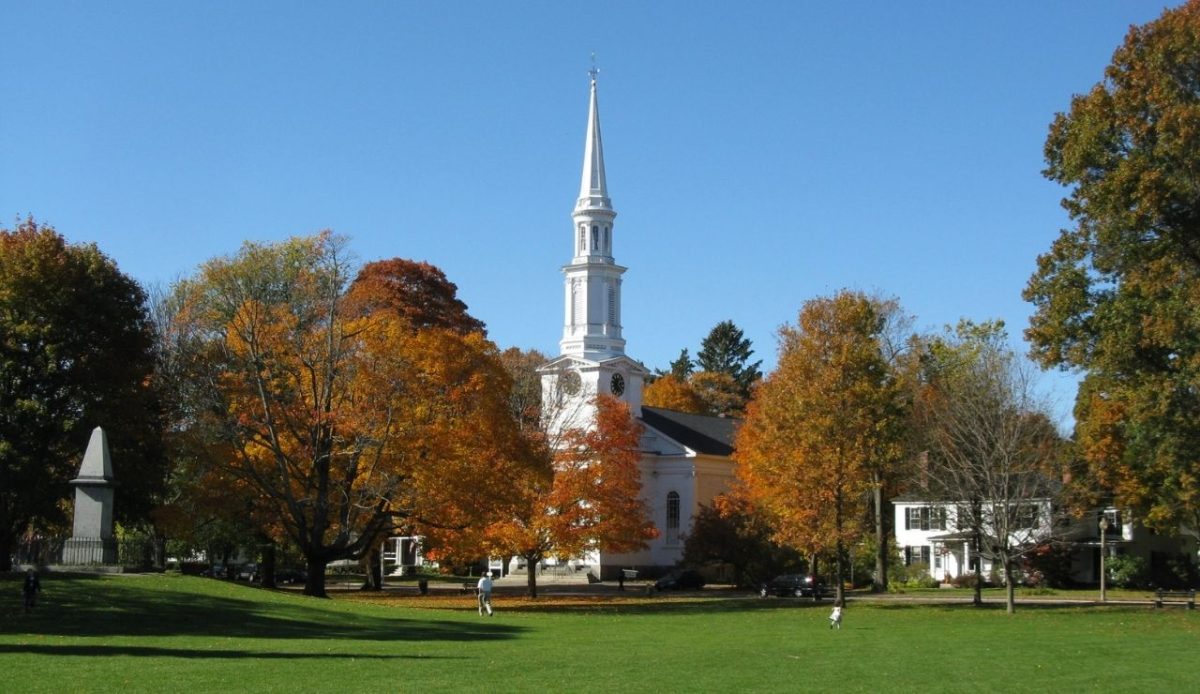
The first shots of the Revolution rang out on Lexington Green in April 1775. A small band of colonial militia stood against British troops, knowing they faced overwhelming odds. The exchange of fire left eight Americans dead, yet it marked the moment when resistance turned into open war. Today, the Lexington Battle Green is carefully preserved, with monuments and markers telling the story of that morning. Visitors standing on the open field can picture the tension as men faced trained soldiers with only muskets and determination. The site captures the idea that independence began not with large armies, but with ordinary citizens willing to risk everything for liberty.
7. Old North Church, Massachusetts
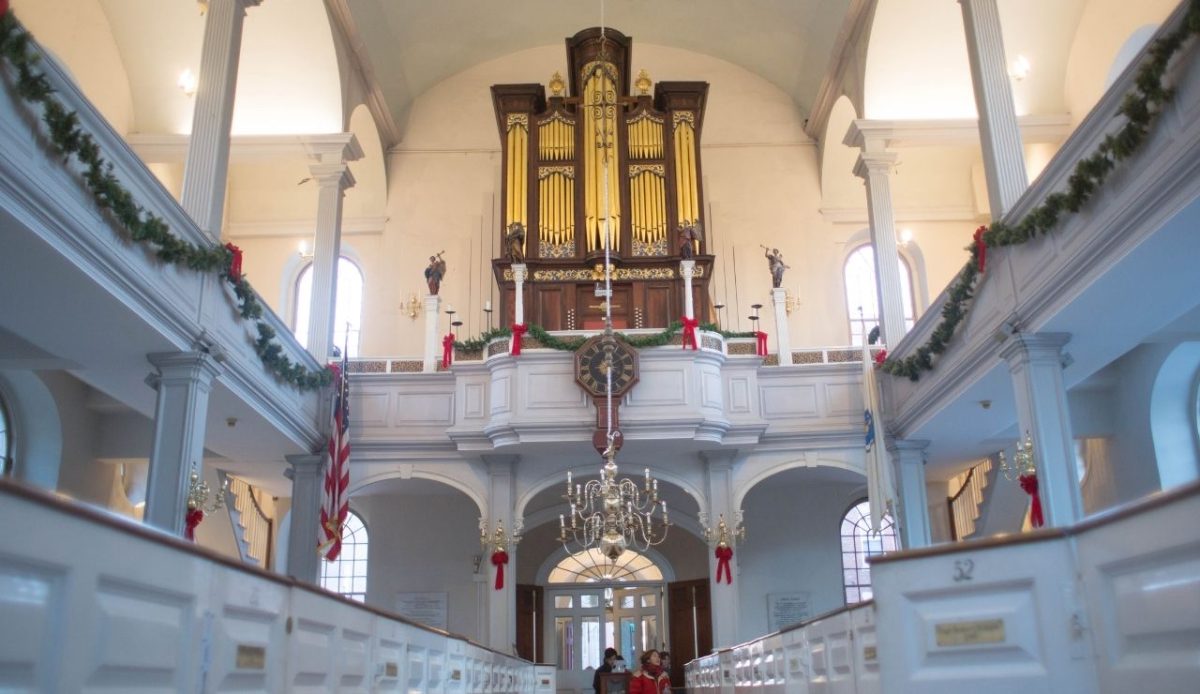
Boston’s Old North Church is forever tied to Paul Revere’s midnight ride in April 1775. From its steeple, lanterns were hung to signal whether British troops were coming by land or sea. That small but urgent message set in motion the alarm that rallied militias to arms, beginning the Revolution’s first battles at Lexington and Concord. The church itself, built in 1723, remains the oldest standing church in Boston. Inside, visitors see preserved pews, intricate woodwork, and displays that recount its role in the uprising. Walking through the sanctuary, people are reminded that ordinary buildings often become stages for extraordinary acts of courage. The Old North Church continues to symbolize how quick thinking and community action can spark lasting change.
8. Princeton Battlefield, New Jersey
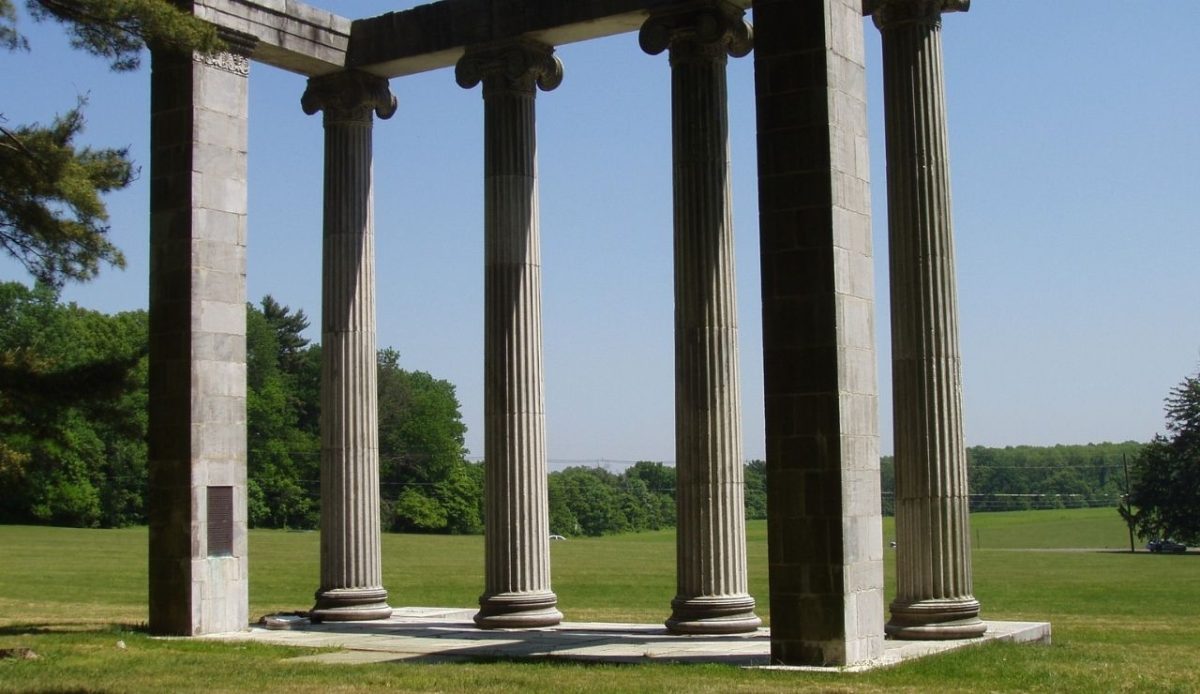
In January 1777, George Washington led a bold attack at Princeton that gave the Continental Army a much-needed victory. Just days after crossing the Delaware River and striking at Trenton, Washington marched his weary men into another fight. British troops tried to hold the ground, but Washington rallied his soldiers and turned the tide. His leadership under fire restored confidence and proved the army could stand against seasoned opponents. Today, Princeton Battlefield State Park preserves open fields, historic markers, and the Clarke House, which served as a field hospital. Visitors walking across the grounds can picture troops advancing through smoke and winter frost. The site stands as proof that determination and daring leadership could overcome fear, shaping momentum for the Revolution.
9. Guilford Courthouse, North Carolina
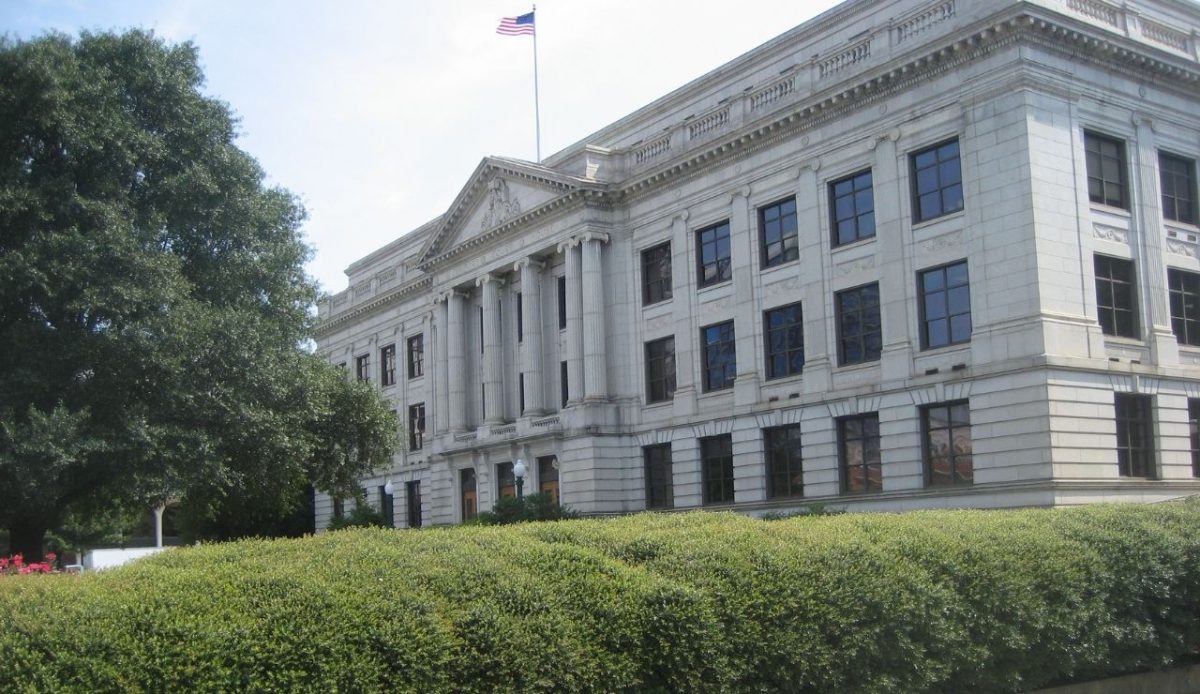
The Battle of Guilford Courthouse in March 1781 showed how costly even a British victory could become. General Cornwallis forced American troops under General Greene to retreat, but the British suffered heavy losses that they could not afford. Those casualties weakened their army and helped push them toward final defeat later that year. Guilford Courthouse National Military Park today preserves the wooded terrain where the fight raged. Trails and monuments guide visitors through the battlefield, highlighting the bravery of both soldiers and civilians who faced chaos in their communities. The site demonstrates how persistence wore down the strongest empire. Walking the paths today, people sense how determination and sacrifice in North Carolina played a direct role in the eventual success at Yorktown.
10. Trenton, New Jersey
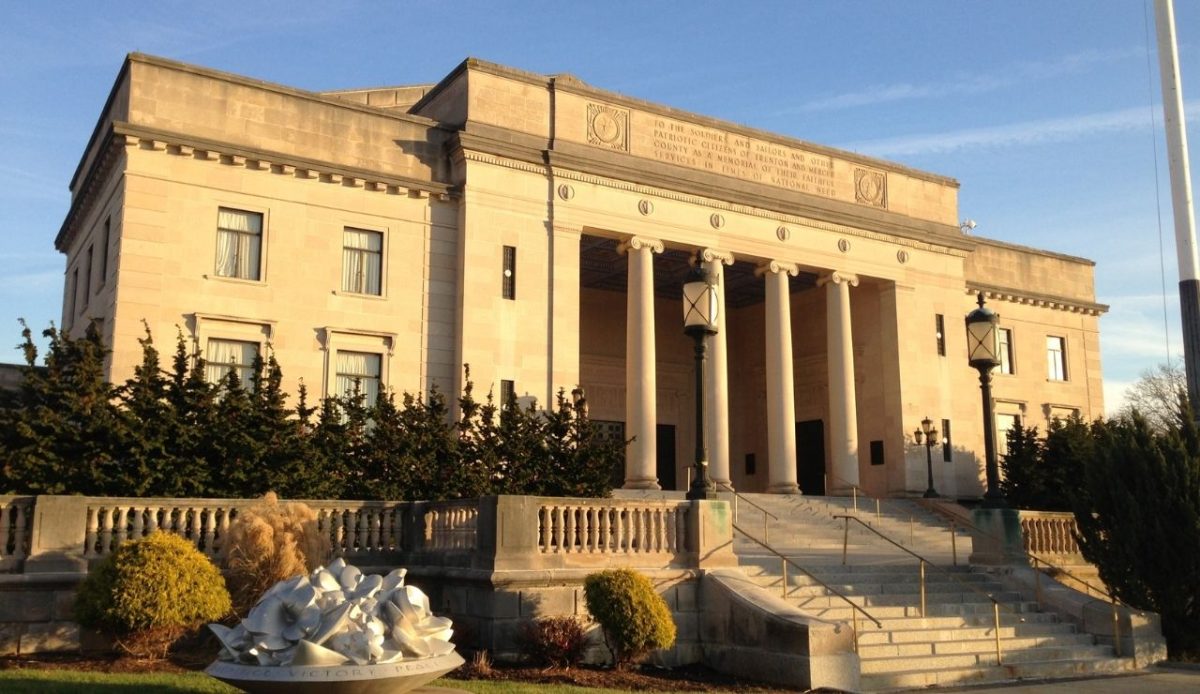
Trenton became legendary after Washington’s daring crossing of the Delaware River on Christmas night in 1776. The Continental Army marched through icy winds and struck Hessian troops by surprise the next morning. The victory electrified the colonies and revived hope at a moment when defeat seemed likely. Today, visitors can see the Old Barracks Museum, which housed Hessian soldiers, and monuments marking the site of Washington’s triumph. The annual reenactment of the crossing draws crowds who watch boats push through the frigid river, keeping the story alive. Standing in Trenton, people remember that one bold decision, carried out with courage, helped rescue the Revolution from collapse. It remains a site where resilience and bravery still inspire patriotism.
