
Some restaurants require real effort to reach, and that effort becomes part of their appeal. These remote dining spots sit far from major cities and often need boats, small aircraft, or long drives to access. They attract travelers who value authentic cooking, the use of local ingredients, and locations that reflect their surroundings. Each restaurant connects its menu to the environment it operates in, showing how distance can influence creativity and planning. This list features 10 working restaurants around the world known for their isolation, dependable food, and commitment to place.
1. KOKS, Ilimanaq, Greenland
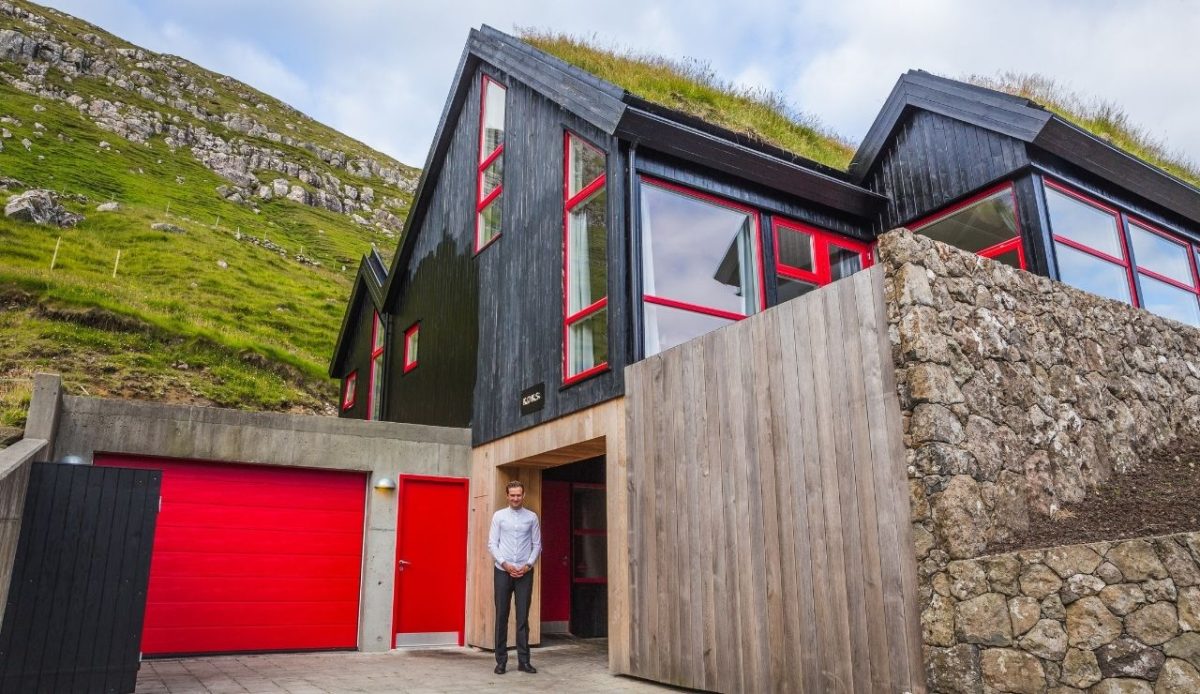
KOKS relocated from the Faroe Islands to the small Greenlandic settlement of Ilimanaq, accessible only by boat from Ilulissat. The Michelin-starred restaurant serves Nordic dishes made from local seafood, reindeer, and foraged plants. Meals unfold in restored 18th-century houses overlooking the Arctic coast. Operations are seasonal, running during the short Greenlandic summer, and supply logistics require careful coordination. Guests who make the journey find a clear link between the setting and the menu, where minimalism and resourcefulness reflect both Nordic precision and Greenland’s natural limits.
2. The Rock Restaurant, Zanzibar, Tanzania
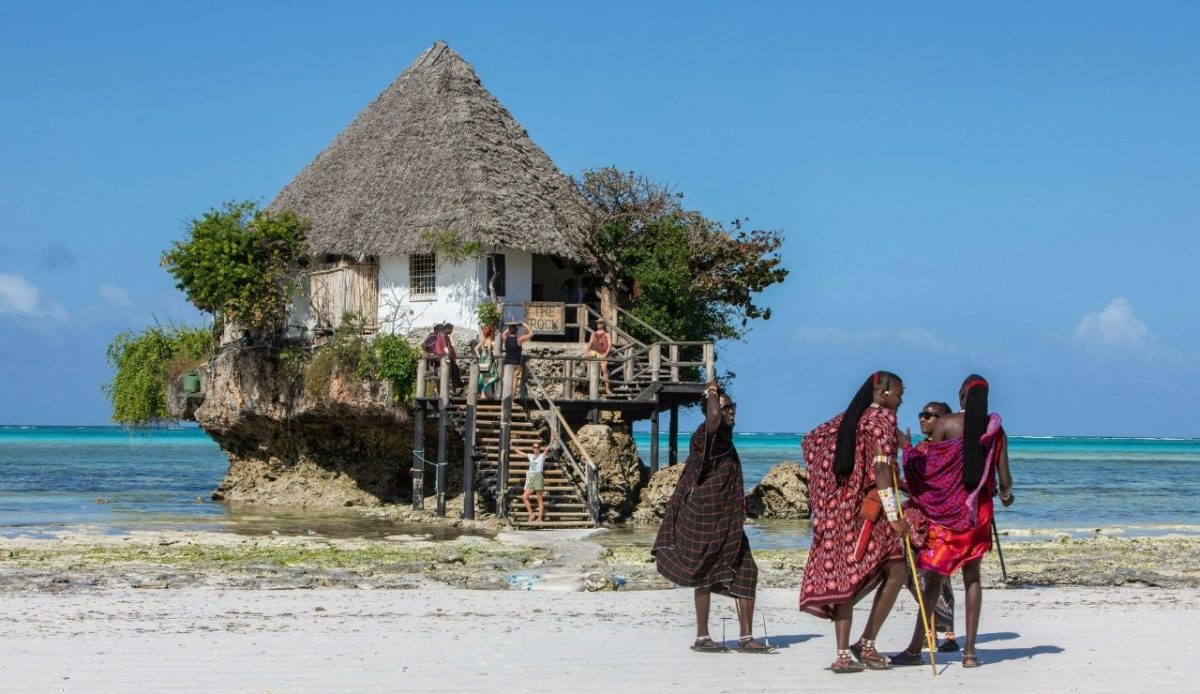
The Rock stands on a coral outcrop along the Michamvi Peninsula, reachable on foot at low tide and by small boat when the water rises. Its seafood-based menu includes freshly caught snapper, lobster, and octopus served with tropical accompaniments. The dining area is compact, with open seating overlooking the Indian Ocean. Service is steady and informal, matching the restaurant’s setting and pace. Visitors must time their arrival with the tides, which adds a practical rhythm to each visit. The Rock remains one of East Africa’s most recognizable and consistent dining spots.
3. Ithaa Undersea Restaurant, Rangali Island, Maldives
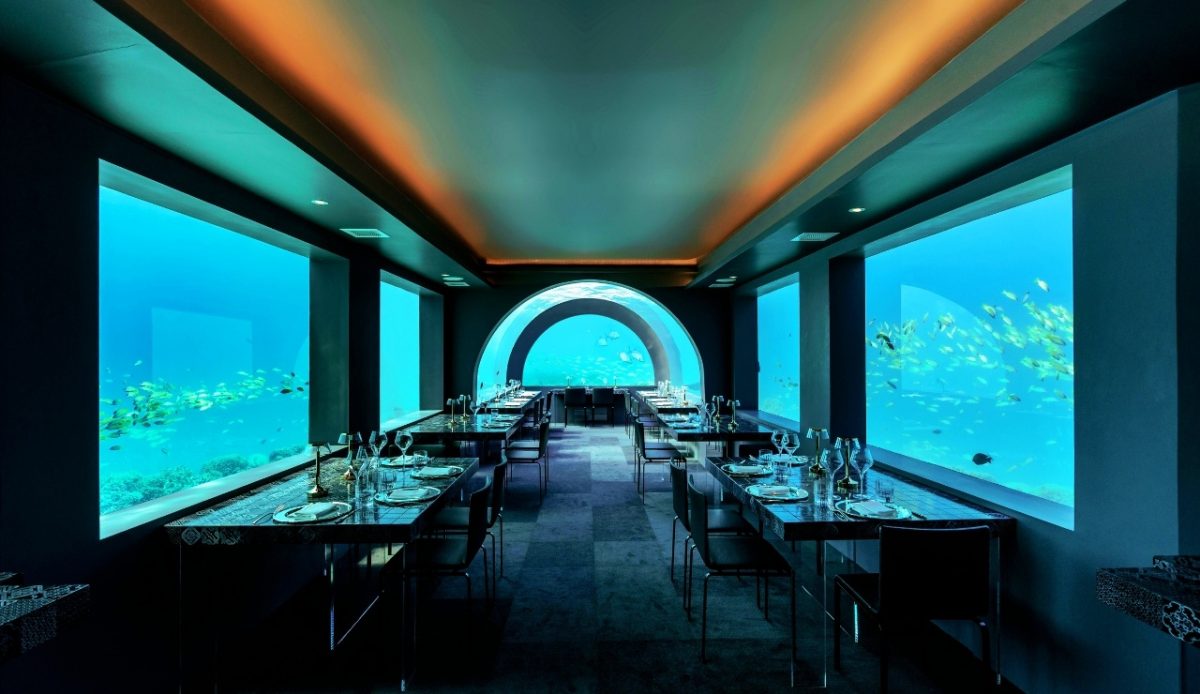
Ithaa operates beneath the ocean surface at the Conrad Maldives Rangali Island resort. Guests enter through a staircase leading into a transparent acrylic dome positioned five meters underwater. The restaurant seats a limited number of diners, serving contemporary European dishes featuring reef fish, scallops, and tropical produce. Marine life passes freely around the structure, creating an unusual sense of calm. While access is arranged through the resort, its physical separation and controlled seating make Ithaa one of the most remote and technically distinctive dining venues in the world.
4. Wolfgat, Paternoster, South Africa
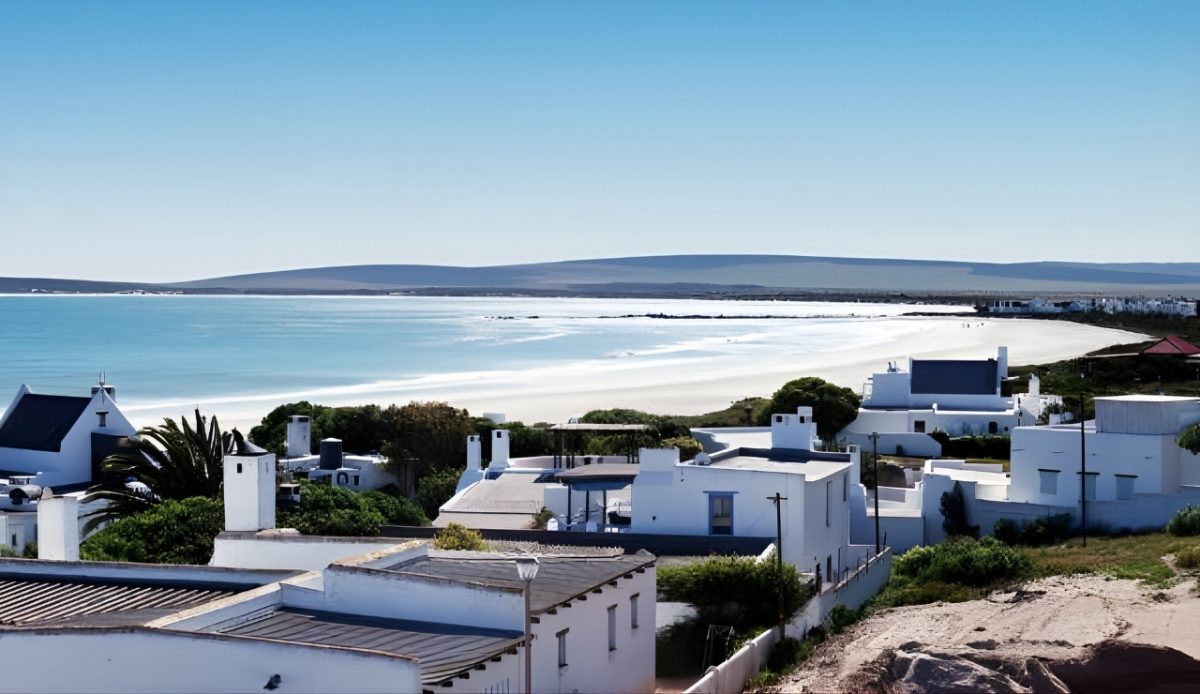
Wolfgat sits in a small seaside cottage on South Africa’s west coast, about two hours from Cape Town. The restaurant serves a fixed tasting menu built on local shellfish, foraged seaweed, and herbs from coastal dunes. Seating is limited, emphasizing precision and personal service. Chef Kobus van der Merwe bases each menu on tides and seasonal availability rather than fixed recipes. The restaurant’s scale, setting, and approach show how small teams can sustain high standards away from cities, relying on local skill and consistent care instead of large infrastructure.
5. Grotta Palazzese, Polignano a Mare, Italy
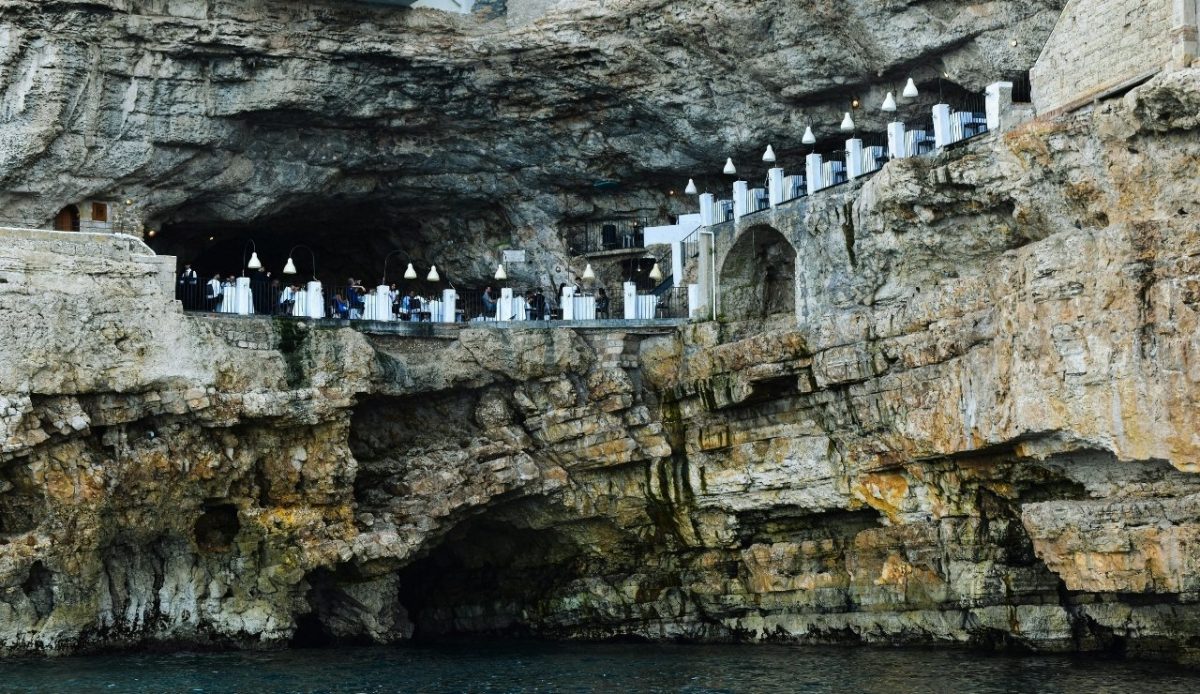
Grotta Palazzese occupies a natural sea cave carved into limestone cliffs overlooking the Adriatic. Guests reach the restaurant by stairway through the rock, entering an open terrace suspended above the waves. The seasonal menu features Mediterranean seafood, pasta, and regional wines. Though not remote in distance, its geological location creates separation from the urban world above. Staff rely on careful planning for safety and comfort, as weather and tides influence operations. The dining atmosphere stays balanced between elegance and structural simplicity.
6. The Boathouse, Stewart Island, New Zealand
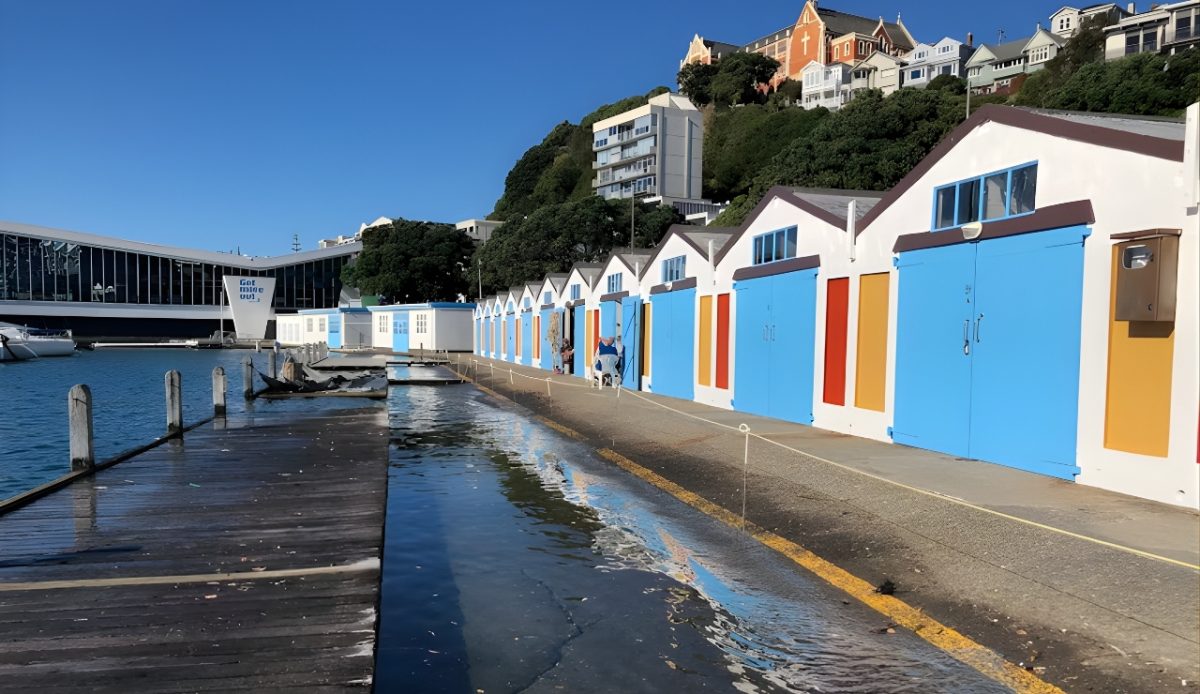
The Boathouse sits near Halfmoon Bay on Stewart Island, accessible by ferry or small aircraft from New Zealand’s South Island. The restaurant serves local seafood such as blue cod and mussels, along with farm-sourced meats and produce. Supplies depend on weather and transport schedules, requiring flexible menus and close relationships with local fishermen. The environment shapes daily routines, from storage limits to power usage. Despite modest scale, the restaurant maintains steady quality and a reputation for reliability in a region defined by self-sufficiency.
7. El Diablo Restaurant, Lanzarote, Spain
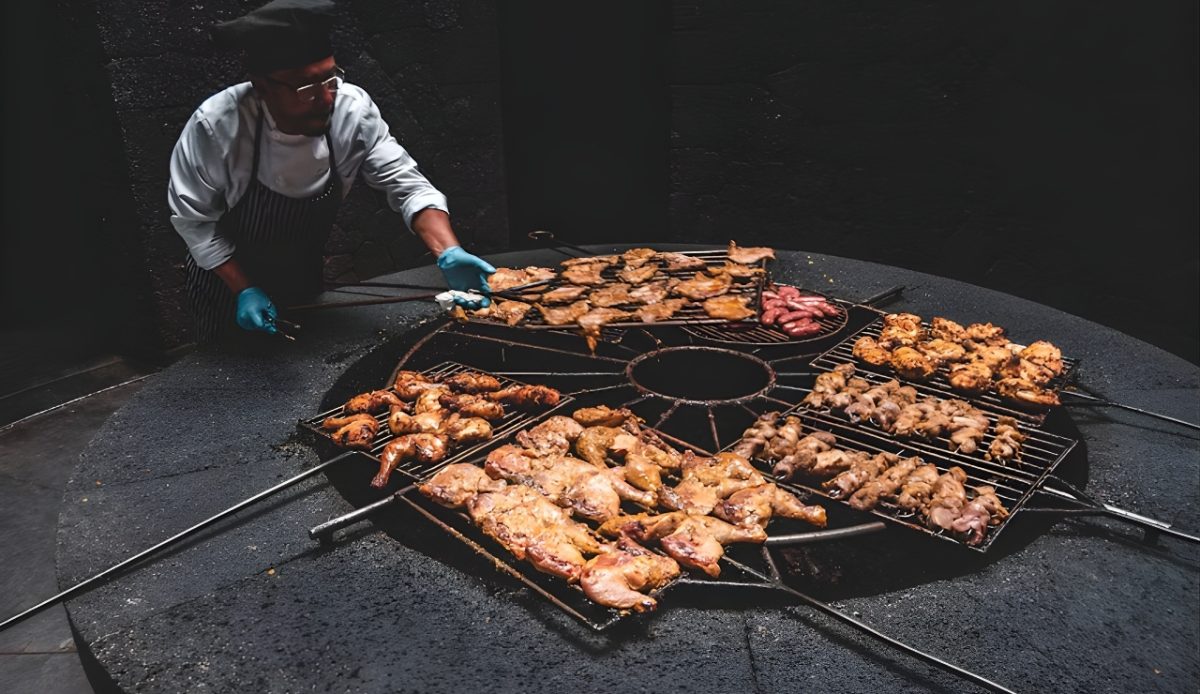
Inside Timanfaya National Park, El Diablo uses volcanic heat for cooking. The restaurant stands on a vent where temperatures beneath the surface exceed 400°C. The menu focuses on grilled meats and vegetables cooked over the natural heat source. Access is restricted to a single road through the park, reinforcing the site’s remoteness. Diners observe the geothermal process directly, connecting local geology to cuisine. Staff maintain strict coordination with park authorities to preserve the area’s fragile environment while continuing daily service with minimal disruption.
8. Three Chimneys, Isle of Skye, Scotland
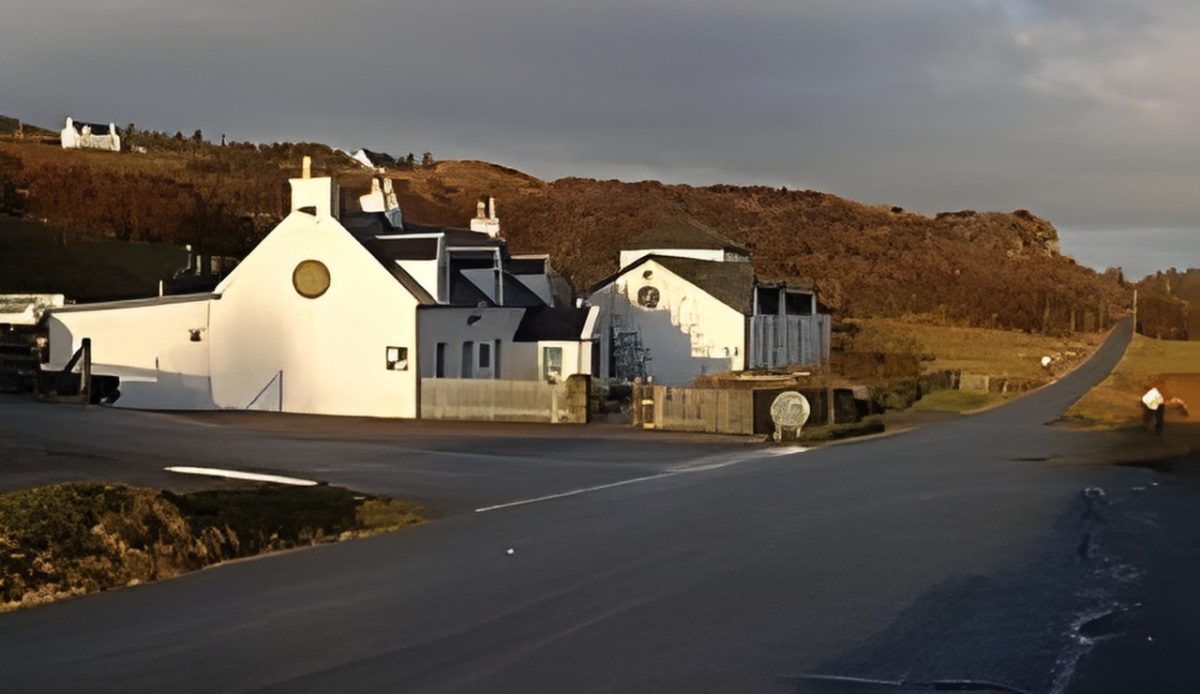
Three Chimneys has served travelers on the Isle of Skye for more than three decades. The journey involves narrow coastal roads and unpredictable weather, but the reward is carefully prepared Scottish cuisine. The menu features shellfish, venison, and garden vegetables grown locally. The restaurant operates alongside guest rooms, allowing travelers to stay overnight. Staff adapt menus to seasonal supply rather than fixed expectations. Its consistency, transparency, and long record of steady quality make it a benchmark for sustainable rural dining in northern Europe.
9. Chiso Cuisine, Shodoshima Island, Japan
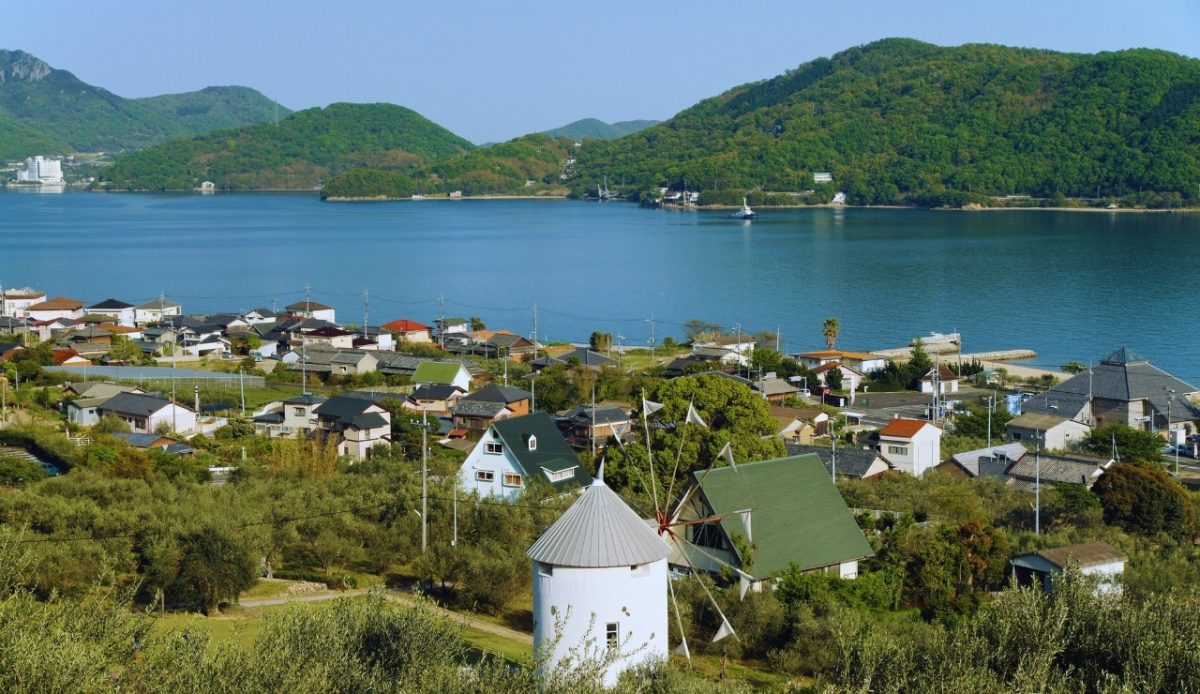
Chiso Cuisine operates on Shodoshima Island, known for its soy sauce and olive production in Japan’s Seto Inland Sea. Accessible only by ferry, the restaurant highlights regional seafood and handmade condiments. Meals are served in a quiet dining room overlooking the terraces and waterways that define the island’s geography. Each dish reflects precision and timing, with ingredients sourced from nearby farms and fishermen. The ferry schedule influences dining hours, reminding guests that geography still shapes rhythm and planning even in modern Japan.
10. Grotto dei Pescatori, Gandria, Switzerland
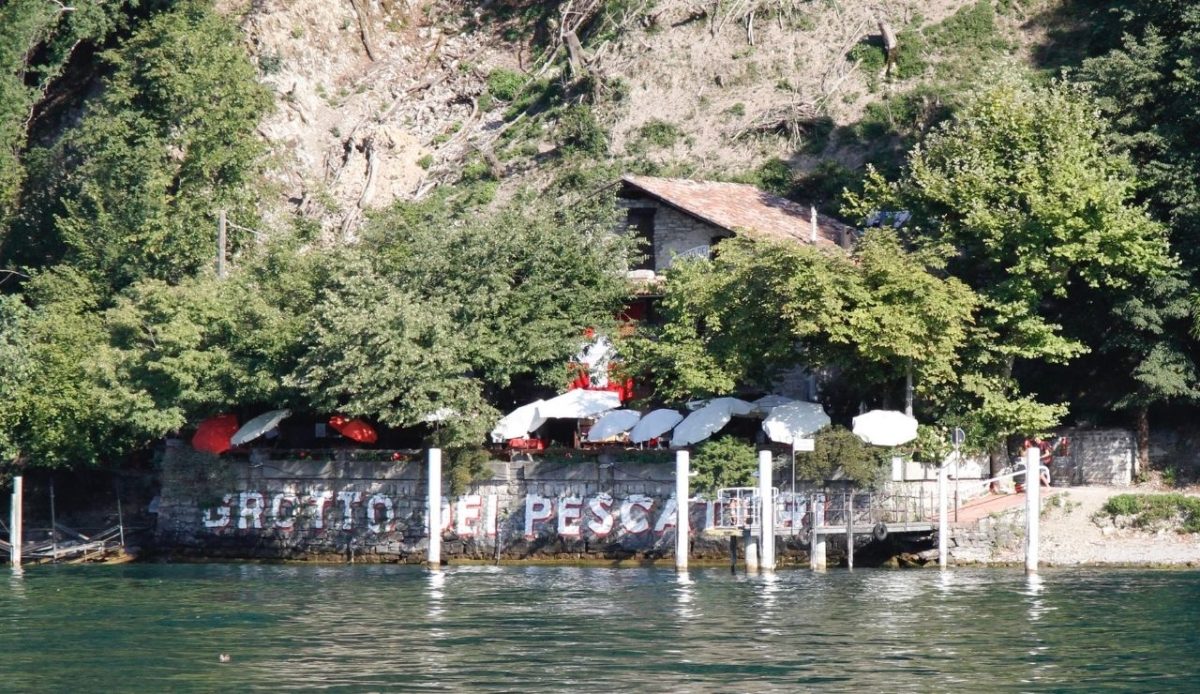
Grotto dei Pescatori stands beside Lake Lugano in Gandria, reachable only by boat or steep walking paths. It serves Ticino specialties such as risotto, perch, and cured meats, relying on small suppliers and local fishermen. Operations pause in winter due to limited access. The restaurant’s appeal lies in simplicity, steady food served without embellishment in a setting that encourages slower pacing. Boat delivery schedules determine inventory and menu changes. The combination of tradition and precision allows it to maintain reliability despite its remote location.
