
In the farthest reaches of Canada, entire communities exist beyond the reach of highways or rail lines, connected to the rest of the country only by air, sea, or seasonal ice roads. These towns are not outliers but living examples of how people endure and adapt where geography dictates every choice. Supplies arrive by plane instead of truck, and community events often replace the conveniences found farther south. Technology brings limited connection, yet daily routines still depend on weather, daylight, and cooperation. The following ten towns capture the meaning of true isolation and the quiet strength that defines life on Canada’s outer edge.
1. Grise Fiord, Nunavut
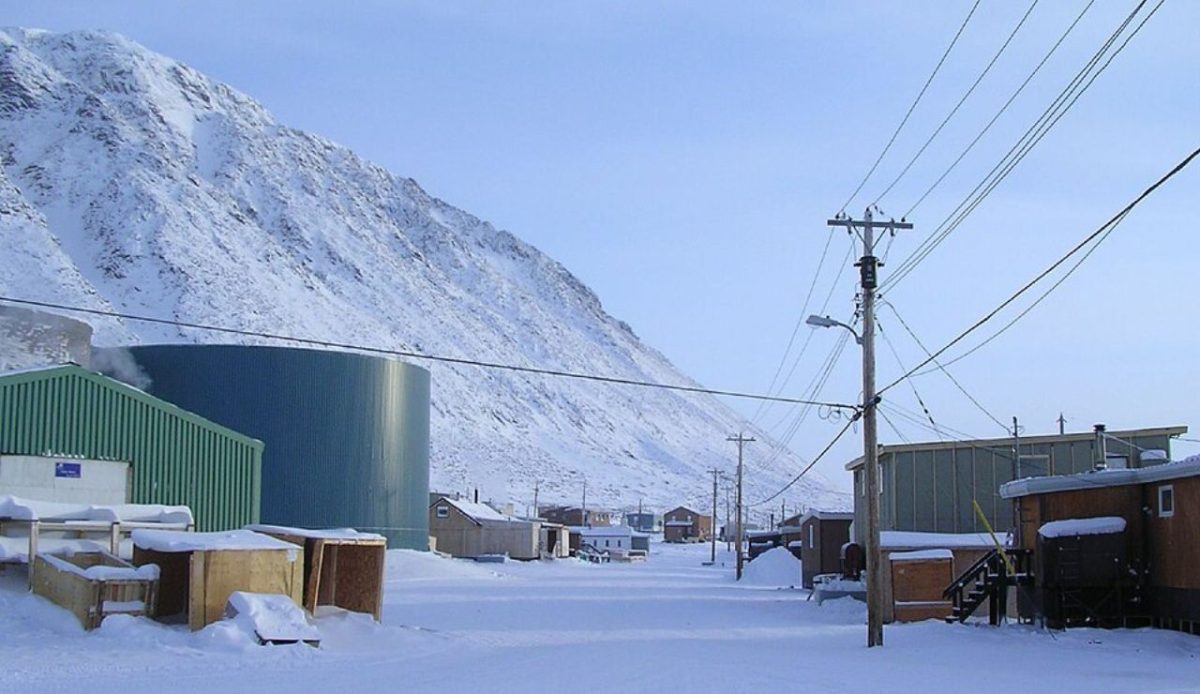
Grise Fiord on Ellesmere Island holds the title of Canada’s northernmost inhabited community and is home to fewer than 150 people who live in one of the country’s harshest environments. The surrounding polar desert stays frozen most of the year, with brief summers that bring a few weeks of continuous sunlight. Residents depend on seal, walrus, and musk ox for food, maintaining Inuit traditions that have lasted for generations. Travelers can reach the hamlet only by small plane or annual supply ship, finding a landscape of ice cliffs, quiet bays, and Arctic wildlife that make isolation both a challenge and a way of life.
2. Hartley Bay, British Columbia
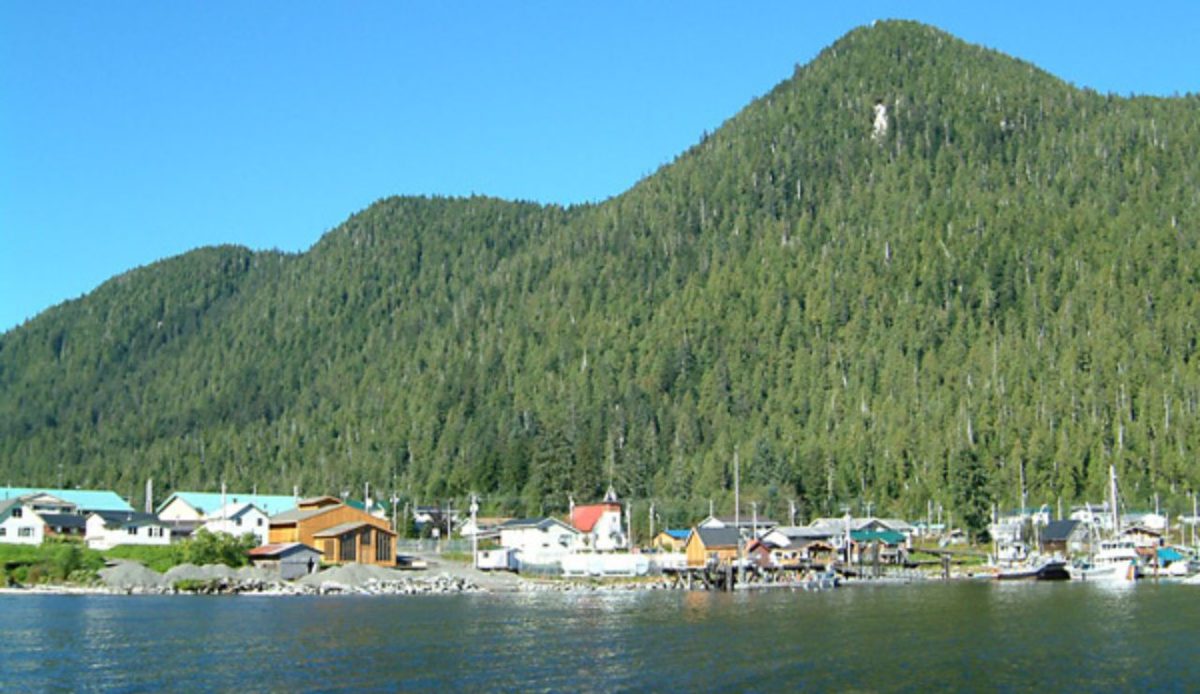
Hartley Bay lies within the Great Bear Rainforest on British Columbia’s remote north coast. Accessible only by boat or floatplane, this Gitga’at First Nation community overlooks quiet channels where whales and seals are common sights. Around 200 residents live amid dense forest and sheltered coves, maintaining deep ties to the ocean through fishing and cultural stewardship. Visitors often arrive en route to the nearby marine park or to learn about coastal conservation. Hartley Bay’s isolation gives it a peaceful rhythm defined by tides, weather, and community cooperation that keeps the village strong year after year.
3. Taloyoak, Nunavut
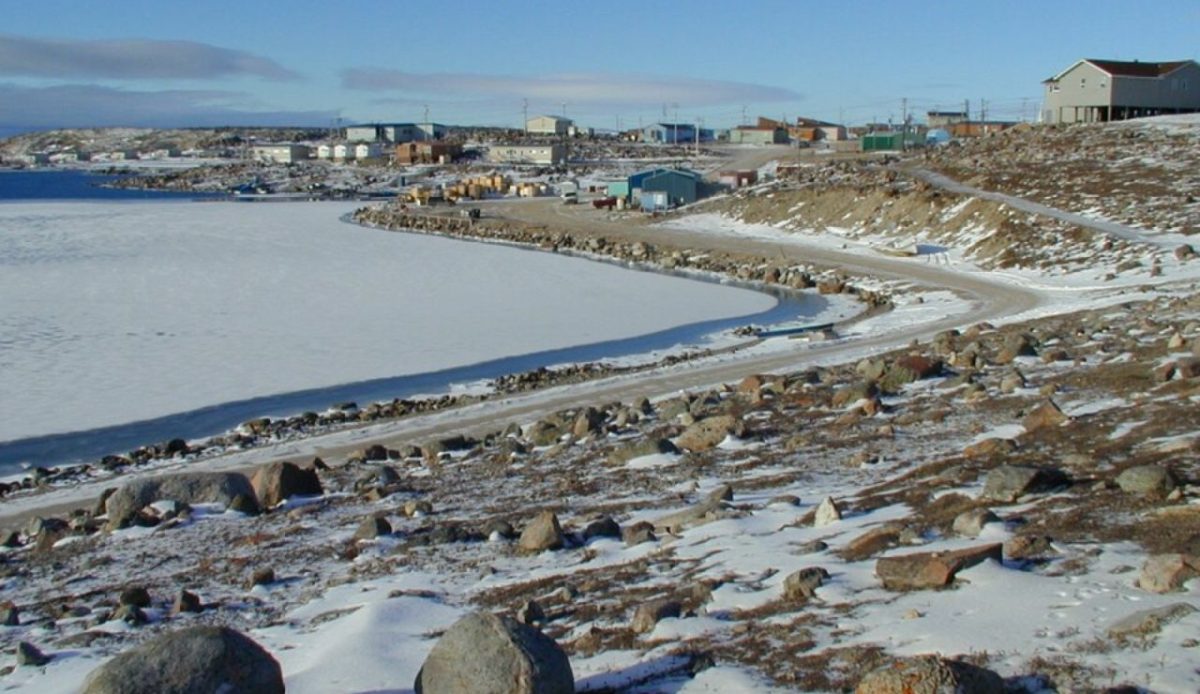
Located on the Boothia Peninsula, Taloyoak is the northernmost settlement on mainland Canada. It has no year-round road connection, relying instead on air travel and an annual sealift when sea ice retreats. Around 900 residents keep Inuit customs alive through carving, fishing, and winter hunting that supports both family and community needs. The stark tundra surrounding the hamlet stretches toward the Arctic Ocean, offering views of shifting ice and passing caribou herds. Those who visit often learn how local craftsmanship and tradition sustain life in extreme conditions while nurturing a deep sense of cultural continuity.
4. Sachs Harbour, Northwest Territories
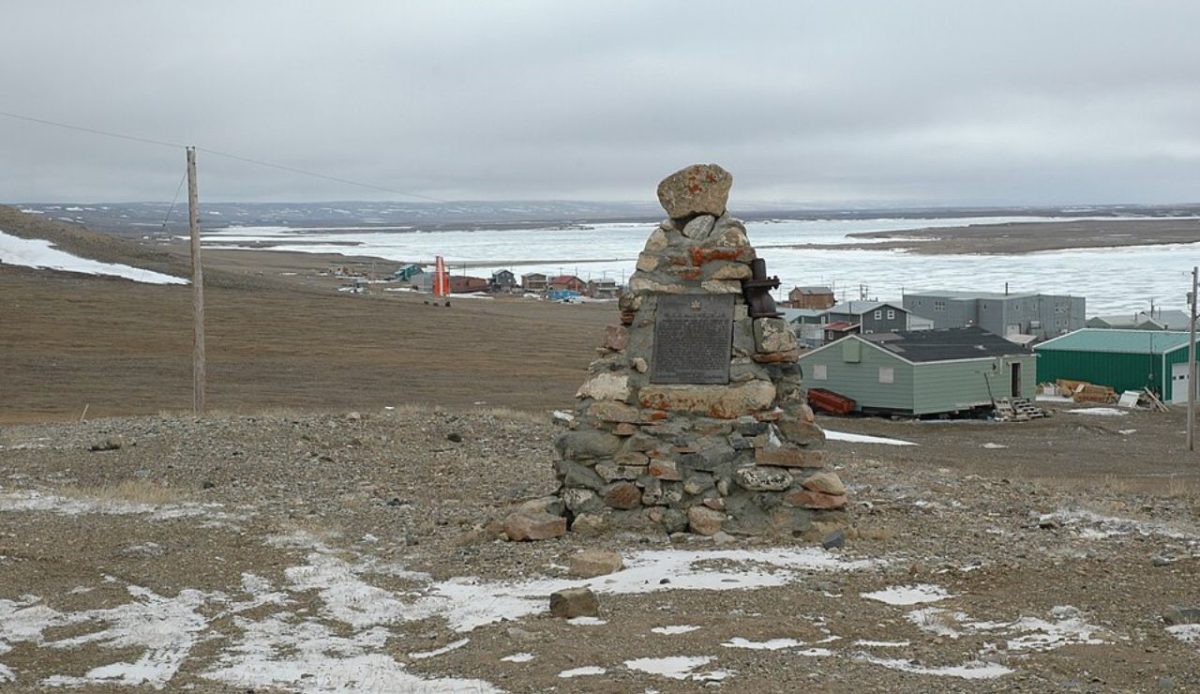
Perched on Banks Island, Sachs Harbour is the only permanent settlement within a region dominated by wildlife and wind. Its roughly 100 residents live where Arctic foxes, musk oxen, and migratory birds outnumber people by thousands. Access is limited to flights from Inuvik, making even small deliveries a major event. The community balances subsistence living with tourism tied to nearby Aulavik National Park, home to North America’s largest musk ox population. Travelers who reach Sachs Harbour experience one of the purest examples of Arctic life, where endurance, cooperation, and adaptation remain part of every season.
5. Kugaaruk, Nunavut
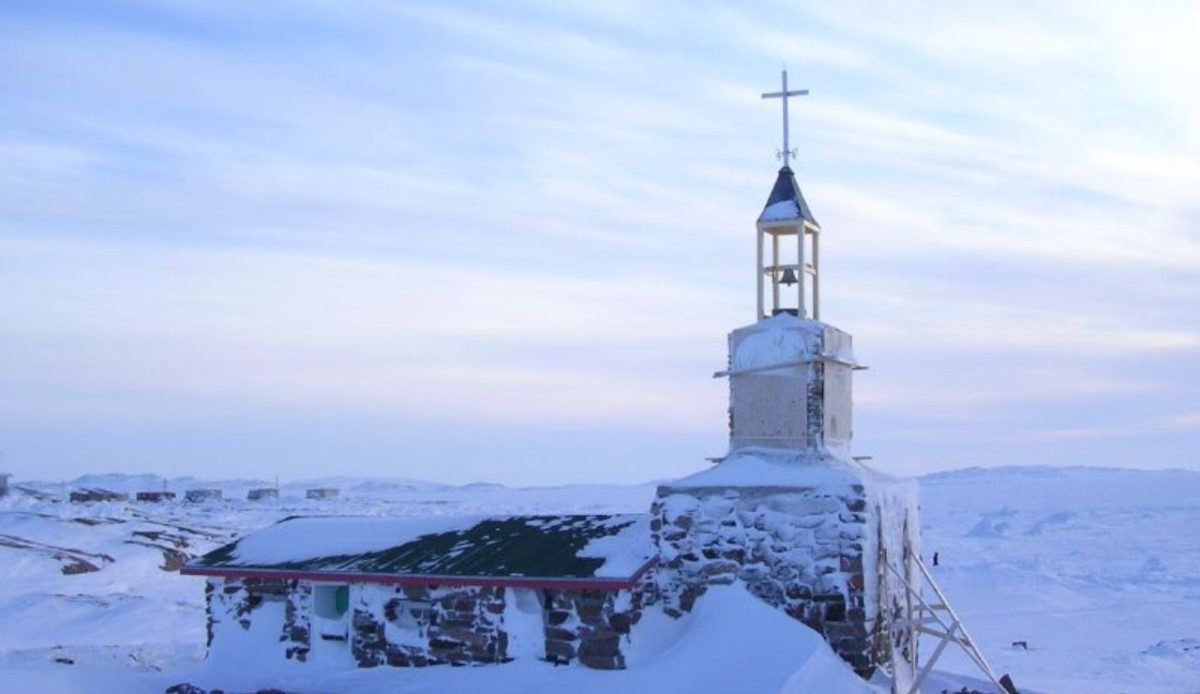
Kugaaruk, located along the Pelly Bay coast in Nunavut’s Kitikmeot region, lies beyond Canada’s road network and depends entirely on air and summer barge service. The settlement of about 1,000 residents blends traditional knowledge with modern needs, as many families still hunt and fish while supporting schools and local governance. Winters bring long darkness and extreme cold that test both equipment and spirit, yet community events and storytelling keep morale strong. Visitors come for cultural exchanges and guided tundra excursions that reveal how isolation has influenced a resourceful and self-reliant northern way of life.
6. Gjoa Haven, Nunavut
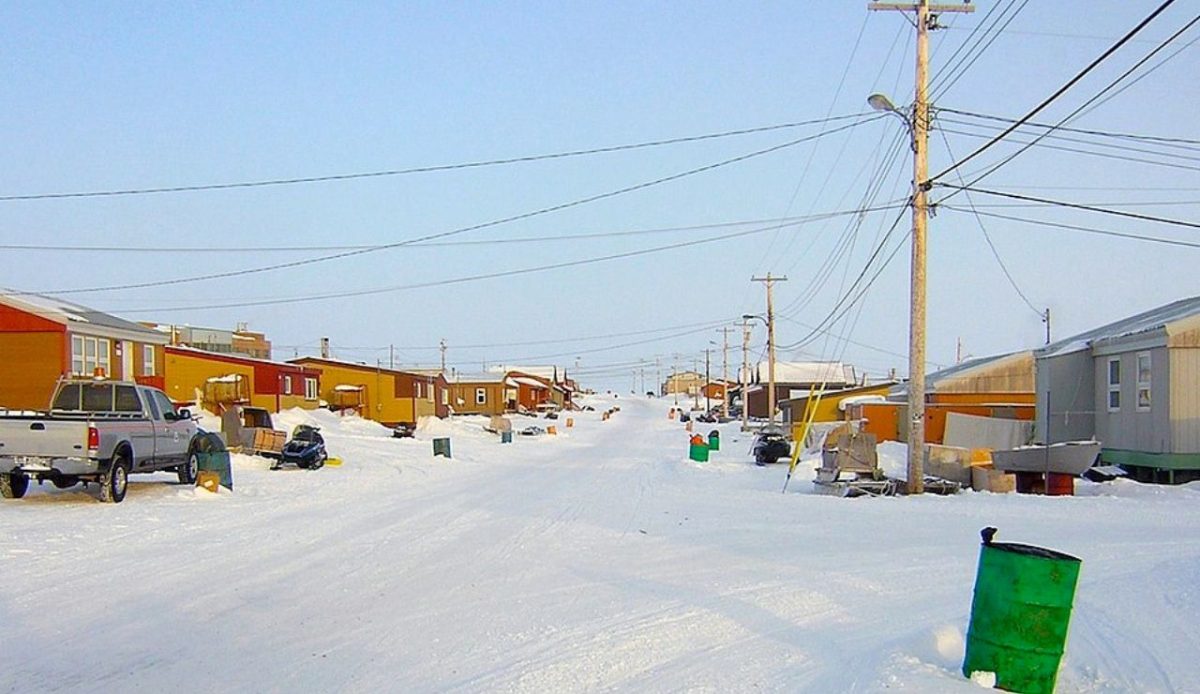
Gjoa Haven sits on King William Island, where Arctic winds sweep across a landscape that once guided explorers like Roald Amundsen. With no road connections, the town depends on air travel and short summer sealift deliveries. Its roughly 1,300 residents carry forward Inuit traditions through storytelling, drum dancing, and the carving of soapstone inspired by Arctic wildlife. Visitors find a quiet community that bridges exploration history with everyday resilience. The nearby Northwest Passage History Center documents polar navigation, making Gjoa Haven a meaningful stop for those interested in the human side of life in the High Arctic.
7. Nain, Newfoundland and Labrador
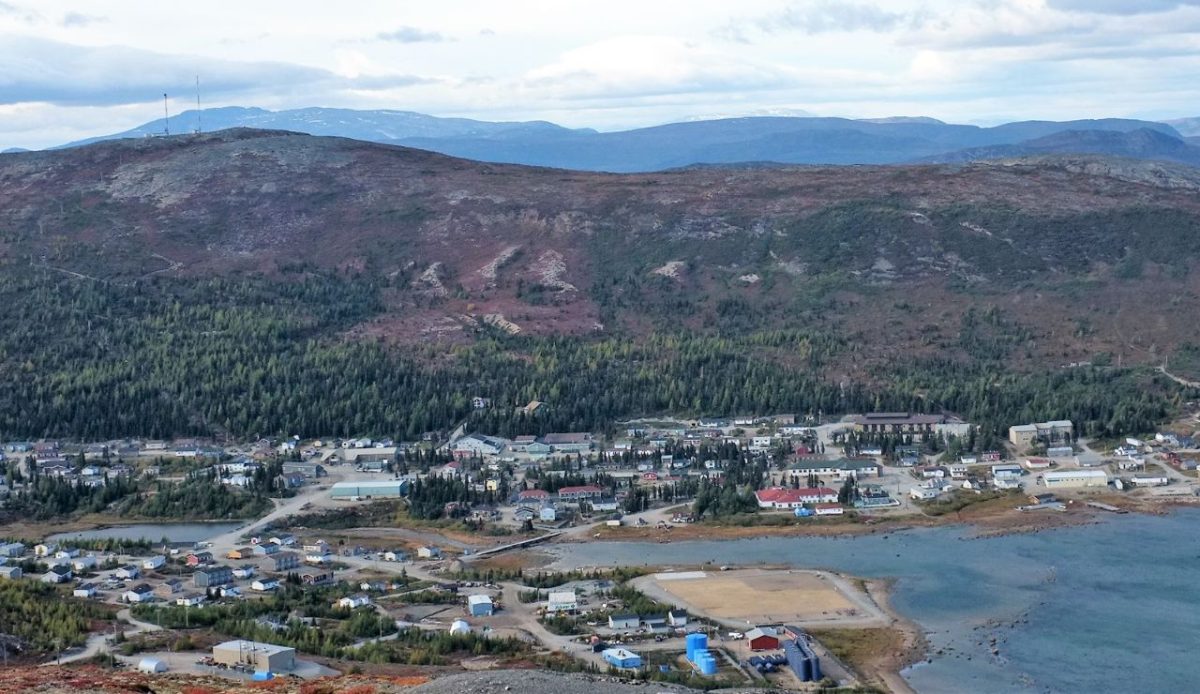
Nain, the northernmost community in Labrador, serves as the administrative capital of the Inuit self-governing region of Nunatsiavut. Surrounded by fjords and rugged coastline, it has no road network to the rest of the province and relies on air transport and seasonal ferries. About 1,200 residents live where Arctic and Atlantic conditions meet, supporting fishing, traditional crafts, and northern research programs. The Torngat Mountains National Park gateway nearby brings small groups of travelers to one of Canada’s wildest landscapes. For residents, isolation builds connection to land and heritage that remain central to Labrador’s northern identity.
8. Churchill, Manitoba
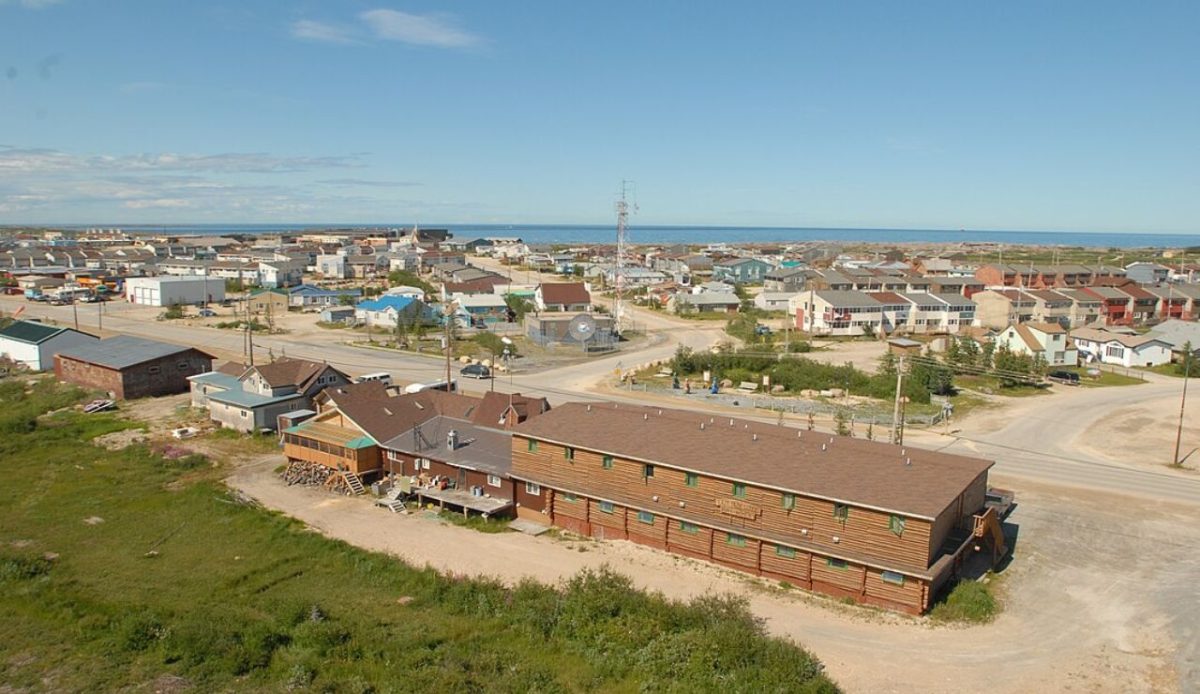
Churchill, on the shores of Hudson Bay, is famous for its polar bears and beluga whales but remains one of Canada’s most remote northern towns. There are no permanent roads leading in, so travelers arrive by train from Winnipeg or by air. Despite limited access, Churchill maintains a vibrant tourism industry centered on Arctic wildlife and the northern lights. Local businesses and research centers support conservation and education efforts year-round. Its isolation encourages innovation, from creative freight systems to strong community engagement. For visitors, Churchill demonstrates how remoteness can fuel both science and culture.
9. Fort Severn, Ontario
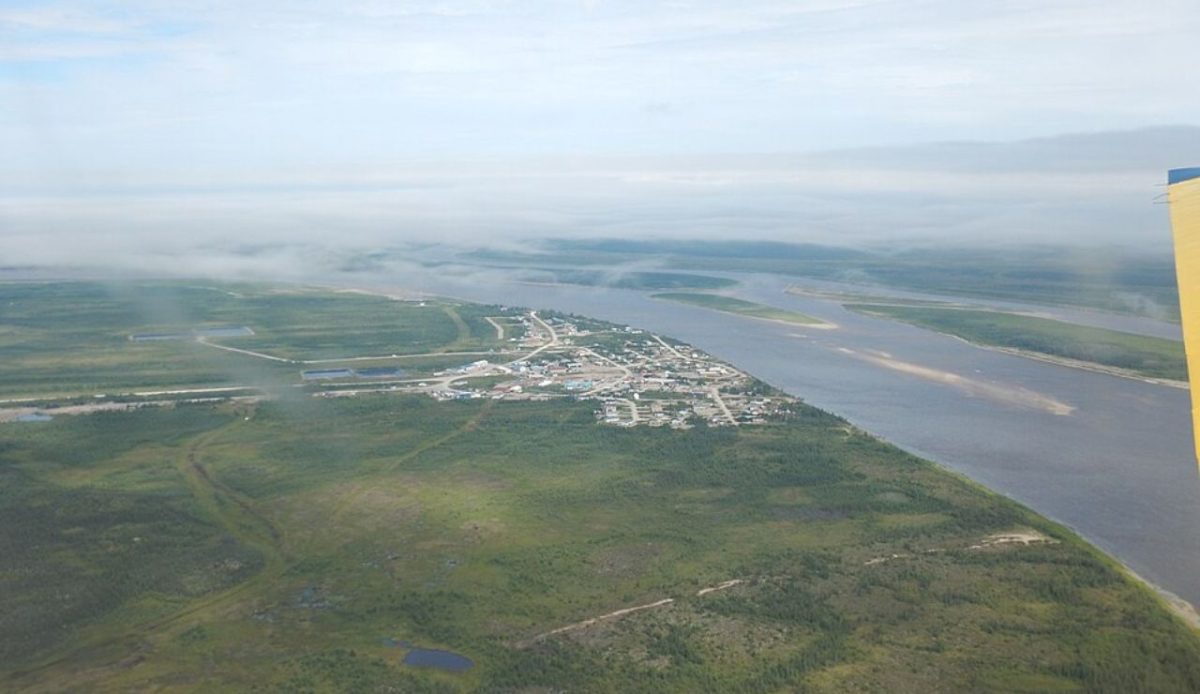
Fort Severn, Ontario’s northernmost community, lies on the edge of Hudson Bay near the Manitoba border. With a population around 500, it is reachable only by air year-round and by winter road for a few months. The town belongs to the Anishinaabe people, who maintain deep cultural and environmental ties to the land. Residents rely on hunting, fishing, and community stores that stock supplies flown in from the south. Travelers who visit learn about local wildlife and the seasonal rhythms that guide daily life. Despite harsh winters and isolation, Fort Severn remains a strong and self-sustaining northern community.
10. Ulukhaktok, Northwest Territories
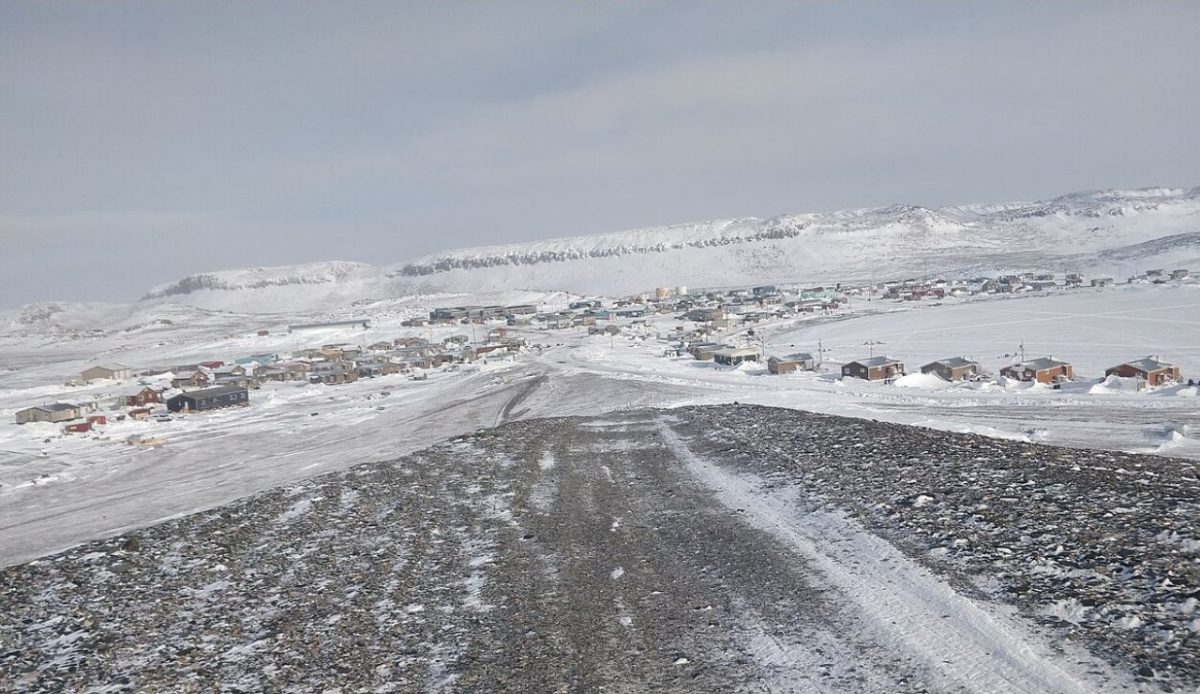
Ulukhaktok on Victoria Island overlooks the icy Amundsen Gulf and serves as one of Canada’s most isolated Arctic settlements. It has around 400 residents, primarily Inuvialuit, who continue to produce world-renowned printmaking and crafts inspired by Arctic wildlife. The community depends on air service from Inuvik, with supplies arriving by seasonal barge when sea ice allows. Visitors come for cultural events that highlight drum dancing, carving, and northern art. The remoteness creates both beauty and endurance, as Ulukhaktok’s people balance traditional knowledge with modern life in a landscape ruled by wind and sea.
