
Cruises are often viewed as a convenient and organized way to travel, combining relaxation, entertainment, and port visits without the effort of repeated packing. Despite careful planning, many travelers still cancel their cruise bookings for reasons that vary widely. Some cancellations occur due to personal issues such as health concerns or family emergencies, while others result from changing travel rules, weather disruptions, or doubts about safety and comfort. Financial limits, dissatisfaction with the cruise format, or ethical concerns also influence these decisions. Let’s explore them all in detail:
1. Health Issues That Arise Before Departure

Health remains one of the leading reasons people cancel cruises. Even mild illness can make travel difficult, while chronic conditions often require medical clearance. Cruise lines have strict boarding rules, and passengers unable to provide documentation are refused entry. Many travelers cancel to avoid complications far from proper medical care. Those with insurance may recover part of their payment, but others find cancellation the safer option. Health-related uncertainty continues to influence travel decisions, particularly among older guests and those managing long-term conditions.
2. Unexpected Family Emergencies

Family responsibilities can disrupt travel plans without warning. Illness, injury, or a major life event can make it impossible to leave home. Because cruise itineraries operate on fixed dates, flexibility is limited once bookings are confirmed. Many passengers prefer to cancel and handle personal matters rather than risk missing key family moments. Travel insurance often covers emergencies involving close relatives, but claims require documentation. These situations highlight the value of booking refundable fares and maintaining open communication with the cruise line when emergencies occur.
3. Job Conflicts and Schedule Changes

Work obligations frequently interfere with vacation timing. Last-minute deadlines, business travel, or staffing changes can make approved leave impossible to take. Some travelers face sudden layoffs or new employment opportunities that force them to stay available. Since cruise lines run on rigid schedules, rebooking usually incurs fees or limited choices. Professionals who rely on employer approval often cancel to protect their position. The best prevention is planning vacations around confirmed work calendars and discussing flexibility with supervisors before committing to departure dates.
4. Sudden Financial Constraints

Unforeseen expenses can quickly affect travel plans. Medical bills, home repairs, or inflation-related costs may force travelers to reprioritize. Cruises often require full payment months before sailing, making it difficult to adjust when finances change unexpectedly. Some passengers cancel to avoid unnecessary debt, while others rebook for a later date when funds stabilize. Budget-conscious travelers benefit from refund protection or flexible payment plans, yet not every cruise offers them. Realistic budgeting remains one of the most effective ways to keep travel plans intact.
5. Passport and Visa Problems
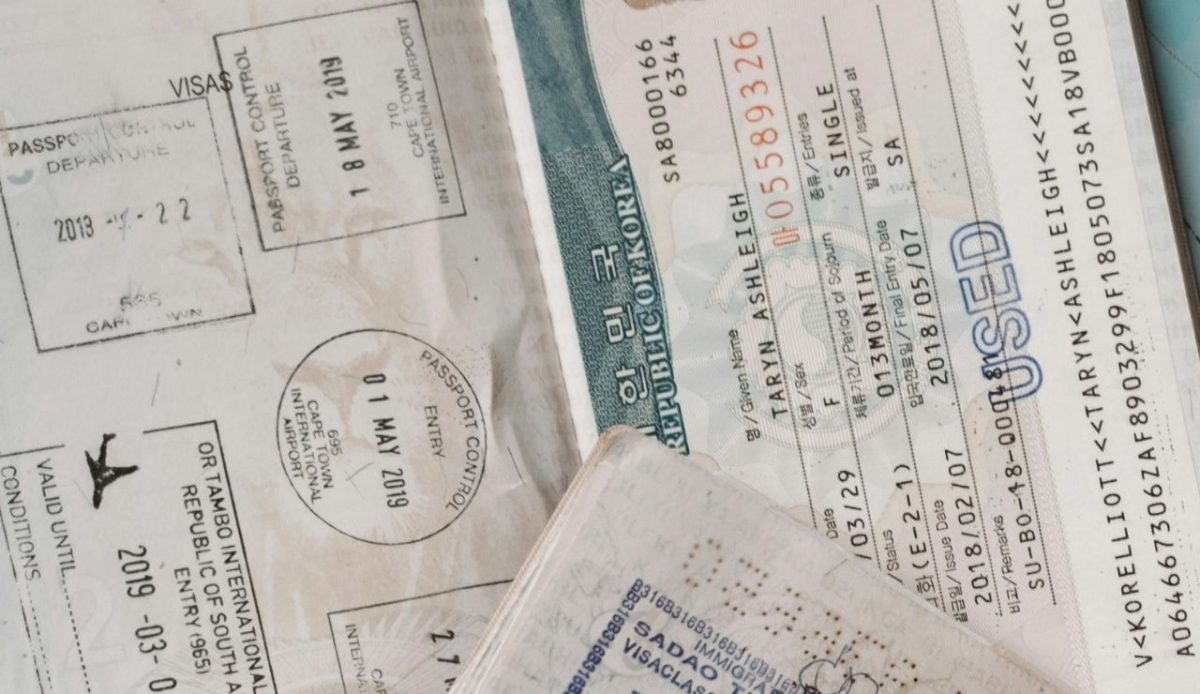
Documentation issues continue to cause frustration for many travelers. Passports may expire sooner than expected, and visa processing delays can prevent timely approval. Cruise lines must comply with international entry laws, so passengers lacking valid paperwork cannot board, even if their destination allows visa-on-arrival access. Some travelers only discover missing documents days before departure, forcing immediate cancellation. Checking requirements early, renewing documents ahead of time, and verifying destination rules with the cruise company remain simple but essential steps.
6. Weather-Related Cancellations and Storm Warnings
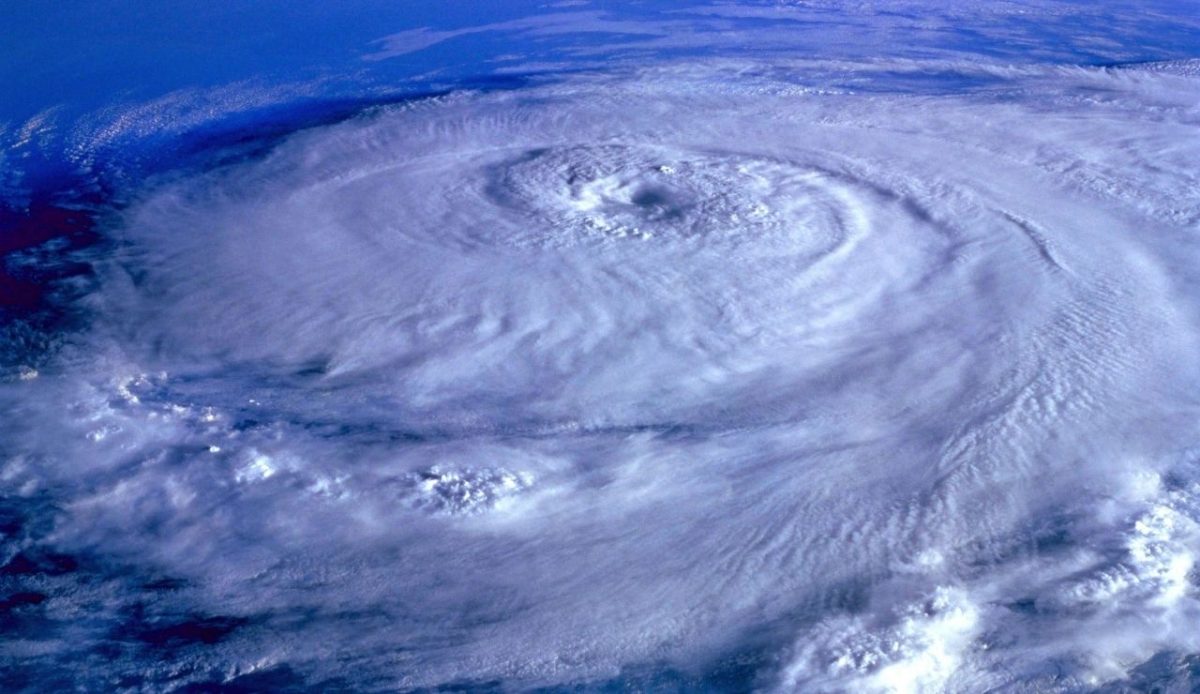
Cruises depend heavily on weather stability. Storms, hurricanes, or heavy winds can close ports and alter routes. When severe conditions appear in forecasts, many travelers cancel preemptively to avoid uncertainty. Cruise lines sometimes offer rebooking options or travel credits, but not all passengers can adjust their schedules. Even though ships are designed to handle rough seas, long stretches of unpredictable weather discourage participation. Travelers seeking smooth sailing typically book outside storm seasons or choose routes known for milder conditions.
7. Discomfort With Large Crowds
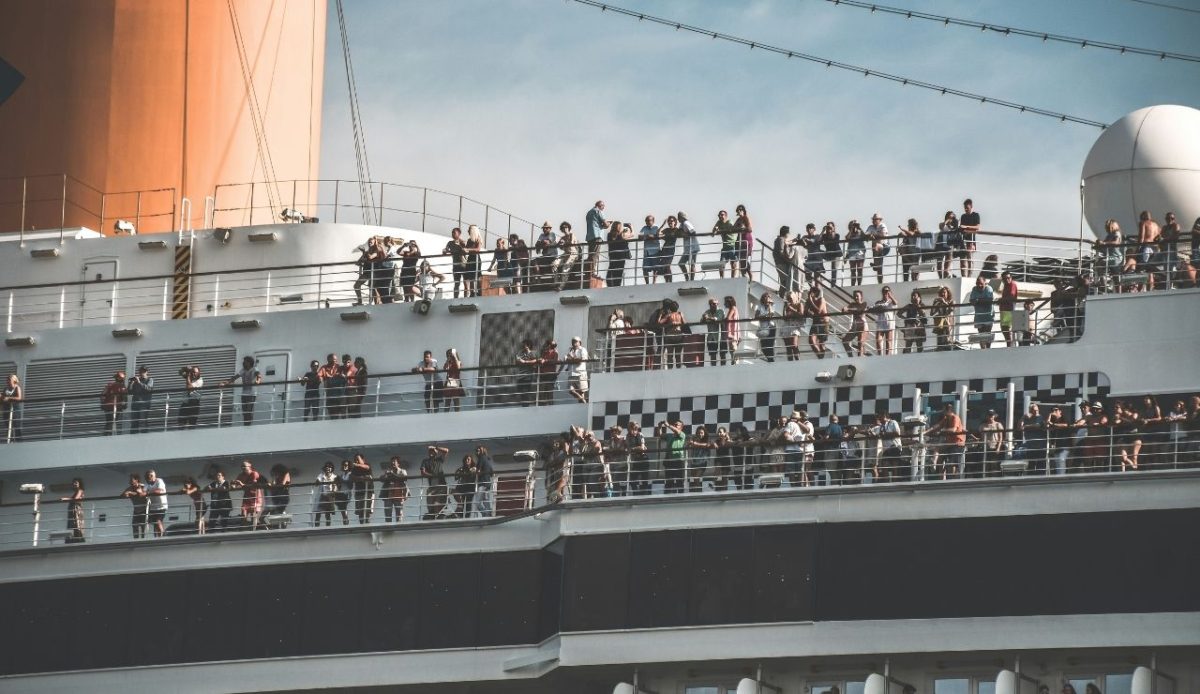
Not all travelers enjoy the social nature of cruising. Ships can carry several thousand passengers, and constant interaction in dining areas, pools, and common spaces can feel overwhelming. Introverted travelers or those seeking solitude sometimes cancel after realizing how crowded cruise life can be. Even smaller luxury ships maintain group activities that may not appeal to everyone. Those who value privacy often opt for river cruises or land-based vacations where personal space is easier to control and the pace feels calmer.
8. Travel Companion Backing Out

Cancellations often occur when a travel partner can no longer join the trip. Health problems, schedule conflicts, or changing priorities can leave one traveler without company. Because cruise fares are typically based on double occupancy, solo travelers face higher costs. Many choose to cancel and wait for a future opportunity to travel together. Some cruise lines allow name transfers or partial credits, though policies vary. Clear communication and flexible planning help prevent financial loss when plans change unexpectedly.
9. Preference Shift Toward Land-Based Vacations

Some travelers change interests and no longer enjoy cruise travel. Land vacations provide greater flexibility, allowing longer stays and personal control over schedules. Others prefer destinations that can be explored by car or train, where pacing feels slower and planning simpler. Environmental awareness has also influenced decisions, with some travelers choosing to reduce sea travel. These shifts do not always indicate dissatisfaction but rather reflect evolving priorities about how people wish to experience relaxation and exploration.
10. Inadequate Travel Insurance and Policy Confusion

Insurance limitations often lead to unexpected cancellations. Some travelers discover too late that their plans do not cover illness, weather disruptions, or missed flights. Others misunderstand refund conditions or claim procedures. Reading fine print and confirming coverage details before purchase prevents such setbacks. Comprehensive plans that include health, transportation, and schedule protection provide the best security. Despite the added cost, proper coverage offers reassurance that unexpected changes will not result in total financial loss.
