
Airbnb transformed travel when it first launched, offering affordable stays and the chance to live like a local. But lately, the shine has faded. Guests who once loved the platform are growing frustrated with rising fees, inconsistent quality, and endless rules that turn a vacation into extra work. Instead of convenience and authenticity, many now find stress and surprises. From hidden costs to poor service, here’s why travelers are ditching Airbnb, and five better, more reliable alternatives for their next trip.
1. Rising Service Fees

Airbnb’s early appeal was affordability, but many travelers say that advantage has vanished. Service charges, cleaning fees, and local taxes now add up to shockingly high totals at checkout. What starts as a good deal often ends up costing more than a hotel with full amenities included. Guests feel misled by the small print, realizing they’re paying hotel prices without hotel service. As travelers grow weary of these surprise costs, many are seeking transparent pricing elsewhere.
2. Strict and Confusing Rules
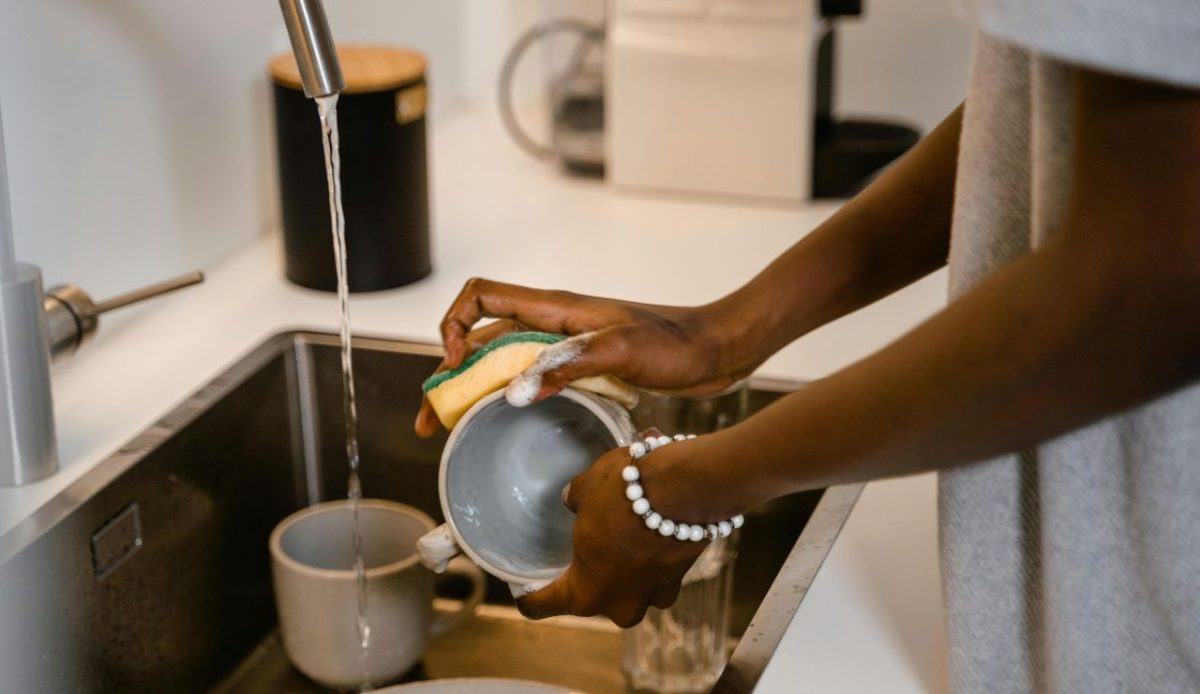
Instead of relaxing, guests often face rulebooks longer than the listing description. From washing dishes to mowing lawns or taking out trash, hosts expect hotel-level cleanliness from paying customers. Some even issue fines for late checkouts or minor infractions. These strict policies drain the joy from vacation stays. Travelers now favor accommodations with simpler expectations, where hospitality means comfort, not compliance. The carefree Airbnb experience that once felt personal has become uncomfortably demanding.
3. Inconsistent Quality and Cleanliness

Airbnb’s greatest weakness lies in inconsistency. One host’s sparkling home might be another’s dusty disaster. Guests report misleading photos, broken furniture, and unclean bathrooms far too often. Unlike hotels that follow strict standards, Airbnbs rely entirely on individual hosts, a gamble that frustrates those seeking reliability. The lack of oversight leaves travelers uncertain of what they’ll find behind the door. For many, the risk of disappointment outweighs the excitement of a “unique stay.”
4. Hidden Cameras and Privacy Concerns

Few fears ruin a trip faster than realizing you might be watched. Reports of hidden cameras disguised in smoke detectors or alarm clocks have made travelers nervous about Airbnb stays. Though rare, these incidents shake confidence in the platform’s screening process. Guests want privacy, not paranoia. Without uniform inspections or consistent accountability, many now choose traditional hotels, where security systems and professional management ensure peace of mind without unpleasant surprises lurking in the walls.
5. Unresponsive or Unhelpful Hosts

Communication can make or break an Airbnb experience, yet many guests say hosts fail to deliver. Some ignore messages, cancel reservations at the last minute, or disappear entirely when issues arise. From broken air conditioning to lost keys, problems are often met with silence. Airbnb’s customer service adds little comfort, leaving guests stranded and frustrated. For travelers used to front desks and quick solutions, the lack of accountability has become one of the platform’s biggest deal-breakers.
6. Cleaning Fees Without Clean Spaces

One of the most common complaints among Airbnb guests is paying high cleaning fees only to arrive at a messy property. Dirty linens, unwashed dishes, and dusty surfaces betray the extra charge. Worse, guests are often asked to complete chores before leaving, even after paying for cleaning. It’s a contradiction that feels unfair and unprofessional. Hotels, by contrast, provide daily housekeeping included in the rate, a simple expectation that Airbnb has struggled to meet consistently.
7. Over-Tourism and Local Backlash
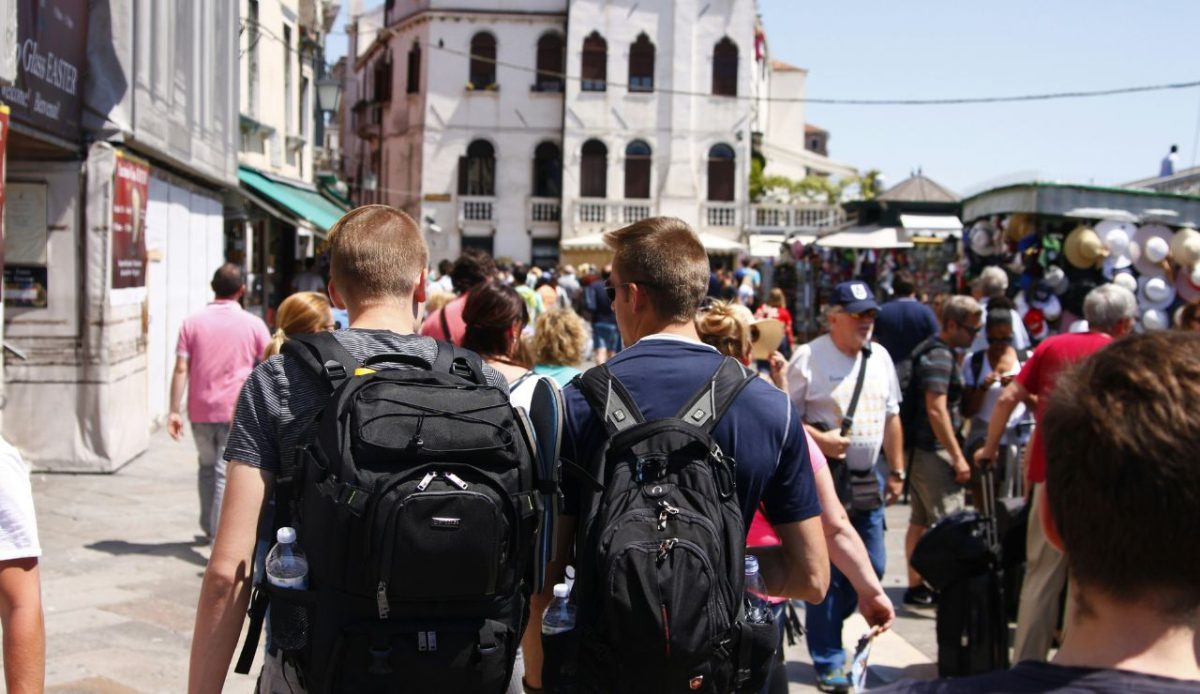
In many cities, Airbnb’s popularity has sparked housing shortages, rising rents, and angry locals. Neighborhoods once filled with residents now feel like transient tourist zones. Governments from Paris to New York have tightened restrictions, blaming short-term rentals for displacing communities. Travelers seeking authenticity are realizing their stays can contribute to the problem. Conscious visitors are turning to lodgings that support local economies sustainably, choosing responsible tourism over convenience that comes at a social cost.
8. False Advertising and Misleading Photos

Perfectly lit photos and glowing reviews don’t always tell the truth. Guests often discover that the “luxury loft” is smaller, darker, or nowhere near the beach it promised. Because listings lack standardized inspections, accuracy depends entirely on the host’s honesty. Refunds can be difficult to secure, leaving travelers stuck in disappointing stays. As expectations clash with reality, more people are booking professionally managed spaces where transparency, not trick photography, sets the tone for their experience.
9. Lack of On-Site Support

Airbnb’s decentralized model means no front desk and no guaranteed help when things go wrong. If the water stops running or Wi-Fi crashes, guests must hope their host responds, or wait for Airbnb’s slow customer service. This lack of immediate assistance frustrates travelers, especially families and international visitors. Hotels and serviced apartments offer 24-hour support and reliable staff on call. For many, that assurance of human help outweighs any illusion of “living like a local.”
10. The “Hotelization” of Airbnb
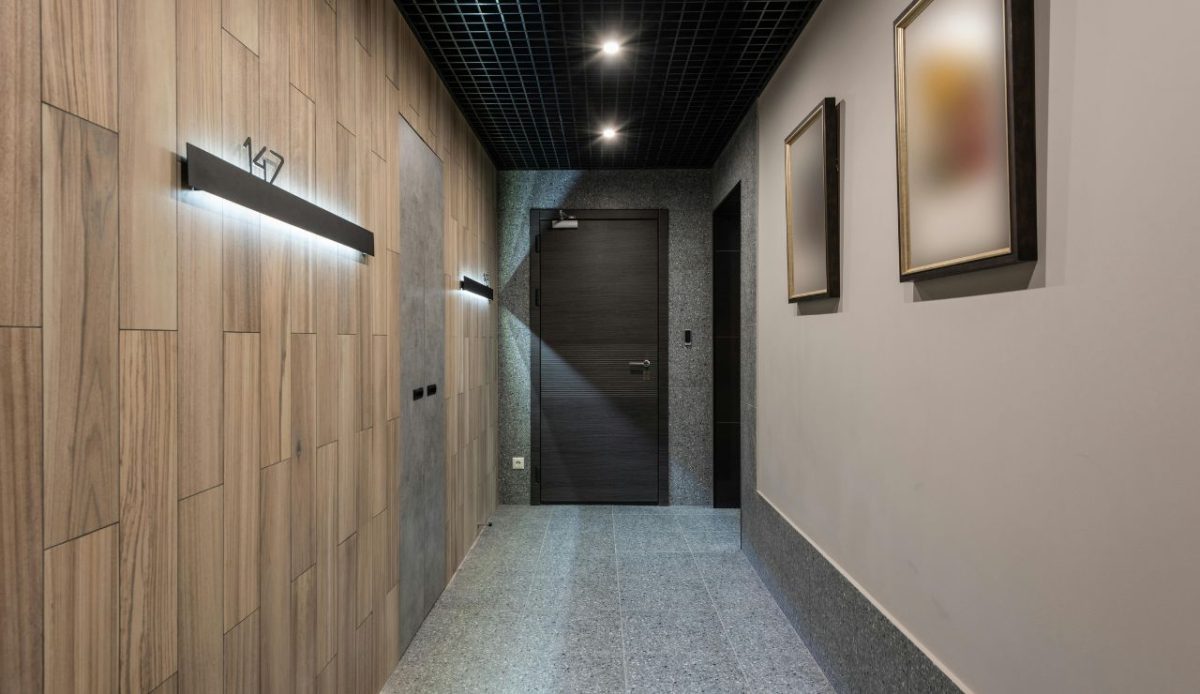
Ironically, Airbnb has become what it once set out to challenge. Many listings are now managed by property companies running multiple units like hotels, but without the consistency or service. Automated check-ins, impersonal communication, and generic décor replace the local warmth that made Airbnb special. Guests feel they’re paying more for less personality. The original spirit of community and authenticity has been replaced by commercial sameness, pushing travelers back toward trusted, professional alternatives.
5 Better Places to Stay

As Airbnb loses some of its early charm, more travelers are turning to alternatives that offer clearer pricing, better service, and fewer surprises. These five options bring back what many feel short-term rentals have lost—comfort, consistency, and value. Whether you prefer the reliability of a hotel, the character of a local inn, or the privacy of a managed stay, these choices make travel smoother and often more affordable than booking another Airbnb.
1. Boutique Hotels
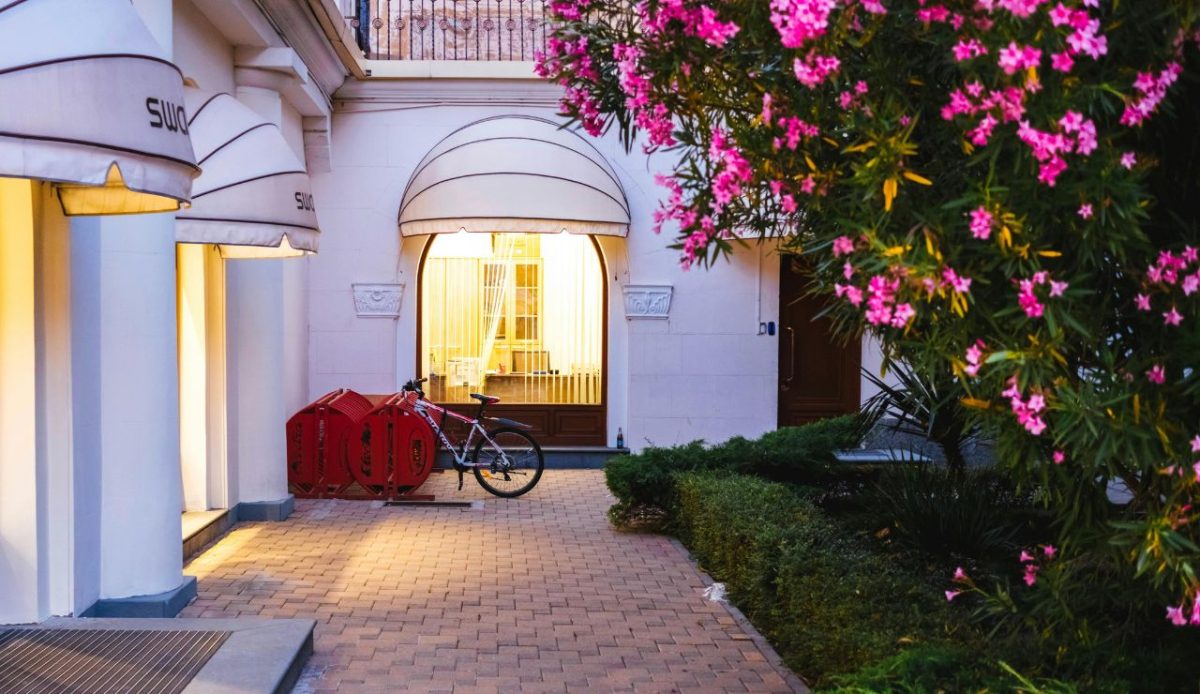
Boutique hotels offer everything Airbnb promised but rarely delivers: individuality, charm, and dependable service. Each property tells its own story, with locally inspired décor and personalized touches. Guests can expect spotless rooms, on-site staff, and transparent pricing. From historic inns to modern design hotels, these spaces combine style with comfort. They give travelers a genuine sense of place while maintaining professional standards, proving that personal experiences and polished service can beautifully coexist.
2. Serviced Apartments
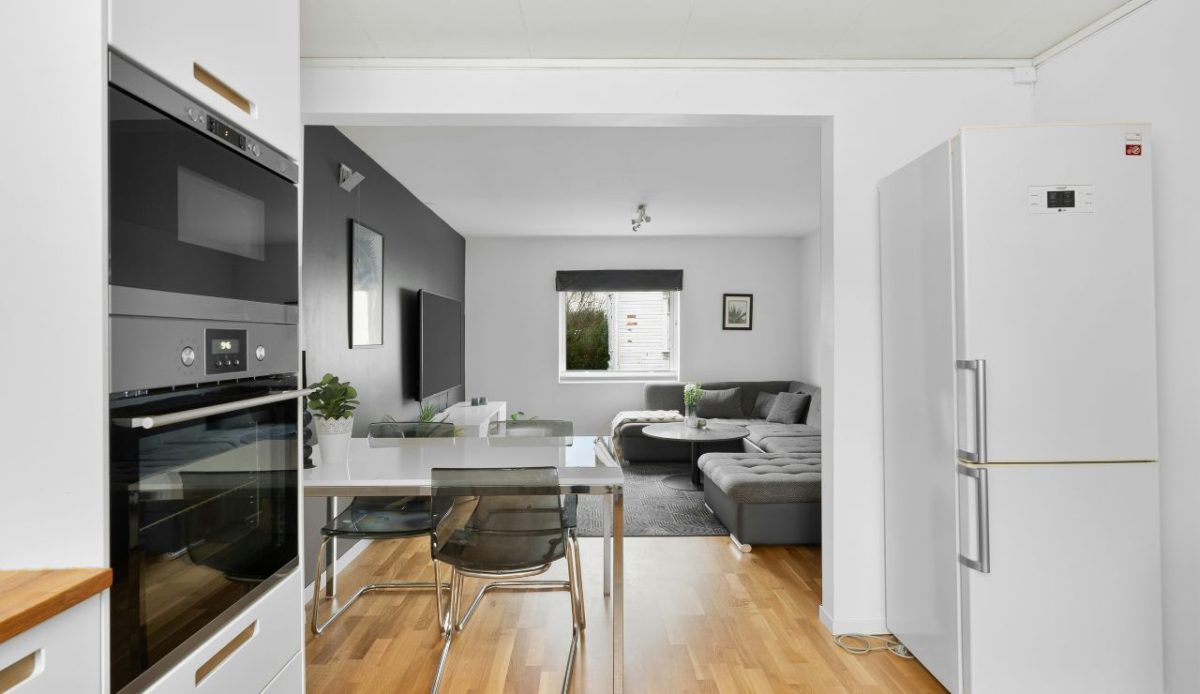
For travelers wanting space and self-sufficiency without uncertainty, serviced apartments hit the sweet spot. They feature kitchens, laundry facilities, and full furnishings while maintaining hotel-like cleanliness and support. On-site managers handle maintenance and check-ins, ensuring reliability without the unpredictability of private hosts. Perfect for extended stays, they offer the comfort of home paired with professional service. With clear pricing and consistent quality, serviced apartments eliminate the frustrations that now plague many Airbnb stays.
3. Eco-Lodges and Sustainable Resorts

Eco-lodges have become favorites among travelers seeking authenticity and environmental awareness. Built in harmony with nature, these stays prioritize renewable energy, organic food, and local employment. Each visit supports conservation and community development while offering guests a peaceful, immersive escape. Whether nestled in a rainforest or perched by a mountain stream, eco-lodges combine comfort and conscience. For those disillusioned by Airbnb’s corporate turn, these properties restore the joy of meaningful, responsible travel.
4. Bed and Breakfasts

Traditional bed and breakfasts are making a comeback by offering what travelers miss most: warmth, connection, and genuine hospitality. Guests enjoy cozy rooms, home-cooked breakfasts, and friendly hosts who truly care. Many B&Bs are family-run, ensuring attention to detail and a welcoming atmosphere. Prices are often fair and include personal touches that no algorithm can replicate. For those craving comfort and conversation, B&Bs offer the real “home away from home” experience Airbnb once promised.
5. Trusted Hotel Chains
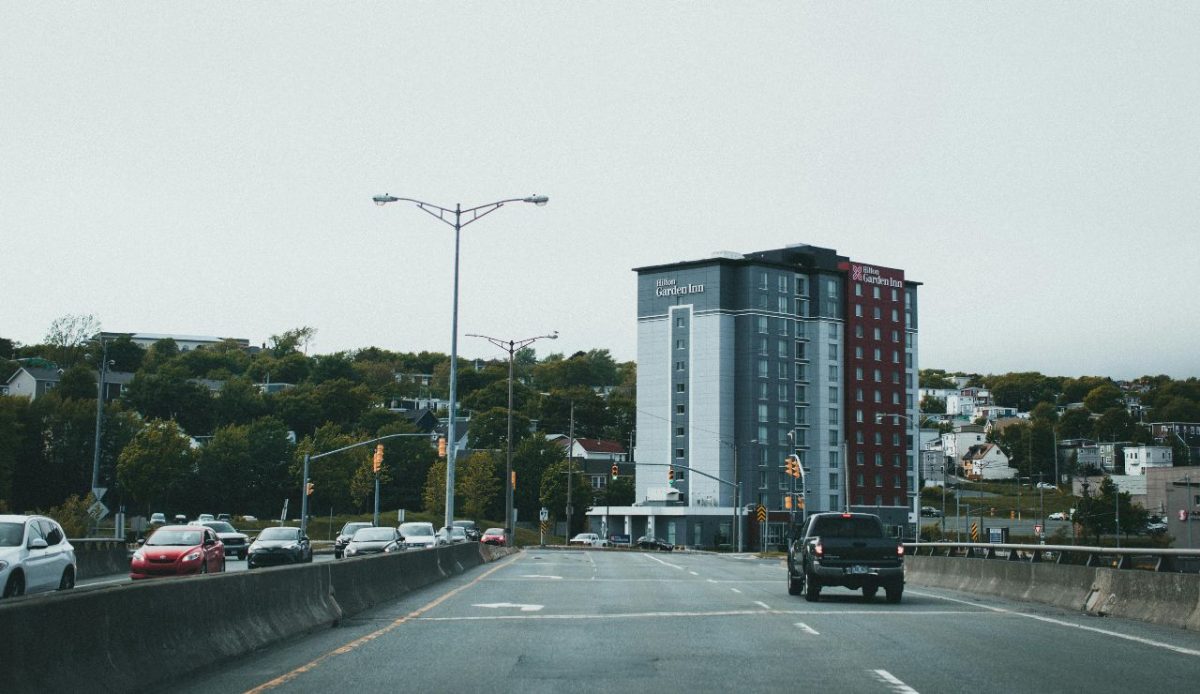
Major hotel brands are regaining favor among travelers who value consistency and peace of mind. Chains like Marriott, Hilton, and Hyatt guarantee clean rooms, 24-hour service, and global standards, no surprises, no chores, and no hidden fees. Loyalty programs add rewards and upgrades, making every stay more worthwhile. For business trips, family vacations, or quick getaways, trusted hotel chains deliver exactly what Airbnb lacks: dependability, professionalism, and the assurance that comfort always comes first.
