
Construction has become part of the visitor experience at several high-demand U.S. stops. Capital programs funded by airport fees, bonds, and federal grants are rebuilding aging systems while daily operations continue.
Work zones form when utilities are relocated, foundations are poured, and safety buffers are set. That can narrow sidewalks, shift pickup curbs, and add wayfinding steps even when the attraction itself stays open.
These ten places were selected because current projects are visible around core access points, not just behind the scenes. Knowing the mechanisms behind the disruption helps travelers plan time, routes, and backups.
1. Los Angeles International Airport LAX
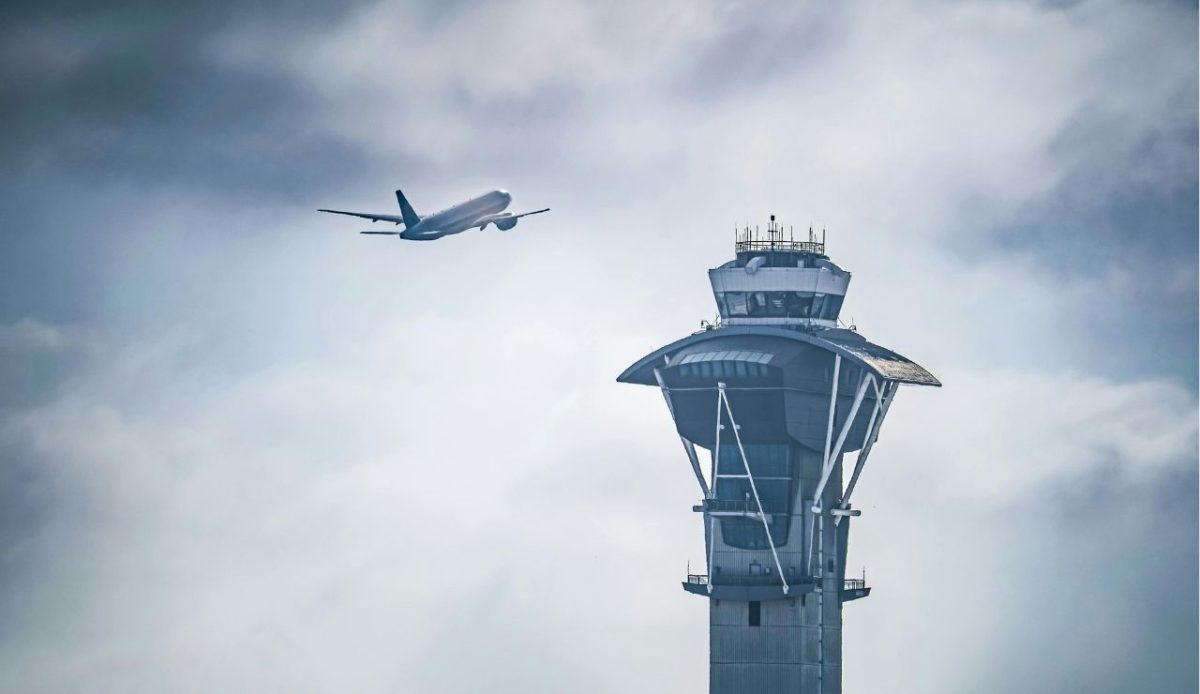
LAX is rebuilding its landside circulation while adding the Automated People Mover that links terminals with remote parking, a rental car center, and the Metro connection. Elevated guideways, stations, and utility relocations place the terminal loop inside active construction.
Lane shifts occur as utilities are moved and new concrete is poured. Curb zones for pickups can be reassigned, and shuttles may load from temporary islands separated by barriers to protect walkers from vehicle and equipment paths.
Because the program ties rail access to terminal front doors, activity spans a wide footprint rather than one corner. Extra time is often needed for loops, lot transfers, and finding the current pickup point as the system moves through testing.
2. John F. Kennedy International Airport JFK
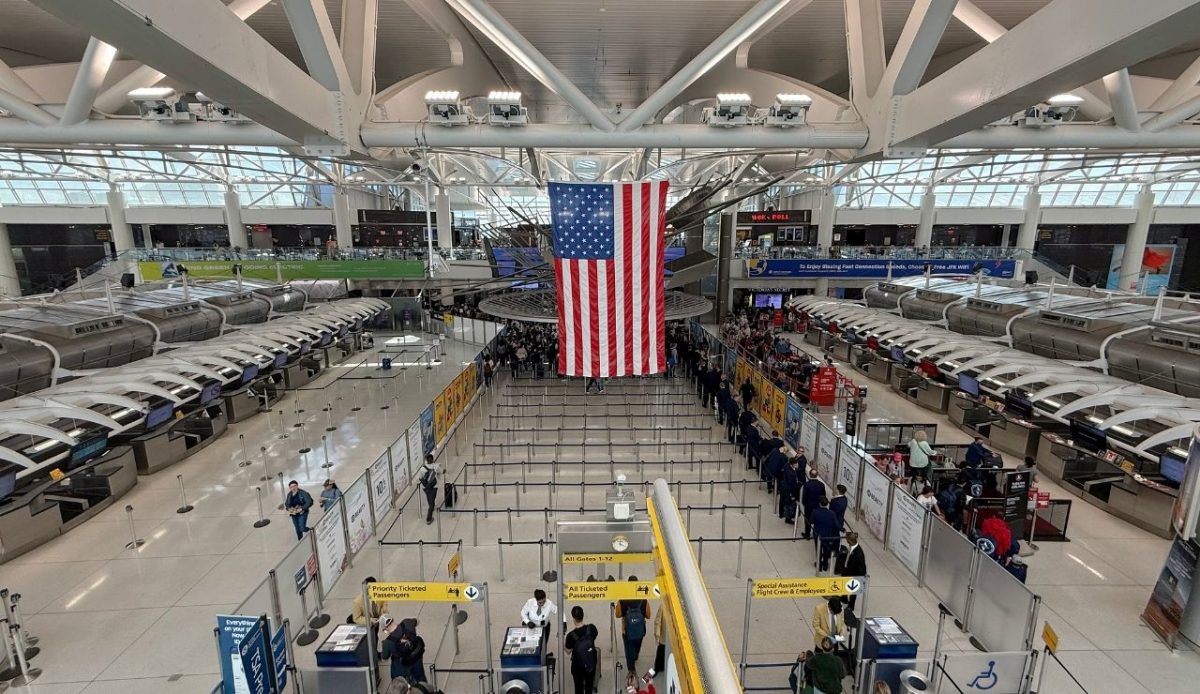
JFK is in a campus-style rebuild that replaces older terminals with new facilities and a simplified roadway system. Multiple construction contracts run at once, so fencing and staging areas appear across the central terminal district.
Traffic has been routed through temporary alignments while bridges, ramps, and utilities are rebuilt. That can push rideshare loading farther from entrances and require longer walks through protected corridors that separate travelers from active excavation.
The disruption is amplified by overlapping schedules. New gates for Terminal 6 and the new Terminal 1 are planned to open in 2026, but nearby parcels stay active, keeping the arrival experience framed by ongoing work.
3. Chicago O’Hare International Airport ORD
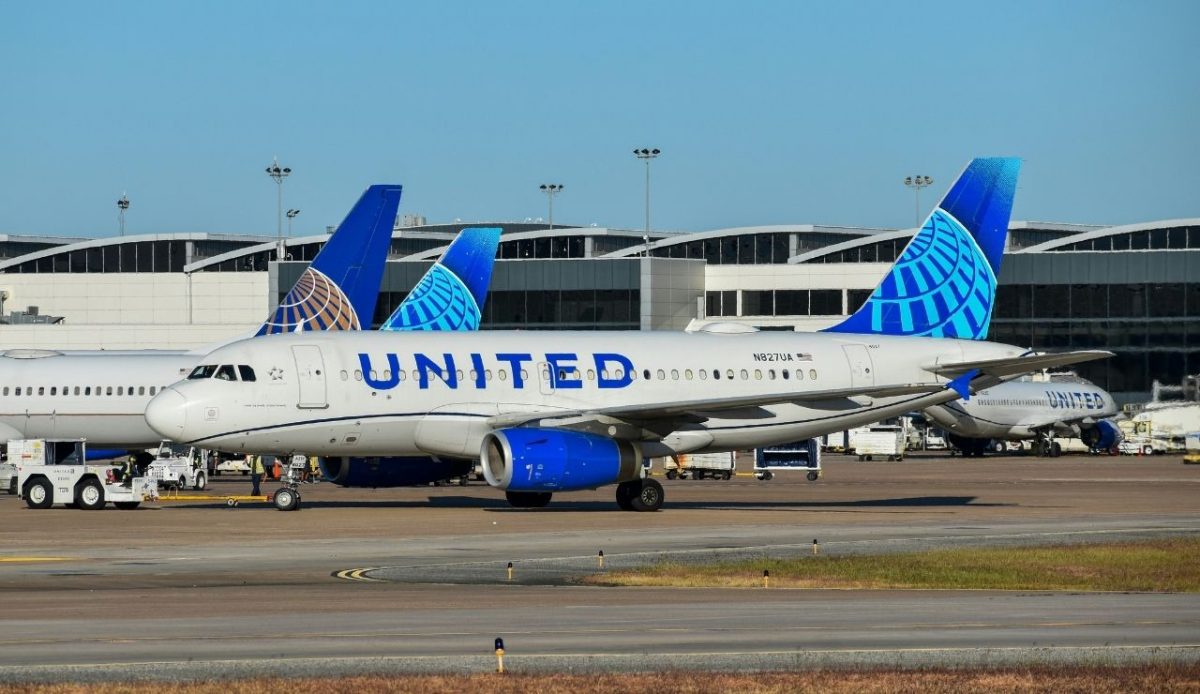
O’Hare continues major expansion and modernization under ORDNext, including construction of a new Concourse D. Because the airfield and terminal systems operate nonstop, the build is segmented into secure zones that sit close to passenger areas.
Interior routes can change when temporary walls redirect foot traffic around structural work. On the ramp side, staging areas for steel and concrete support apron modifications, which can alter gate assignments and aircraft pushback patterns.
The site can feel like a moving boundary rather than a single fenced corner. Travelers may notice cranes beyond glass walls, revised signage to reach gates, and longer connections as circulation is adjusted to keep work and operations separated.
4. Dallas Fort Worth International Airport DFW
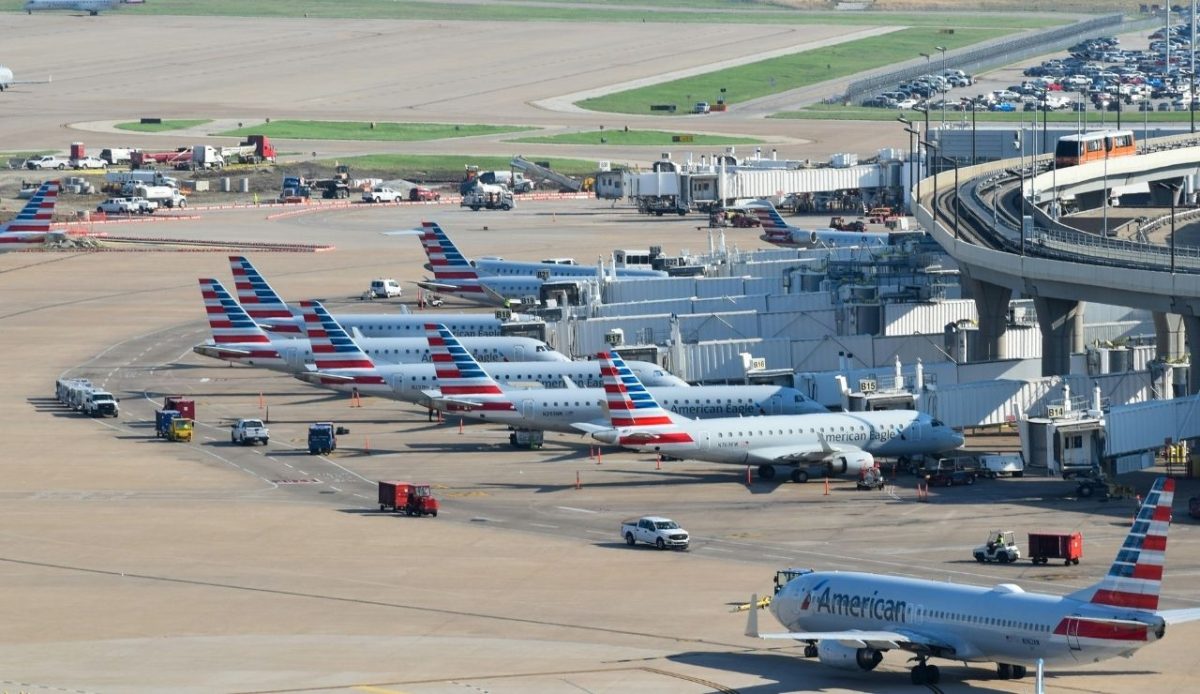
DFW has started Terminal F, a new concourse intended to add gates and support future demand. The project requires new utilities, a transit connection, and service road changes, so active work is visible beyond one building footprint.
Construction compounds store materials and house equipment near the terminal complex. As foundations and structural frames rise, nearby traffic patterns can be modified, and some walking routes are guided through temporary paths with clear separation from vehicles.
Airport operations are maintained, yet the landscape reflects a long build cycle. Visitors often see barricades, construction lighting, and signed detours that shift as each phase of the terminal and its supporting infrastructure is completed.
5. George Bush Intercontinental Airport IAH
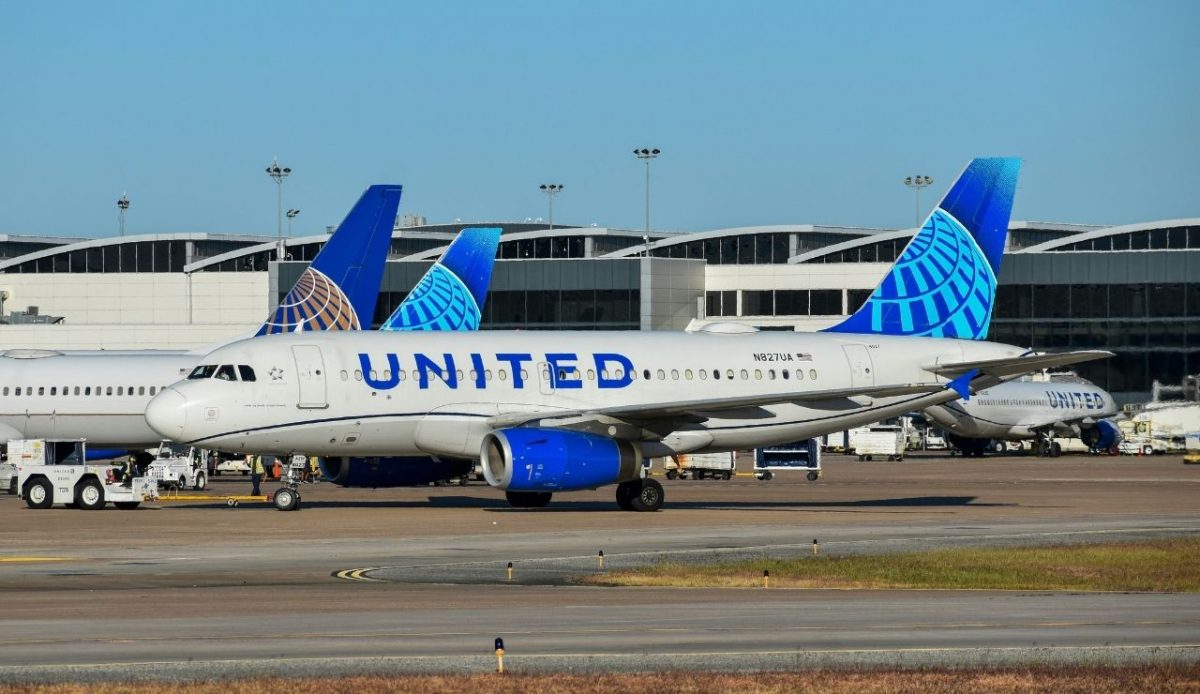
Houston Intercontinental is rebuilding Terminal B with expanded gate capacity and updated passenger processing. Demolition, structural work, and utility replacement take place beside active concourses, placing a large share of the terminal district within controlled perimeters.
Arrivals and departures are kept functional through phased routing. Drivers may be directed to alternate curbs, and pedestrian access can be funneled through temporary corridors that reduce conflict between travelers, trucks, and heavy equipment.
The impact comes from tie-ins to baggage, security, and airside systems, so activity surrounds open areas. Expect changing wayfinding signs and periodic shifts in where pickups and drop-offs happen.
6. San Francisco International Airport SFO
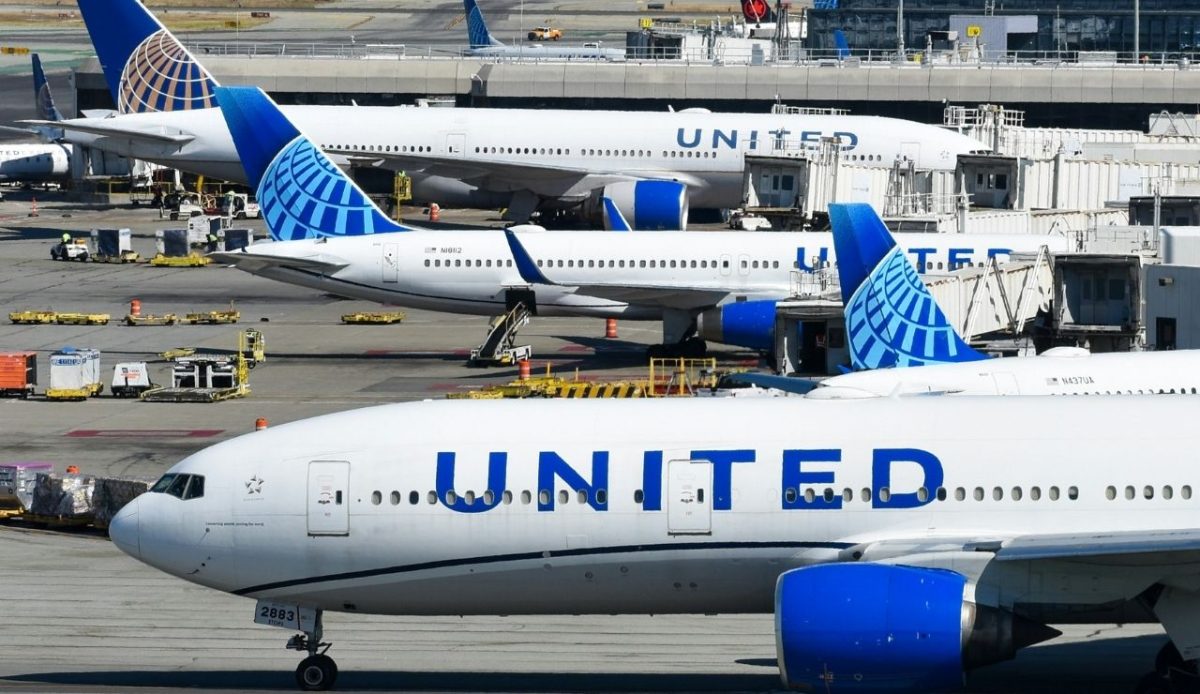
SFO will close Runway 1 Right from March 30 to October 2, 2026, for repaving, taxiway improvements, lighting upgrades, and new markings. A parallel runway is set to serve as a taxiway during the work, concentrating activity near the closure corridor.
Even though the work is airside, travelers feel it through operational changes. Arrivals and departures shift to other runways, which can increase taxi times and create different gate sequencing when congestion builds during peak banks.
From terminals and perimeter roads, equipment fleets, temporary lighting, and staged materials are easy to spot. The airport remains open, but the site operates under a construction-driven configuration for months at a time.
7. San Diego International Airport SAN
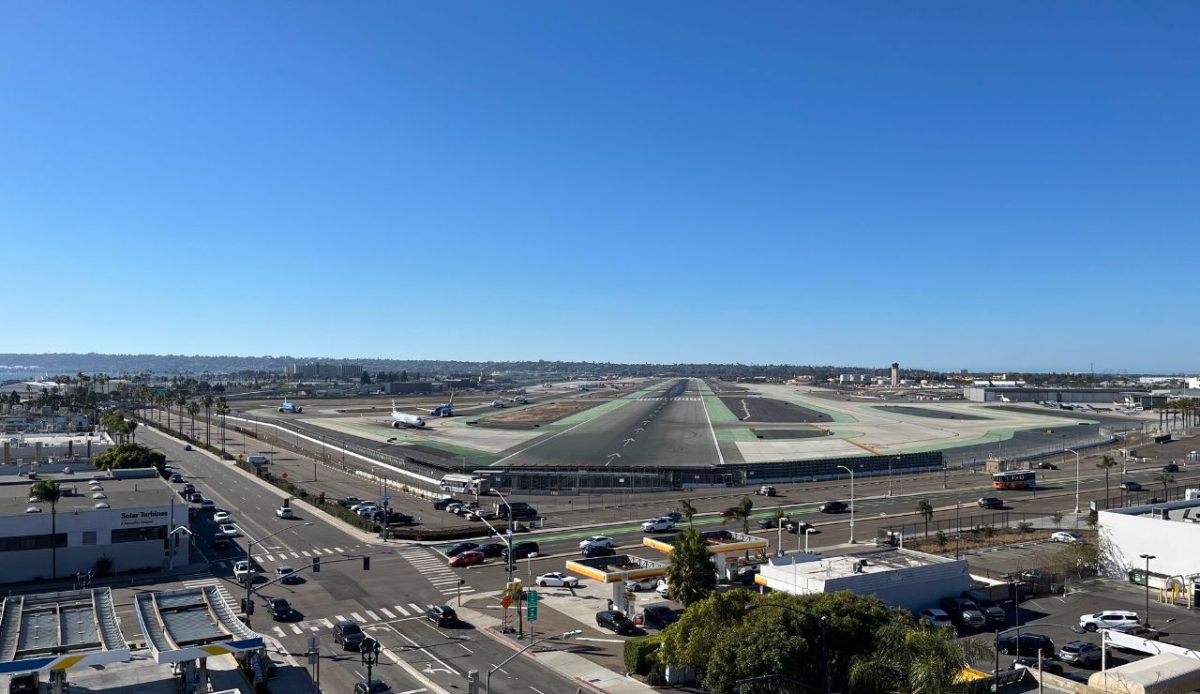
San Diego International is replacing Terminal 1 through a multi-phase project that adds gates, modern security areas, and a redesigned curb frontage. The build sits inside a compact footprint, so travelers pass active work areas on the way to check in.
Road approaches are periodically shifted while utilities, foundations, and structural elements are installed. Temporary walkways and crossings direct pedestrians around construction barriers, and curb management changes can relocate rideshare loading.
Because demolition and new construction overlap, the perimeter can change quickly. Visitors should expect detours between parking, shuttles, and terminal doors, with clear signage guiding the safest path through an active jobsite setting.
8. Golden Gate Bridge Pedestrian Areas
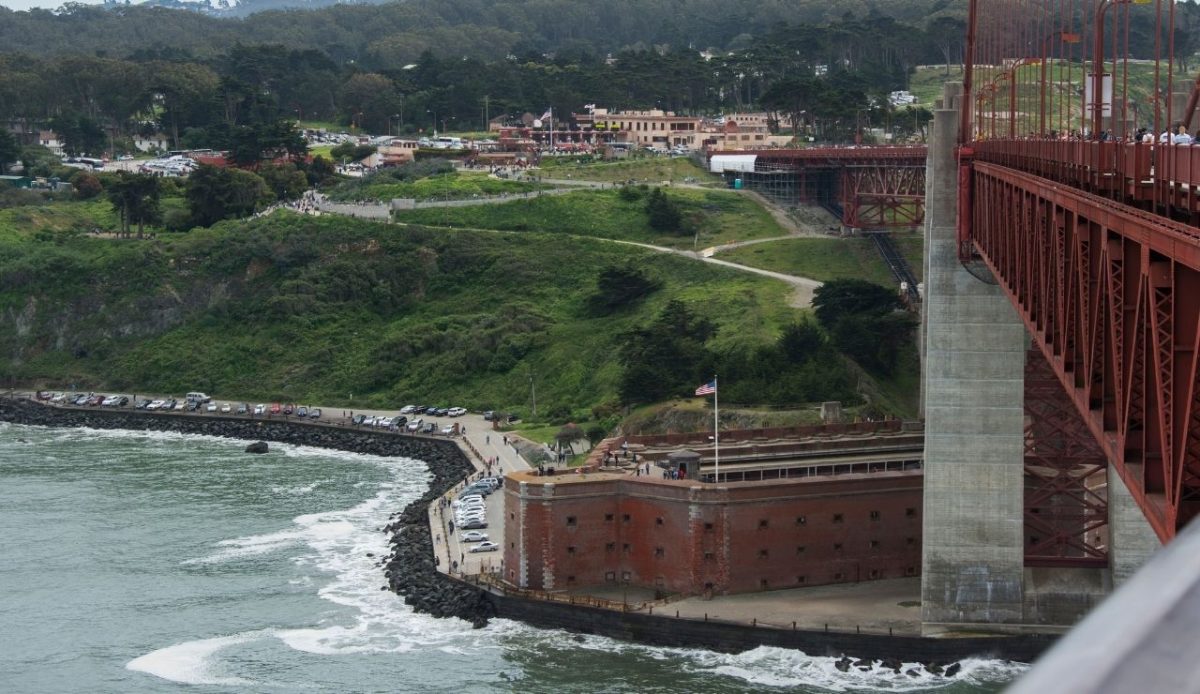
The Golden Gate Bridge has been adding a suicide deterrent net system beneath the roadway deck. Crews work from suspended platforms, and staging equipment is attached to the structure, making the project highly visible from the visitor sidewalks.
Pedestrian access is maintained, yet portions of the walkway can be narrowed or redirected to keep separation from lifting operations and tool zones. Safety screens and barriers can change sightlines that visitors expect when stopping for photos.
Because work occurs along the span, the construction presence can feel continuous rather than localized. Travelers walking the bridge may encounter controlled segments, posted advisories, and altered routes that shift with daily work windows.
9. Smithsonian Castle National Mall
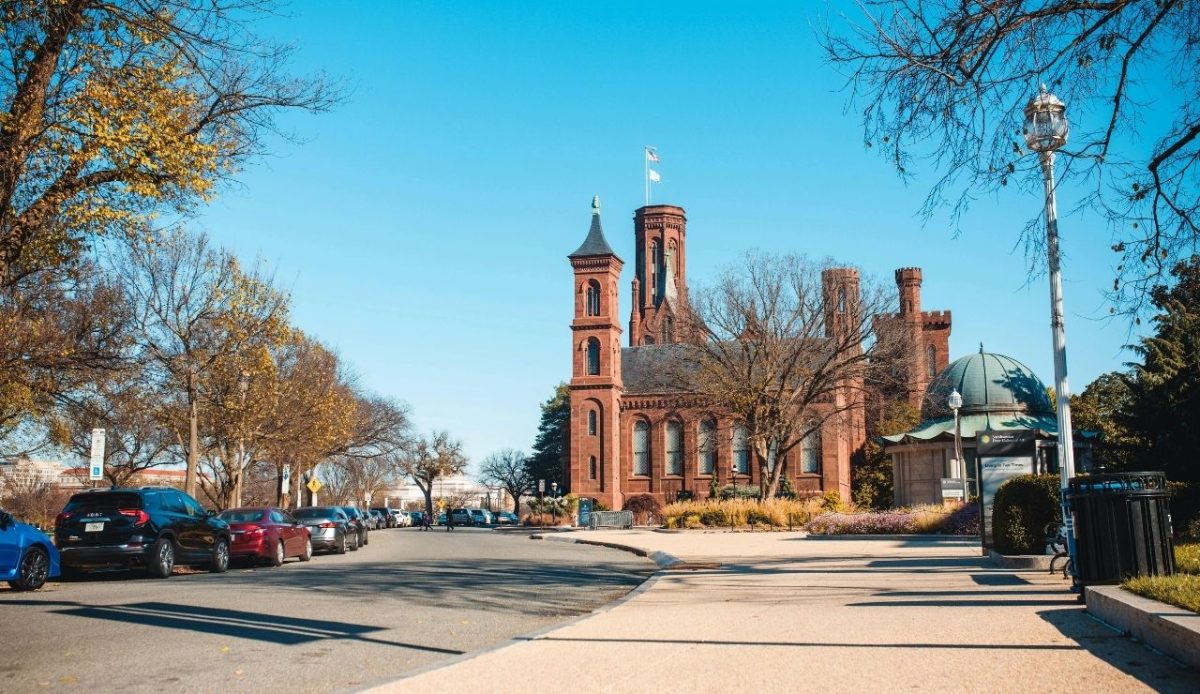
The Smithsonian Castle has been under a major renovation since 2023, covering building systems and visitor flow upgrades. Even when the red sandstone facade looks familiar, the surrounding grounds include fencing, staging space, and controlled entry points.
The building is set to pause renovation for a temporary public reopening from May 22 through September 7, 2026, as part of America’s 250 programming. Outside that window, the site functions like a closed work zone in the middle of the Mall.
Nearby visitors still pass the Castle area to reach other museums, so construction affects walking patterns and wayfinding. Expect rerouted paths, temporary signage, and limited on-site services until the full renovation is completed.
10. National Air and Space Museum National Mall
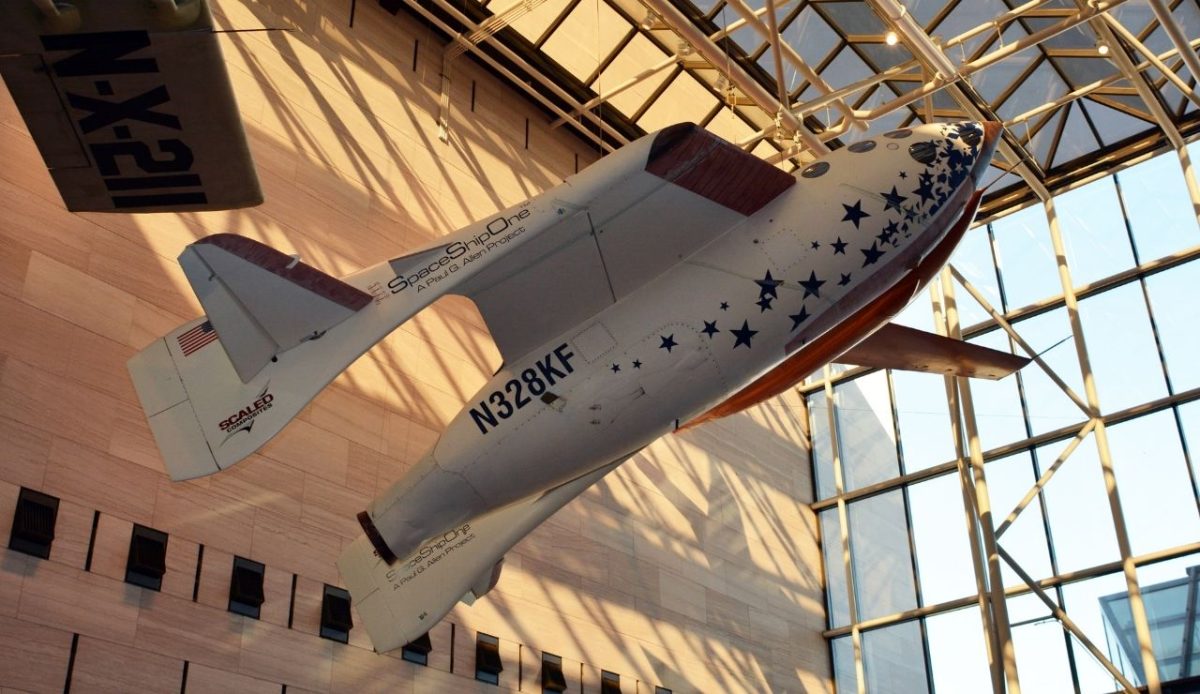
The National Air and Space Museum on the National Mall is completing a long renovation that replaces galleries, mechanical systems, and exhibit infrastructure. The plan is phased so that parts reopen while other sections remain closed behind temporary walls.
Visitors move through a defined route that avoids active work areas. Construction staging has been present around entrances at times, and interior circulation is constrained when crews are finishing systems like climate control and lighting.
Phased openings continue into 2026, which keeps the building in transition during a high visitation period. Travelers should confirm which galleries are open and allow extra time for lines caused by reduced capacity and reconfigured pathways.
