
Across the world, millions of drivers face dangers that go far beyond traffic jams. In some cities, poor infrastructure, reckless driving, and weak law enforcement combine to make roads extremely hazardous. The latest Driving Cities Index by Mister Auto, along with data from TomTom and local safety studies, reveals where these conditions are worst. The following cities record high accident rates, severe congestion, and low-quality roads that challenge even experienced drivers. From India’s crowded metropolises to Latin America’s sprawling urban centers, the risk factors differ, but the outcome remains the same: daily driving becomes a test of patience and caution.
1. Mumbai, India
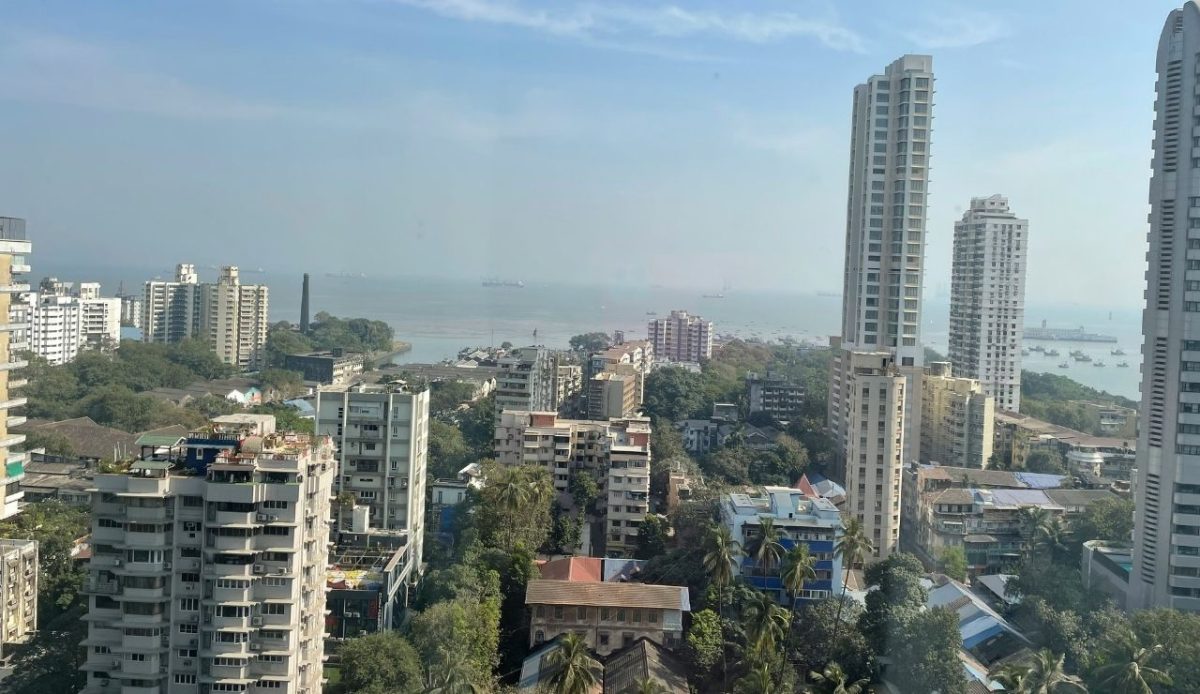
Mumbai ranks among the world’s most dangerous cities for drivers due to overwhelming congestion and inadequate road infrastructure. Despite being India’s financial hub, its traffic gridlocks stretch for hours each day, often made worse by erratic lane discipline and heavy rainfall. Studies show that Mumbai experiences thousands of road fatalities annually, with pedestrians and two-wheelers most at risk. Many areas still lack functioning traffic lights and clear lane markings, forcing drivers to navigate a chaotic mix of cars, buses, and rickshaws. Limited parking and constant construction further reduce mobility, leaving drivers vulnerable to collisions in nearly every district of the city.
2. Ulaanbaatar, Mongolia
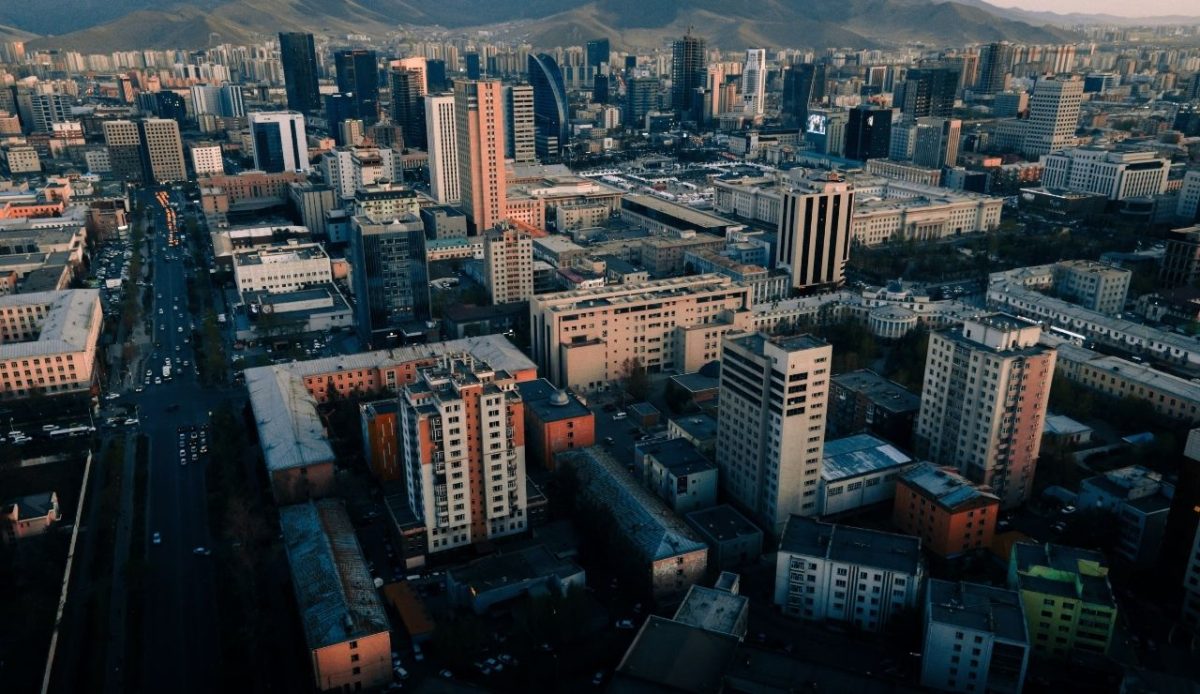
Ulaanbaatar may not seem like a global traffic hotspot, but data shows it ranks second worldwide for driver risk. The Mongolian capital struggles with extreme winter conditions, narrow streets, and minimal public transport alternatives, pushing more residents to rely on cars. Aggressive driving habits and limited driver training amplify the problem, resulting in a high rate of traffic disputes and accidents. Poor road maintenance adds another layer of difficulty, especially when ice and snow reduce traction for months each year. Air pollution, caused largely by idling vehicles, worsens visibility, while outdated infrastructure fails to support the city’s growing number of drivers.
3. Kolkata, India
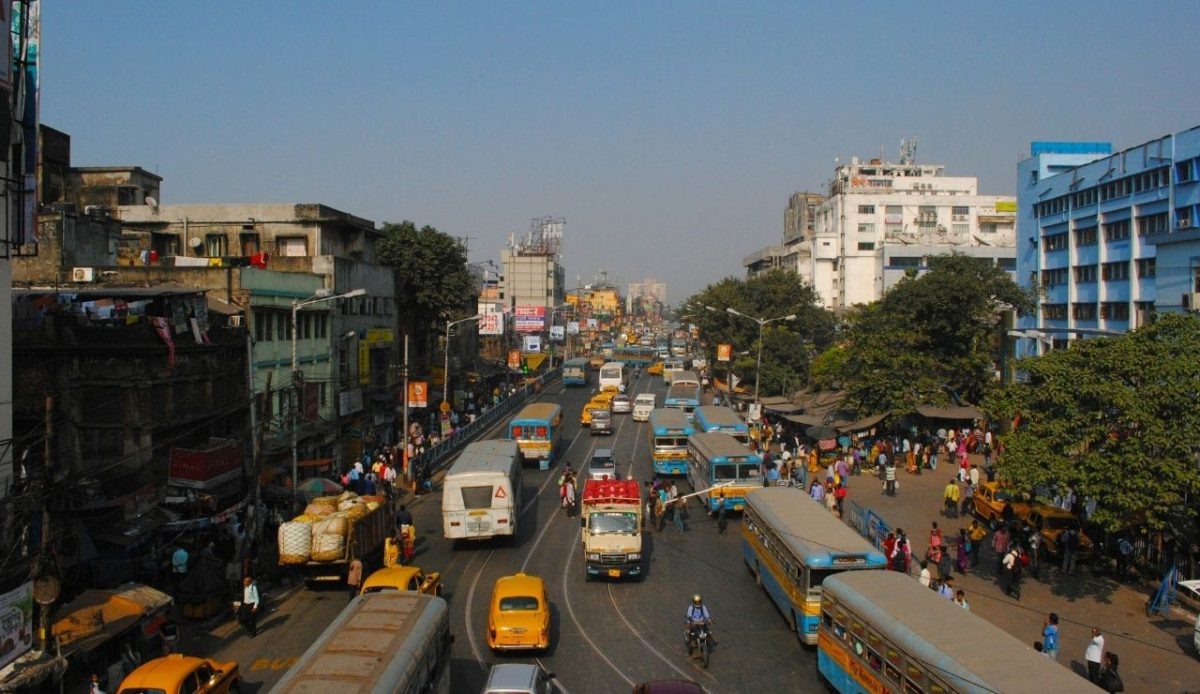
Kolkata consistently ranks among the toughest cities in which to drive, with data showing some of the slowest average traffic speeds in the world. Narrow lanes, frequent jaywalking, and mixed vehicle types, from handcarts to buses, create constant obstacles. Heavy monsoon rains damage pavement and flood major intersections, forcing drivers to swerve through standing water. Road rage incidents are common, and congestion worsens during peak hours due to limited bypass routes. Despite recent improvements in signal timing and one-way systems, progress remains uneven across neighborhoods. Many drivers rely on instinct and experience rather than clear signage, contributing to unpredictable traffic flow.
4. Lagos, Nigeria
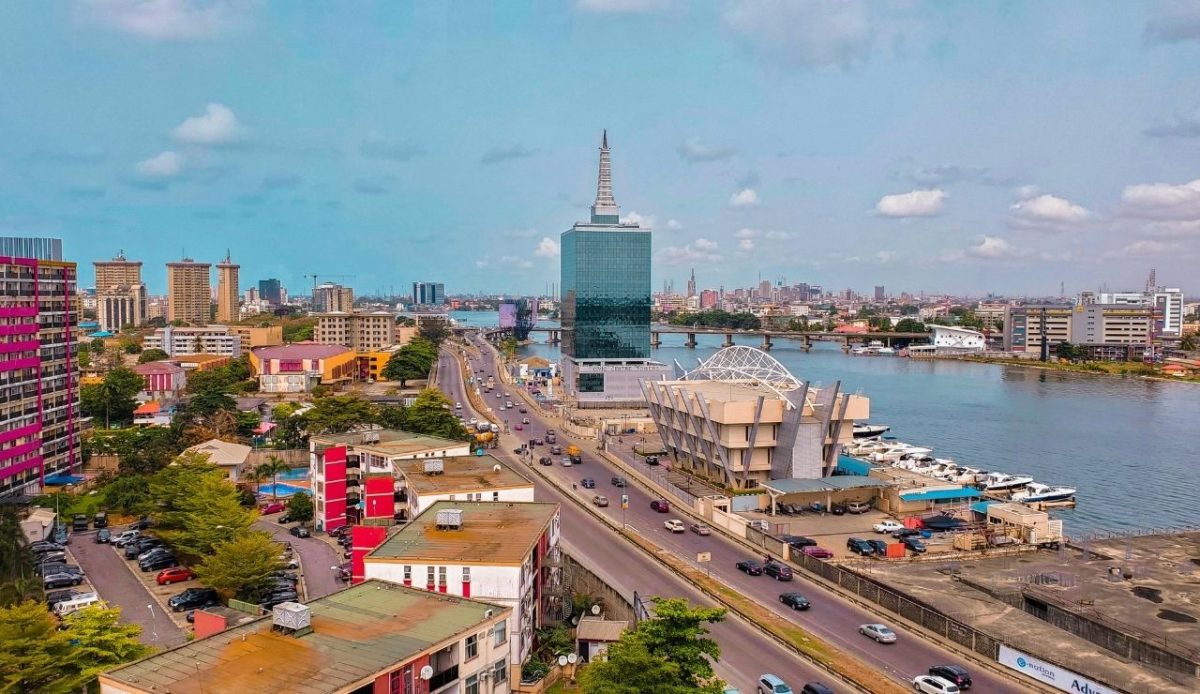
In Lagos, the odds of being in a traffic incident are among the highest globally. Rapid population growth has outpaced the city’s transportation infrastructure, leaving roads overcrowded and poorly maintained. Potholes, informal driving lanes, and limited lighting increase nighttime crash risks. Commercial buses and motorcycles often weave between lanes without signaling, while enforcement of traffic laws remains inconsistent. Flooding during the rainy season makes conditions worse, eroding road surfaces and obscuring hazards. Despite government efforts to expand expressways, many commuters still spend hours in gridlock daily. The combination of driver impatience, poor maintenance, and minimal enforcement fuels one of the world’s most chaotic traffic systems.
5. Karachi, Pakistan
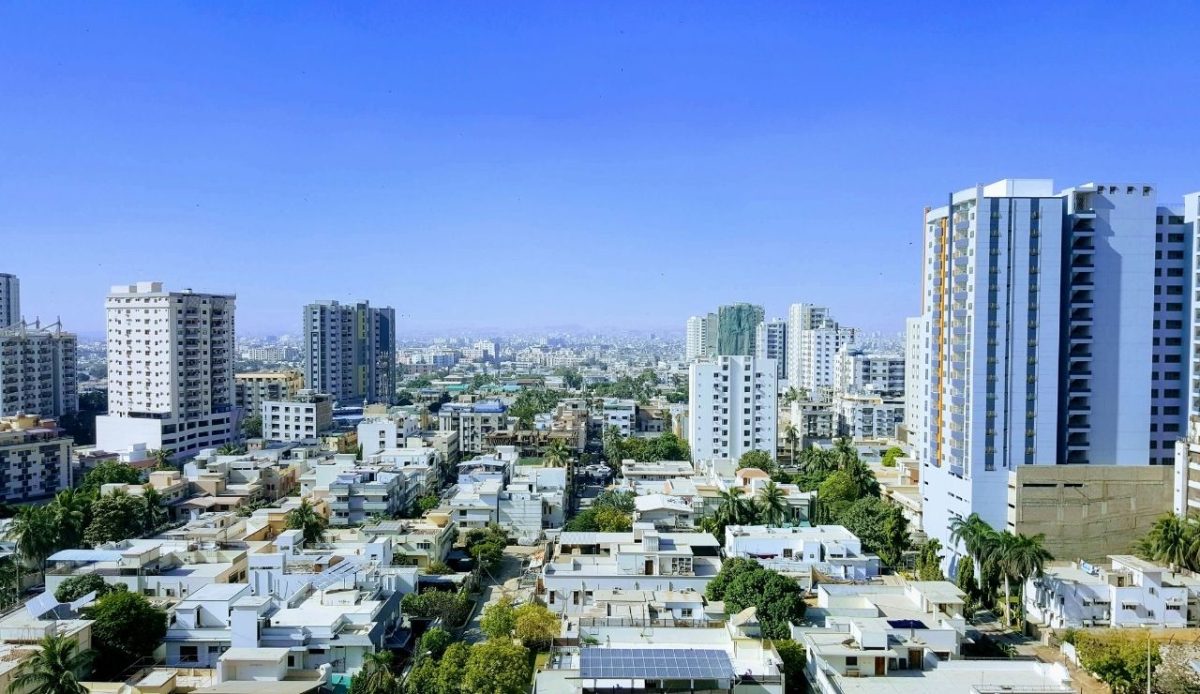
Karachi rounds out the list of the most dangerous cities for drivers due to its severe congestion, deteriorating infrastructure, and lack of traffic discipline. With millions of vehicles sharing roads not designed for such volume, collisions are frequent and often fatal. Drivers routinely face unmarked intersections, missing signals, and broken medians that create confusion at every turn. Motorbikes weave between trucks and buses, adding to the unpredictability of traffic flow. Seasonal flooding compounds these dangers, leaving potholes hidden beneath water and slowing emergency response times. Without stronger enforcement and modernization, Karachi’s roads will continue to challenge both locals and visitors behind the wheel.
6. Bogotá, Colombia
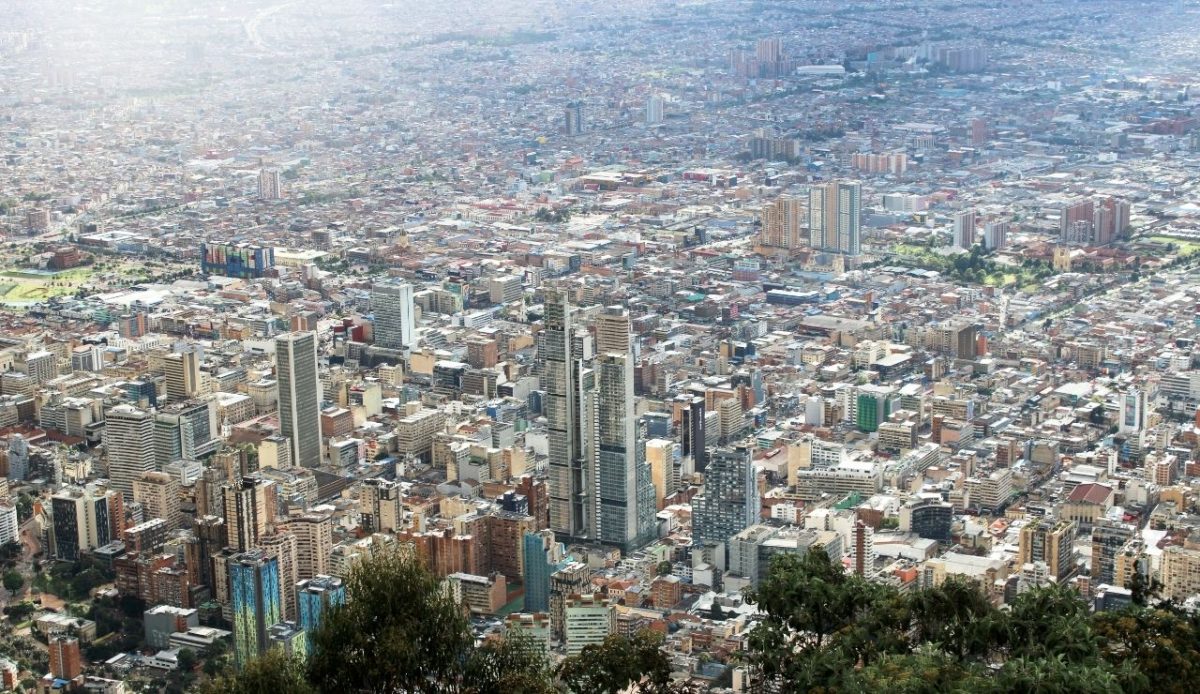
Bogotá’s chaotic roadways make it one of South America’s riskiest cities for drivers. The city’s mountainous layout and limited express routes force traffic through narrow corridors that clog during peak hours. Many intersections lack adequate signage, leading to frequent fender benders and confusion among new drivers. Motorcycles weave through tight gaps, often colliding with buses or taxis in crowded zones. Weather adds to the challenge, heavy rains can flood roads, while steep grades strain braking systems. Public frustration with long commutes often results in aggressive driving, and limited enforcement of safety laws keeps accident rates among the highest in the region.
7. São Paulo, Brazil
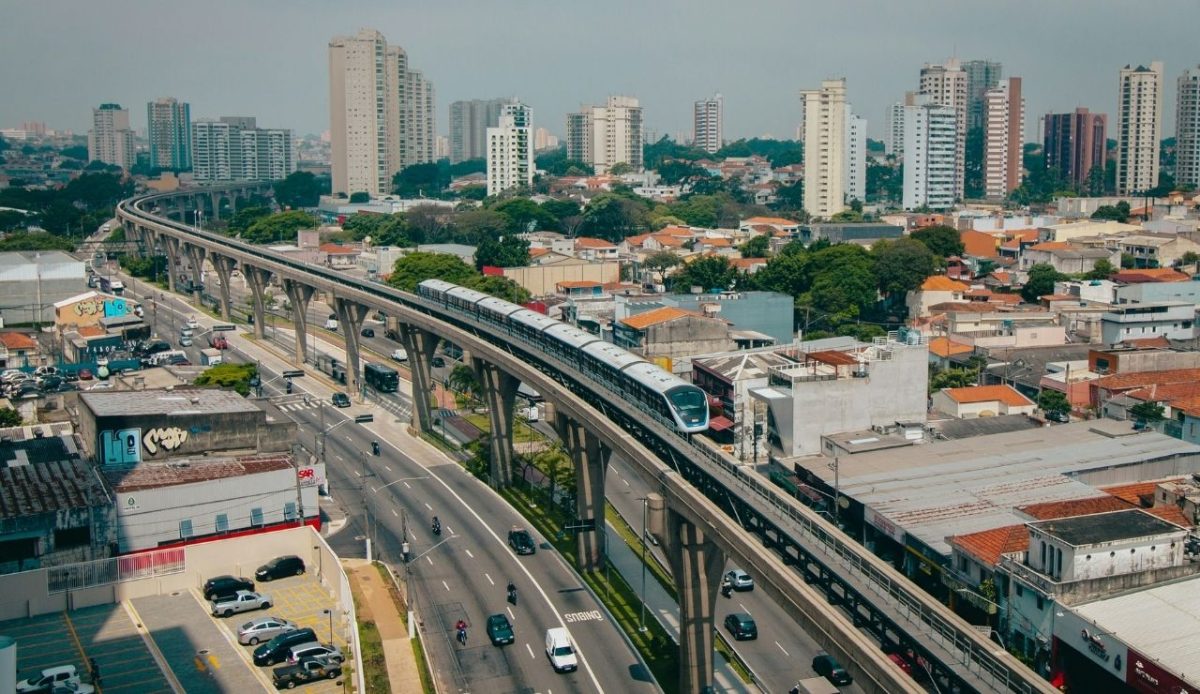
As Brazil’s largest metropolis, São Paulo faces a daily traffic burden that tests every driver’s patience. More than eight million vehicles share its vast network, yet many roads remain poorly maintained and congested. Frequent construction projects and inconsistent traffic-light timing worsen the gridlock. Studies have linked the city’s high accident rate to excessive speeding and distracted driving, particularly among motorcyclists who make up a large share of fatalities. Rush-hour delays can last several hours, prompting risky lane changes and increased collisions. Despite expanded public transport options, dependence on private cars remains high, keeping São Paulo among the world’s most challenging cities to drive in.
8. Mexico City, Mexico
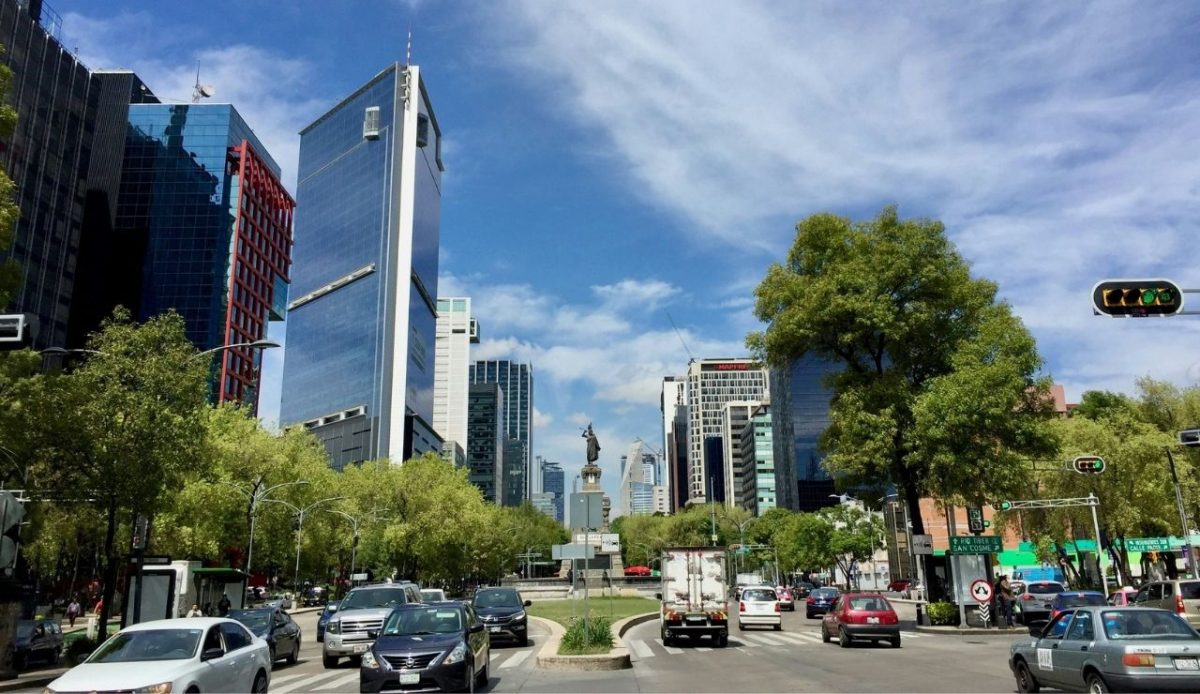
Mexico City’s sprawling layout and high population density create conditions that overwhelm even seasoned drivers. Narrow lanes, constant construction, and poorly marked turns turn every commute into an obstacle course. Traffic often crawls at walking speed during rush hour, while air pollution further reduces visibility. Reckless driving behavior, speeding, ignoring red lights, and last-minute merges contribute to thousands of accidents each year. Many areas also lack safe pedestrian crossings, increasing the risk for both drivers and walkers. Efforts to reduce congestion through license plate restrictions and carpool incentives have shown limited success, leaving most residents to navigate an exhausting, high-risk environment.
9. Rio de Janeiro, Brazil
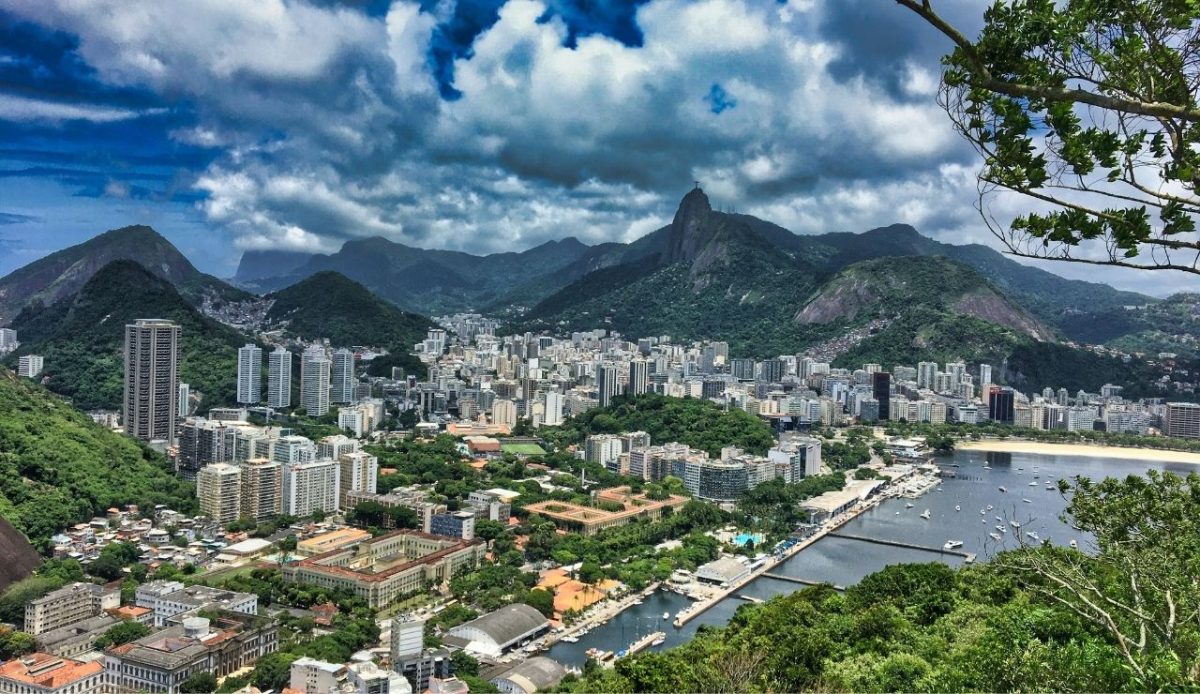
In Rio de Janeiro, steep hills and winding coastal roads combine with dense traffic to create a dangerous mix for drivers. Potholes and uneven surfaces often go unrepaired, causing vehicles to lose control, especially during heavy rain. Bus drivers and motorcyclists compete for space in narrow lanes, while impatient drivers frequently ignore signals or tailgate. Tourists unfamiliar with local traffic patterns face additional challenges navigating sudden turns and poorly lit tunnels. Crime-related roadblocks and carjackings in certain districts add to the risk, making defensive driving essential. Despite scenic views, Rio’s road network remains one of the most perilous in the Americas.
10. Moscow, Russia
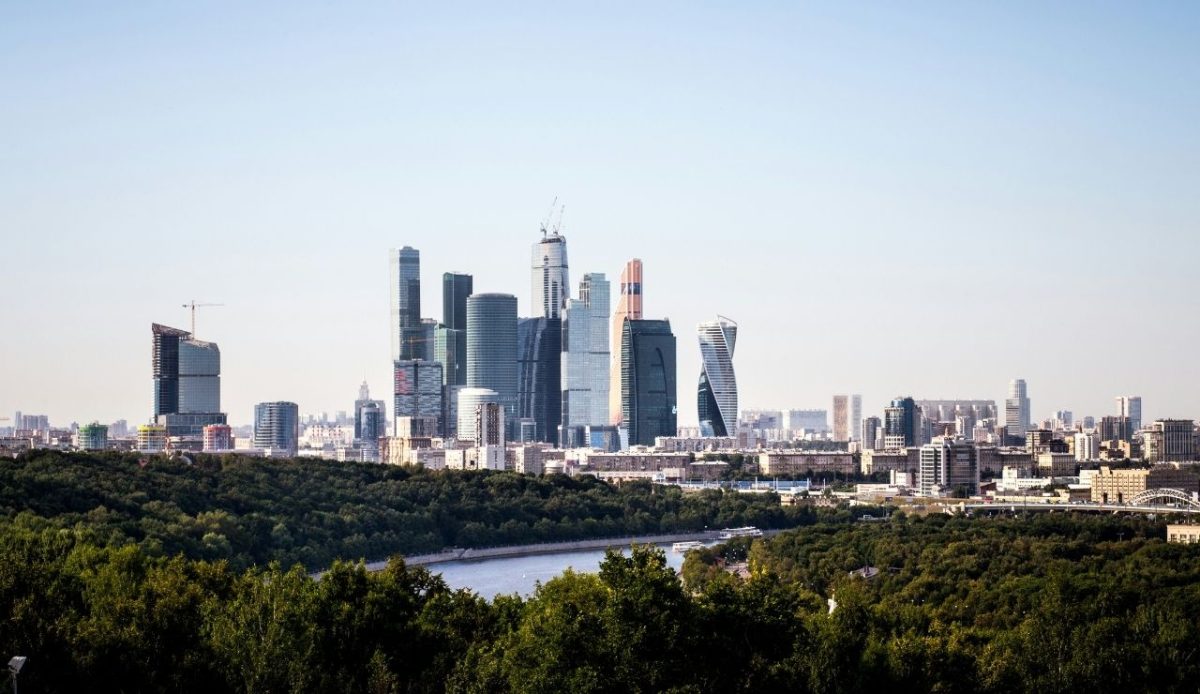
Moscow’s icy winters, aggressive driving culture, and massive vehicle count place it among the most dangerous cities for motorists. During cold months, black ice and heavy snow cause frequent pileups, while summer construction projects close critical routes, worsening congestion. Drivers often speed or change lanes abruptly, with limited regard for right-of-way rules. Poor visibility and insufficient pedestrian barriers lead to hundreds of severe accidents annually. Even with modern ring roads and improved traffic cameras, enforcement remains inconsistent. Many Muscovites rely on dashcams not only for insurance purposes but also as protection against disputes after inevitable collisions in the capital’s gridlocked streets.
