
Trips planned around LGBTQ history and nightlife often come with high expectations because these places carry meaning beyond typical sightseeing. Reviewers who felt let down usually pointed to practical gaps such as tiny footprints, limited interpretation, or a venue that functions more as an everyday bar than a curated memorial. Timing also matters, since off-hour visits and short-staffed days can change the mood. The sites below are widely recognized, yet traveler feedback shows the experience can feel shorter, less informative, or less welcoming than anticipated, even when the mission is valued.
1. Stonewall National Monument, New York City
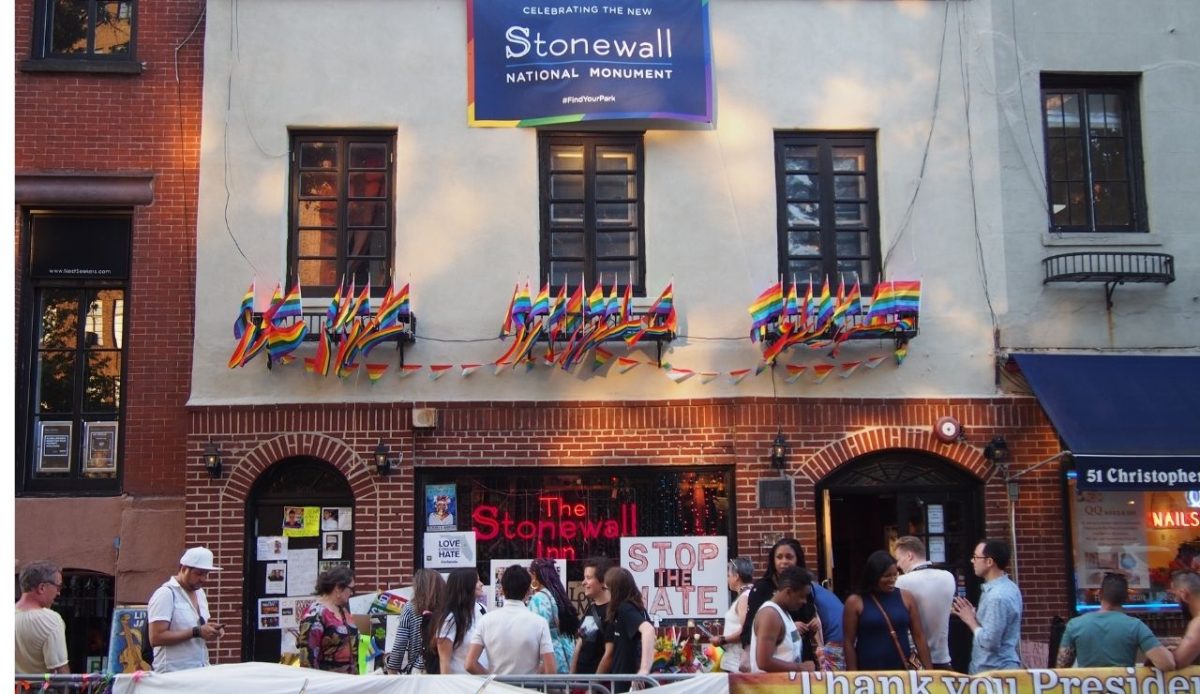
Many visitors arrive at the Stonewall National Monument expecting a substantial interpretive stop, but the park area is small, and the story is not fully explained on site. A quick walk through Christopher Park can be finished in minutes, and some travelers say they leave without a clear context unless they researched beforehand. Because signage is limited and programs are not guaranteed daily, the visit is sometimes described as a photo opportunity rather than a guided learning experience tied to the uprising. Nearby museums can add depth, but they are separate. For first-timers, that separation can feel disappointing.
2. The Stonewall Inn, New York City
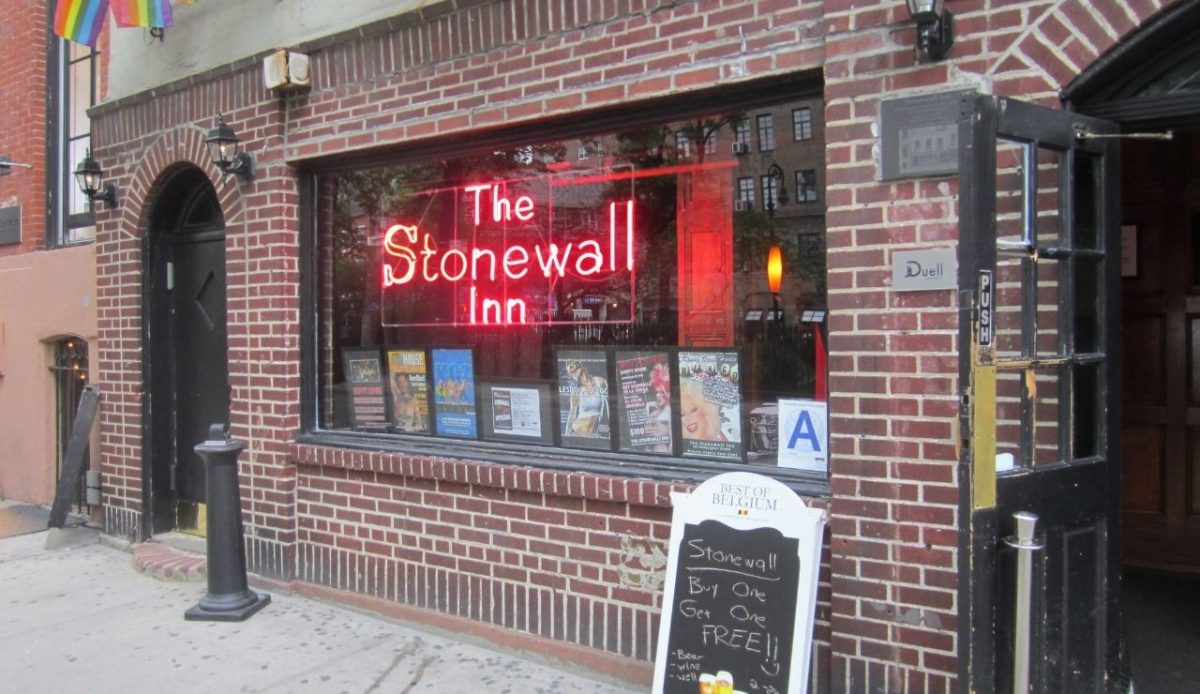
The Stonewall Inn is visited like a pilgrimage, yet it is primarily a working bar with routine service pressures. Travelers who expected a museum-like setting often mention that the interior reads as a standard nightlife space unless an event is underway. Some reviews cite inconsistent staff friendliness, crowded conditions, or drink prices that felt out of step with the emotional reason for the visit. When a brief stop is made during a slow afternoon, the atmosphere can seem ordinary, which can clash with the site’s historic reputation. Historic plaques are nearby, but detailed storytelling is not built into the experience.
3. Schwules Museum, Berlin
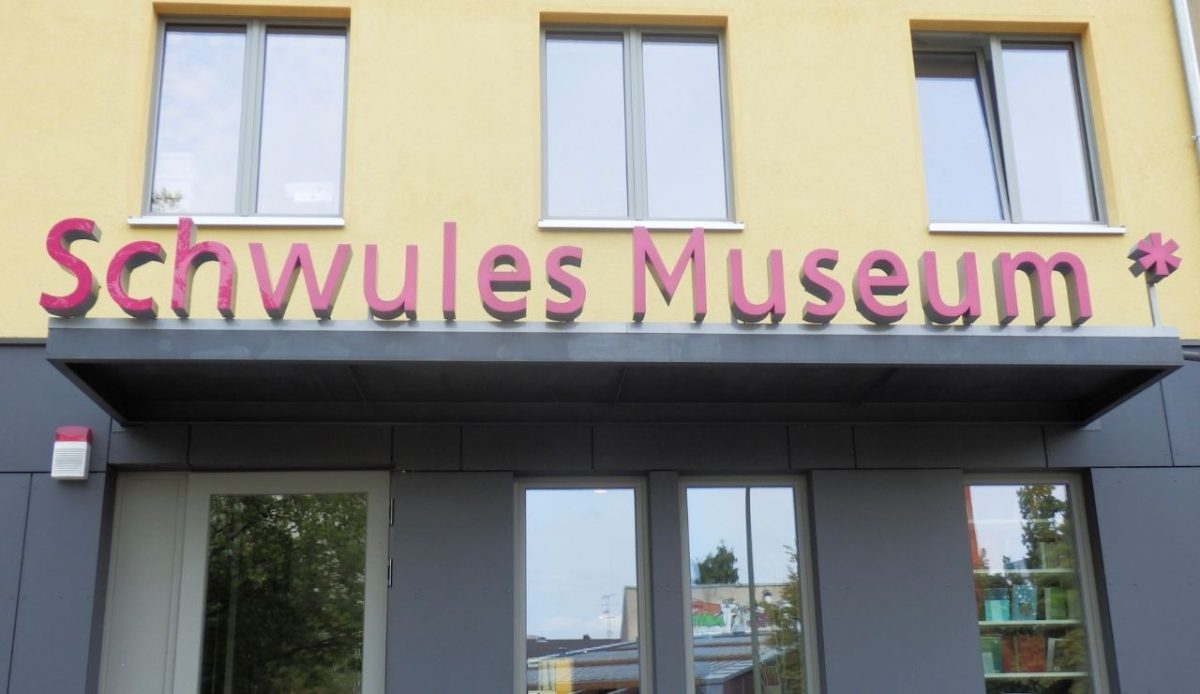
Schwules Museum in Berlin is respected for serious curatorial work, but some visitors report a mismatch between expectation and format. Travelers who pictured a large visual museum often find a compact venue where reading plays a major role. If English labels are limited for a given show, international guests may struggle to follow themes without extra time. Exhibits can be temporary and specialized, so a visitor hoping for a broad timeline of German queer history may feel that the snapshot offered that day was narrower than planned. Some also say the rooms feel disconnected. Planning can help.
4. Queer Britain, London
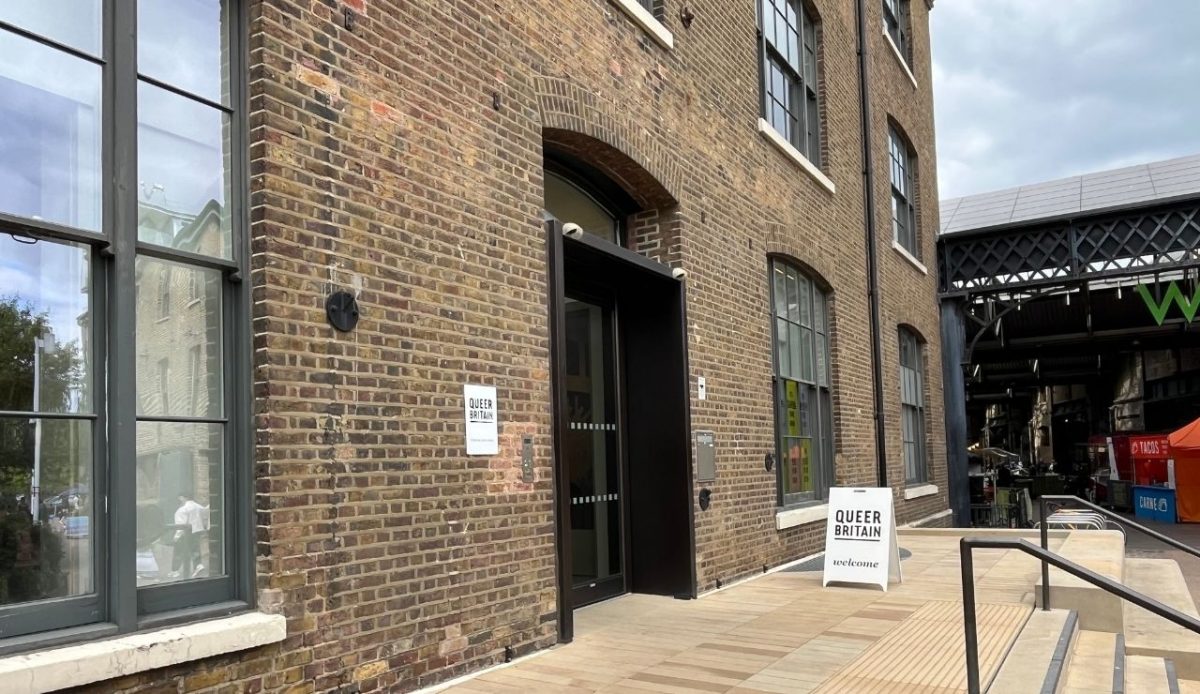
Queer Britain draws travelers who want a national-scale survey, yet visitor feedback often notes the museum is smaller than expected. A typical visit may take less than an hour, especially when only a few galleries are open. Because displays rotate, guests sometimes arrive hoping to see specific eras or figures and instead encounter a tighter theme. The mission is widely praised, but some reviewers say the limited floor space and the light amount of material made the trip feel less substantial than its name suggested. For visitors on a packed London itinerary, the time spent getting there can outweigh what is available to view inside.
5. Homomonument, Amsterdam
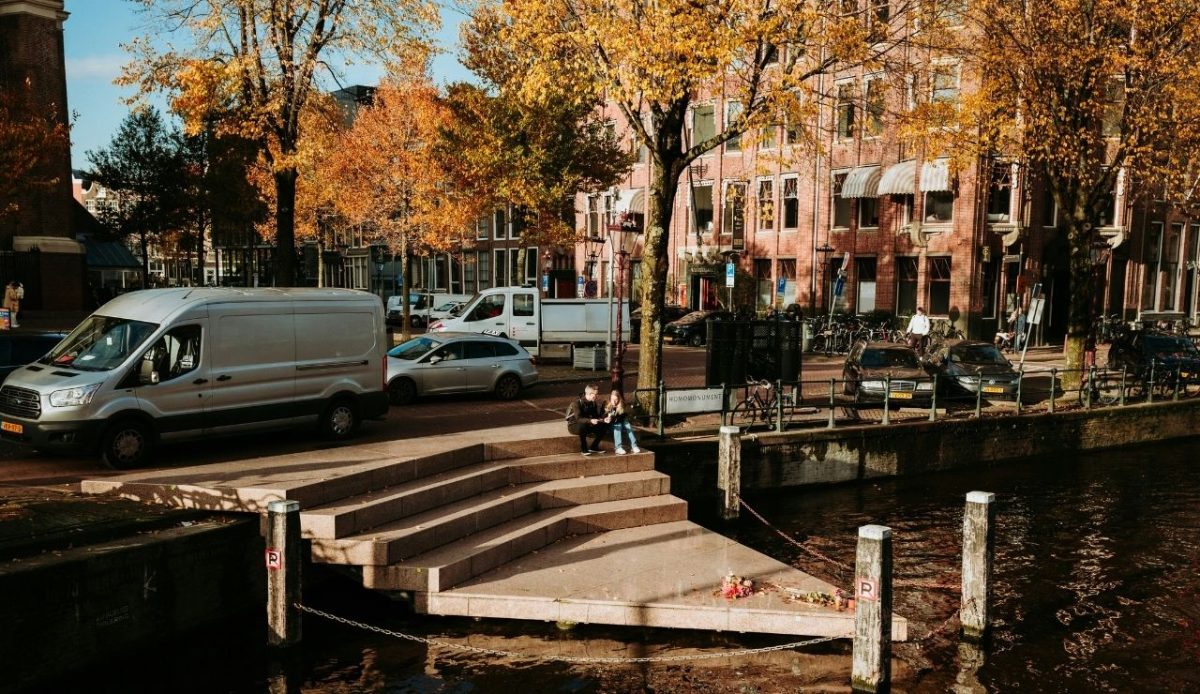
Amsterdam’s Homomonument is meaningful, but many travelers describe it as visually subtle within a busy canal setting. Visitors expecting a tall statue or a clearly marked memorial sometimes walk past the pink granite triangles without realizing what they are seeing. Because interpretation is minimal, the symbolism can be missed unless the context is read in advance. Reviews that mention disappointment usually focus on the understated design and the short duration of the stop, not on the purpose of honoring LGBTQ people affected by persecution and violence. It can feel stronger during events, yet timing is uncertain.
6. Harvey Milk Plaza, San Francisco
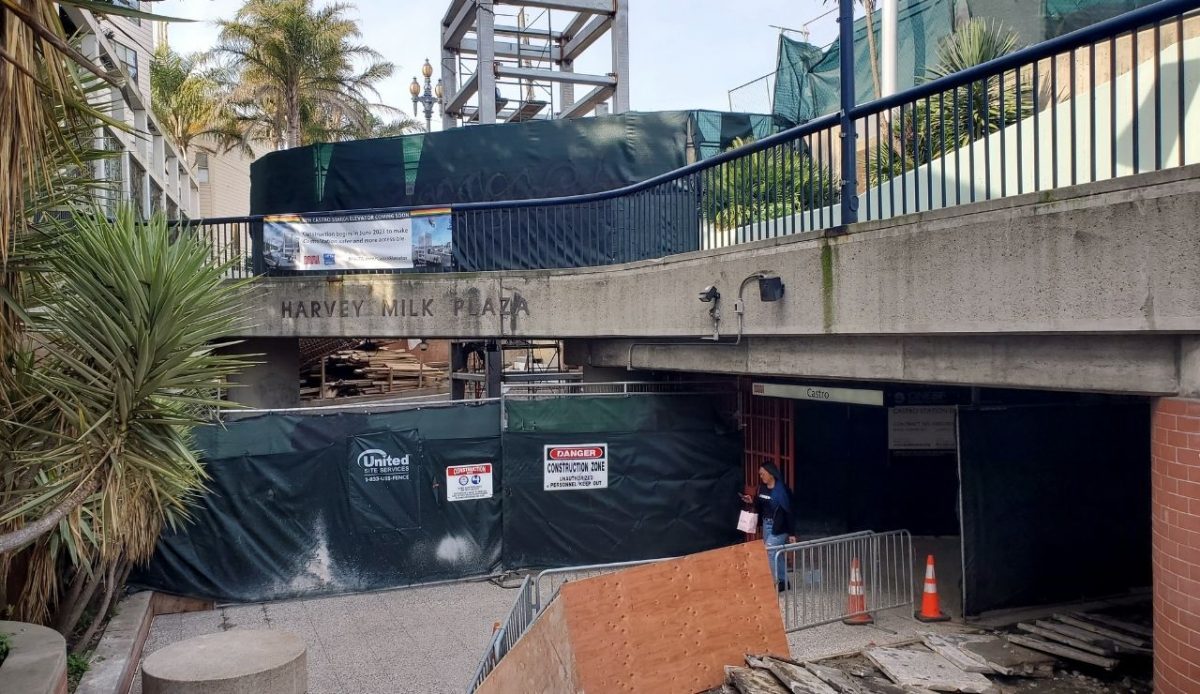
Harvey Milk Plaza is often treated as a must-stop for LGBTQ history in San Francisco, but travelers sometimes expect more than a small transit plaza. Much of the experience is the surrounding Castro neighborhood rather than a dedicated memorial space. Visitors note that the site functions as an entrance to the Muni station, so crowds and noise are part of the setting. Without a guided story or extensive exhibits, some reviewers say the stop is quick and can feel like a marker rather than a destination built for lingering reflection. Travelers who plan a longer visit often pair it with nearby historical walks to make the context clearer.
7. GLBT Historical Society Museum, San Francisco
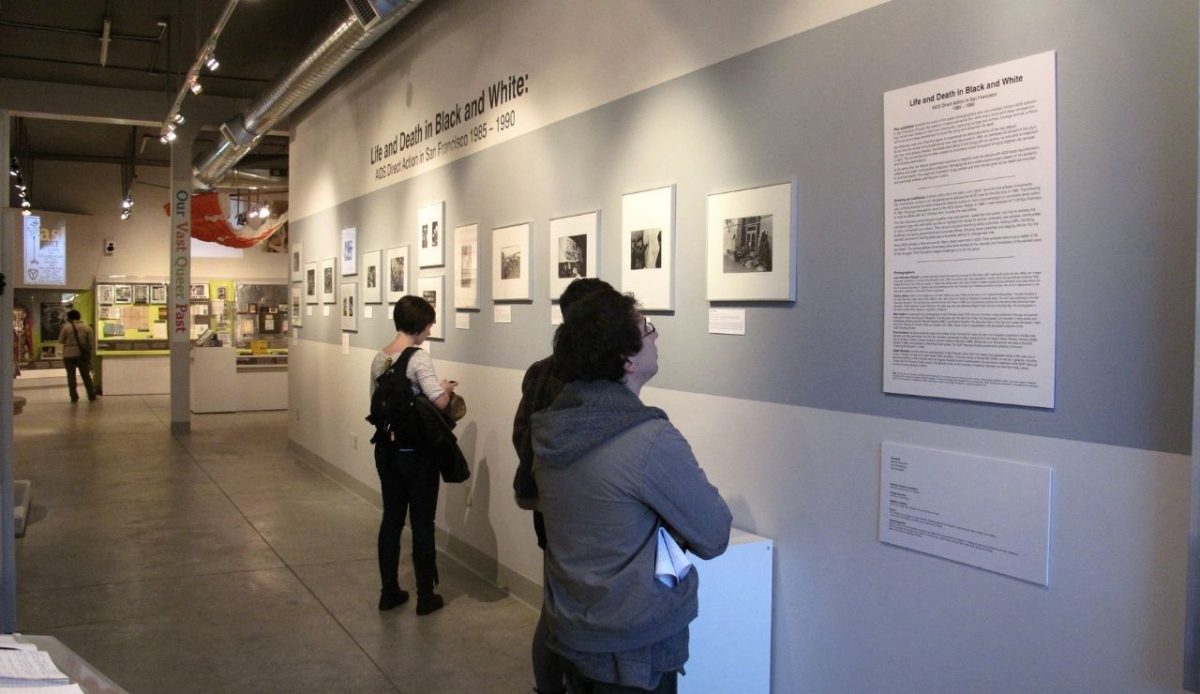
The GLBT Historical Society Museum is appreciated for preserving local stories, yet some travelers report that it feels smaller than their expectations. Visitors who imagined a large institution sometimes finish the galleries quickly and wish more objects were displayed at once. Because the museum emphasizes community history through documents and rotating exhibits, the experience can feel more archival than immersive. Reviews that mention disappointment often cite the limited square footage and the short visit length, even while noting that the staff and mission were respected. For some, the admission value was questioned.
8. Stonewall National Museum, Archives and Library, South Florida
The Stonewall National Museum, Archives, and Library in South Florida attracts visitors expecting a full-scale museum, but some reviews describe it as compact. Travelers who arrive with limited time may find the exhibits focus on select themes rather than a sweeping narrative. The collection can be meaningful, yet the space has been described as quieter and less visually dramatic than anticipated. When expectations are set by the word museum, a smaller gallery-style layout can be interpreted as falling short, even though the archival work is valued. Limited hours are also cited as a planning hurdle.
9. LGBT Visitor Center, Miami Beach
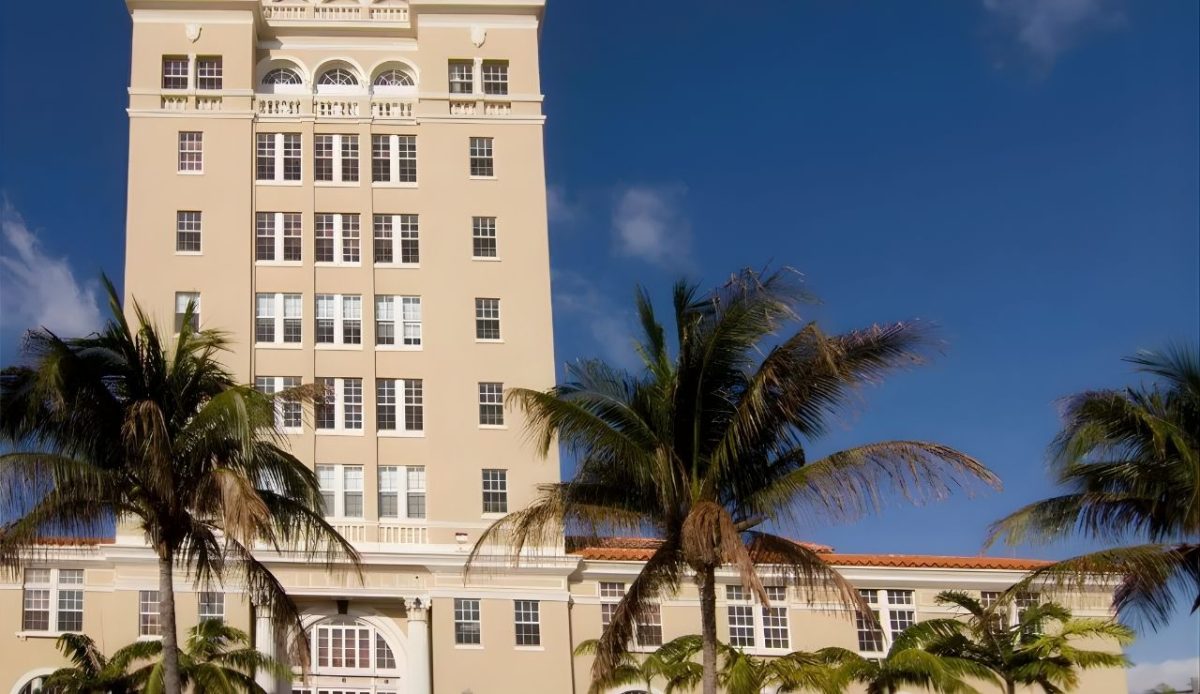
The LGBT Visitor Center in Miami Beach is meant to provide maps, event guidance, and local support, yet some travelers report that the visit felt unnecessary. Reviews often mention limited hours, making it hard to catch it open during a short beach trip. Others expected a larger hub with exhibits or programming, and instead found a small office-style stop focused on information. When staff are available, help is praised, but disappointment appears when the center is closed or when the space feels too minimal for travelers who planned it as an attraction. Some felt similar tips were online, lowering the value of the detour.
10. Leather Archives and Museum, Chicago
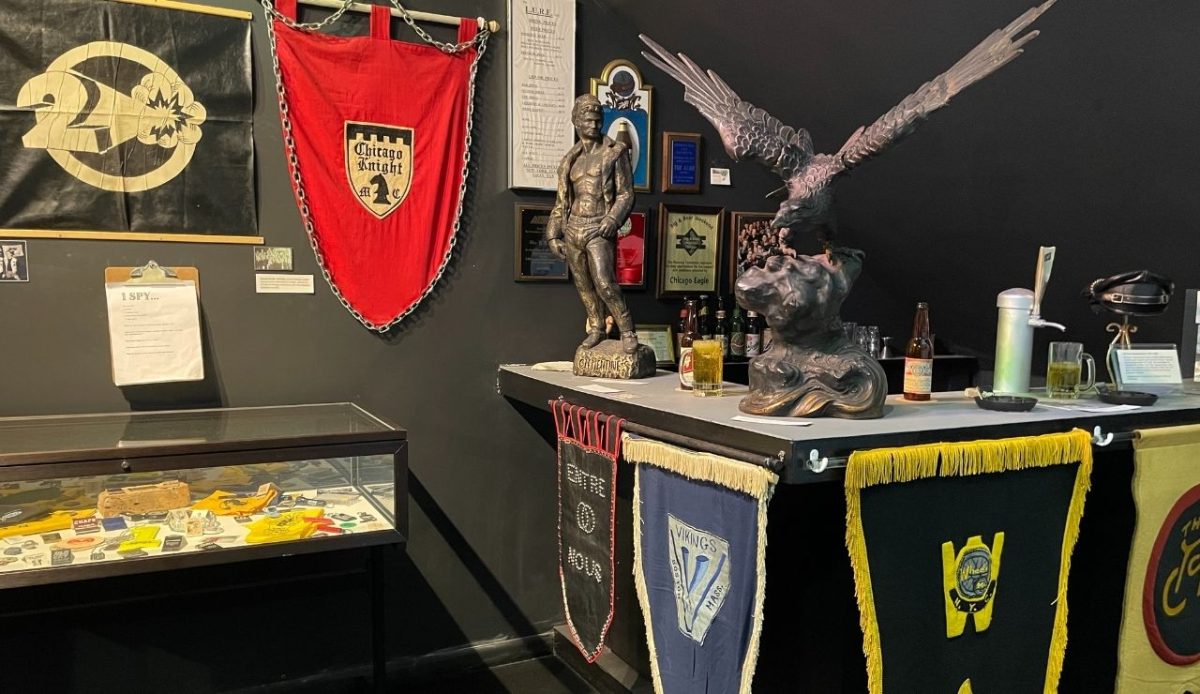
The Leather Archives and Museum in Chicago is a specialized stop centered on leather and kink history, and expectations vary widely. Some travelers who did not realize the niche focus report surprise at the explicit material and wish clearer framing had been provided before entry. Others expected broader LGBTQ coverage and felt the emphasis on a specific subculture made the visit less relevant to their interests. The collection is extensive, yet the presentation can feel dense, with reading-heavy displays that require time. When a quick visit is planned, disappointment is more likely to be reported.
