
Packing for a hike while traveling often rewards caution at first, then punishes excess on day two. Regret usually comes from weight, bulk, and gear that solves a problem that never appears. Long walks make every extra ounce feel louder, especially when food, water, and weather already demand room. This guide focuses on items many hikers swear they will stop bringing because the payoff rarely matches the carry. Each section explains why the item disappoints in real trail conditions and what tends to work better instead. The goal is a lighter pack without reducing safety, warmth, or basic comfort.
1. Bulky Camp Shoes
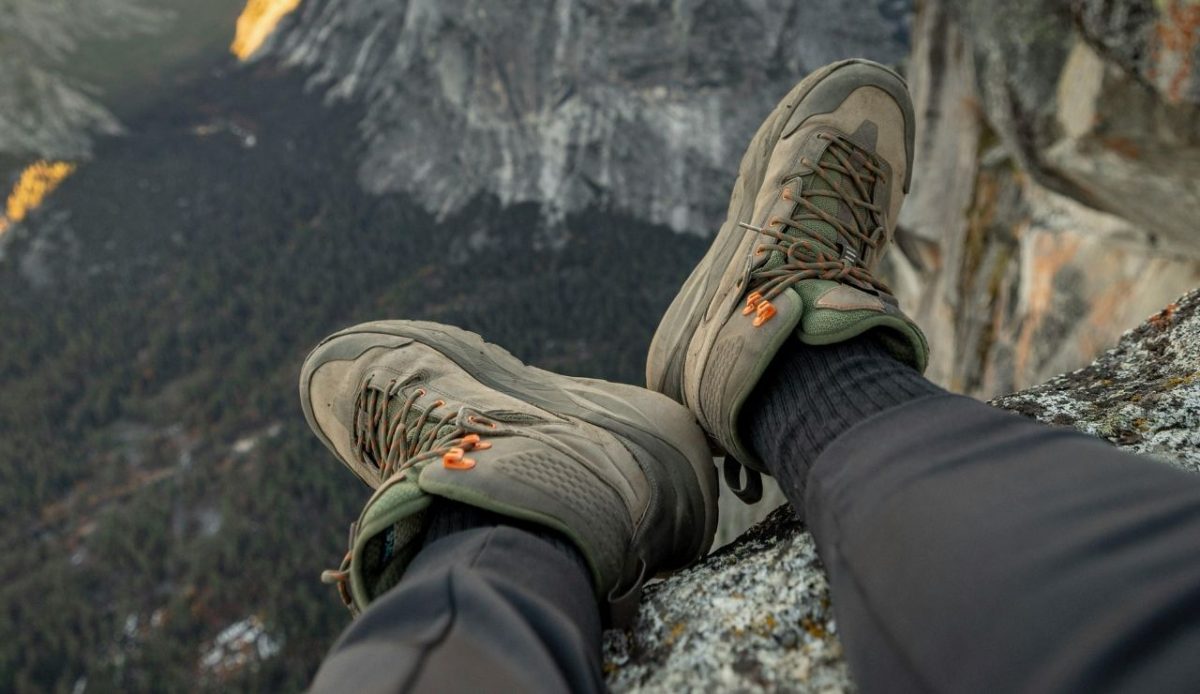
Bulky camp shoes sound like relief, yet they often ride untouched for most of the trip. After hiking all day, many travelers just loosen their trail shoes, swap into dry socks, and call it done. Foam clogs and thick sandals also steal space needed for food, insulation, or a rain layer. If stream crossings are rare and camps are dry, the extra pair turns into dead weight that is lifted thousands of times. They can even stay damp after a shower, which adds odor and friction risk. A better trade is a clean sleep sock pair or minimalist sandals that pack flat and weigh very little. Most hikers miss them less than expected.
2. Oversized First Aid Kits
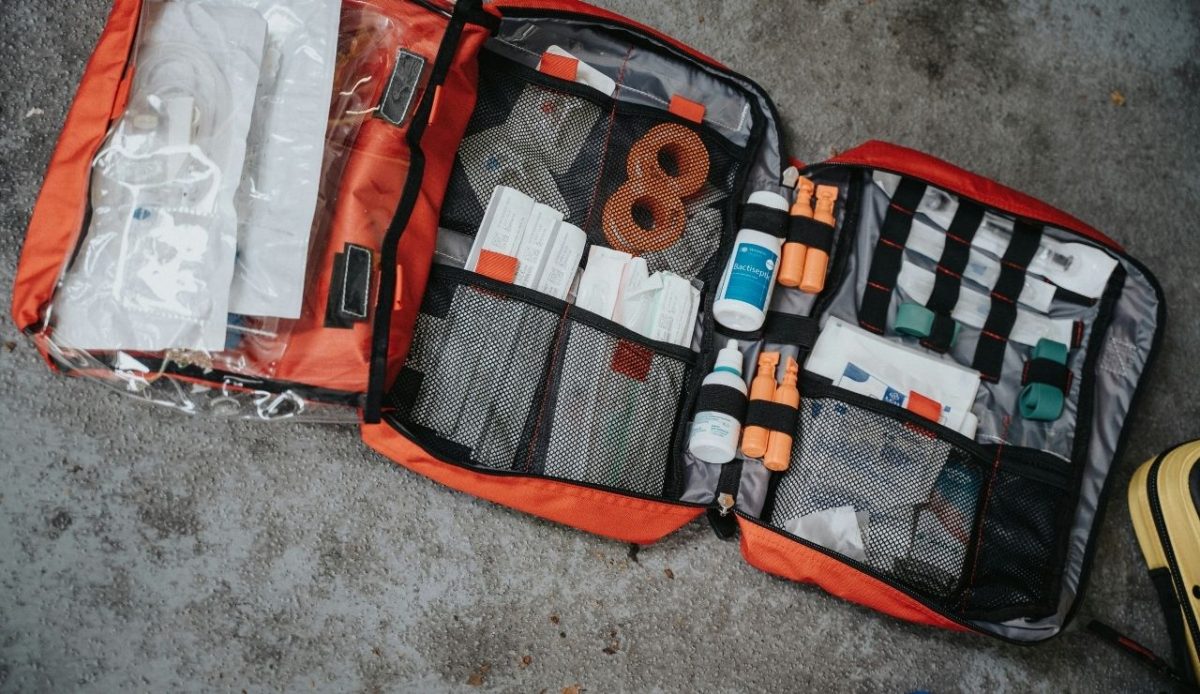
A large prebuilt first aid kit feels responsible, but many parts never leave the pouch. On common routes, the most used supplies are blister care, a few bandages, pain relief, and wipes. Extra gauze rolls, rigid splints, and duplicate tools add bulk while offering little advantage for minor issues. When something serious happens, the priority is staying warm, stopping bleeding, and getting help, not sorting a giant kit. Another problem is that items expire, and the kit rarely gets checked before departure. Build a small kit around your skills and trip length, then add a compact wrap and tape for ankle support.
3. Full-Size Multi-Tools
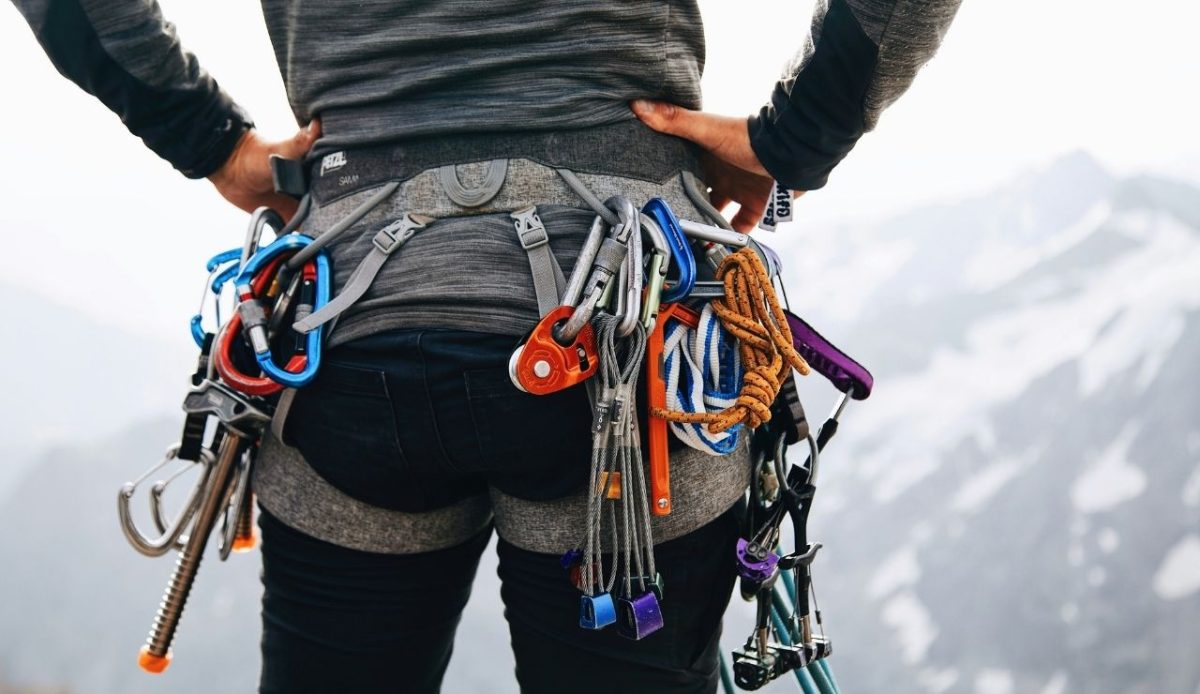
Full-size multi-tools promise solutions, yet they are carried far more than they are used. Most trail fixes involve cutting cord, trimming tape, or opening food packets, which a small blade can handle. The heavy body and pliers matter only for rare repairs that usually end the day anyway. For air travel, they can also trigger security problems and force last-minute bag checks or disposal. Many hikers find that duct tape, a needle, and a few zip ties solve more issues than metal gadgets. Unless you know your gear needs a specific bit, choose a tiny knife or scissors and keep repairs quick. The weight savings add up.
4. Extra Clothing Beyond Rotation

Extra clothing is the classic overpack, especially when a trip includes towns, lodges, or a sink for washing. Spare shirts, extra pants, and duplicate base layers often stay buried and become dead weight in wet weather. A simple system works better, one set to hike in, one set to sleep in, and one insulating layer for cold rests. Drying time matters more than quantity, so fabrics that shed sweat and dry overnight reduce the urge to pack backups. When the weather swings, layers can be adjusted without carrying whole extra outfits. If odor is a worry, carry a small soap sheet and rinse one item at a time during breaks.
5. Heavy Power Banks
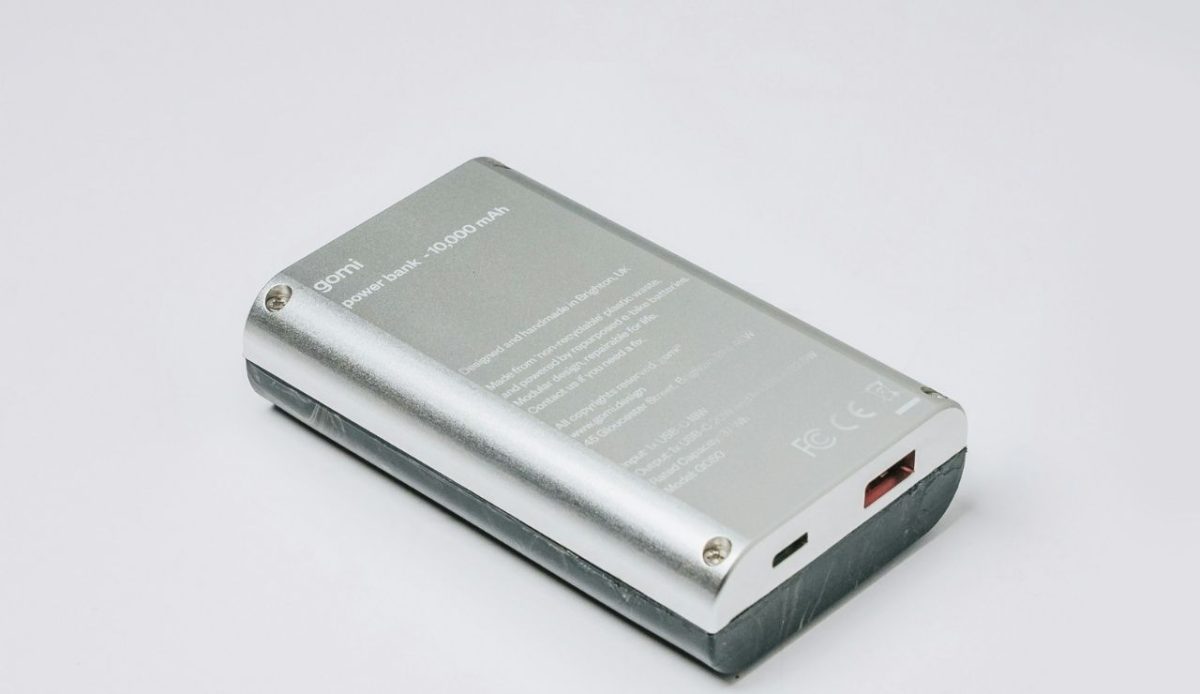
A huge power bank is often packed out of fear, not for measured need. On trail, phones spend hours in airplane mode, screens stay dim, and navigation is checked in short bursts. That means a smaller charger often covers several days, especially if you top up in a café or at a hostel. In cold conditions, capacity drops, so smart power habits matter more than extra pounds of lithium. Large batteries also slow your pace and can be awkward to pack safely near water. Track real usage for one trip, then size your battery to that number and carry a short cable that will not snag. Most hikers downsize after one hike.
6. Camp Chairs
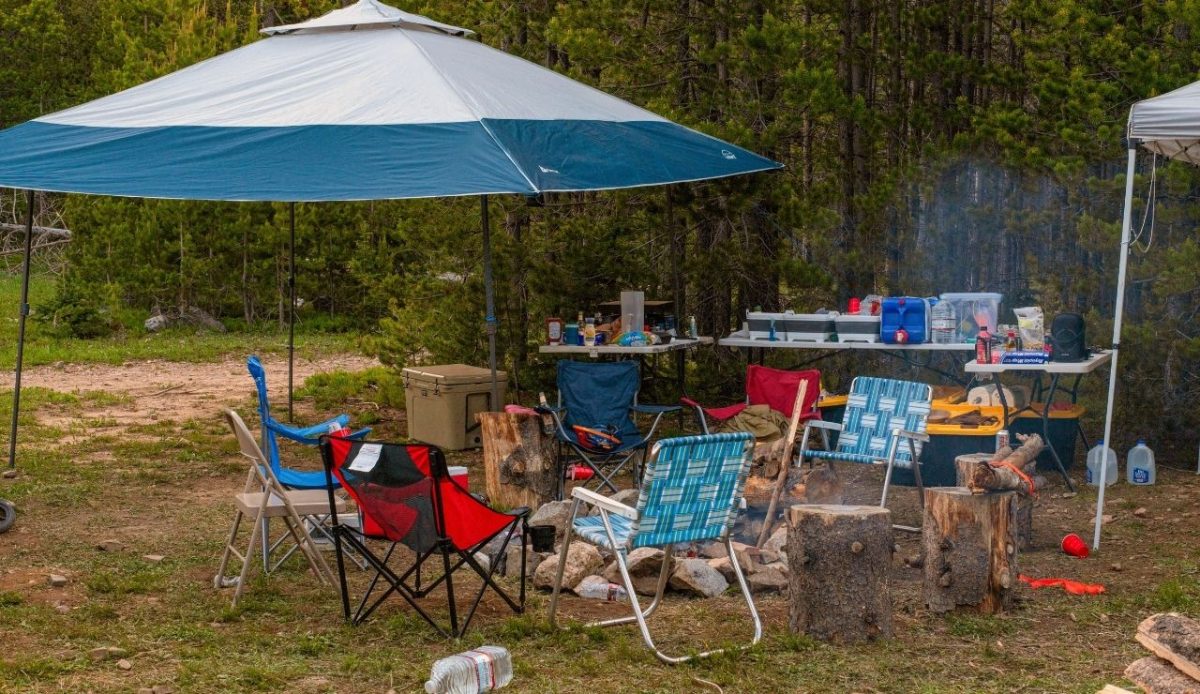
Camp chairs are tempting because they promise comfort at the end of a long day. Yet on many routes, there are logs, rocks, picnic tables, or shelter benches that do the job. A chair also takes a wide chunk of pack volume, which pushes other gear into odd gaps and makes packing harder. Setup time can feel annoying in the wind or rain, and legs sink into soft ground or sand. Travelers regret it most on steep terrain where every extra pound strains knees on descents. If you need recovery support, try a small sit pad or use your folded foam sleeping pad as a seat. Comfort can be found without frames, especially on long trips.
7. Oversized Cookware Sets
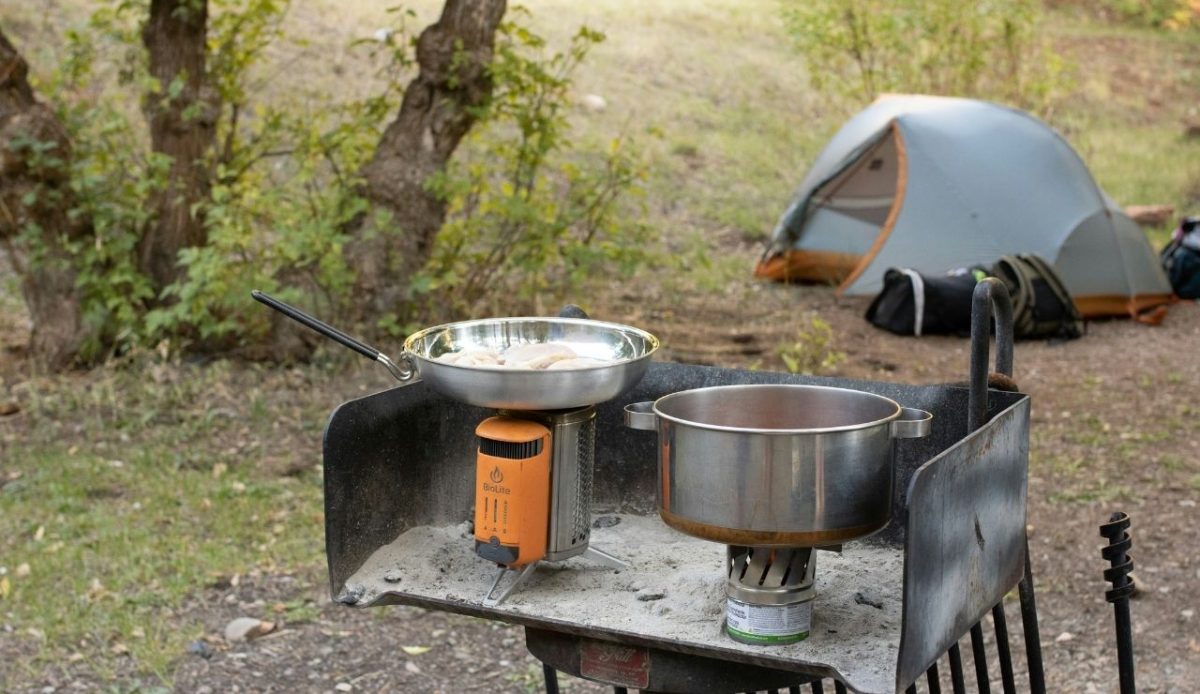
A full cook set with multiple pots, plates, and metal utensils seems handy until you realize how little gets cooked. Many travelers rely on simple meals, hot drinks, or ready food bought along the way. Extra pieces rattle, add weight, and slow camp routines when you are tired, and daylight is fading. Large pots also burn more fuel to heat, which can increase canister weight on longer trips. When traveling, bulky cookware can be awkward in checked bags and may dent or stain other gear. A single pot or mug, one spoon, and a small stove cover most needs, and cleanup is faster with less water used. Keep it minimal.
8. Heavy Pump Filters And Duplicate Treatment
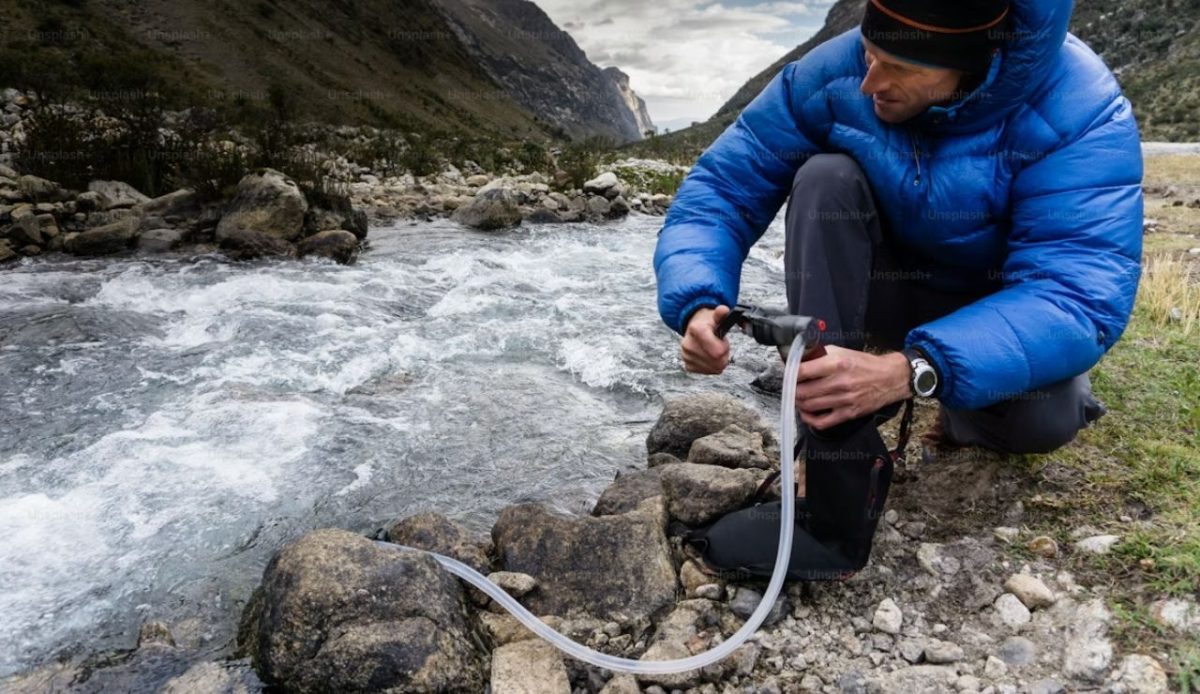
Pump filters and double water treatment systems are commonly packed for peace of mind, then regretted at the first long climb. Modern squeeze filters or tablets often meet the need with less weight and fewer moving parts. Pumps can clog in silty sources and require backflushing, which becomes a chore when you just want to rest. Carrying both a pump and tablets duplicates effort without improving safety for the most well-known trails. For groups, one shared filter usually works better than several heavy units. Plan around reliable sources, carry enough capacity between fills, and bring one backup method that is light and simple.
9. Full Size Towels Or Thick Blankets

A full-size towel or thick camp blanket sounds cozy, but it rarely earns space in a hiking pack. Microfiber towels can still be bulky when wet, and large cotton ones dry slowly and pick up grit. Most travelers only need something to wipe condensation, dry their hands, or clean their feet before sleep. On travel hikes, hostel showers and laundries often provide towels, making your own even less useful. A small pack towel or a bandana handles the basics and dries fast when clipped to the outside of a pack. If warmth is the goal, add a warm layer or better sleep insulation instead of a heavy throw. It saves room every day.
10. Paper Books

A paper book is a comfort pick that often becomes the first item people wish they left behind. After long miles, attention drops, light fades, and the book stays closed while you eat and sleep. The weight is constant, and the stiff shape can make a pack harder to load well. Books also soak up moisture and get warped in rain, even when they are kept inside a liner. If you want quiet time, read on your phone during charging hours or download a short audiobook. Journaling can scratch the same itch with a thin notebook that also helps plan routes and budgets. Most hikers prefer content that weighs nothing.
