
Many people think seeing the Northern Lights requires a flight to Iceland or Norway, yet several places across the United States quietly deliver the same breathtaking experience. From the forested edges of Maine to the high plains of Idaho, travelers can witness the aurora without leaving American soil. These destinations share three things in common: little to no light pollution, wide open horizons, and patient stargazers who wait for the right solar storm. With the right timing and a clear forecast, the colors of the night sky can appear when least expected, glowing above familiar landscapes.
1. Aurora Reflections at Lake Pend Oreille, Idaho
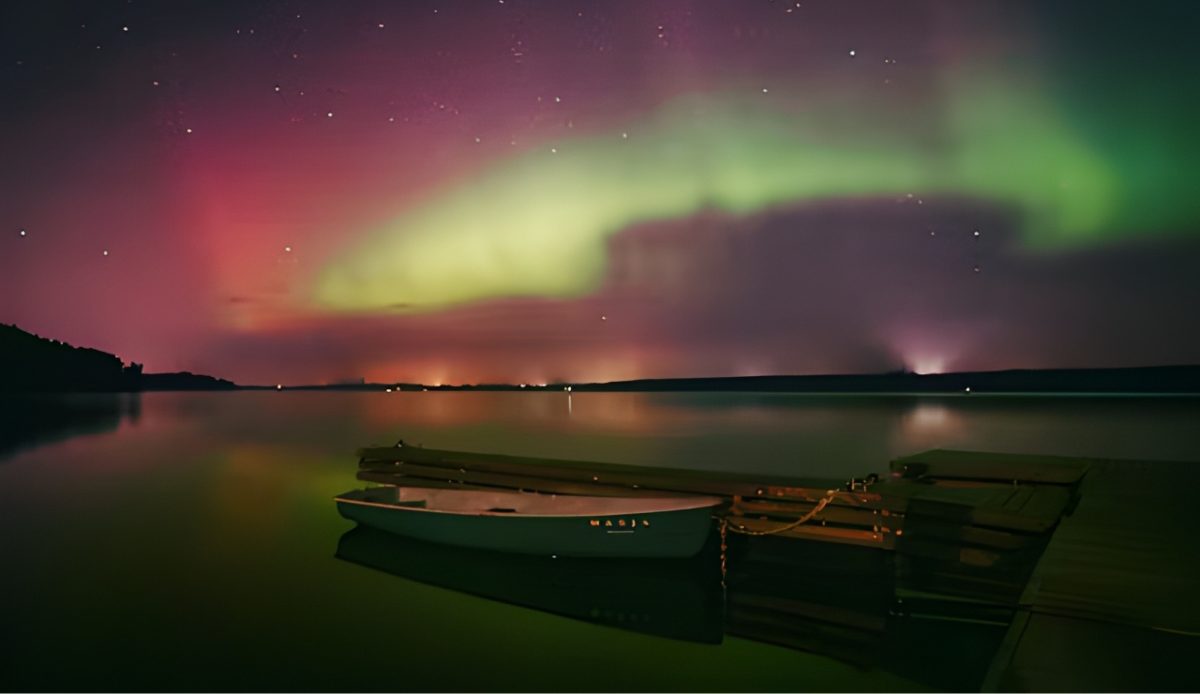
Stretching across Idaho’s northern tip, the Panhandle National Forest surrounds Lake Pend Oreille with deep woods and open water. Its distance from city light creates ideal conditions for aurora viewing when solar storms strengthen. From shoreline lookouts or higher mountain points near the Cabinet Range, visitors watch faint green and violet streaks sweep across the horizon. On calm nights, reflections shimmer across the lake’s glassy surface, making each display feel both rare and personal. The forest’s quiet atmosphere turns every appearance into a moment worth remembering.
2. Night Skies Above Millinocket, Maine
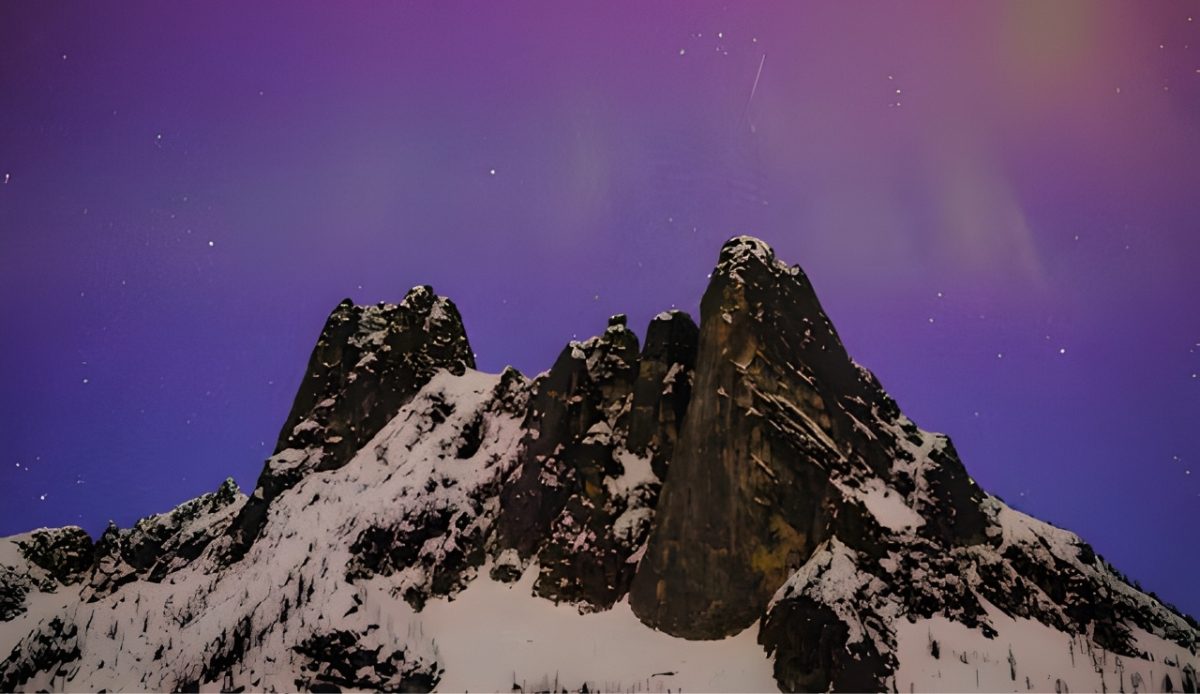
North of Millinocket, the Katahdin Woods and Waters National Monument protects one of the darkest skies in the eastern United States. Recognized as an International Dark Sky Sanctuary, the area gives clear views of Mount Katahdin beneath a canopy of stars. The best vantage points lie along the East Branch Penobscot River, where open meadows reveal the northern horizon. During winter, arcs of green and pink color stretch over the mountain ridge and ripple across icy water. Silence and isolation make the moment feel timeless, as if the lights belong solely to this corner of Maine.
3. Stargazing Near Tupper Lake, New York
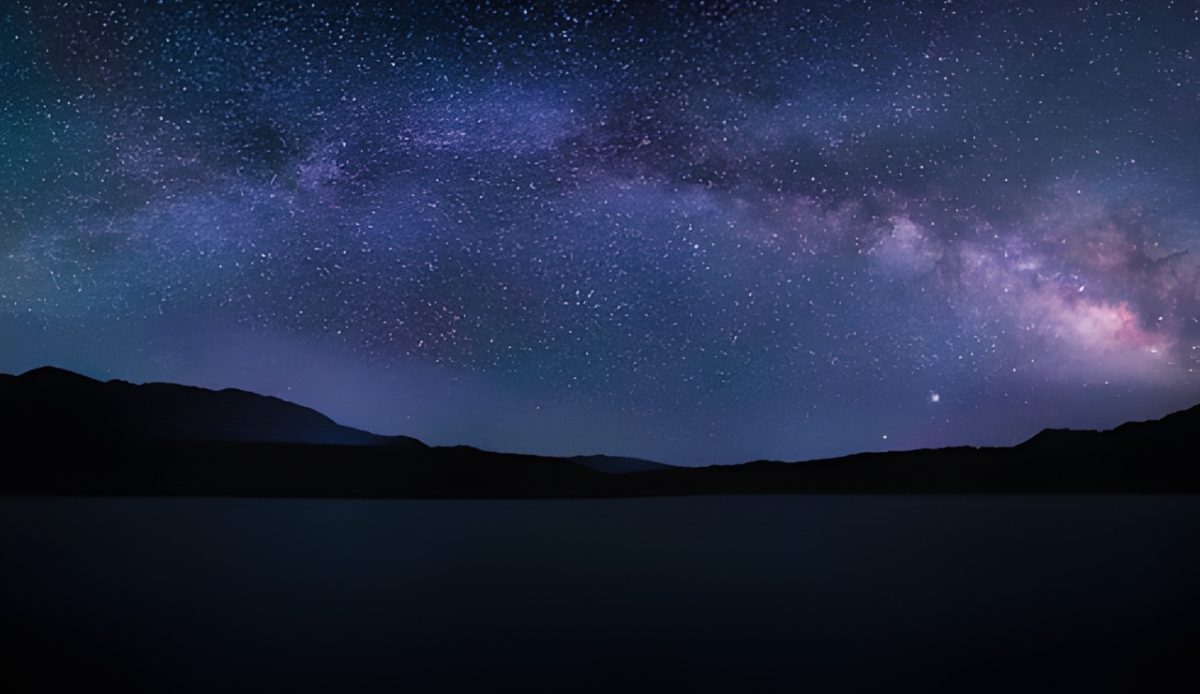
Tupper Lake in the Adirondack Mountains hosts one of the most peaceful observatories in the Northeast. The Adirondack Sky Center & Observatory sits at a high elevation with crisp air and little surrounding glow. On rare but rewarding nights, northern lights appear above the ridgelines, their colors mirrored in the nearby lakes. Visitors often camp nearby to experience the quiet rhythm of the night sky. Even without the aurora, the abundance of visible stars makes this small town feel far removed from city life and perfectly suited for quiet reflection.
4. Shoreline Views from Door County, Wisconsin
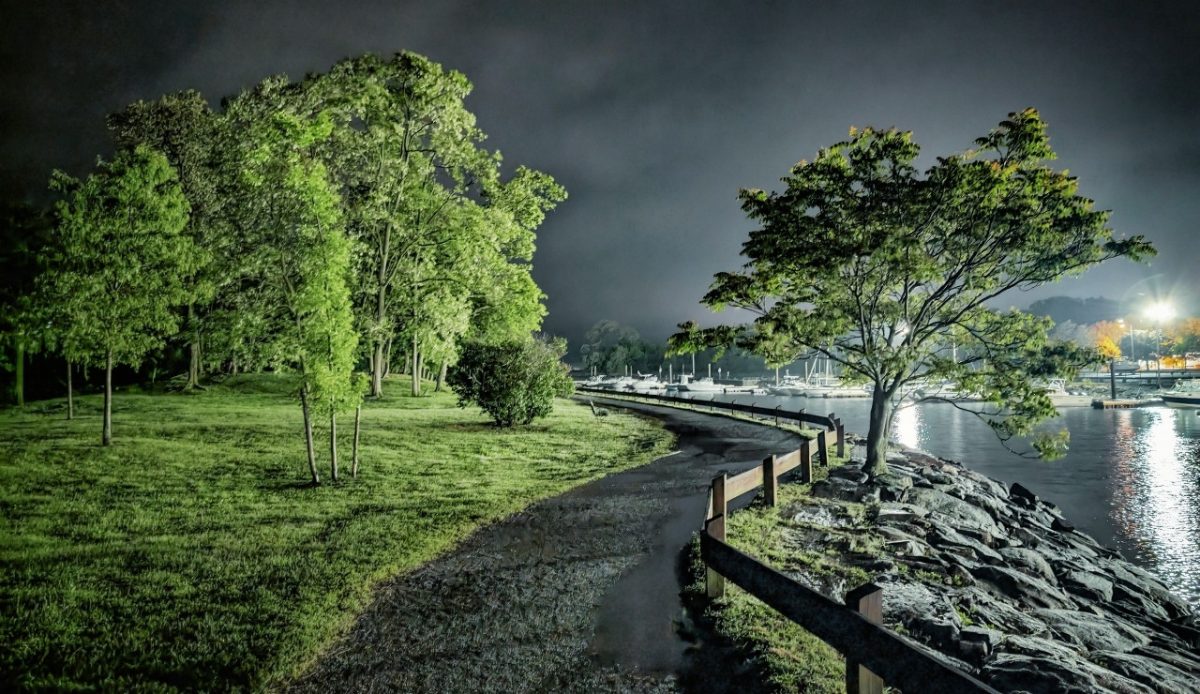
At the far end of Door County, Newport State Park offers open access to Lake Michigan’s horizon and an officially designated Dark Sky Park status. The lack of artificial light allows every star to appear brighter, while the calm lake occasionally mirrors bands of color during strong geomagnetic activity. Campers gather on the beaches or short bluffs to watch ribbons of green and purple drift above the water. The season from late September to early March brings the best conditions, when clear skies and crisp air reveal one of Wisconsin’s most striking nightscapes.
5. Fields and Skies of Limestone, Maine
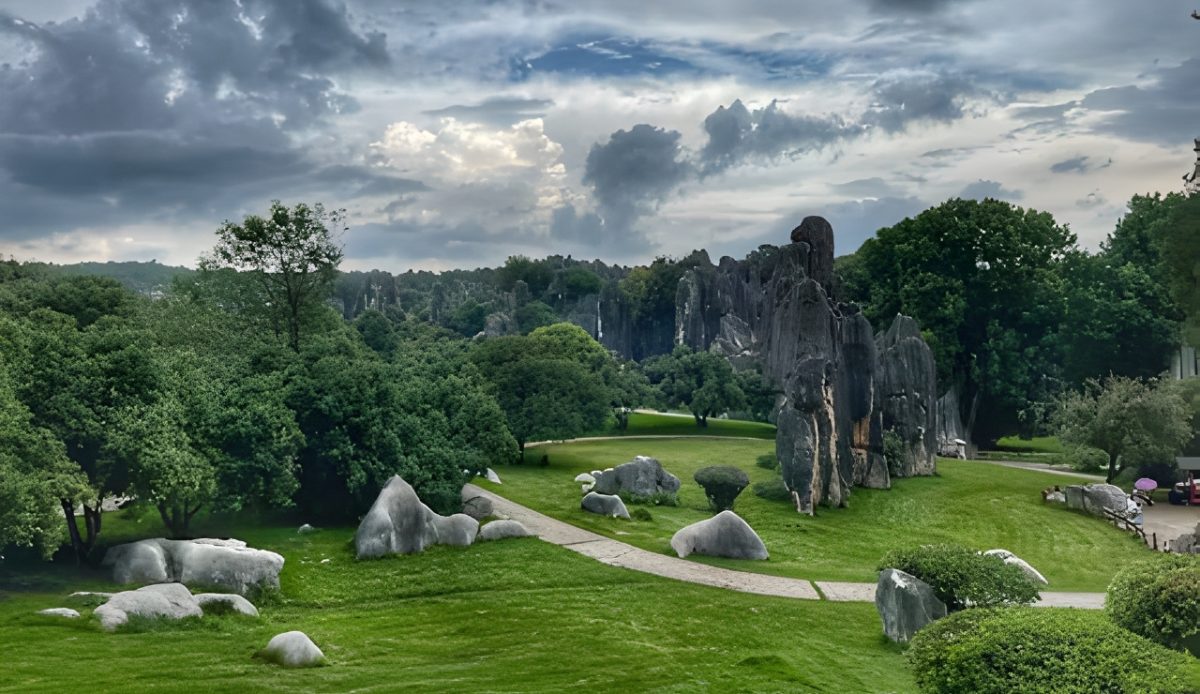
Near Limestone on Maine’s northern border, Aroostook National Wildlife Refuge combines open land and forest trails that offer excellent views of the aurora. Once part of the Loring Air Force Base, the refuge now attracts both wildlife enthusiasts and night photographers seeking quiet horizons. Snow cover often amplifies the faint glow of green light, reflecting color across frozen ponds. Those who visit in midwinter experience near-total silence interrupted only by the call of distant owls. When the northern sky brightens, the effect is serene and unforgettable.
6. Lakefront Glow in Grand Marais, Minnesota
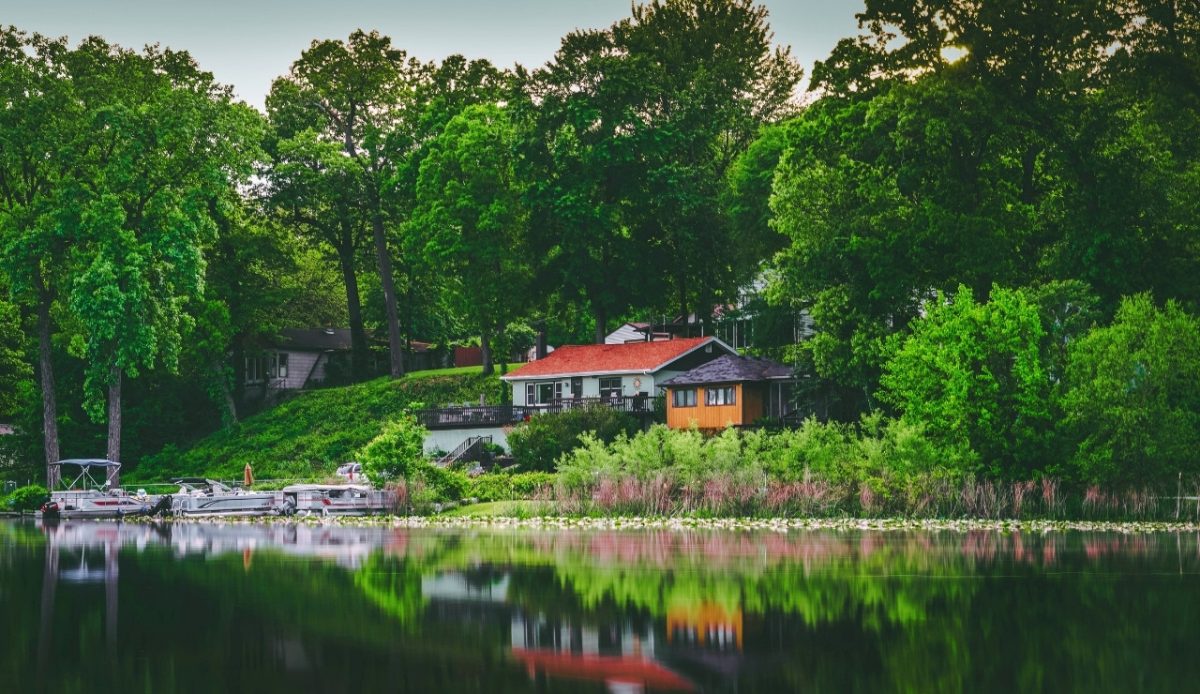
Along Lake Superior’s rugged shoreline, Grand Marais and the surrounding Cook County region provide dependable aurora viewing throughout the colder months. The Gunflint Trail leads travelers deep into the dark forest where artificial light fades away completely. Reflections on the lake enhance the glow when the solar wind is active, painting shifting colors across the northern horizon. Locals often stay alert after midnight when the air is clearest. The mix of water, wilderness, and quiet gives this northern corner of Minnesota a calm beauty that makes every sighting special.
7. Open Skies Over Coudersport, Pennsylvania
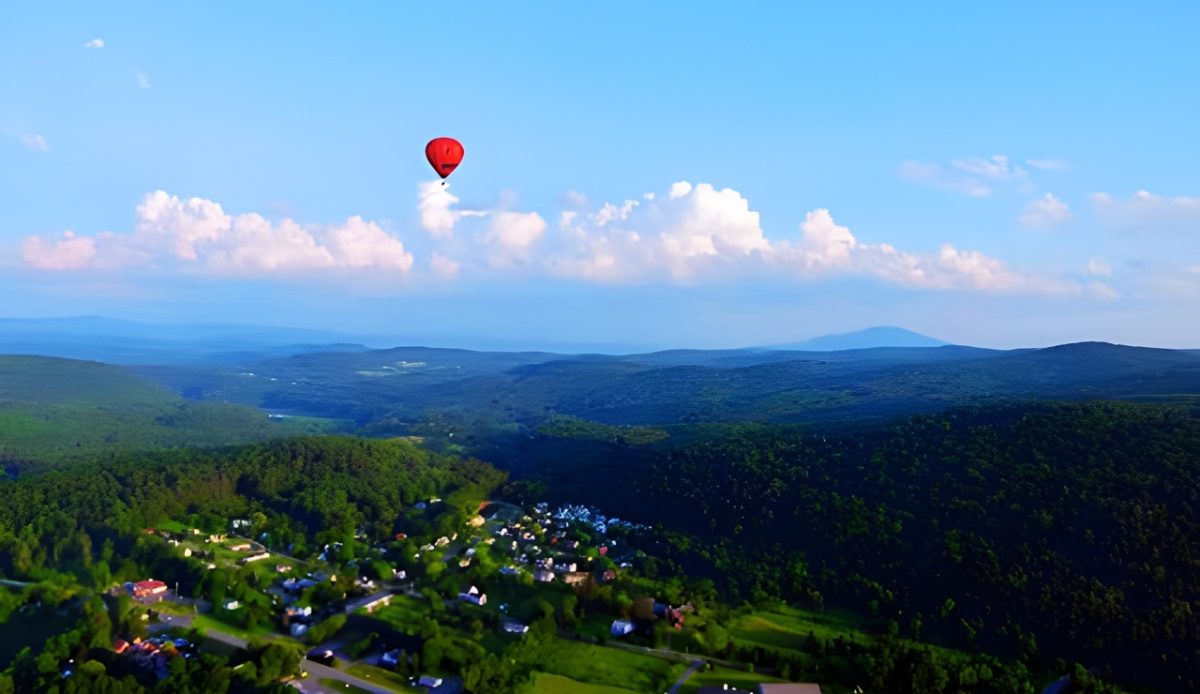
Just outside Coudersport, Cherry Springs State Park remains one of the nation’s premier stargazing destinations. Its open plateau offers a full-circle view of the sky unobstructed by trees or buildings. On nights of geomagnetic activity, the aurora may appear as faint red or green glows edging the forest line while the Milky Way cuts sharply overhead. Astronomy clubs host regular programs, and visitors often camp overnight for the chance of a surprise light show. Whether or not the aurora arrives, the stillness and clarity make this spot feel like pure night preserved in time.
8. Desert Horizons Near Christmas Valley, Oregon
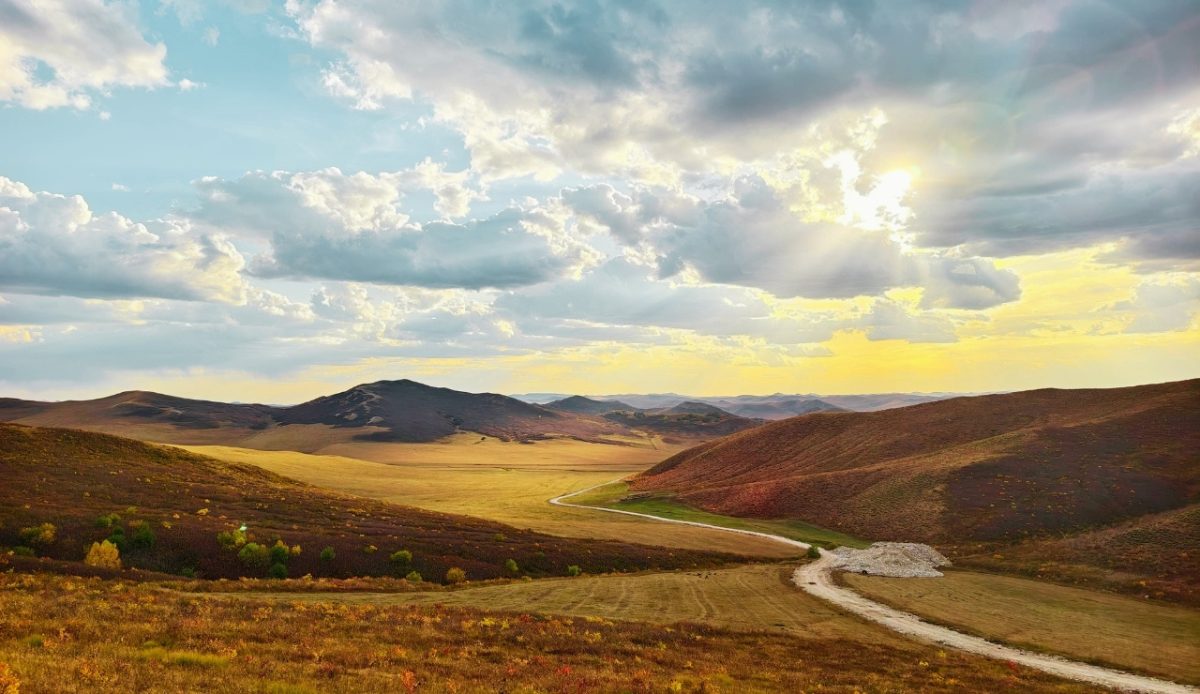
Southern Oregon’s high desert delivers some of the darkest and driest skies in the country within the Oregon Outback International Dark Sky Sanctuary. The region spans millions of acres with minimal human activity, offering perfect visibility for rare aurora displays that stretch far to the north. Visitors often gather near Christmas Valley or Hart Mountain to scan the wide horizon. When conditions align, faint curtains of color rise above the sagebrush plain, adding motion to an otherwise still landscape. Even without the aurora, the sheer depth of the stars creates a powerful sense of scale.
9. Reflections at Kabetogama Lake, Minnesota
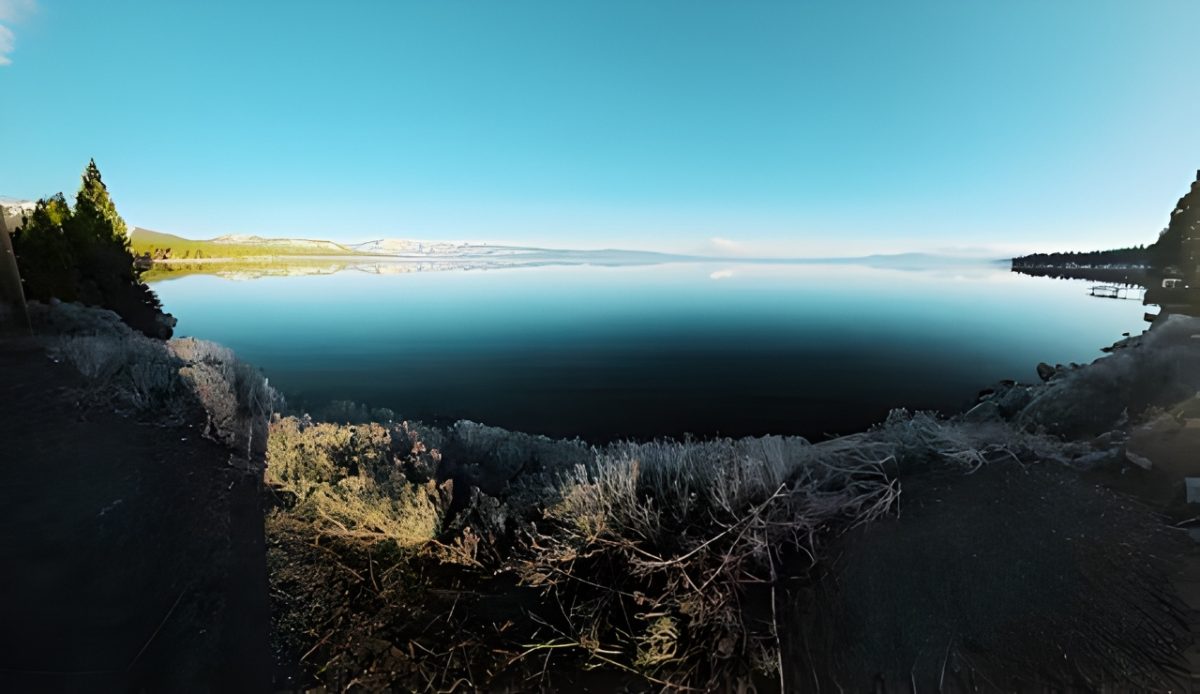
Voyageurs National Park near International Falls provides a mix of island-dotted lakes and boreal forest where light pollution barely exists. During strong solar events, northern lights spread across the open sky and shimmer over Kabetogama Lake. In winter, the frozen surface mirrors green and purple tones that stretch beyond the tree line. Access by boat or snowmobile leads to isolated viewing points that feel completely private. The combination of water, silence, and color makes this park one of the most rewarding places in the United States for seeing the aurora.
10. Lava Fields of Arco, Idaho
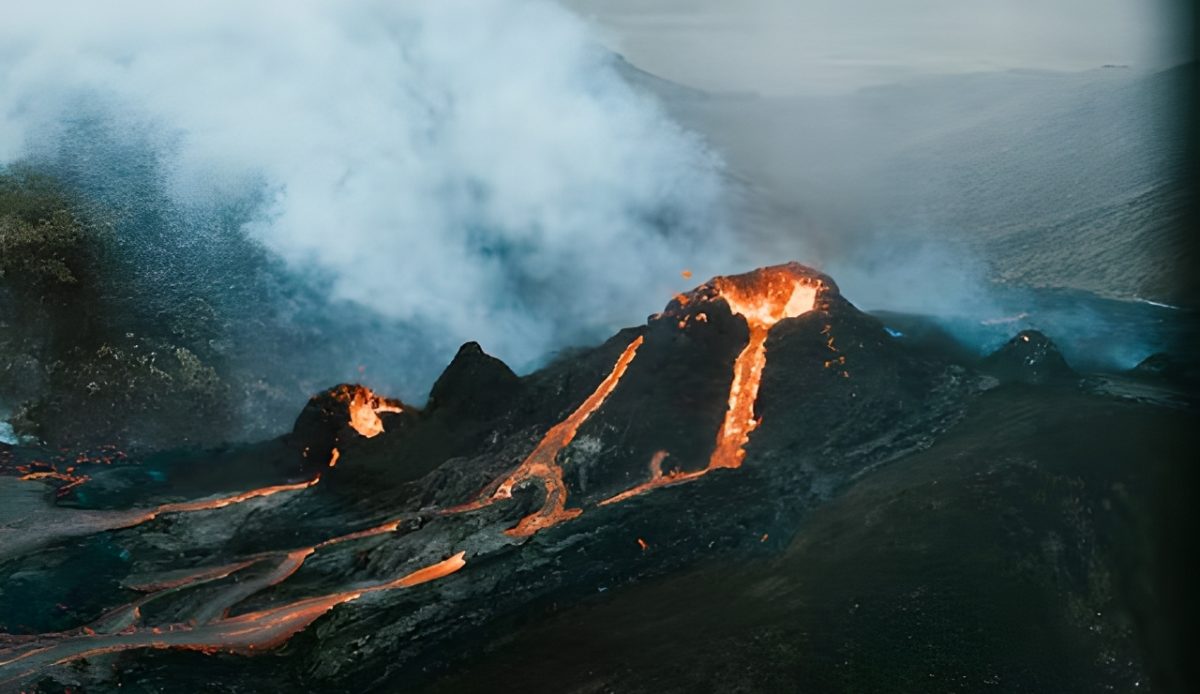
Craters of the Moon National Monument near Arco offers one of the darkest night skies in the continental United States. Its volcanic fields extend for miles, creating open vistas ideal for night photography. Since its recognition as an International Dark Sky Park, travelers have come to witness the subtle glow that appears after solar storms. Against the black rock, even faint hues seem brighter. When conditions are right, the contrast between glowing sky and ancient lava makes the experience both haunting and beautiful, as if standing on another world beneath Earth’s magnetic dance.
