
A Hawaii trip with kids can go smoothly when planning matches how the islands actually work. Some attractions run on limited reservations, beach safety depends on daily surf, and travel times include parking hunts and snack stops. Families are also surprised by lodging compliance, added taxes, and departure steps that do not exist on most mainland vacations. Small oversights get amplified when a toddler needs a break or a teen is hungry, and the best sunset can be missed by traffic. Each section names a frequent mistake and a practical fix that keeps your schedule realistic and your family relaxed.
1. Treating Top Attractions Like Walk-Up Stops
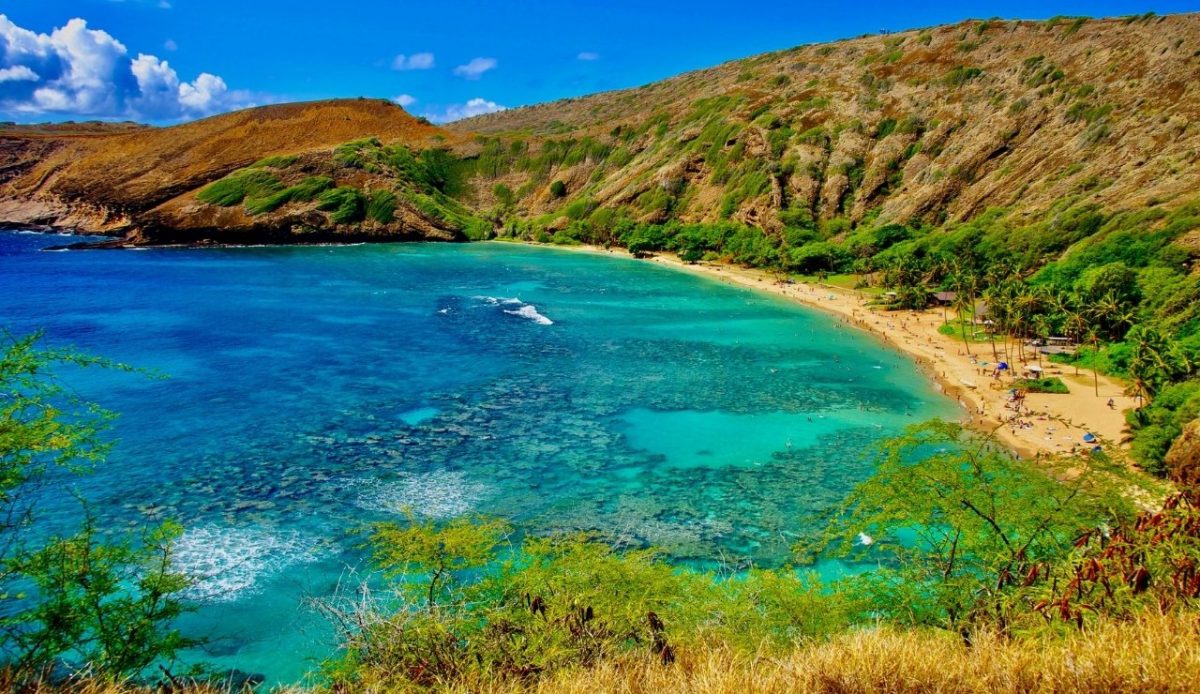
Many families treat headline spots as walk-up activities and then lose half a day to sold-out entry. Diamond Head, Hanauma Bay, and Haleakala sunrise access can require timed reservations, paid parking, and strict arrival windows. To avoid a blocked plan, confirm requirements on official sites before you buy flights, set alarms for release times, and book earlier than you think. Keep screenshots of passes, pack breakfast for the car, and arrive with patience because lines move slowly with strollers. Choose a nearby beach or museum as a same-morning fallback if the weather shifts or a child needs a quieter start.
2. Choosing Beaches For Photos Instead Of Safety
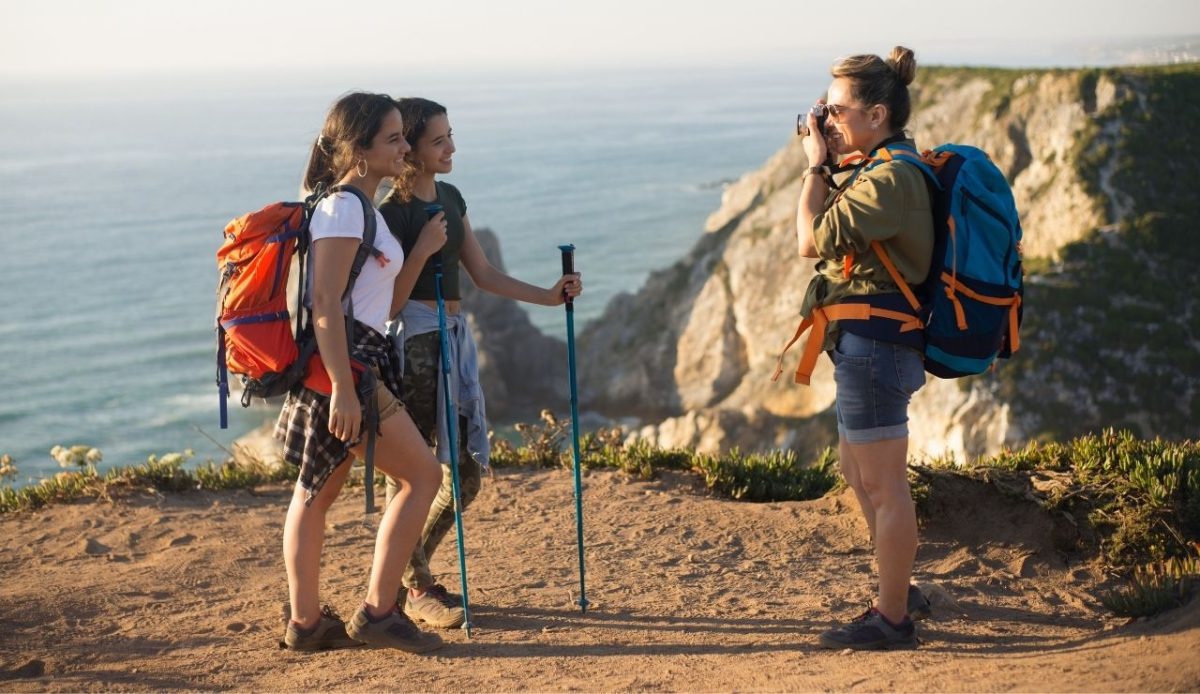
Parents often pick a beach based on photos, not on conditions that matter for children. Shorebreak, rip currents, and sudden sets can appear even under blue skies, and weaker swimmers are pulled off balance quickly. A vacation day can be cut short when warnings are ignored or when a rocky entry scrapes small feet. Choose lifeguarded beaches, ask staff where families should enter, and treat posted signs as non-negotiable guidance. Bring well-fitted flotation for beginners, watch the water for several minutes before getting in, and schedule swim time early when winds are often calmer. After lunch, plan shade and a calmer activity.
3. Overloading the Daily Schedule
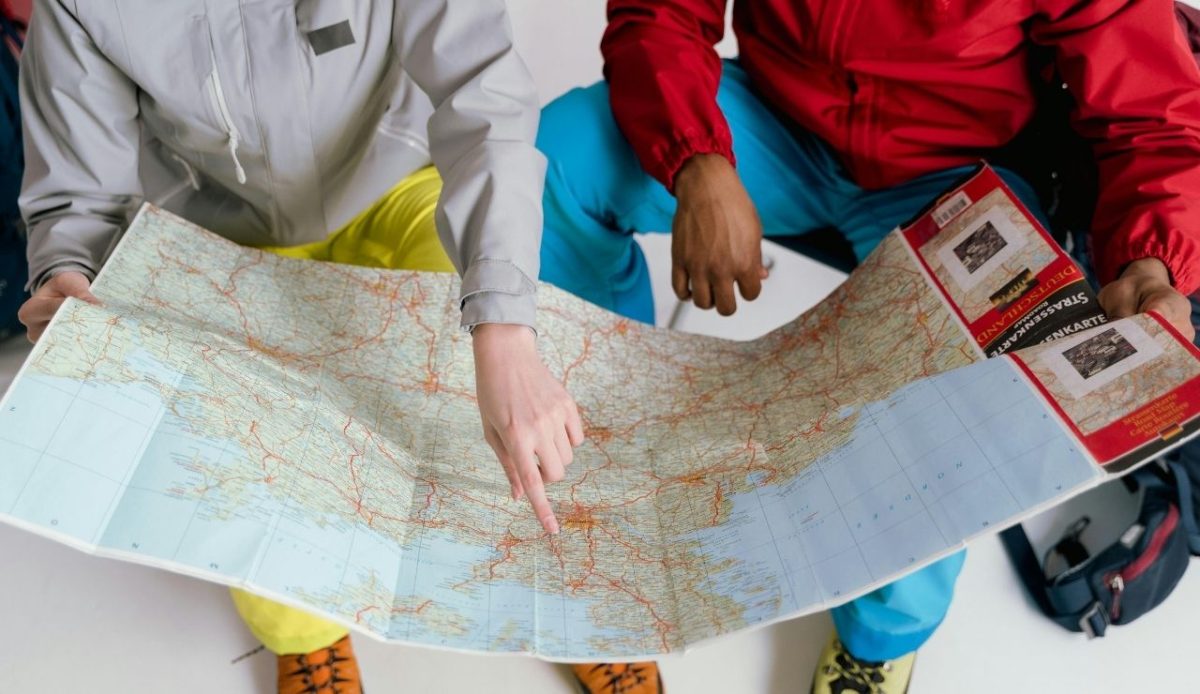
A packed itinerary is a common mistake because island distances look short on a map. Traffic near Honolulu, single-lane roads, and limited parking can turn a simple transfer into an hour of stress. Families also underestimate how often stops are needed for bathrooms, sunscreen, and snack refills. Plan one anchor activity per day, group stops that share the same region, and build generous gaps for meals and rest. When a reservation is involved, arrive early and keep the afternoon open so the family is not rushed from place to place. Kids will remember the relaxed time more than any checklist, too.
4. Booking Rentals Without Checking Compliance
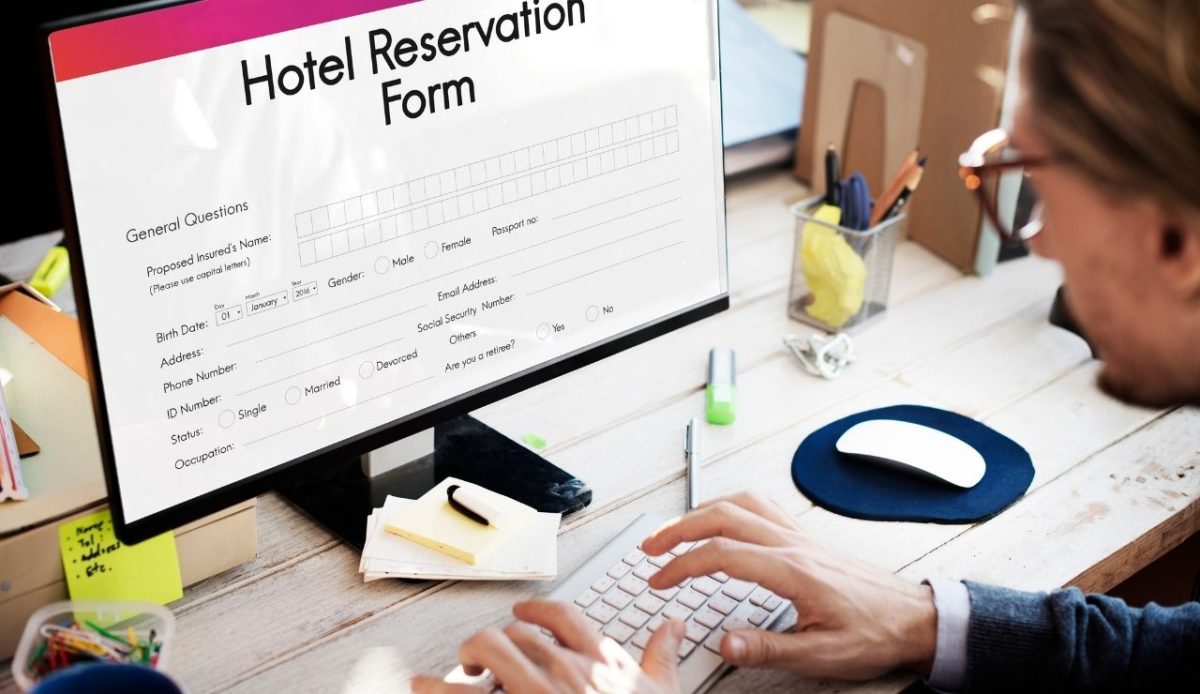
Families sometimes book a vacation rental quickly and assume every listing is permitted and stable. Short-term rental rules vary by county, and enforcement actions or neighbor complaints can disrupt a stay. On some islands, permits are limited, and hosts can be required to cancel when a unit is not compliant. Before paying, confirm registration details, read cancellation terms, and save the full address and contact information offline. Consider noise and parking rules so kids can sleep and adults avoid conflict. If certainty matters, choose a hotel or a regulated resort condo so check-in does not become a last-minute scramble.
5. Underestimating The Real Trip Cost

Budget plans often miss the true total because Hawaii adds lodging taxes, and many properties charge extra fees. A low nightly rate can rise after the general excise tax and the transient accommodations tax are applied, plus parking or amenity charges. Families also forget that rental cars, tours, and even some food items may be taxed in ways they did not expect. To avoid sticker shock, price your stay using the final checkout total and compare the same room type across options. Set a daily spending cap after the fixed costs are known, and keep a small buffer for rainy day activities or medical items.
6. Getting Sunscreen Choices Wrong

Sunscreen planning can go wrong when families pack any bottle from home and assume it will suit Hawaii sun. Some chemical ingredients have been restricted for sale, and loose marketing labels can confuse shoppers in a hurry. Sunburn risk is high when kids rotate between water and sand for hours, even on cooler mornings. Check active ingredients before departure, bring enough for the whole stay, and reapply after swimming or sweating. Use rash guards, hats, and shade breaks so protection is shared across tools, and set a timer that turns reapplication into a routine rather than a debate. Skin will thank you.
7. Crowding Wildlife For Close Photos
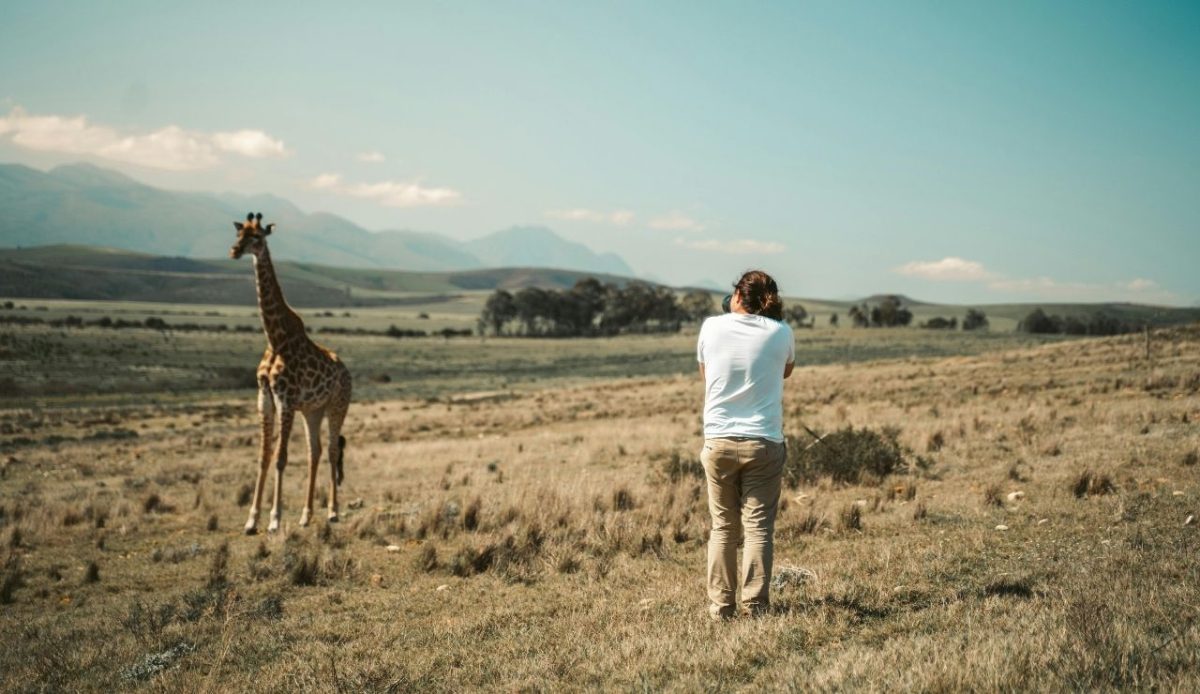
Wildlife encounters are often mishandled when kids run toward turtles, seals, or nesting birds for a close photo. Animals can be stressed, and people can be injured, and distances are enforced at many beaches. A single crowd can cause a resting animal to flee, which wastes the energy it needs to survive. Teach children to watch quietly, keep space, and follow barriers even when other visitors step over them. Use Zoom on a phone or bring binoculars, and explain that respectful distance is part of caring for Hawaii. Choosing guided tours can also reduce risky behavior because rules are reinforced. Always.
8. Forgetting Airport Agriculture Inspections
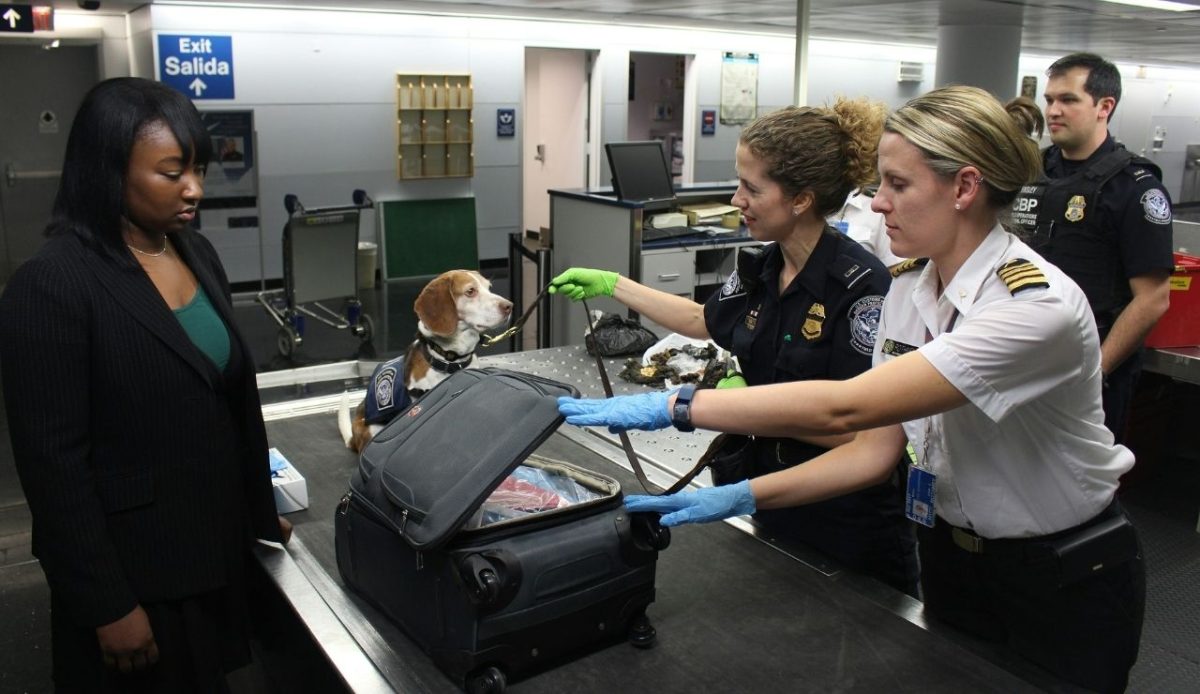
Many families forget that Hawaii airports run agriculture inspections for flights to the mainland. Extra time can be consumed when bags must be opened, produce is surrendered, or lines grow near peak departures. This step is easy to underestimate because it feels like a separate checkpoint added to normal security routines. Arrive earlier than you would for a typical domestic flight, keep checked bags simple to access, and declare items honestly. Pack snacks that can be eaten after inspection, so hungry kids are settled before the gate. A calm buffer also helps if a rental car return shuttle is delayed.
9. Renting The Wrong Car For A Family
Car planning mistakes show up when families reserve the cheapest vehicle and ignore kid gear and terrain. Suitcases, strollers, coolers, and snorkel sets can overwhelm a small trunk and create unsafe piles in the cabin. Some routes are steep and wet, and a tired driver can struggle when visibility drops in sudden showers. Book early, confirm child seat options, and choose a size that fits people and bags without stacking items high. Add a second driver, budget for parking, download offline maps, and check pickup hours so late arrivals do not end with a closed counter and frustrated children, too.
10. Leaving Meals To Chance

Food planning can fail when families rely on last-minute dining for every meal in busy resort zones. Popular restaurants book out early, closing hours can surprise travelers, and kids may melt down while waiting. Costs also climb when every drink and snack is bought at the nearest stand after a long beach session. Reserve a few dinners for the trip, keep breakfast simple with groceries, and carry water and small snacks for drives. Use takeout or food trucks on busy days, and visit a market for fruit that can be eaten quickly. Plan one special meal per day so the trip feels festive without constant decision pressure.
