
Long before airplanes and highways, trains carried more than people and freight across the country. They carried ideas, habits, and language. In the age of steam, every whistle and signal had meaning, and railroad workers developed a vocabulary as precise as the machines they operated. Over time, that language rolled into daily conversation. Words that once guided conductors and engineers began describing life, work, and ambition. Even now, phrases such as “highball,” “sidetracked,” and “make the grade” remind us of the rail era when timing mattered and motion never stopped. The following are 10 American phrases that grew from that history and remain part of how people still speak today.
1. Highball
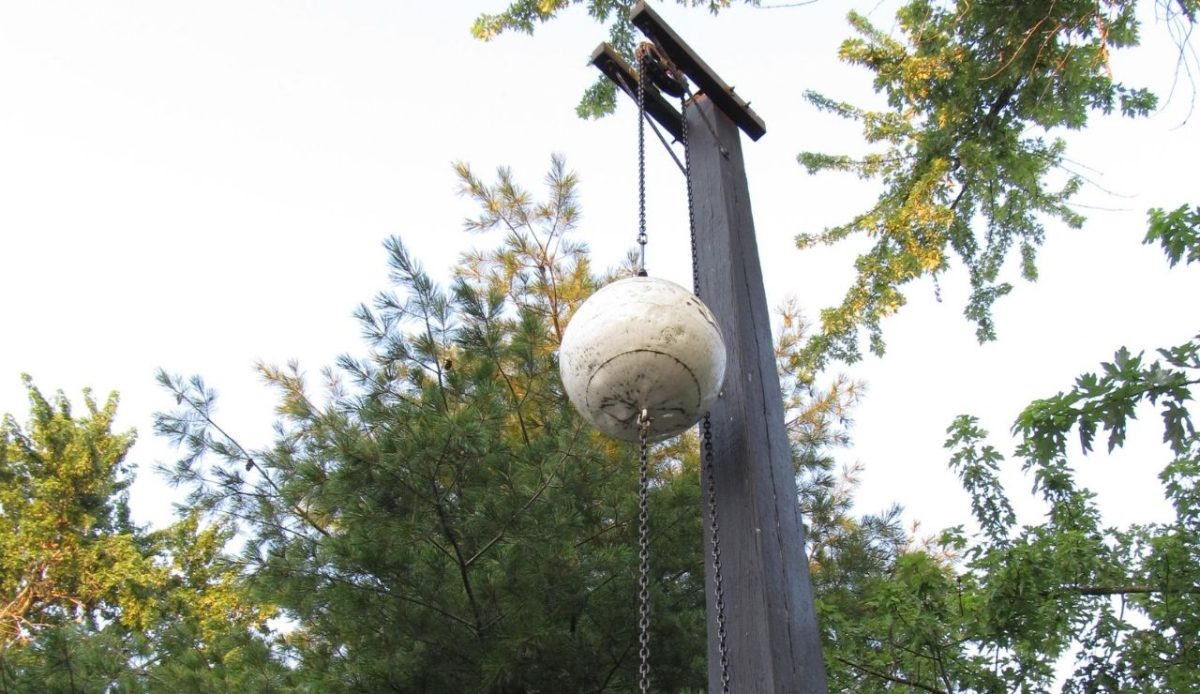
Railroaders used highball as a clear order to go. A white ball raised to the top of a signal mast told the engineer the line ahead was open, and it was time to move at track speed. Crews watched that ball like drivers watch green lights. Dispatchers and station agents coordinated these signals before electric lights were common across the network. When engineers saw the ball climb, they opened the throttle and kept tight schedules for mail and freight. People later used highball for any task that needs quick action, from project launches to daily chores. The word still feels immediate because the picture stays simple to imagine: a marker raised high, a locomotive answering, and steady motion returning to the line.
2. Make the Grade
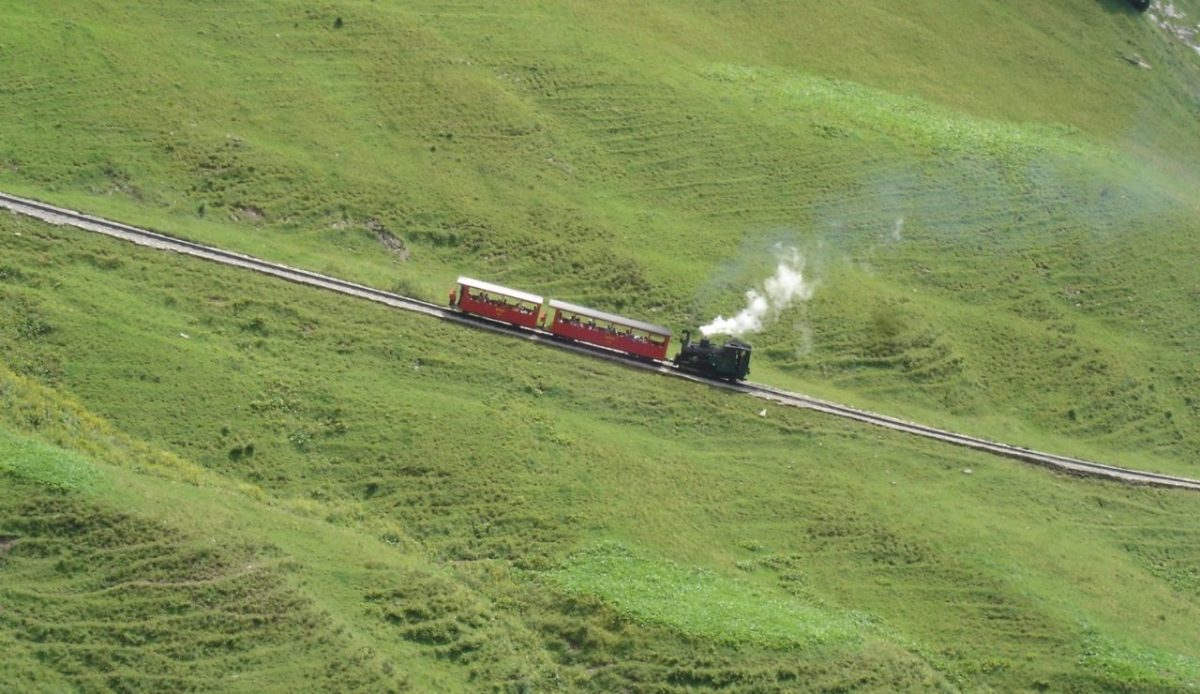
Railroads taught America what a grade truly means. Steel wheels on steel rails offer little grip, so even a gentle climb can test a locomotive and a long string of cars. Crews measured every hill by percent and calculated the power needed to crest it without stalling. On hard climbs, they added helper engines, sanded rails for traction, and held careful speeds to keep wheels biting. When a train made the grade, it proved that the plan, the engine, and the crew all worked in sync. People soon borrowed the phrase for schools, jobs, and sports. To make the grade now means you met a standard after real effort, the way a freight train tops a ridge and settles into controlled descent.
3. End of the Line
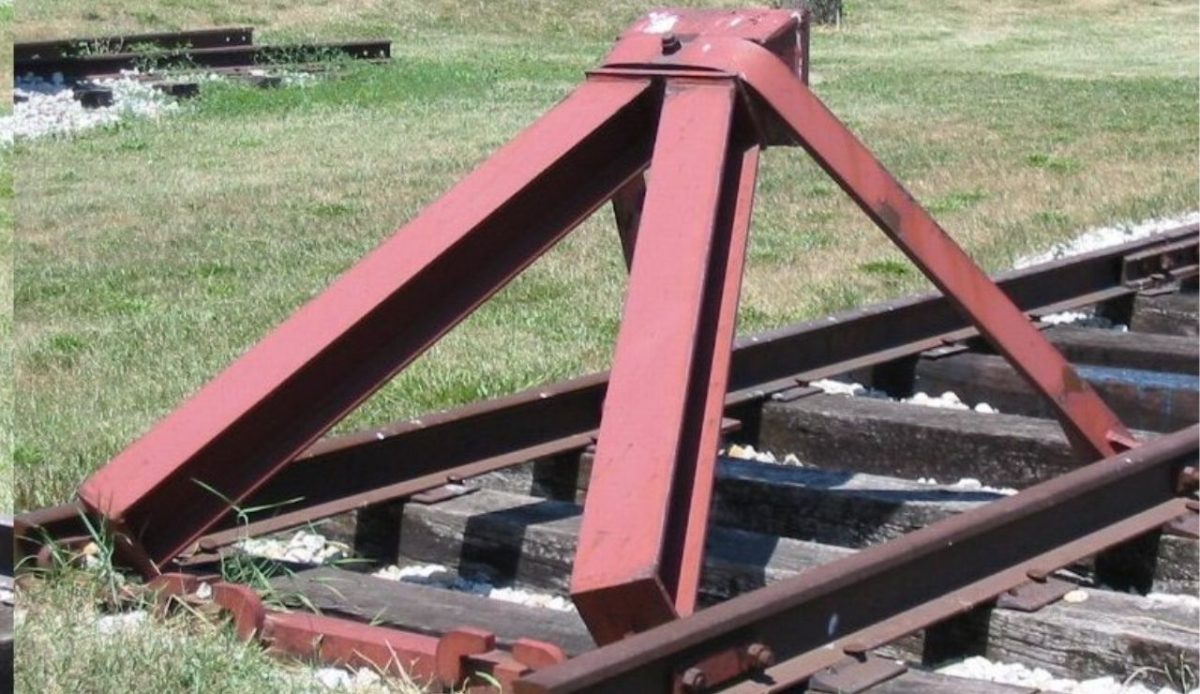
Every timetable shows a terminal where the route stops. Stations at the end of the line turned locomotives, swapped engines, and prepared cars for return trips. Crews planned water, fuel, and time so the train did not reach the last platform short on supplies or hours. Passengers felt the change as well. The bustle of boarding paused while cars emptied and porters cleaned compartments for the run back. That finality helped the phrase move easily into daily talk. A project reaches the end of the line when no steps remain. A policy reaches it when support fades and there is nowhere else to go. The image comes from a quiet platform, a checked train, and a new direction ahead.
4. Sidetracked
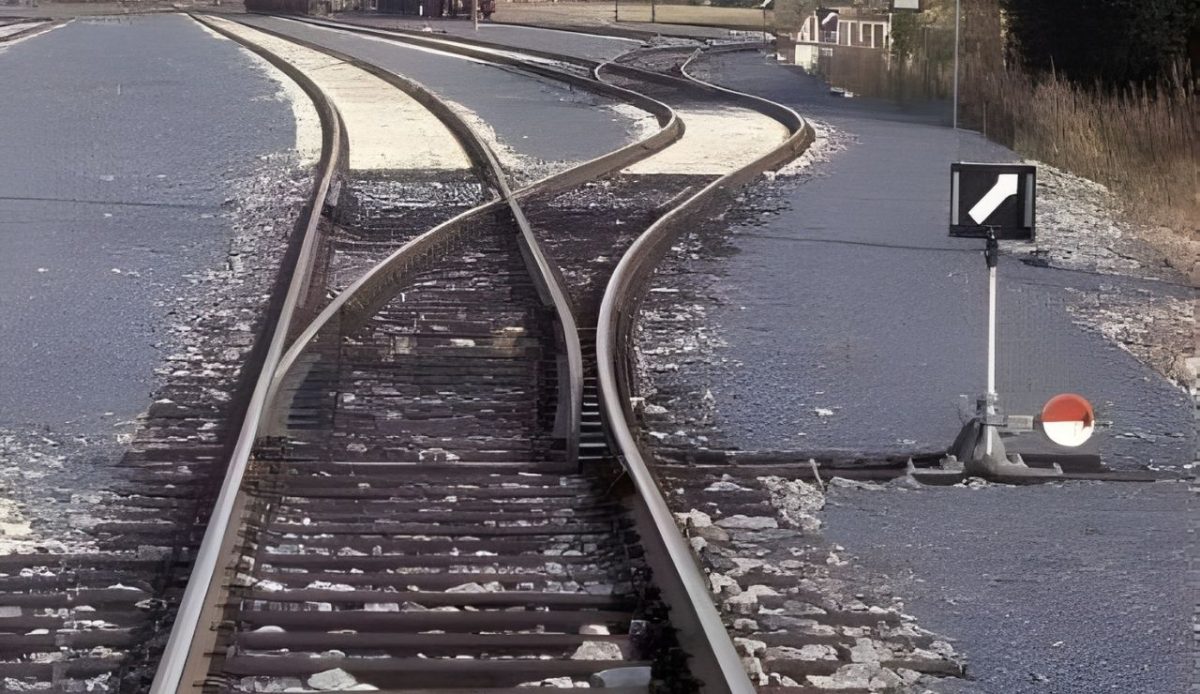
Railroads use sidings to keep traffic moving. If a faster train approaches, a local worker works a switch, pulls onto the side track, and waits until the main line clears. The move is orderly and purposeful, yet it interrupts the locals’ own schedule. People borrowed that feeling for conversations and plans. You intend to finish a task, then a call or a new idea diverts attention. The main goal still matters, but momentum now waits on a side rail while other traffic passes. Railroaders plan these pauses by listing priorities and timing the return to the main line. The same habit helps at work and at home: park fewer tasks, then merge back with purpose when the route opens.
5. On the Right Track
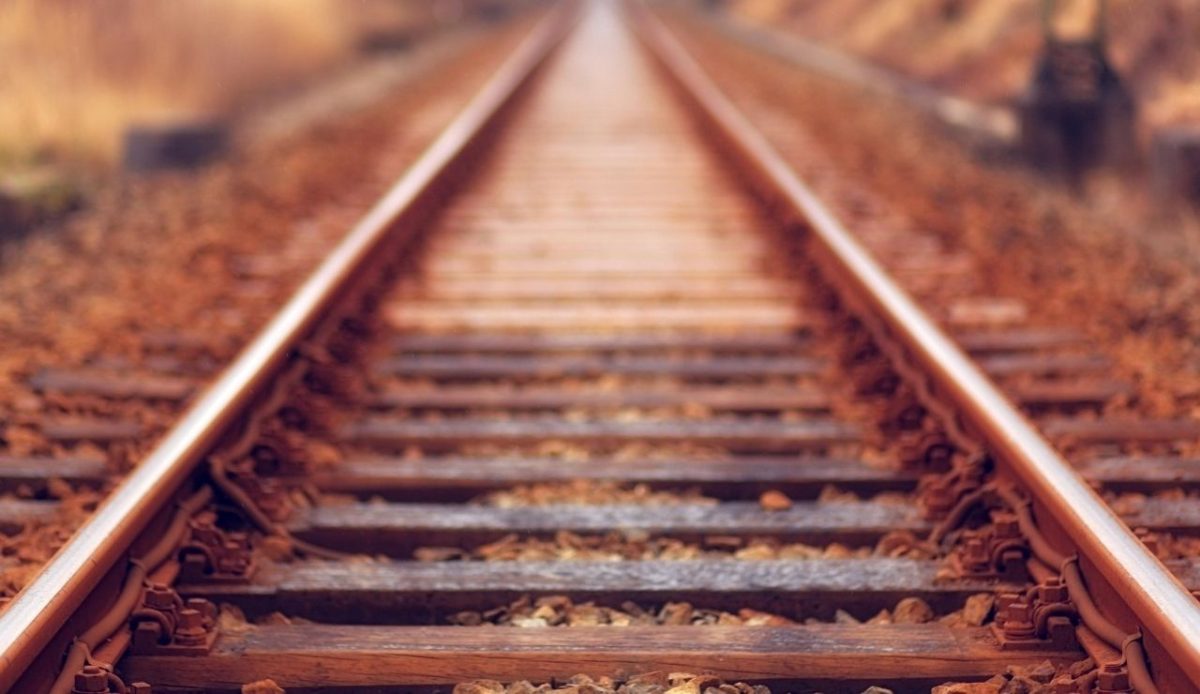
Trains reach destinations only when switches and signals align with the timetable. Crews confirm track numbers, read signals carefully, and match mileposts before easing a train through a junction. One wrong turnout can send a freight to the wrong yard or delay a passenger run for hours. The public noticed the precision and carried the language into daily judgment. When a student follows a solid plan, teachers say the student is on the right track. When a company executes clear steps toward a launch, leaders use the same phrase. To stay on the right track, people check milestones, confirm roles, and make small corrections early so the route stays true.
6. Go Off the Rails / Derailed
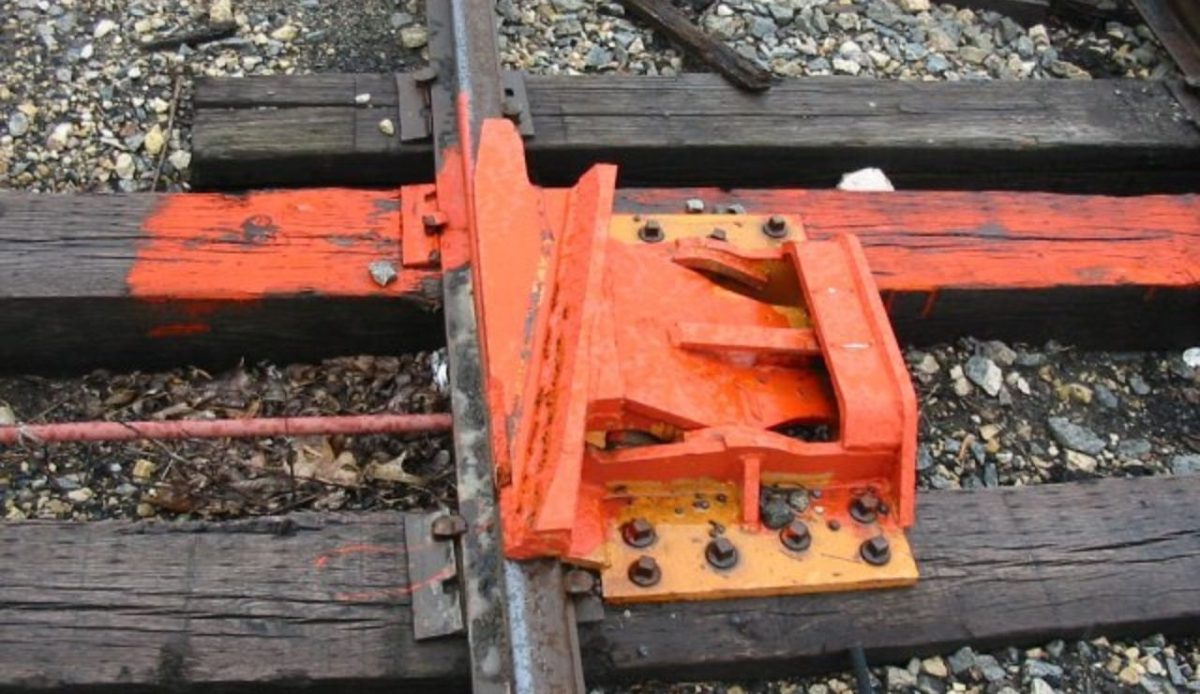
A derailment was the worst fear for railroaders: cars lifting from the rails, steel twisting, and motion turning to chaos. That image made me go off the rails, an easy metaphor for losing control. By the early 1900s, people used it for projects or plans that suddenly failed. It also fits human behavior that breaks routine or order. The phrase stays common because it sounds immediate and visual. Engineers prevent real derailments by checking tracks and watching speed. Likewise, people avoid going off the rails by keeping awareness steady before a small mistake becomes a wreck waiting to happen.
7. Full Steam Ahead
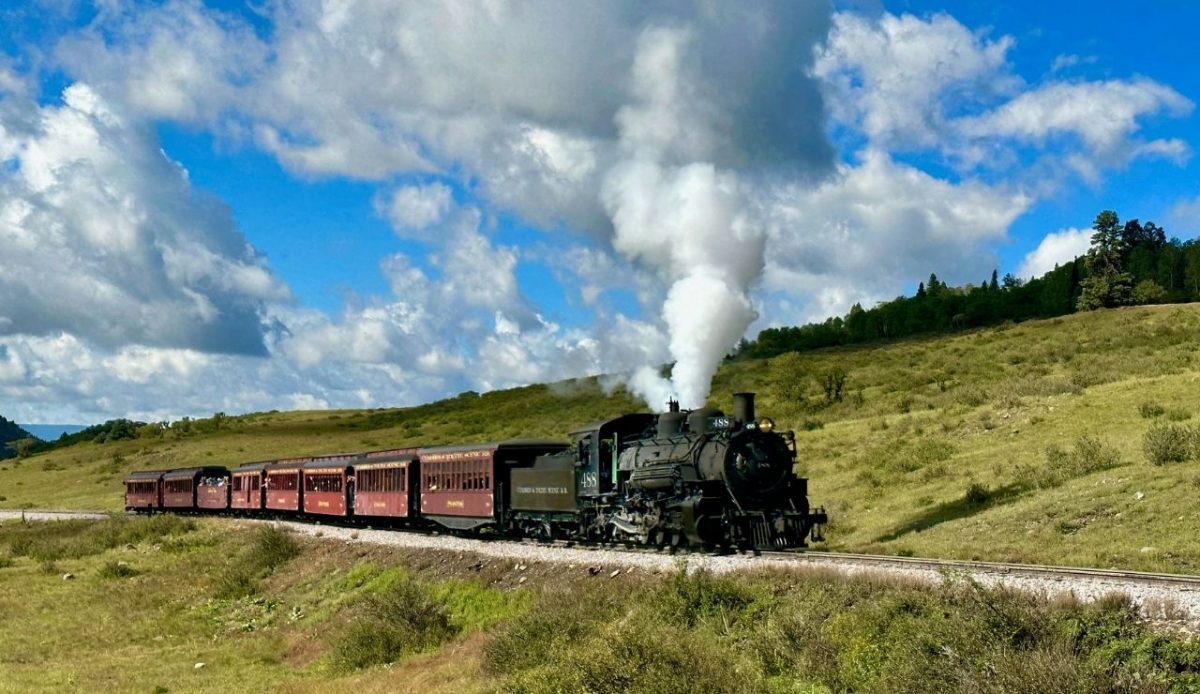
Steam locomotives ran on pressure built by fire and water, and full steam ahead meant every valve open and the engine working at its limit. It was a confident order heard from ship decks to mountain lines, signaling determination to move forward without delay. The phrase soon reached daily language to describe full effort and commitment. Coaches use it before a big game; managers say it before product launches. It still carries a sense of courage and risk, because once momentum builds, slowing down takes distance. Progress and caution always need to travel together.
8. Run Out of Steam
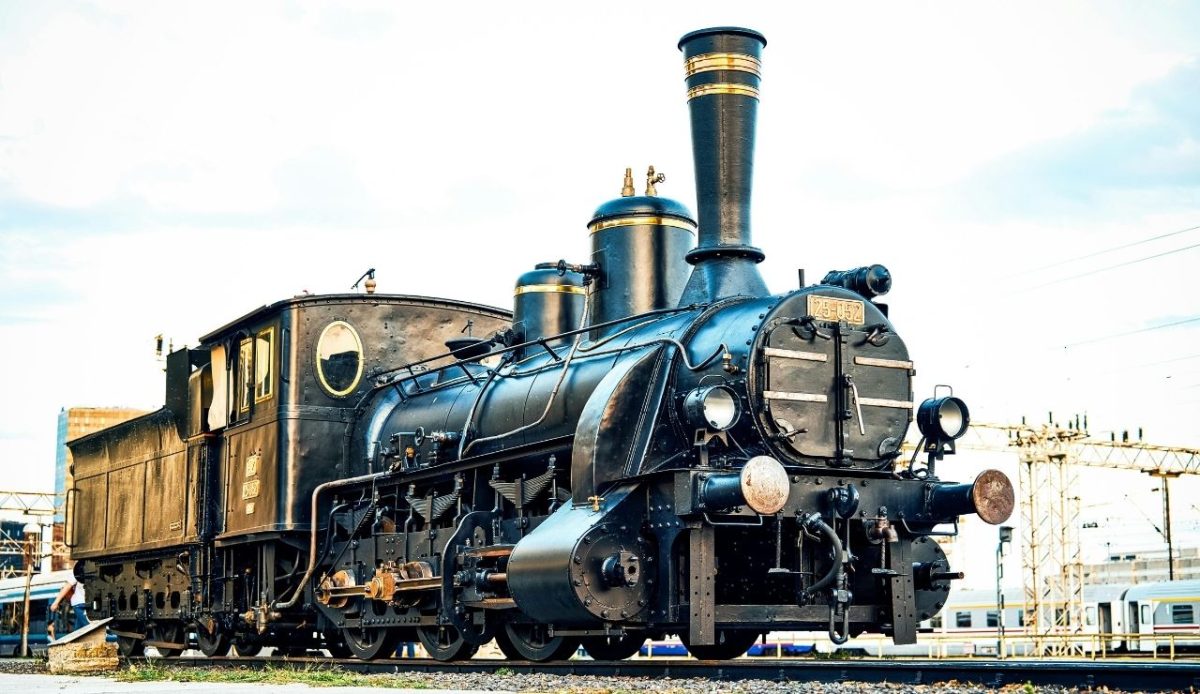
Every engine eventually tires without fuel and water. When pressure drops, motion fades until the train stands silent. Crews knew this sound well: the sigh of steam and the click of cooling metal. People soon borrowed run out of steam to describe lost energy or enthusiasm. It fits a student who fades after long study or a worker whose early drive weakens by afternoon. The phrase endures because it pairs exhaustion with hope. Like an engine, anyone can pause, rebuild pressure, and start again once the fire is tended and the water is full.
9. Whistle-Stop Tour
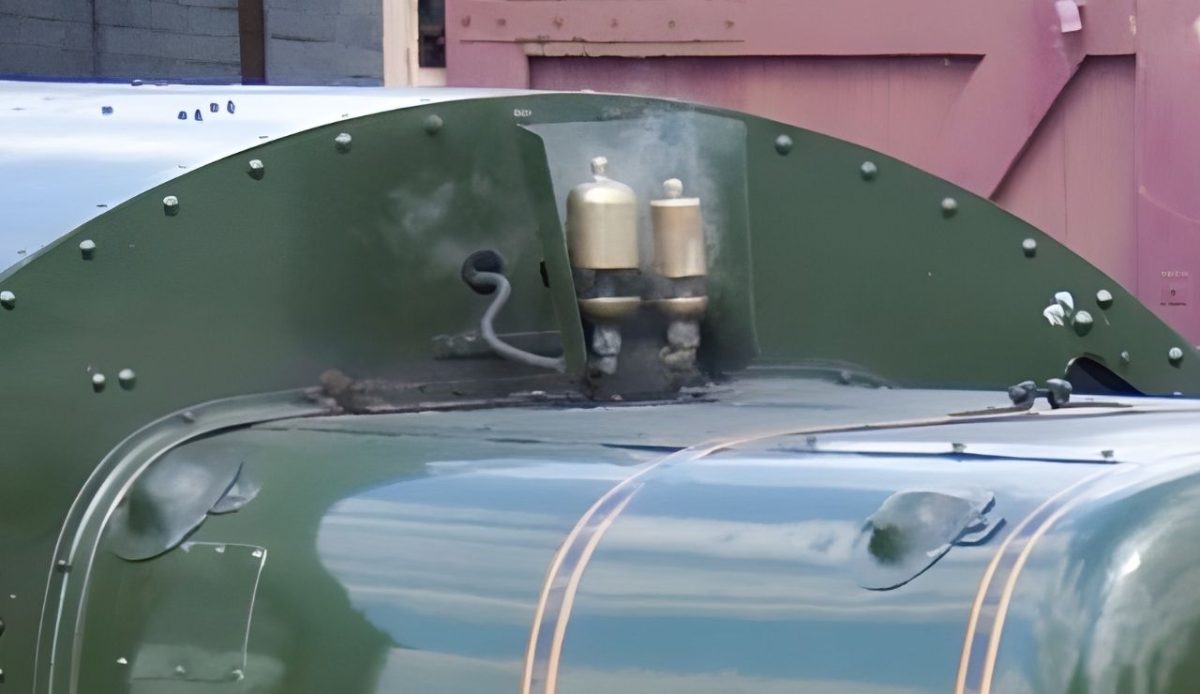
Before highways connected every town, politicians reached voters by rail. Small depots became gathering points when engineers gave two sharp whistle blasts to announce a stop. Candidates stepped out to deliver short speeches, shake hands, and board again as the train moved on. These quick visits created the term whistle-stop tour, later made famous by President Harry Truman’s 1948 campaign. Today, it describes any rapid series of appearances or meetings. The phrase carries a sense of direct connection and motion, brief stops linked by shared purpose, much like the political trains that once brought news across the country.
10. Double-Header
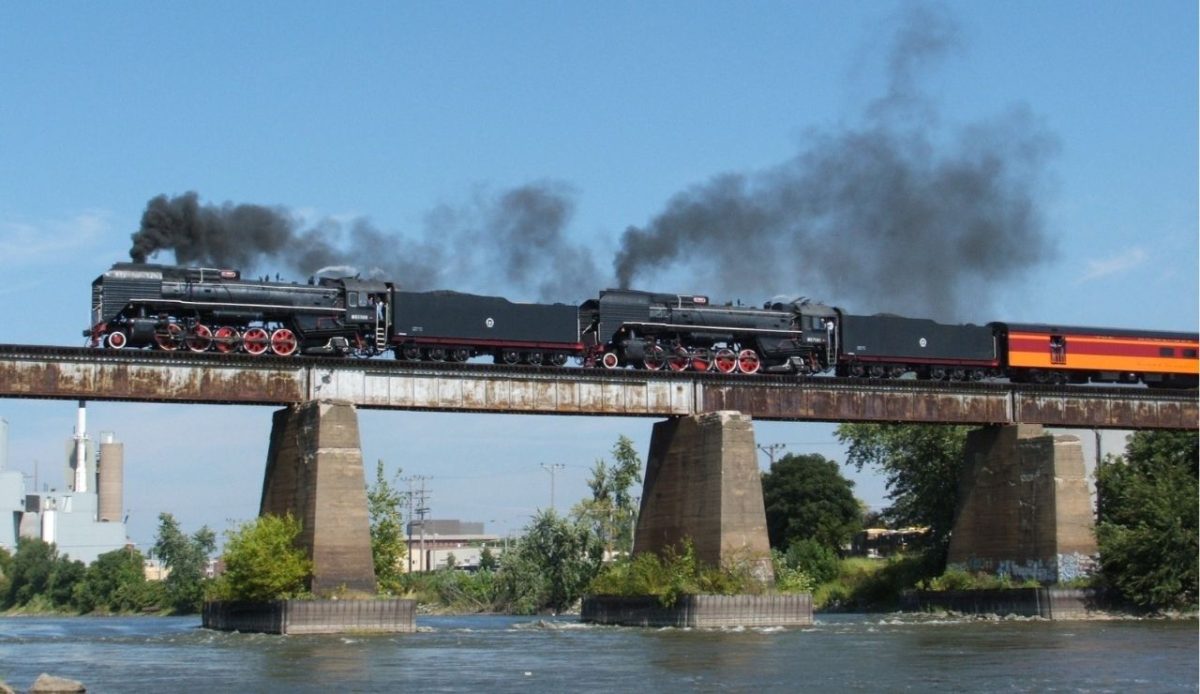
Heavy grades often required two locomotives working together. Crews called those trips double-headers, and coordination between engineers was essential to keep tension equal on the couplers. The term moved into baseball by the 1890s to describe two games played on the same day. Both uses celebrate endurance and teamwork: one train hauling a long load, one team giving fans a full day of play. Today, it applies to long workdays or back-to-back meetings. The meaning stays the same, describing the extra power and shared effort needed to finish a demanding run without stopping halfway.
