
Europe has countless world-famous landmarks, yet some destinations remain shrouded in secrecy, hidden from the majority of travelers. Whether due to preservation, safety, exclusivity, or political reasons, these places remain largely inaccessible to the general public. From private islands to historic sites and restricted gardens, access is tightly controlled to maintain heritage and safety. Visiting them often requires permits or special connections. In this article, we highlight ten European places that remain off-limits to most tourists, preserving mystery, culture, and historical significance for those few who gain entry.
1. Lascaux Caves, France
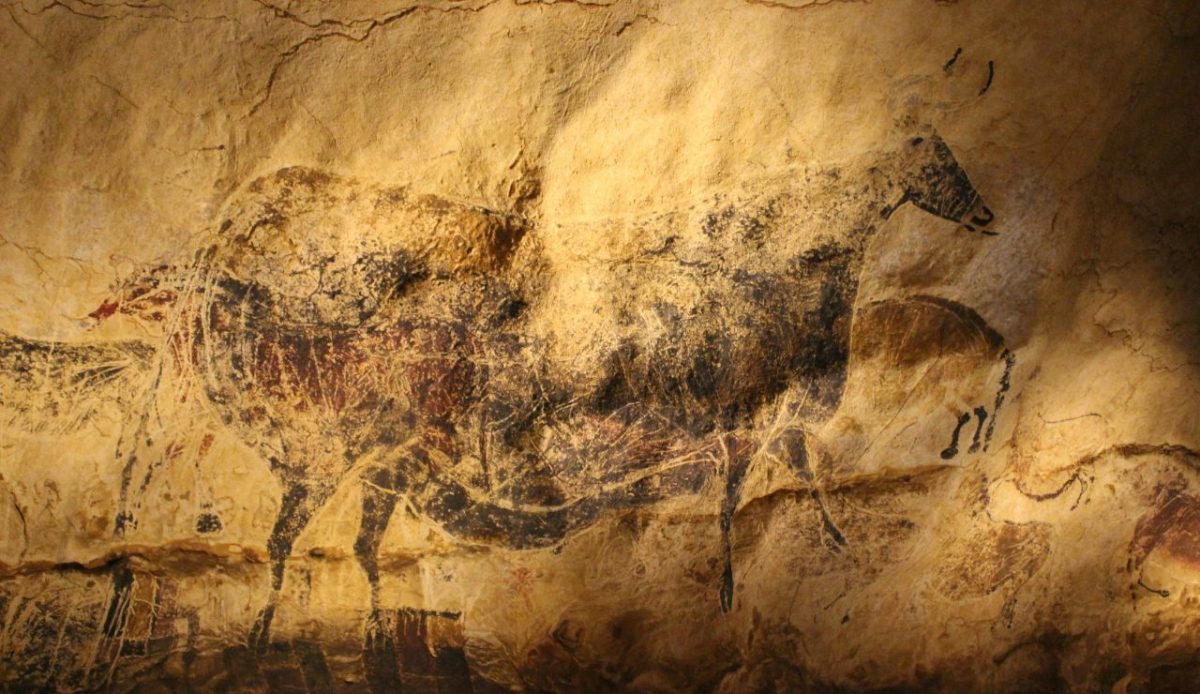
The Lascaux Caves in southwestern France house prehistoric cave paintings over 17,000 years old, offering a glimpse into early human creativity. Closed to the public since 1963, the caves are inaccessible to tourists to protect delicate pigments from humidity, bacteria, and human interference. Visitors can only explore an accurate replica nearby, designed to simulate the original experience. Researchers and archaeologists continue to study the site, but ordinary travel access is prohibited. Lascaux remains a symbol of Europe’s hidden heritage, preserving history while keeping the authentic experience exclusive to specialists.
2. Vatican Secret Archives, Vatican City
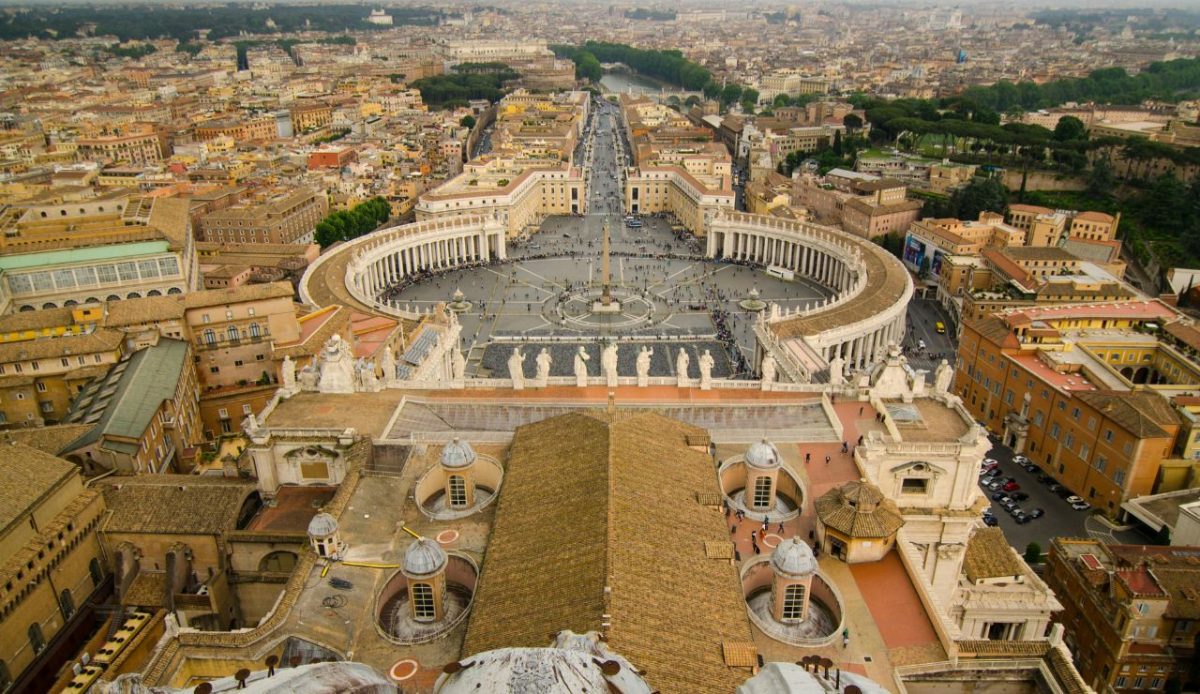
The Vatican Secret Archives contain centuries of priceless documents, manuscripts, and artifacts, accessible only to qualified scholars with specific research purposes. Ordinary tourists cannot enter, making it one of the most exclusive destinations in Europe. While the Vatican Museums are open for public visits, the secret archives remain off-limits, safeguarding historical correspondence, papal records, and delicate manuscripts. Access restrictions protect centuries of religious, political, and cultural history. For history enthusiasts, the archives represent a hidden layer of European heritage few can experience firsthand.
3. Poveglia Island, Italy
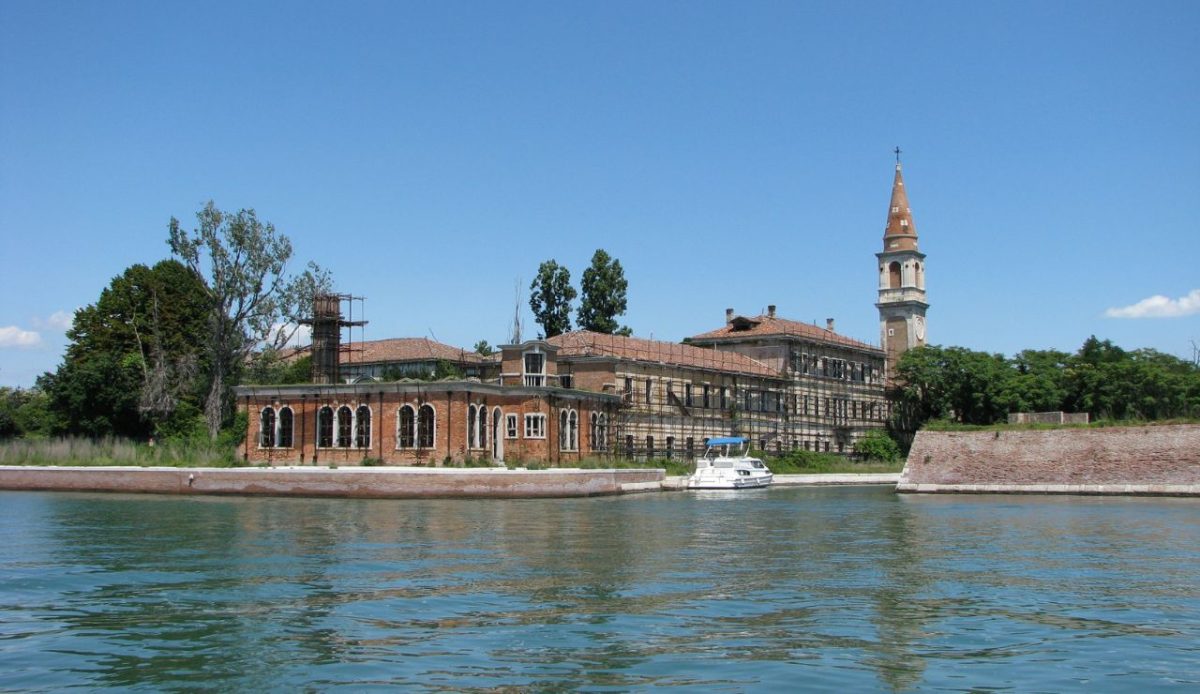
Poveglia Island, located between Venice and Lido, has a dark and infamous history as a quarantine site and mental asylum. Italian authorities have prohibited public access due to safety hazards from decaying buildings and overgrown grounds. Though stories of ghosts and legends attract curiosity online, visiting the island without permission is illegal. Despite its eerie reputation, Poveglia remains a testament to Europe’s hidden history, offering glimpses into the past for researchers and historians. Its restricted access preserves the site while keeping general tourism away, maintaining both mystery and caution.
4. Mount Athos, Greece
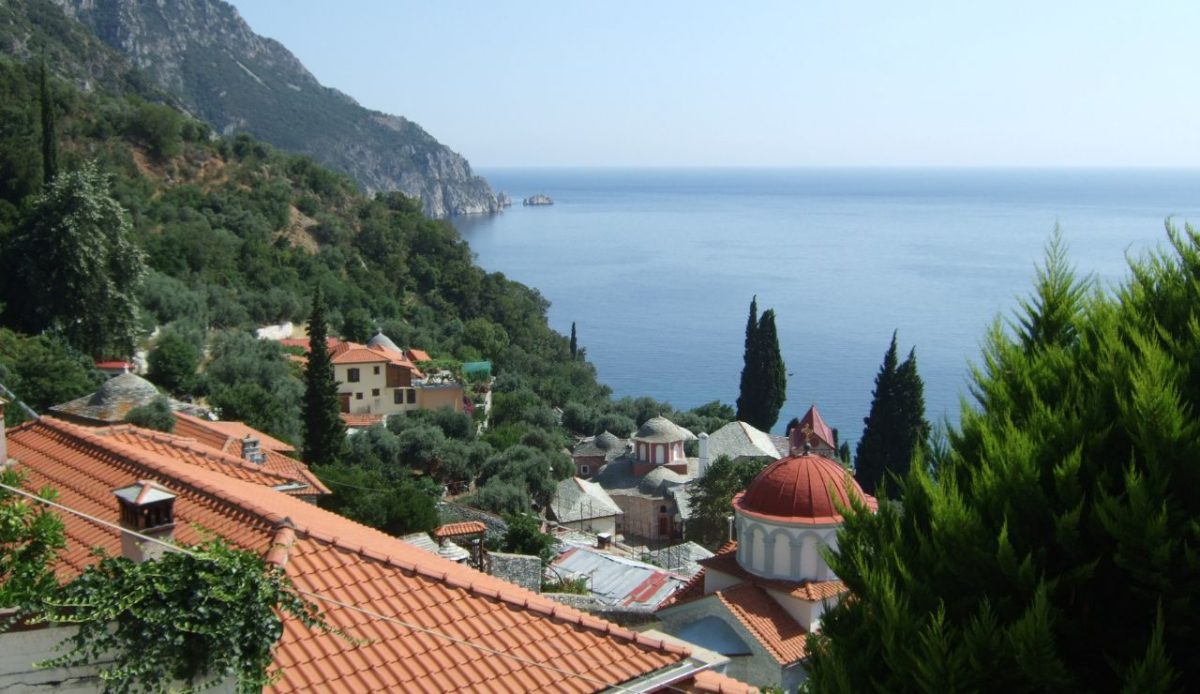
Mount Athos in northern Greece is a monastic peninsula where centuries-old Orthodox monasteries thrive. Access is strictly limited to men, with a daily quota and special permits required. Women are entirely prohibited, ensuring the preservation of religious traditions. Hiking trails and monastery areas are off-limits without authorization, maintaining centuries of spiritual seclusion. Visitors who gain entry experience ancient rituals, unique architecture, and remarkable religious art. Mount Athos demonstrates how Europe preserves sacred spaces, limiting tourism to protect heritage while offering a rare glimpse into secluded monastic life.
5. Skellig Michael, Ireland
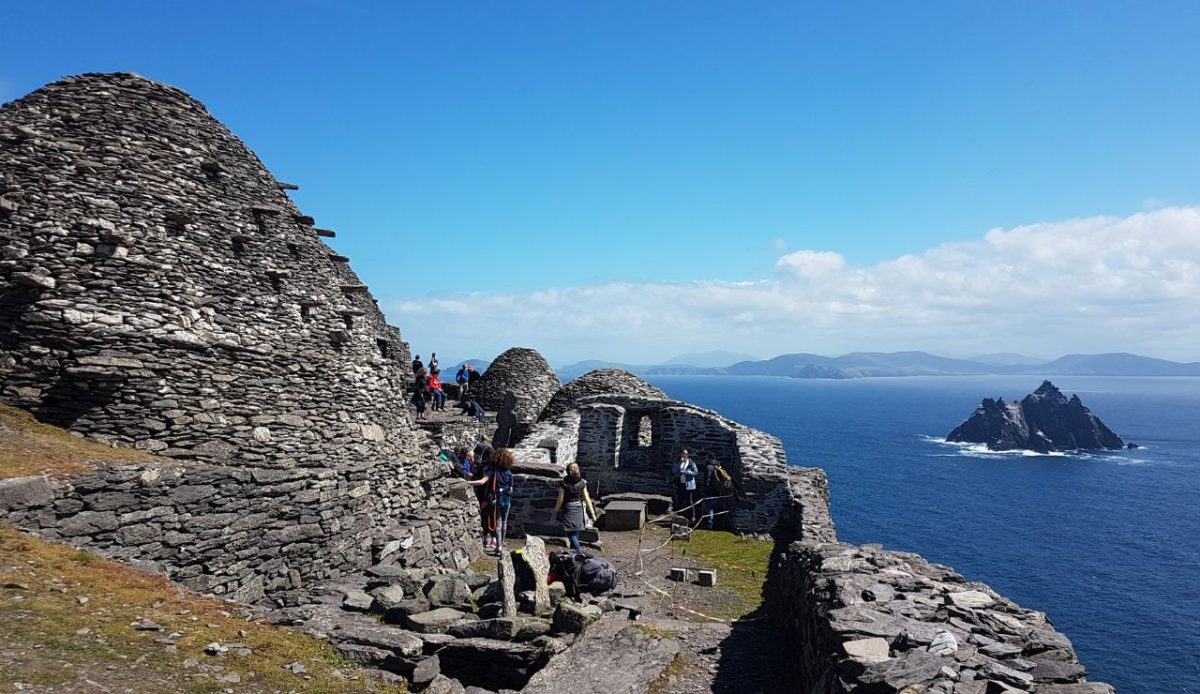
Skellig Michael, an island off Ireland’s southwestern coast, hosts a sixth-century monastic settlement perched atop dramatic cliffs. Its inaccessibility protects fragile stone structures and nesting seabirds. Daily visitor numbers are strictly limited, and boats can only reach the island in favorable weather. Visitors experience steep climbs and breathtaking views, but much of the island remains untouched. Skellig Michael’s restrictions ensure preservation while allowing a select few to witness history firsthand. Its combination of natural beauty and ancient architecture makes it one of Europe’s most exclusive destinations.
6. Gruyères Castle Restricted Sections, Switzerland
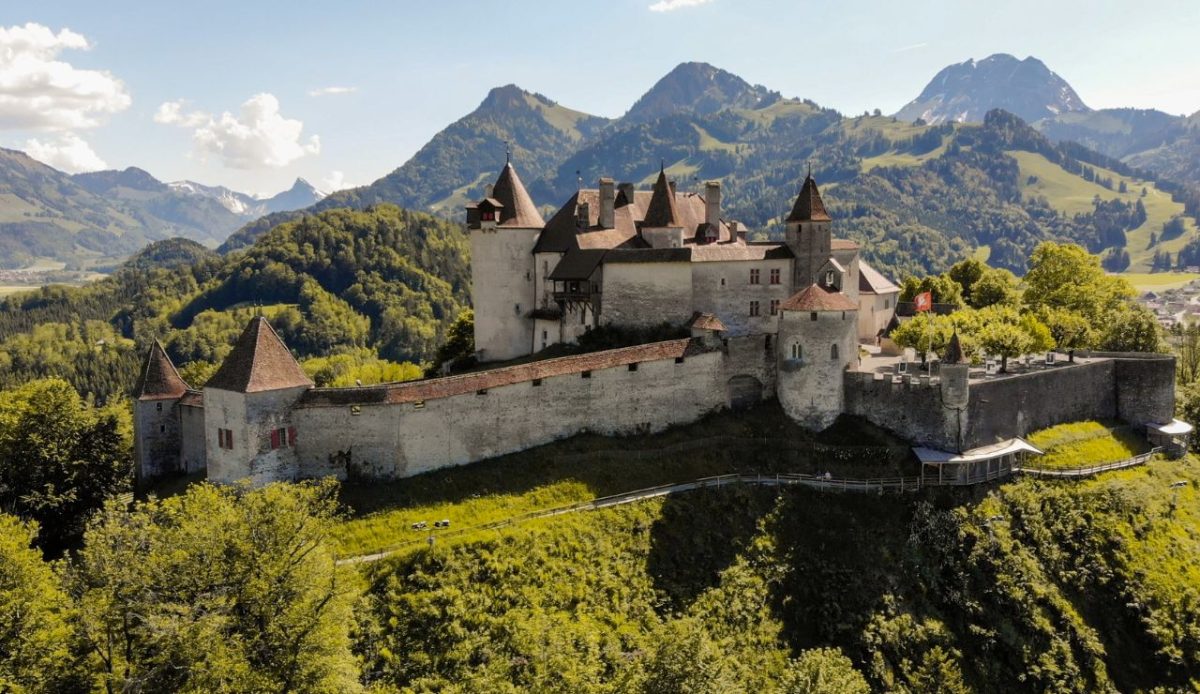
Gruyères Castle, a medieval fortress in Switzerland, welcomes tourists to its main halls and courtyards, yet certain private collections, archives, and rooms remain off-limits. These restricted areas preserve family heritage, sensitive artifacts, and centuries-old architecture. Visitors explore grand halls, museums, and terraces, but original documents and private quarters remain inaccessible. Restrictions ensure historical integrity and protect valuable cultural treasures. Gruyères Castle exemplifies Europe’s balance between tourism and preservation, offering glimpses of the past while keeping select areas exclusive.
7. Bastei Bridge Restricted Areas, Germany
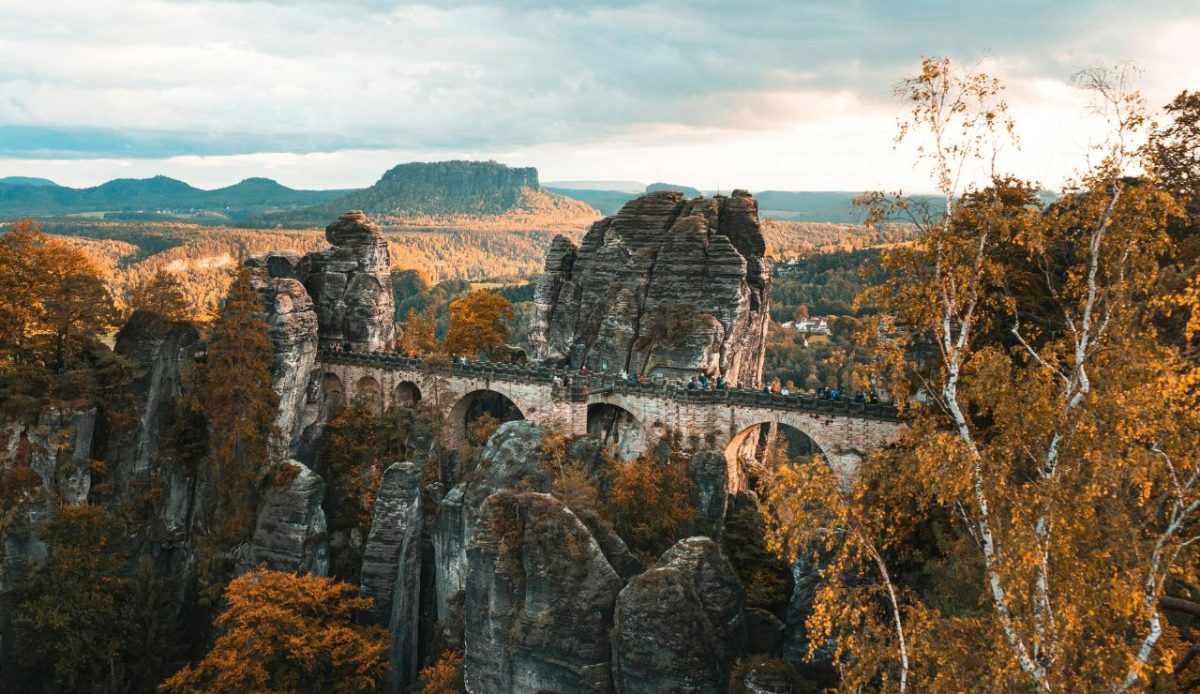
The Bastei Bridge in Germany’s Saxon Switzerland National Park is a popular tourist site, yet many surrounding rock formations and trails remain off-limits. Preservation laws restrict access to prevent erosion, protect fragile sandstone, and ensure safety. Visitors can admire panoramic views and walk designated paths, but restricted zones protect both the environment and historical significance. These closures maintain the natural beauty that has existed for millions of years. Bastei demonstrates Europe’s careful balance between tourism and conservation, keeping certain areas inaccessible to preserve their grandeur for future generations.
8. Tresco Abbey Gardens Restricted Sections, UK
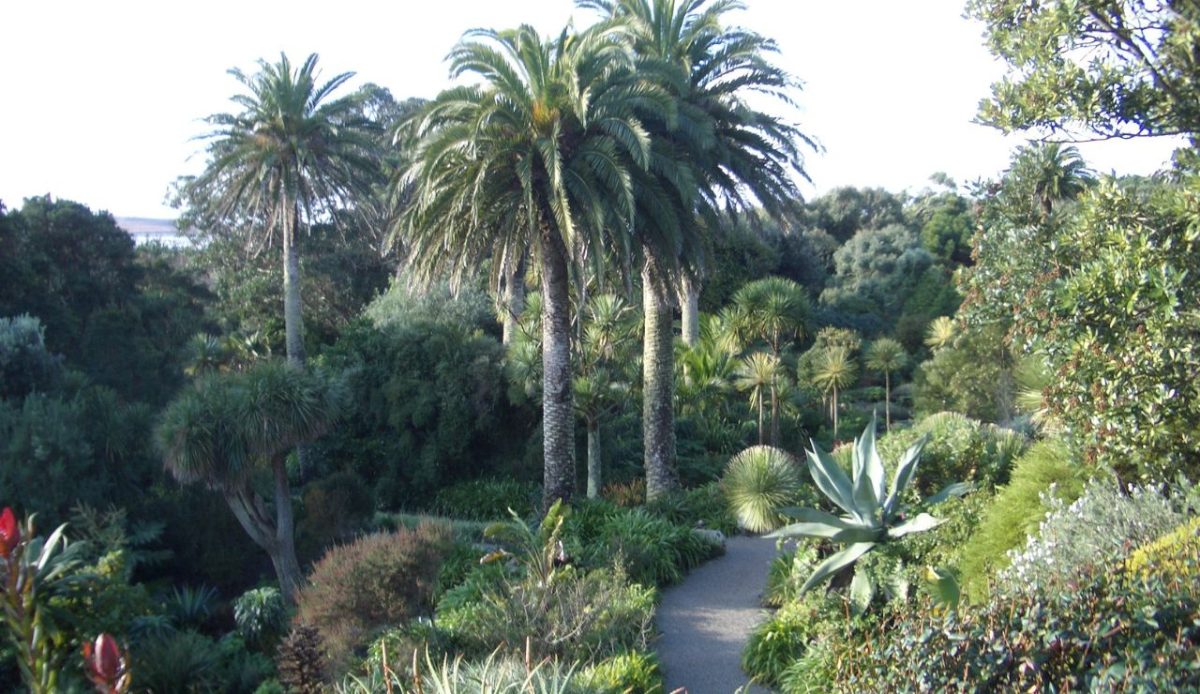
Tresco Abbey Gardens, on the Isles of Scilly, is renowned for its exotic plants and historic grounds. While most of the gardens are open to visitors, certain areas, including research sections and rare plant collections, remain off-limits. Restrictions safeguard delicate species, ongoing scientific studies, and horticultural heritage. Visitors enjoy walking paths, historical buildings, and floral displays, but some spaces are reserved for conservation purposes. Tresco Abbey Gardens illustrates how Europe limits tourist access to protect biodiversity and cultural legacy while still offering public enjoyment of its beautiful landscapes.
9. CERN Labs, Switzerland
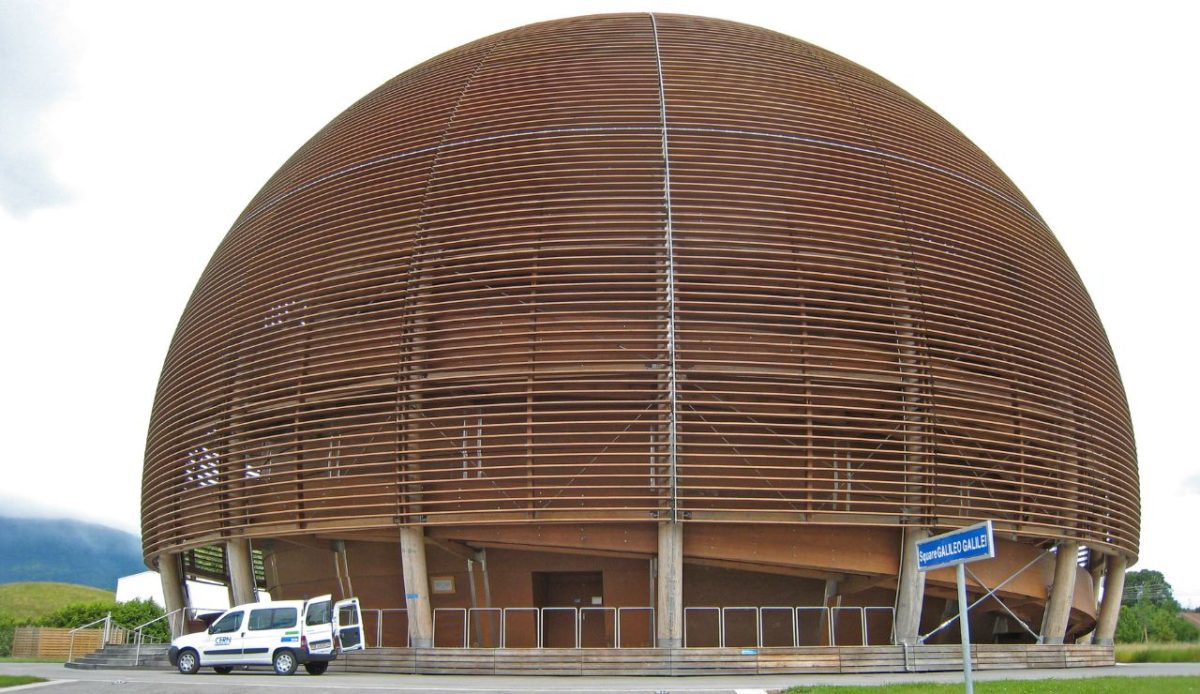
CERN, Europe’s premier physics research organization, attracts science enthusiasts but restricts access to most laboratories. Tourists can explore exhibitions and guided areas, yet particle accelerators and research zones remain off-limits. Safety, confidentiality, and delicate experiments require controlled access. Visitors witness exhibits on fundamental physics but cannot enter operational labs. CERN demonstrates how Europe balances public engagement with restricted access to protect scientific research. The organization remains a rare and partially inaccessible destination where curiosity meets innovation under strict controls.
10. Varosha, Cyprus
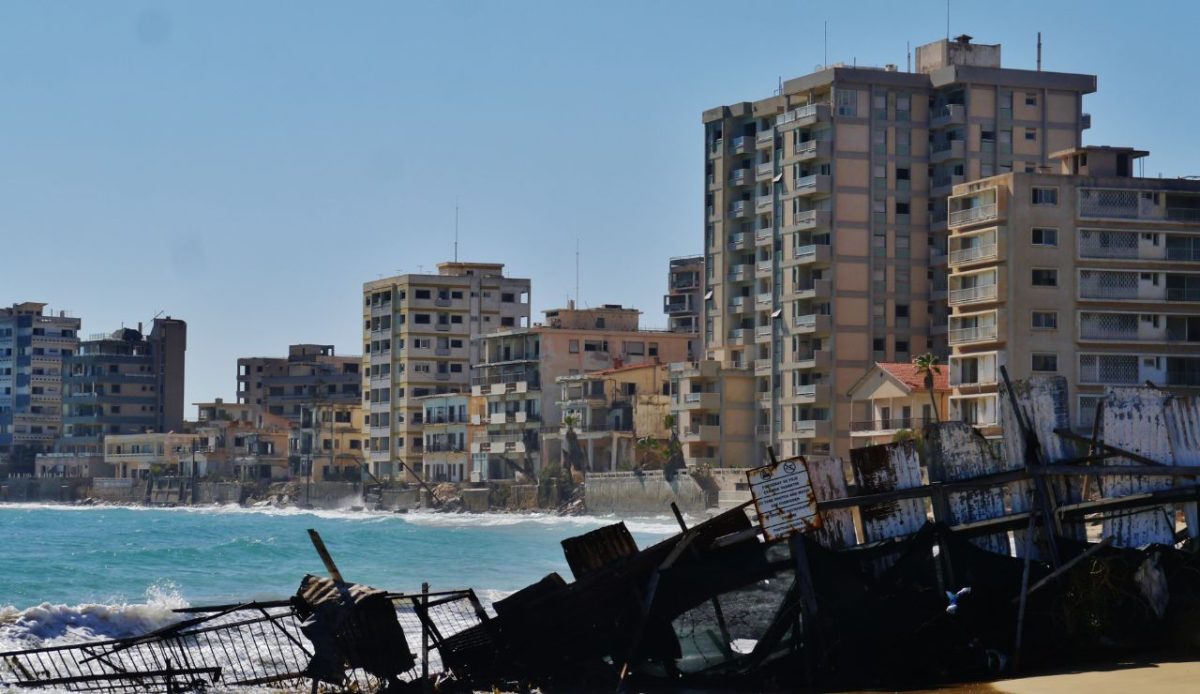
Varosha, a once-thriving resort town in Famagusta, Cyprus, has remained abandoned and off-limits due to political tensions and military control. Hotels, beaches, and streets are frozen in time, leaving a ghostly urban landscape. Recent developments have yet to restore public access, keeping tourists away. The area’s empty buildings and frozen infrastructure evoke the town’s sudden disappearance from travel itineraries. Varosha exemplifies how geopolitical events can remove destinations from the map entirely. Travelers can only view it from a distance, preserving its eerie aura while preventing exploration.
